
All categories
Featured selections
Trade Assurance
Buyer Central
Help Center
Get the app
Become a supplier
As we step into 2026, the international beverageware market has become energized by a vibrant resurgence of interest in culturally-authentic coffee experiences. Among the most celebrated products propelling this movement are Ethiopian coffee cups and complete ceremonial sets, renowned for their rich heritage and uniquely ritualistic design. Underpinning this trend is the rising popularity of specialty coffee and experiential home brewing, which has rapidly migrated from niche aficionados into the mainstream. Buyers are seeking authenticity—not only in the coffee they drink, but in the vessels and rituals that accompany it.
This renewed appetite owes much to broader shifts in consumer psychology: post-pandemic, buyers crave meaningful gathering experiences and connection to global traditions. In many regions, including North America, Europe, and the Middle East, Ethiopian coffee ceremony sets have become a popular centerpiece for social rituals, family events, and even upscale hospitality environments. Social media-driven "coffee culture" showcases visually stunning presentations and exotic tableware, amplifying cultural curiosity and driving up demand across wholesale and retail channels.
Seasonally, ceremonial coffee wares are surging during winter months and key social holidays. The fusion of Ethiopian coffee traditions into mainstream celebrations—such as New Year’s gatherings, Ramadan iftars, and diaspora cultural festivals—plays a pivotal role. The 2026 buyer is observably more sophisticated, prioritizing high craftsmanship, authenticity, and products that tell a story. This aligns directly with the ongoing consumer movement toward heritage brands, artisanal ceramics, and curated beverageware collections.
Market dynamics further reinforce this movement: recent Amazon retail data highlights robust gains in both search interest and sales volumes for coffee cups and associated pour-over gear [2]. Downstream, the ripple effect is unmistakable—wholesale buyers and international importers are scrambling to source high-quality, distinctive Ethiopian coffee cups, sometimes bundled with complete ceremony sets, to capture the rapidly expanding demand for immersive coffee experiences worldwide.
The Ethiopian coffee cup is more than a simple drinking vessel—it is an integral part of a centuries-old cultural tradition. Rooted in the ancient coffee ceremonies of Ethiopia, these cups are traditionally small, handleless, and crafted from porcelain, ceramic, or even hand-painted clay. Their iconic silhouette, often round and elegantly minimal, is optimized for savoring the unique flavor profiles of Ethiopian coffee, which are celebrated for their aromatic complexity and subtle acidity.
The origins of Ethiopian coffee cup design trace back several centuries, evolving alongside the formalized coffee ceremony that remains central to Ethiopian social life. The full ceremony encompasses coffee bean roasting, grinding, brewing (frequently using the jebena pot), and serving in petite cups—often accompanied by traditional snacks and incense. This ritual, known as the Buna ceremony, is a daily cornerstone for Ethiopian communities, signifying hospitality, friendship, and spiritual reflection. Over time, the aesthetic and functional qualities of these cups have diversified, influenced by regional styles, artisanal techniques, and contemporary trends [4].
From a buyer’s perspective, Ethiopian coffee cups can be classified by several key criteria:
Major variations also arise between rural and urban Ethiopian styles, as well as cross-cultural blends found in diaspora communities (e.g., Eritrean, Sudanese, Somali ceremonial sets). Modern iterations have further expanded classification, including premium ceramic export sets, contemporary Mug designs for home cafes, and hybrid forms integrating insulative features or ergonomic handles for Western convenience [3].
Procurement professionals should scrutinize these criteria while evaluating supplier offerings, ensuring the right alignment with their target market—whether for ceremonial authenticity, giftware, or the growing hospitality sector seeking experiential differentiation.
In 2026, the Ethiopian coffee cup enjoys a deeply entrenched cultural cachet not just in its native market, but across global social channels and lifestyle communities. Digital boards showcase thousands of inspired artistic variations, tutorials, and stylized ceremony imagery [3][4]. User-generated content spotlights themes of craftsmanship, celebration, and the joy of communal brewing—particularly on visual-heavy platforms where artful presentations and unique setups are widely shared.
Prominent user conversations praise the distinctive flavor profiles that Ethiopian coffee rituals facilitate, emphasizing the impact of cup design and brewing technique on overall sensory experience. Many coffee enthusiasts recount the meticulous process of experimenting with water temperature, bean rest periods, and grind adjustments—citing how the feel and flow of the cup itself influences satisfaction. As one aficionado explains, “the 208°F brew really brought out the brightness and acidity, while the same bean at 200°F gave a creamy, balanced mouthfeel paired perfectly with my authentic Ethiopian cup”[9]. This continual exploration and ritual refinement is echoed across brewing hobbyist communities, who share tips on grind settings and extraction ratios for optimal flavor when using Ethiopian-style cups or pour-over gear[11].
Among makers and influencers, the Buna ceremony is frequently showcased, with intricate cups, pots, and decor serving as both functional and decorative centerpieces. Regular posts feature home setups, traditional tables, and ceremonial arrangements that highlight the aesthetic beauty and symbolic weight of these cups. The concept of “coffee goals” intertwines Ethiopian ceremonies with broader home décor inspiration—driving up year-round demand for handcrafted cups, geometric designs, and heritage sets. Related boards also link Ethiopian coffee cups with surrounding regional coffee cultures, such as Lebanese and Arabic wares, promoting a wider interest in African and Middle Eastern beverage traditions.
On forums discussing roasting and brewing, advanced users iterate on extraction methods specifically for Ethiopian beans, recognizing how “cup shape and wall thickness” can modulate thermodynamic properties and thus alter perceived taste, aroma, and post-brew cooling dynamics[8]. The growing culture of “experiment, share, repeat” encourages consumers to acquire multiple cup styles—both for taste optimization and to build up personal ceremony sets. Among diaspora communities, ceremonial cups are prized heirlooms, often gifted for holidays or important milestones, further spreading their global reach and demand.
For commercial buyers, these insights emphasize the importance of sourcing products that capture the authentic aesthetic and functional elements valued by the end consumer. Designs and sets that tap into the visual storytelling so prevalent online are more likely to achieve viral success and demand premium pricing[5].
The market for Ethiopian coffee cups and related ceremony ware is not only culturally buoyant; it is also posting robust commercial growth. Latest Amazon Trend reports show a marked surge in both search interest and actual purchases, with average category ratings hovering above 4.6 and monthly sales counts reflecting sustained demand across core and emerging subcategories[2]. The intersection of pour-over, filter gear, and authentic cup sets is particularly dynamic: consumer groups seek both ritual purity and modern convenience, driving innovations in capacity, filtration quality, and decorative appeal.
Disaggregating market data reveals several prevailing trends:
Consumer sentiment analysis further deepens procurement insight:
Retail and wholesale buyers must pay close heed to these dynamics, ensuring that product offerings align with end-user expectations and emerging innovations.
2025-2026 Amazon Sales Bar Chart: Volume and Search Trends for Ethiopian Coffee Cup Category
Let’s examine how sales and search volume have performed over recent months for "Stovetop Moka Pots and Espresso Makers"—an overlapping category with Ethiopian filter and cup sets—using Amazon-provided metrics. Notable spikes in search volume and sales arise in mid-to-late 2025 (August and November), peaking during global coffee celebration periods[1].
Monthly aggregate sales and search volume for Ethiopian coffee-related cup products (Aug 2025–Jan 2026).
The chart above underscores robust sales growth from late summer (August) through the holiday season, with an outstanding sales peak in December—aligning with traditions and gifting demand. Despite some drop in search volume in January 2026, average sales count remains strong, suggesting ongoing repeat purchases and solid customer retention. This pattern signals that business buyers should prioritize inventory increases before major holidays and optimize quality to capture repeat business.
Actionable recommendations include:
2026 Hot Selling Analysis: Top 10 Best-Selling Ethiopian Coffee Cup and Ceremony Products (Amazon)
The following table provides a data-driven snapshot of the top 10 hot-selling Ethiopian coffee cup and related products currently trending on Amazon, presenting each product’s image, specifications, prices, ratings, and sales volume. This granular retail activity is invaluable for international sourcing teams seeking to select proven winners, benchmark pricing, and anticipate consumer expectations.
| Image | Product Name | Spec / Description | Retail Price | Wholesale Price | Sales Volume (Latest Month) | Avg Rating | Key Features |
|---|---|---|---|---|---|---|---|
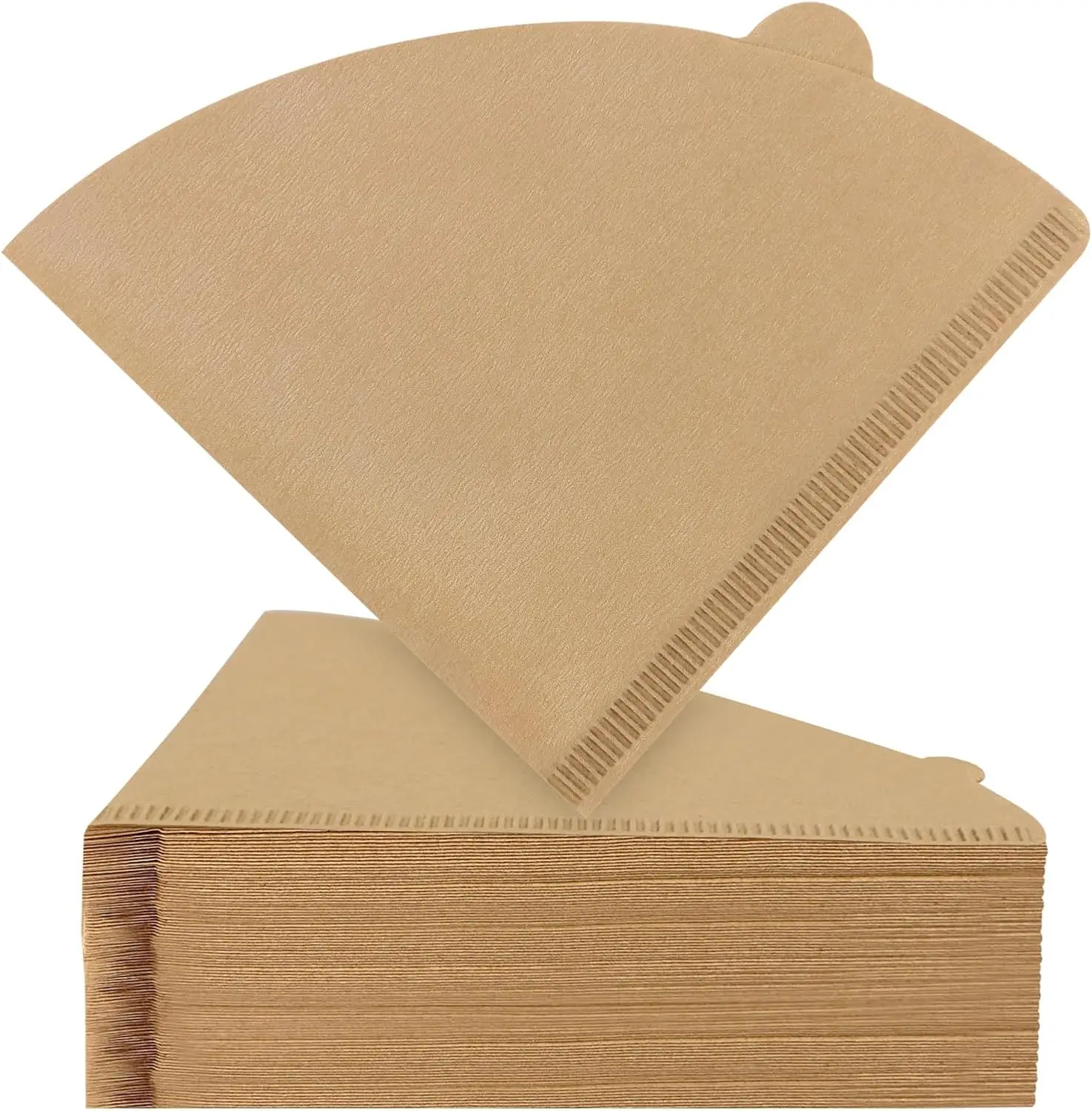 |
Clinuse Cone Coffee Filters #2 | 200 Count Unbleached Size 02, Disposable Natural Paper, 2-4 Cup | $9.27 | $1.30 | 9081 | 4.6 | Eco-friendly, universal fit, good extraction |
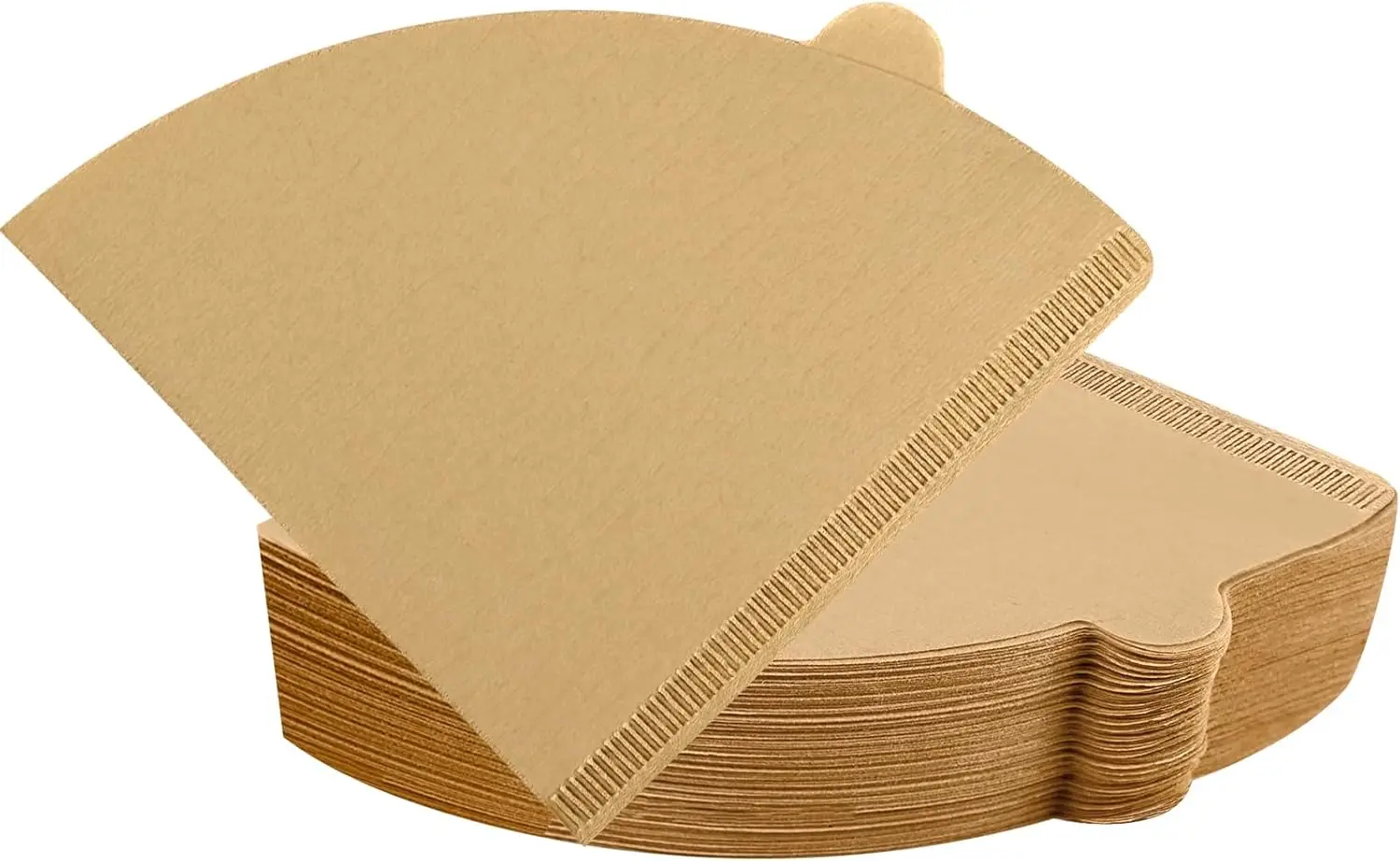 |
Coffee Filters, Cone 02 | 200 Count, Natural Brown Unbleached, 1-4 Cups | $9.91 | $1.17 | 657 | 4.7 | Natural paper, high compatibility, safety tested |
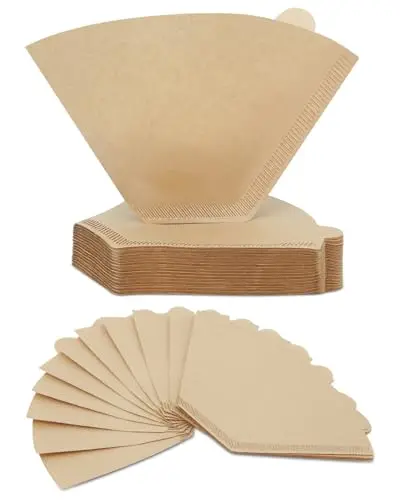 |
Coffee Filters 100 Count | Unbleached/Disposable, Pour-Over for Drip Maker, Cone 02, 2-4 Cup | $7.91 | $0.65 | 410 | 4.2 | Fast draining, budget pack, BPA-free |
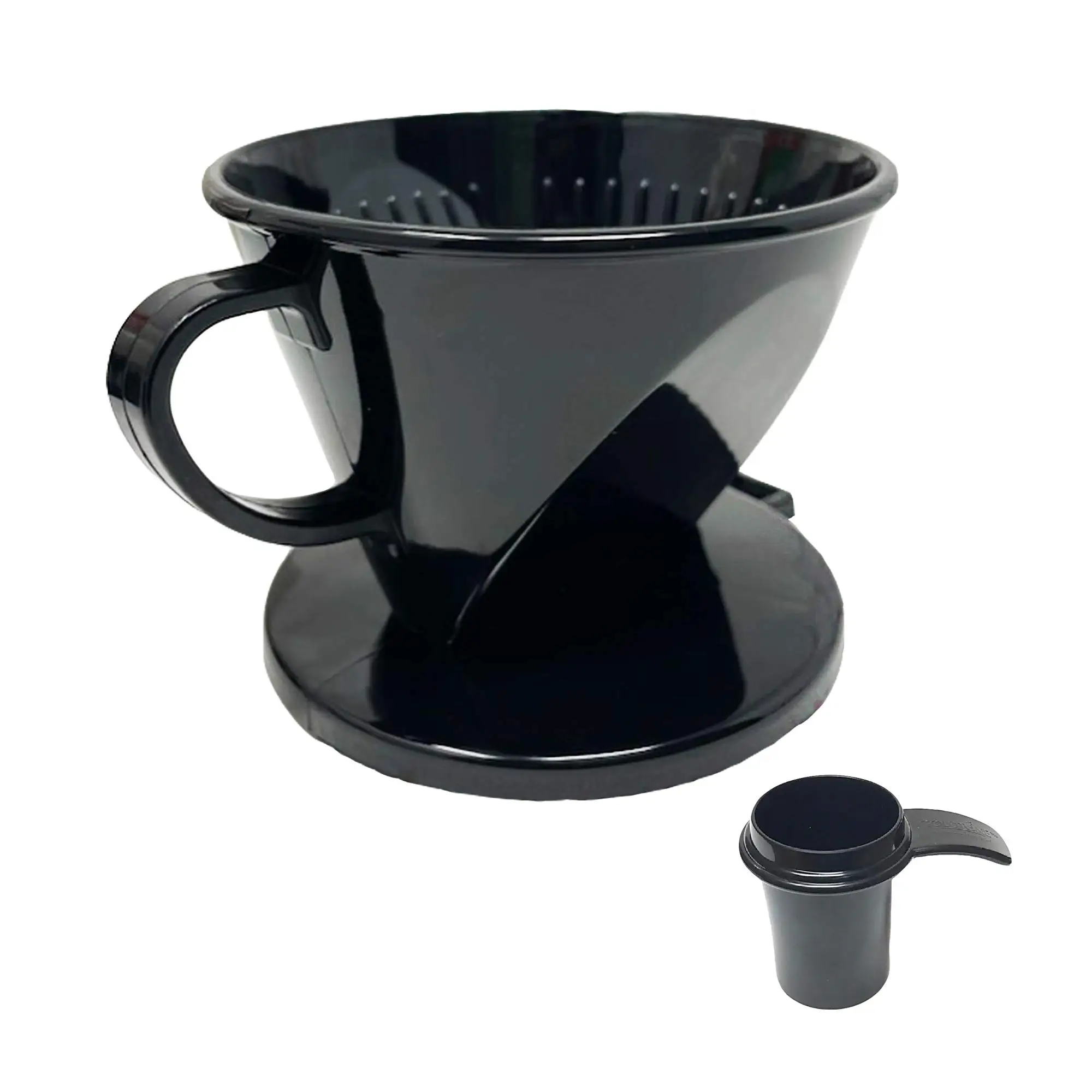 |
GoldTone #2 Cone Pour Over Dripper | Portable, BPA-Free, 1-6 Cups + Scoop | $8.12 | $2.67 | 189 | 4.4 | Portable, easy clean, wide brewing range |
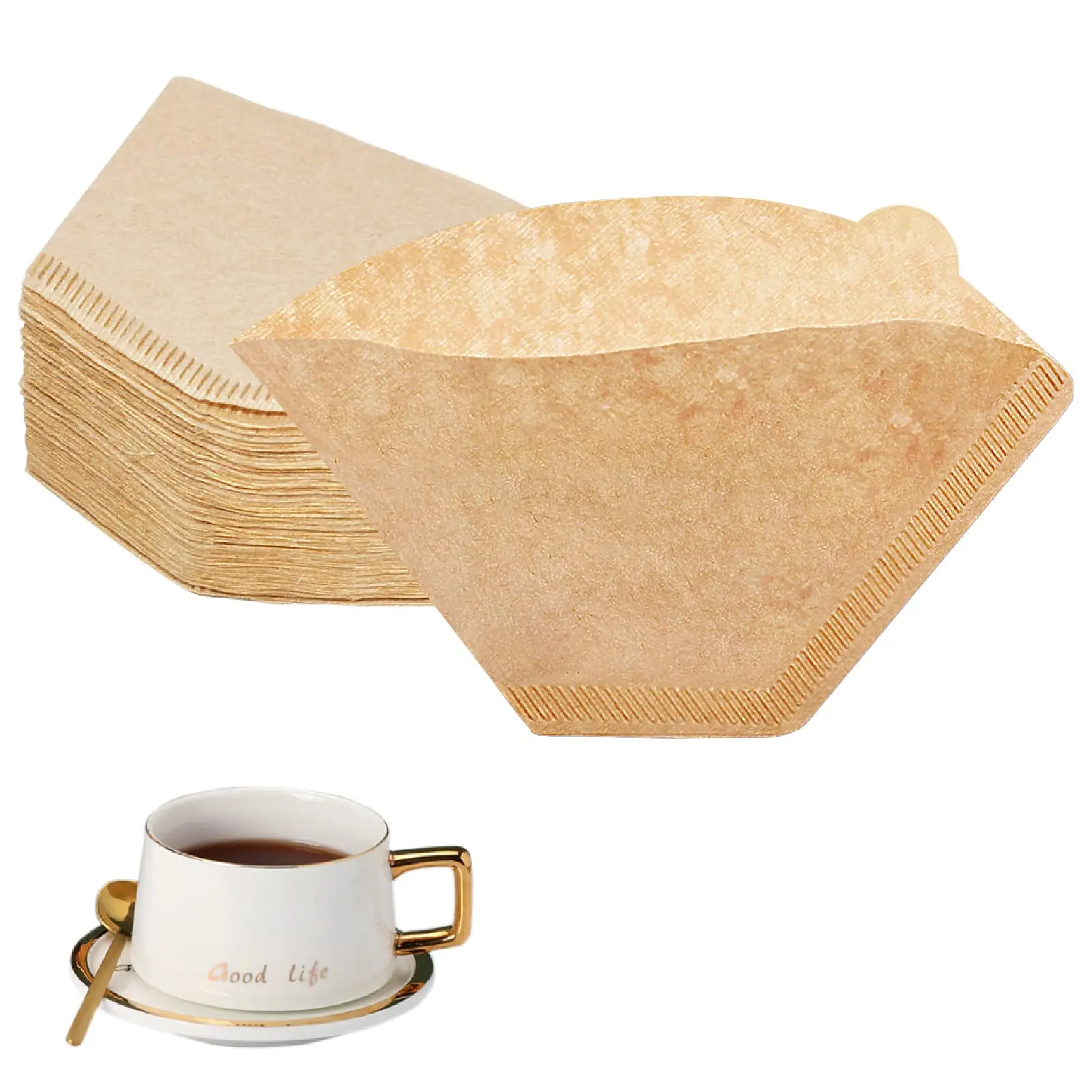 |
BYKITCHEN Size 4 Filters | 200 Count, Unbleached, 8-12 Cup | $13.01 | $0.96 | 120 | 4.6 | Large capacity, eco-friendly, high extraction |
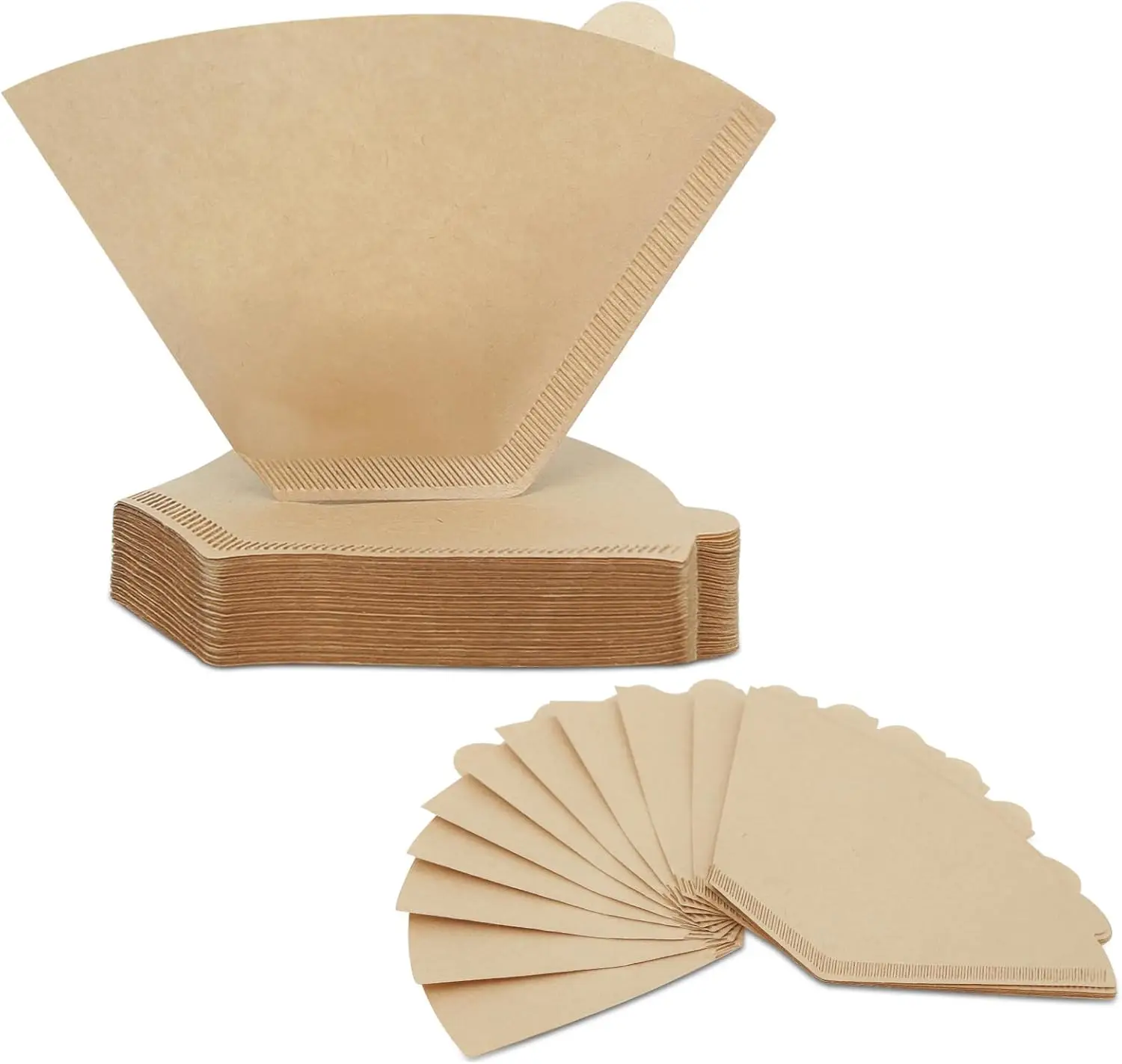 |
Coffee Filters 4 Cone Paper | 100 Count Unbleached, 8-12 Cup, Cone 04 | $7.85 | $0.57 | 68 | 4.7 | Disposable, good aroma, easy to use |
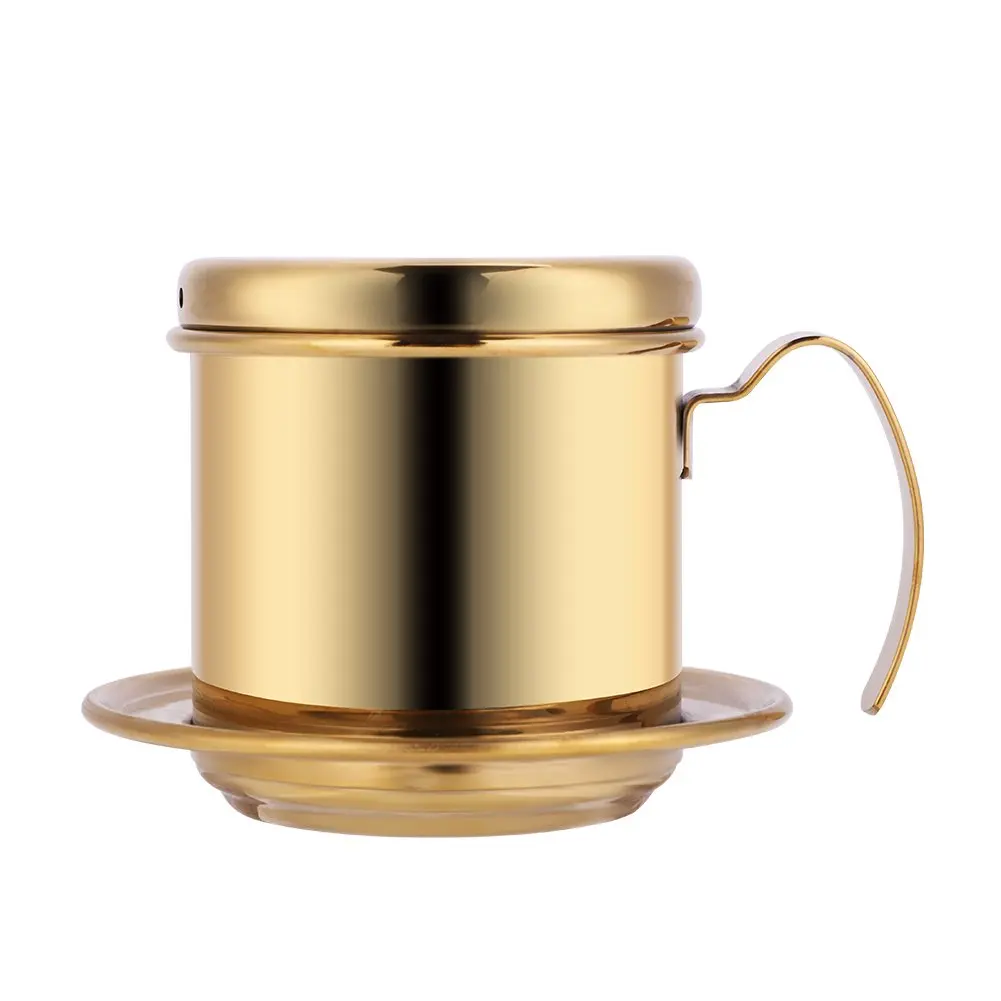 |
KooingTech Vietnamese Coffee Drip Filter | Stainless Steel, Press Coffee Maker, Gold | $17.25 | $5.50 | 23 | 4.9 | Reusable, luxury finish, high extraction |
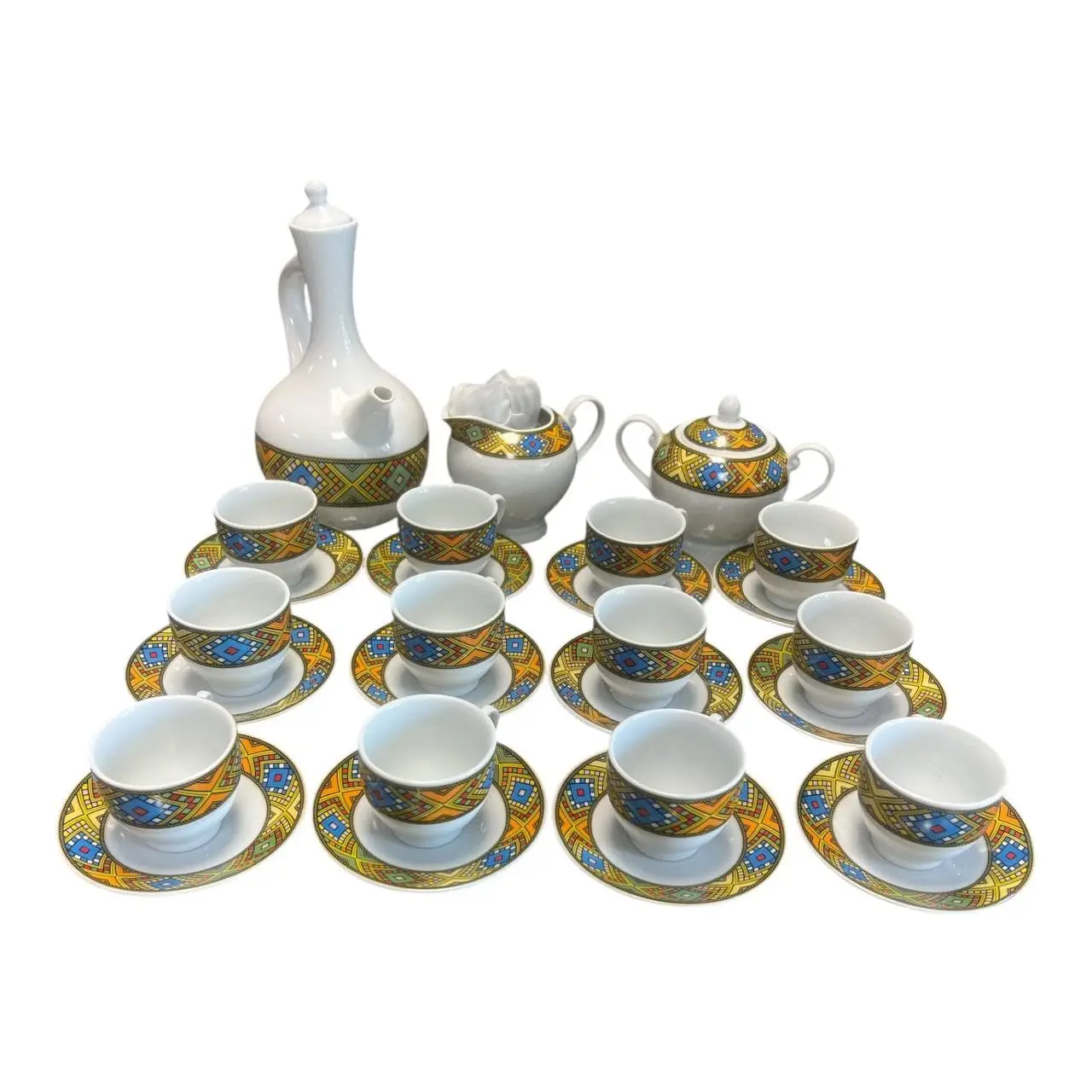 |
Ethiopian Coffee Set, 41-Piece | Ceramic Set, Jebena Pot, Decorative Cups & Saucers, Geometric | $99.99 | $9.82 | 7 | N/A | Traditional, all-in-one, premium quality |
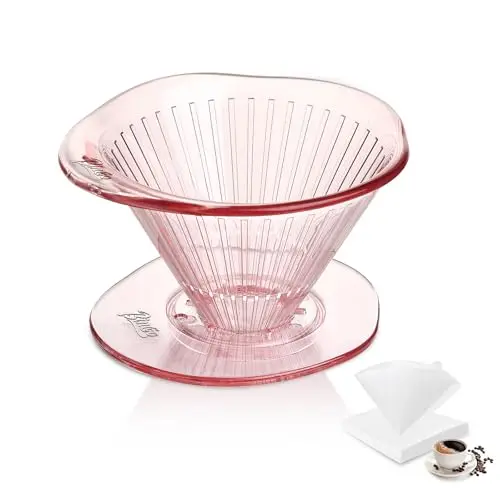 |
Bincoo Pour Over Coffee Dripper & Filters | Tritan Plastic Dripper, 2-4 Cups, 50 Filter Papers, Pink | $23.13 | $1.82 | 5 | 4.8 | Portable, modern, BPA-free |
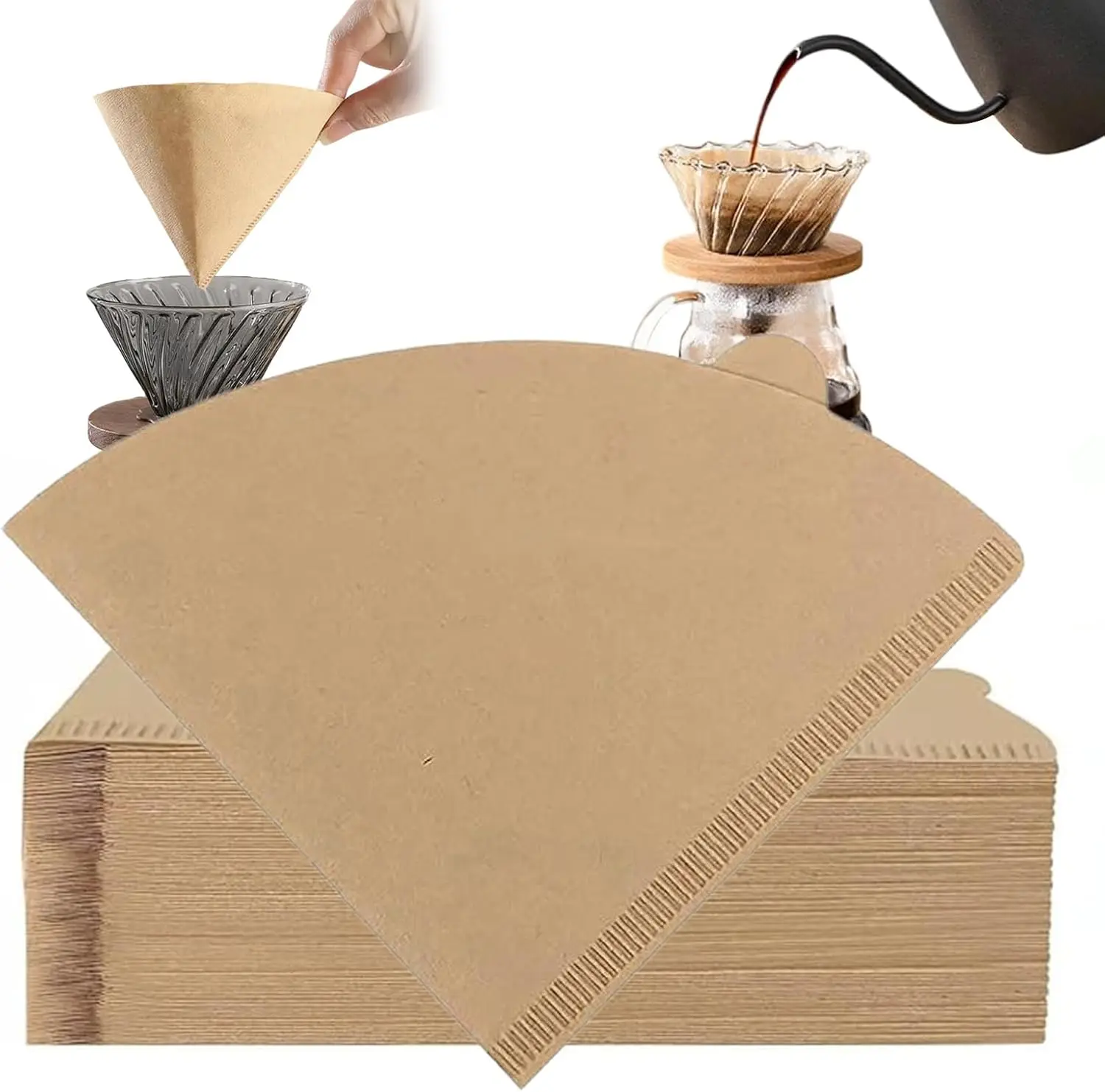 |
2026 New Cone Coffee Filters | 100 Count, Disposable Paper, Pour Over & Drip (01) | $2.31 | $0.75 | 5 | 5.0 | Budget pack, high extraction, new release |
Table data sourced from [2].
Successful retail products blend functional performance (quality filtration, robust cup structures), attractive aesthetics, and perceived authenticity. The single best-selling item remains a high-count filter bundle, reflecting pivotal pour-over subcategory growth, while the integrated Ethiopian ceremony set retains high-margin premium positioning ideal for gifting and upscale hospitality procurement. Buyers should match procurement quantity and product mix to these patterns.
For international procurement teams seeking to source Ethiopian coffee cups and ceremony sets, a data-driven and risk-mitigated strategy is essential. Below are key considerations:
For everything from home brewing sets to specialty hospitality purchases, buyers who leverage authentic supply, rigorous QC, and strategic logistics stand to capture strong market share in the evolving 2026 global coffee culture. Successful strategies blend attention to tradition, functional utility, and strong supply chain control.
The global resurgence of Ethiopian coffee cups and ceremony ware showcases how heritage, ritual, and design can create powerful commercial opportunities. Key trends in 2026 reveal:
For B2B buyers, next steps should include:
The calendar ahead is rich with opportunity—confident, well-informed procurement can unlock lasting value in one of 2026’s most vibrant beverageware categories. Source, test, and scale with conviction, knowing that the world’s coffee lovers are seeking the kind of connection that only the Ethiopian coffee cup can deliver [2][3][4].