All categories
Featured selections
Trade Assurance
Buyer Central
Help Center
Get the app
Become a supplier

Emulsion Transfer Pumps: 2026 Global Hot Selling Report, Trends, and Sourcing Intelligence

Why Emulsion Transfer Pumps Are Surging in 2026

The demand for emulsion transfer pumps is stepping into the spotlight as we enter 2026, driven by dynamic changes in both industrial and consumer sectors worldwide. At the core, these pumps are indispensable for managing the movement of viscous, multi-phase fluids—ranging from construction chemicals and industrial adhesives to water treatment solutions and food-grade mixtures. This year, several converging factors are shaping the hot seller landscape:

  • Infrastructure and construction boom: Massive investments in roadwork, urban renewal, and smart infrastructure projects across North America, Asia, and the Middle East are fueling the need for efficient transfer technologies capable of moving asphalt and bitumen emulsions safely and quickly [3][2].
  • Stringent environmental compliance: The shift towards bio-based and eco-compliant fluid systems is intensifying, spurring new designs in pumps that can handle specialized emulsions without contaminating outputs or compromising product integrity [3].
  • Seasonal transitions: Colder months present unique viscosity challenges for emulsions, with industries prepping for increased demand in de-icing and fluid handling. Simultaneously, spring and summer see a spike in agricultural, hydroponic, and food production applications where emulsion transfer speeds and reliability are critical [13].
  • Consumer behavior shift: Businesses and individual users show greater propensity to invest in pumps enabling automation, remote monitoring, and solar-powered operation—reflecting growing awareness around energy efficiency and hands-free maintenance [9].
  • Cultural and lifestyle factors: The collaborative maker movement and DIY trends prompt a surge in small-scale, affordable transfer solutions for home brewing, resin printing, and hobby agriculture, expanding the user base beyond heavy industry [8][12].

Emulsion Transfer Pumps: What They Are, How They’re Classified, and Why It Matters

Emulsion transfer pumps are specialized devices engineered to move emulsified fluids—essentially mixtures of two or more liquids that naturally resist blending, such as oil and water—which are stabilized using emulsifying agents [2][4]. These fluids feature droplets of one substance dispersed in another, resulting in unique physical properties that complicate handling and transfer. The pump's ability to manage viscosity, avoid phase separation, and maintain sensitivity to temperature and agitation is crucial to preserving fluid integrity during transport. Historical origins: The movement of emulsions dates back to early 20th-century industrial innovation, where the need to transfer heavy fuels, lubricants, and chemical blends drove advancements in pump technology. Early pumps relied on gravity, manual siphons, or crude piston mechanisms. The subsequent evolution saw refinement in centrifugal and positive displacement designs, enabling reliable, high-capacity movement of complex fluids both in heavy manufacturing and emerging consumer applications [4][5][6]. Main types of emulsion pumps:

  • Centrifugal pumps: Use rapid spinning to impart kinetic energy to fluids, creating flow by centrifugal force. While ideal for lower-viscosity emulsions, they can suffer performance loss with thicker mixtures and may inadvertently promote phase separation if not correctly tuned [4].
  • Positive displacement pumps: Traps fixed amounts of fluid and forces it through the outlet, maintaining consistent flow regardless of changes in pressure or viscosity. These designs excel in transferring asphalt, bitumen, and sticky chemicals, making them preferred for industrial emulsions [5][6].
  • Gear and vane pumps: Employ internal rotors and sliding vanes or gears, offering precise control over flow rates and exceptional durability for both abrasive and temperature-sensitive mixtures [7].
  • Diaphragm and peristaltic pumps: Utilize flexible diaphragms or rollers to create smooth, non-shearing movement, ideal for pharmaceutical and food-grade emulsions requiring sanitary transfer and minimal contamination [6].
Key classification criteria for buyers:
  • Chemical compatibility: Is the pump material suited to resist corrosion from specific emulsions?
  • Viscosity management: Does the pump handle thick or temperature-sensitive fluids without risking separation or solidification?
  • Capacity and flow rate: What volume can be transferred per hour, and is it scalable to evolving production needs?
  • Energy and automation: Is the pump equipped for remote/sensor-driven operation, facilitating workflow automation?
  • Regulatory compliance: Is the pump certified for food-grade, pharmaceutical, or hazardous fluid handling in target markets?

Community Voice: Consumer Sentiment and Trends in Pump Usage

The contemporary discussion around emulsion and transfer pumps reflects a vibrant blend of technical feedback, application troubleshooting, and innovation sharing from both professional and hobbyist communities. By analyzing a wide spectrum of social discussions, several recurring consumer and industry sentiments emerge: Practical usage and operational feedback:

  • Transfer pumps are praised for streamlining operations—especially when moving fluids between tanks or from ground reservoirs to elevated storage—reducing manual labor and increasing process reliability [9][13].
  • In home brewing, users highlight that while pumps make racking and bottling more manageable, poorly matched models may “aerate” or “agitate” concoctions, risking quality degradation. Many community members suggest using gravity or closed systems for sensitive liquids, and reserve pumps for racking only [8][14].
  • Solar-powered and battery-integrated transfer pumps earn positive reviews for off-grid scenarios, maximizing convenience for irrigation and mobile industrial tasks. Communities often recommend low-maintenance mag-drive or bilge pump designs for their longevity [9].
  • For resin printing and fluid transfer in hobby industries, users caution against unnecessary pump usage in small-volume scenarios, citing cost and cleaning complexity. Simpler solutions such as funnels and siphons are considered more practical unless frequent compound changes justify the investment [12].
  • Plumbing and industrial maintenance users stress the importance of application-specific safety: transfer pumps for potable and non-potable fluids should not mix, and filtration or priming can be critical in extending equipment life [11][16].
Sentiment patterns and recurring pain points:
  • “Reliability over complexity,” with a strong preference for basic, proven designs unless clear productivity boosts justify upgrade costs.
  • Concerns over “aeration,” “agitation,” and “pump speed” in sensitive applications—especially in home and craft brewing or when transferring multi-phase fluids outside industrial contexts.
  • Frequent calls for clarity in product labels—users are often uncertain about which pumps are truly compatible with specialized chemicals, food-grade compounds, or fuel types [15].
  • Innovation interest: Growing user-driven demand for smart automation, integrated filtration, and reconfigurable pump platforms—especially as 2026 sees wider consumer adoption of fluid transfer in agriculture, manufacturing, and creative production.

Market Trends and Buying Intelligence: 2026 Landscape for Emulsion Transfer Pumps

The global emulsion pump market is on a steep growth curve, estimated to expand from USD 1.5 billion in 2024 to USD 2.5 billion by 2033, with a projected CAGR of 6.5% from 2026 to 2033 [3]. This surge is powered by escalating demand from chemical processing, petrochemicals, food manufacturing, and infrastructure construction. Let's break down key market dynamics, category trends, regional preferences, and detailed product analysis to arm buyers with actionable intelligence. Industry trends:

  • Rising technical complexity: Pumps engineered for advanced emulsions are entering the mainstream, driving upgrades in asphalt, bitumen, and chemical industries where fluid integrity is paramount [2][6].
  • Preference for positive displacement: Positive displacement pumps, including gear, vane, and diaphragm types, are increasingly favored in high-viscosity and sensitive applications due to their ability to maintain stable flow and resist phase separation [5][6].
  • Automation and smart monitoring: Integration of sensors, remote controls, and predictive maintenance tools is becoming a must-have in both large-scale industry and small business operations.
  • Eco-compliance and bio-based fluids: Movement towards environmentally responsible emulsions drives design upgrades—materials, seals, and technical certifications now form core buying criteria [3].
Price tier analysis:
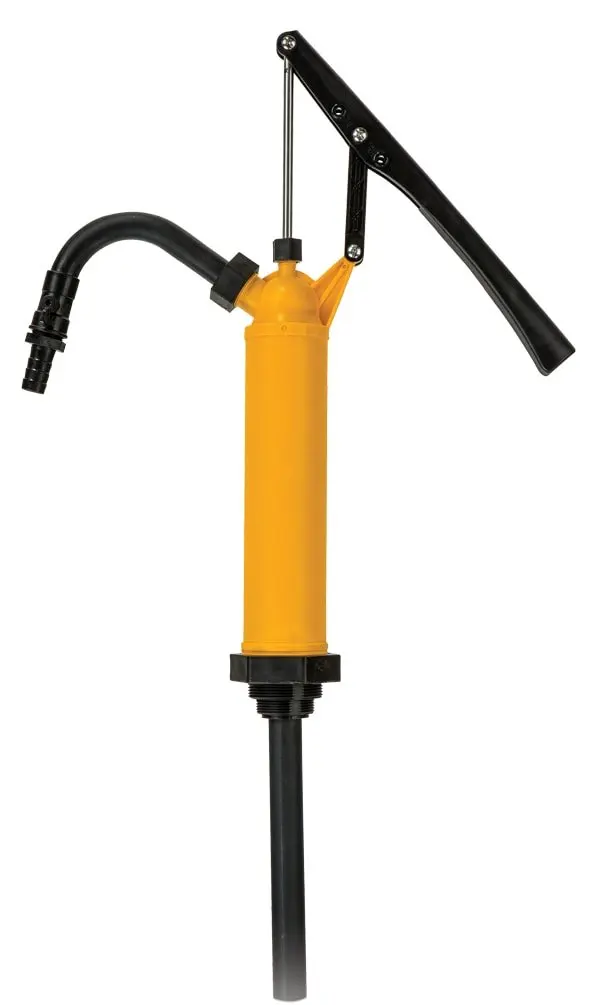
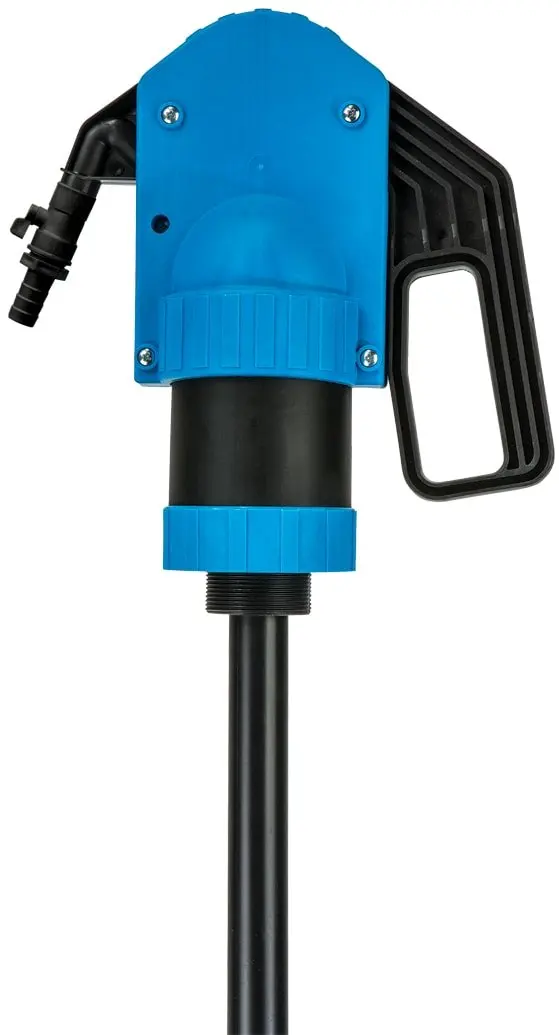
  • Entry-level hand pumps: Price points cluster below $50, offering basic, corrosion-resistant designs suited for low-volume or DIY use.
  • Mid-tier powered and diaphragm pumps: Typically range $100–$600, balancing capacity, automation, safety features, and reliability for most industrial or agricultural needs.
  • High-capacity industrial pumps: $1000 and up, providing high flow rates, extreme viscous fluid handling, and advanced control features for mission-critical operations.
Regional preferences:
  • North America: Focused on construction, agriculture, and energy sectors, with high adoption of automation and compliance-driven upgrades.
  • Europe: Leading in food/pharma-grade pump regulation and eco-compliant design due to stringent standards.
  • Asia-Pacific: Fast-growing infrastructure and manufacturing base, driving “value” models along with strong demand for premium, long-life products.

Hot Selling Analysis: Top 10 Amazon Products in Emulsion Transfer Pumps

The following represents the most popular retail options as measured by recent monthly sales, offering invaluable downstream demand signals to procurement professionals. These listings provide clear insights into buyer preference for functionalities, pricing, and product type diversity.

Image Product Name Specifications Retail Price Wholesale Price Average Rating Monthly Sales Volume
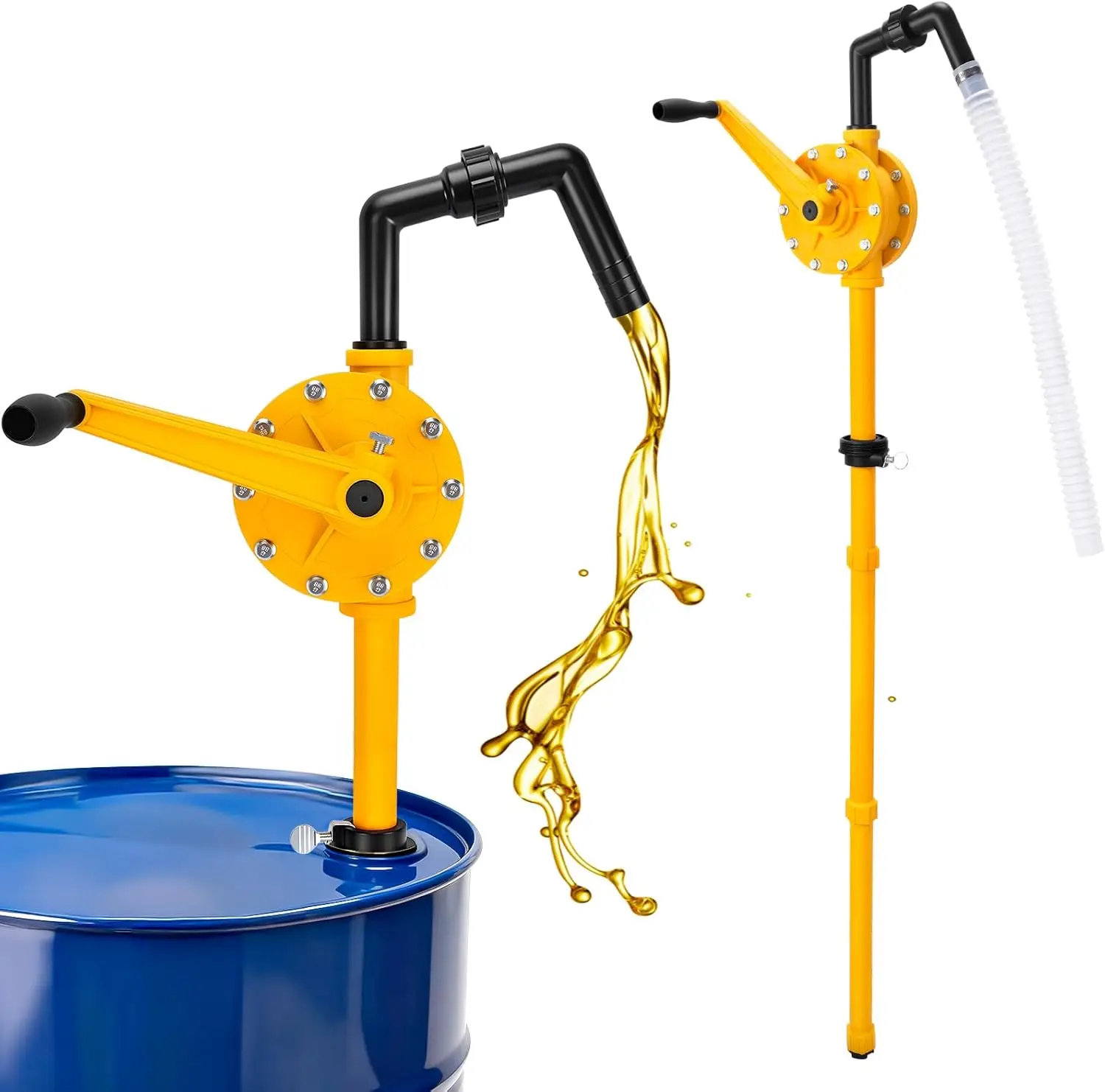
GDDGHS 55 Gallon Drum Pump GDDGHS 55 Gallon Drum Pump Upgraded Polypropylene Hand Rotary Barrel Pump for 15–55 Gal Drum, 10 GPM, Corrosion-resistant for Water, Fuel, Chemicals $47.31 $25.37 4.1 220
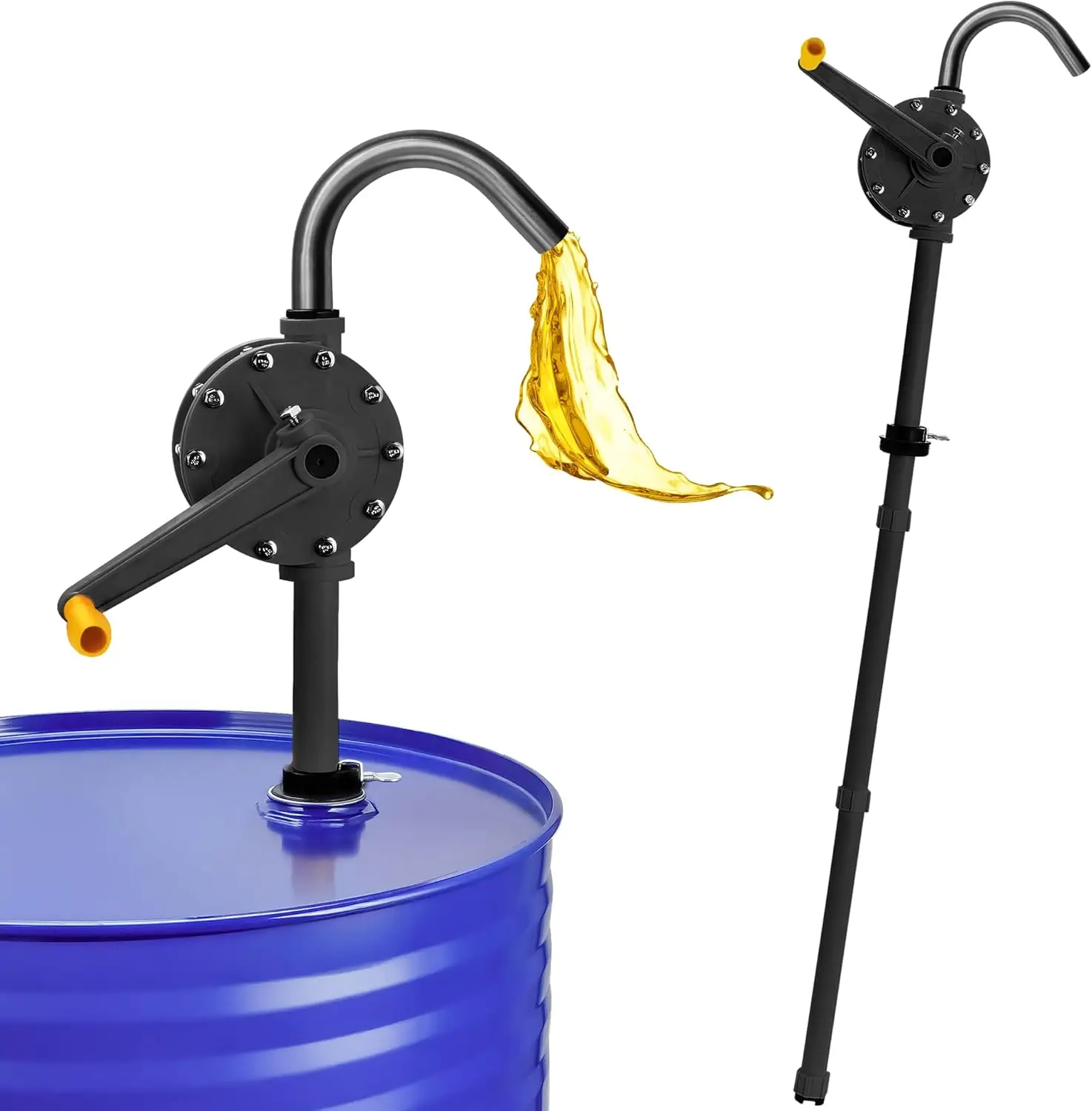
TALFIT 15-55 Gallon Drum Pump TALFIT 15-55 Gallon Drum Pump Manual Rotary Barrel Pump, 10 GPM, Corrosion-Resistant, handles water, cleaners, fuel, and chemicals $90.61 $31.5 3.7 83
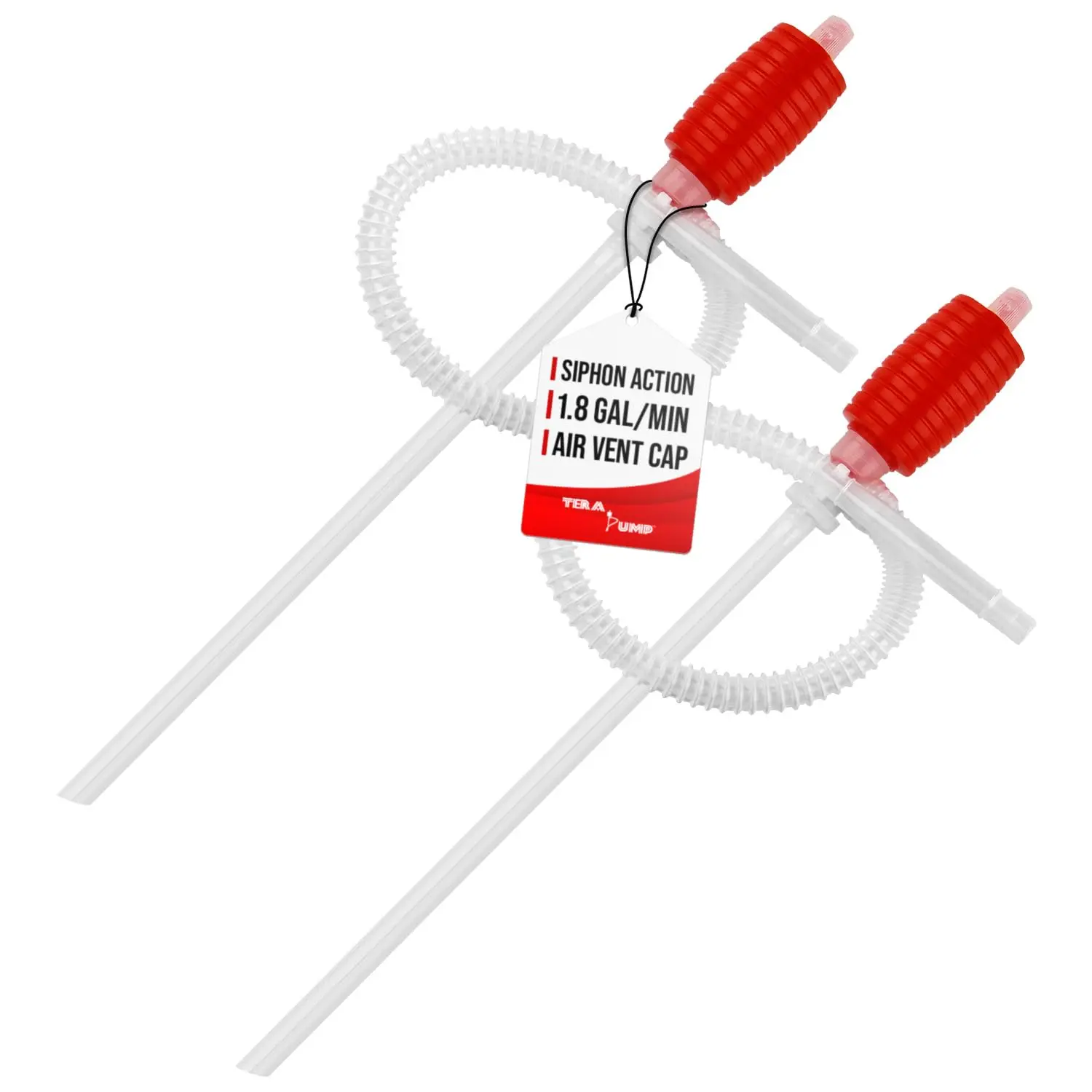
TERA PUMP (2PK) TRDP14 Gas Siphon Manual TERA PUMP (2PK) TRDP14 Gas Siphon Manual Hand Fuel Pump, for Oils, Kerosene, Water Based Chemicals $19.97 $0.46 4.4 20
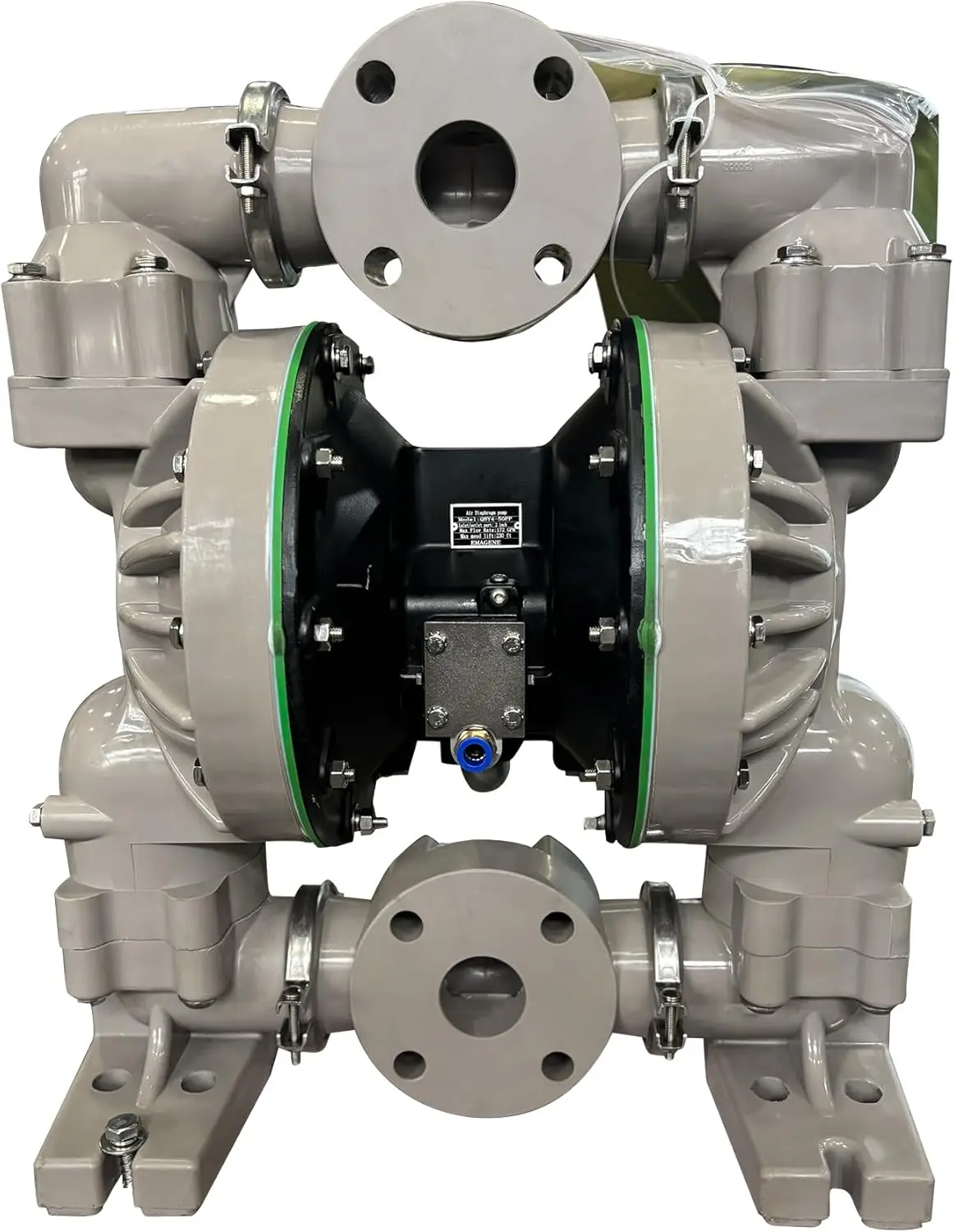
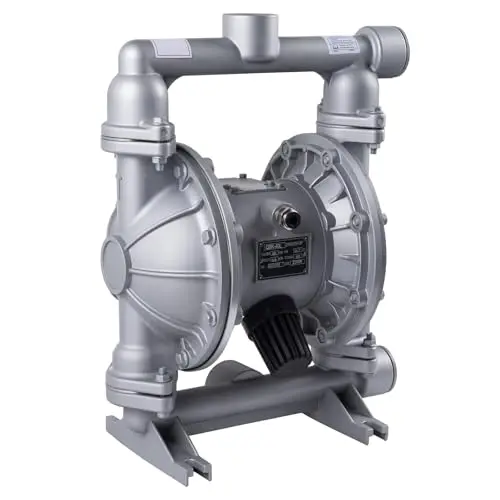
Air Operated Double Diaphragm Pump Air Operated Double Diaphragm Pump 2 inch Pneumatic Waste Oil Pump, Chemical DN50 172GPM, Dual Diaphragm, Teflon by Aluminum alloy $609.9 $425.5 N/A 18
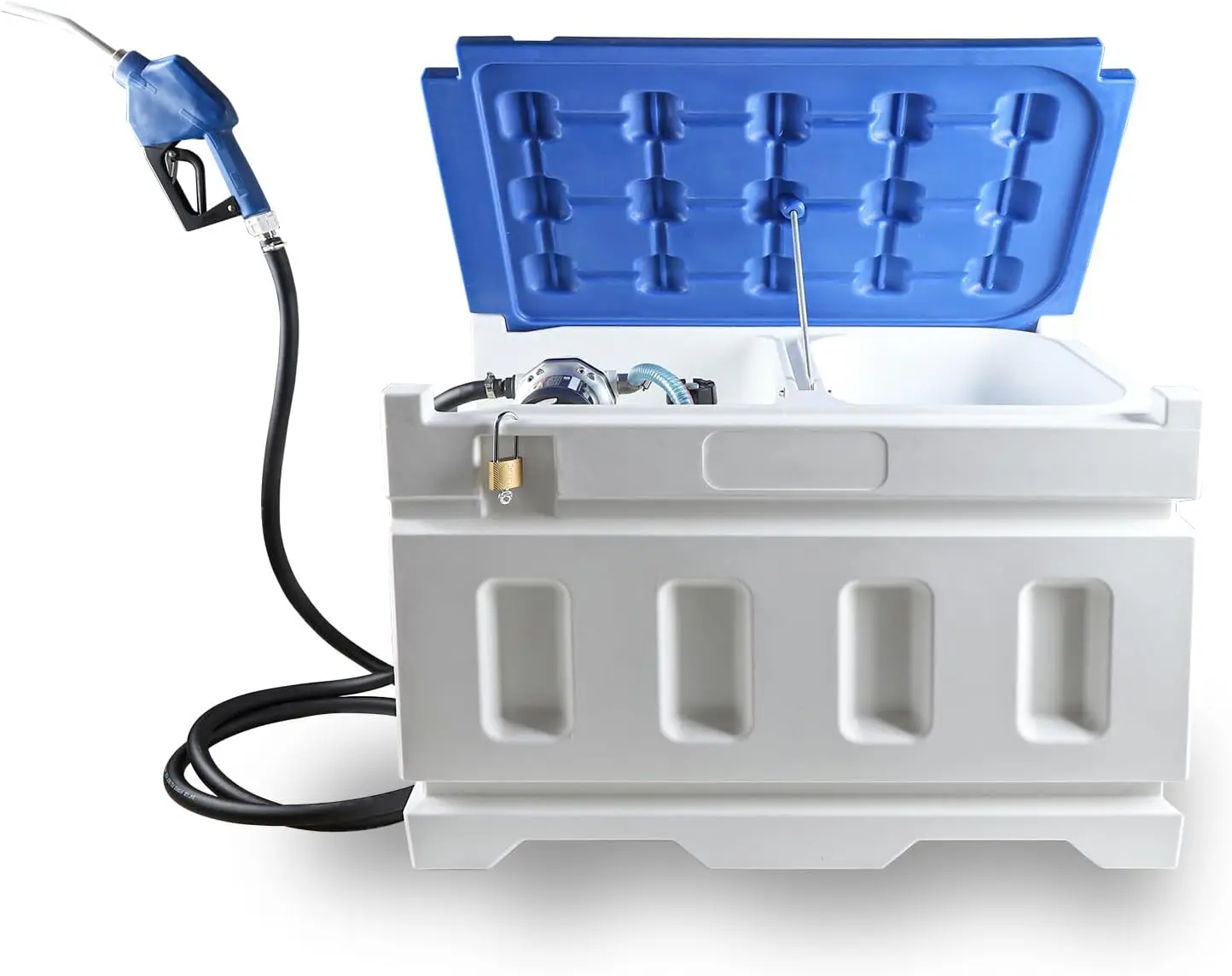
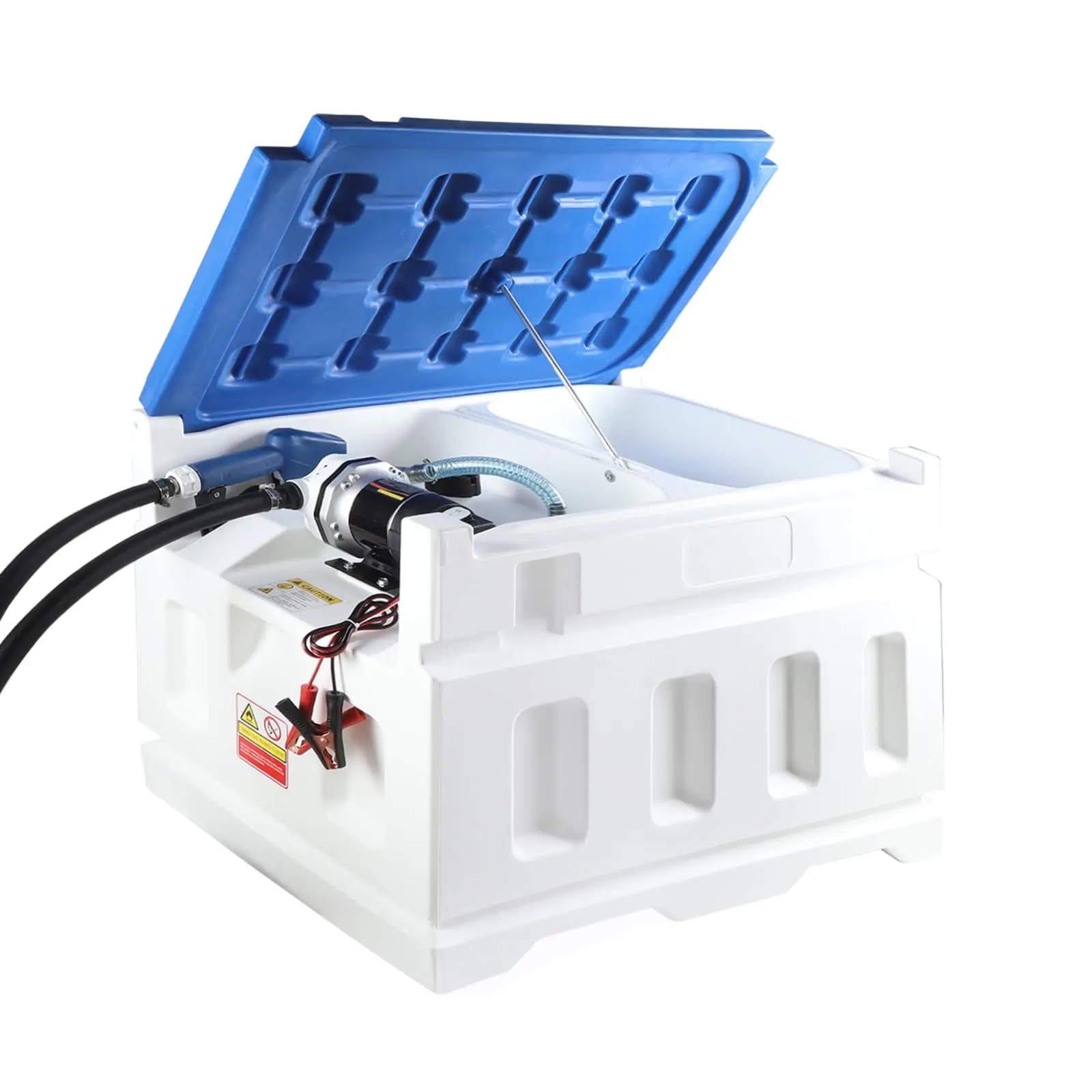
48 Gallon Portable DEF Transfer Tank with Pump 48 Gallon Portable DEF Transfer Tank with Pump Chemical Electric Diaphragm Pump, for Diesel Exhaust Fluid/Urea Liquid $483.01 $141.15 5 9
Double Diaphragm Pump Air Operated 1.5 inch Double Diaphragm Pump Air Operated 1.5 inch Pneumatic Waste Oil Pump QBK-40 50 GPM, Polypropylene Nitrile Rubber, Stainless Steel Iron $224.48 $164.06 4.8 8
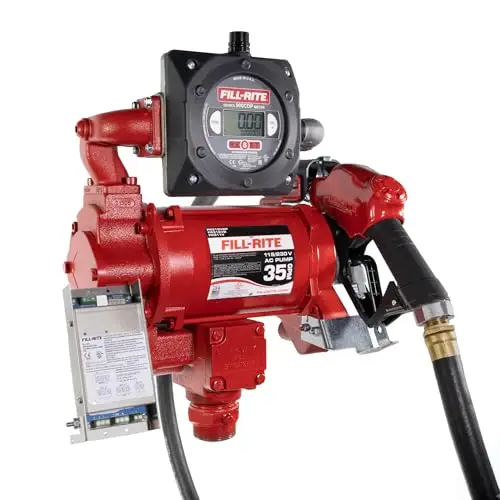
Fill-Rite FR319VBP Fuel Transfer Pump Fill-Rite FR319VBP Fuel Transfer Pump 115V/230V 35 GPM, Digital Meter Package $2042.71 $210.0 5 5
12V 10GPM DEF Transfer Pump Kit 12V 10GPM DEF Transfer Pump Kit 48 Gallon Caddy Tank, Diaphragm Irrigation Pump, for Diesel Exhaust Fluid/Urea Liquid $513.52 $283.25 N/A 5
Lumax LX-1326 Lever Action Chemical Pump Lumax LX-1326 Lever Action Chemical Pump General Purpose, Fast Transfer of Acidic Solutions, Chemicals, DEF/UREA/AdBlue $31.83 $10.23 3.7 5
LUMAX LX-1329 Lever Action Premium Chemical Pump LUMAX LX-1329 Lever Action Premium Chemical Pump Siphon Function, Fast Transfer of Acidic Solutions Chemicals, Fuels $63.81 $18.13 3.6 5

Table data sourced from [1].

Examining the sales volume and ratings reveals several actionable insights for procurement:

  • The runaway leader in sales is the GDDGHS 55 Gallon Drum Pump, with robust monthly volume and competitive pricing, indicating reseller and industrial bulk buyers value cost efficiency and reliability.
  • More expensive electric and pneumatic designs see sporadic monthly sales, reflecting market preference for affordable manual and hand-operated solutions in regular business use, while specialized applications demand premium units.
  • Rating distribution highlights a split between performance, value, and durability—high marks for chemical resistance and simple operation, but buyers flag agitation or compatibility as pain points.

Comparison of Monthly Sales Volume and Average Star Ratings for Top 10 Amazon Emulsion Transfer Pumps

This bar chart clarifies a distinct demand gap between low-cost, high-volume manual pumps and niche, premium-powered pumps. Procurement teams should prioritize these signals when negotiating bulk orders or mapping stock levels to real-time retail trends.

Sentiment Analysis: What Buyers Want and Avoid

Diving into user-generated reviews and discussion threads, here's what drives satisfaction—and what sparks caution.

  • Positive: “Sturdy feel,” “Handles corrosive fluids with ease,” “No leaks after months of frequent use,” “Simple setup saves hours per week.”
  • Negative: “Agitates brew and destroys texture,” “Too slow for volume jobs,” “Battery/power adaptation is tricky,” “Star rating drops for questionable chemical compatibility.”

Strategic Sourcing, Risk Management, and Procurement Intelligence

Procurement of emulsion transfer pumps requires a layered, strategic approach to secure not only best pricing but guaranteed operational integrity and compliance across markets. Supplier evaluation criteria:

  • Certifications: Ensure potential suppliers hold ISO, CE, or industry-specific fluid handling certifications—necessary for cross-border sales and compliance.
  • Production capacity: Verify manufacturer output, lead-time reliability, and after-sales support for volume or rapid-turn contracts.
  • Quality systems: Audit for documented QC procedures, random batch testing, and material traceability in chemical seals and fluid path components.
Quality control and inspection requirements:
  • Include full functional testing—especially with sample emulsion fluids emulating your production environment.
  • Check for warranty coverage against corrosion, leakage, and agitation faults; review historical product defect rates.
  • Insist on visible compliance marks (e.g., FDA, EU food grade for food/pharma pumps).
Logistics, shipping, and packaging:
  • Opt for robust, weatherproof packaging, especially when sourcing for remote or seasonally challenged regions.
  • Negotiate for bulk shipping discounts and confirm supplier capacity for consolidated freight handling.
  • Assess customs and import documentation for target territories; pre-clear certifications to avoid clearance delays.
Certification and compliance:
  • Match pump certifications to end-user regulatory requirements; double check food, pharma, or hazardous fluid compatibility in labeling and documentation.
  • Document traceability of all component materials for audit and recall readiness.
Common pitfalls and avoidance strategies:
  • Avoid unverified brands or models lacking transparent performance data or customer feedback—especially critical for sensitive fluid applications.
  • Do not mix pump usage across potable and non-potable scenarios; dedicate separate units to each to avoid cross-contamination and legal risk [11].
  • Prioritize service history, parts availability, and ease of maintenance—especially in isolated or intensive-use deployments.
  • Confirm chemical resistance and corrosion ratings match your fluid spectrum; test with actual samples wherever possible.
Competitive advantage in sourcing:
  • Source from manufacturers who innovate—offering modular upgrade options, remote sensors, and multi-mode power adaptation for future-proofed investment.
  • Leverage bulk contract negotiation for high-frequency sale items—aligned to actual monthly sales volume. Incorporate consumer sentiment and pain points into product selection to reduce after-sale handling and support issues.

Action Steps for Sourcing Success in 2026

2026 presents a breakthrough opportunity for buyers to gain edge by making data-driven, intelligence-based procurement choices in the emulsion transfer pump segment. Conclusion and synthesis:

  • The emulsion pump market will expand rapidly, with high growth in infrastructure, manufacturing, and smart automation sectors. Buyer focus must pivot to proven pump types—positive displacement for high viscosity, centrifugal for lighter mixtures.
  • Top retail sellers confirm market preference: accessible pricing and robust, maintenance-friendly designs trump over-complicated features, except in specialized applications where premium is justified.
  • Social and sentiment feedback reveal that operational reliability, chemical compatibility, and minimized maintenance drive purchase satisfaction and repeat business—factor these qualities into supplier selection and contract negotiation.
  • Risk management is essential—ensure supplier transparency, rigorous quality systems, and full regulatory compliance to avoid costly disruptions or legal hurdles.
Recommendations:
  • Tailor sourcing strategy to match your end-user’s liquid type, transfer environment, and regional compliance—use product sales data to inform contract volumes.
  • Demand clear labeling and functional guarantees on pump models, especially when handling specialty fluids or operating in high-risk environments.
  • Leverage direct buyer feedback and operational anecdotes from social communities—real-life pain points are often more instructive than spec sheets alone.
  • Plan for the next 6–12 months by revisiting supplier agreements, expanding product lines to include value-tier and smart-enabled models, and actively auditing compliance ahead of regulatory changes.
Take action now:

Notice