
All categories
Featured selections
Trade Assurance
Buyer Central
Help Center
Get the app
Become a supplier
As the healthcare landscape transforms rapidly in 2026, the spotlight is now squarely on electric ambulances as the next frontier in emergency medical transport. Global governments have thrown weight behind health system decarbonization, catalyzed by escalating climate imperatives and breakthroughs in battery technology. Across Europe, North America, and select Asian markets, hospitals are pivoting toward all-electric fleets with remarkable speed, motivated by substantial carbon reduction targets, rising fuel costs, and the need for modernized patient experiences.
Major events—from EU Green Healthcare summit protocols to substantial national investments—have created a high-pressure context for procurement teams. Many ambulance operators are now tasked with choosing between next-generation electric platforms and conventional diesel models, evaluating not just cost and compliance but long-term reliability for life-critical missions. Amid this transition, buyers are also navigating a dazzling array of supporting electric medical devices and hybrid conversion solutions, as seen in the 2026 retail trends. This year, hospital, municipal, and private buyers alike confront not just technical change, but a profound shift in consumer and institutional expectations for sustainability, speed, comfort, and operational excellence.
In parallel, consumer awareness has soared due to headlines about cities introducing zero-emission emergency vehicles, fresh regulatory incentives, and the viral spread of eco-focused rescue narratives. These cultural factors--together with a surge in urban green fleet pilots--mean that sourcing professionals must now respond not just to functional needs, but to evolving market and stakeholder pressure for innovation and environmental stewardship.
Against this backdrop, exploring both traditional electric ambulance vehicles and the rise of “ambulance-grade” electric medical products is essential for any buying organization charting strategies into 2026 and beyond.
An electric ambulance is fundamentally a purpose-built emergency medical vehicle powered primarily by high-capacity batteries, engineered to deliver pre-hospital care and patient transport with minimal environmental impact. Unlike hybrids, these units operate exclusively on electric power, leveraging van or chassis platforms reconfigured for medical interventions. The premier configurations include:
Historically, ambulance design has evolved through several distinct stages: from basic gasoline-powered rescue vans of the 1950s, through the diesel boom in the 1980s (which prioritized range and durability), up to today’s electric platforms tuned for both sustainability and in-transit patient care. Pioneering launches such as the UK's first all-electric ambulance (by West Midlands Ambulance Service in 2020) set the precedent for successive waves of innovation [3].
Key classification criteria international buyers must weigh include:
The extended landscape of “ambulance-grade” electric equipment, such as siren systems, traction devices, and stretcher lifts, also falls into this procurement dialogue—though it is vital for buyers to distinguish between core transport units and supporting or retrofit products flooding the retail marketplace.
As the electrification trend intensifies, the social and professional reception of electric ambulances and related products is nuanced and frequently debated among emergency service operators, practitioners, and even vehicle conversion enthusiasts.
Across online paramedic and EMS communities, dialog centers on the real-world operational impacts of electric and hybrid ambulances. Practitioners cite critical advantages—the near-silent cabin allowing for improved patient monitoring, reduced vibrations translating to better patient comfort, and the environmental pride of contributing to carbon reduction goals. However, robust skepticism remains regarding battery range for long-distance patient transfers, with some professionals voicing concern about the feasibility of 6+ hour runs and the potential for stranded vehicles without reliable charging infrastructure [7].
Operators frequently stress user-centric design: controls in the patient compartment should be operable without driver intervention; redundant control points are seen as essential for in-mission flexibility. Ergonomic issues such as switch visibility, intuitive cab layouts, and compartment sealing are recurring themes—pointing to a need for buyer diligence in vetting both OEM and conversion-based offerings. Height sensors and compartment controls divvied between walls receive criticism, as operational safety demands seamless workflow for stretched crews [7].
Post-purchase conversion of ambulances for alternative uses, including camping or local transport, has also gained momentum, blending utility with a certain cultural cachet. Conversion enthusiasts highlight the technical hassle of insurance, the upside of multiple battery systems for auxiliary power, and peer-to-peer sharing of build ideas. The strongest advice from experienced users centers on basic checks for leaks, inverter function, and the operability of legacy systems (lights, PA, siren)—reinforcing the intersection of technical and lifestyle considerations for “retired” ambulances [12].
There is also a steady undercurrent of debate about cost transparency and labor value, with many practitioners lamenting high end-user fees for ambulance rides while EMT/paramedic wages lag behind. This context further complicates buyer reputation and sourcing choices, as procurement leaders must balance affordability with quality of service, staff welfare, and public perception [21].
In short, the electric ambulance revolution is embraced for its potential but cautiously scrutinized for its operational risks and support system sufficiency—buyers must respect these insights as they weigh vehicle models or electric-equipped upgrade paths in 2026.
The electric ambulance sector, though niche, is experiencing an unmistakable upward trajectory in 2026. Market size is accelerating, with governmental agencies investing in replacement fleets—such as the recent Welsh commitment of £22.4m, delivering multiple all-electric and hybrid units to frontline services [4]. Several manufacturers, including Mercedes-Benz and specialist conversion firms, are fiercely competing to win municipal, hospital, and corporate procurement contracts by offering both turnkey and highly customized vehicles.
Key regions with pronounced adoption rates include the UK, Germany, France, and parts of North America—especially urban zones committed to low emission initiatives. These areas favor van-based electric ambulances (e.g., Mercedes Vito, Ford Transit Custom plug-in hybrids, Flux Mobility’s modular platforms), prioritizing:
Buyer segment analysis:
Retail market dynamics reveal a parallel surge in “ambulance-adjacent” products—especially personal medical devices with electric components, emergency vehicle sirens, and auxiliary equipment. Amazon’s highest selling “electric ambulance” products in 2026 primarily target home therapy and convenience market segments, signifying broader cultural reach and consumer demand for “ambulance-grade” specialist devices.
Hot Selling Retail Analysis: Amazon Top 10 Electric ‘Ambulance’ Products (2026)
The following table, sourced directly from Amazon sales data, provides buyers and resellers with a granular breakdown of the top-performing electric products in the ambulance segment. It illustrates the retail appeal of electric traction devices, massagers, and vehicle siren systems—all essential tools adjacent to professional ambulance operations [1]:
| Image | Product Name & Specs | Avg. Rating | Monthly Sales | Retail Price | Wholesale Price | Key Features |
|---|---|---|---|---|---|---|
 |
Electric Lumbar Traction Device Dynamic Airbag Traction, 20-Level Electrotherapy, 3-Level Vibration Massage & Thermal Therapy (113–131℉) |
4.3 | 541 | $115.29 | $50.16 | Strong traction, adjustable heating, high electrotherapy levels |
 |
Cervical Neck Traction Device Electric Air Pump, 3 Power Traction, 8 Airbag Neck Stretcher Relief |
4.2 | 370 | $114.55 | $40.29 | Pain relief, decompresses cervical region, multi-airbag support |
 |
2025 New Massager Electric 6 Level Intensity, Heated 4D Stretcher Pillow for Neck & Shoulder Relief |
3.2 | 273 | $43.17 | $18.29 | Heated, portable, multi-level massage intensity |
 |
WUGCHDA Inversion Traction Table Full Body Spine Stretcher, Electric Large Model |
3.7 | 181 | $253.38 | $119.64 | Spinal stretching, electric actuation, wide load design |
 |
Electric Back Stretcher Dynamic Airbag, 3-Level Hot Compress, Vibration, 20-Level Electrotherapy |
4.2 | 152 | $108.07 | $43.83 | Lumbar pain relief, multi-modal, portable |
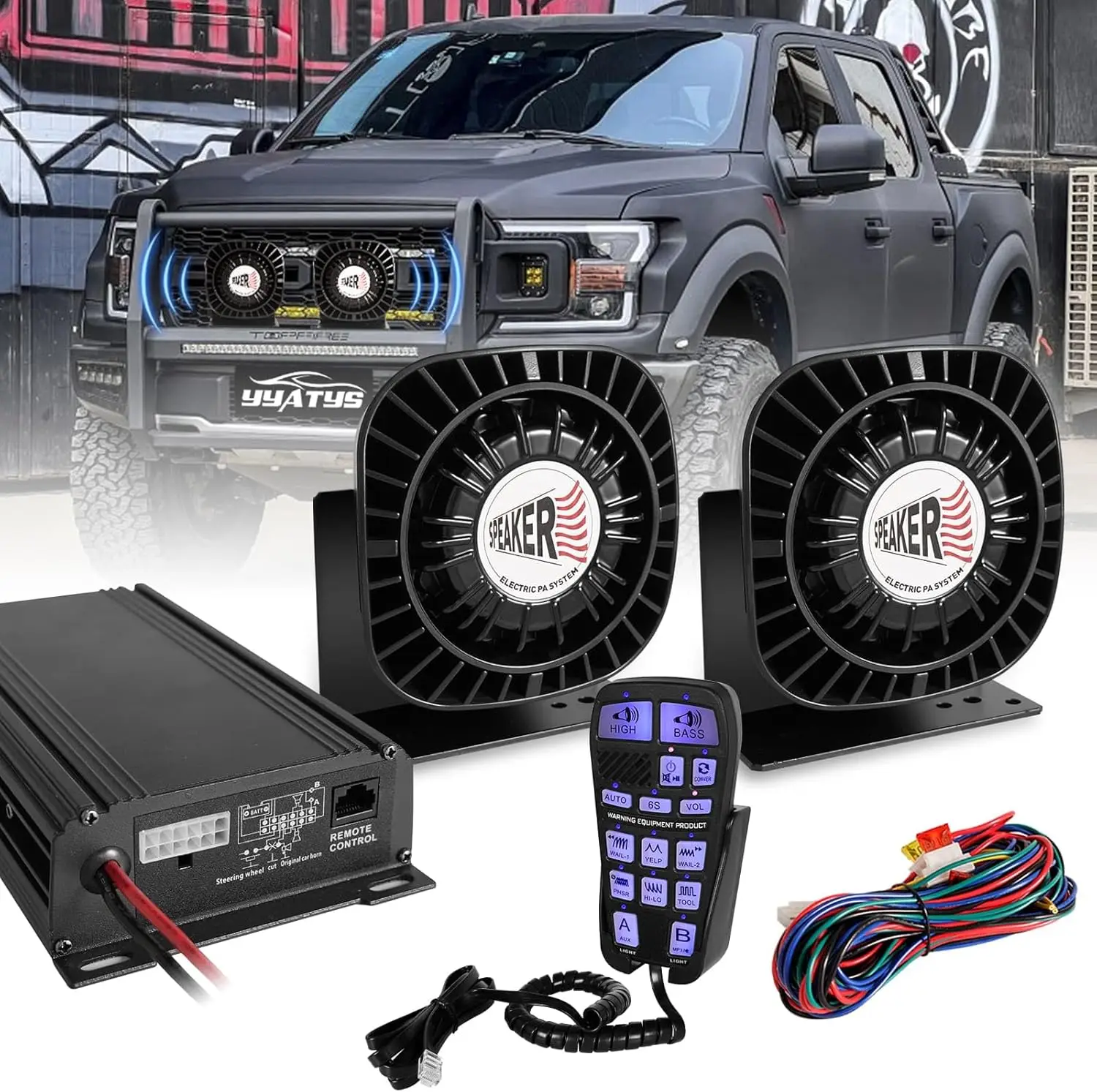 |
Emergency Vehicle Siren PA System 400W Multi-Tone, Extra-Slim Speaker, For Tow Truck, Ambulance, SUVs |
4.5 | 37 | $162.62 | $109.99 | Multi-tone siren, slim design, PA system for emergency vehicles |
 |
Cervical Neck Traction Device (Adjustable) 8 Built-in Airbag, Use at Home/Office, Electric Air Pump |
4.3 | 14 | $119.09 | $41.2 | Adjustable, suitable for various environments, portable |
 |
Cerviflex Neck Stretcher Rechargeable, Electric Air Pump, 3 Power Traction, 8 Airbag for Pain Support |
3.2 | 5 | $100.92 | $40.02 | Rechargeable, multi-airbag support, portable |
 |
Cervical Neck Traction Device Electric Hot Compress, Neck Stretcher for Household Use |
3 | 5 | $48.05 | $21.38 | Hot compress for pain relief, home use |
Table data sourced from [1].
Analysis: Monthly sales volumes reflect strong consumer gravitation toward multifunctional neck/back traction devices, emphasizing electric airbag support, adjustable heating, and integrated vibration/massage. Higher priced items are associated with greater versatility and perceived medical efficacy. The limited direct procurement of vehicle siren systems also signifies robust cross-over demand for auxiliary ambulance-specific gear, even in non-institutional settings.
While these bestsellers fall short of fully replacing professional electric ambulance vehicles, they exhibit clear market alignment with the broader shift toward electrified medical support products--offering international resellers and bulk buyers valuable intelligence on trending retail features, price points, and consumer priorities.
For 2026 procurement leaders navigating the electric ambulance category, the following actionable considerations are essential for maximizing QCD (Quality, Cost, Delivery) while mitigating risk:
On the retail/support equipment front, procurement should focus on products with multi-modal therapy features, robust warranty coverage, and validated consumer ratings--as delineated in the Amazon bestseller analysis. Always validate manufacturer's regulatory compliance for electric medical devices, especially for bulk import into EU/US markets.
A risk-balanced sourcing strategy for 2026 will combine technical due diligence, operational scenario testing, and clear post-delivery contingency plans--securing organizational reputation and patient safety alike.
The electric ambulance movement in 2026 is more than a fleeting trend—it defines a new standard for emergency medical transport, environmental stewardship, and technological sophistication. As demonstrated by municipal fleet investments, pioneering hospital trials, and explosive retail growth in electric medical gear, the sector’s momentum is both undeniable and multifaceted.
Buyers who act decisively now will capture market advantage by specifying high-performance, low-emission ambulances that maximize operational speed, patient comfort, and compliance with evolving health and safety mandates. For retail and institutional buyers alike, tapping into the surging demand for electric medical devices and supporting technologies presents lucrative opportunity—especially as consumer preferences coalesce around multi-featured, portable therapy solutions.
The next six to twelve months will be critical for procurement teams to reevaluate supplier partnerships, technical selection criteria, and strategic fleet mix. Forward-looking organizations should channel the insights from both professional operator communities and trending retail data into sourcing plans that prioritize:
In closing, 2026 offers abundant promise for those willing to lead into the electric ambulance future, bridging technical innovation, operational resilience, and a culture of care. Your organization’s sourcing decisions today will not only shape immediate service quality, but define its long-term brand and market positioning—seize this intelligence, take action, and ride the electrification wave with confidence.