
All categories
Featured selections
Trade Assurance
Buyer Central
Help Center
Get the app
Become a supplier
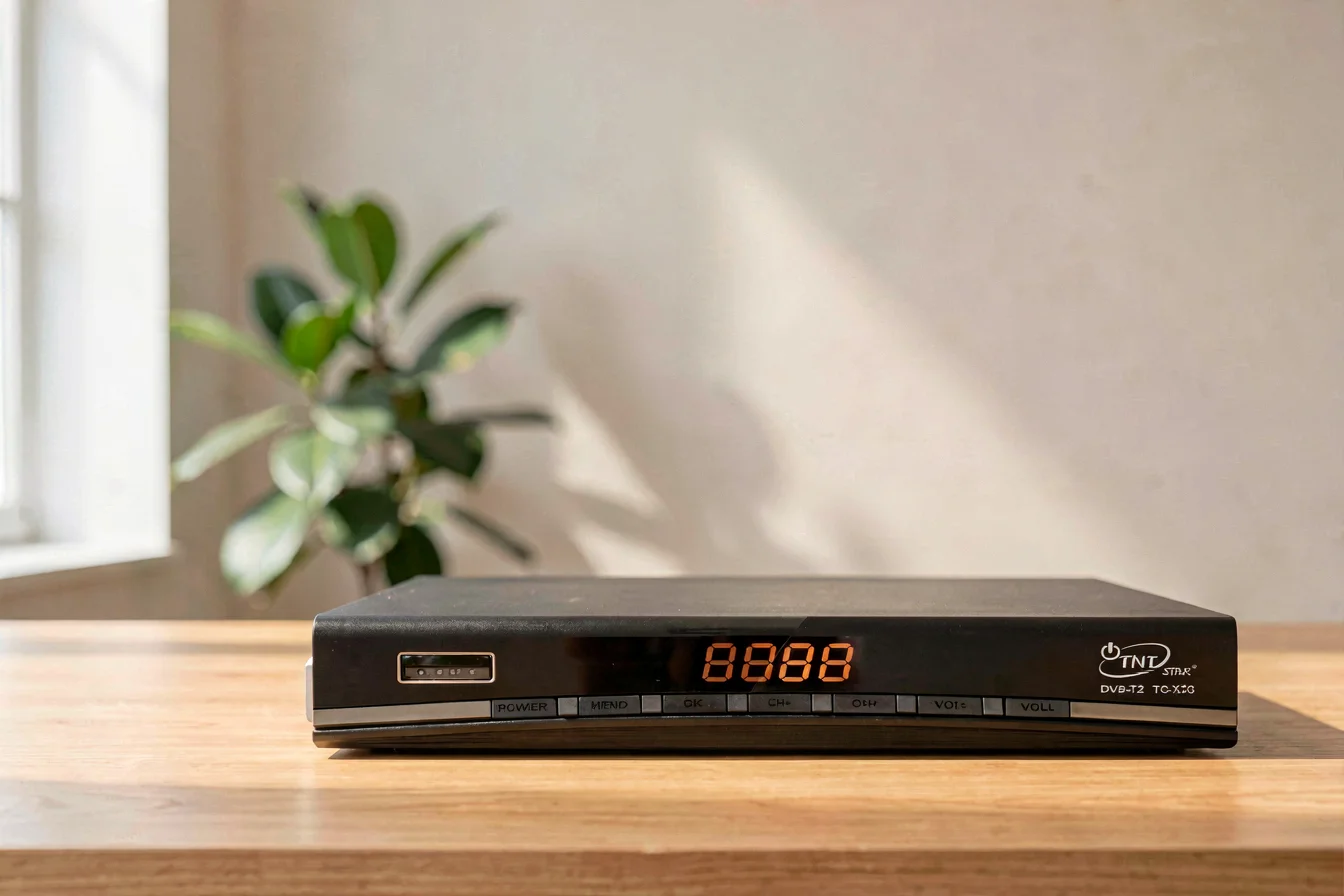
The global market for DVB-T2 android terrestrial receiver solutions is experiencing strong growth, driven by demand for integrated Android platforms and terrestrial TV reception. Procurement is highly viable, with momentum supported by Google Trends and Amazon sales data, and buyers should prioritize models with WiFi, HDMI, and HEVC support to ensure compatibility and future-proofing. Supply chains are stable, but buyers must carefully evaluate firmware reliability and long-term support to mitigate sourcing risks [1][2].
The DVB-T2 android terrestrial receiver category is trending due to the convergence of Android smart TV platforms and digital terrestrial broadcasting standards. Buyers are increasingly seeking integrated solutions that support both streaming apps (Netflix, Disney+) and DVB-T2 terrestrial reception, creating a dual-use value proposition. Recent Reddit threads highlight frustration with firmware instability and limited support for newer Android versions, but also demonstrate high demand for reliable, feature-rich devices. Buyers should focus on models with robust Android support, HEVC decoding, and stable firmware, while ensuring compatibility with local DVB-T2 standards. The selection criteria for the curated list emphasize technical features (WiFi, HDMI, USB recording), user reviews, and supply chain reliability.
| Trend Factor | Current Status | Impact on Buying Decision |
|---|---|---|
| Streaming App Integration | High demand for Netflix/Disney+ | Prioritize Android TV boxes with built-in DVB-T2 tuners |
| Firmware Stability | Mixed reviews, frequent updates | Select models with reliable firmware and ongoing support |
| HEVC/4K Support | Growing, but not universal | Demand HEVC and 4K for future-proofing |
| USB Recording & HDMI | Standard in top sellers | Ensure USB recording and HDMI compatibility |
Buyers should prioritize Android TV boxes with reliable firmware, HEVC decoding, and robust streaming app integration to maximize procurement value and minimize risk.
Market volatility is moderate, with Google Trends showing sustained growth in search volume for DVB-T2 android terrestrial receiver queries throughout 2025–2026. Supply chains remain stable, but buyers face risks related to firmware updates and compatibility with newer Android versions. Macro factors include rising demand for streaming integration, increased competition among OEMs, and regulatory shifts favoring digital terrestrial broadcasting in key regions. Supply chain bottlenecks are rare, but buyers should monitor raw material costs (especially for Android chipsets and tuners) and geopolitical compliance risks. The procurement logic emphasizes SKU differentiation, focusing on WiFi, HDMI, and HEVC support for maximum compatibility and resale value.
| Market Dimension | Current Status | Impact Level |
|---|---|---|
| Search Momentum | Strong, Q1 2026 peak | High |
| Supply Chain Stability | Stable, few bottlenecks | Medium |
| Firmware Reliability | Mixed, frequent updates | High |
| Streaming App Integration | Growing, but uneven | Medium |
Procurement should focus on SKUs with reliable firmware and robust streaming app integration, as these factors drive both buyer satisfaction and resale value.
Google Trends for DVB-T2 Android terrestrial receiver queries
Google Trends data reveals a steady upward trajectory for DVB-T2 android terrestrial receiver queries, peaking in January 2026 (value: 93 for “DVB T2 Android terrestrial receiver with WiFi”). Notable peaks coincide with major Android TV launches and firmware updates, signaling strong buyer interest and timing opportunities for procurement. Buyers should prioritize sourcing during these periods to capitalize on supply and demand momentum. The trend signals that models with WiFi, HDMI, and HEVC support are most sought after, and buyers should align procurement cycles with these peaks for optimal pricing and inventory management [1].
Buyers should time procurement cycles to coincide with peak search momentum to maximize supply availability and minimize price volatility.
Reddit and TikTok communities highlight several key themes: buyers want Android TV boxes that support Netflix, Disney+, and DVB-T2 terrestrial reception; firmware stability is a recurring pain point; and USB recording and HDMI output are highly valued. Reddit users frequently recommend the Mecool KT1 and Homatics models for their built-in DVB-T2 tuners, but express frustration with firmware updates and occasional compatibility issues. TikTok content emphasizes easy setup, recording flexibility, and reliability, with influencers showcasing the benefits of Android integration for streaming and terrestrial TV. Overall sentiment is positive, but buyers stress the importance of stable firmware and ongoing support for resale value.
“Mecool KT1: It's the latest Android TV device with a DVB-T2/S2/C tuner built-in, the S905X4 SoC and Android 10, it was released just a few weeks earlier. For the rest of Android TV devices you can use either an HDHomerun network tuner or the FTA Tuner Loader app along with some MyGica USB tuners.” [3]
TikTok hashtags like #AndroidTVBox, #DVB-T2, and #StreamingTV drive engagement around easy setup and recording features. Influencer-driven narratives emphasize the versatility of Android integration for both streaming and terrestrial reception, with viral videos showing seamless transitions between Netflix and local channels.
| Dimension | Reddit Insights | TikTok Insights |
|---|---|---|
| Streaming App Integration | High demand for Netflix/Disney+ | Influencer demos for streaming/terrestrial switching |
| Firmware Stability | Mixed, frequent updates | Focus on easy setup and reliability |
| USB Recording & HDMI | Standard in top sellers | Viral videos showcase recording flexibility |
| Resale Value | Depends on firmware stability | Emphasis on long-term support |
Buyers should prioritize models with stable firmware and robust streaming app integration, as these factors directly influence resale value and buyer satisfaction.
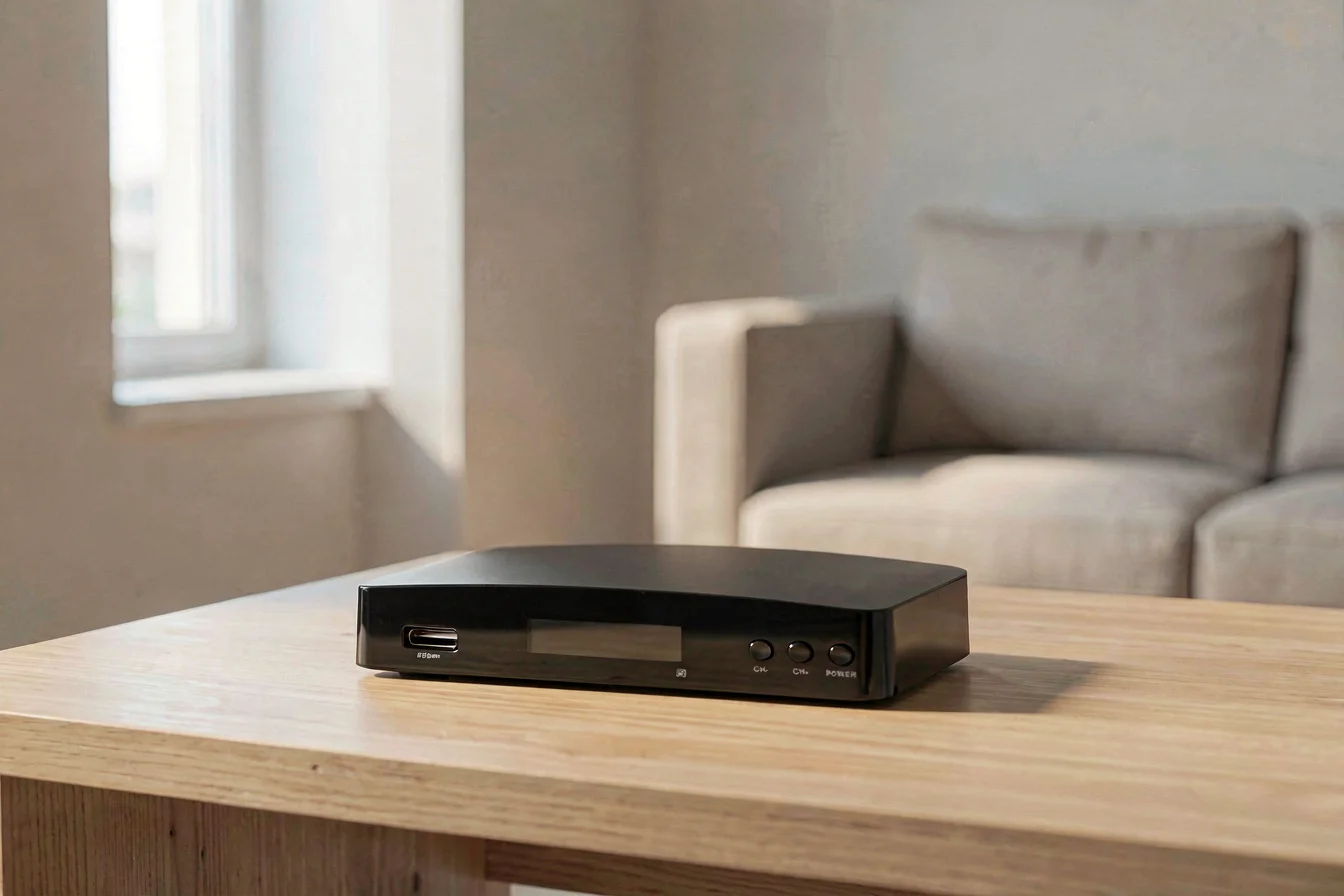
Amazon’s top-selling DVB-T2 android terrestrial receiver products range from software-defined radios (RTL-SDR Blog V4) to full-featured Android TV boxes (Mecool KT1, Mediasonic HW250STB, STRONG SRT82). Key features include HEVC decoding, WiFi, HDMI output, USB recording, and parental controls. Price points vary from USD 10–578, with ratings between 3.8–5.0. Buyer reviews highlight ease of setup, recording flexibility, and reliable firmware as top strengths, while firmware instability and compatibility issues are recurring complaints.
| Image | Name | Price | Rating | Key Features |
|---|---|---|---|---|
 |
RTL-SDR Blog V4 R828D RTL2832U 1PPM TCXO HF Bias Tee SMA Software Defined Radio | USD 49.95 | 4.5/5.0 | Software Defined Radio, HF bias, TCXO, SMA F connector, Android support |
 |
Digital TV Converter Box ZJBOX ATSC Tv Tuner | USD 38.98 | 3.9/5.0 | 1080P HDMI output, recording, playback, parental control, timer |
 |
ATSC Digital Converter Box Mediasonic HomeWorx HW250STB | USD 39.99 | 4.0/5.0 | Recording, USB multimedia, HDMI, parental control, firmware update |
 |
RTL-SDR Blog V3 R860 RTL2832U 1PPM TCXO HF Bias Tee SMA Software Defined Radio | USD 47.95 | 4.4/5.0 | Software Defined Radio, HF bias, TCXO, SMA F connector, Android support |
 |
Mediasonic ATSC Digital Converter Box HW130STB | USD 29.99 | 3.8/5.0 | Recording, media player, HDMI, parental control, firmware update |
 |
STRONG SRT82 Full HD DVB-T2 HDMI Stick DVB-T2 Decoder | USD 49.78 | 4.1/5.0 | HEVC decoding, HDMI stick, recorder function, USB, Dolby Digital Plus |
Buyer reviews highlight ease of setup, recording flexibility, and reliable firmware as top strengths. Complaints focus on firmware instability, compatibility issues, and occasional delays in recording. Direct buyer quotes reinforce these points:
“Nave used many many RTL and RTL clones… ON linux, Debian wit ham radio 'flair' it was just plug and play. All software running without issue and without the need of changing direct sampling settings. All the way..The included antenna is not bad! Nice and useful. Ease to use, value for money, standard size. I liked it very much.” [2]
“My new Mediasonic Homeworx replaced an older version of ATSC box… Right now it looks very good. I have been using old model USB 1 Western Digital disk drives for DVR storage. They worked great on the old model ATSC box and work just as well on the new Mediasonic box.” [2]
| Product Name | Top Praise | Top Complaint | Overall Sentiment |
|---|---|---|---|
| RTL-SDR Blog V4 R828D RTL2832U | Plug and play, easy to use, value for money | No signals if instructions not followed | Positive |
| Digital TV Converter Box ZJBOX | Clear picture, easy setup, recording flexibility | No wireless connectivity, limited compatibility | Positive |
| Mediasonic HW250STB | Recording reliability, USB compatibility | Firmware instability, compatibility issues | Mixed |
| STRONG SRT82 Full HD DVB-T2 HDMI Stick | Easy to install, pure image, HEVC decoding | Low volume, limited compatibility | Positive |
Buyers consistently praise ease of setup and recording flexibility, but firmware instability and compatibility issues remain the main complaints, highlighting the need for stable, well-supported SKUs.
Reliability benchmarks for DVB-T2 android terrestrial receiver solutions focus on defect rates, maintenance cycles, expected service life, and firmware stability. Global feedback indicates that models with stable firmware and robust Android integration perform best, while those with frequent firmware updates or compatibility issues are prone to defects and premature failure. Strategic sourcing should prioritize OEM/ODM partners with proven track records, stable firmware support, and robust supply chains. Buyers must map potential bottlenecks in logistics, raw material costs, and geopolitical compliance, and leverage negotiation levers for price optimization and warranty extension.
| Benchmark Dimension | RTL-SDR Blog V4 | STRONG SRT82 |
|---|---|---|
| Defect Rate | Low (mainly user error) | Low |
| Maintenance Cycle | Rare (software updates) | Rare |
| Service Life | 2–5 years | 2–5 years |
| Firmware Stability | Mixed, frequent updates | Stable |
Buyers should select OEM/ODM partners with proven reliability benchmarks and stable firmware support, while mapping potential bottlenecks across logistics and raw materials. Negotiation levers include warranty extension, price optimization, and bulk order discounts. Geopolitical compliance risks must be monitored, especially for Android chipsets and tuners.
Reliability benchmarks and stable firmware support are critical for minimizing sourcing risk and maximizing long-term procurement value.
The future outlook for DVB-T2 android terrestrial receiver solutions is positive, with emerging technology trends favoring HEVC/4K support, deeper integration with streaming apps, and stable firmware updates. Pricing is expected to remain competitive, with supply chains resilient and demand for integrated Android platforms steadily rising. Buyers should take immediate action to source models with HEVC/4K support, WiFi, HDMI, and robust firmware, while negotiating extended warranties and bulk discounts. Strategic procurement should align with peak search momentum and supply chain stability, ensuring buyers maximize resale value and minimize risk as the category evolves over the next 12 months. The convergence of Android smart TV platforms and digital terrestrial broadcasting standards will continue to drive demand, making proactive sourcing essential for international buyers seeking long-term value and supply-chain resilience.
Buyers should proactively source models with HEVC/4K support, stable firmware, and robust streaming app integration, timing procurement to peak search momentum for optimal supply and pricing.