
All categories
Featured selections
Trade Assurance
Buyer Central
Help Center
Get the app
Become a supplier
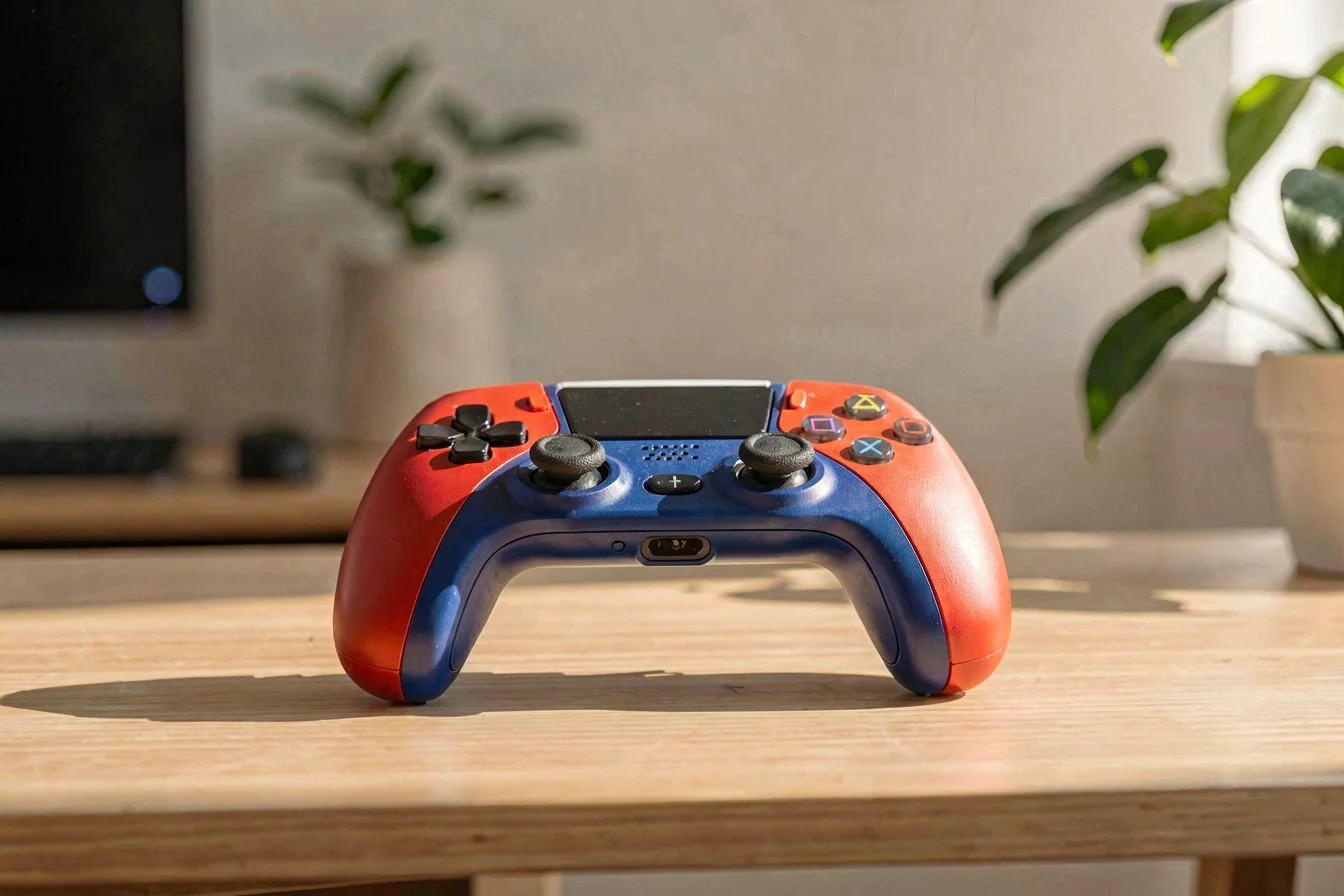
The dualshock 4 wireless controller remains a staple in gaming peripherals sourcing, with market demand driven by legacy PS4 users and ongoing replacement cycles. Supply is volatile as official OEM production is winding down, and prices are rising amid increased risk of counterfeit units and surge in third-party products. Bulk buyers should prioritize reputable, verified sources and diversify procurement channels to mitigate price inflation and sourcing fraud.[1][2][3]
The dualshock 4 wireless controller market is experiencing renewed activity due to the enduring popularity of PlayStation 4, compatibility patches with PC and PS5, and strong nostalgia among gaming communities. Buyers face a complex landscape as official Sony production has slowed or stopped, leading to heightened counterfeit risks and fluctuating prices. Demand is further bolstered by frequent replacement needs caused by stick drift and wear-and-tear, especially in regions with large installed PS4 bases.[2][9][10]
Professional buyers must weigh OEM availability, third-party quality, platform compatibility, and warranty terms before committing to supplier contracts. Official models command a premium, while newer third-party controllers offer attractive price points but come with variable quality and consumer trust issues. Critical selection criteria include ergonomic design, wireless stability, battery performance, and compliance with PlayStation connectivity protocols.
| Trend Factor | Current Status | Impact on Buying Decision |
|---|---|---|
| OEM Supply | Diminishing | Increases urgency and sourcing complexity |
| Counterfeit Risk | High | Demands robust quality verification |
| Third-Party Vendor Growth | Strong | Offers price relief but variable reliability |
| Retail Price Volatility | Rising, especially for OEM | Promotes bulk negotiation strategies |
| Compatibility Updates (PC/PS5) | Frequent | Attracts new buyers, extends lifecycle |
Current market volatility is driven by several converging forces: legacy PlayStation 4 user retention, limited OEM production, aggressive third-party expansion, and a spike in demand from the PC gaming sector following compatibility patches.[1][5][9] Supply bottlenecks are emerging as Sony shifts focus to newer platforms, causing official DualShock 4 units to become scarce and prompting buyers to seek alternative brands or refurbished models. Macroeconomic pressures, especially shipping and logistics disruptions, are adding further complexity and delay to bulk sourcing operations.
Industry drivers include performance expectations (wireless reliability, ergonomic upgrades), frequent product failures (stick drift, battery degradation), and consumer obsession with color variants and collector editions. Geopolitical risks and regulatory compliance (e.g., product safety marking, customs clearance for electronics) also impact channel selection and contract strategy. Additionally, the threat from counterfeit controllers—often indistinguishable from originals without expert inspection—necessitates strict pre-shipment quality control and serial number verification.
| Market Dimension | Current Status | Impact Level |
|---|---|---|
| Legacy User Base | Strong, PS4 installed base ~100M+ units | High |
| OEM Production | Phasing out | Severe |
| Third-Party Competition | Expanding rapidly | Moderate |
| Counterfeit Threat | Rising | Critical |
| Logistics Disruption | Periodic delays | High, especially Q4/2025–Q1/2026 |
Global Search Trends for DualShock 4 Controller Variants 2025–2026
Notable demand spikes in late 2025 and early 2026 coincide with holiday spending, compatibility launches, and supply shortages. "DualShock 4 controller with charging station" variant exhibited the highest sustained growth, reflecting strong interest in accessory bundles and extended play solutions.[1] Color variants, especially blue and black, remain consistently popular but are secondary to function-driven searches. Buyers should anticipate seasonality-driven price surges and plan procurement for stock replenishment before Q4 peak demand periods.
Strategic buyers should conduct procurement ahead of expected spikes and focus on bundles to maximize resale value and retail margins.Reddit, TikTok, and gaming forums spotlight the dualshock 4 wireless controller as both a nostalgic favorite and a source of frustration due to recent counterfeit proliferation, persistent stick drift, and premium pricing for OEM units. Reddit users frequently debate authenticity checks, ergonomy, and bulk sourcing, recommending alternatives only when supply dries up and noting that third-party controllers rarely match the original's comfort and durability. TikTok trends highlight controller restoration tutorials, color customizations, and unboxing comparisons, with influencers warning buyers to inspect serial numbers and packaging rigorously.
"The dualshock 4 is so comfortable... makes it so that the controller fits comfortably inside your hand. The dpad is the best too." [9]
"Did I just purchase a fake DualShock 4 controller?… The packaging was cheap and loose, and the joysticks lag." [10]
Sentiment is mixed: original Sony controllers receive passionate praise, but stick drift and the high prevalence of fakes drive buyer anxiety. Community consensus advises sticking with verified sellers and advocating for Hall Effect stick upgrades.[8] Additionally, creative repurposing (controllers used for radio-controlled models or PC gaming) demonstrates versatility but highlights connectivity hurdles and the need for official driver support.
| Dimension | Reddit Insights | TikTok Insights |
|---|---|---|
| Comfort/Egronomics | Highly praised, "perfect hybrid" feel | Unboxing & comparisons with DualSense |
| Counterfeit Risk | Wide concern, frequent fake reports | Fake checks, packaging tutorials |
| Pricing | Steep for OEM, alternatives recommended | Deal alerts, bundle hacks |
| Reliability | Stick drift, battery complaints | Restoration guides, joystick fixes |
| Versatility/Use Cases | PC, custom mods, RC vehicles | Color customization, game streaming |
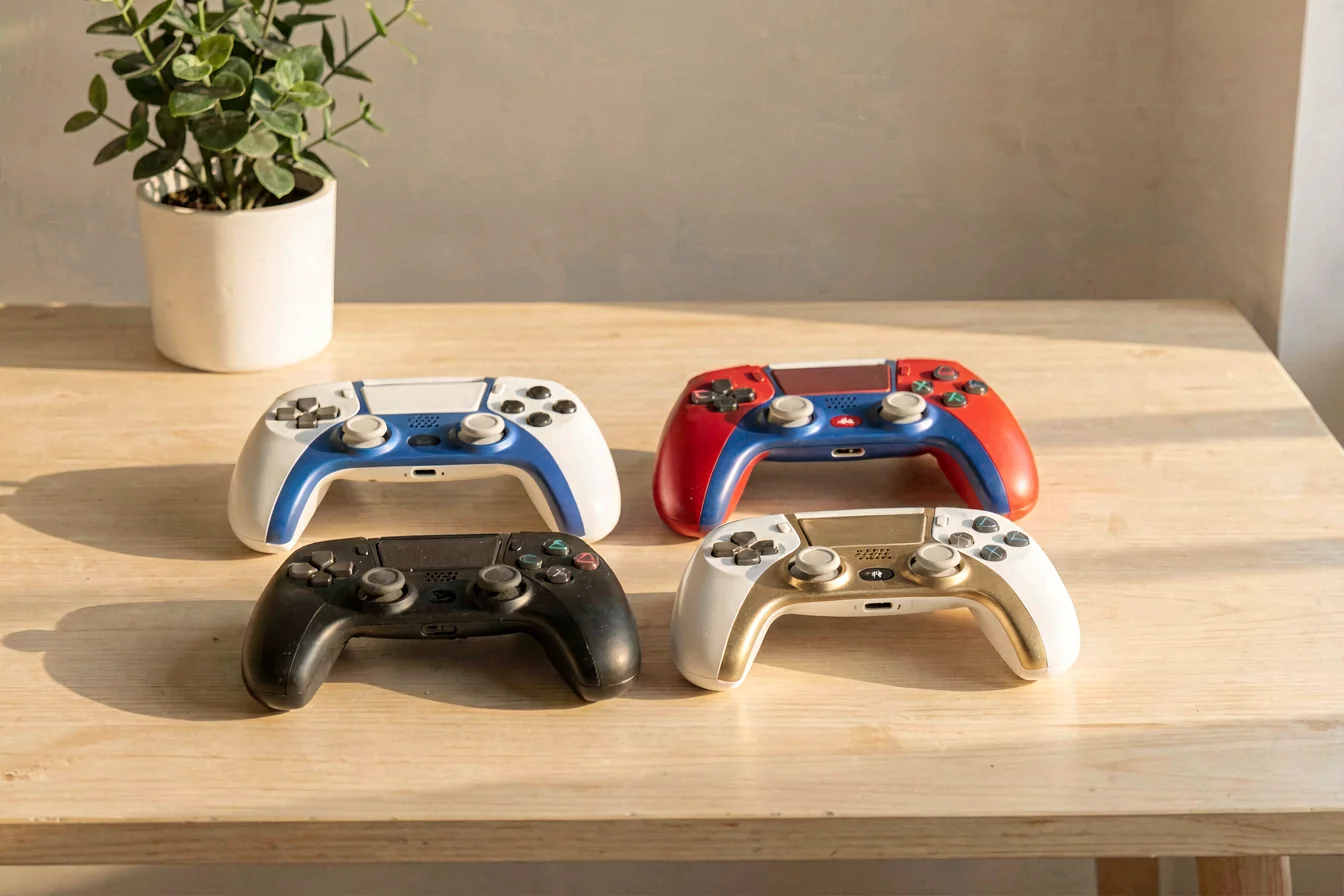
The best-selling controllers on Amazon include both official Sony models and a suite of affordable, highly rated third-party designs. Official variants—Jet Black, Magma Red, Glacier White, Green Camouflage—are in high demand, but often priced at a premium or offered as renewed/refurbished products. Third-party controllers (AceGamer, MOOGOLE, Quevati, Puning) compete on cost, compatibility (PS4/Pro/Slim/PC), and feature upgrades (USB-C, turbo functions, ergonomic grip). Bundles and color options (Gold, Galaxy, Skull, Blue) further amplify buyer appeal.[2]
| Image | Name | Price | Rating | Key Features |
|---|---|---|---|---|
 |
DualShock 4 Wireless Controller for PlayStation 4 - Jet Black | USD 54.99 | 4.6 | Enhanced controls, motion sensors, touchpad, built-in speaker |
 |
DualShock 4 Wireless Controller for PlayStation 4 - Magma Red (Renewed) | USD 45 | 4.0 | Color variant, fast charging, precise controls |
 |
DualShock 4 Wireless Controller for PlayStation 4 - Green Camouflage (Renewed) | USD 52.48 | 4.0 | Enhanced controls, camouflage styling, wireless |
 |
Sony PlayStation DualShock 4 Controller - Glacier White | USD 59.94 | 4.5 | Precision control, color variant, enhanced grip |
 |
Upgraded Wireless Controller for PS4 Gamepad (Skull) | USD 18.99 | 4.3 | Six-axis sensor, graffiti style, unofficial third-party |
 |
MOOGOLE Wireless Controller Compatible with PS4 (Colorful Arrows) | USD 15.99 | 4.2 | Bluetooth, 1000mAh battery, budget-friendly |
 |
AceGamer 2 Pack for PS4 Controller Wireless | USD 32.98 | 4.3 | Bundle, wide compatibility, turbo function |
Top buyer praise centers on ergonomic comfort, responsive controls, compatibility with multiple platforms, and long battery life in official models. Budget-friendly third-party controllers receive positive feedback for affordability, wide compatibility, and fast connectivity, but often draw criticism for inferior build quality, short battery duration, and subpar component fit. Chronic stick drift and unreliable USB cables plague both official and third-party units, with battery degradation and authenticity checks as recurring pain points. Buyers frequently highlight frustration at discovering counterfeit products, especially on marketplaces with third-party sellers.
"I bought this because my old one crapped out on me... it works great and charges pretty fast honestly, I’ve had no problems with it." [2]
"If you're looking for a less expensive alternative... it performs just as an official one... would definitely buy again." [2]
| Product Name | Top Praise | Top Complaint | Overall Sentiment |
|---|---|---|---|
| DualShock 4 Wireless Controller Jet Black | Ergonomic design, responsive motion sensors | Stick drift, price, fake risk | Strongly positive for OEM |
| Magma Red (Renewed) | Fast charging, stylish finish | Battery life, renewal confusion | Moderately positive |
| MOOGOLE Wireless Controller | Budget, PC compatibility | Short battery duration | Positive for price-conscious buyers |
| AceGamer 2 Pack | Cost-effective, turbo setup | Cable quality, motion light missing | Mixed but good value |
| Upgraded Wireless Controller (Skull) | Durability, unique design | Unofficial, warranty uncertainty | Positive for alternatives |
Reliability is paramount as buyers report frequent stick drift, battery fade, and cable failures—especially in high-use environments. Official controllers demonstrate higher long-term durability but exhibit persistent stick drift after 1–2 years of frequent play. Third-party controllers match core specs but lack consistency in assembly and component sourcing. Quality benchmarks for procurement include defect rates (<5% for OEM, 8–15% for third-party), battery cycles (>300 full charges for OEM), and warranty support duration.
| Benchmark Dimension | OEM DualShock 4 | Third-Party Variant |
|---|---|---|
| Defect Rate | ~5% | 8–15% |
| Expected Service Life | >24 months | 12–18 months |
| Battery Cycles | >300 | <150 |
| Warranty Coverage | 12–24 months | 3–12 months |
| Customization Support | Limited (color only) | Broad: branding, buttons, shell |
Bulk sourcing must incorporate stringent batch testing, serial number validation, and routine audit checks—especially for high-volume retail channels. Essential negotiation levers include warranty returns, after-sales service, regular shipment inspection, and price indexation against seasonal volatility. ODM/OEM partner selection should be based on proven compliance record (CE/UL/CCC), technical certifications, and verifiable production history, with logistics mapped to minimize cross-border delays and ensure customs clearance for electronics.
Sourcing risk mitigation requires robust buyer-supplier collaboration, clear warranty terms, and batch-level authenticity audits.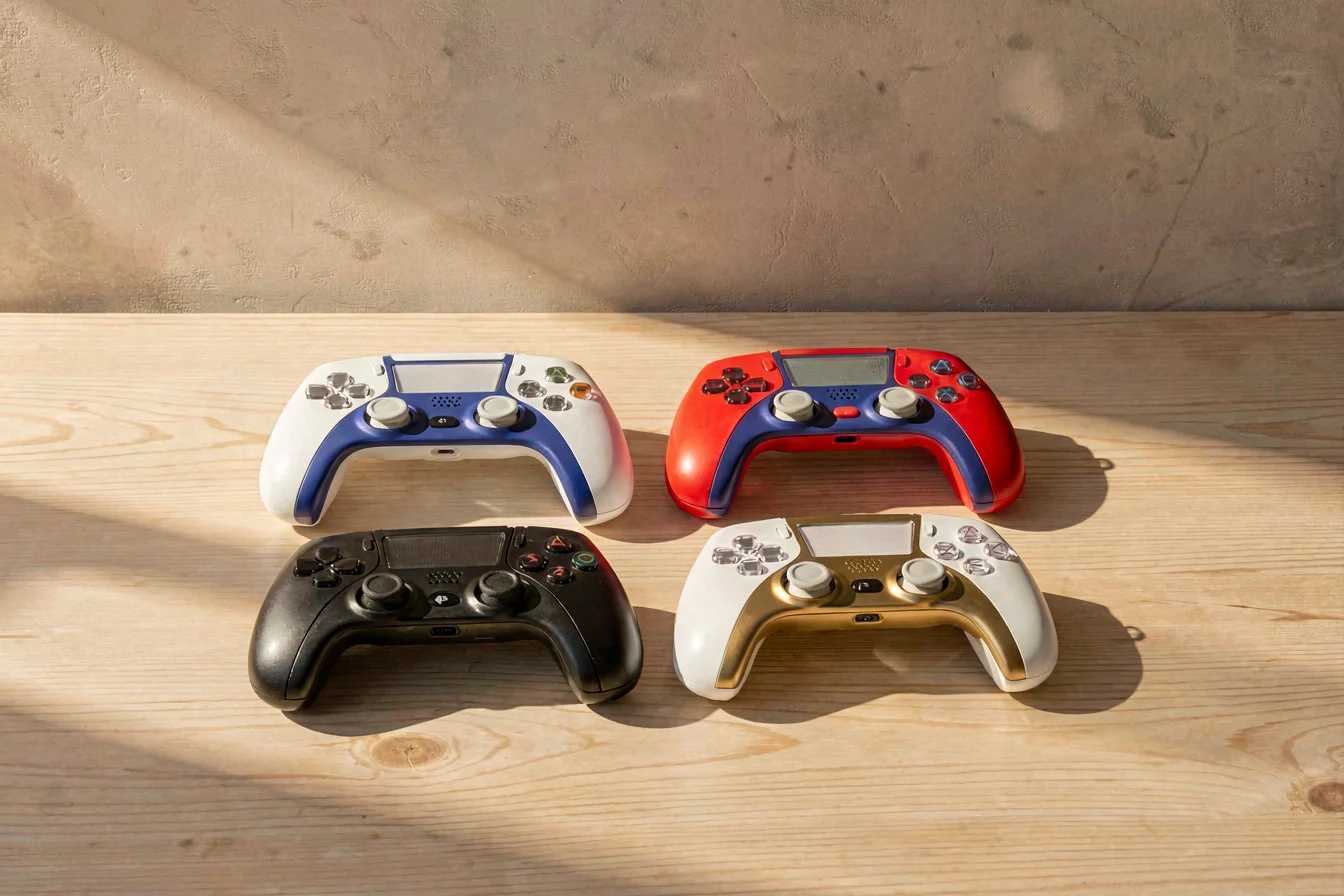
Optimizing procurement revolves around channel diversification and logistics agility. Factory direct sourcing offers maximum control and customization but may be limited due to Sony's phase-out status. Authorized distributors and certified B2B platforms (such as Alibaba.com) provide risk mitigation against counterfeits and assure compliance with product safety standards. Third-party sellers, especially on C2C platforms, pose high risks: authenticity lapses, inconsistent warranty, and variable delivery reliability.
Logistics optimization includes planning around seasonal spikes, using tracked shipments, and insuring high-value or large-volume orders. Regional customs rules for electronics can add delays; buyers must ensure HS codes and import duty filings are correct. For the EU, VAT and electronic waste taxes apply; for North America, FCC compliance and warranty documentation matter most. Express shipping or bulk consolidation provides faster turnaround but may increase tariff costs.
| Procurement Channel | Advantages | Risks |
|---|---|---|
| Direct Factory | Customization, price control, bulk warranty | Limited supply, OEM exit risk |
| Authorized Distributor | Authenticity guarantee, fast support | Higher price, limited variants |
| B2B Platform | Widest selection, anti-counterfeit controls | Seller verification essential |
| Third-party Retailer | Low prices, legacy units | High fake risk, weak warranty |
Looking toward late 2026 and beyond, the dualshock 4 wireless controller will remain relevant as a replacement and collector item, but sourcing will grow increasingly challenging as official OEM supply ceases and third-party alternatives dominate. Technology trends point to ongoing ergonomic improvements, the adoption of Hall Effect sticks to mitigate drift, and enhanced cross-platform compatibility. Pricing will likely continue to trend upward for official models and rare color variants, while budget controllers capture entry-level markets. Buyers must focus on proactive stockpiling, batch-by-batch authenticity checks, and dynamic contract renegotiations. Explore ODM options for custom branding or niche markets, but align quality benchmarks to end-user expectations. Proactive collaboration with logistics partners and distributor audits will be crucial to secure timely, compliant deliveries. Ultimately, disciplined sourcing—anchored in verified suppliers and resilient logistics—will ensure long-term profitability and customer trust in this legacy gaming category.
Anticipate tightening supply and rising prices; act now on bulk procurement, verify authenticity, and leverage platform partnerships for optimal sourcing outcomes.