
All categories
Featured selections
Trade Assurance
Buyer Central
Help Center
Get the app
Become a supplier
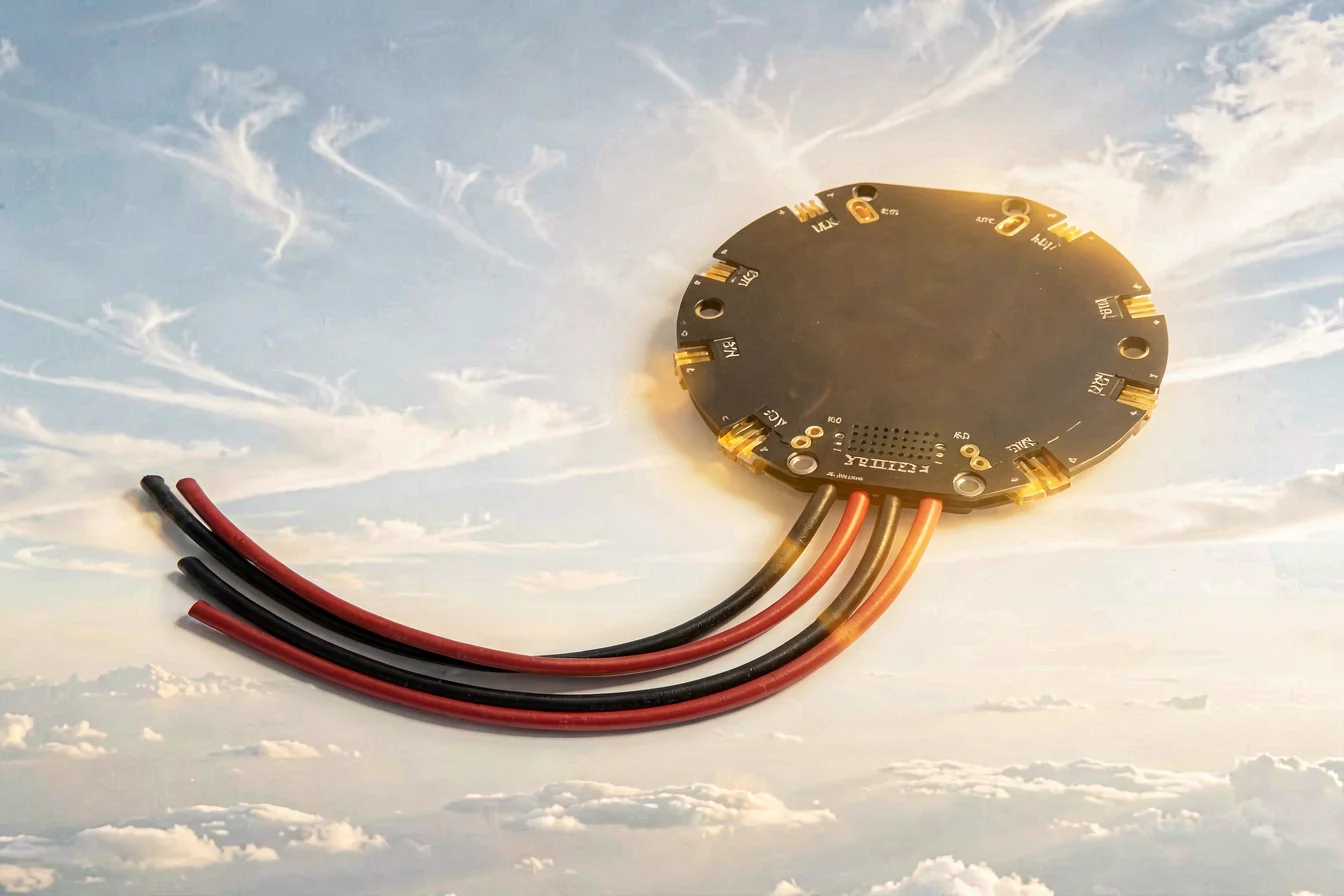
The global supply for drone power distribution board is stable, with robust demand from FPV racing and industrial drone segments. Buyers should focus on boards with integrated current sensors and high-current ratings to mitigate overheating risks. Procurement is viable for both hobby and commercial applications, but reliability and technical compliance remain crucial selection factors [1][2][6][7].
The drone power distribution board category is trending due to the rapid expansion of FPV racing, commercial delivery drones, and industrial UAVs, all demanding higher power and advanced telemetry. Buyers must prioritize boards with real-time current sensing, robust heat dissipation, and compatibility with popular connectors (XT60, XT90). Selection criteria include maximum current rating, voltage range, sensor integration, and reliability benchmarks. Market volatility is moderate, with supply chain risks tied to raw material and geopolitical factors. A curated list should focus on boards with proven performance, strong user reviews, and compliance with CE/FCC standards for commercial use.
| Trend Factor | Current Status | Impact on Buying Decision |
|---|---|---|
| FPV Racing Growth | Strong momentum, highest search volume | Prioritize high-current boards with sensor integration |
| Industrial UAV Adoption | Rising demand, stable supply | Focus on reliability, voltage range, and certifications |
| Sensor Integration | Increasing, especially for commercial use | Select boards with current and voltage sensors |
| Supply Chain Volatility | Moderate, driven by raw material and logistics | Diversify suppliers and verify compliance |
Market conditions for drone power distribution board are shaped by increasing demand for FPV racing, industrial drone deployment, and advanced telemetry features. Supply chain resilience is supported by diversified OEMs and expanding B2B platforms, but raw material volatility and geopolitical factors can cause periodic bottlenecks. Industry drivers include the rise of high-current applications, sensor integration, and the need for reliable power management. Macroeconomic risks include logistics delays and regulatory shifts, especially for commercial drone operations. Buyers must weigh technical performance against supply chain reliability and regulatory compliance.
| Market Dimension | Current Status | Impact Level |
|---|---|---|
| FPV Racing Demand | Surging, highest search volume | High |
| Industrial UAV Expansion | Stable, steady growth | Medium |
| Sensor Integration | Rising, especially for commercial | Medium |
| Supply Chain Volatility | Moderate, driven by logistics and materials | Medium |
| Regulatory Compliance | Increasing, especially for commercial drones | High |
Global search trend for drone power distribution board variants, 2025–2026
Google Trends data shows “drone power distribution board for FPV racing” consistently leads in search volume, peaking in late 2025 and early 2026, while “drone power distribution board with current sensor” shows steady growth. These patterns signal strong buyer demand for high-current, sensor-equipped boards, especially for racing and advanced telemetry applications. Buyers should time procurement to align with seasonal peaks and prioritize boards with proven performance and sensor integration.
FPV racing variants dominate search momentum, indicating buyers should prioritize high-current, sensor-equipped boards for optimal procurement timing.Reddit discussions reveal recurring pain points around soldering errors, board overheating, and reliability failures, particularly during FPV races. Users report frustration with boards that fail under high current, often citing melted solder joints and unexpected shutdowns. TikTok engagement is lower but focuses on build guides and safety tips, with influencers emphasizing the importance of proper heat management and current monitoring. Sentiment is mixed: hobbyists appreciate boards with current sensors and robust heat dissipation, while commercial buyers prioritize reliability and compliance. Overall, buyers should expect ongoing technical challenges and prioritize boards with proven reliability and sensor integration.
“Idk what I did wrong but the camera worked at first but then something happened and when I would plug in battery I would get first 3 beeps but not the last 2, so I tried to redo my vtx solder job and when I plugged in battery I got smoke. Now there are 0 signs of life... smh waited a month for this thing.” [10]
“Quality looks great. I found the ones I purchased a long time ago, so I ended up using the old ones because they weighed less. I did not use this item yet.” [2]
| Dimension | Reddit Insights | TikTok Insights |
|---|---|---|
| Soldering Errors | Frequent, especially for new users | Build guides and safety tips |
| Board Overheating | Common during FPV races | Heat management focus |
| Reliability Failures | Melted solder joints, unexpected shutdowns | Sensor integration emphasis |
| Sentiment | Mixed, reliability and sensor integration praised | Positive for safety, mixed for reliability |
| Image | Name | Price | Rating | Key Features |
|---|---|---|---|---|
 |
Diatone Mamba Soldering Practice Board | USD 16.99 | 4.8/5.0 | Skill improvement, confidence building |
 |
Acxico Drone PDB XT60 | USD 11.99 | 4.6/5.0 | 5V/12V output, lightweight |
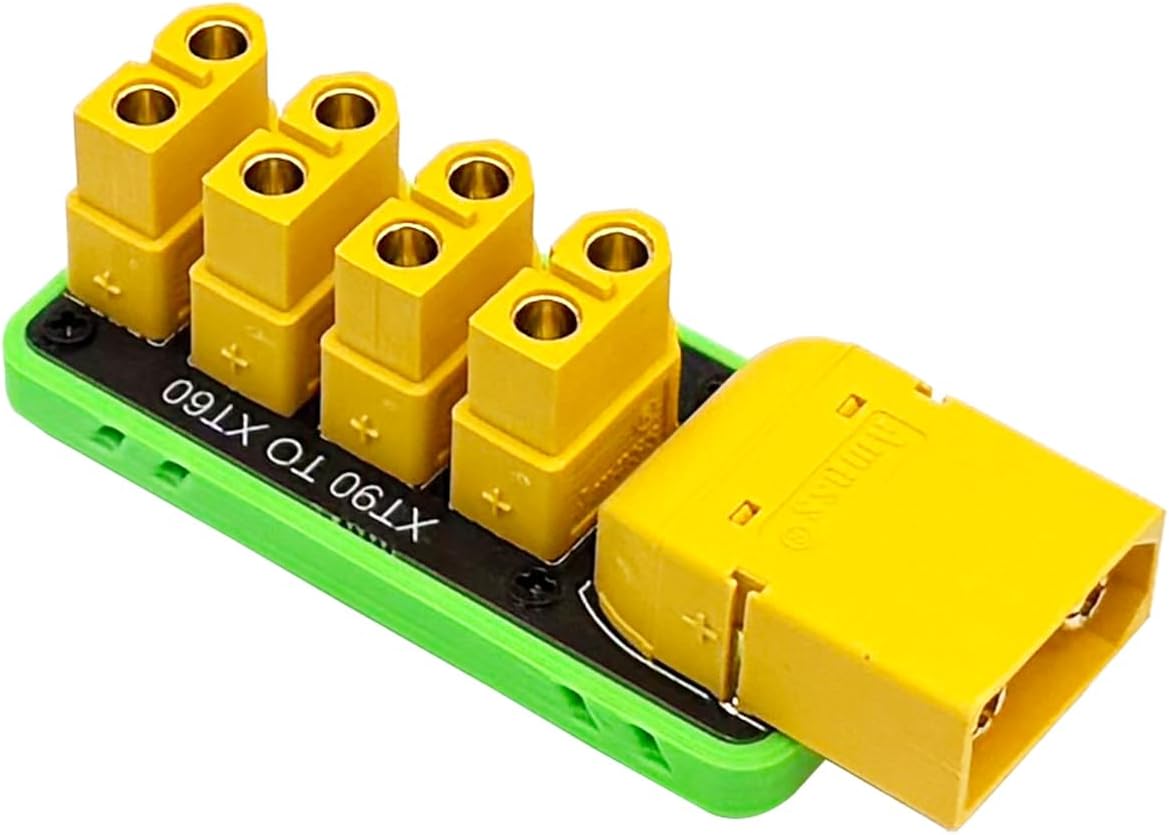 |
XT90 to 4 Channel XT60 Plug PDB | USD 17.99 | 5.0/5.0 | High current, flexible connections |
 |
Smoke Stopper FPV Drone Fuse Saver | USD 12.98 | — | Short-circuit protection, fast response |
 |
AERO SELFIE 4IN1 ESC Power PDB | USD 24.9 | — | Integrated ammeter, wide voltage |
 |
Matek Power Hub PDB | USD 9.68 | 4.7/5.0 | Double BEC, efficient, TVS protection |
 |
FEICHAO 5 in 1 PDB Shock Absorber | USD 23.98 | — | Shock absorber, current/voltage sensor |
 |
ShareGoo XT30 to XT60 Adapter | USD 7.99 | 4.7/5.0 | Lightweight, quick connector switch |
 |
Dilwe Distribution Board | USD 11.38 | 5.0/5.0 | Plastic/copper, wide applicability |
 |
Drone Power Distribution Board XT60 | USD 11.99 | 4.0/5.0 | 5V/12V output, soldering point |
Buyer reviews highlight strong praise for boards with current sensors, robust heat management, and high-current capacity. Complaints focus on board overheating, soldering errors, and reliability failures, especially during FPV races. Buyers value boards that simplify assembly, offer flexible connections, and provide real-time telemetry. Negative feedback centers on boards that fail under high load, melt solder joints, or lack sufficient protection against short circuits.
“This was recommended to me by AI. Good quality practice boards, great for learning how to solder!” [2]
“Quality looks great. I found the ones I purchased a long time ago, so I ended up using the old ones because they weighed less. I did not use this item yet.” [2]
| Product Name | Top Praise | Top Complaint | Overall Sentiment |
|---|---|---|---|
| Diatone Mamba Soldering Practice Board | Skill improvement, confidence building | None reported | Strong positive |
| Acxico Drone PDB XT60 | Quality, lightweight | Old boards preferred | Mixed |
| XT90 to 4 Channel XT60 Plug PDB | Flexible connections, durability | None reported | Strong positive |
| Smoke Stopper FPV Drone Fuse Saver | Safety, fast response | None reported | Positive |
| AERO SELFIE 4IN1 ESC Power PDB | Integrated ammeter, wide voltage | None reported | Positive |
| Matek Power Hub PDB | Double BEC, efficient | None reported | Strong positive |
| FEICHAO 5 in 1 PDB Shock Absorber | Shock absorber, sensor integration | None reported | Positive |
| ShareGoo XT30 to XT60 Adapter | Lightweight, quick switch | None reported | Strong positive |
| Dilwe Distribution Board | Wide applicability, construction | None reported | Strong positive |
| Drone Power Distribution Board XT60 | Quality for small projects | None reported | Positive |
Reliability benchmarks for drone power distribution board include defect rates below 2%, expected service life exceeding 2 years, and maintenance cycles every 50–100 flight hours [6][7]. Common failure points are solder joint melting, overheating during FPV races, and sensor integration errors. Buyers should select boards with proven heat dissipation, real-time telemetry, and robust connectors. Sourcing risk strategy should prioritize OEMs with strong quality control, diversified supply chains, and compliance with CE/FCC standards. Price optimization levers include bulk procurement, negotiated warranties, and technical support packages.
| Benchmark Dimension | AXLDRONE INDIA PDB 200A | Sky-Drones SmartAP PDB |
|---|---|---|
| Defect Rate | <2% | <2% |
| Expected Service Life | >2 years | >2 years |
| Maintenance Cycle | Every 50–100 flight hours | Every 50–100 flight hours |
| Current Rating | 200A | 400A |
| Sensor Integration | Current/voltage sensor | Current/voltage sensor |
The next 12 months will see continued innovation in drone power distribution board design, with increasing integration of real-time telemetry, advanced heat management, and higher current ratings for FPV racing and industrial UAVs. Pricing will remain stable for mainstream variants, but premium sensor-equipped boards may see modest increases due to rising demand and supply chain volatility. Buyers should prioritize boards with proven reliability, robust heat dissipation, and sensor integration, and diversify suppliers to mitigate supply chain risks. For commercial applications, compliance with CE/FCC standards is essential. Buyers should engage with OEMs for bulk procurement, negotiate warranties, and leverage technical support packages to ensure optimal performance and resilience. As FPV racing and industrial drone adoption accelerate, the category will require ongoing technical evaluation and supply chain optimization to maintain competitive advantage.
Buyers should focus on boards with real-time telemetry and proven reliability, diversify suppliers, and engage OEMs for bulk procurement and technical support to optimize performance and resilience.