
All categories
Featured selections
Trade Assurance
Buyer Central
Help Center
Get the app
Become a supplier
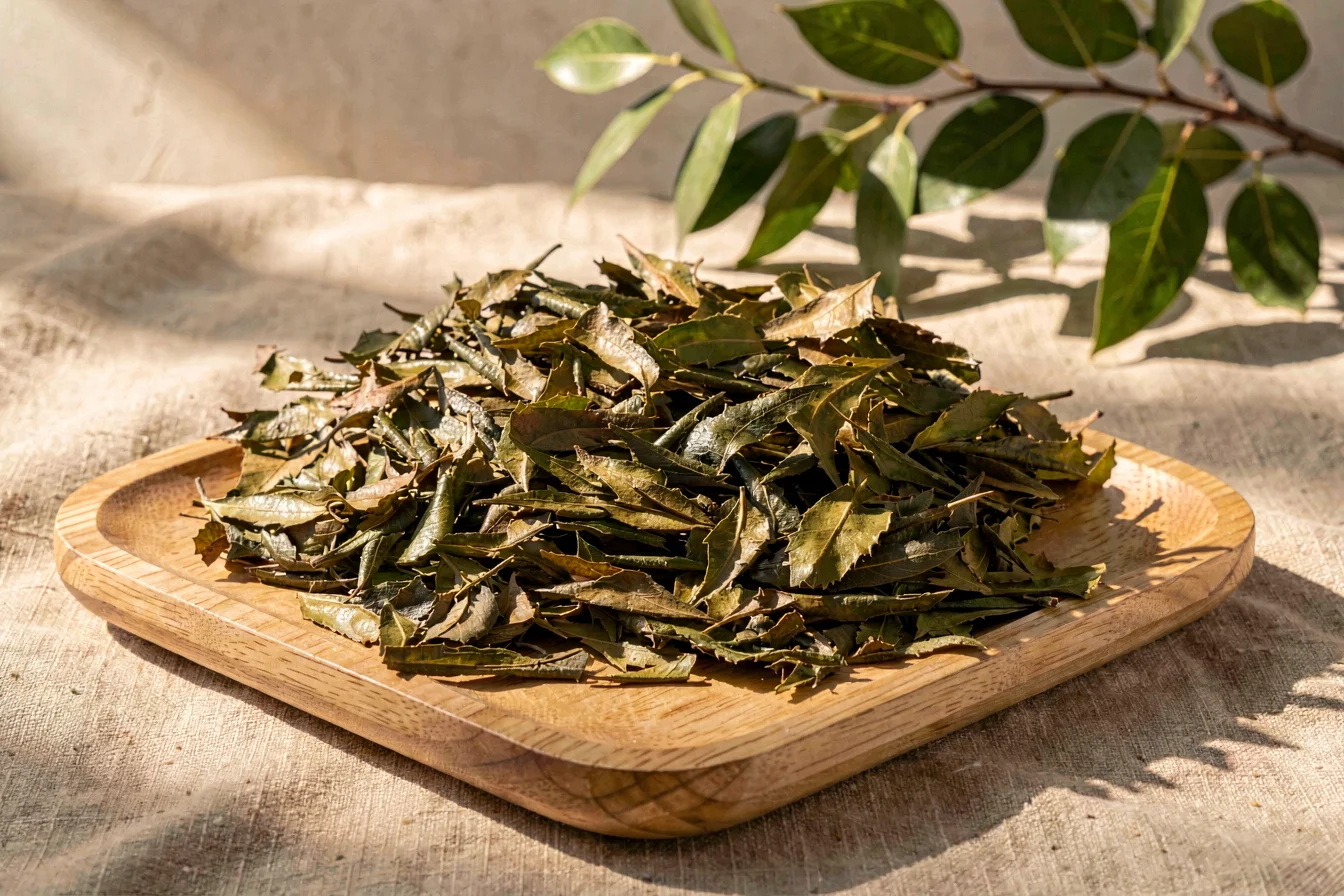
The global market for dried neem leaves is stable and trending upward, with demand driven by health, cosmetic, and agricultural applications. Supply remains resilient, but buyers should prioritize certified, sustainable sources and monitor regional compliance. Procurement logic favors OEM/ODM flexibility and batch traceability, while demand direction is positive, reflecting rising interest in Ayurvedic and natural remedies [1][2][4].
The surge in global demand for dried neem leaves is fueled by a convergence of wellness, sustainability, and regulatory trends. Buyers are increasingly seeking organic, certified, and ethically sourced neem for both food and non-food applications, including herbal teas, skincare, and agricultural pest control. The category is trending due to heightened consumer awareness of natural remedies, Ayurvedic practices, and eco-friendly alternatives to synthetic products. Selection criteria for sourcing include batch traceability, certification (organic, kosher, USDA), and supplier transparency. Buyers must also consider regional compliance, especially for food-grade applications and cross-border logistics.
| Trend Factor | Current Status | Impact on Buying Decision |
|---|---|---|
| Ayurvedic Wellness | Strong global awareness | Premium pricing, higher demand for certified products |
| Organic Certification | Widely adopted | Essential for food-grade and retail applications |
| Batch Traceability | Increasingly required | Critical for compliance and risk mitigation |
| Sustainability | Resilient supply chains | Favors suppliers with ethical sourcing |
| Regulatory Compliance | Varies by region | Necessitates batch documentation and supplier audits |
Buyers must prioritize certified, traceable, and sustainable sources to ensure regulatory compliance and long-term supply chain resilience.
Market volatility for dried neem leaves is low, with supply chains resilient and demand steady. Key drivers include rising health and wellness trends, increased regulatory scrutiny, and the expansion of natural ingredient applications in cosmetics, food, and agriculture. Macro risks are primarily regulatory (especially for food-grade and pharmaceutical use) and geopolitical (trade restrictions, tariffs). The supply chain is dominated by India and Sri Lanka, with increasing diversification into other tropical regions. Buyers should monitor certification, batch traceability, and supplier reputation to mitigate risk.
| Market Dimension | Current Status | Impact Level |
|---|---|---|
| Supply Chain Stability | Resilient, diversified | Medium |
| Demand Growth | Steady upward trend | High |
| Regulatory Risk | Varies by region | Medium |
| Price Volatility | Low | Low |
| OEM/ODM Flexibility | Strong | High |
Supply chain resilience and steady demand make dried neem leaves a viable procurement target, but buyers must stay vigilant on regulatory and compliance risks.
Global search trends for neem leaf powder, dried neem bark, and neem leaf extract (2025–2026)
Google Trends show that demand for dried neem leaves —especially neem leaf powder—has risen sharply from mid-2025 to early 2026, peaking at a normalized score of 94 in March 2026 [1]. Peaks align with wellness and Ayurvedic awareness campaigns, suggesting buyers should time procurement during high-demand windows for optimal pricing and supply assurance. Search momentum signals strong buyer interest, especially for certified, organic, and multipurpose neem products.
Reddit and TikTok discussions highlight diverse use cases for dried neem leaves , ranging from gardening and pest control to skincare and wellness. Pain points include product safety, regulatory compliance, and quality assurance. On Reddit, users share experiences using neem oil for pest control and fungal treatment, but warn about toxicity and safety concerns, especially for edible plants and skin contact [10][11]. TikTok trends emphasize DIY skincare, herbal teas, and Ayurvedic remedies, with influencers showcasing neem’s versatility and benefits. Sentiment is generally positive but cautious, with recurring calls for batch traceability and certified sources. Cultural reception is strong in wellness and gardening communities.
"I sprayed it with neem so it should be okay by noon." [13]
"The neem oil literally LIQUEFIES the mould. That white cloudy liquid was the mould. It just fing dissolved like that, rip in peace fungus, lmaoooooo!" [10]
| Dimension | Reddit Insights | TikTok Insights |
|---|---|---|
| Use Cases | Pest control, fungal treatment, DIY skincare | Herbal teas, Ayurvedic remedies, skincare |
| Pain Points | Safety, regulatory compliance, product quality | Batch traceability, authenticity |
| Sentiment | Cautiously positive, with warnings | Strongly positive, influencer-driven |
| Cultural Reception | Widespread in wellness and gardening | Strong in DIY and herbal communities |
| Regulatory Concerns | Toxicity, compliance, legality | Certification, authenticity |
Community sentiment is positive but cautious, urging buyers to prioritize certified, traceable, and safe sources for dried neem leaves .
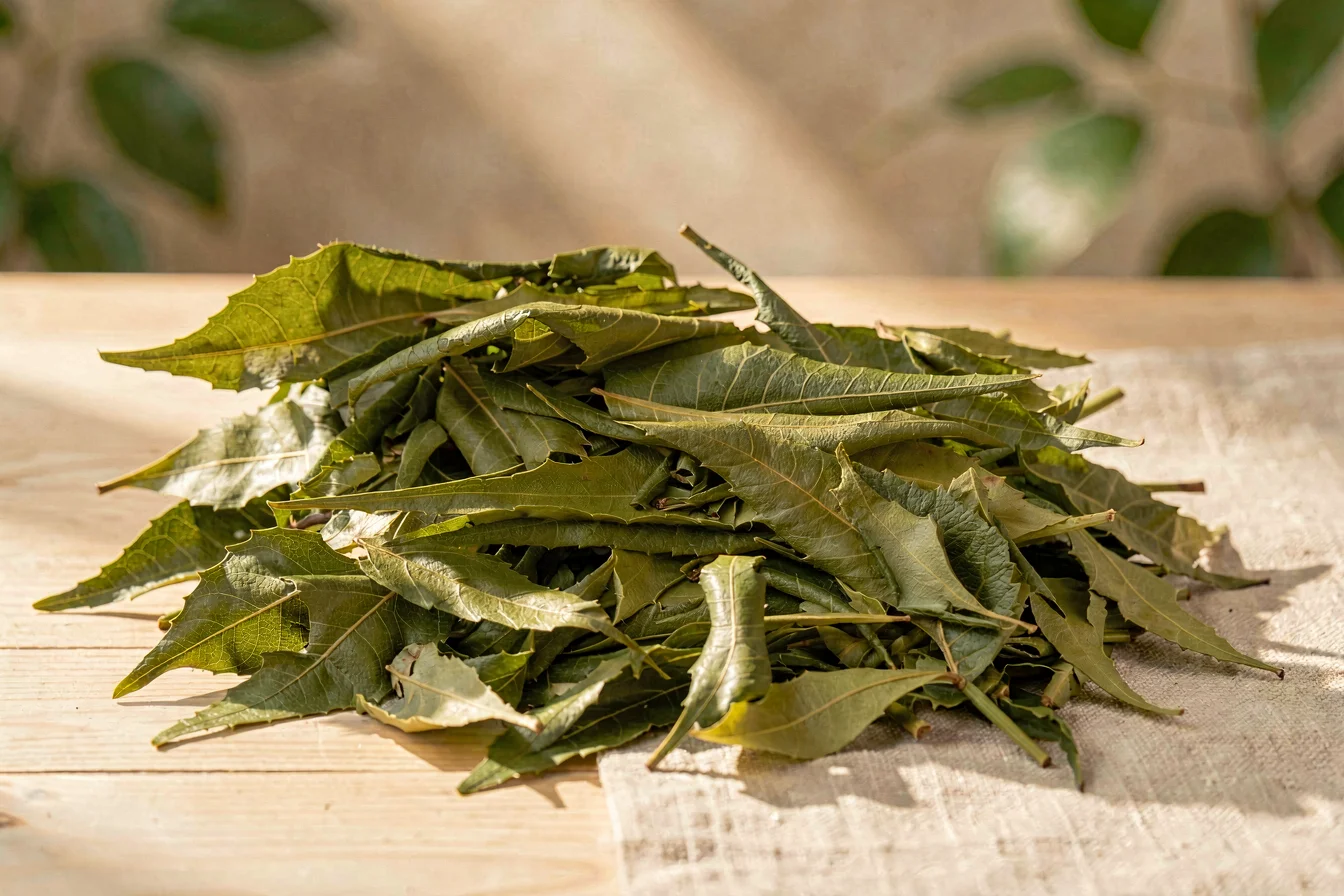
Amazon’s top-selling dried neem leaves products span powder, whole leaves, and organic bulk formats, with strong consumer ratings and diverse applications. Key features include organic certification, sustainable sourcing, resealable packaging, and multipurpose use in skincare, herbal teas, and DIY cosmetics. Price tiers range from USD 4.75 to 23.41, with bulk options for industrial buyers. High ratings (4.2–4.7/5.0) indicate strong buyer satisfaction, with positive feedback on quality, aroma, and versatility [2].
| Image | Name | Price | Rating | Key Features |
|---|---|---|---|---|
 |
CARMEL ORGANICS Neem Leaves Powder | USD 8.99 | 4.6/5.0 | Natural, Non GMO, Sustainable, Hair & Skin Care |
 |
Heawans Naturally Grown Dried neem Leaves Whole | USD 5.99 | 4.5/5.0 | Hand-Picked, Sri Lanka Sourced, Resealable Pack |
 |
Diyon's whole dried neem leaves | USD 4.75 | 4.6/5.0 | 100% Natural, Air Dried, Sri Lanka Sourced |
 |
Organic Way Neem Leaf Cut and sifted | USD 11.99 | 4.2/5.0 | USDA Certified, Organic, Herbal Tea |
 |
Starwest Botanicals Neem Leaves Organic | USD 23.41 | 4.6/5.0 | Bulk, Certified Organic, Kosher, Non-GMO |
Top sellers are organic, sustainably sourced, and feature resealable packaging, meeting both retail and industrial buyer needs for dried neem leaves .
Buyer reviews highlight strong praise for quality, aroma, and multipurpose use, especially in hair care, skincare, and herbal teas. Complaints center around taste (bitterness), packaging, and occasional quality inconsistencies. Quotes reveal positive experiences with hair growth, skin health, and detoxification, while negative feedback focuses on product freshness and packaging integrity.
"It is very good, I use it in my hair herbal oil good for scalp and hair growth." [2]
"Very good, a bit tart but good for the body. Add a little honey and you are set. Great quality." [2]
| Product Name | Top Praise | Top Complaint | Overall Sentiment |
|---|---|---|---|
| CARMEL ORGANICS Neem Leaves Powder | Good quality, hair and skin benefits | Bitter taste, packaging concerns | Positive |
| Heawans Naturally Grown Dried neem Leaves Whole | Hair growth, scalp care, authentic aroma | Bitter taste, packaging | Positive |
| Organic Way Neem Leaf Cut and sifted | Versatile, quality, herbal tea | Tart taste, freshness | Positive |
| Starwest Botanicals Neem Leaves Organic | Certified organic, bulk, versatility | Bitter taste, packaging | Positive |
Buyer sentiment is overwhelmingly positive, with praise for quality and multipurpose use, but buyers should expect bitterness and monitor packaging integrity for dried neem leaves .
Reliability benchmarks for dried neem leaves include defect rates, maintenance cycles, and expected service life. Industry feedback indicates low batch failure rates and high durability for certified products, with defect rates rarely reported due to stringent QA. Quality benchmarks are established by certifications (organic, kosher, USDA), packaging standards, and supplier traceability. Strategic sourcing should focus on OEM/ODM flexibility, batch traceability, and supplier reputation. Potential bottlenecks include logistics delays, regional compliance, and raw material availability. Price optimization levers include volume discounts, batch certification, and supplier negotiation for traceability and sustainability.
| Benchmark Dimension | Organic Neem Leaf | Bulk Neem Leaf |
|---|---|---|
| Defect Rate | Low (rarely reported) | Low (batch QA) |
| Maintenance Cycle | Minimal (resealable, stable) | Minimal (bulk storage) |
| Expected Service Life | 12–18 months | 12–18 months |
| Certification | Organic, Kosher, USDA | Batch certification |
| Packaging Standard | Resealable, hygienic | Bulk, resealable |
Reliability is high for certified, traceable dried neem leaves , with strategic sourcing focused on batch QA, packaging integrity, and supplier reputation for risk mitigation.
Looking forward, the dried neem leaves market is poised for continued growth, driven by expanding wellness trends, regulatory clarity, and demand for sustainable, certified ingredients. Buyers should anticipate new product formats, increased OEM/ODM flexibility, and tighter batch traceability standards. Pricing is expected to remain stable, with premium segments for organic and certified products. To secure long-term supply, buyers should prioritize supplier audits, batch documentation, and volume negotiation for traceable, sustainable sources. Immediate next steps are to source from certified suppliers, validate batch traceability, and leverage B2B platforms for flexible procurement and compliance assurance. Confident buyers will capitalize on the upward trend by sourcing certified, sustainable dried neem leaves and maintaining robust supply chain resilience.