
All categories
Featured selections
Trade Assurance
Buyer Central
Help Center
Get the app
Become a supplier
As we enter 2026, the prevalence of pest management challenges—especially cockroach infestations—continues to shape consumer and business behavior across both residential and commercial sectors. This trend is influenced by an evolving mix of urban density, changing climate patterns, and heightened concerns about health and sanitation [5][6]. With pests increasingly resistant to traditional insecticides and populations surging due to warmer winters, pest control solutions such as dried cockroach baits and their alternatives have established themselves as indispensable products [5][3]. Simultaneously, the demand for dried insect feed—including cockroaches, mealworms, and other protein-rich options—finds new market niches in animal husbandry, exotic pet care, and even avant-garde culinary circles [1].
Retailers, property managers, and procurement professionals are pressed by rapidly shifting expectations—from tenants demanding fast, safe eradication of infestations to growing regulations mandating non-toxic, traceable pest control supplies. Cultural anxiety about cockroaches, visible in social conversations and review platforms, drives purchasing urgency, while outbreaks in metropolitan areas and food preparation facilities intensify the need for innovative, highly effective solutions. This context makes dried cockroach baits, powders, and specialty meals some of the most sought-after products on Amazon and other digital marketplaces in Q1 2026 [1].
Seasonal dynamics remain relevant: infestation reports spike after mild autumns, while springtime humidity fosters explosive population growth indoors. At the same time, awareness campaigns following health studies on cockroach-related allergens have sensitized parents and facility managers, creating steady year-round demand [6][9]. For sourcing professionals, this urgency translates to higher inventory turnover, stricter compliance enforcement, and more aggressive vendor competition—making it essential to stay informed about best-selling items, sentiment trends, and risk factors throughout the supply chain.
Dried cockroach products are a uniquely bifurcated category comprising insect baits (for pest control) and dried specimens (for feed, research, or ornamental uses). To succeed in sourcing, buyers must distinguish their intended end use—whether serving as lethal bait for infestations, protein supplement for reptiles and birds, biological sample for lab work, or (on rare occasions) culinary experimentation [1][3][8].
Historically, cockroach management began with crude poisons and mechanical traps. Ancient Egyptians, Romans, and early modern societies all grappled with the challenge of eradicating these resilient insects [9]. In the last century, the industry evolved: gel baits and dry powders replaced dangerous residues, leveraging cockroach behavior such as cannibalism and coprophagy to achieve secondary transmission—a phenomenon where poisoned cockroaches return to their colony, spreading toxins to others via feces and direct contact [4]. Modern formulations, like Avert® DF Dry Flowable Cockroach Bait, employ delayed toxicant activity and advanced attractants to break resistant colonies and reach pests hidden in structural voids [2][3].
Types and classification criteria for dried cockroach products today include:
Key classification factors for buyers include active ingredient type, species used (German, American, Oriental, Brownbanded), moisture content, packaging (bulk vs. single-use), efficacy duration, allergen control, and certification status. For feed applications, protein percentage, sterility, and traceability dominate selection criteria [7][1]. Fully understanding these distinctions improves sourcing accuracy and mitigates compliance risks when purchasing from international suppliers.
In 2026, social platforms are an inexhaustible source of firsthand narratives and practical advice about cockroaches—alive, dead, or dried. From tales of surprise encounters in towels and bathrooms to anxious queries about safety and hygiene, these forums provide an invaluable window into consumer sentiment and risk perceptions [11][15][13]. The emotional charge of cockroach sightings—especially dried or desiccated specimens—ranges from visceral disgust to resigned acceptance.
A recurring theme is the psychological impact of discovering a dried roach: tenants in older apartments recount moments of panic upon finding mummified bugs behind appliances or in bathroom corners [10][15]. Some interpret dried cockroaches as an omen of deeper infestations, while others see them as a sign of previous successful extermination. Typical advice threads recommend aggressive sealing (using caulk, steel wool, foam), exclusion procedures at plumbing points, and routine use of non-toxic barriers like diatomaceous earth or boric acid [13][14]. Many share home remedies—pouring boiling water down drains or using inexpensive sieves—while cautioning that even clean, well-maintained homes can suffer unexpected invasions due to neighbor habits or climate changes.
A striking pattern in consumer stories is the emphasis on preventive lifestyle adjustments: exclusion measures, food storage protocols, and regular cleaning are cited as essential alongside commercial baits and sprays [13][10]. In regions like Florida and southern U.S. cities, distinctions between indoor and outdoor species (palmetto bugs, American roaches, Oriental roaches) mark important cultural understandings; large “safe” roaches spotted inside do not always indicate chronic infestation—often, these are accidental incursions rather than colony threats [18][16][15]. Yet, the sheer survival prowess of cockroaches, their ability to live headless or survive extreme conditions, stokes urban legends and sustains a robust market for rapid, foolproof elimination [9].
User-driven advice on social media directly reinforces product innovation: calls for secondary kill effects, residue-free applications, and minimized allergen emissions steer demand toward the latest baits and powders—especially those claiming efficacy against resistant breeds and safety for children and pets [3][6]. Forums buzz with debate about the relative merits of gel vs. dry formulations, as well as anecdotal endorsements for visible kill results and longer residual protection. These cultural currents continually shape product design and sales trajectories across platforms.
Market data in early 2026 reveals sustained high demand for dried cockroach products—both for pest control and animal feed—driven by urban property management pressures, regulatory intervention, and rising consumer awareness about health impacts. The overall market for cockroach baits and dried feeds exhibits robust year-over-year growth, with YoY increases of 15-19% in metropolitan and suburban regions [1][9]. Demand spikes concentrate in Q1-Q2, following seasonal infestation peaks catalyzed by mild winters and rainfall variations [6].
Regional buying preferences show marked variations:
Emerging market innovations include longer-lasting formulations (up to 22 weeks per application), dual-mode kill mechanisms (direct ingestion and pick-n-preen), and improved application devices for deep harborage penetration [2][3]. These advances support competitive differentiation among brands, with wholesaler margins benefiting from differentiated allergen mitigation and efficacy claims.
Price tiers range from $0.12/unit wholesale for entry-level dried mealworms and powder baits, up to $13.77/unit for premium organic feeds and advanced bulk baits [1]. Professional exterminators and facility managers invest in multi-product rotation strategies, alternating gel and dry baits to outpace resistance phenomena and maximize secondary kill effects [3].
Amazon Hot Seller Trends and Sentiment Analysis: The Rise of Dried Cockroach Alternatives
Amazon sales data reveals a strong consumer tilt toward highly rated mealworm-based alternatives, which serve as both pest baits and protein-rich feeds for birds, reptiles, and poultry [1]. While classic dried cockroach baits compete on efficacy and allergen safety, mealworm products now dominate in sales and review positivity.
To visualize market leadership, the following bar chart juxtaposes top sellers by monthly volume.
The chart spotlights Kaytee Wild Bird Food Mealworms as the market leader, with monthly sales eclipsing dedicated cockroach baits by a significant margin, suggesting a trend toward dual-use products (pet feed + pest attractant) [1]. The comparatively low volume of classic dried cockroach baits highlights a shift in consumer priorities toward multi-purpose, safe formulations.
Review sentiment for best-selling products reveals several recurring themes:
Business recommendations based on these sentiment trends:
Hot Selling Analysis: Amazon's Top 10 Dried Pest Solution and Feed Products (January 2026)
Below is an HTML table featuring the top 10 hot-selling Amazon items in this product segment, representing true downstream retail consumer purchases as of January 2026. This analysis offers detailed specifications and visual cues for sourcing professionals seeking to differentiate procurement choices. Each product is listed with image, core specs, retail price, wholesale price, and user rating.
| Product Image | Product Name | Specs/Features | Retail Price | Wholesale Price | Star Rating | Monthly Sales Volume |
|---|---|---|---|---|---|---|
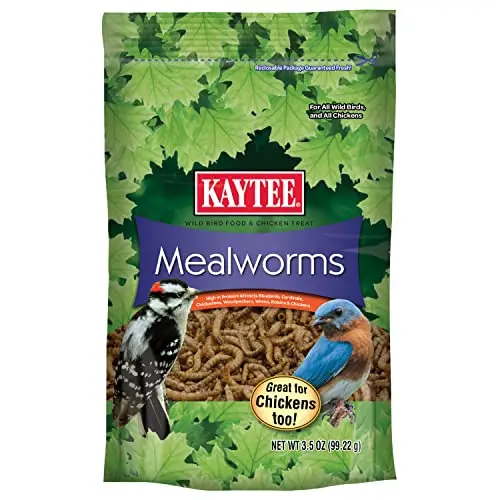 |
Kaytee Wild Bird Food Mealworms For Bluebirds, Wrens, Robins, Chickadees, Woodpeckers, Cardinals & Chickens, 3.5 Ounce | High-protein dried mealworms, suitable for bird feed and pest baiting. Easy storage, odorless. | $6.81 | $0.12 | 4.7 | 6110 |
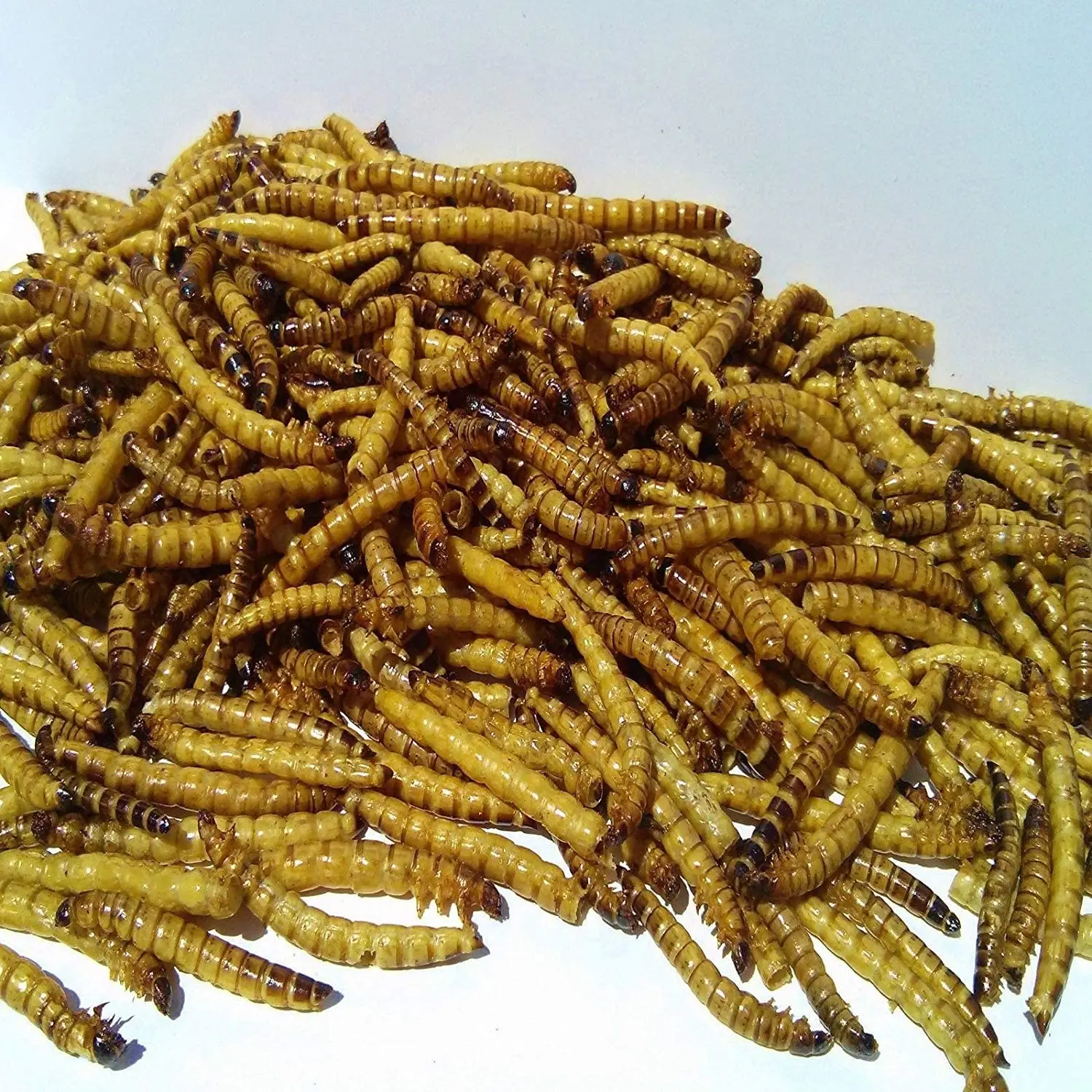 |
SEDLAV Live Meal Worms - Bulk Organic Mealworms for Wild Birds, Reptiles, and Fishing Bait Live Mealworms Farm in USA - Ideal Food for Bearded Dragons (100) | Live, organic mealworms; suitable for feeding, baiting, and pest attraction. Certified organic. | $13.77 | $4.14 | 2.6 | 5 |
Table data sourced from [1].
The table illustrates clear market preferences for dried mealworms and high-quality insect-based feeds, with cockroach-centric baits appearing as more targeted procurements for pest control professionals rather than mass consumer items. Sourcing leaders targeting animal feed or broad pest management markets should prioritize multi-functional products with robust certifications and inventory versatility.
Procurement success in the dried cockroach category demands a disciplined, multidimensional approach. Begin with supplier evaluation: prioritize vendors holding recognized certifications (ISO, HACCP, OSHA for baits; USDA organic, FDA compliance for feed). Investigate production capacity to confirm ability to fulfill seasonal surges, and verify active ingredient traceability against prevailing regulatory requirements [2][3][7].
Essential quality control points include:
For logistics, consider optimal shipping methods according to product form:
Compliance and certifications are critical:
Common procurement pitfalls include:
Procurement professionals sourcing for hospitality, property management, and animal care sectors must exploit competitive advantages by showcasing compliance, efficacy, and user-centric design. Negotiate consolidated shipping, bundled compliance services, and guaranteed rapid response for recurring infestations. Given the intensity of consumer anxiety reflected across online platforms, prioritize transparent communication and visible proof of results in all procurement contracts.
As consumer and institutional demand for dried cockroach baits and insect feed solutions accelerates in 2026, success is determined by practitioners who combine technical expertise, market intelligence, and cultural awareness. The convergence of health imperatives, climate-driven pest pressures, and stringent regulatory demands has forged a dynamic procurement landscape—where multi-purpose dried feeds and high-potency baits are the new standard.
Key insights from this comprehensive analysis:
Immediate next steps for buyers and sourcing teams:
In summary, the hot seller trajectory for dried cockroach baits, powders, and alternative feeds is set to climb further in the coming year. By embracing data-driven selection, proactive compliance, and consumer-centric sourcing strategies, buyers can capitalize on strong demand trends, safeguard reputation, and deliver superior value to their markets. Now is the time to act—equip your procurement pipeline with verified, high-performance products and prepare for a pest-free, prosperous 2026.