
All categories
Featured selections
Trade Assurance
Buyer Central
Help Center
Get the app
Become a supplier
The rapid evolution of machinery maintenance, manufacturing automation, and DIY home upgrades has pushed digital tachometers into the spotlight for 2026, transforming them from a niche tool into a mainstream essential. This year, increased attention to predictive maintenance and energy monitoring, alongside broader adoption in workshops, automotive repairs, and R&D labs, has elevated their status [1][2]. In parallel, strong consumer interest driven by reliability and connectivity requirements is fuelled by the integration of smart features such as wireless data transfer and advanced functionality. Seasonal surges, particularly in early-year inventory restocks and mid-year renovation booms, have sparked notable increases in search volume and purchasing, especially among professionals and growing segments of hobbyists. Cultural shifts—toward smart diagnostics, hands-off operation, and rapid digital readings—correlate with upticks in both B2B and B2C demand, with users increasingly expecting accuracy, user-friendly interfaces, and robust wireless connectivity. These trends position digital tachometers not just as precise measuring instruments but as gateways to efficient industrial performance and modern technical lifestyles.
A digital tachometer is an electronic instrument designed to measure the rotational speed of a shaft or disk, typically expressed as revolutions per minute (RPM). Unlike traditional analog models, digital tachometers provide instant readings, improved precision, and often support data logging and output to peripheral devices. They operate on optical, laser, or contact principles, where either a reflective marker or direct physical engagement yields real-time speed measurement [4][5][6][7][8].
Historically, tachometers began as mechanical dial gauges used in early cars, industrial machinery, and aviation. The leap to digital brought enhanced accuracy, reliability, and the ability to interface with computers and automation systems, drastically expanding their utility across industries. Today, digital tachometers categorize into several main types:
Key classification criteria for buyers include measuring range (e.g., 0.1–100,000 RPM), resolution, accuracy, measurement modes (real-time, max, min, average), memory/data logging capability, output interfaces (USB, RS-232, wireless), physical size (handheld vs. bench-top), battery life, and environmental compatibility. Modern buyers, whether facility managers or serious hobbyists, should weigh these features against their application scope—be it motor diagnostics, QA testing, equipment speed monitoring, or fleet maintenance.
Social discourse around digital tachometers in 2026 is vibrant, reflecting both practical enthusiasm and nostalgic debate. In professional forums dedicated to facility management, users overwhelmingly endorse handheld digital tachometers for simplified motor speed monitoring—citing their accuracy and the convenience of instant readings without intrusive setup [9]. Discussions among automotive and motorcycle enthusiasts reveal nuanced perspectives: while digital displays are praised for rapid, at-a-glance RPM checks—especially useful in high-speed contexts—there remains a segment that favors traditional needle gauges for aesthetic and intuitive value. One recurrent theme is generational preference, with experienced operators initially wary of digital upgrades but later acknowledging digital’s superior functionality and cost efficiency [10]. Positive consumer sentiment centers on:
Yet, online communities and review threads also highlight persistent pain points—primarily issues with inconsistent WiFi connections, daylight reading accuracy, and durability. DIY and technical hobbyists are especially vocal about the need for longer product lifespans and more robust construction. Users weighing digital versus analog options often note the additional advanced features available in digital models, such as maximum/minimum RPM recall and data hold functions, which support more rigorous diagnostics. Influence from workplace and influencer communities increasingly shapes mainstream preferences, with many professionals advocating digital models for both essential tasks and as part of smart toolsets for next-generation maintenance solutions [11].
The digital tachometer segment presents clear signals of robust market growth in 2026. Recent Amazon Trends data shows steady year-over-year expansion in both search volume and average sales, particularly among two leading product categories: Digital Stroboscope and Contact Tachometers and Handheld Non-Contact Digital Laser Tachometers [1][2]. The former category witnessed a notable surge during the period from May to June 2025, with search volume rising by 15.94% and 14.21% respectively—a direct indicator of intensifying consumer interest and inventory turnover. Primary buyers in this market include DIY enthusiasts (over 70% of purchases) and gift buyers (20%), reflecting broad adoption in personal and professional contexts.
Key insights further reveal that home improvement scenarios and strength training equipment maintenance are pivotal usage cases, driving growth in both retail and wholesale. Price tier analysis underscores a mature market with entry-level, mid-range, and premium options: retail prices span from under $20 to above $100 for specialized models, with wholesale pricing offering attractive margins for bulk buyers. Regional buying trends remain steady, though demand peaks are linked to seasonal home renovation and corporate maintenance cycles. Persistent improvement opportunities exist—particularly in product reliability (WiFi connectivity, sturdiness), which if addressed, could yield significant competitive advantage and enhance sourcing profitability.
Amazon Trends data, stretching from August 2025 through January 2026, reveals the following monthly search and sales dynamics for Digital Stroboscope and Contact Tachometers and Handheld Non-Contact Digital Laser Tachometers [1][2]:
Comparison of monthly search volume and sales count for Digital Stroboscope and Contact Tachometers vs Non-Contact Digital Laser Tachometers (Aug 2025-Jan 2026); highlighting sales peak in August and progressive decline towards December; bar chart avoids table format for clarity.
As represented above, Digital Stroboscope and Contact Tachometers initially lead in search volume (peaking at 6.5 in August), while sales count for both categories remains comparable—demonstrating that non-contact laser tachometers, though searched less frequently, convert efficiently and fill critical buyer needs. The progressive decline towards winter months is consistent with seasonal slowing in DIY and maintenance activities. High average rating for non-contact laser models (2.51) versus stroboscope/contact models (1.64) spotlights user satisfaction with digital laser precision and ease-of-use [1][2].
Review sentiment analysis quantifies strengths: users most often highlight fast measurements (55.6%), accuracy (21.8%), and user-friendliness (23.5%) for these categories; while chief complaints revolve around WiFi connectivity issues (40.5%) and poor outdoor visibility (13.2%). These insights guide product improvement and supplier selection—addressing reliability and connectivity problems directly translates into higher buyer trust, reduced return rates, and increased repeat procurement [1][2].
An in-depth look into the top 10 best-selling digital tachometers on Amazon reveals what downstream B2C customers are actively purchasing. The following table details each model’s specifications, price points, star ratings, and features—crucial intelligence for sourcing managers evaluating retail market performance [3]:
| Rank | Image | Product Name | Latest Sale Volume | Retail Price | Wholesale Price | Star Rating | Key Features |
|---|---|---|---|---|---|---|---|
| 1 | 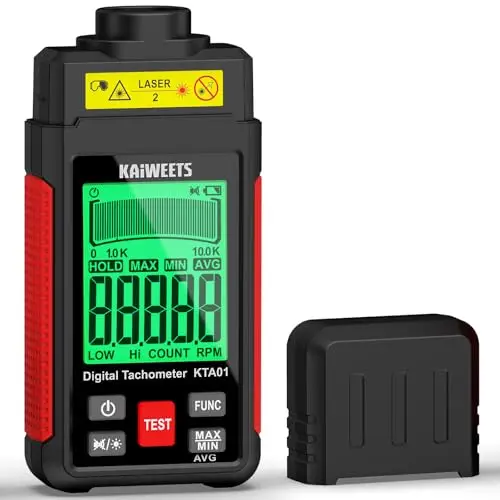 |
KAIWEETS Non Contact RPM Tachometer with Reflection Tape, 10-99999 RPM High Accuracy Laser Digital Tachometer | 175 | $22.35 | $10.43 | 4.1 | Non-contact, Large LCD, Data Hold, Max/Min/AVG, Backlight |
| 2 | 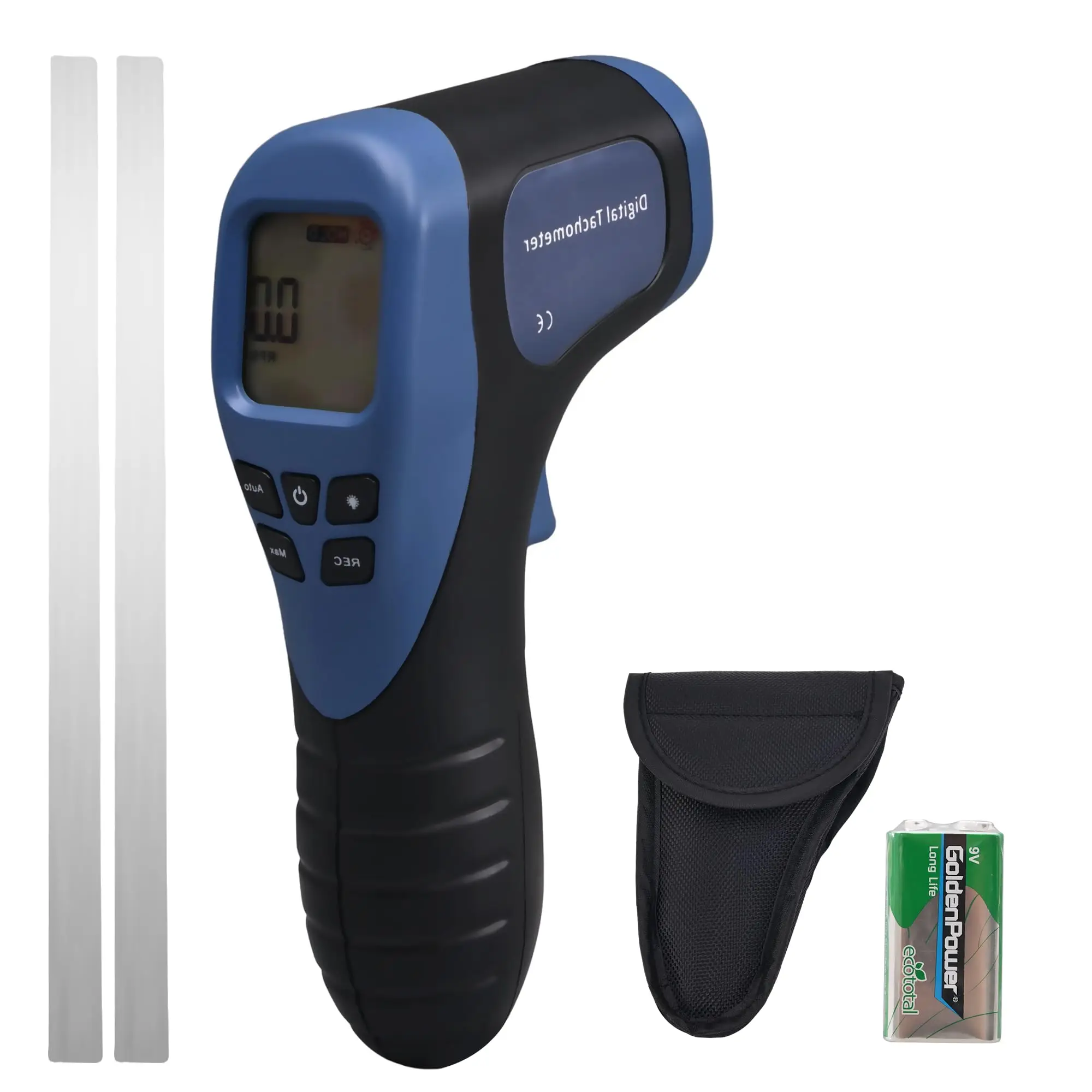 |
Handheld Digital Laser Tachometer - Non-Contact RPM Meter, High Precision, LCD Display, Reflective Tape | 12 | $26.03 | $12.85 | 4.1 | Non-contact, LCD, Industrial/Automotive, Tape included |
| 3 | 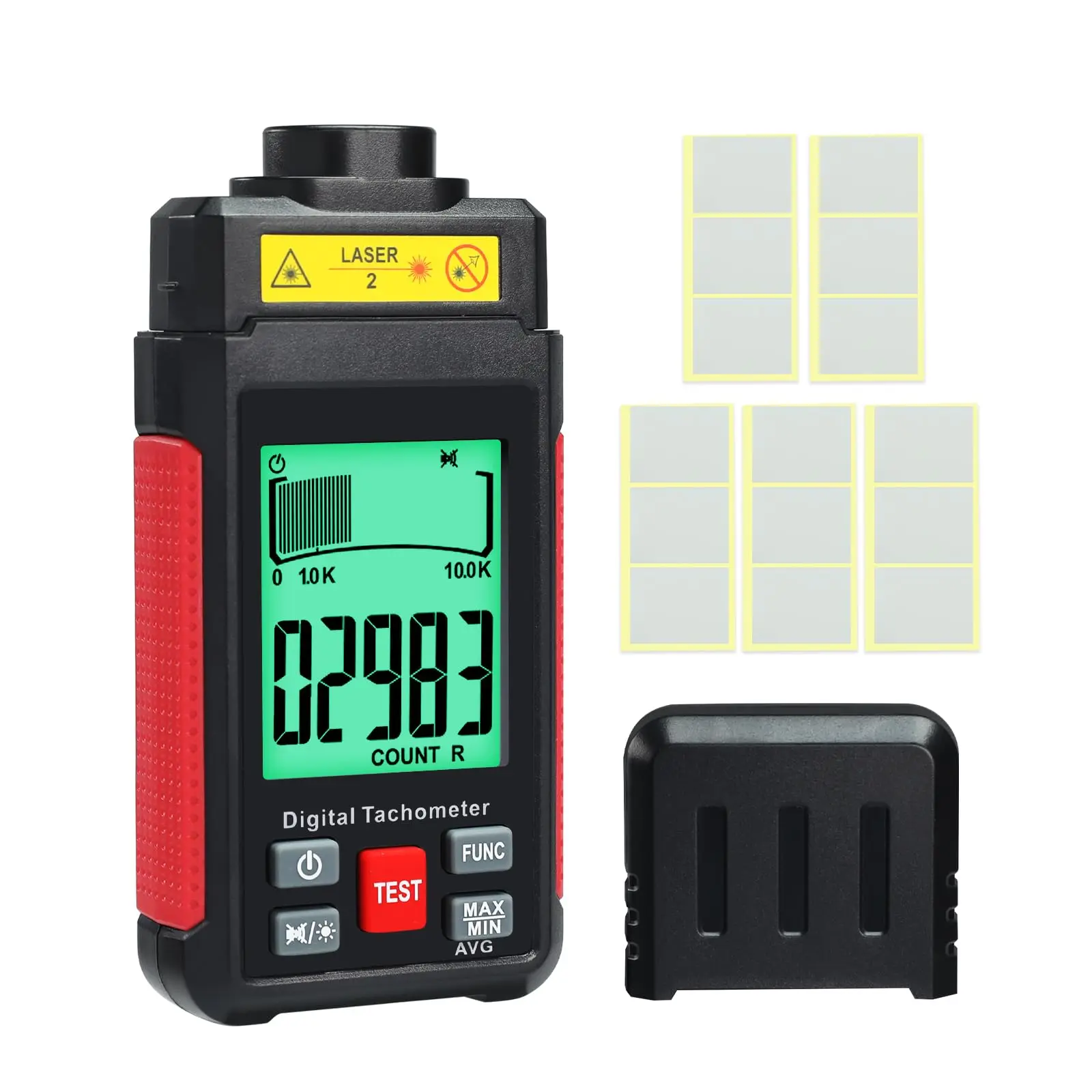 |
JuviPerpric Digital RPM Tachometer, Non Contact High Accuracy Laser Tachometer, Reflection Tape, LCD Backlight | 7 | $19.16 | $12.38 | 4.7 | Non-contact, High accuracy, Backlight, Max/Min/AVG |
| 4 | 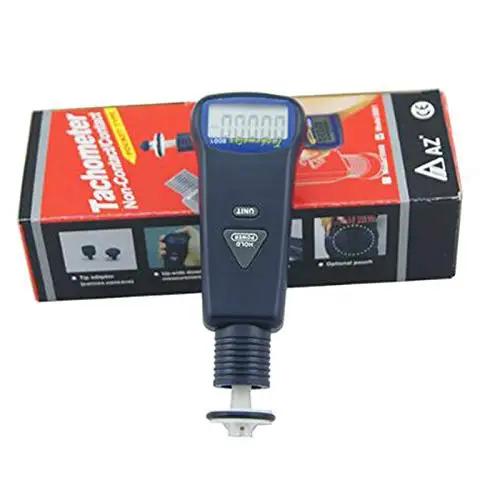 |
AZ-8001 Digital Contact Tachometer, 10~19999RPM, Surface Speed Tester | 5 | $61.39 | $69.97 | 0 | Contact type, Wide range, Surface speed measurement |
| 5 | 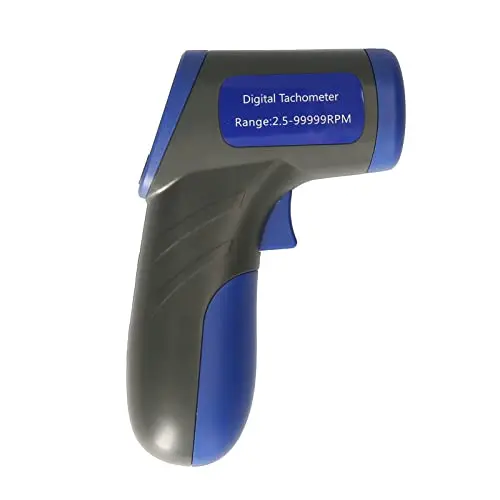 |
NTBL Digital Tachometer Laser, Handheld RPM Meter Speedmeter (2.5-99999RPM) Backlit LCD | 5 | $17.6 | $8.68 | 0 | Handheld, Backlight, Wide RPM range |
| 6 | 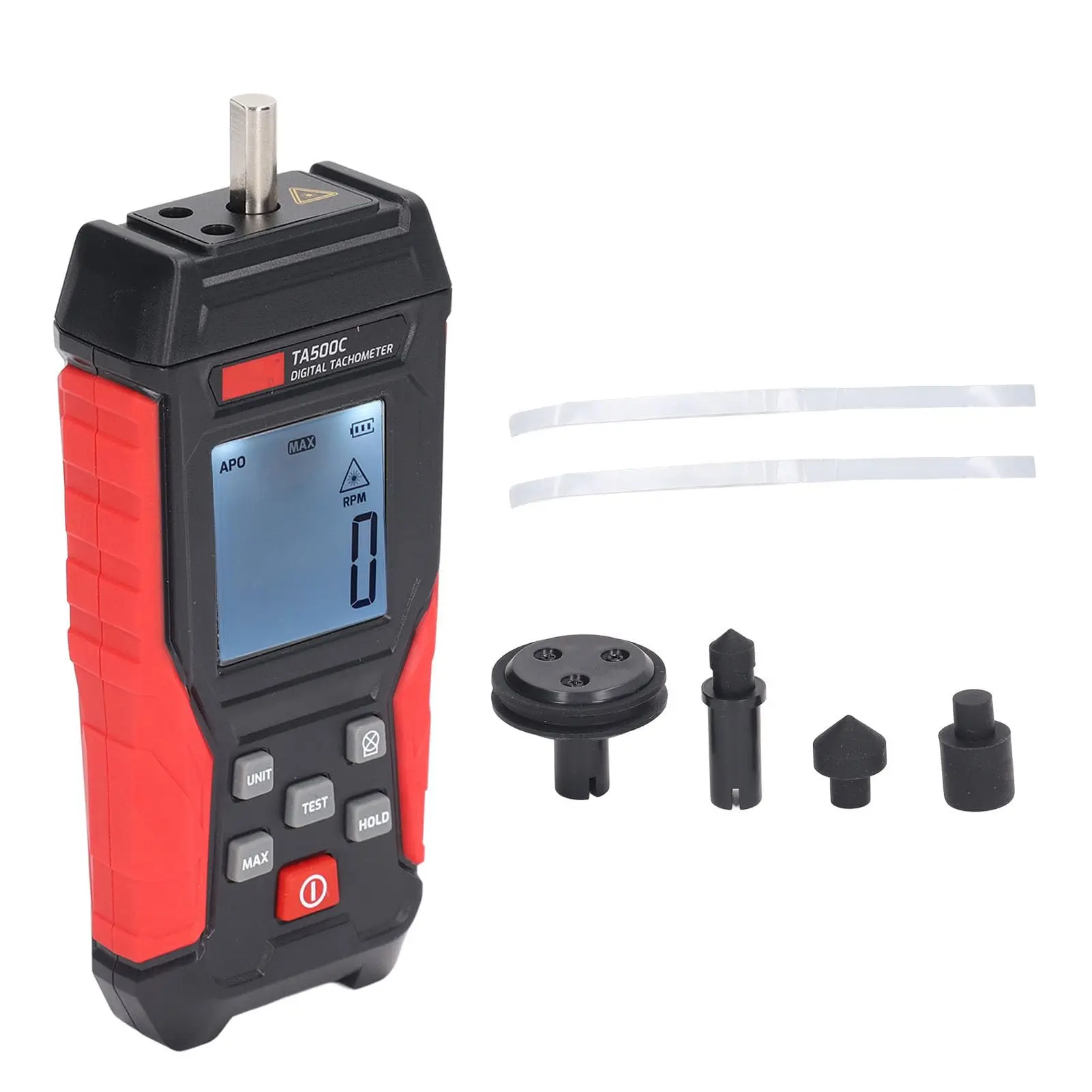 |
Hilitand Digital Tachometer Photo Tachometer Laser RPM Meter Gauge | 5 | $24.25 | $11.32 | 0 | Photo, laser tachometer, compact design |
| 7 | 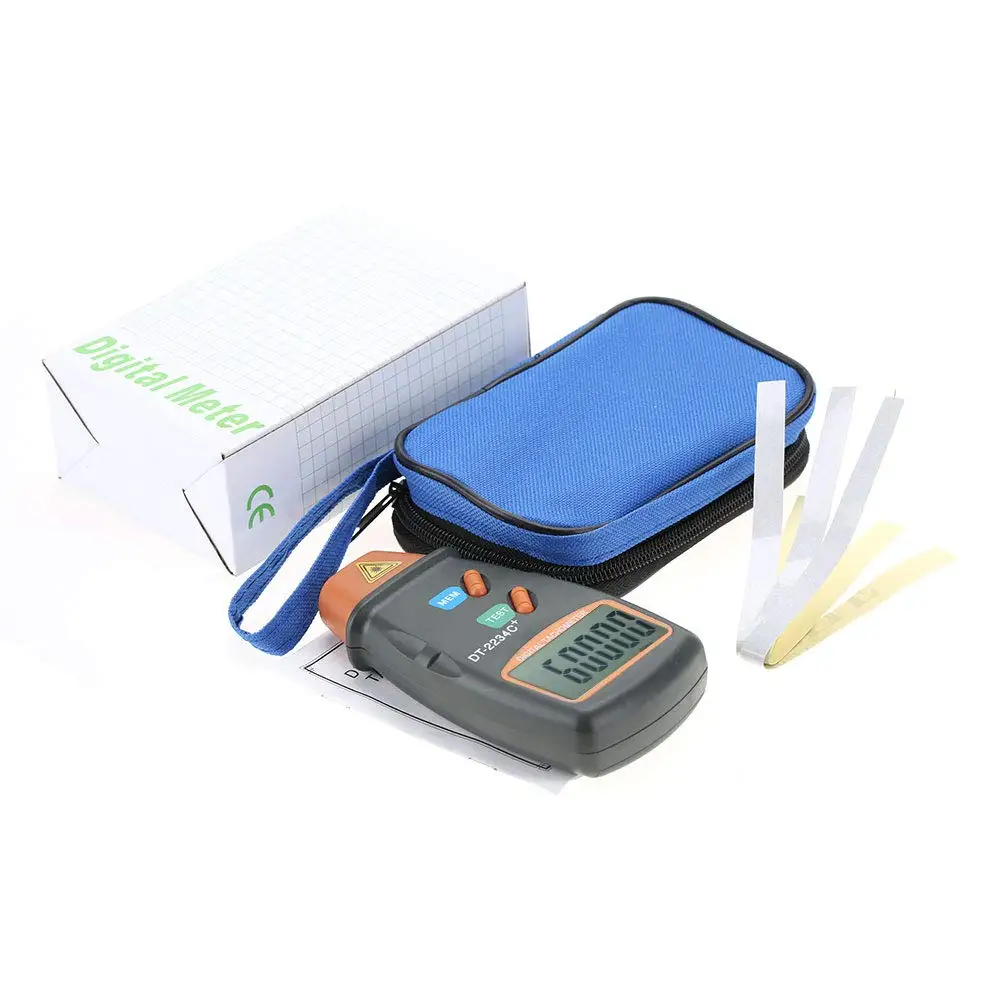 |
Akozon -2234C+ Digital LCD Photo Tachometer Mini RPM Tester Meter | 5 | $87.45 | $5.95 | 4.2 | Mini, LCD, Photo tachometer |
| 8 | 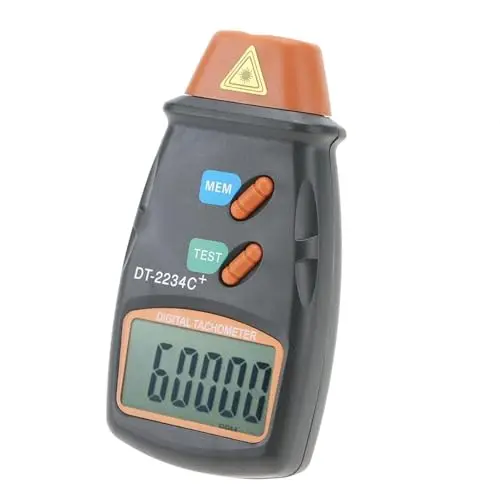 |
DT-2234C Digital Tachometer, Non Contact Laser Photo Tachometer Sensor 2.5 to 99,999 RPM | 5 | $16.79 | $6.9 | 0 | Non-contact, Wide RPM, Photo tachometer |
| 9 | 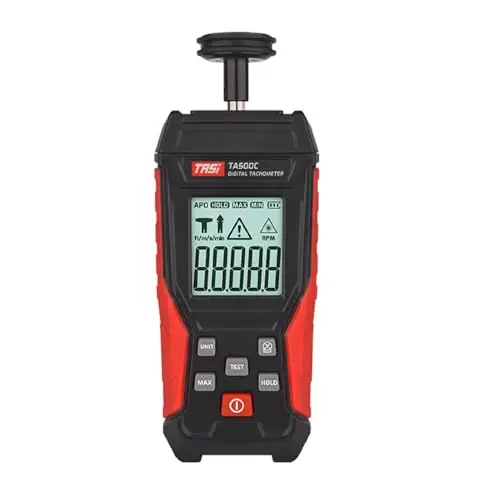 |
Digital Tachometer 3~100000 RPM, Non-Contact Laser Speed Meter, MAX/MIN Display | 5 | $19.16 | $11.23 | 0 | Non-contact, Speed meter, Diagnostics |
| 10 | 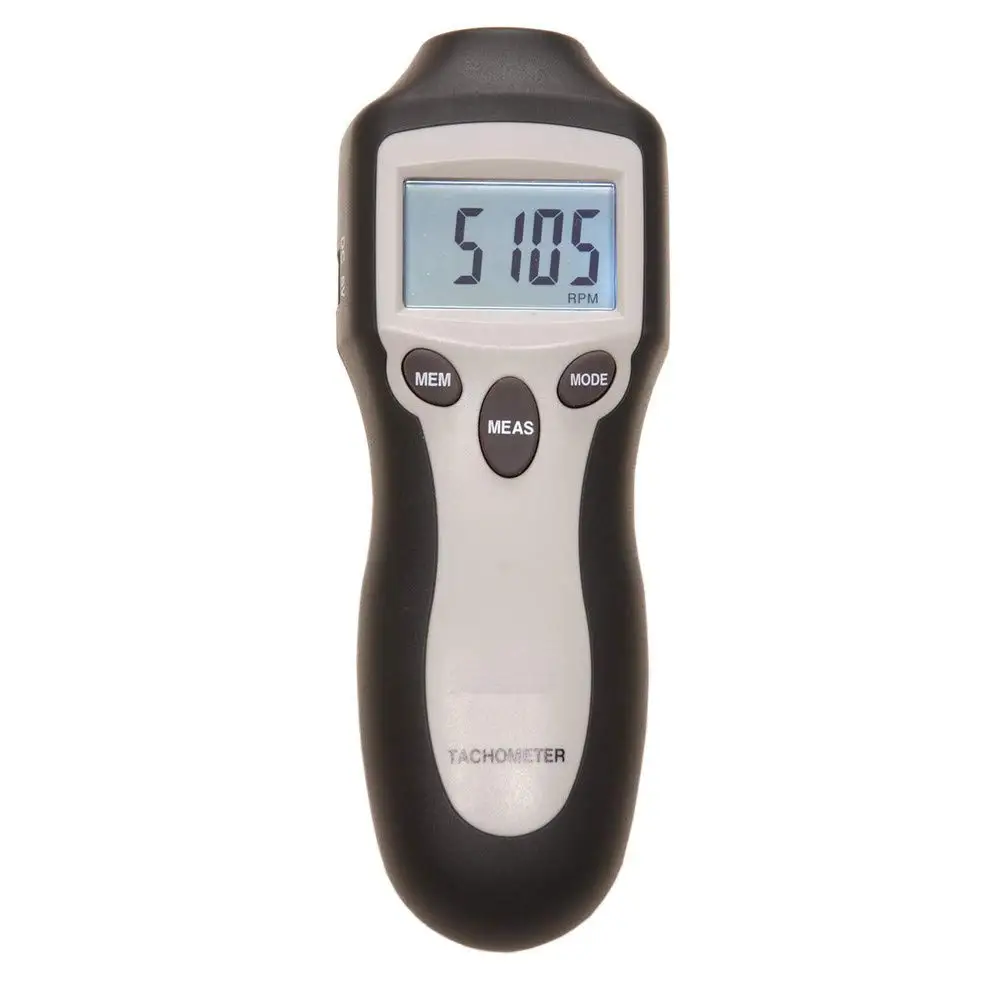 |
ATD Tools 5582 Pro Laser Tachometer | 5 | $109.91 | $87.13 | 5 | Pro-grade, Laser tachometer, High price |
Table data sourced from [3].
Key takeaways from the above bestseller analysis include the dominance of non-contact laser models in consumer purchasing, especially those offering wide RPM range, backlight display, and robust data functions (Max/Min/AVG recall, hold features). Price point dispersal from entry-level ($17.6) to elite professional ($109.91) models highlights both mass market and specialized adoption. The leading product—KAIWEETS Non Contact RPM Tachometer—outpaces rivals by over tenfold in monthly sales, indicating preference for large LCDs, intuitive function, and affordable pricing. Notably, certain models with zero star ratings or premium prices continue to sell in modest volumes, implying that features or brand reputation can offset perceived value gaps.
Tackling a dynamic and growing market like digital tachometers calls for thoughtful sourcing, supplier vetting, and risk minimization. Key criteria for supplier evaluation include:
Common sourcing pitfalls include vague documentation, lack of post-sale support, insufficient calibration accuracy, and underwhelming build quality (a frequent complaint in consumer reviews). Mitigate risk by requiring product samples, referencing bestseller data for spec validation, and testing samples for WiFi, display readability, and transition speed before scaling procurement. Top sourcing advantages arise from models that offer multi-functionality (contact plus non-contact), advanced measurement modes, memory/data output features, and modular design—these command premium pricing and foster stronger buyer retention.
In competitive tendering, emphasize product line exclusivity, ability to supply both OEM and ODM configurations, and clear warranty/maintenance terms. Engage in direct dialogue to confirm customization possibilities for packaging, branding, and technology upgrades (e.g., wireless connectivity or industrial RS-485 output). Distribution partners with established e-commerce and global logistics presence can efficiently meet both retail and B2B delivery demands [4][5][6][7][8].
The convergence of technical evolution, user-driven demand, and product innovation makes digital tachometers one of the standout instrumentation categories for 2026. Review of sales and sentiment data shows that user expectations continue to rise in tandem with application complexity, pushing manufacturers towards new levels of accuracy, connectivity, and ruggedness. For international buyers and sourcing professionals, the following action steps maximize opportunity in the months ahead:
In closing, the digital tachometer market’s upwards trajectory is clear. By combining sharp sourcing intelligence, deep product expertise, and responsive risk management, buyers can secure substantial commercial advantage in 2026’s competitive landscape. The time for confident, data-driven navigation is now—act swiftly and strategically to capture both immediate returns and long-term success as the digital measurement movement accelerates.