
All categories
Featured selections
Trade Assurance
Buyer Central
Help Center
Get the app
Become a supplier
The landscape for quadcopter frames in 2026 is redefining expectations for recreational pilots, competitive racers, industrial users, and global sourcing professionals alike. The exponential growth of drone technology—driven by breakthroughs in lightweight materials, open-source flight controllers, and an active online maker culture—has positioned frames at the center of this transformation. Current market data reveals a robust surge in demand not only for ready-to-fly consumer models but also for modular frame kits favored by hobbyists and commercial operators [1]. This upswing coincides with several prevailing forces: a vibrant DIY movement inspiring custom builds, advances in carbon fiber composites delivering unprecedented strength-to-weight ratios, and evolving use-cases such as drone cinematography, agricultural mapping, and tactical inspection missions [8]. It is no longer just about flying; it’s about customizing the frame for specific payloads, camera systems, or racing performance. In the retail space, seasonal factors play a significant role. Spring and summer traditionally ignite purchasing cycles for outdoor recreational flying, while autumn marks a spike for educational kit sales and competitive racing events. Meanwhile, global regulatory shifts and consumer behavior trends spark increased interest in durable materials, foldable designs, and frames that accommodate more advanced FPV (First-Person-View) technology [3][4]. The community’s appetite for experimentation and upgrades has led to more diverse product offerings—from micro-sized racing kits to heavy-lift long-range builds—underscoring the criticality of the frame as both the “chassis” and creative canvas for drone enthusiasts and procurement specialists. Buyers are responding to the rapid innovation, prioritizing not only performance and durability but also ease of assembly, repairability, and multi-application adaptability. This mentality reflects a broader cultural shift: drones are not just gadgets; they’re now platforms for personal expression, education, and even career advancement in fields ranging from cinematography to emergency services. As such, quadcopter frames stand as a bellwether for wider drone trends, where success hinges on meticulous selection, targeted sourcing, and staying ahead of fast-evolving design standards.
To understand why quadcopter frames command such fascination among modern buyers, it’s essential to clarify what defines them and to trace their evolution. A quadcopter frame is the structural skeleton that unites all critical drone components: motors, electronic speed controllers (ESCs), batteries, flight controllers, propellers, and payloads. Functionally, it protects delicate electronics, absorbs vibration, dictates aerodynamics, and determines payload capacity [2][6]. The technological roots date back to early hobbyist experiments and commercial adaptations in the late 2000s. Initial frames were often fabricated from plywood, lightweight metals, or off-the-shelf plastic. But as the need for precision, speed, and stability accelerated—especially with the rise of FPV racing—the market gravitated toward advanced composite materials, notably carbon fiber, renown for its strength, lightness, and resilience [8]. Classification of quadcopter frames has become particularly nuanced in recent years. Frames are typically defined by dimensions (wheelbase, measured in millimeters from motor to motor), arm configuration (e.g., X-frame, H-frame, True-X, Deadcat, Cinewhoop), and suitability for specific flight styles (freestyle, cinematic, racing, long range, indoor micro-drones, etc.) [4][5]. Major categories include:
A pivotal element driving 2026’s resurgence in quadcopter frame demand is the vibrant and opinionated builder community. Online forums, DIY groups, and social platforms are overflowing with hands-on reviews, technical debate, and advice exchanges that shape product perceptions and purchasing behavior. Recent community feedback reveals several recurring themes:
Diving into the 2026 quadcopter frame market, robust indicators show significant growth, sustained innovation, and evolving purchasing logic among retail and wholesale buyers. Industry analysis reveals that FPV racing and freestyle drone frames command the largest market share, with manufacturers ramping up production capacity to meet soaring global demand. Emerging subcategories—such as cinewhoop (ducted frames) for cinematic video and deadcat frames for unobstructed camera angles—are gaining traction among content creators and professional pilots [5]. Market size estimates point to double-digit compound annual growth rates (CAGR) in the drone sector, with frames representing a core value driver as end users purpose-build their devices for unique environments and payloads [8]. Regional preferences align closely with application: North America and Europe lead in racing and freestyle builds, while Asia-Pacific markets display a strong appetite for micro frames and educational kits due to urban density and regulatory factors. Latin America is progressively adopting durable, heavy-lift frames for agricultural and industrial purposes. Material innovation remains a defining trend: - Over 80% of premium FPV frames utilize carbon fiber composite structures, selected for their exceptional stiffness, vibration absorption, and lightweight characteristics [7][8]. - Entry-level or specialized indoor drones often employ plastics or hybrid blends, focusing on cost-efficiency and ease of production. - Aluminum, while occasionally chosen for custom builds, faces diminishing popularity amidst concerns over fatigue, weight, and crash survivability [11]. Pricing tiers vary widely:
The following analysis leverages the latest monthly sales volume of the top 10 quadcopter frames purchased through Amazon, offering direct insight into retail buyer preferences and product features [1]. To visualize the sheer diversity and retail momentum, a bar chart is presented below, mapping each product’s sales volume for immediate comparative assessment.
Monthly sales volume of the top 10 quadcopter frames sold on Amazon, visualizing consumer purchasing preferences for January 2026
The data illustrates pronounced dominance by the FPVDrone 225mm FPV Racing Frame and the BETAFPV Air65 II Micro Whoop Frame (2pcs), catering to both racing/acro freestyle users and micro indoor pilots, respectively. Demand sharply drops for specialized or premium frames, particularly those above 300mm wheelbase and those tailored for professional filming or heavy-lift purposes. Actionable recommendations for purchasing teams:
Procurement and retail teams benefit from granular analysis of individual frame offerings, especially when cross-referencing specifications, price tiers, and user ratings. Below is a comprehensive HTML table summarizing the top 10 hot sellers for immediate decision support [1].
| Rank | Product Image | Name | Specs/Features | Latest Monthly Sales | Retail Price | Wholesale Price | Avg Rating |
|---|---|---|---|---|---|---|---|
| 1 | 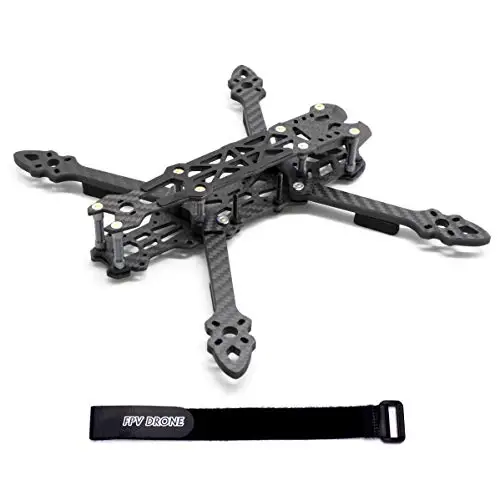 |
FPVDrone 225mm FPV Racing Frame | Carbon fiber, 5 inch wheelbase, Freestyle, Lipo battery strap included | 436 | $34.67 | $17.28 | 4.6 |
| 2 | 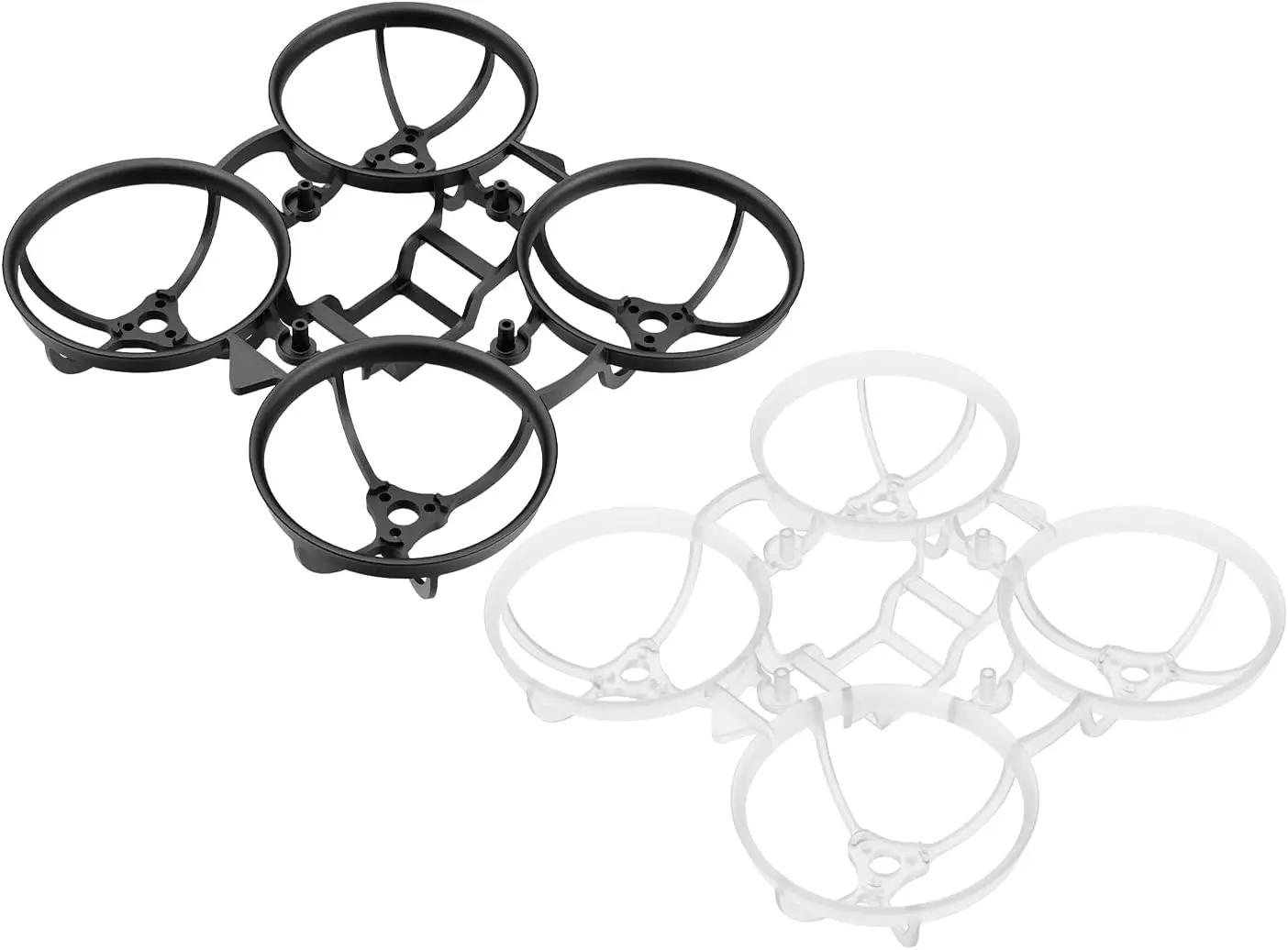 |
BETAFPV Air65 II 65mm (2pcs) Whoop Kit | Ultralight 1S micro racing, compatible with Matrix 1S FC, 31mm/1219S props | 312 | $11.53 | $3.55 | 4.7 |
| 3 | 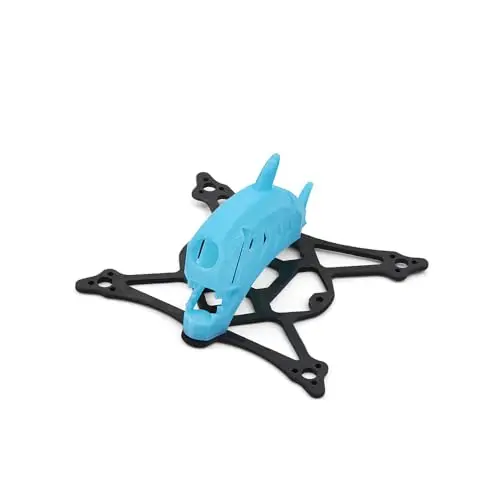 |
HGLRC Drashark16 75mm FPV Frame | FPV racing, compact over-structuring for stability | 68 | $13.99 | $8.47 | 4.3 |
| 4 | 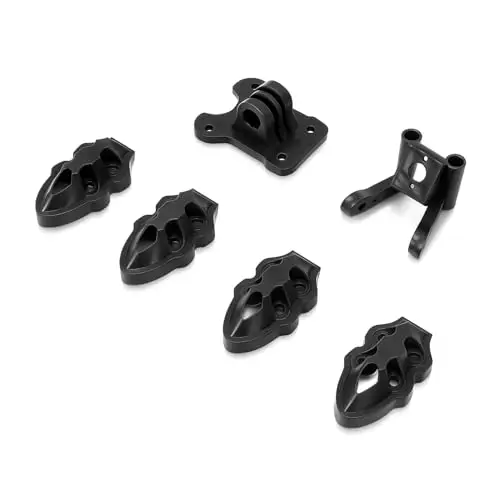 |
RC FPV Mounting Base Kit | 3D printed mounts for motor/camera/antenna, lightweight | 20 | $10.09 | $1.17 | 5.0 |
| 5 | 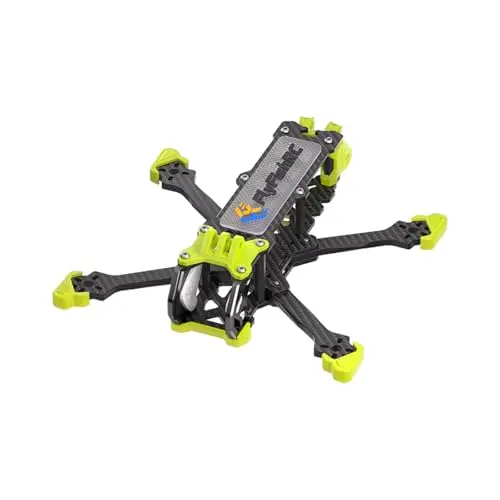 |
Valador VX3 3inch FPV Racing Frame | T700 carbon fiber, CNC aluminum yellow, HD O4 PRO compatibility | 17 | $27.45 | $25.00 | 5.0 |
| 6 | 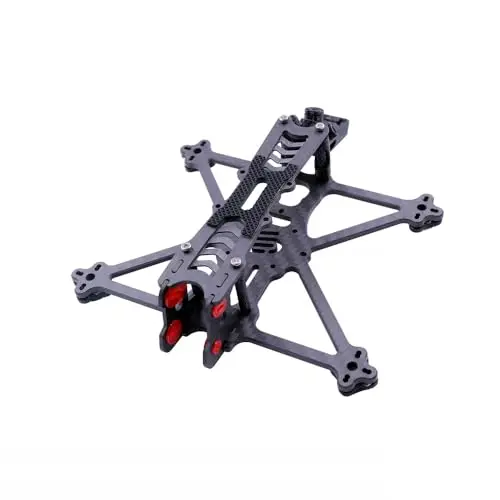 |
3 Inch 135mm Micro Racing Frame | Carbon fiber, supports DJI O4 Air HD system | 13 | $23.19 | $18.92 | 4.7 |
| 7 | 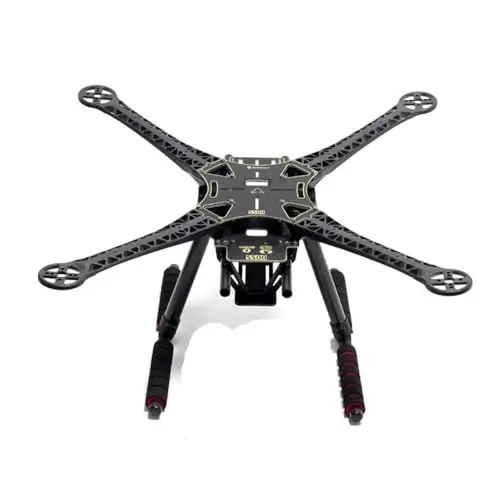 |
500mm S500 SK500 Multicopter Frame | PCB version, carbon fiber gear, red/black arms | 5 | $118.99 | $54.07 | 0.0 |
| 8 | 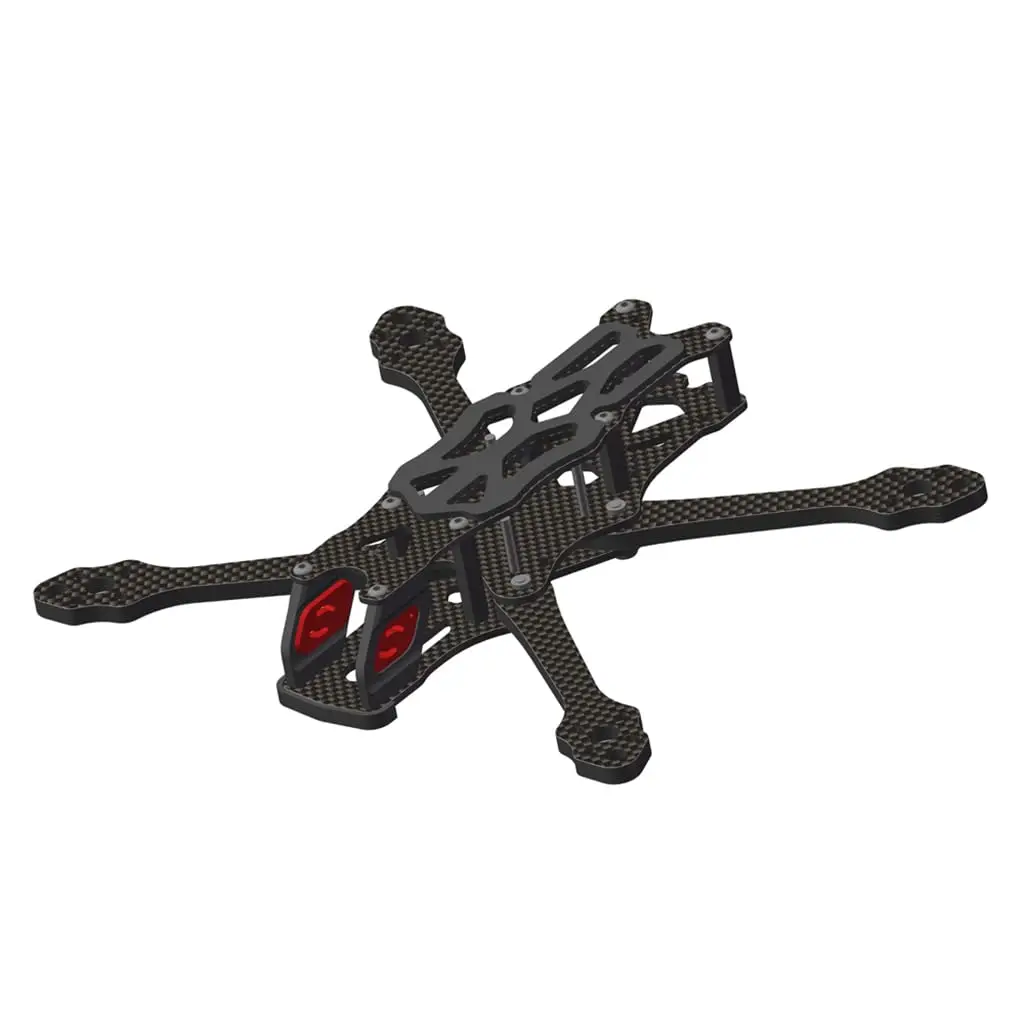 |
FEICHAO APEX EVO 5” Frame | Carbon fiber, supports 5–10” prop sizes, RunCam/CADDX compatibility | 5 | $41.52 | $25.73 | 5.0 |
| 9 | 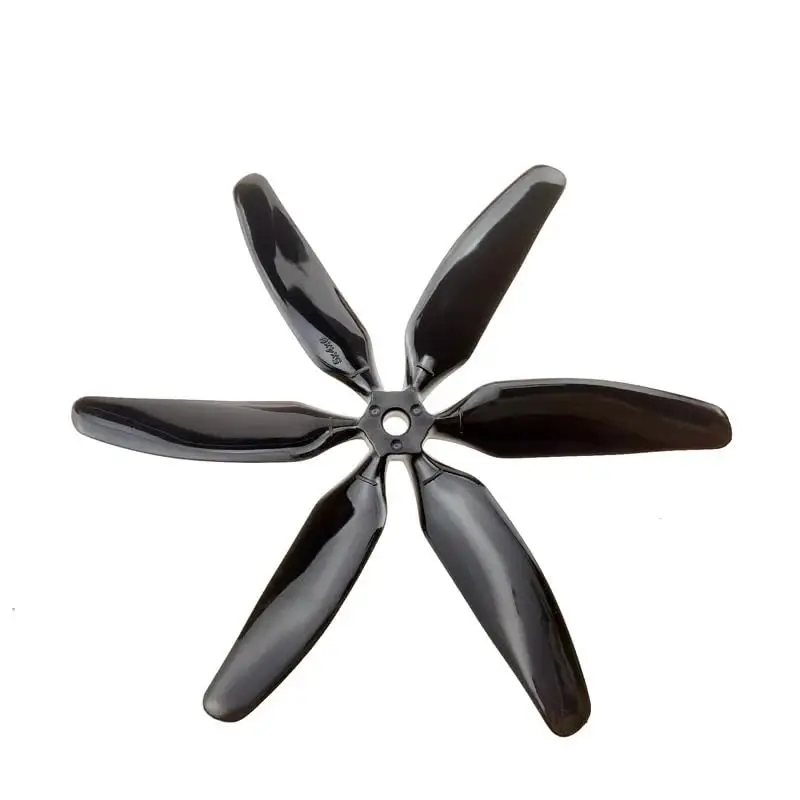 |
10pcs 504060 5x4x6 Propeller Blade Set | 6-blade configuration, compatible with 5” racing frames | 5 | $14.08 | $6.58 | 0.0 |
| 10 | 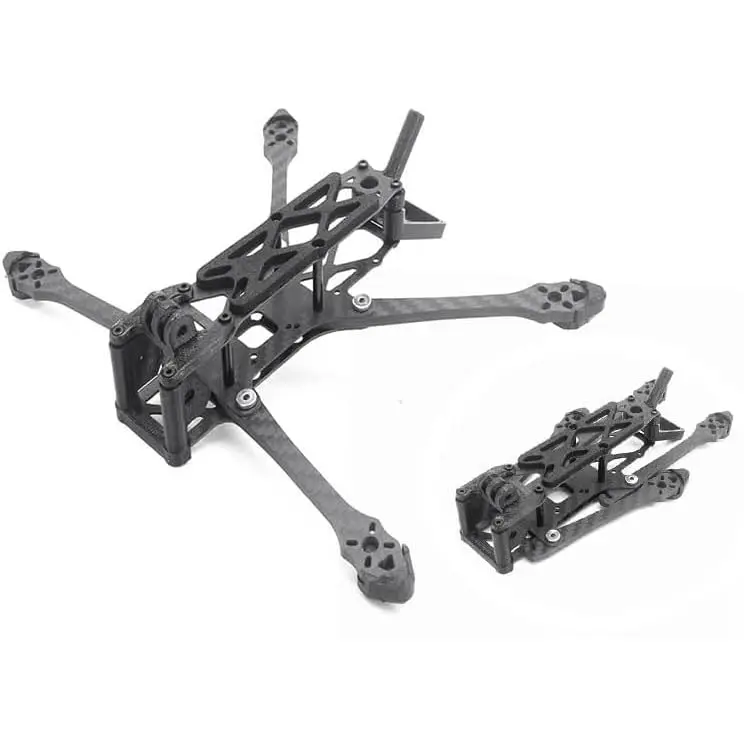 |
Readytosky 185mm 4” Folding Carbon Frame | Portable folding design, 4” carbon fiber plate, FPV racing build | 5 | $19.13 | $15.41 | 0.0 |
Table data sourced from [1].
Critical sourcing takeaways:
With competition ramping up and the complexity of frame products increasing, effective procurement demands a systematic approach to risk mitigation and value optimization. Key supplier evaluation criteria:
The quadcopter frame segment in 2026 is an epicenter of innovation, maker enthusiasm, and intensifying market competition. As this report demonstrates, success is not achieved solely by chasing the lowest price—it depends on understanding evolving user priorities, material science advances, and actively engaging with real-world performance feedback. Demand remains highest for carbon fiber FPV/racing frames, particularly in the 225mm and micro (65mm) ranges, propelled by both experienced racers and a swelling cohort of new builders. Community sentiment champions experimentation, iteration, and continual skill growth, while premium or specialty frames find loyal audiences among content creators and professional users. To achieve sourcing excellence, procurement teams are encouraged to: