
All categories
Featured selections
Trade Assurance
Buyer Central
Help Center
Get the app
Become a supplier
The world of LCD displays is entering a dynamic phase in 2026. With technology upgrades, device repair and modding cultures thriving, and ongoing debates over OLED vs LCD, liquid crystal displays have retained a massive share of the global screen market. Increasingly, their relevance is defined by practical factors: affordability, repairability, energy efficiency, and compatibility with legacy and current electronics. Seasonal buying cycles—for back-to-school, holiday sales, and major tech product launches—drive waves of both retail and wholesale demand.
Recent social media trends highlight a vibrant community of enthusiasts customizing LCD screens for wearables, calculators, gaming consoles and PC builds. These activities, amplified by repair culture and sustainability concerns, have expanded the market for replacement parts, modular upgrades, and personalized builds [12][14][15][16]. At the same time, consumer choice between OLED and LCD is nuanced: LCD panels remain favored for longevity, cost, and energy efficiency, particularly in professional, educational, and budget sectors.
The evolution of LCD technology—particularly improvements in TFT and IPS panel types—continues to shape buying decisions, as next-generation displays blur the lines between high-performance gaming monitors and cost-effective replacements for laptops, calculators, and even embedded systems. These market dynamics position LCD displays as both established and innovative, giving procurement professionals robust opportunities and clear challenges in 2026 [5][6][8][11].
A Liquid Crystal Display (LCD) is a flat-panel technology that uses liquid crystals, polarizers, and a backlight to produce images. The basic operational principle is deceptively simple: in their natural state, liquid crystals twist light as it passes through, and when an electric field is applied, they line up and allow light to pass straight through. This mechanism—using electric fields rather than current—yields low power consumption and high reliability [5][8].
Historically, passive-matrix LCDs were prevalent in calculators, clocks, and simple portable devices, offering remarkable energy efficiency but limited refresh rates and narrow viewing angles. Their limitations led to the development of active-matrix displays, particularly TFT-LCD (Thin Film Transistor), which allow for faster response, sharper images, and larger screen sizes. The introduction of IPS (In-Plane Switching) further elevated picture quality with wider viewing angles, richer colors, and reduced image retention [6][7].
Today’s LCD market encompasses a range of major types:
Product classification for buyers considers application (laptop screens, gaming monitors, embedded displays), interface types (HDMI, MIPI-DSI, LVDS, SPI, RGB), size and resolution (from calculator modules to 4K+ panels), backlight technology (LED, QLED), and touchscreen integration. Advanced modules often feature integrated drivers, anti-glare coatings, and modular form factors for flexible sourcing [9][10][11].
Social conversations around LCD displays exhibit considerable diversity—spanning DIY repair, product modding, comparative debates with emerging panel technologies, and lifestyle integration. Community discussions reveal LCD screens as essential for more than just mainstream devices; they power custom wearable projects, server monitoring solutions, and creative PC builds [12][15][16][20].
The repair and replacement market is robust, with users sharing advice, experiences, and supplier recommendations. For example, community members exchange strategies to source custom-fit panels for watches, calculators, or niche video equipment. Suppliers in China, referenced frequently, cater to specialized needs of console modders and hobbyists, filling gaps left by major OEMs who reserve proprietary designs for their own products [14][13].
Sentiment around LCDs versus OLEDs is polarizing. Enthusiasts who favor OLED cite superior black levels and contrast ratios for visual applications like entertainment or gaming, while LCD proponents note better battery life, predictability, lower risk of permanent marks, and affordable repairs. These conversations indicate a nuanced consumer market that rewards suppliers able to differentiate offerings on performance, reliability, and customization.
User-generated content also highlights practical considerations: installation difficulty, compatibility across multiple models, and creativity in mounting or adapting panels (such as using adhesives in PC builds or retrofitting displays into recycled cases). Advice threads often pivot on where to buy generic or custom displays, with platforms like DigiKey and Mouser recommended for industrial or technical buyers.
In summary, the social media landscape places LCD displays at the intersection of innovation, nostalgia, and pragmatism. Procurement teams can tap into these trends by supporting modularity, repairability, and open communication with end-users—yielding both product improvements and new market opportunities in 2026.
The LCD display market in 2026 reflects both stability and volatility. While established sales volumes persist, especially in replacement parts for laptops and gaming consoles, search interest fluctuates seasonally and in response to competing technologies. Procurement professionals note several primary buyer segments:
Key regional differences emerge, with North American and European consumers favoring high-resolution, large-format displays, while Asian buyers often emphasize affordability, modular upgrades, and robust compatibility for education and mass-market applications. The growing popularity of DIY projects in embedded systems and wearables expands the reach of LCD technologies into niche and high-growth verticals.
Innovative subcategories—such as sunlight-readable panels, integration with IoT devices, and enhanced connectivity (HDMI, USB-C, MIPI)—are gaining prominence. Price tier analysis reveals a spectrum from premium QHD gaming monitors to budget calculator screens and segment panels for industrial machinery [9][10].
2025-2026 LCD Display Replacement Sales & Search Trends: Analysis
Monthly sales and search interest across Amazon highlight both seasonal peaks and challenges:
LCD Game Console Replacement Displays: Monthly search volume and sales, highlighting stable demand and volatile search interest from August 2025 to January 2026
Sales for LCD Display Replacements for Game Consoles remain stable, notably through late 2025, while search interest peaks in December—aligned with holiday demand and modding cycles. The market opportunity centers around addressing installation difficulty and battery performance, both cited as areas for improvement by buyers [1].
Laptop and Console LCD Display Replacement: Monthly sales and search volume trends from August 2025 to January 2026, illustrating surge in home office and mobile segments
Laptop replacement display demand is strongly clustered in the home office and travel sectors. A spike in sales corresponds to late 2025’s remote work cycles and holiday refurbishing. Comments emphasize easy installation and portability as primary purchase drivers, but also expose persistent issues: compatibility across models, missing components, and overall build quality [2].
Laptop LCD Replacement Screen: Trends for sales and search volume, highlighting spikes in remote work and dual-monitor setups for August-Dec 2025
Laptop LCD screen replacements show strong sales momentum in October, coinciding with back-to-school and upgrade seasons. Critical buyer feedback focuses on monitor connectivity, multi-port setups for productivity, and plug-and-play ease. However, monitor connectivity issues and display flickering remain common complaints, informing supplier selection and product refinement strategies [3].
Across all categories, negative feedback highlights installation challenges, poor fit, and documentation issues—signaling a need for improved product support and after-sales solutions. Meanwhile, positive comments stress product design, high quality, ease of installation, and universal compatibility as key differentiators.
Hot Selling LCD Products: Downstream Amazon Retail Analysis
The top-selling LCD displays on Amazon reflect distinct consumer priorities: high refresh rates, IPS panels, broad compatibility, and value-driven pricing. Below is an analytical table summarizing specifications and sales for the leading products:
| Image | Product Name | Star Rating | Month’s Sales Volume | Retail Price | Wholesale Price | Key Features |
|---|---|---|---|---|---|---|
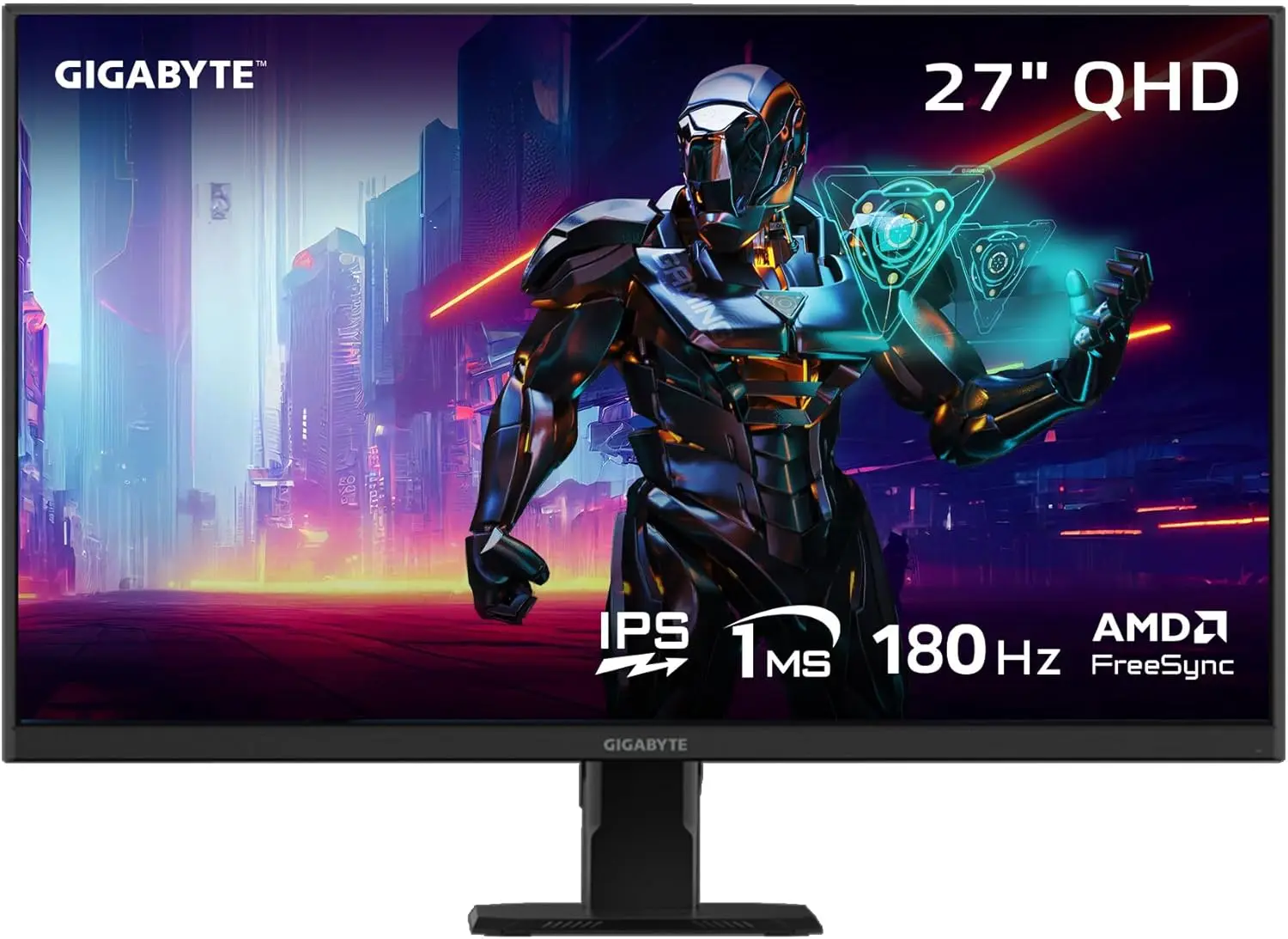 |
GIGABYTE GS27Q Advanced 27” IPS Gaming Monitor | 4.5 | 535 | $184.2 | $93.69 | QHD 2560x1440, 180Hz, 1ms, FreeSync, HDMI/DP, IPS panel |
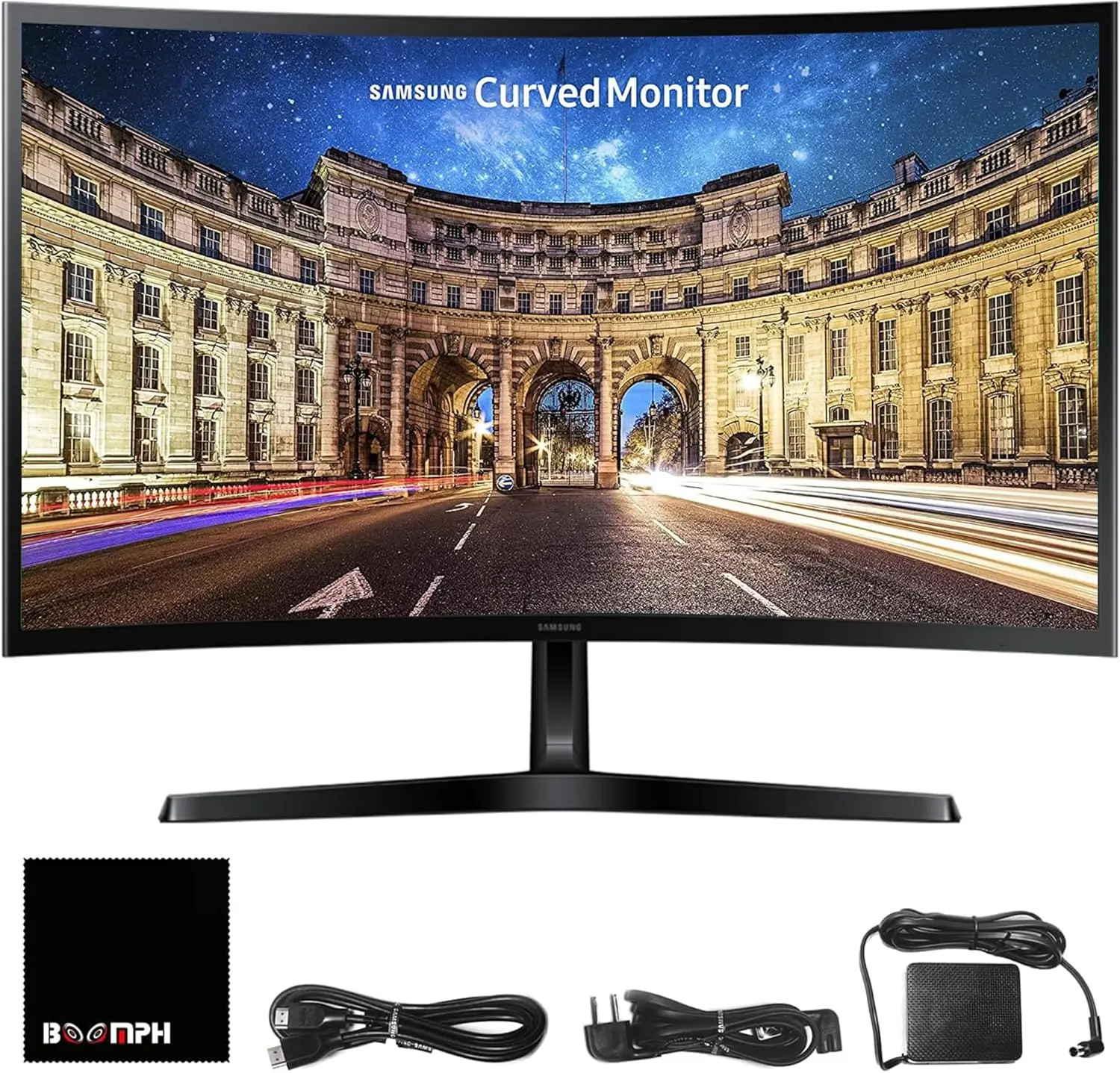 |
Samsung S36GD 27” Curved LCD FHD Monitor | 4.7 | 143 | $140.37 | $109.83 | FHD 1920x1080, HDMI/VGA, Curved, Flicker-Free, Eye Saver |
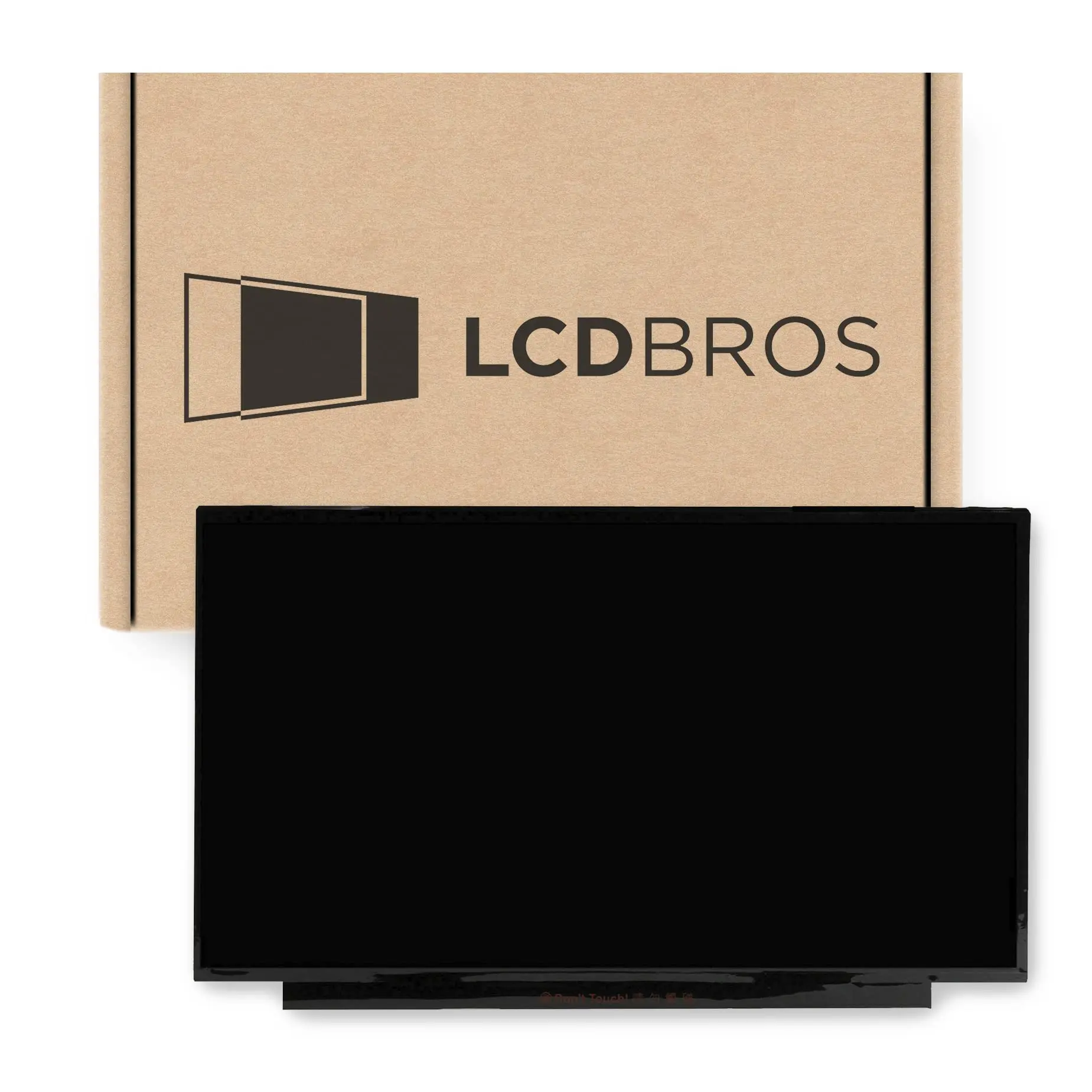 |
LCDBros Replacement Touch Screen for NV156FHM-T07 | 4.5 | 15 | $42.3 | $43.09 | 15.6", FHD, Touch, Matte, 40 Pins, replacement kit |
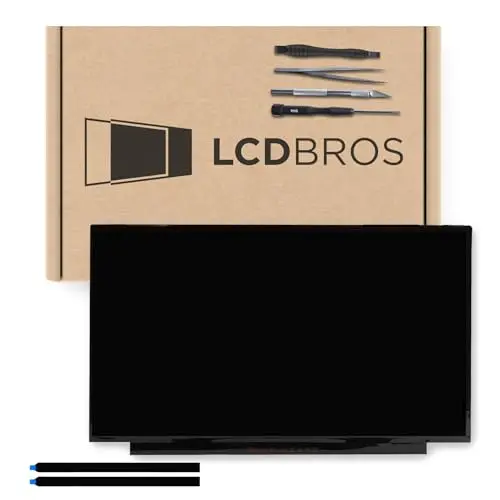 |
Replacement Screen for B156HTN06.1 | 5 | 13 | $52.75 | $18.0 | 15.6", FHD, Matte, LED, 30 Pins, toolkit |
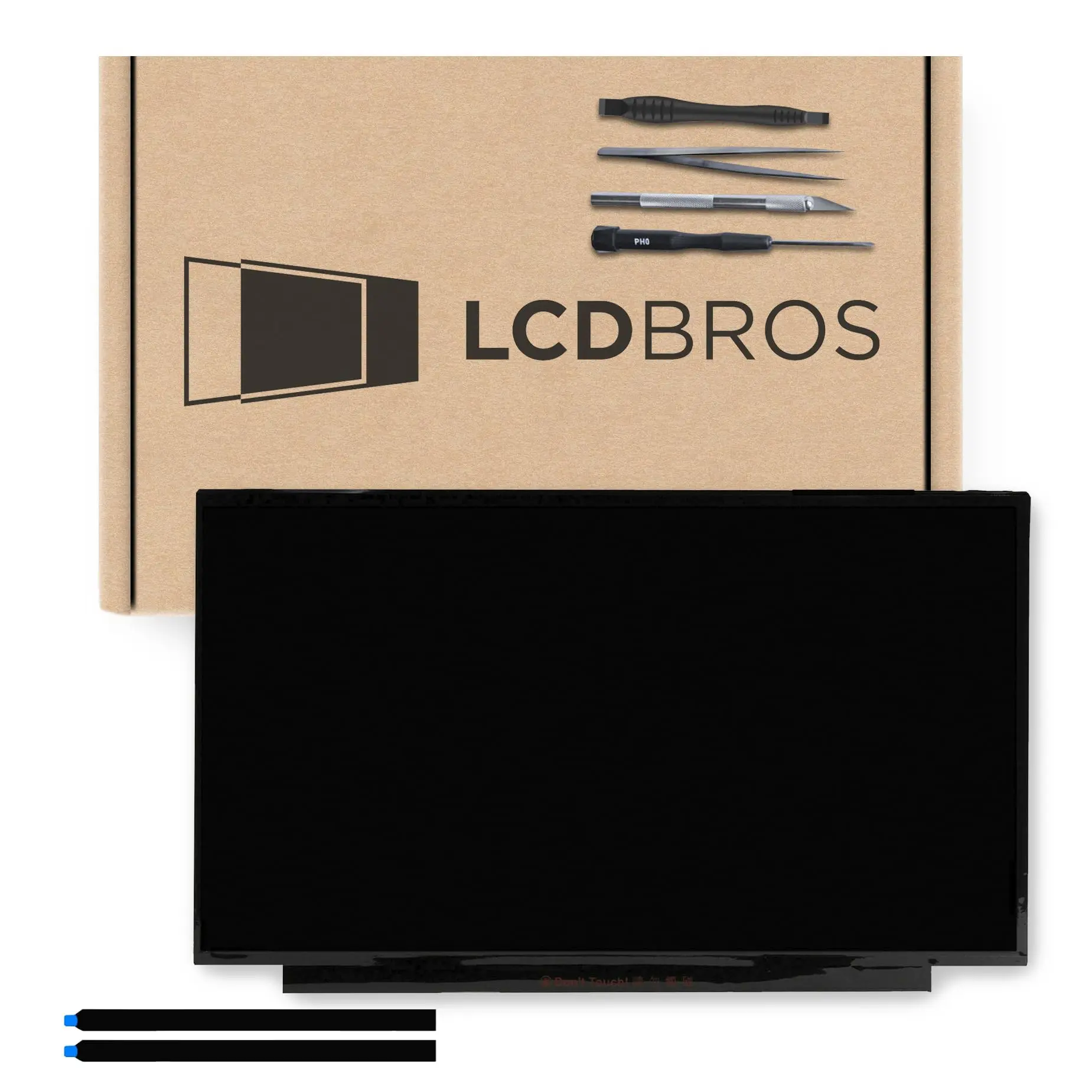 |
LCDBros Replacement Screen for B140XTN07.8 | 5 | 10 | $48.95 | $38.67 | 14", HD 1366x768, Matte, LED, replacement kit |
|
Replacement Screen for Razer Blade 15 | 5 | 7 | $30.73 | $26.0 | 15.6", FHD, Matte, LED, 40 Pins, toolkit |
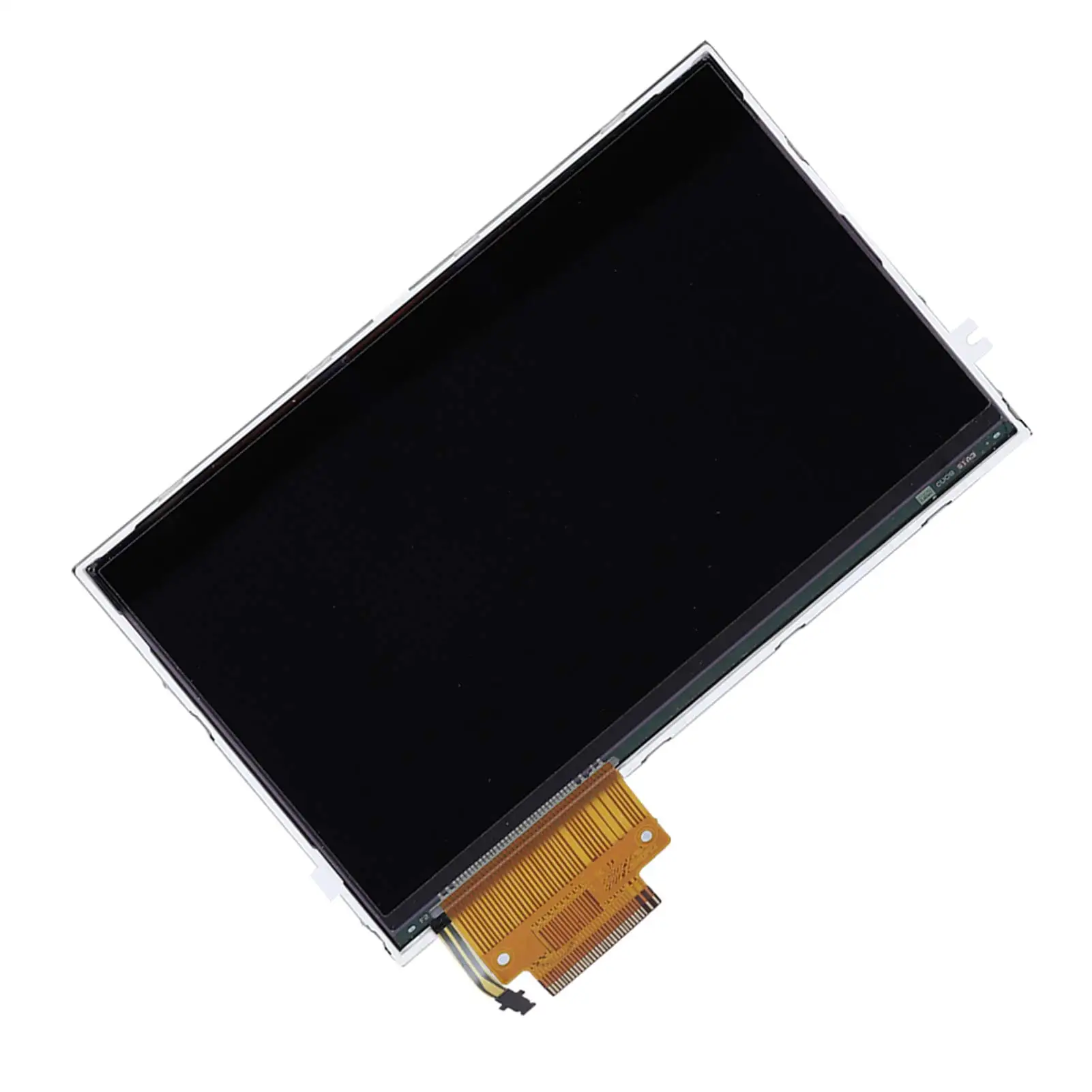 |
VBESTLIFE Replacement LCD Display Panel | 2.1 | 5 | $24.35 | $18.24 | Console LCD, LED backlight, toolkit, backlit |
|
LCDBros Replacement Screen for NE156FHM-NX2 | 0 | 5 | $54.89 | $35.2 | 15.6", FHD, Matte, LED, 40 Pins, toolkit |
|
LCDBros Replacement Screen for ASUS VivoBook GO 15 | 0 | 5 | $54.26 | $10.0 | 15.6", FHD, Matte, LED, 30 Pins, toolkit |
Table data sourced from [4].
The dominance of high-refresh, IPS models in top sales underscores consumer demand for performance, while strong sales of replacement screens for laptops and consoles point to a thriving market in repair and upgrade cycles. For procurement, competitive advantages may include bundling toolkits, clear installation guides, and customer support for compatibility questions.
Selecting the right LCD display supplier involves balancing multiple criteria for quality, reliability, and conformity to buyer requirements. Here are essential factors for procurement teams and wholesale buyers:
Risk management strategies focus on:
Competitive differentiation comes from proactive engagement with market trends: offering modular panels for repair/upgrade, investing in sustainable packaging, and supporting community-driven innovation (custom designs, segment displays, enhanced connectivity).
As 2026 unfolds, LCD displays offer procurement professionals a fertile market marked by performance upgrades, repair and replacement cycles, and new subcategories for embedded and industrial applications. Buyers should focus on:
In conclusion, 2026 LCD display sourcing rewards responsive, tech-savvy buyers who address both technical specifications and consumer expectations. By integrating intelligence from retail sales, sentiment analytics, and authoritative market data, procurement professionals can secure strong margins and resilient supply chains—positioned to ride the next wave of display innovation. Take action today: engage trusted suppliers, request comprehensive samples, and leverage market insights for competitive success in the evolving LCD landscape.