
All categories
Featured selections
Trade Assurance
Buyer Central
Help Center
Get the app
Become a supplier
In 2026, corn machines have surged to the forefront of both home entertainment and industrial food processing. A convergence of factors is powering this trend: rising home movie nights amidst streaming platform expansions, growing demand for healthier snacks, and agricultural shifts toward mechanized efficiency. The seasonal uptick during winter and holiday gatherings is pushing popcorn machine purchases to new heights, while the expanding global food industry and increasing pressure for sustainable grain processing are driving robust sales in industrial corn equipment.
Consumers and commercial buyers are responding to both nostalgia and practicality. Societal emphasis on do-it-yourself food preparation engages families and businesses alike, from creating gourmet popcorn at home to producing maize flour for mass distribution. This dual demand is influenced by a broader shift toward energy-efficient, high-yielding machinery, and cost-effective sourcing for international trade. As we enter the prime purchasing period in January 2026, retail buyers aim to capture a share of the household snacking boom, while procurement professionals set their sights on scalable solutions for corn processing—all navigating a landscape rich with innovation and cultural relevance[1][2].
On the consumer side, corn machines embody tradition fused with technology—they are central to movie nights, parties, and modern kitchens, symbolizing togetherness and convenience. For buyers in agribusiness, machinery for corn peeling, milling, and processing remains pivotal in transforming raw grain into valuable products, sustaining regional economies and food security[2][6]. The rising value placed on freshness, customization, and automation is reshaping what buyers expect from their suppliers in 2026.
Corn machines encompass a spectrum of products, ranging from domestic popcorn poppers to industrial-grade corn processing equipment. Buyers must first segment their needs: are they seeking compact, plug-and-play appliances for home use, professional-grade popcorn makers for events, or robust machinery capable of converting tons of maize into flour, grits, or starch each day?
Popcorn machines for household and commercial use come in several archetypes:
On the industrial processing front, machines are purpose-built for scale and reliability:
Critical classification criteria include capacity (kg/hour or cups/batch), energy source (electric, manual, gas), level of automation, and intended use (retail vs. industrial). Key historical developments such as the shift from manual grinders to automated roller mills have dramatically increased both output and consistency throughout the past century, a trend accelerating with today’s focus on user-friendly controls and integrated safety systems[6][7][4].
Social discussions in 2025 and early 2026 illustrate evolving consumer perceptions and preferences toward corn machines—particularly popcorn makers and grain processing tools. Online communities are active in debating the relative merits of air poppers versus traditional stove-top models, while hobbyists and farm managers critique industrial mill designs for efficiency, maintenance, and adaptability[9][11].
A strong sentiment surrounds the Whirly Pop and similar stir poppers, which users hail as the gold standard for taste and texture: “I got a whirley pop type popper and never looked back. It’s that good!” echo dozens of comments. Larger cinema-style machines from brands like Great Northern are praised for robust batches and easy operation, though counter-space remains a common concern. Hot oil poppers (such as West Bend Stir Crazy) are favorites for flavor and usability but require effort in cleaning and handling toppings—a repeated pain point.
Enthusiasts also share DIY solutions: using stainless-steel bowls covered with foil for stovetop popping is lauded for its simplicity, affordability, and performance. Compact machines like Dash receive positive remarks for accessibility and reliability, particularly among apartment-dwellers and students. Social posts show a clear divide between purists championing manual control and those embracing automation for convenience and safety.
On the grain processing side, users of roller mills and Corona mills for cracking corn highlight both the practicality and challenges. “Hand powered mills are slow and messy but yield a great crack,” one user states, while others caution that using roller mills for large volumes can result in expensive equipment wear. Canadian and international buyers voice interest in whole and cracked corn economics, seeking advice on gear that balances cost and ease. The fraiability of corn kernels—how easily they crush—is a repeat technical concern, especially for those repurposing machines designed for malt grains.
Overall, the social narrative places primacy on ease-of-use, flavor outcome, cleaning convenience, machine durability, and price. Buyers are cautioned against sacrificing durability for price, with wear-and-tear and cleaning outcomes being make-or-break factors. From the hobbyist kitchen to industrial feed sheds, users advocate for sourcing from trusted brands and manufacturers offering robust warranties and responsive customer service.
Key cultural trends integrate corn machines with lifestyle and entertainment: party snack preparation, DIY gourmet flavoring, and small business event catering. The “movie night at home” surge is a major driver, influencing both retail purchasing and commercial sourcing, with machines becoming part of the ambiance itself[9][11].
The marketplace for corn machines—spanning popcorn poppers and large-scale industrial grain processing—continues to boom globally. Recent industry data reveals a strong year-on-year growth rate exceeding 20% for retail popcorn makers and sustained industrial demand within food production and agribusiness sectors[1][3][4]. Elevated consumer awareness and institutional investments are catalyzing this growth, particularly in North America, Europe, and expanding Asian markets.
Two primary sectors are leading the charge:
Price tier analysis shows high differentiation:
In terms of regional variations, North America and Europe lead in popcorn machine retail sales, while China and Southeast Asia dominate the supply and innovation of industrial corn processing machinery due to lower manufacturing costs and advanced production capabilities[2][5][7].
The Amazon Popcorn Machine Trend: Sales Volumes, Ratings, and Sentiment Analysis
Recent Amazon sales data reveals the relative popularity and performance of top popcorn machines. Examining both volume and consumer review sentiment highlights what buyers truly value.
Normalized sales volume and average rating of top 10 Amazon popcorn machines for December 2025.
The SUSTEAS Hot Air Popcorn Popper leads in both sales and user satisfaction, indicating a strong market preference for oil-free, family-friendly machines with accessory sets. The Olde Midway Commercial Popper retains high volume despite its premium pricing, demonstrating brand loyalty and event-based bulk purchasing. The 5-star rated 99% High Popping Air Popper stands out among health-conscious buyers, while retro kettles and specialty roasting pans capture niche segments.
Review sentiment analysis reveals repeated pros: easy operation, rapid popping, minimal unpopped kernels, and “no oil mess.” Criticisms center on cleaning challenges, machine bulk, and occasional inconsistency in popping results. Buyers point to accessory value (serving bowls, measuring cups) and clear on/off functionality as decision drivers. Conversely, lower-rated products typically struggle with build quality and performance reliability.
Business recommendations for 2026:
Sentiment analysis further reinforces the value of certifications (ETL, BPA-free), speed of batch making (“2 minutes fast making”), and bulk discounts for event-driven buyers. The product life cycle is increasingly shaped by review impact and influencer endorsement, suggesting procurement should track top-rated sellers to anticipate demand surges[1].
Industry Insights: Innovations and New Subcategories
Industrial machinery manufacturers note expanding subcategories and technological innovations in corn processing [3][6][7]:
Emerging trends push for sustainably sourced components, lower power consumption, and simplified user interfaces. Buyers are urged to examine production certifications, quality standards, and after-sales support when considering investments in new machinery.
Hot Selling Analysis: Deep Dive on Amazon’s Best-Selling Popcorn and Corn Machines
Detailed analysis of top-selling corn machines on Amazon provides a snapshot of what end customers are buying—and why. The following table presents the latest data for the Top 10 Amazon Popcorn and Corn Machines (December 2025), including images, features, specs, prices, and ratings. This table is a critical tool for sourcing professionals seeking to anticipate downstream market preferences.
| Product Image | Name | Avg. Rating | Sales Volume (Mo.) | Retail Price | Wholesale Price | Key Features |
|---|---|---|---|---|---|---|
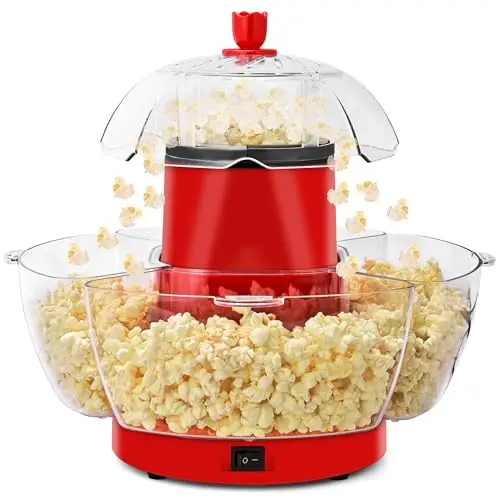 |
SUSTEAS Hot Air Popcorn Popper Maker | 4.5 | 153 | $34.55 | $8.8 | No oil, 4 bowls, measuring cup, party use |
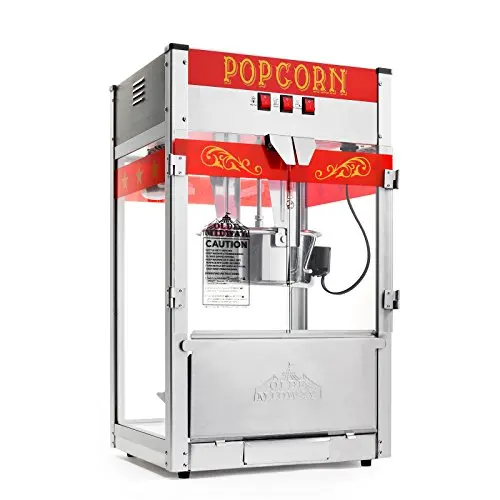 |
Olde Midway Commercial Popcorn Machine | 4.4 | 110 | $331.48 | $235.0 | Large 12-oz kettle, heavy duty, commercial |
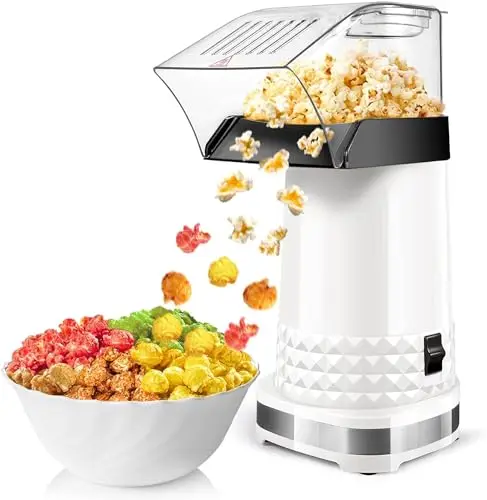 |
Popcorn Maker 99% High Popping Air Popper | 5.0 | 79 | $35.99 | $8.44 | Rapid, oil-free, ETL certified |
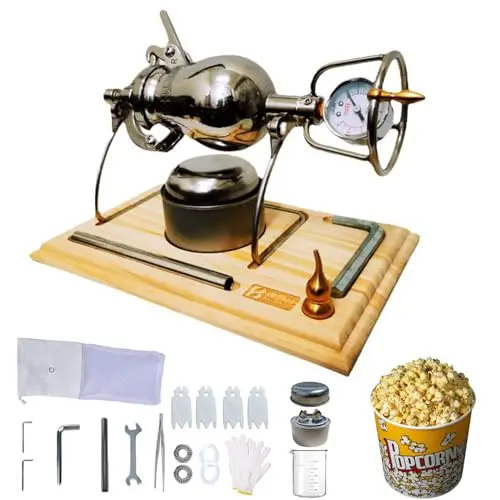 |
Retro Stainless Steel Popcorn Machine | 3.9 | 25 | $135.50 | $9.14 | High pressure, retro design, party use |
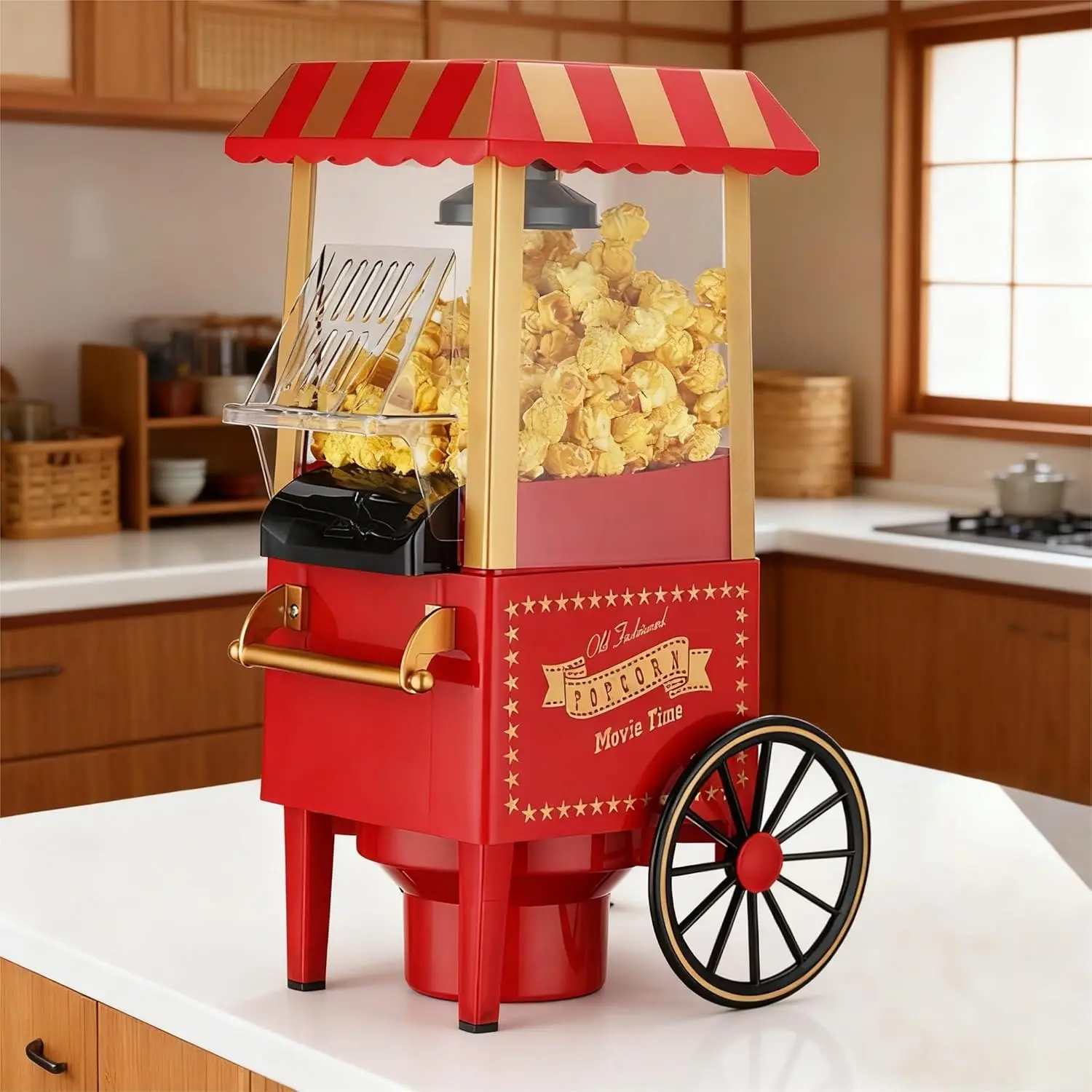 |
Mini Hot Air Popcorn Popper Machine | 4.5 | 23 | $8.42 | $14.29 | 12 cups, party snacks, one-button, compact |
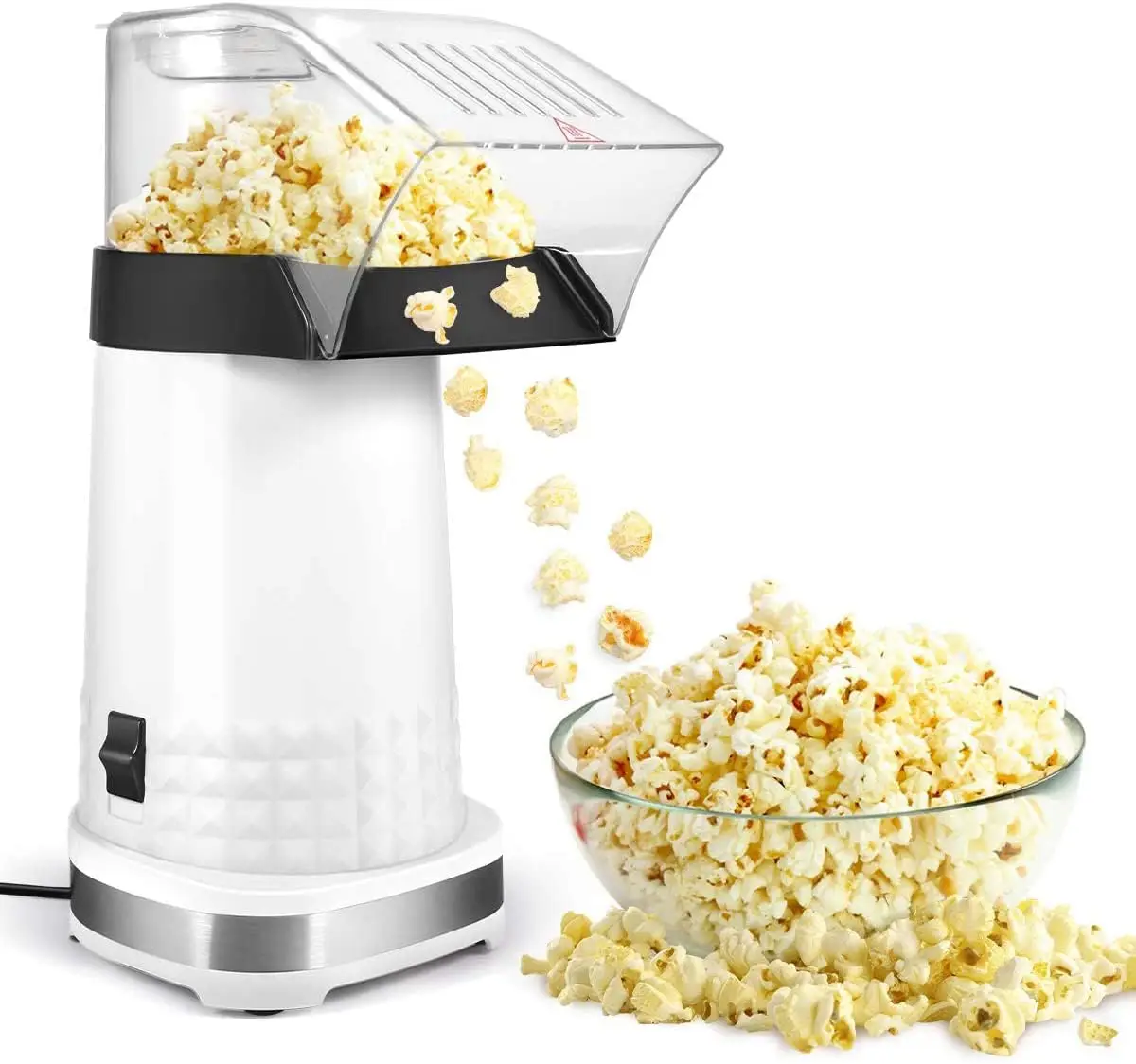 |
High Popping Rate Popcorn Maker Machine | 4.1 | 9 | $29.75 | $7.25 | 2-min fast, BPA-free, DIY flavors |
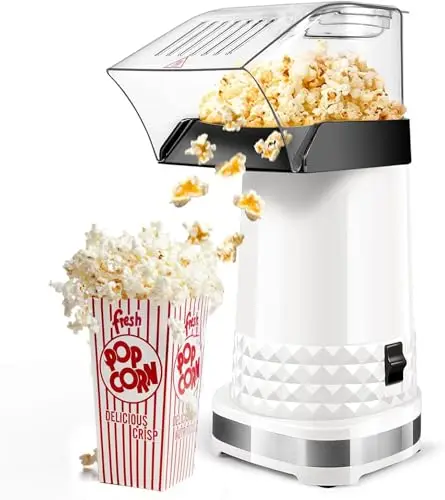 |
1200W Fast Popcorn Maker Machine | 4.2 | 9 | $32.51 | $7.47 | Measuring cup, on/off, BPA-free |
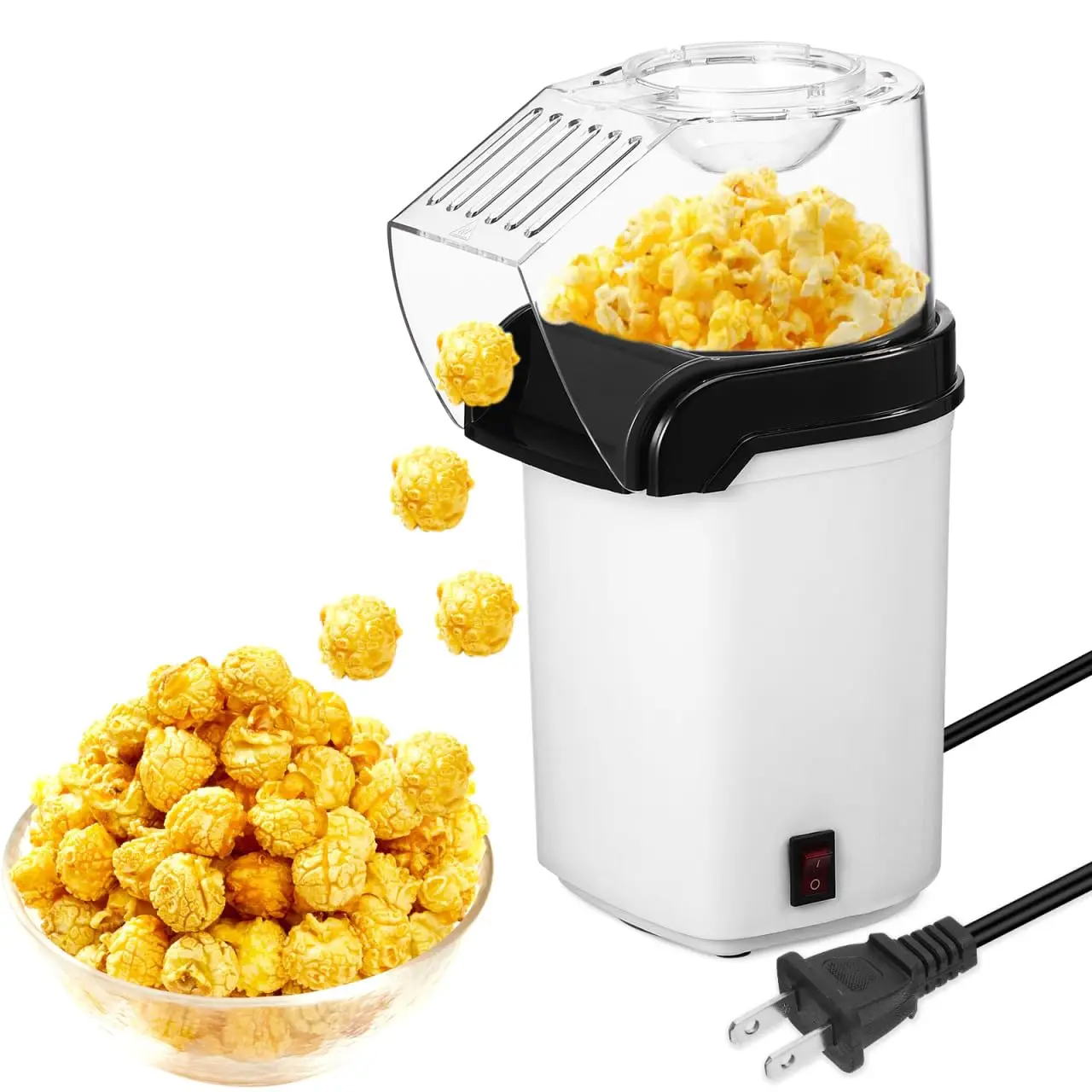 |
OUNONA Electric Hot Air Popcorn Maker | 3.8 | 8 | $29.56 | $7.49 | Quick, compact, party snacks |
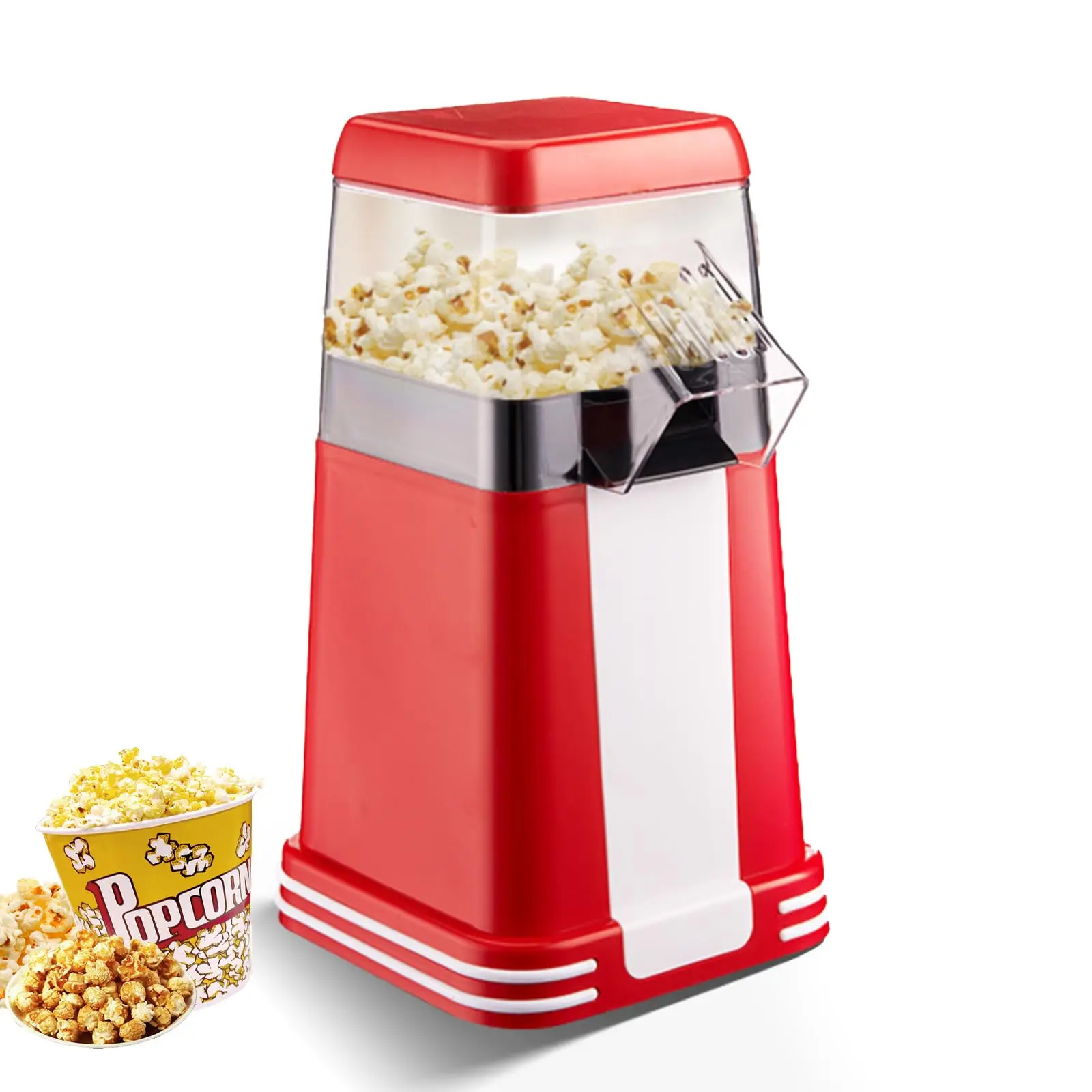 |
Quick Popcorn Popper Machine | 3.7 | 5 | $15.68 | $8.25 | No oil, quick use, family events |
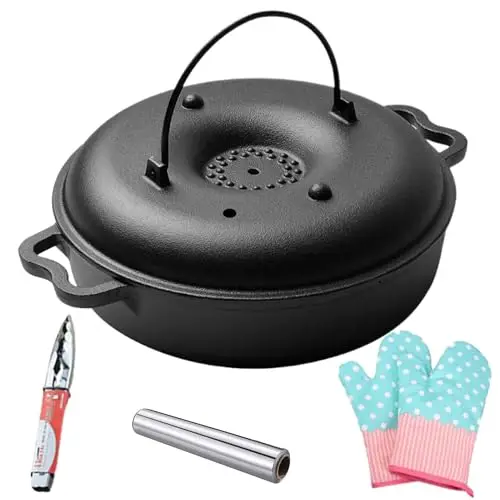 |
Roasting Pan Iron Sweet Potato Roaster | 0.0 | 5 | $96.82 | $12.24 | Multipurpose, sweet potato/corn/BBQ |
Table data sourced from [1]
Top sellers in both the household and commercial categories highlight a preference for machines combining rapid performance, accessory depth (such as bowls and measuring cups), and high hygiene standards. Notably, the Olde Midway and SUSTEAS models maintain their leadership despite differing retail strategies, and the versatility of roast pans appeals to multifunctional buyers.
To capitalize on the surging market for corn machines, procurement professionals and international buyers must adhere to a strategic, risk-managed sourcing philosophy. Begin with rigorous supplier evaluation:
Critical quality control points include pre-shipment inspections for machine integrity, test runs to verify capacity and speed, and sampling for food-contact safety if applicable. For industrial-grade equipment, request documentation for compliance in target export markets—addressing electrical standards, sanitary requirements, and power compatibility.
In terms of logistics, preferred providers offer robust packaging, multi-modal shipping options, and clear lead time guarantees. Consider consolidating shipments for cost efficiency, especially for high-value commercial corn milling lines. Rural buyers or small businesses should seek out compact machines with easy maintenance and locally available spare parts.
Common sourcing pitfalls—unverified suppliers, lack of warranty, poor after-sales support, or unclear certification—can severely impact ROI and client satisfaction. Competitive procurement thus emphasizes traceability, transparency, and the ability to quickly resolve operational challenges.
When comparing machines, prioritize:
The current market landscape for corn machines in 2026 reflects a dynamic convergence of consumer entertainment and industrial necessity. Popcorn makers are more than kitchen accessories—they serve as icons of modern home culture, driven by demand for convenience, health, and shared experience. Industrial corn processing equipment, meanwhile, remains at the core of global food manufacturing, empowering both large-scale factories and rural workshops.
Current trends favor:
For next-level sourcing:
The action plan is clear: Understand what drives end-user and commercial demand. Trace top seller characteristics, track regional innovations, and align sourcing priorities with certified, responsive suppliers. Embrace both tradition and technological progress—and position your procurement strategy not just to meet today’s expectations, but to lead tomorrow’s market. Buyers who act decisively, leveraging insights from consumer sentiment, market trends, and robust supplier networks, will secure sustained success across every segment of the corn machine industry.