
All categories
Featured selections
Trade Assurance
Buyer Central
Help Center
Get the app
Become a supplier
The year 2026 finds both tech enthusiasts and procurement professionals in an environment marked by fast-paced innovation and ever-evolving consumer demands. One noteworthy pattern emerging across search statistics and discussion forums is the surge in queries for the “Core i8 processor”. Yet, a closer look reveals that while no official Intel product bearing the “i8” designation exists, these searches are deeply rooted in the market’s continued obsession with high-performance, eighth-generation Intel Core processors. This terminology confusion stems partly from Intel’s sequential branding (Core i3/i5/i7/i9) and the rise of generational shifts that blur the lines for non-specialist buyers. Increasingly, buyers are seeking robust workstation and gaming CPUs for cost-effective home setups, small business deployments, and power-efficient server nodes, as influenced by shifting behaviors post-pandemic and rising remote work cultures[1][7][8][9].
The competitive landscape in 2026 has been dramatically shaped by the maturation of AI-powered applications, renewed interest in device refurbishing, and persistent supply chain recalibrations. Buyers, especially those with limited budgets or sourcing for SMB needs, are actively considering older yet proven platforms such as Intel’s 8th Generation Core chips as alternatives to the latest Ultra or Series N products that command higher price premiums. This is especially true during key shopping seasons, with cultural factors like e-sports tournaments, university enrollment cycles, and new software releases boosting demand for reliable, affordable processing power[1][12][13].
The monthly spikes in global search volume—most notably in late summer and early autumn—correlate with major purchasing periods: back-to-school sales, business hardware refreshes, and open-source community upgrades, where year-to-year upgrade cycles are carefully balanced against cost, compatibility, and perceived longevity. As users increasingly share their upgrade journeys and product feedback online, the confusion between “Core i8” and the actual eighth-generation “Core i5/i7/i3” has become both a challenge and a business opportunity for informed buyers and sourcing professionals ready to optimize procurement strategy[1][7][8].
To properly address the prevailing “Core i8 processor” buzz, it is crucial to recognize that Intel has never released a Core i8 chip. Instead, the 8th Generation Intel Core family includes the Core i3, i5, i7, and—at the high end—i9 processors, targeting a mix of desktop, laptop, and small form factor devices that first launched in August 2017[3][4][5][6]. These chips marked a substantial leap forward in multi-core capability, performance-per-watt, and multimedia support, catalyzing transformative experiences in both home and professional environments[4][5].
Historical Origins & Evolution: Debuting during Intel’s “Coffee Lake” wave, 8th Gen Core chips introduced more CPU cores at each performance tier—most notably, the first-ever 6-core Core i5 and enhanced overclocking on unlocked “K” variants (such as the Core i7-8700K). Subsequent additions focused on mobile performance with U-series (“Whiskey Lake”) and ultra-portable Y-series (“Amber Lake”) models, improving battery efficiency, integrated graphics, and multimedia technologies like Dolby Vision HDR and Dolby Atmos Audio[4]. As a result, these processors soon became the backbone of budget gaming rigs, mainstream business laptops, and compact home servers.
Major Types and Variations:
Key Classification Criteria for Buyers:
A rich tapestry of user-generated discussions and peer-to-peer advice shapes buyer perception and decision-making around the “core i8” and 8th Gen Intel Core processors. Analysis from multiple online communities throughout 2025 and into 2026 reveals robust engagement on themes of value, reliability, and upgrade strategy[7][8][9][10][12][14].
Popular Use Cases: Buyers seeking to optimize spending, especially those assembling affordable home servers or media centers, consistently recommend 8th Gen Intel Core processors for their optimal price/performance ratio. Small Form Factor (SFF) boxes and new/refurbished towers are frequently advised for cost-effective setups, often replacing older fourth-gen towers or competing budget CPUs such as n95/n100/n150. Users emphasize the importance of model-specific attributes, like PCIe lane count, SATA drive compatibility, and upgrade pathways for storage expansion, underscoring the nuanced decision process beneath a simple processor “generation” label[7][9].
Surveying the laptop market, buyers on tight budgets report that 8th Gen laptops—especially refurb units from business-oriented brands—straddle the line between longevity and affordability. While battery life is described as “adequate, not great” compared to newer Ultra series chips, performance is considered satisfactory for basic tasks like coding, light gaming, and photo/video editing, provided users invest in units with sufficient RAM and storage upgrades. Tips such as undervolting and installing driver updates are routinely shared to maximize runtime and system stability[8].
Sentiment Highlights:
The community also recognizes the evolution of processor branding; discussions contrast newer “Core Ultra” and Series N chips against 8th Gen Intel i-series products. While the “Ultra” variants and Arc iGPUs offer notable upgrades in integrated graphics and AI capability, users consistently voice that older i7 and i9 chips remain competitive for real-world multitasking and workstation reliability—especially at discounted prices in secondary channels[10][12][13].
Overall, buyers with clear prioritization (e.g., server stability, affordable personal laptops, moderate gaming) cite the eighth-generation as a “sweet spot” in the value curve for 2026, especially when matched with sufficient memory and aftermarket cooling solutions.
The processor market in 2026 is shaped by two intersecting forces: a surge in demand for cost-effective, proven 8th Gen Intel platforms driven by pragmatic buyers, and parallel advancement in newer Series N and Ultra architectures targeting early adopters seeking the latest in AI and graphics capabilities. Tracking both online traffic patterns and actual retail sales provides crucial sourcing intelligence for business buyers and procurement professionals[1][2].
Market Size & Growth: Industry analysts estimate double-digit year-on-year expansion in budget desktop and laptop segments, with refurbished 8th Gen Intel Core devices maintaining a resilient presence, especially in North America, Europe, and Southeast Asia. Retailers and distributors have responded with focused promotional efforts in the summer/autumn selling season, corresponding to marked peaks in global search activity[1].
Regional Preferences: The accessibility of DDR4 memory and broad socket compatibility underpin strong sales in emerging regions, where repairability and upgrade cycles are key purchasing criteria. Business buyers benefit from bulk availability of pre-owned corporate laptops and SFF desktops equipped with 8th Gen i5/i7 CPUs, leveraging low TCO and proven reliability for SME deployments[9].
Emerging Subcategories & Innovations: Recent years have seen a proliferation of high-volume mini PCs, modular gaming towers, and motherboard bundles featuring AMD Ryzen chips, reflecting the competitive environment in which Intel’s eighth-generation products are simultaneously benchmarked and cross-shopped. Innovations in cooling, undervolting, and OS support (Windows 10/11 compatibility) have further enhanced the value proposition for past-generation CPUs.
Price Tier Analysis: Across both retail and wholesale channels, price elasticity is notable—buyers weigh up-front costs against warranty options, upgradeability, and supply durability. The difference in wholesale and retail pricing for top-selling CPU/motherboard bundles on platforms like Amazon illustrates procurement leverage for volume buyers.
Search analytics provide direct visibility into buyer intent and market timing. Over the past twelve months, normalized global search interest around the popular query “core i7 processor, core i9 processor, core i8 processor laptop” strongly mirrors cyclical buying behavior, surging in late Q3 and peaking in August–November 2025[1].
Below is a visualization of these search dynamics:
Normalized global search interest for "core i7 processor, core i9 processor, core i8 processor laptop" from January 2025 to January 2026. Data highlights peak search volumes in August and November, consistent with back-to-school and holiday buying cycles, followed by stabilization into early 2026.
Actionable Recommendation: Procurement teams aiming for optimal sourcing windows should prioritize inventory acquisition and promotional timing around the observed search volume peaks—particularly August and November—to exploit heightened buyer interest during educational and holiday buying seasons. Maintaining flexible supplier relationships will help mitigate risk during demand surges[1].
At the point-of-sale level, normalized Amazon buying patterns reveal strong ongoing interest in a mix of AMD Ryzen and Intel processors (notably, many top sellers utilize Ryzen CPUs, reflecting aggressive retail pricing and performance acclaim). Our bar chart below reflects the last month’s sales volumes for the top 10 CPU and PC bundles ranked by sale volume[2]:
Bar chart showing normalized monthly sales volume for the top 10 Amazon CPU/PC bundles. Highest volumes concentrate on affordable gaming PCs and workstation bundles, many featuring Ryzen processors, with solid ratings and attractive wholesale price options for B2B buyers.
Sentiment Analysis of Review Keywords:
For buyers eager to benchmark retail purchasing patterns, the following table presents up-to-date information for the top 10 Amazon hot sellers in the desktop/laptop CPU segment. Each entry details product image, specifications, pricing, ratings, and key features, mapping actual buyer behavior downstream from wholesale sourcing. Table data sourced from [2].
| Product Image | Product Name & CPU Model | RAM & Storage | Motherboard / Features | Retail Price | Wholesale Price | Monthly Sale Volume | Rating |
|---|---|---|---|---|---|---|---|
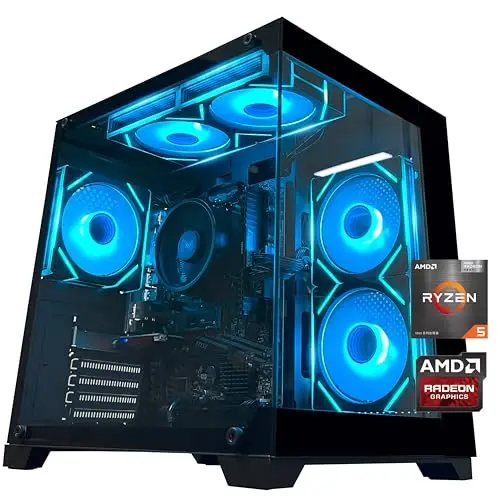 |
YAWYORE Gaming PC Desktop, Ryzen 5 5600GT | 16GB DDR4, 1TB NVMe PCIe | Wi-Fi, 80PLUS PSU, Game Office Console, Prebuilt | $464.69 | $249.43 | 476 | 4.4 ★ |
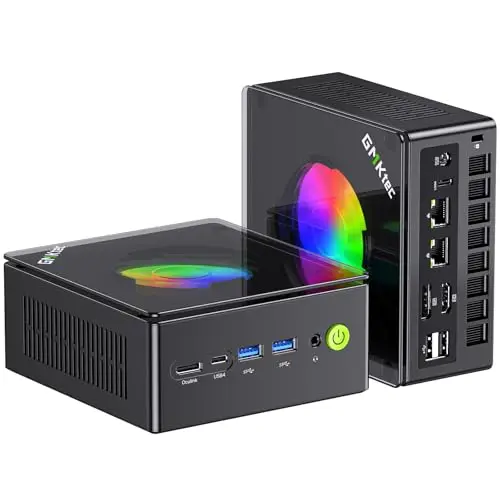 |
GMKtec K11 Gaming Mini PC, Ryzen 9 8945HS | 64GB DDR5, 1TB SSD | HDMI/Oculink/DisplayPort/USB4*2 | $746.76 | $465.29 | 291 | 4.4 ★ |
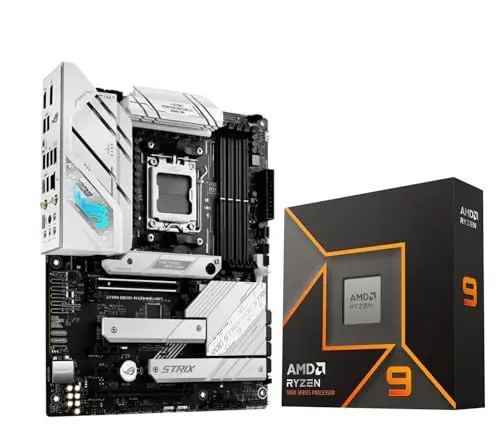 |
Micro Center Ryzen 9 9900X Bundle, ASUS ROG B650-A | Bundle (Motherboard + CPU) | Gaming WiFi 6E, AM5 Platform | $555.6 | $283.52 | 255 | 4.4 ★ |
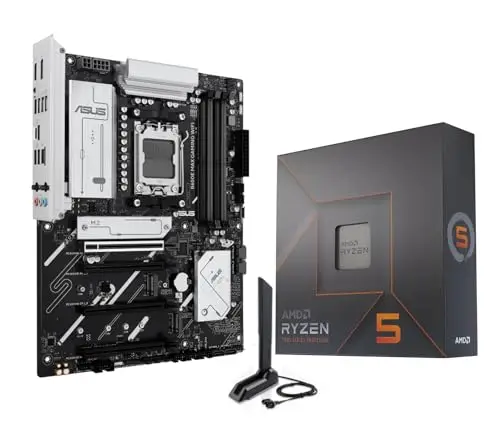 |
MICRO CENTER Ryzen 5 7600X Bundle, ASUS B650E MAX | Bundle (Motherboard + CPU) | DDR5, PCIe 5.0, Wi-Fi 6E | $342.7 | $277.29 | 228 | 4.7 ★ |
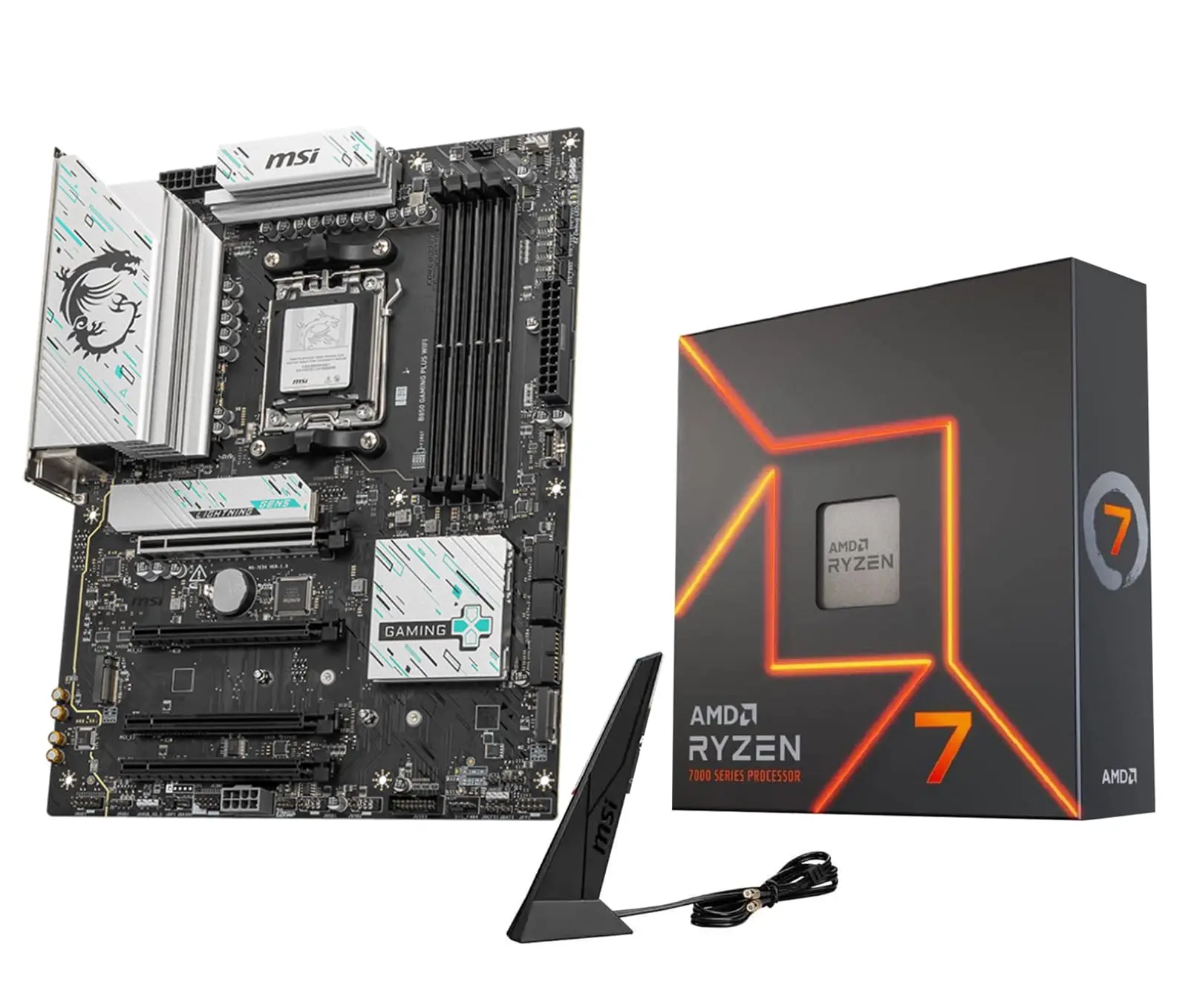 |
Micro Center Ryzen 7 7700X Bundle, MSI B850 Plus | Bundle (Motherboard + CPU) | DDR5, PCIe 5.0, M.2 Gen5, Wi-Fi 7, 5G LAN | $424.19 | $232.64 | 114 | 4.4 ★ |
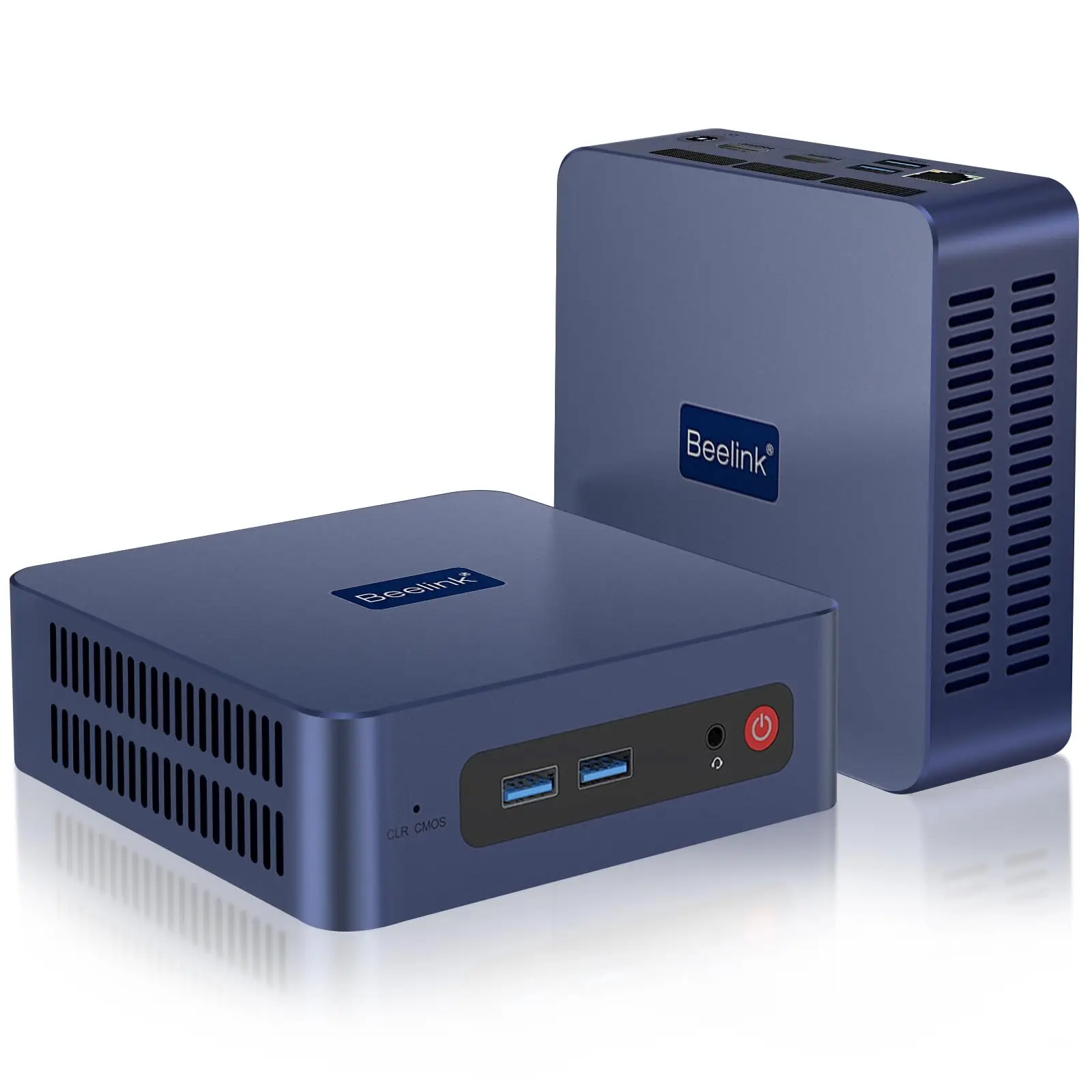 |
Beelink SER3 Mini PC, Ryzen 3 3200U | 16GB DDR4, 500GB SSD | Dual HDMI, 4K, 1000Mbps LAN, BT5.0 | $1039.9 | $166.64 | 114 | 4.5 ★ |
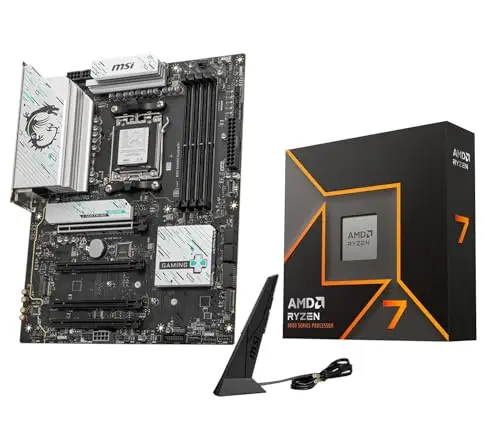 |
Micro Center Ryzen 7 9700X Bundle, MSI B850 Plus | Bundle (Motherboard + CPU) | DDR5, PCIe 5.0, M.2 Gen5, Wi-Fi 7, 5G LAN | $482.73 | $216.97 | 105 | 4.5 ★ |
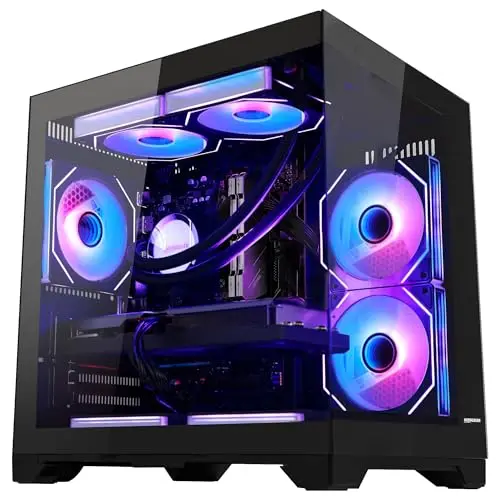 |
Panorama Gaming PC Desktop, Ryzen 5 9600X | 32GB DDR5, 1TB PCIe + 1TB SATA SSD | RX 9060 XT 16GB, Liquid Cooler, Windows 11 | $1459.99 | $400.00 | 81 | — |
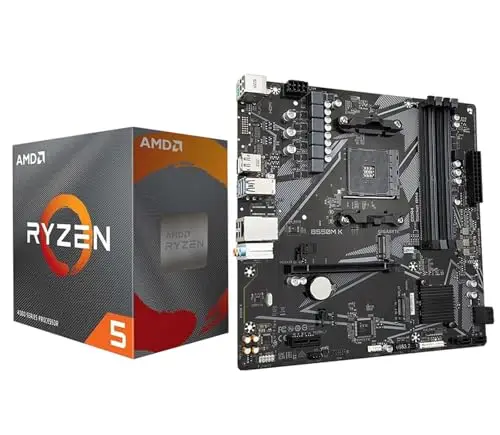 |
Micro Center Ryzen 5 4500 Bundle, GIGABYTE B550M K | Bundle (Motherboard + CPU) | DDR4, PCIe 4.0, Dual M.2, SATA 6Gb/s | $181.99 | $74.74 | 58 | 4.4 ★ |
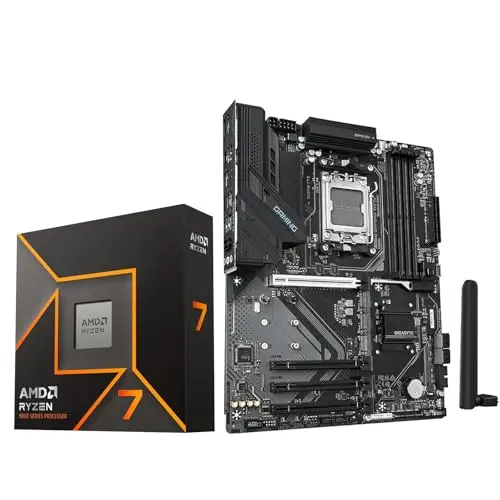 |
MICRO CENTER Ryzen 7 9700X Bundle, GIGABYTE B850 Gaming WIFI6 | Bundle (Motherboard + CPU) | DDR5, PCIe 5.0, USB-C, WIFI6, 3X M.2 | $449.99 | $219.00 | 57 | 4.3 ★ |
With most top sellers currently built on AMD platforms, buyers should pay close attention to cross-brand feature sets, warranty provisions, and bundle pricing—especially for B2B purchasing at scale. Intel’s 8th Gen chips, though less represented in recent retail top-sellers, retain unique strengths in value-driven SMB and SFF deployments.
Modern sourcing of processor-driven PCs demands rigorous supplier vetting, smart risk mitigation, and dynamic adaptability to market cycles. Buyers should consider these actionable best practices:
Supplier Evaluation Criteria:
Quality Control Points & Inspection:
Logistics and Lead Times:
Certification and Compliance:
Key Pitfalls and Avoidance:
Competitive Advantages of Sourcing This Category:
Synthesizing trends across search data, retail sales, and user sentiment, the processor market in 2026 is defined by both continuity and innovation. While next-generation chips showcase remarkable advances in AI and graphics, the enduring demand for 8th Gen Intel Core CPUs reflects a pragmatic market segment prized for reliability, cost control, and straightforward upgradability. Buyers should be aware that "core i8 processor" searches actually refer to these proven eighth-generation chipsets, which—when sourced strategically—will continue to underpin robust computing solutions for universities, SMBs, and savvy individuals through the upcoming upgrade cycle[1][7][8][9][10][13].
Action Steps for International Buyers:
In closing, the smart buyer in 2026 must move with both technological awareness and business discipline. Value-driven procurement remains well-served by 8th Gen Intel Core platforms for essential workloads, while top sellers in the broader segment highlight the importance of flexibility and real-time market intelligence for ongoing success. Act with confidence, seize market timing, and leverage the intelligence in this report to drive sourcing strategy and long-term performance.