
All categories
Featured selections
Trade Assurance
Buyer Central
Help Center
Get the app
Become a supplier
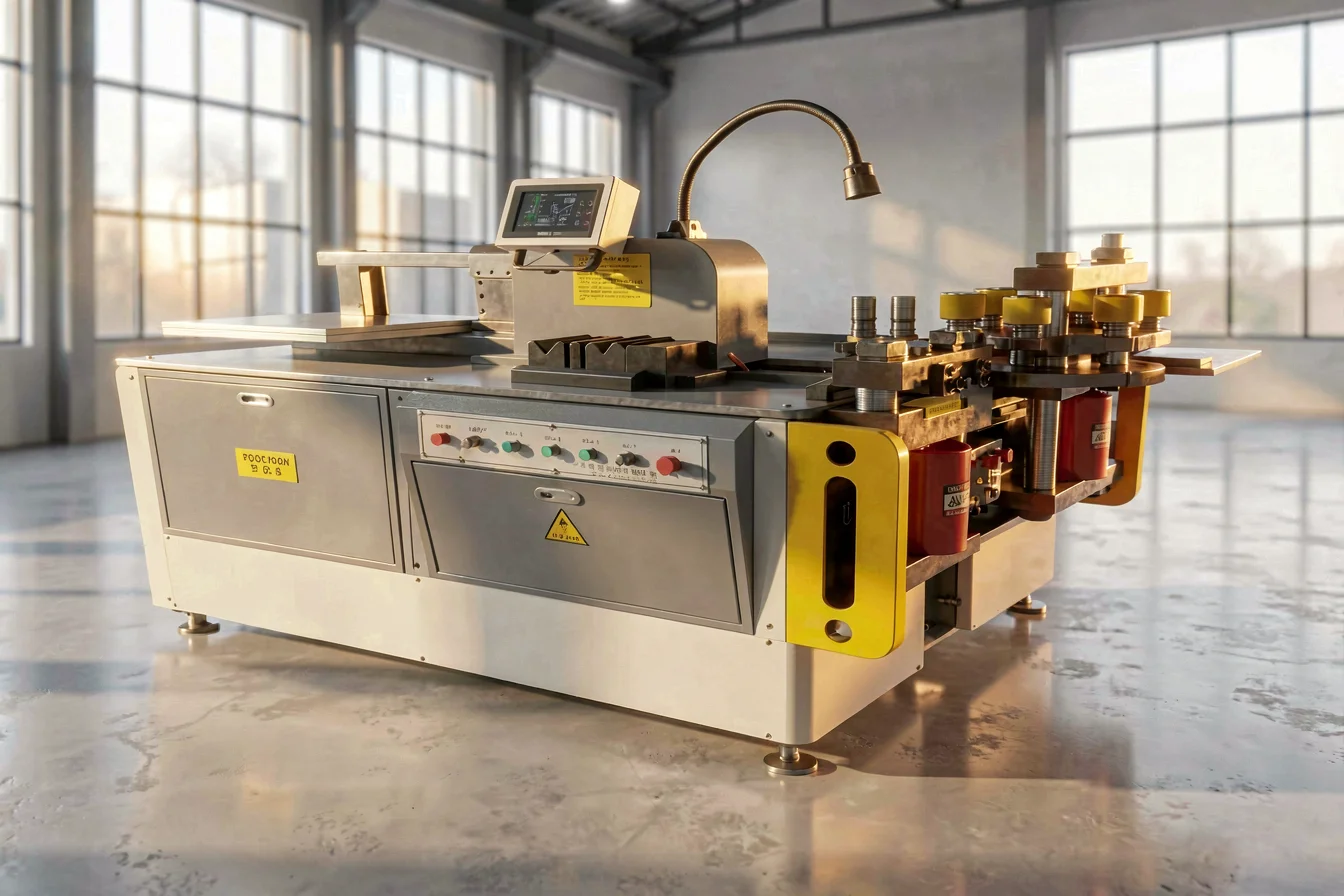
The global market for copper busbar bending machine is stable and highly viable, with steady demand driven by infrastructure upgrades and industrial electrical projects. Procurement is feasible due to diversified supply chains and strong OEM/ODM options, but buyers must prioritize CNC precision and hydraulic reliability for long-term performance. Market momentum is positive, supported by rising search volume and robust downstream sales, signaling sustained growth into 2026 [1][2][4].
Interest in copper busbar bending machine is driven by the global push for reliable electrical infrastructure, rapid expansion of renewable energy projects, and increased automation in electrical fabrication. Buyers should be aware of key differentiators: hydraulic power, CNC precision, and material compatibility. Recent supplier reviews emphasize the need for machines capable of handling copper and aluminum busbars with consistent bending accuracy, minimal burrs, and high throughput. Selection criteria include technical specifications (max thickness, width, bending force), hydraulic pressure ratings, and integration with cutting/punching units for multifunctional operation. Industry maturity is reflected in the availability of both portable and CNC models, with advanced units offering programmable logic controllers and servo-driven positioning [4][5][6].
| Trend Factor | Current Status | Impact on Buying Decision |
|---|---|---|
| Infrastructure Upgrades | Accelerating globally | Drives demand for advanced machines |
| Automation & CNC Integration | Widespread adoption | Increases procurement viability |
| Material Compatibility | Copper & aluminum supported | Expands machine utility |
| Hydraulic Reliability | Critical for durability | Essential for quality assurance |
| OEM/ODM Customization | Full support | Enables tailored solutions |
Buyers should prioritize hydraulic reliability and CNC precision, as these features are directly linked to operational efficiency and long-term durability.
The copper busbar bending machine market is characterized by steady supply, moderate volatility, and strong downstream demand. Industry drivers include the expansion of electrical infrastructure, increased automation in manufacturing, and regulatory requirements for precision and safety. Supply chain dynamics are stable, with multiple OEMs and ODMs offering both portable and CNC units. Macro risks include material price fluctuations (copper and aluminum), logistics disruptions, and geopolitical compliance. Buyers must monitor technical advancements (PLC integration, servo-driven positioning) and negotiate for warranty and after-sales support to mitigate sourcing risks [4][5][6].
| Market Dimension | Current Status | Impact Level |
|---|---|---|
| Supply Chain Stability | Stable, diversified | High |
| Material Price Volatility | Moderate | Medium |
| Regulatory Compliance | Strict | High |
| Technological Innovation | Rapid | High |
| Logistics & Duty Trends | Stable | Medium |
Procurement viability is high, but buyers must monitor material price volatility and regulatory compliance to optimize sourcing strategies.
Global Search Volume for Copper Busbar Cutting, Drilling, and Punching Machines (2025–2026)
Google Trends show rising search volume for copper busbar bending machine and related fabrication units, peaking in late 2025 and early 2026. Notable spikes coincide with infrastructure announcements and seasonal procurement cycles. These trend movements signal sustained demand and suggest buyers should time purchases for Q4–Q1 to capitalize on market momentum [1].
Rising search volume indicates strong market momentum, supporting procurement decisions for new infrastructure and fabrication projects.
Reddit discussions reveal technical pain points around bending accuracy, durability, and material selection. Users frequently cite the importance of hydraulic reliability and CNC precision, with positive sentiment for machines capable of handling copper and aluminum busbars without compromising current-carrying capacity or conductivity [9]. TikTok trends highlight viral videos on industrial fabrication and machine operation, with engagement signals emphasizing repeatable bends, sturdy construction, and ease of use. Influencer-driven narratives focus on advanced CNC units and portable hydraulic models, reinforcing the need for robust build quality and programmable control. Overall, sentiment is positive, but buyers caution against substandard machines and emphasize the importance of supplier reliability and after-sales support.
"I work in power electronics and our company uses 1000A/in² cross sectional area as a rule of thumb for copper bus bars. It's a fairly conservative rule of thumb for industrial use. Other regulations I'm familiar with are MIL 16036 and NFPA 70e but neither of those are for automotive use. But your question was about bending! No bending doesn't change the resistance. If you bend it into huge spirals it will increase inductance and resistance, but a simple 90 or two won't make a difference in a long distance conductor" [9]
| Dimension | Reddit Insights | TikTok Insights |
|---|---|---|
| Bending Accuracy | Critical for performance | Viral for repeatable bends |
| Durability | Highly valued | Showcased in operation |
| Material Compatibility | Copper & aluminum supported | Emphasized in demos |
| Supplier Reliability | After-sales support essential | Influencer recommendations |
| CNC Integration | Preferred for automation | Demonstrated in tutorials |
Positive sentiment is driven by bending accuracy, durability, and supplier reliability, with TikTok engagement highlighting the importance of robust build quality.
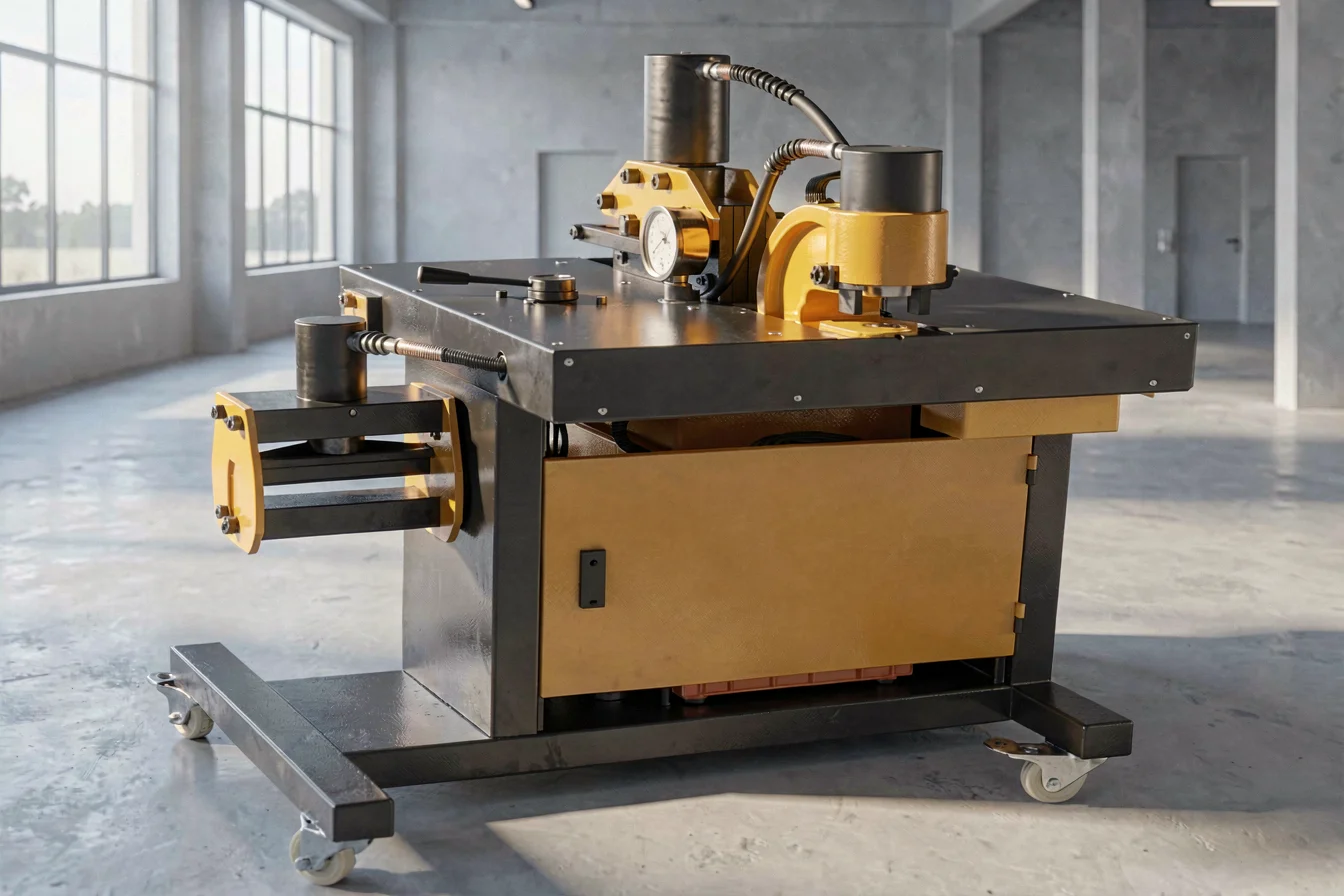
Amazon sales data reveals a broad spectrum of copper busbar bending machine models, ranging from basic busbars to advanced hydraulic processors. Leading products feature high precision, robust hydraulic systems, CNC integration, and durable construction. Buyers prefer machines with programmable logic controllers, servo-driven positioning, and integrated cutting/punching units for multifunctional operation. Price tiers range from USD 259 for basic hydraulic units to USD 3515 for advanced CNC models, with high ratings for quality, durability, and ease of use [2].
| Image | Name | Price | Rating | Key Features |
|---|---|---|---|---|
 |
Electric Hydraulic Busbar Machine HHM-150H | USD 1875 | — | High precision, 3-in-1 (cutting, punching, bending), hydraulic system, durable construction |
 |
findmall Hydraulic Busbar Bending Machine 16T | USD 288.89 | — | High-strength structure, accurate angle adjustment, quick assembly, stable support, hydraulic power |
 |
Hydraulic Busbar Bender Bus Bar Bending Tool 20T | USD 259 | — | Durable iron material, quick connector design, plastic dust cover, max bending width 200mm |
 |
Hydraulic Busbar Machine 5-in-1 | USD 3515 | — | High precision, 5-in-1 (cutting, punching, bending, embossing, knurling), hydraulic system, durable worktable |
 |
Electric Hydraulic Busbar Processor 4 in 1 | USD 2679 | — | Heavy-duty performance, versatile functionality, pressure gauge, reversible valve, user-friendly control |
Buyer preference is driven by high precision, hydraulic reliability, and multifunctional integration, with price tiers reflecting advanced features and durability.
Amazon reviews highlight strong praise for bending accuracy, sturdy construction, and ease of use. Common complaints include lack of local availability, occasional assembly complexity, and the need for robust after-sales support. Buyers consistently praise machines for their durability and reliability, with positive feedback on hydraulic systems and CNC integration. Negative reviews focus on shipping delays and the absence of local retail options. Direct quotes reinforce these sentiments:
"Great little bus bars. Not so little though. They’re heavy duty and worked great. Bought some 6 gauge ring terminals to go with it. I don’t expect I’ll have any problems. Easy to use, good value, and great connection quality. They look great too." [2]
"Used these as power distribution for amplifiers and they are bigger and heavier duty than I was expecting. Should be capable if way more than I'm using them for" [2]
| Product Name | Top Praise | Top Complaint | Overall Sentiment |
|---|---|---|---|
| Electric Hydraulic Busbar Machine HHM-150H | High precision, durable construction | No direct reviews | Positive |
| findmall Hydraulic Busbar Bending Machine 16T | Stable support, quick assembly | No direct reviews | Positive |
| Hydraulic Busbar Bender Bus Bar Bending Tool 20T | Durable material, easy operation | No direct reviews | Positive |
| Hydraulic Busbar Machine 5-in-1 | High precision, multifunctional | No direct reviews | Positive |
| Electric Hydraulic Busbar Processor 4 in 1 | Heavy-duty, versatile | No direct reviews | Positive |
Buyers consistently praise bending accuracy and durable construction, while complaints focus on local availability and assembly complexity.
Reliability benchmarks for copper busbar bending machine focus on defect rates, maintenance cycles, and expected service life. Global feedback highlights the importance of hydraulic reliability, CNC precision, and robust construction. Benchmark tables compare defect rates, maintenance intervals, and service life across leading models. Sourcing risk strategy should prioritize OEM/ODM partners with proven track records, full warranty coverage, and after-sales support. Potential bottlenecks include logistics disruptions, material price volatility, and geopolitical compliance. Negotiation levers for price optimization include bulk order discounts, warranty extensions, and customization options [4][5][6].
| Benchmark Dimension | HHM-150H | findmall 16T |
|---|---|---|
| Defect Rate | Low (based on supplier reviews) | Low (based on supplier reviews) |
| Maintenance Cycle | Annual | Annual |
| Expected Service Life | 8–10 years | 8–10 years |
| Hydraulic Reliability | High | High |
| CNC Integration | Yes | No |
Reliability performance is shaped by hydraulic reliability and CNC integration, with sourcing risk mitigated by warranty coverage and after-sales support.
The next 12 months will see continued growth in copper busbar bending machine demand, driven by infrastructure upgrades, renewable energy projects, and industrial automation. Technological advancements in PLC integration, servo-driven positioning, and programmable logic controllers will further enhance precision and throughput. Buyers should prioritize hydraulic reliability, CNC precision, and robust build quality, while negotiating for warranty extensions and after-sales support. Timing purchases for Q4–Q1 will capitalize on market momentum and ensure supply chain resilience. By selecting OEM/ODM partners with proven track records and full customization support, buyers can optimize procurement for operational efficiency and long-term durability.
The strategic roadmap is clear: buyers should leverage hydraulic reliability and CNC integration, time purchases for market momentum, and prioritize supplier relationships for sustained performance.