
All categories
Featured selections
Trade Assurance
Buyer Central
Help Center
Get the app
Become a supplier
In 2026, the relevance and market momentum of continuous casting machines have reached unprecedented heights, spanning from heavy industry to creative makerspaces worldwide. This surge is powered by multiple vectors: robust investment in high-tech infrastructure, nearshoring to drive supply chain resilience, sustainability mandates in both industrial and prosumer sectors, and the democratization of both metal and resin casting techniques. Economic and geopolitical dynamics, including increased reshoring of critical metal production and a soaring boom in home-based manufacturing, position continuous casting as a centerpiece of new industrial strategy[2][3][4]. Meanwhile, seasonal shifts such as spring construction upcycles, the ongoing digital transformation of manufacturing, and cultural trends toward bespoke, crafted home goods have also tilted market demand toward flexible, automated casting solutions. The result: continuous casting machines are no longer just reserved for enormous steel plants—they’re inspiring a new generation of creative entrepreneurs, advanced hobbyists, and small-scale manufacturers. Consumers today expect high-quality, customizable cast products delivered quickly and sustainably, shifting manufacturing paradigms across regions[8][5]. In parallel, 2026’s market is shaped by the aftermath of global supply shocks—fueling buyer interest in automation, predictable output, and risk-mitigating procurement strategies. Massive investments in “smart factories,” urban infrastructure upgrades, and green technology are sustained by continuous casting’s energy efficiency and low waste profiles. In short, whether producing steel billets for construction or custom resin trays for decor, continuous casting machines are setting the agenda for both industry leaders and grassroots makers alike.
Continuous casting machines are advanced systems designed to transform molten metal into solid forms through a sustained process, producing billets, slabs, blooms, or specialized profiles with remarkable consistency[5][6]. The essence of continuous casting lies in its uninterrupted, steady-state nature: molten metal is introduced into a precisely engineered mold, where it solidifies as it's continuously withdrawn, maintaining a constant interface between liquid and solid phases[7]. This process minimizes waste, boosts yield, and enables fine control over product dimensions and surface quality. Historically, the concept of uninterrupted casting traces its roots to Henry Bessemer’s 1857 patent for casting metal between counter-rotating rollers[9]. Yet the transformative adoption began post-World War II, with major steel producers searching for improved productivity and cost efficiency. By the 1960s, full-scale industrial continuous casting had replaced traditional ingot casting, heralding a new era for global steel, aluminum, copper, and specialty alloy markets[2][4]. Major types of continuous casting machines include:
The worldwide conversation about casting machines, as reflected in expert exchanges and user-generated content, is rich with practical insights, innovation, and candid critique. Engineers and advanced hobbyists highlight the push for automated solutions—from tilting permanent mold machines connected to robotic arms, to the ongoing challenge of integrating pneumatic picking devices for truly hands-free production[10]. While automation promises efficiency, user experience reveals real-world friction: “removing the finished casting” often still requires manual labor, highlighting that factory automation is not yet fully turnkey. Technicians experiment and refine, sharing designs for vacuum casting structures, emphasizing the need for affordable, multi-purpose equipment—especially for jewelry makers and small-scale workshops[15]. The community also debates the trade-offs of various casting methods. Continuous machines are seen as the backbone of modern industry for their scalability and cost-effectiveness, but also attract “hobbyist envy”: the accessibility and affordability of desktop-scale casting machines is a recurring wish. Many engineers express admiration for the technological progress (“I’ve programmed robotics my whole life. This is a cool setup!”), while others stress marginal returns in high-volume contexts versus the flexibility of prototyping on 3D printers or CNC systems[18]. Sentiment analysis reveals:
The continuous casting machine market sits at the confluence of technological innovation, industrial scale, and emergent maker culture. In 2026, global demand is shaped by aggressive industrial upgrades, ongoing transition to green steel, a proliferation of boutique metalworking businesses, and widespread adoption of casting methods for home décor and consumer goods. Worldwide, over 500 million tons of steel, 20 million tons of aluminum, and substantial volumes of copper and other metals are processed using continuous casting methods annually[5]. Nearly 95% of strip and plate products now originate from continuous casting, emphasizing both output scale and category dominance[6]. Metal production hubs in Asia-Pacific (China, India, South Korea, Japan), NAFTA, and the EU remain primary markets, with the Middle East and Africa showing rapid YoY adoption due to infrastructure investments. Emerging subcategories include:
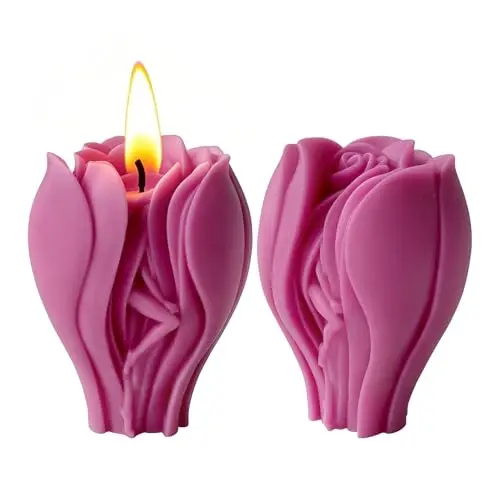
Hot Selling Analysis: Amazon's Top 10 Resin & Metal Casting Molds (2026)
The downstream retail landscape—especially within resin casting and small-scale metalworking—shows dynamic evolution in 2026. Interest in continuous casting principles is reflected in the popularity of both functional casting molds and entry-level casting machines. Below, market intelligence is visualized for the top-selling products on Amazon, representing the interface of industrial know-how and the DIY crafting revolution:
| Product Image | Product Name | Specifications | Retail Price | Wholesale Price | Average Rating | Monthly Sales Volume | Key Features |
|---|---|---|---|---|---|---|---|
 |
Tree House Molds Home Candle & Resin Mold | Wave Spiral Silicone Mold, Home Decor & Candle Making | $8.76 | $2.34 | 4.3 | 174 | High-clarity silicone, spiral design, reusable |
 |
Flower Resin Molds - Silicone Resin Casting Molds | Soap, Candle, Resin Making, Home Decor | $4.99 | $1.68 | 4.6 | 137 | Flexible, flower motif, multipurpose |
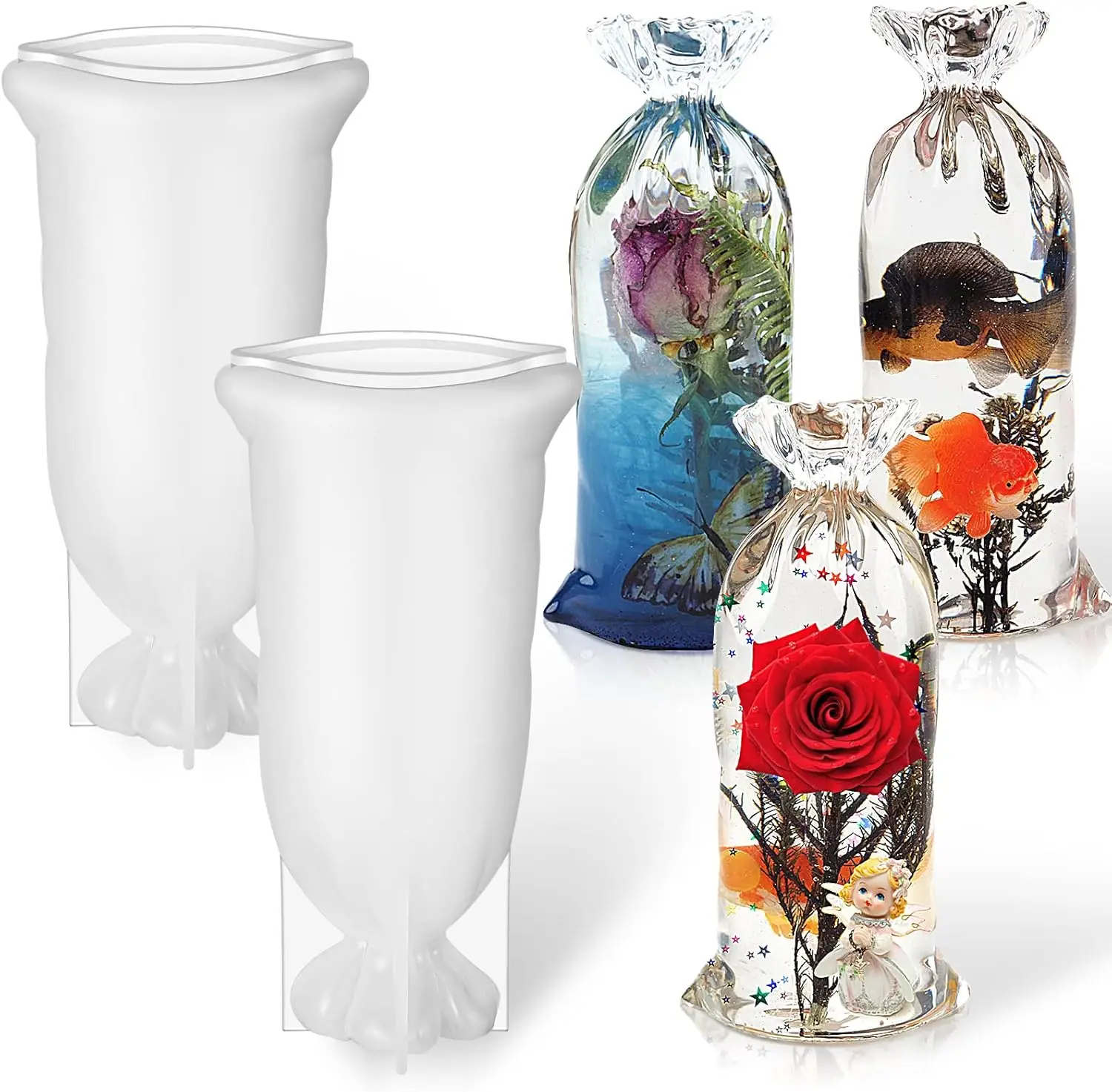 |
2 Pcs Lucky Bag Resin Molds Silicone Epoxy Mold | Bag-shaped 3D, Jewelry, DIY Crafts, Flower Preservation | $9.99 | $2.12 | 4.3 | 102 | Large size, floral encapsulation, 3D design |
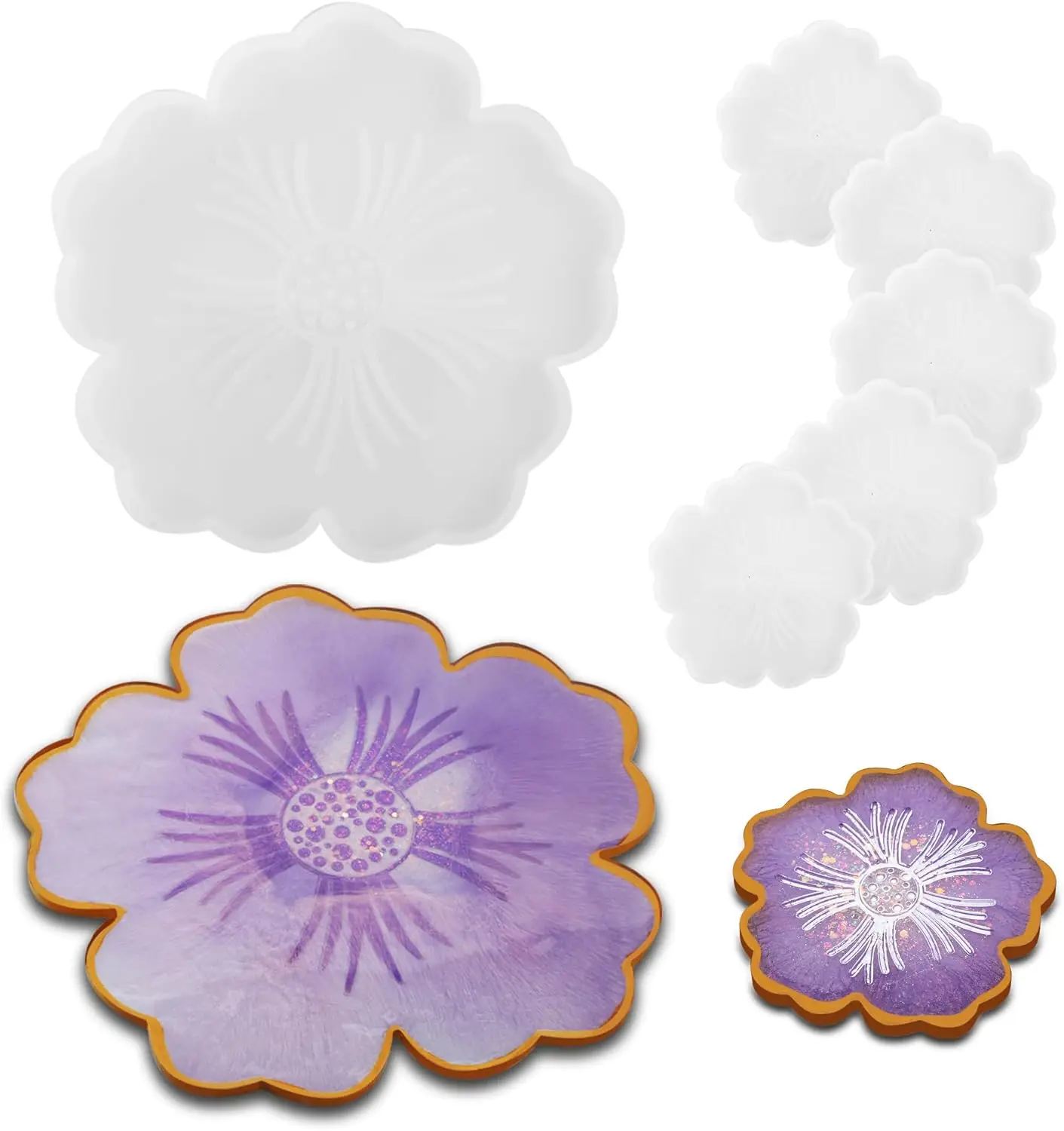 |
Large Resin Tray Mold and 5 Coaster Molds | Flower Shape, Silicone Epoxy, DIY Home Decoration | $15.94 | $4.32 | 4.5 | 89 | Tray & coasters set, floral theme, sturdy |
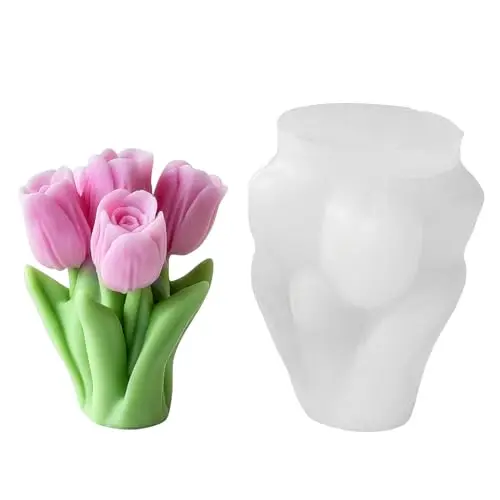 |
Candle Silicone Mold (Tulip) | DIY Candle Making, Polymer Clay, Plaster, Home Decoration | $9.99 | $3.74 | 5 | 85 | Tulip design, high-qualiy silicone, versatile medium |
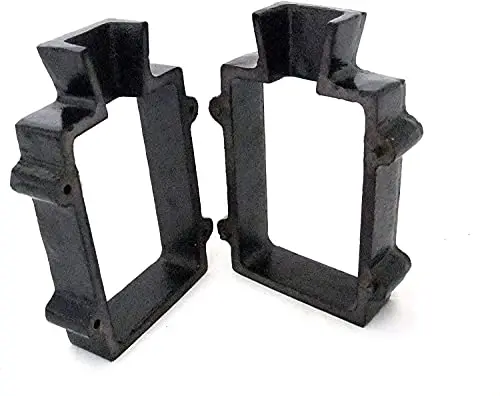 |
Megacast Cast Iron 2-Part Flask Mold | Delft Sand Casting, Jewelry Making, Durable Iron | $21.91 | $1.01 | 4.5 | 77 | Long-life flask, sand casting, heavy-duty |
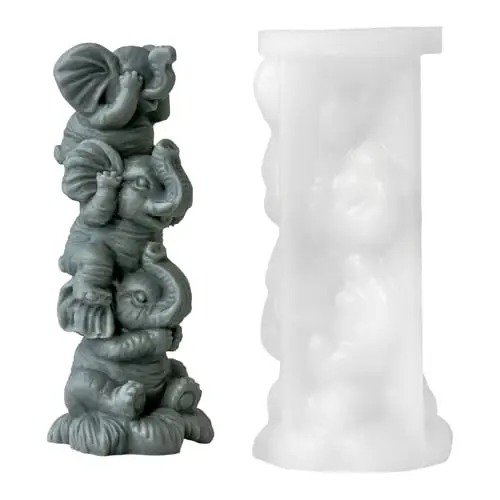 |
Elephant Candle Silicone Mold | DIY Candle, Polymer Clay, Plaster, Home Decoration | $12.99 | $2.9 | 0 | 49 | Cute design, multipurpose material compatibility |
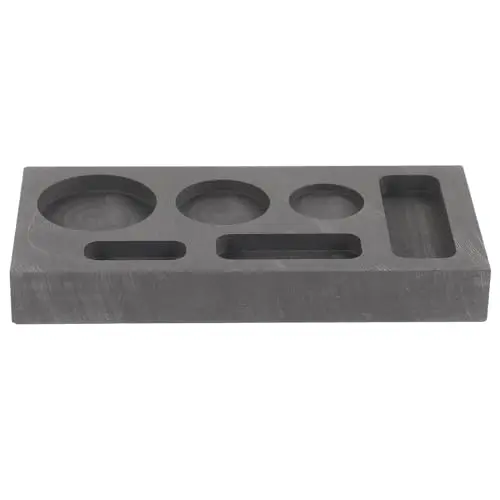 |
Operitacx Graphite Mold 6-Slot Ingot Casting Mold | For Gold, Silver, Copper Melting, Quick Heat Cooling | $19.88 | $11.32 | 3.5 | 34 | Six-slot mold, graphite, rapid cooling |
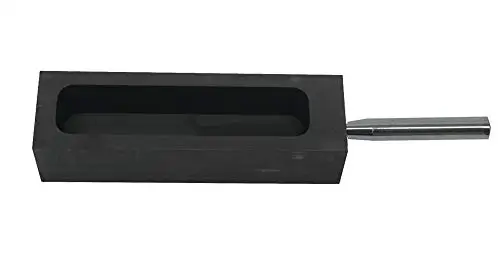 |
OTOOLWORLD Gold Silver Graphite Ingot Mold | Crucible for Casting/Refining Metal Bars (3000g) | $25.26 | $12.01 | 4 | 20 | Large capacity, high-purity graphite, professional grade |
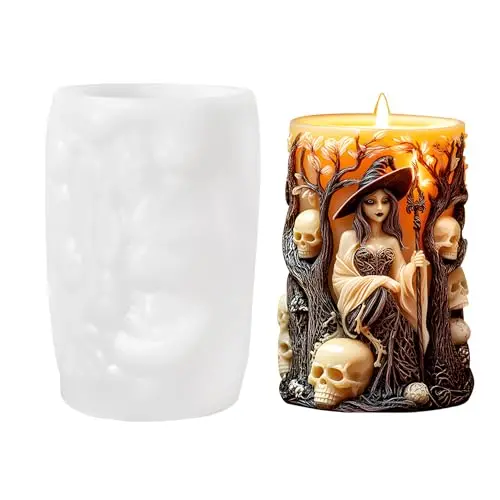 |
Witch Candle Silicone Molds | Halloween Candles, Polymer Clay Craft, Home Décor | $9.99 | $2.88 | 5 | 9 | Seasonal theme, high design fidelity, limited run |
Table data sourced from [1].
Analysis reveals that resin casting molds (especially those with floral, spiral, and themed designs) dominate retail sales, reflecting the intersection of creative making and small-batch production. Products with high reusability, composite material compatibility, and visually unique motifs are ranked highest. Meanwhile, professional-grade and high-capacity metal casting molds, such as graphite ingot and cast iron flask molds, demonstrate strong demand among advanced hobbyists, jewelry makers, and small workshops. Sentiment in product reviews and user forums identifies three repetitions:
Effectively sourcing continuous casting machines—whether for high-volume metal production or nimble resin casting operations—requires a rigorous, multidimensional approach in 2026. The following best practices and risk assessments serve global buyers aiming for superior return on investment:
By following these procurement guidelines, buyers can confidently source continuous casting machines and affiliated molds/tools, minimizing risk and maximizing project success—whether outfitting a steel plant or a creative workshop.
The landscape for continuous casting machines in 2026 is defined by rapid technological convergence, the blending of industrial power and creative versatility, and a marketplace driven by both sustainability imperatives and maker innovation. The sector’s growth is evidenced by high global output, deep penetration in steel and nonferrous metal production, and widespread adoption in personal manufacturing and DIY craft environments. Key insights synthesized from industry trends and retail analysis point to: