
All categories
Featured selections
Trade Assurance
Buyer Central
Help Center
Get the app
Become a supplier
Conga drums have entered a renaissance in 2026, driven by the intersection of vibrant cultural events, renewed interest in world music genres, and shifting consumer behaviors in both retail and wholesale markets. As Latin American rhythms permeate global charts and music festivals feature more percussion acts, these iconic drums are not just musical instruments—they're vehicles of social connection and artistic exploration. Such demand is further amplified by an upsurge in community education, reflected in the proliferation of conga drum classes around urban centers and online learning resources [10]. Seasonal factors such as music festival circuits, school enrichment programs, and the winter holidays stimulate bulk orders for education and entertainment providers.
Consumer behaviors are adapting, with more individuals seeking drums that blend traditional craftsmanship and modern features: pre-tuned heads, lightweight bodies, and ergonomic accessories top buyers’ wish lists [1][2][3]. At the same time, the ongoing fusion of genres—where jazz, pop, salsa, and Afro-Cuban styles meld—means conga drums are staples not only for professionals but also for families, hobbyists, and schools. This collective surge has positioned conga drums as one of the most commercially promising percussion segments for 2026.
To make confident procurement choices, buyers should understand what distinguishes a conga drum. Originating in Cuba, the conga is a tall, tapered drum played with the hands, integral to genres ranging from salsa to jazz. It traces its roots to African hand drums, reflecting a rich multicultural heritage that shapes its sound and playability [5][7].
Over time, the conga evolved—initially carved from single wood logs and fitted with animal skins, now available in materials like mahogany, ash, Siam oak, and even fiberglass. Modern drums are precision-crafted for durability, tonal clarity, and ease of maintenance, catering to professionals, schools, and families alike.
Classification pivots on size and function:
In 2026, social discourse surrounding conga drums is rich with recommendations, critiques, and creative exchanges. DIY renovators discuss the nuances of drum finishing, with natural wood stains and transparent, non-yellowing finishes trending among those customizing their instruments [8]. Notably, the use of Siam Oak—actually a variant of rubber wood—is spotlighted for affordability and strong sound characteristics, becoming a favored base material for mid-market drums.
Players taking up conga drums for the first time share insights on ergonomic solutions. Adjustable stands that allow for standing performance, portability, and visual harmony with drum finishes are highly sought, with wide variations in price and quality. Users recommend prioritizing stability and purchasing stands with rubber grips to prevent slip, especially for heavier models in group settings. While some users prefer high-end collapsible cradles, others highlight value options so long as safety is not compromised [9].
Training and education have surged, as buyers increasingly seek group classes and learning centers specializing in African and Cuban percussion traditions. Urban drum shops double as educational hubs, attracting a diverse pool of hobbyists and professionals alike [10].
Discussions on drum setup and playing conventions reveal that right-handed players typically position the smaller drum (macho/quinto) to their left and the hembra (larger drum) to the right—though regional styles like Changüí invert this arrangement for stylistic effect. Such dialogues also spill over into contemporary percussion kits, where setup flexibility is valued [11]. Overall, social sentiment combines preservation of tradition with a quest for practical, modern enhancements—buyers are increasingly informed and vocal about what works.
The conga drum market continues its upward trajectory in 2026, shaped by persistent growth in both consumer and institutional segments. Wholesale buyers, including schools and cultural organizations, propel bulk orders for mid-range models, while professional musicians and collectors drive demand for premium handcrafted drums. Amazon’s retail sales data reveals significant surges in purchasing activity during key seasonal moments—late autumn and winter holidays in particular witness upticks, aligning with gift-giving, show seasons, and school procurement schedules.
Recent data analytics show buyers value not only sound and craftsmanship but also added features: ease of assembly, sturdy hardware, and solutions to stability challenges in accessories like stands and mounting systems [2][3]. Consumer feedback emphasizes affordability, aesthetic choices (finishes and colors), versatility for home and professional use, and comprehensive drum sets (multi-piece bundles). Simultaneously, weaknesses cited include poor stability in low-end stands and misleading dimensions for some accessory items; addressing such limitations presents a clear competitive edge for suppliers.
Regionally, North America and Western Europe remain dominant markets driven by school programs, corporate wellness initiatives, and the proliferation of world music performances. Southeast Asia emerges as a rising producer base—suppliers here prioritize eco-friendly woods like Siam Oak alongside traditional materials. Procurement intelligence highlights increased demand for value-driven lines: mid-priced drums featuring dependable tuning mechanisms and accessories are outselling both budget “toy” options and ultra-premium boutique pieces.
Retail Momentum: Amazon Trends Bar Chart and Sentiment Analysis
Analysis of Amazon Trends across leading conga-related categories over the last six months (Aug 2025–Jan 2026) paints a vivid picture of market momentum and evolving buyer priorities. Three segments are particularly strong: African Djembe Drums, Djembe Drum Stands/Accessories, and Synthetic/Wood Drum Bundles.
Normalized Amazon sales for African Djembe Drums for Beginners and Adults, Djembe Drum Stands and Accessories, and Synthetic and Wood Djembe Drums & Accessories (Aug 2025–Jan 2026).
Actionable Insights:
Hot Selling Analysis: The Top 10 Amazon Conga/Bongo Products
Retail intelligence on Amazon’s top-selling conga/bongo drum products reveals not only what buyers want, but which features and specifications drive purchasing decisions. These bestsellers embody the downstream demand, reflecting millions of customer choices and shifting trends in sound preferences, aesthetics, and price/value calculations.
Below, a comprehensive table details each product, from student-level to performance-grade, covering retail/wholesale pricing, latest sale volumes, average star ratings, and key differentiators. Notably, wood/buffalo skin options and added tuning accessories dominate the list; ergonomics (accessories and portability) are also priced into consumer choices.
| Product Image | Name | Star Rating | Latest Monthly Sales | Retail Price | Wholesale Price | Key Features |
|---|---|---|---|---|---|---|
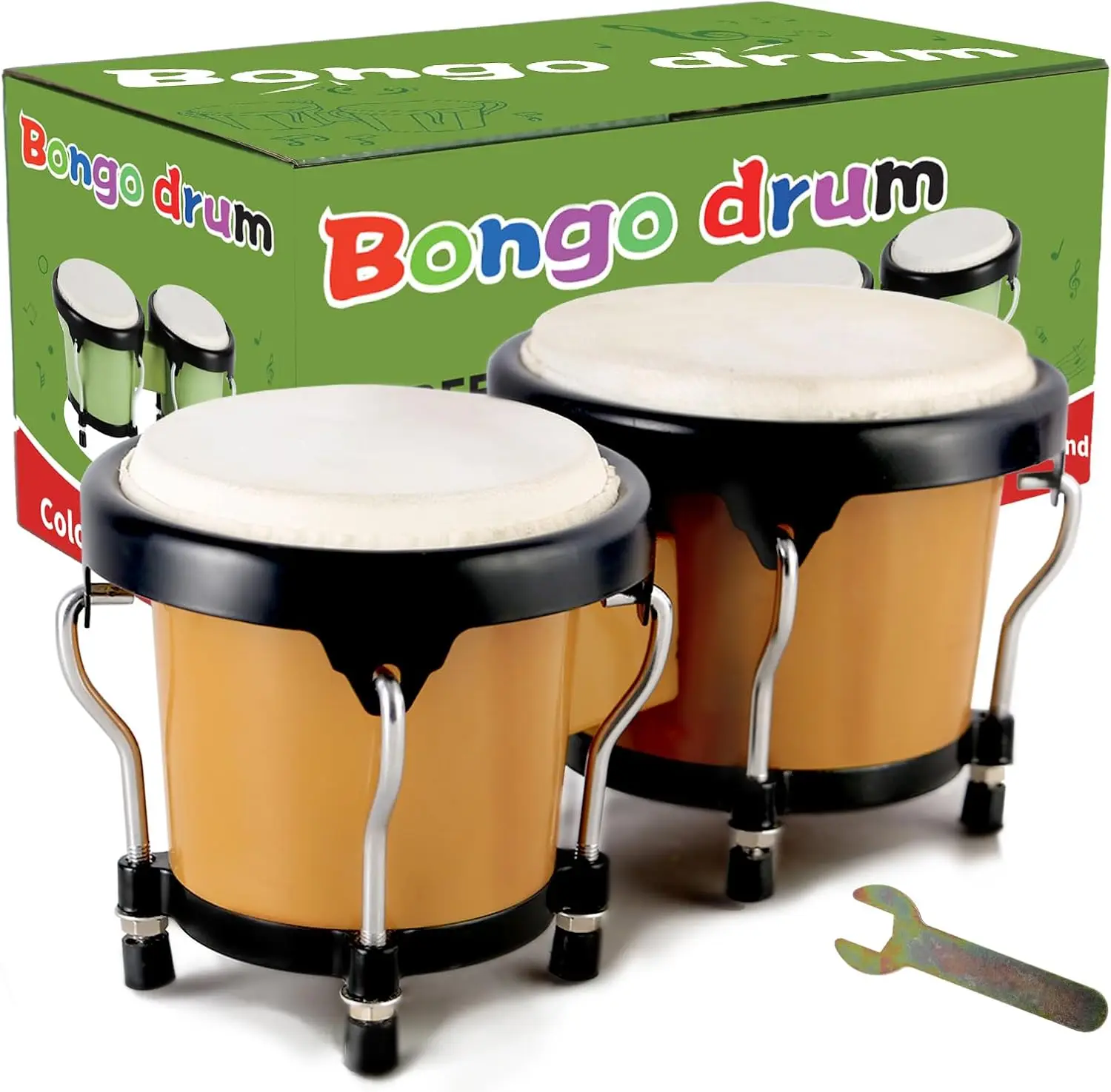 |
EastRock Bongo Drum 4” and 5” Set for Adults Beginners | 4.5 | 786 | $22.50 | $18.10 | Brown finish, tuning wrench, entry-level adult/child use |
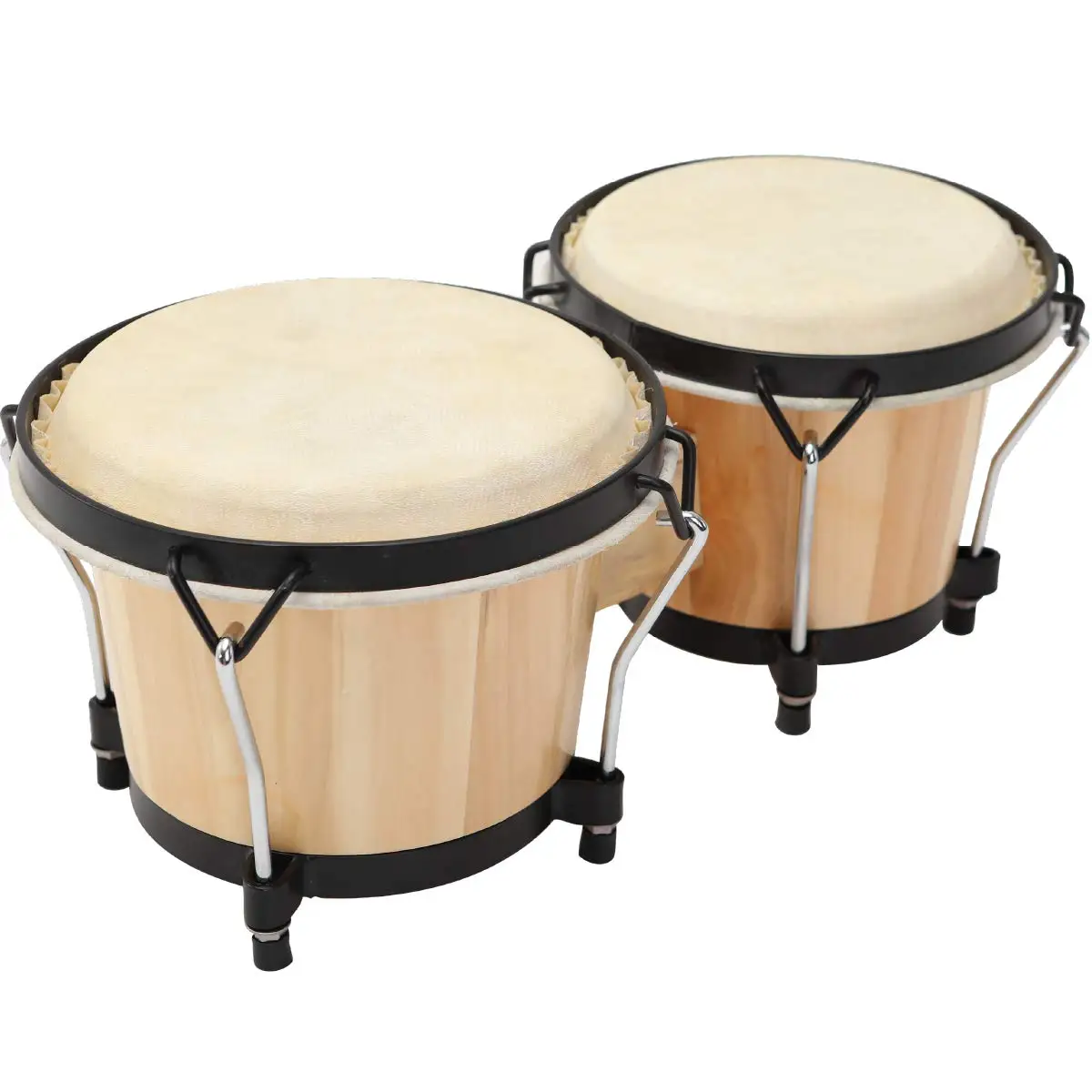 |
MUSICUBE Bongo Drum Set, 6” and 7” | 4.6 | 553 | $42.05 | $19.84 | Wood/metal blend, professional, tuning wrench included |
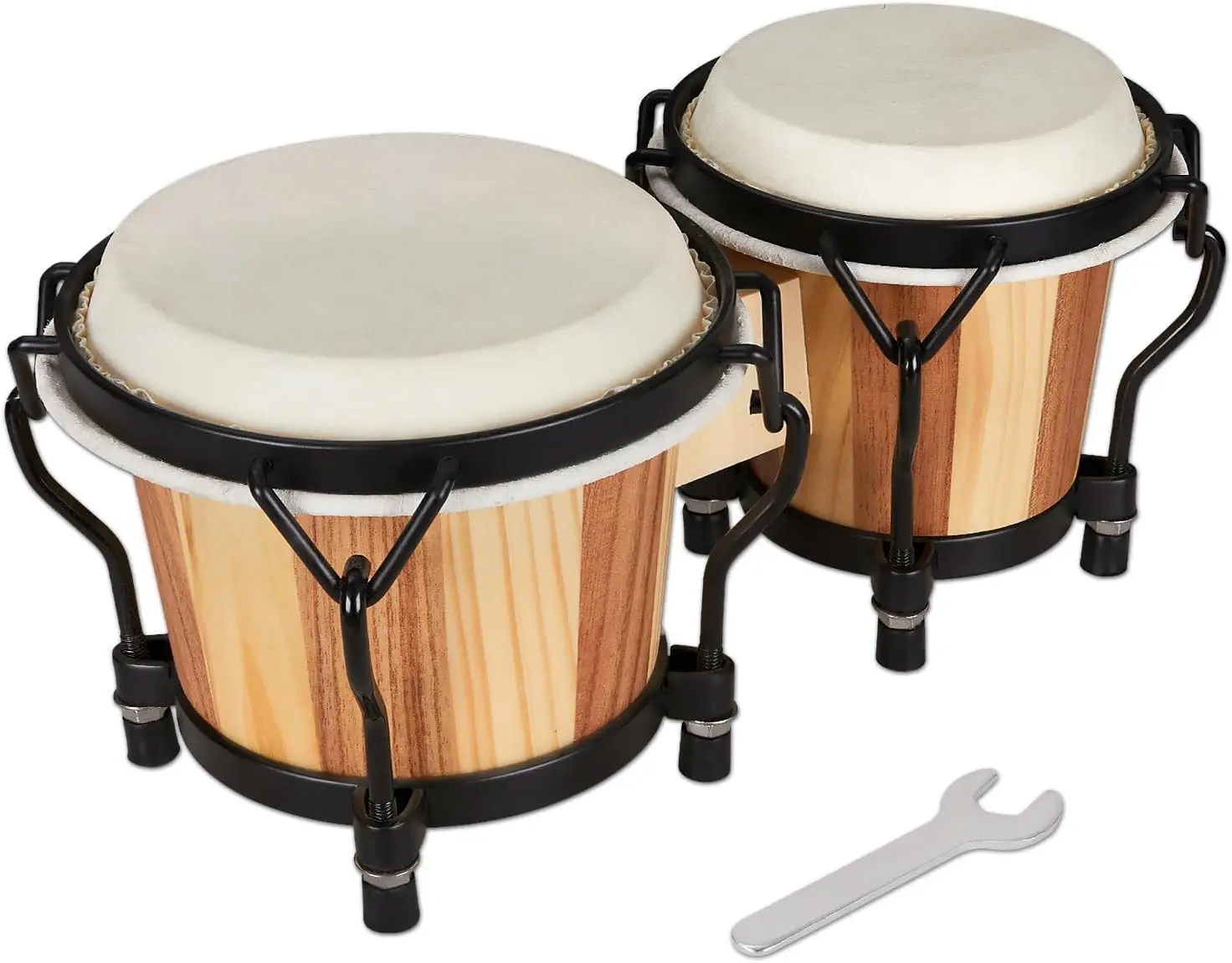 |
MUSICUBE Bongo Drum Set 4” and 5” | 4.6 | 368 | $29.99 | $11.22 | Wood/metal, tuning wrench, for all ages |
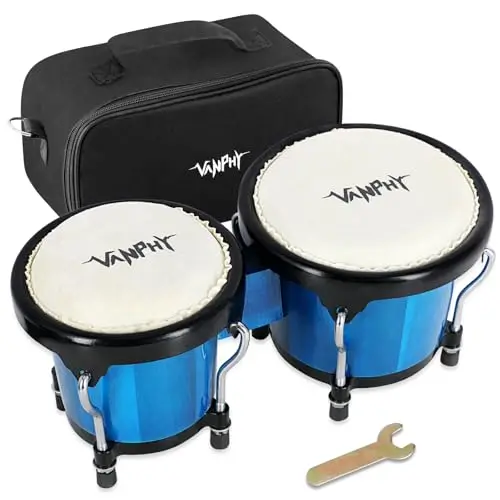 |
VANPHY Wood Bongos Drum Set for Beginners | 4.5 | 242 | $28.76 | $16.91 | Natural animal hides, metal, beginner focus |
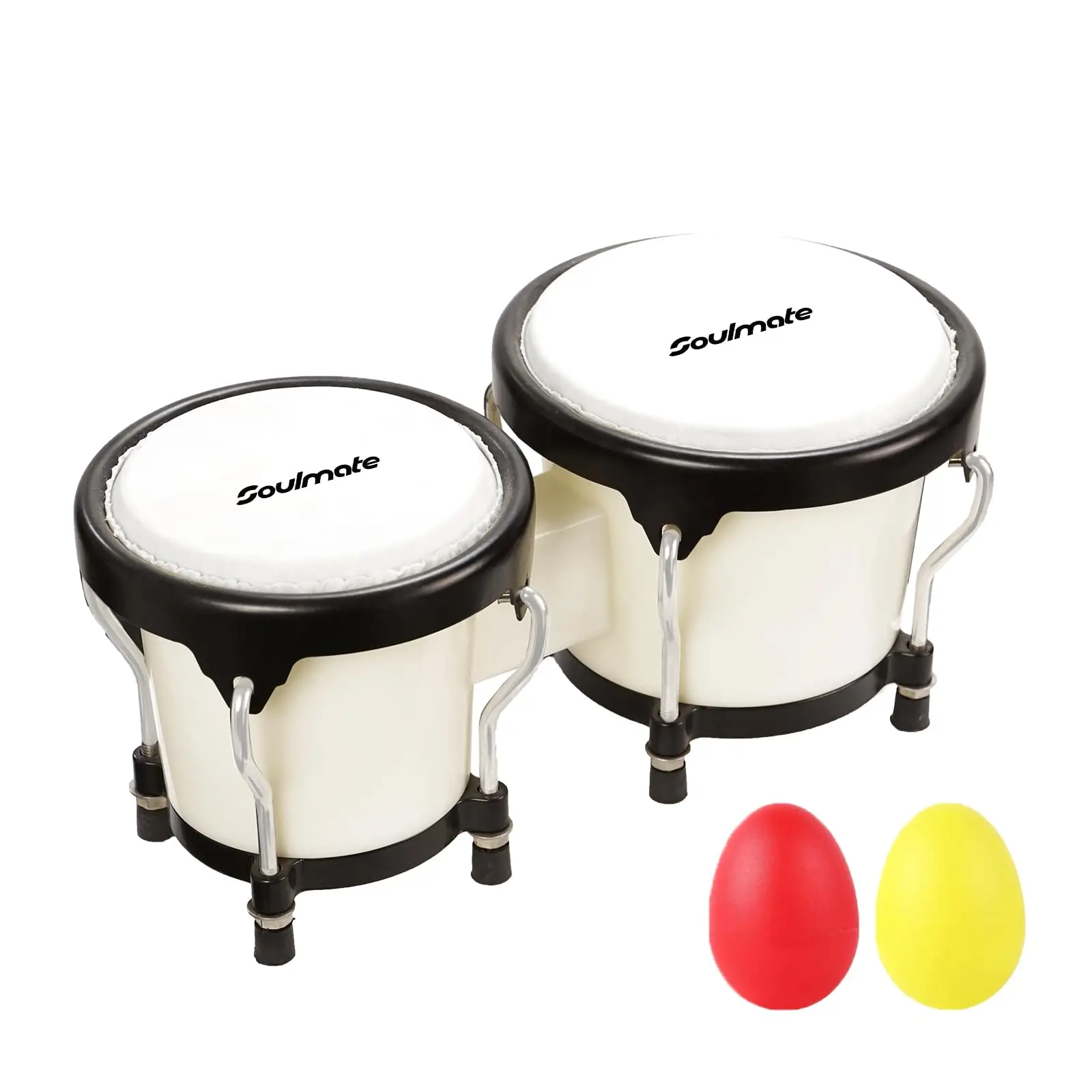 |
Soulmate Bongo Drum 4” and 5” Set | 4.4 | 206 | $23.96 | $17.39 | White finish, for kids/adults, tuning wrench |
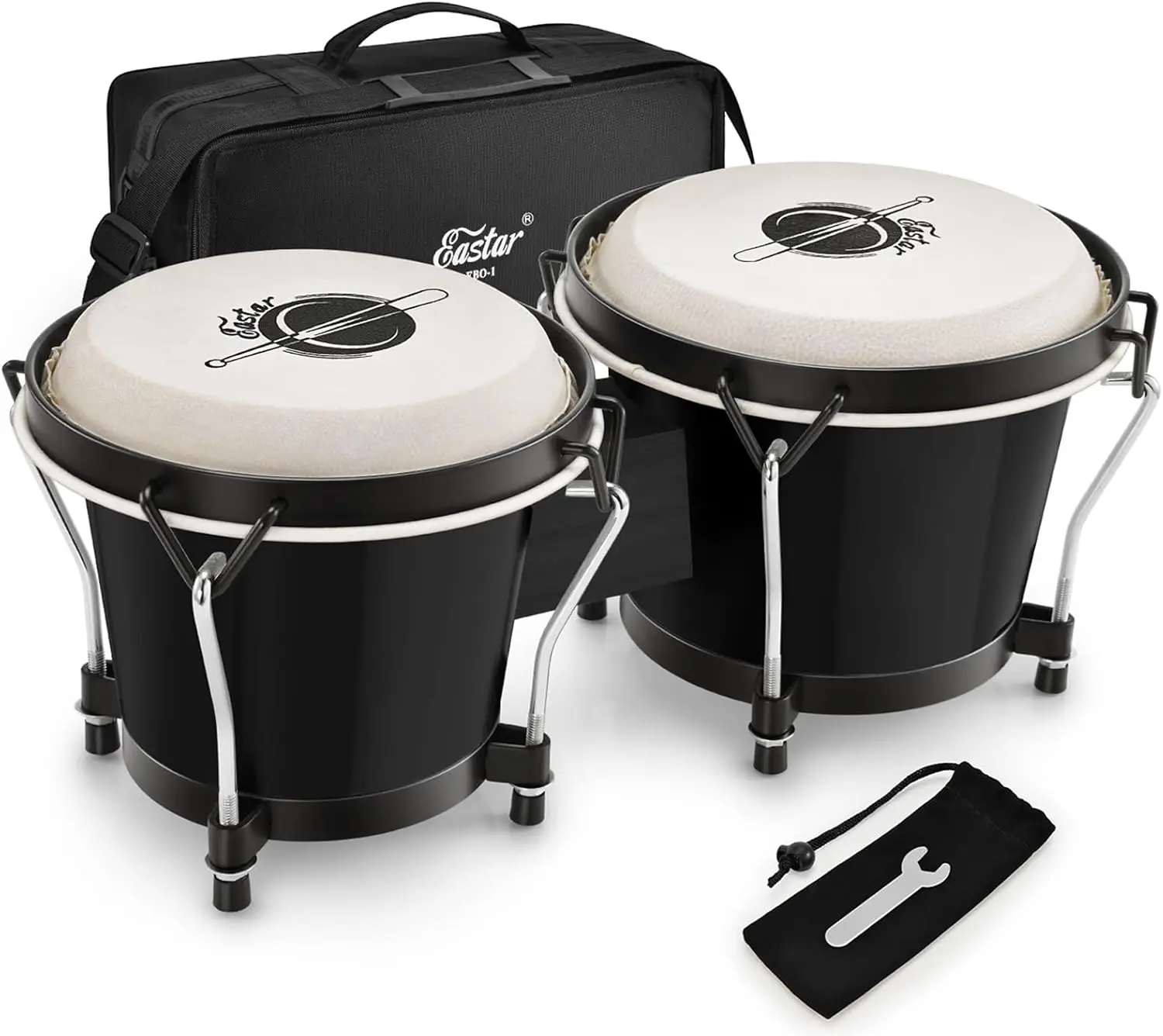 |
Eastar Bongo Drums 6” and 7” Congas Drums | 4.5 | 202 | $49.11 | $21.88 | Includes bag, pro wood finish, tuning wrench |
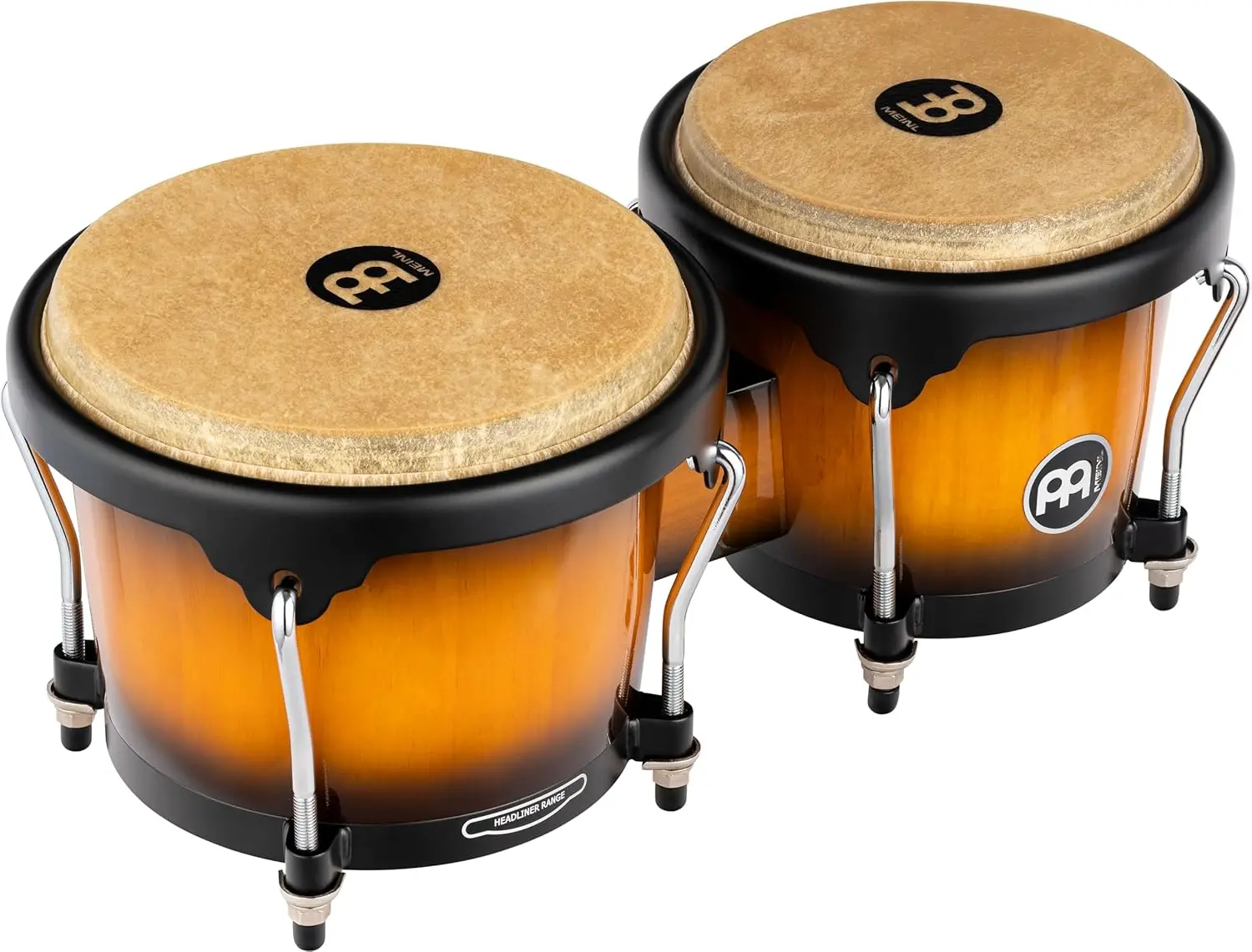 |
Bongos w/ Rubberwood Stave Shells | 4.8 | 93 | $135.15 | $21.33 | Natural buffalo skin heads, 2-year warranty, premium grade |
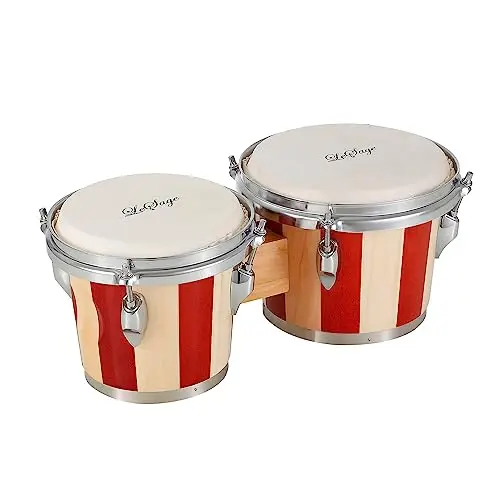 |
LeSage Bongo Drums for Adults 7“ and 8“ | 4.5 | 73 | $24.34 | $23.51 | Real skin drum head, tuning key, adult size |
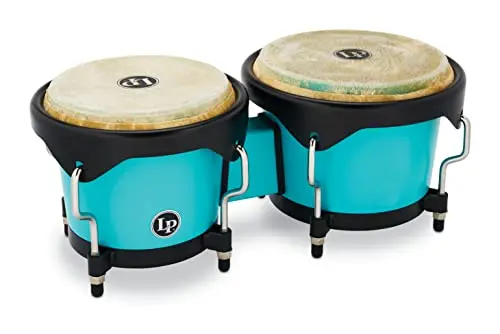 |
Latin Percussion Discovery Series | 4.5 | 41 | $100.75 | $17.58 | Free carrying bag, sea foam finish, professional use |
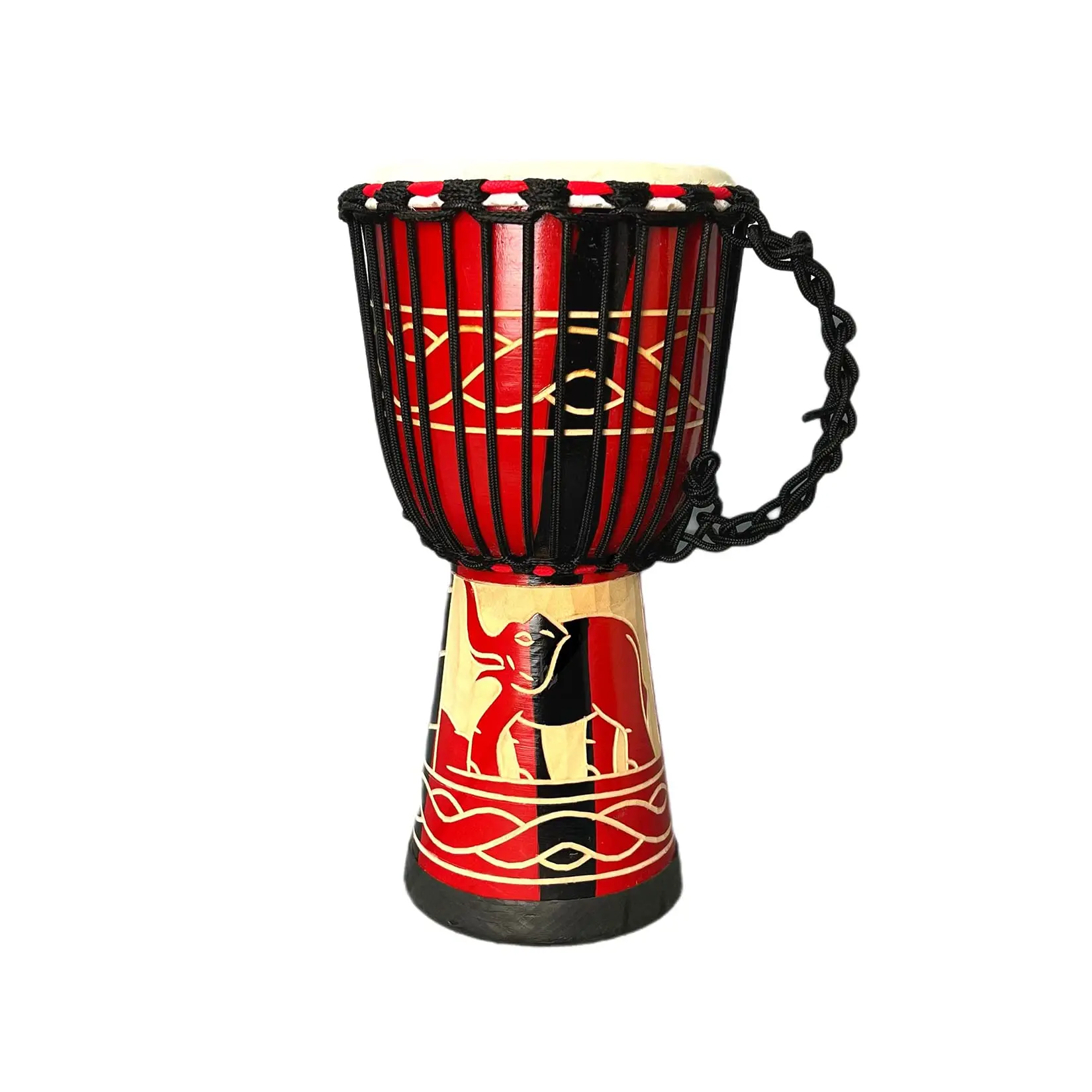 |
BORIYAM Djembe Drum Professionally Hand Carved | 4.9 | 5 | $52.99 | $23.84 | Goatskin drum head, West African style, Red Elephant model |
Table data sourced from [4].
Key takeaways: Strong demand for beginner and mid-level bongo/conga sets, with the highest sales volumes in approachable price ranges ($20–$50 retail and $11–$23 wholesale). Unique finishes (brown, white, blue), real hide heads, and included tuning keys/wrenches drive differentiation. Premium-grade options (natural buffalo skin, full accessories) still move volume among discerning buyers even at double/triple price points. Customization, bundle value, and durability are paramount. For sourcing teams, targeting these precise specifications will maximize sales conversion in 2026.
Buying conga drums at scale requires a robust approach to supplier assessment, product selection, and risk mitigation. Begin your supplier evaluation with certifications: ensure partners have recognized musical instrument manufacturing credentials, environmental wood sourcing certificates (e.g., FSC for sustainable timber), and reliable compliance with lead-free coatings and non-toxic finishes. Production capacity merits close inspection—capable manufacturers offer not only high daily output but also flexibility for custom orders and rush replenishments, especially around festival and school procurement cycles [7].
Quality control is multifaceted: reputable suppliers apply multi-stage inspection from raw material (wood grain, drum head integrity) to final assembly (lug tension, skin attachment, finish consistency). Insist on random batch testing—a practice often overlooked by less experienced buyers. Request detailed photographs and, if possible, arrange for third-party SGS/Bureau Veritas audits, especially when launching new product lines. In music, durability and tonal quality are as important as visual perfection.
Logistics can become a challenge. Work with suppliers who package drums in impact-resistant, climate-controlled cartons; confirm they offer flexible shipping (sea/air options), transparent tracking, and insurance for high-value shipments. Lead times vary—bulk education orders may require rolling delivery windows, while small batch premium drums need priority air shipment.
Consider local market compliance: check for cultural appropriateness of finishes and accessories (some regions prefer natural, non-colored variants), ensure that retail packaging includes necessary regulatory information (e.g., age suitability, local language instructions). Watch for pitfalls like unstable stands and misleading drum sizes; feedback from social discourse confirms these remain among the most common buyer grievances [2][3][8][9].
Lastly, focus on competitive differentiation. Offer bundled sets (multiple drums + accessories), value pricing for educational institutions, and premium lines with high-end woods and skin options for professional buyers. Innovations like pre-tuned heads, adjustable stands, upgraded hardware, and bespoke finishes provide superior value and reduce post-sale issues.
In summary, the conga drum market for 2026 is marked by increased demand fueled by both cultural trends and practical needs, evidenced by retail sales spikes, positive user sentiment, and the migration of buyers toward multi-functional, high-value products. Whether addressing the needs of schools, musicians, or retail enthusiasts, success hinges on understanding category evolution, leveraging current community feedback, and sourcing with precision.
For the next 6–12 months, buyers should act decisively: prioritize suppliers with certified quality control, proven logistics pipelines, and customizable product portfolios. Target product bundles that reflect top seller specs (multi-size sets, tuning accessories, durable construction, attractive finishes), and address known market weaknesses (stand stability, real skin vs. synthetic heads). Make use of seasonal buying windows and align offerings around festivals, education budgets, and cultural events to maximize conversion.
Embrace the spirit of rhythm—by acting on detailed intelligence, international buyers can step confidently into a market where tradition and innovation converge, and the opportunities for sales growth are as resonant as the drums themselves.