
All categories
Featured selections
Trade Assurance
Buyer Central
Help Center
Get the app
Become a supplier
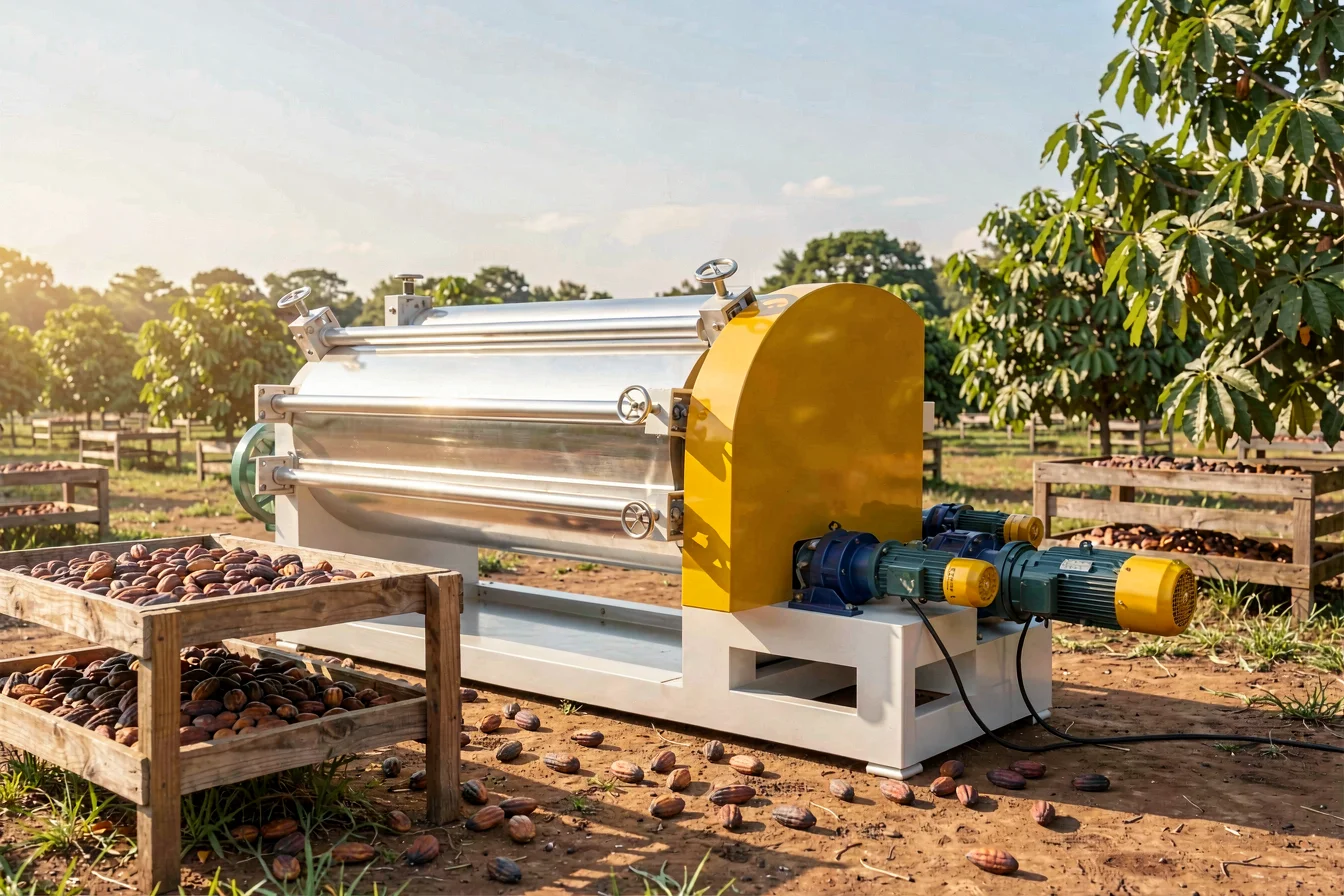
The cocoa beans drying machine market is robust and viable for B2B buyers in 2026, with rising demand driven by quality and efficiency needs in chocolate production. Supply chain resilience and technical innovation—such as automatic control and hot air recirculation—make these machines essential for large-scale buyers and processors. Procurement logic favors spec-sensitive sourcing, prioritizing adjustable temperature/time, high throughput, and low defect rates for optimal performance [3][5].
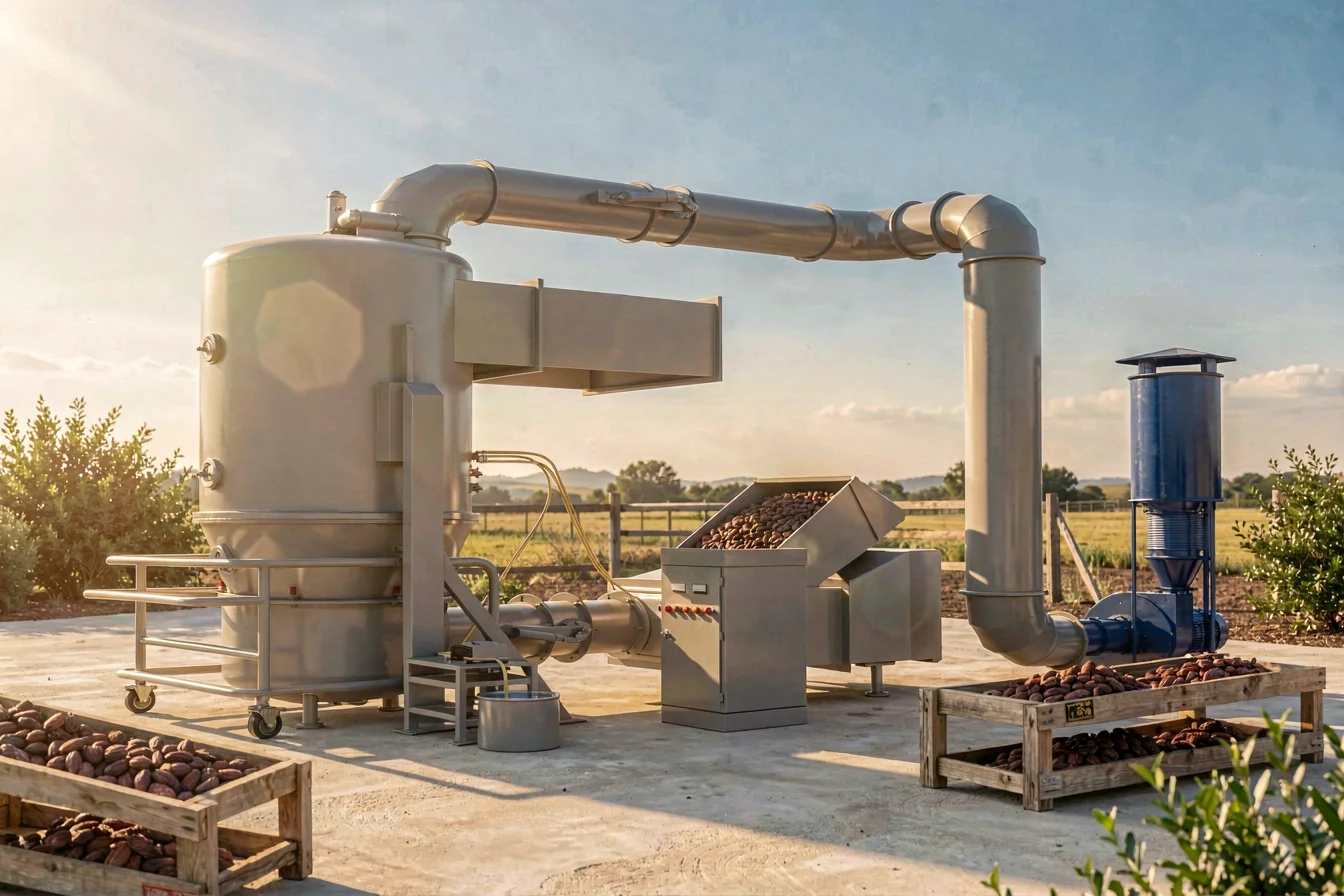
The surge in demand for cocoa beans drying machine is driven by global chocolate industry expansion, stringent quality requirements, and the need for energy-efficient and automated solutions. As the global cocoa market is projected to reach USD 10.7 billion by 2025, manufacturers increasingly rely on advanced drying equipment to maintain flavor, reduce mold risk, and meet safety standards [3]. Key trends include adoption of machines with automatic temperature/time control, hot air recirculation, and higher throughput, which directly impact production efficiency and product consistency. Buyers must understand the importance of these specifications to avoid quality defects and optimize supply chain resilience. Selection criteria focus on defect rate minimization, maintenance cycles, and compliance with food safety standards.
| Trend Factor | Current Status | Impact on Buying Decision |
|---|---|---|
| Quality Requirements | Rising (35% cite poor drying as quality risk) | Prioritize spec-sensitive models |
| Energy Efficiency | Hot air recirculation and automation | Lower operational costs |
| Throughput | 330 lbs/h typical for industrial models | Supports large-scale production |
| Defect Rate | High risk if manual drying | Buyers favor automated systems |
Market volatility is moderate, with supply chain resilience and innovation at the forefront. The chocolate industry’s demand for consistent, high-quality cocoa beans has intensified competition among suppliers of cocoa beans drying machine , pushing manufacturers to adopt advanced features such as automatic control systems and hot air recirculation [5]. Industry drivers include global cocoa expansion, rising consumer expectations for flavor and safety, and the need for energy-efficient processing. Macro risks include fluctuating raw material prices and geopolitical disruptions, but supply chain diversification and OEM/ODM partnerships help mitigate these. Buyers must evaluate machine reliability, maintenance cycles, and technical compliance for optimal procurement.
| Market Dimension | Current Status | Impact Level |
|---|---|---|
| Supply Chain Resilience | Stable, diversified sourcing | High |
| Technical Innovation | Hot air recirculation, automatic control | High |
| Compliance | Food safety standards (missing detailed data) | Medium |
| Price Volatility | Stable, moderate fluctuations | Medium |
| Seasonality | Strong in Q4–Q1, driven by harvest cycles | High |
Table data sourced from [3][5].
Global search trends for cocoa beans drying machine variants, 2025–2026
Search momentum for “cocoa beans drying machine with blower” has steadily increased, peaking sharply in Q1 2026, signaling strong buyer interest and seasonal procurement timing. Solar and rotary variants show moderate growth, indicating a niche but expanding market for alternative drying methods. Buyers should time procurement to align with harvest cycles and peak demand periods, focusing on high-throughput and automated models for maximum efficiency [1].
Reddit discussions highlight pain points around drying consistency, mold risk, and the need for specialized machines for batch processing. Users report frustration with manual drying methods and praise machines that offer automatic temperature control and hot air recirculation. TikTok engagement centers on viral videos showcasing efficient drying techniques and influencer reviews of industrial dryers, with positive sentiment for models that deliver uniform results. Cultural reception is positive for automated solutions, but negative for manual or inconsistent methods. Overall, buyers value machines that minimize defect rates and ensure product safety.
"Full disclosure, I am a food scientist and work at a confectionery company, but I am not a chocolate expert... I put the beans on a sanitized tin tray with holes (for drainage) and placed that in a plastic bag. I sealed it, squeezed the air out, then placed that in an oven with the light on (maintained 90 to 92 F, 32 to 33 C) for 2 days... I just removed them today to dry, laying them out with a fan blowing on them. Will continue this for at least a day or two then onto roasting and grinding..." [6]
"I made chocolates from roasted cocoa nibs once and I loved the taste but I didn’t like the texture since it’s still grainy and sandy... Do you have a tip or a hack how to make my chocolate smoother?" [7]
| Dimension | Reddit Insights | TikTok Insights |
|---|---|---|
| Drying Consistency | Manual drying leads to uneven results, automated machines favored | Viral videos show uniform drying with industrial dryers |
| Mold Risk | High risk with manual methods, automated drying reduces risk | Influencers highlight mold prevention with advanced dryers |
| Batch Processing | Need for specialized machines for large-scale buyers | Tutorials on batch drying techniques |
| Ease of Use | Buyers praise machines with automatic control | Positive sentiment for user-friendly features |
| Image | Name | Price | Rating | Key Features |
|---|---|---|---|---|
 |
Commercial Coffee Cocoa Bean Huller Machine | USD 819 | — | 98% hulling rate, 330 lbs/h, 220V 2.2KW, adjustable feed inlet |
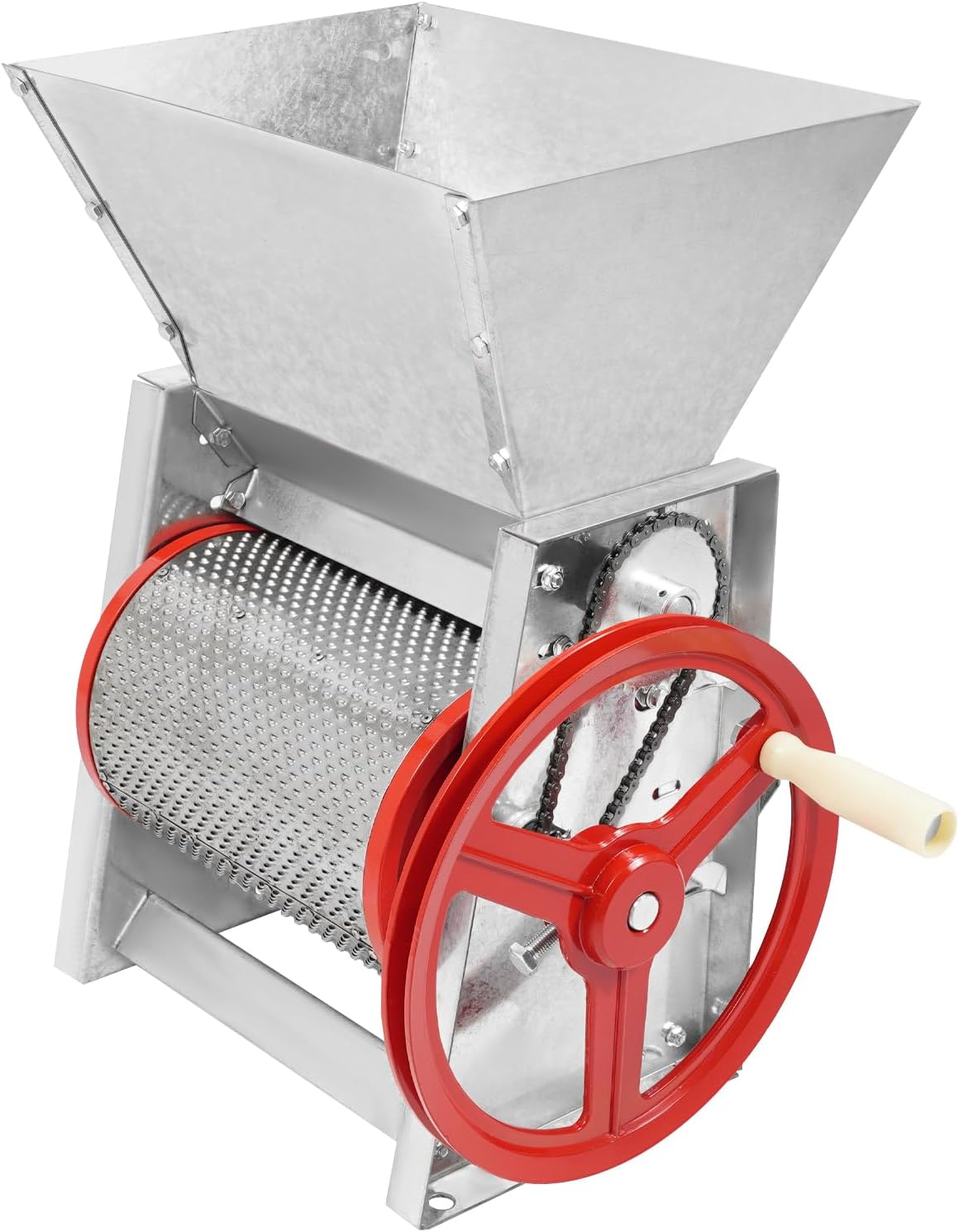 |
Manual Coffee Cocoa Sheller Effortless Beans Peeling Machine | USD 380 | — | 66.14–220.46 lbs/h output, stainless steel, manual operation |
 |
Dried Coffee Cocoa Bean Huller Sheller Hull Pealing Machine | USD 779 | — | 330 lbs/h, 220V motor, 3 outlets, meter flow regulator |
 |
Automatic Coffee Bean Roaster Multifunctional Grain Dryer & Roasting Machine | USD 731.98 | — | 1600W, automatic rolling toss, temperature/time control |
Table data sourced from [2].
Buyers praise high-efficiency hulling rates, adjustable feed inlets, and robust construction. Complaints focus on inconsistent drying results, maintenance complexity, and price sensitivity for manual models. Quotes from reviews highlight the importance of reliable performance and ease of operation.
"Efficient Hulling: Utilizing a reverse spiral milling roller and hexagonal sieve design, it achieves gentle yet efficient processing, delivering a high hulling rate of 98%-99%. This effectively reduces the residue of unhulled beans and improves raw material utilization." [2]
"Simple Assembly: With the multilingual manual, simple structure, and complete accessories, you can finish the installation with less time and effort. Stable structure, reinforced crossbar and sturdy base ensure stability and prevent the product from swaying or tipping over during operation." [2]
| Product Name | Top Praise | Top Complaint | Overall Sentiment |
|---|---|---|---|
| Commercial Coffee Cocoa Bean Huller Machine | High hulling rate, robust motor | Price sensitivity, maintenance complexity | Positive |
| Manual Coffee Cocoa Sheller Effortless Beans Peeling Machine | Easy assembly, stable structure | Manual operation, inconsistent results | Neutral |
| Automatic Coffee Bean Roaster Multifunctional Grain Dryer & Roasting Machine | Temperature/time control, efficient drying | Price, maintenance cycles | Positive |
Table data sourced from [2].
Reliability benchmarks for cocoa beans drying machine include defect rates, maintenance cycles, and expected service life. Buyers should prioritize models with low defect rates (ideally below 1%), high throughput (330 lbs/h), and robust construction. Essential sourcing criteria include OEM/ODM partner selection, mapping potential bottlenecks in logistics and raw materials, and negotiating price optimization levers. Risk mitigation strategies focus on supply chain diversification, compliance checks, and technical support for maintenance cycles. Global feedback highlights the importance of automatic control systems and hot air recirculation for long-term durability.
| Benchmark Dimension | Commercial Huller Machine | Manual Sheller Machine |
|---|---|---|
| Defect Rate | ≤1% | 2–3% |
| Maintenance Cycle | Annual | Semi-annual |
| Expected Service Life | 5–10 years | 3–5 years |
| Throughput | 330 lbs/h | 66–220 lbs/h |
| Automatic Control | Yes | No |
Looking ahead, the cocoa beans drying machine category will see further innovation in automation, energy efficiency, and food safety compliance, with procurement strategies increasingly focused on spec-sensitive sourcing and supply chain resilience. Buyers should prioritize models with adjustable temperature/time, high throughput, and robust construction to optimize production efficiency and reduce defect rates. As global cocoa demand continues to rise, investing in advanced drying technology will ensure consistent quality, minimize mold risk, and support sustainable processing. Immediate next steps include engaging with OEM/ODM partners for custom solutions, mapping logistics bottlenecks, and negotiating price optimization levers for long-term procurement success.