
All categories
Featured selections
Trade Assurance
Buyer Central
Help Center
Get the app
Become a supplier
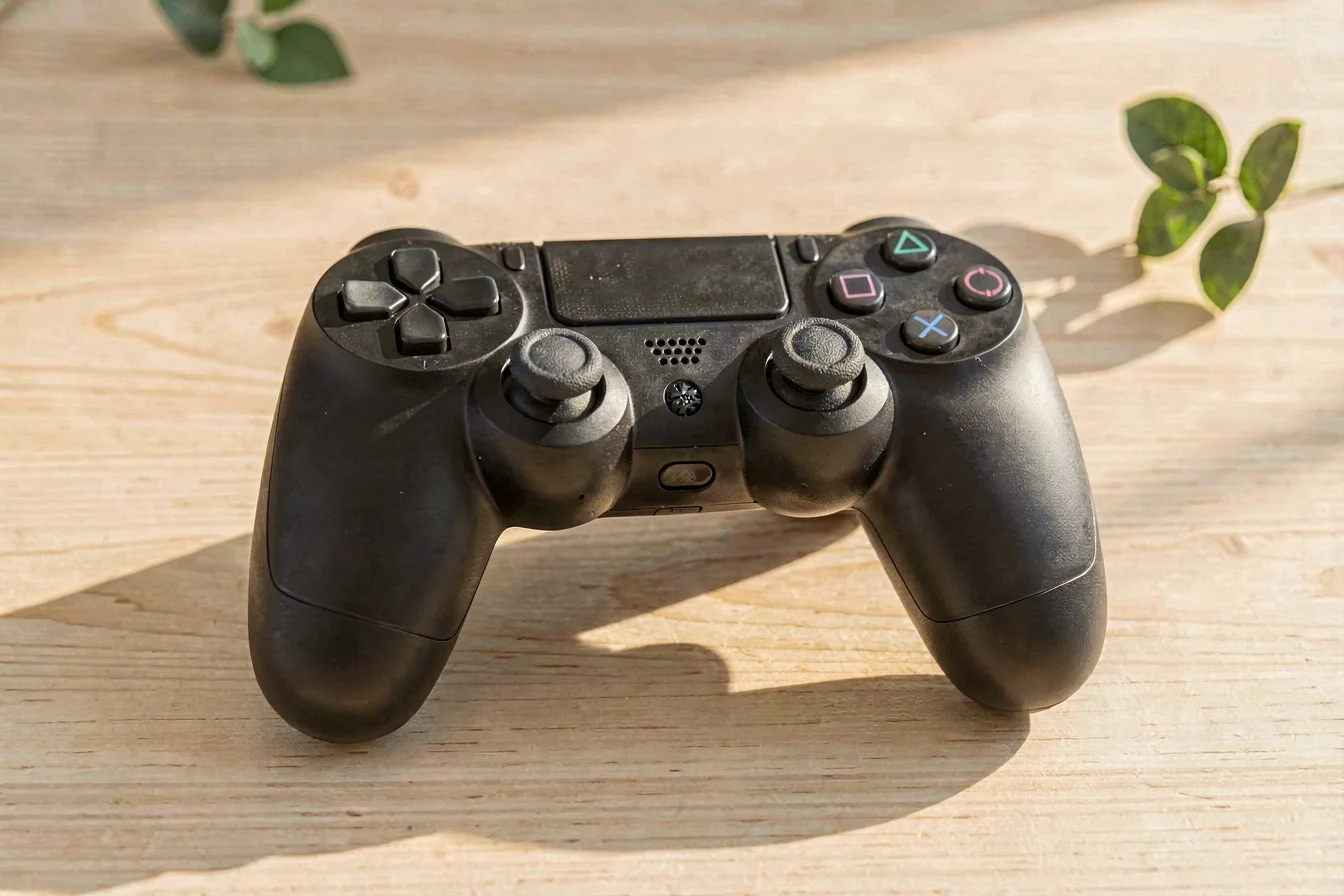
Demand for PS4 controller remains strong, with stable supply and viable procurement options for both OEM and third-party variants. Buyers should prioritize reliability, warranty, and compatibility, as third-party controllers offer cost savings but require careful vetting for quality and authenticity. Supply chain resilience is supported by continued PS4 console presence and cross-platform gaming trends, with price points ranging from $17 to $70 and positive sentiment for high-performing alternatives.
The PS4 controller category is trending due to the enduring popularity of PS4 consoles, cross-platform gaming, and the availability of cost-effective third-party alternatives. Buyers must consider compatibility, drift risk, battery life, and warranty when sourcing. The market is shaped by legacy demand, ongoing console support, and the appeal of upgraded features in pro controllers. Selection criteria for the curated list prioritize reliability, user reviews, and verified OEM status, as counterfeit and low-quality units are common pain points.
| Trend Factor | Current Status | Impact on Buying Decision |
|---|---|---|
| Legacy Gaming | PS4 still widely used | Stable demand for controllers |
| Cross-Platform Compatibility | Controllers work on PC, PS4, and PS4 Pro | Broader appeal, increased SKU value |
| Authenticity Concerns | Fakes common in third-party | Buyer must vet suppliers |
| Battery Life/Drift Issues | OEM better; third-party mixed | Affects long-term value |
Buyers should weigh cost savings against reliability, warranty, and compatibility when sourcing PS4 controller products.
Market volatility for PS4 controller is moderate, with supply chains stable but some risk for counterfeit and low-quality units. Industry drivers include ongoing PS4 console usage, cross-platform gaming, and the proliferation of upgraded pro controller variants. Macro risks include rising counterfeit prevalence and drift complaints, which can impact buyer trust. Supply chain dynamics favor OEM Sony DualShock 4 for warranty and reliability, while third-party controllers offer price advantages but require careful sourcing. Macroeconomic factors—such as console lifecycle and gaming migration—are less pronounced, but legacy gaming and PC compatibility continue to drive demand.
| Market Dimension | Current Status | Impact Level |
|---|---|---|
| Supply Chain Stability | Stable, but counterfeit risk | Medium |
| OEM vs. Third-Party | OEM for warranty, third-party for price | High |
| Compatibility | Wide across PS4, PC, and PS4 Pro | High |
| Drift Issues | Frequent in third-party | Medium |
| Battery Life | OEM better; third-party mixed | Medium |
Market stability is supported by legacy demand and cross-platform compatibility, but buyers must be vigilant about counterfeit and drift risks.
Google Trends search interest for PS4 controller variants (2025–2026)
Google Trends show that search interest for PS4 controller variants is steady, with “PS4 pro controller” peaking in November 2025 and remaining strong through early 2026. Peaks align with console upgrades and gaming events, indicating ongoing demand for upgraded controller models. Buyers should time procurement around these peaks for optimal pricing and availability, but sustained interest suggests stable sourcing opportunities throughout the year.
Sustained search momentum for PS4 pro controller signals ongoing demand for upgraded variants, supporting strategic procurement around seasonal peaks.
Reddit discussions reveal frequent concerns about authenticity, drift issues, and warranty. Buyers emphasize the importance of purchasing from reputable retailers to avoid counterfeit units, with many preferring OEM Sony DualShock 4 for reliability and warranty. TikTok trends highlight controller mods, battery upgrades, and ergonomic improvements, with influencers showcasing cost-effective third-party alternatives and DIY fixes. Sentiment is mixed—OEM controllers are praised for reliability and warranty, while third-party units are valued for price but criticized for build quality and drift complaints. Resale value is higher for OEM controllers, but third-party units can offer good value if vetted carefully.
"It’s fake... For controllers, it’s just best to buy from an official retailer. It costs the same everywhere. Peace of mind is worth the msrp." [7]
"DS4 controllers comes with a year of warranty as long as they are new. If they definitely have a PS4, you could just get a DualShock 4. Make sure to get one from a reputable retailer, as there are a lot of fakes on the second hand market." [8]
| Dimension | Reddit Insights | TikTok Insights |
|---|---|---|
| Authenticity | Buy OEM for warranty; avoid fakes | Mods and upgrades, but caution on fakes |
| Drift Complaints | Common in third-party | DIY fixes, but not always effective |
| Battery Life | OEM better; third-party mixed | Battery mods, upgrades recommended |
| Resale Value | Higher for OEM | Mixed for third-party |
OEM controllers are favored for reliability and warranty, but third-party units can offer good value if carefully vetted and upgraded.
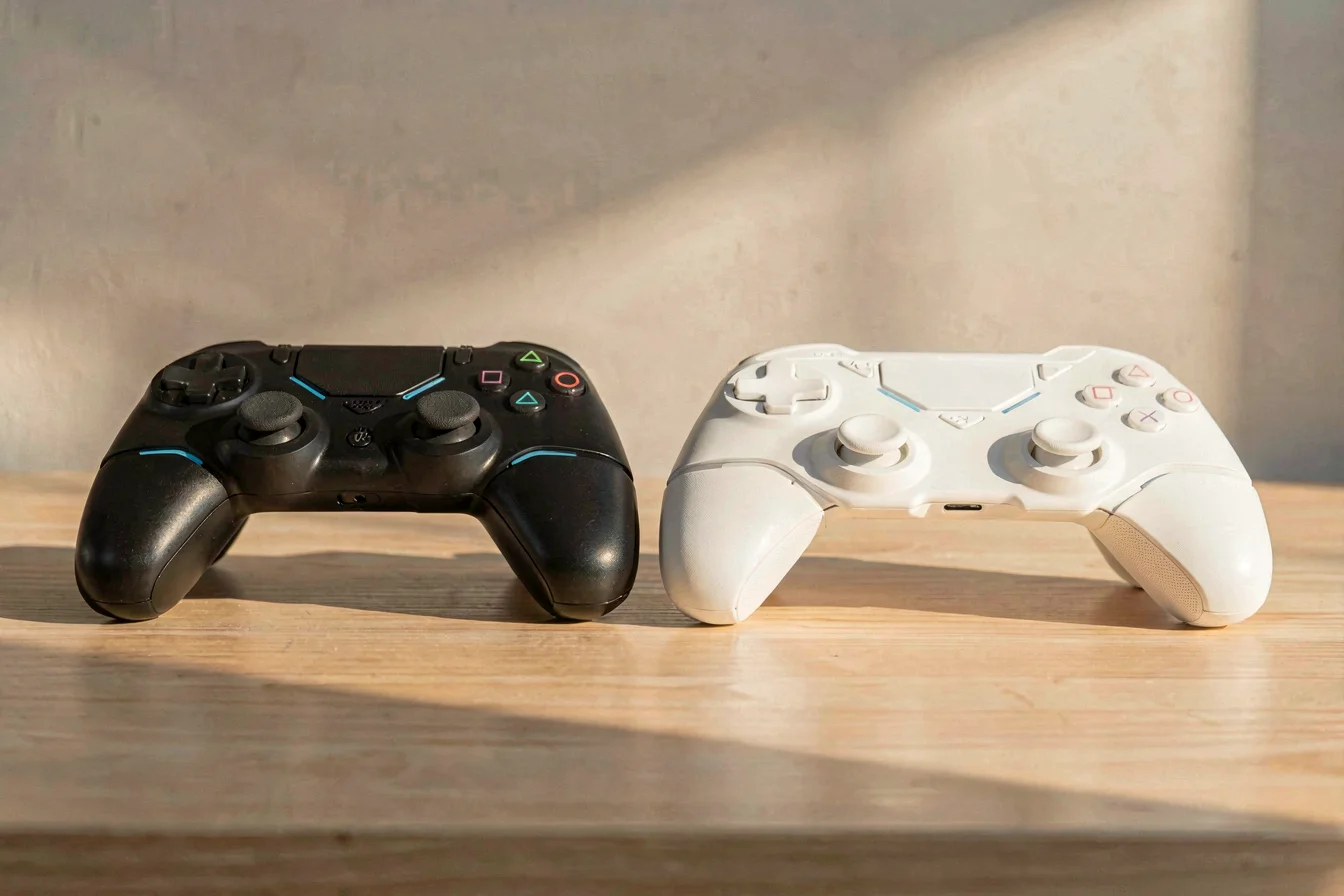
Amazon data reveals top-selling PS4 controller products cluster around price, compatibility, and features. AceGamer and TIANHOO controllers dominate for cost and versatility, while Sony DualShock 4 and pro controllers lead for reliability and warranty. Buyers prioritize dual vibration, touchpad, motion sensing, and ergonomic design. Price points range from $17 to $70, with ratings between 4.1 and 4.6/5.0. Key features include USB-C charging, 6-axis motion sensor, and improved battery life. OEM controllers command premium pricing but offer superior warranty and resale value.
| Image | Name | Price | Rating | Key Features |
|---|---|---|---|---|
 |
AceGamer 2 Pack Wireless Controller | $32.98 | 4.3 | Dual vibration, touchpad, USB-C, turbo setting |
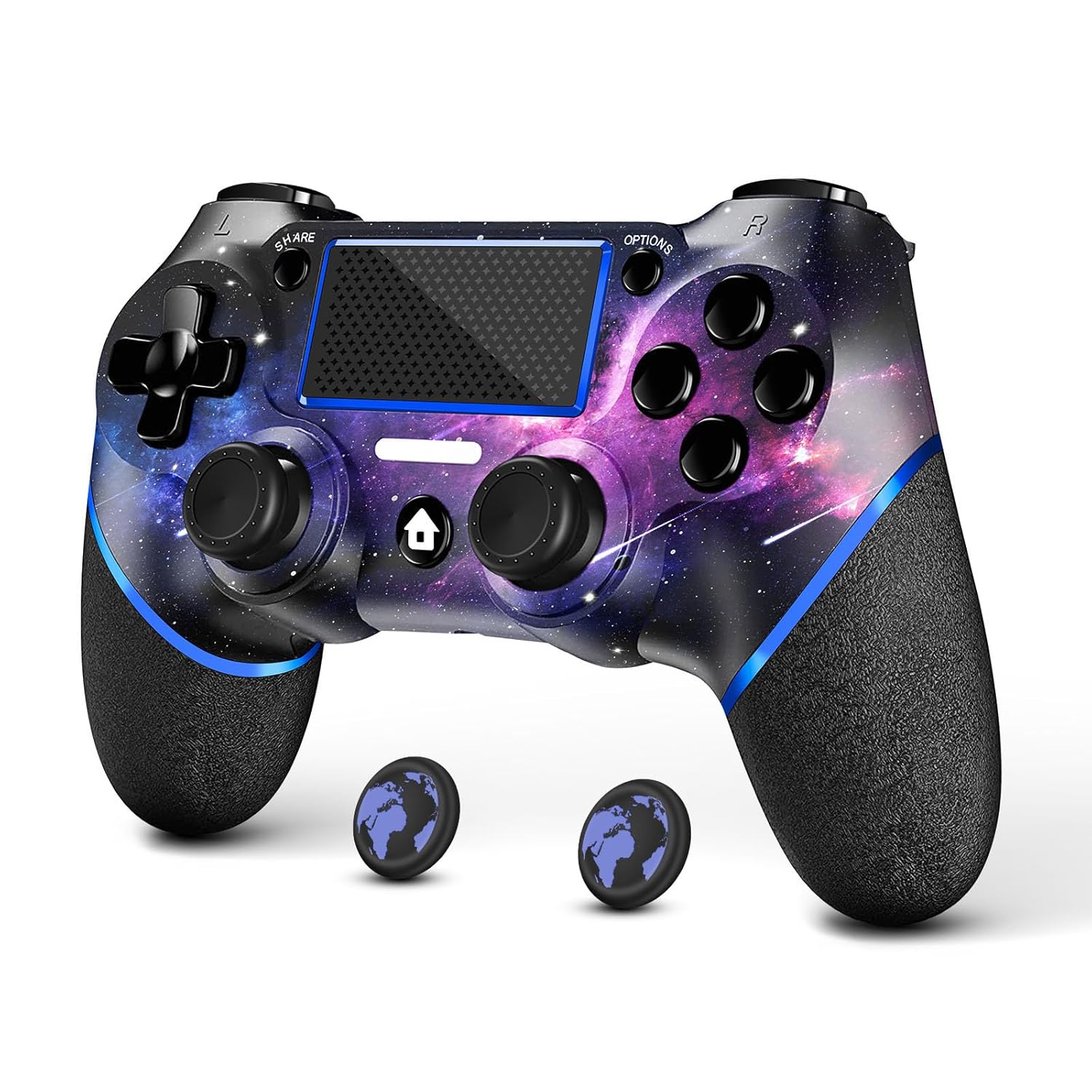 |
AceGamer Galaxy Wireless Controller | $21.99 | — | Custom design, turbo function, 3.5mm audio jack |
 |
TIANHOO Graffiti Wireless Controller | $17.99 | 4.2 | Motion sensing, touchpad, LED light bar |
 |
SZYUYU Flame White Wireless Controller | $18.97 | 4.2 | Six-axis motion, touchpad, ergonomic design |
 |
Wireless Dual Vibration Controller | $19.99 | 4.1 | Dual vibration, touchpad, 3.5mm audio jack |
 |
Black PS4 Controller | $32.98 | 4.5 | Dual vibration, motion sensor, LED light bar |
 |
Sony PlayStation DualShock 4 Glacier White | $69.9 | 4.5 | Precision control, touchpad, built-in speaker |
 |
Quevati White Wireless Controller | $17.99 | 4.2 | Dual vibration, motion sensing, touchpad |
 |
DualShock Blue Camouflage (Renewed) | $45.95 | 4.1 | Precision control, share button, touchpad |
 |
Sony Playstation 4 Dual Shock 4 Controller | $35.99 | 4.6 | Wireless, precision control, touchpad |
OEM Sony controllers command premium pricing but offer reliability, warranty, and resale value, while third-party controllers lead for price and versatility.
Buyers praise OEM controllers for reliability, warranty, and ergonomic design, while third-party controllers are valued for price and features but criticized for build quality, drift issues, and battery life. Positive reviews highlight quick pairing, responsive buttons, and long battery life. Negative reviews focus on drift, spongy triggers, and poor battery performance. Buyers recommend upgrading batteries for third-party controllers and emphasize the importance of warranty and authenticity.
"SHOWED UP A DAY EARLY... These controllers are AMAZING. I figured $30 for two controllers, meant they'd be cheap garbage, but they are surprisingly good. They feel high end, the battery lasts forever, and they work flawlessly." [2]
"As most reviews have stated, this is a pretty solid replica with subpar battery life. For the price, it's pretty good, but if you know how to upgrade the battery, do it! It comes with an 800 mAh battery, I'm going from that to a 1200mAh took the battery life from 4 hours max to an easy 6+ hours." [2]
| Product Name | Top Praise | Top Complaint | Overall Sentiment |
|---|---|---|---|
| AceGamer 2 Pack | High end feel, long battery life | Heavy, but preferred by some | Positive |
| TIANHOO Graffiti | Bright colors, responsive buttons | Initial setup issues | Positive |
| Wireless Dual Vibration | Solid replica, upgradeable battery | Battery life, build quality | Mixed |
| Sony DualShock 4 | Reliability, warranty, ergonomic design | Premium price | Positive |
| Quevati White | Good for price, works on Steam | Build quality | Positive |
Buyers value reliability and warranty for OEM controllers, while third-party units are praised for price but require careful vetting and battery upgrades.
Reliability benchmarks for PS4 controller include defect rates, maintenance cycles, battery life, and warranty. OEM Sony DualShock 4 has lower defect rates and longer service life, with warranty support and fewer drift complaints. Third-party controllers vary—some offer good battery life and ergonomic design, but drift issues and battery degradation are common. Strategic sourcing should prioritize OEM for warranty and reliability, while vetting third-party suppliers for quality assurance. Risk mitigation includes rigorous supplier vetting, warranty checks, and battery upgrades. Price negotiation levers include bulk ordering, warranty extensions, and quality certifications.
| Benchmark Dimension | OEM Sony DualShock 4 | Third-Party Controllers |
|---|---|---|
| Defect Rate | Low | Medium-High |
| Battery Life | Long (up to 10+ hours) | Mixed (4–10 hours) |
| Drift Complaints | Rare | Common |
| Warranty | 1 year | None or short |
| Service Life | Long (2–3 years) | Short (1–2 years) |
Reliability performance should drive sourcing decisions—OEM controllers offer warranty and lower defect rates, while third-party units require careful vetting and battery upgrades.
The future of the PS4 controller category is shaped by continued legacy gaming, cross-platform compatibility, and the proliferation of upgraded pro controller variants. Technology trends include improved battery life, motion sensing, and ergonomic design, with pricing expected to remain stable as supply chains adapt to console lifecycle migration. Buyers should prioritize OEM controllers for reliability and warranty, but explore third-party options for cost-effective upgrades and battery mods. Strategic procurement should focus on verified suppliers, warranty extensions, and battery upgrades for third-party units, ensuring supply chain resilience and maximizing resale value. As gaming continues to evolve, buyers should monitor market trends and supplier quality to optimize sourcing decisions and maintain competitive advantage.
Buyers should leverage OEM reliability and warranty, vet third-party suppliers for quality, and stay informed on market trends to optimize sourcing and maximize value for PS4 controller procurement.