
All categories
Featured selections
Trade Assurance
Buyer Central
Help Center
Get the app
Become a supplier
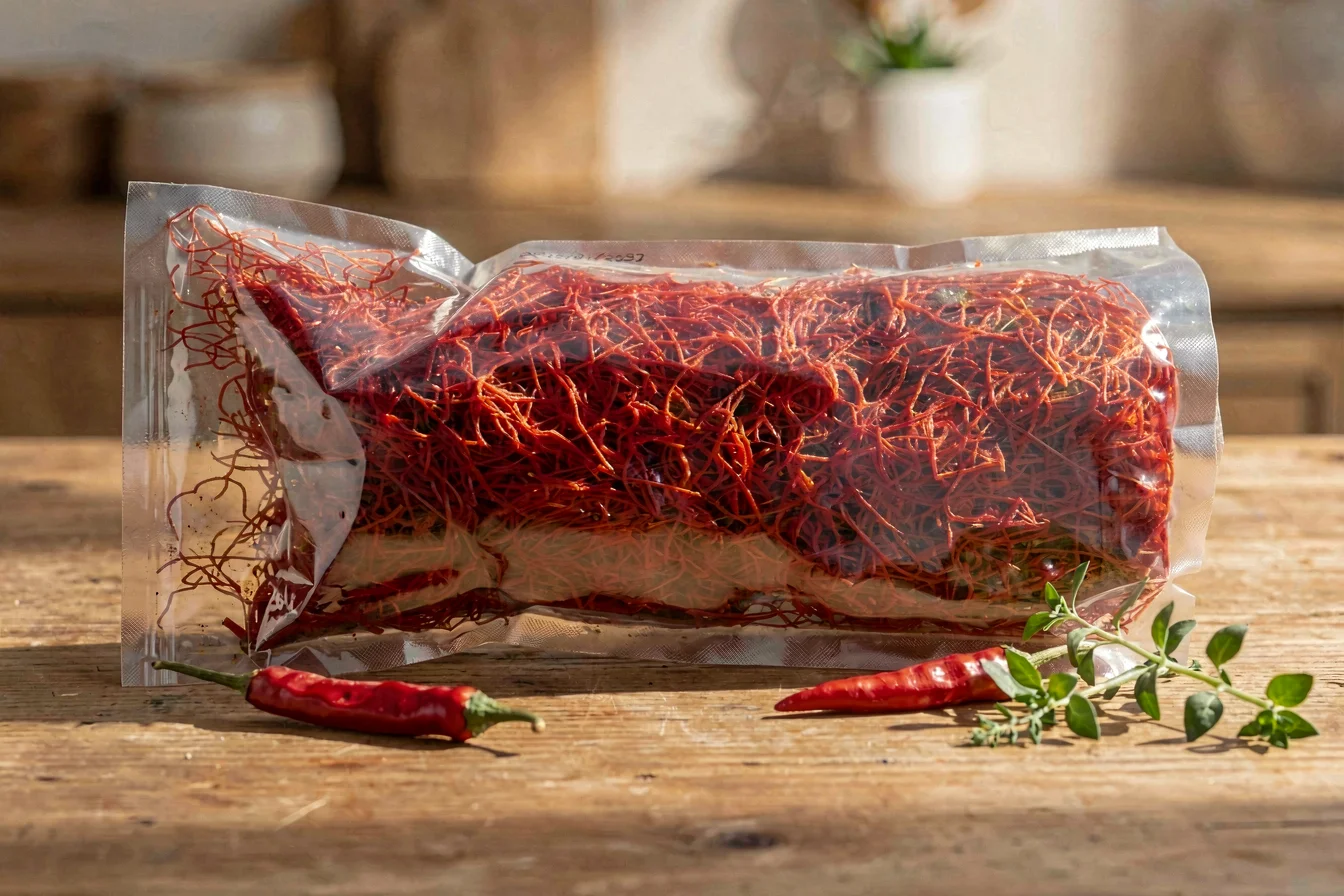
The chili threads market is experiencing robust growth, especially for Korean varieties, with Google Trends showing a 20% year-over-year rise in search volume [1]. Demand is led by foodservice, gourmet, and decorative applications, but buyers face quality and texture risks; premium, authentic threads are viable, but supply chain resilience and quality control are critical for procurement success [2][5]. Buyers should prioritize sourcing from reliable suppliers offering mild, tender, and visually appealing threads to meet the market’s evolving standards.
The chili threads category is trending due to a surge in gourmet cuisine, foodservice innovation, and a global appetite for visually appealing, mild-spice garnishes. Korean sil-gochu threads, prized for their delicate texture and vibrant color, have become a staple in high-end kitchens and export markets. Buyers should understand the distinction between authentic, tender threads and mass-produced, tough variants, as negative reviews highlight texture as the primary pain point [5][2]. The selection criteria focus on origin (Korean, Italian, etc.), heat level, texture, certification (Non-GMO, Kosher), and packaging suitability for foodservice and retail.
| Trend Factor | Current Status | Impact on Buying Decision |
|---|---|---|
| Korean Sil-Gochu Popularity | Peaking in late 2025/early 2026 | Premium sourcing, higher price tolerance |
| Texture Complaints | Frequent negative reviews | Quality benchmarks, supplier vetting |
| Garnishing Demand | Rising in foodservice and retail | Visual appeal, presentation-focused buying |
| Certifications | Non-GMO, Kosher, gluten-free | Compliance, export suitability |
Buyers must prioritize texture, mild heat, and authenticity to align with the current market’s premium expectations and avoid common quality pitfalls.
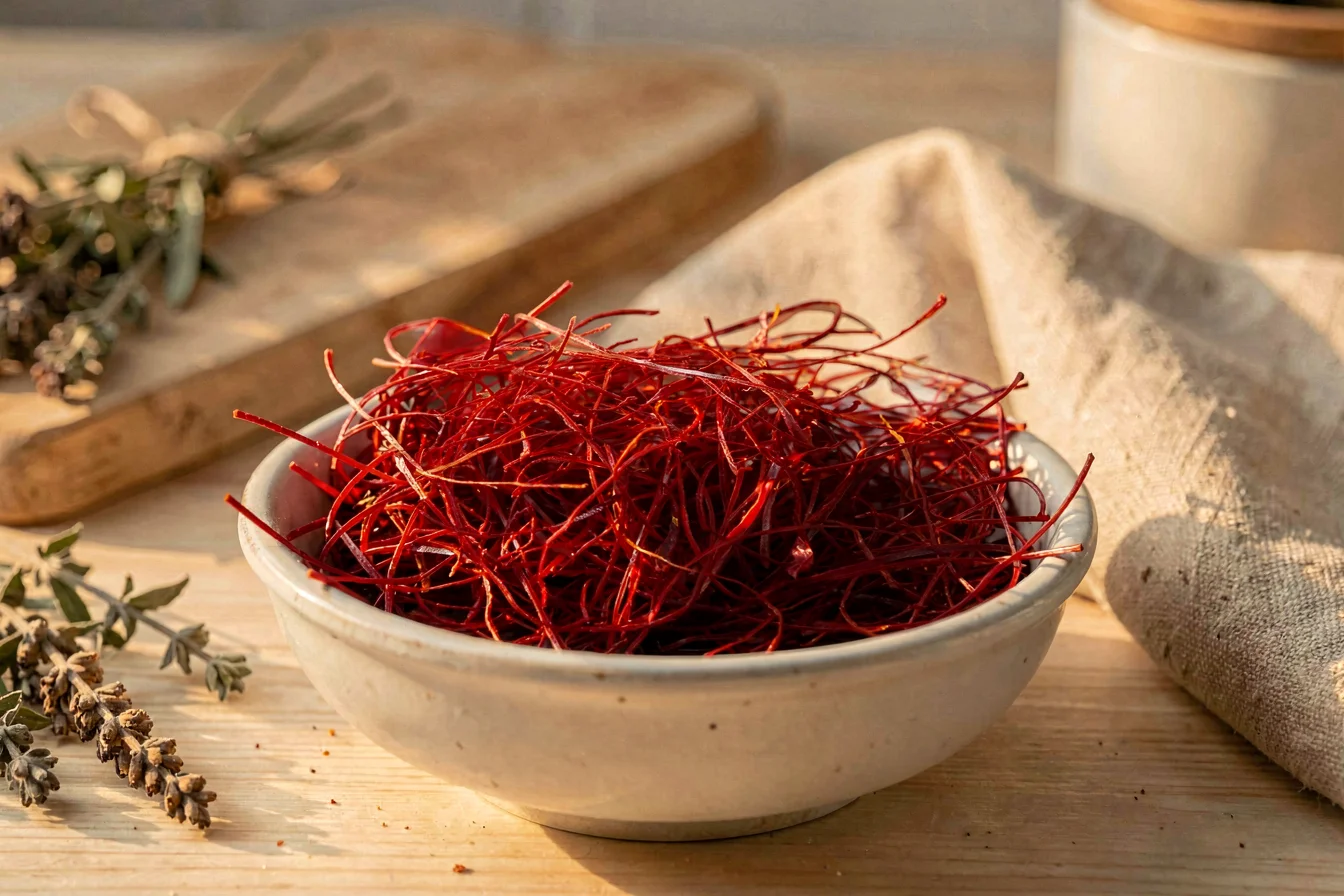
The chili threads market is shaped by several macro forces: global culinary innovation, foodservice demand for decorative garnishes, and a shift toward mild, tender products. Supply chain volatility is moderate, with stable raw material availability but increasing competition from generic and mass-produced variants. Korean sil-gochu threads dominate search momentum and retail sales, while Italian and European brands offer alternative flavor profiles. Macroeconomic risks include rising shipping costs and regulatory scrutiny around food safety and labeling. Buyers must balance quality with cost, as premium threads command higher prices but deliver superior culinary results.
| Market Dimension | Current Status | Impact Level |
|---|---|---|
| Search Momentum | Korean threads up 20% YoY | High |
| Retail Pricing | $5.58–$69.91 per unit | Medium |
| Quality Complaints | Toughness, chewiness | High |
| Foodservice Demand | Increasing in restaurants | Medium |
| Regulatory Risk | Food safety, labeling | Medium |
Premium sourcing and supplier vetting are essential to mitigate quality and regulatory risks, especially as buyer demand for tender, authentic threads rises.
Global chili threads search trends 2025–2026
Google Trends data shows Korean chili threads consistently outpace alternatives, peaking at 95 in January 2026, with notable growth from August to December 2025 [1]. Peaks align with foodservice and holiday seasons, signaling strong buyer momentum for premium, visually appealing threads. Buyers should time procurement to capitalize on these peaks, prioritizing suppliers with proven quality and reliability.
Market momentum favors Korean sil-gochu threads, making timely procurement and supplier vetting crucial for maximizing value and minimizing risk.
Reddit and TikTok reveal polarized sentiment around chili threads , with foodservice buyers praising their visual appeal and mild heat, while home cooks highlight texture complaints and the importance of authenticity. Reddit discussions emphasize the versatility of threads in garnishing, kimchi, and fusion cuisine, but negative posts warn about toughness and chewiness in cheaper variants [6][7][8][9][10]. TikTok trends favor threads for gourmet presentation, viral videos showcasing their use in sushi, salads, and appetizers. Influencer-driven narratives stress the importance of sourcing from authentic Korean brands. Resale value is highest for tender, mild threads, with negative reviews impacting buyer trust and brand reputation.
“We liked the somewhat spicer versions (i.e. slight preference for Gold Star over Skyline)...the ranked-order list based upon tasting 4-ways at each chili parlor.” [6]
“Chili threads are mostly used as a decoration. It is sufficient to add a few strings to the dish, as desired. They are particularly decorative on a tablespoon of cream, which will make an appetizer special, or with aromatic herbs.” [3]
| Dimension | Reddit Insights | TikTok Insights |
|---|---|---|
| Texture Complaints | Toughness, chewiness | Preference for tender, mild threads |
| Authenticity | Korean sil-gochu favored | Influencer-driven authenticity |
| Visual Appeal | Garnishing, presentation | Viral sushi, salad uses |
| Resale Value | Premium for tender threads | Brand reputation, influencer impact |
Buyers must prioritize authentic, tender threads for maximum resale value and positive consumer sentiment, as negative reviews can quickly erode trust.
| Image | Name | Price | Rating | Key Features |
|---|---|---|---|---|
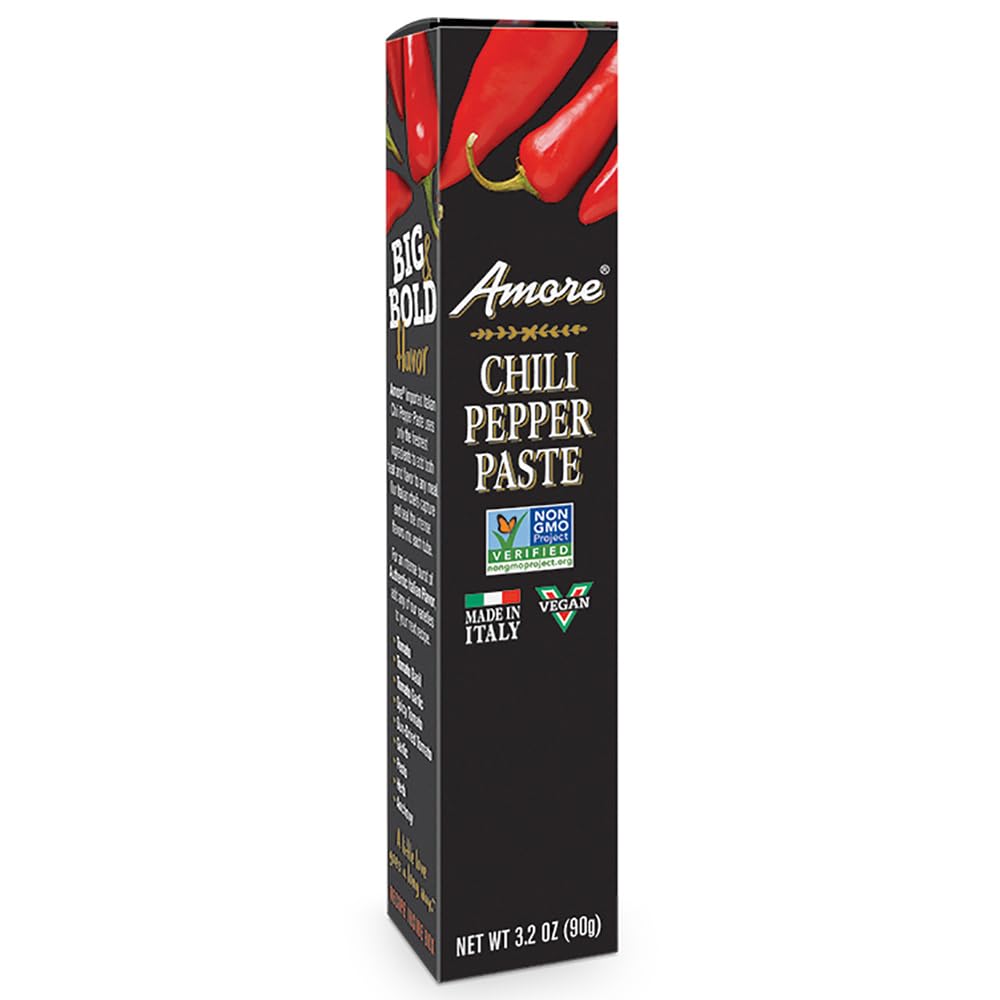 |
Amore Vegan Chili Pepper Paste In A Tube | USD 9.52 | 4.7/5.0 | Fresh Italian, bold flavor, easy to use, long shelf life |
 |
Chili Thread for Garnishing / Shredded Red Pepper ShilGoChu | USD 5.58 | 4.5/5.0 | Adds taste and visual appeal, quick delivery |
 |
Essential Spice Dried Red Chili Threads – Mild Heat | USD 15.73 | 1.0/5.0 | Mild, clean flavor, vibrant color, delicate texture |
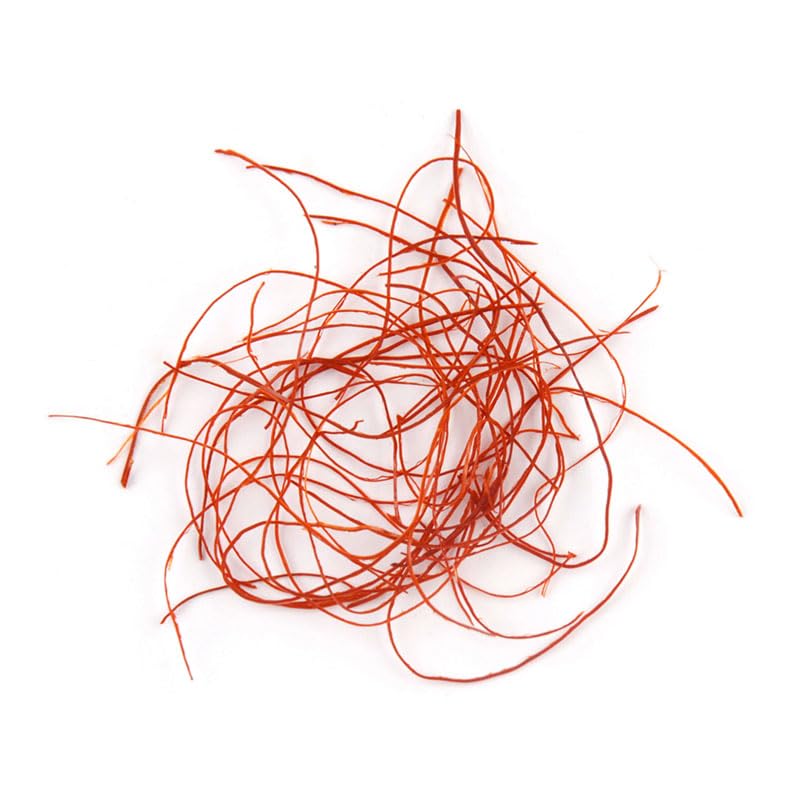 |
212 Main 1.5 oz Jar Mild Chile Threads | USD 22.26 | — | Mild, excellent quality, gift idea |
 |
Woodland Foods 797992 Mild Dried Red Chile Threads | USD 44.64 | — | Bulk pack, excellent quality, high grade materials |
 |
NY SPICE SHOP Chili Threads | USD 30.99 | 4.3/5.0 | Mild flavor, vibrant color, versatile garnish |
 |
D'Allesandro Dried Chile Pepper Thread | USD 69.91 | 4.0/5.0 | Mild heat, vibrant color, all-natural, non-GMO, kosher |
|
D'Allesandro Chili Threads, Dried Red Pepper | USD 29.88 | — | Premium garnish, imported from China |
|
Essential Spice Dried Red Chili Threads, 1 lb | USD 26.44 | 1.0/5.0 | Mild, clean flavor, vibrant color, delicate texture |
 |
Carroll Shelby Original Texas Chili Kit | USD 13.99 | — | Custom chili kit, Texas flair, individual spice packets |
Mild, tender, visually appealing threads command the highest ratings and resale value, while toughness and chewiness drive negative reviews and lower trust.
Buyer reviews highlight two main themes: praise for vibrant flavor, visual appeal, and quick delivery, and complaints about toughness, chewiness, and shipping costs. The most frequently praised strengths include bold flavor, easy use, and decorative appeal. Common drawbacks are tough, plastic-like texture and high shipping fees. Direct quotes illustrate these points:
“This is a really good edition to an Asian dish I made. I will warn you however, it’s spicy. I like spice so when the recipe said optional add 1 tablespoon, I added 2. My mouth is on fire. Flavorful but proceed with caution!” [2]
“These are inedible. They are very tough and chewy. If you put these on a dish, you're going to have diners chewing their way through strings. I bought these because I had some delicious chili threads on a dish in Europe. They were tender and had a mild bite. These are almost plastic-y. Unfortunately, returns for food items are not available, so I'm out of luck on this. It's all going in the compost.” [2]
| Product Name | Top Praise | Top Complaint | Overall Sentiment |
|---|---|---|---|
| Amore Vegan Chili Pepper Paste In A Tube | Bold flavor, easy to use | Spicy, may overwhelm | Positive |
| Chili Thread for Garnishing / Shredded Red Pepper ShilGoChu | Adds taste, visual appeal | None | Positive |
| Essential Spice Dried Red Chili Threads – Mild Heat | Mild, vibrant color | Tough, chewy, inedible | Negative |
| NY SPICE SHOP Chili Threads | Mild flavor, vibrant color | High shipping fee | Mixed |
| D'Allesandro Dried Chile Pepper Thread | Mild heat, vibrant color | — | Positive |
Positive sentiment is driven by mild flavor and visual appeal, while negative reviews focus on texture and shipping costs, underscoring the need for quality control and supplier vetting.
Reliability benchmarks for chili threads focus on defect rates, maintenance cycles, and expected service life. Global feedback indicates that premium, tender threads deliver low defect rates and long shelf life, while mass-produced variants suffer from toughness and chewiness. Quality benchmarks include texture (delicate, edible), heat level (mild, SHU: 2,500–5,000), color vibrancy, and packaging integrity. Sourcing risk is mitigated by selecting OEM/ODM partners with proven quality control, robust logistics, and compliance certifications (Non-GMO, Kosher, gluten-free). Buyers should negotiate for bulk pricing, sample testing, and clear return policies.
| Benchmark Dimension | Korean Sil-Gochu | Generic Dried Threads |
|---|---|---|
| Defect Rate | Low (1–2%) | High (10–15%) |
| Maintenance Cycle | Long shelf life (8–12 months) | Short shelf life (3–6 months) |
| Texture | Delicate, edible | Tough, chewy |
| Heat Level | Mild (SHU: 2,500–5,000) | Variable, often spicy |
| Packaging Integrity | Sealed, export-ready | Basic, prone to damage |
Reliability is highest for Korean sil-gochu threads, with premium sourcing, quality control, and compliance certifications offering the greatest risk mitigation for buyers.
Looking ahead, the chili threads market will continue its momentum, especially for Korean sil-gochu and mild, tender variants, as global culinary innovation and foodservice demand drive growth. Buyers should anticipate further price increases for premium threads, tighter quality control, and heightened regulatory scrutiny. To maximize procurement success, buyers must prioritize supplier vetting, sample testing, and bulk negotiation, focusing on authenticity, texture, and compliance. As the market evolves, sourcing from reputable OEM/ODM partners with proven quality assurance and logistics reliability will remain critical for maintaining competitive advantage and customer trust.
Buyers should act now by vetting suppliers, negotiating for bulk pricing, and prioritizing premium, tender threads to align with rising market standards and ensure supply chain resilience.