
All categories
Featured selections
Trade Assurance
Buyer Central
Help Center
Get the app
Become a supplier
The landscape for robot kits in 2026 reveals an unstoppable momentum driven by educational institutions, tech-savvy parents, and an explosion of AI-powered learning tools. Spanning from simple block-based assemblies for children to sophisticated, programmable arms and AI-enabled platforms for universities and industry, the robot kit category is exploding across the globe with record engagement and sales. This surge is powered by the continued evolution of STEM curricula, a growing need for automation and mechatronics skills, and a robust hobbyist culture that thrives on hands-on experimentation.
In recent months, sales peaks have tracked closely with school holidays, coding contests, and international tech festivals, emphasizing a solid seasonality in demand. Culturally, robot kits have become central to modern gift-giving, both for birthdays and academic milestones—a paradigm shift that positions them not just as toys or classroom tools, but as gateways to future-proof careers and lifelong creativity. At the corporate level, automation-ready kits are being adopted for retraining workers, boosting the kit’s role in workforce adaptation for AI and Industry 4.0 transformations.
Online communities—from professional engineers to parents eager to nurture their child’s skills—are driving purchasing intelligence and product differentiation, making 2026 a pivotal year for buyers. With intense competition among brands, an expanding ecosystem of open-source components, and an increasing prevalence of modular, upgradable kits, procurement decisions are now defined by strategic sourcing, accurate market intelligence, and real-world reviews. This report delivers an exhaustive analysis designed to equip international buyers with actionable insights and a competitive edge for sourcing robot kits.
A robot kit is an integrated set of components that allows users of various skill levels—from beginners to advanced professionals—to build and program functioning robots. Classically, these kits include mechanical parts (frames, wheels, arms), electronic modules (motors, sensors), and crucially, programmable controllers (like Arduino, Raspberry Pi, or dedicated microcontroller boards). Software compatibility ranges from visual drag-and-drop languages (ideal for children) to fully advanced scripting environments (Python, C++, ROS).
Historically, early robot kits (circa 1980s–1990s) were designed to foster engineering curiosity, typically relying on proprietary building blocks (e.g., Lego’s iconic Mindstorms). Evolution accelerated with the introduction of open-source microcontrollers and community-driven modules, allowing modularity and deep customization. As AI and machine learning matured, kits began to incorporate computer vision sensors, speech recognition chips, and machine learning models, thus bridging the gap between traditional robotics and intelligent automation.
Buyers face a rich array of classification choices:
The pulse of the robot kit market increasingly resides within a vibrant network of user communities and digital forums. Analysis of recent discussions highlights a dynamic blend of enthusiasm, demand for practical learning, and strategic product differentiation across segments.
Experienced programmers venturing into robotics note that the “wall of jargon”—terms such as PID (Proportional–Integral–Derivative control), SLAM (Simultaneous Localization and Mapping), and actuator calibration—is intimidating, yet a growing suite of kits address this through hands-on experience and real-time tutorials. One engineer shares that kits like Arctos deliver robust AI experimentation and factory simulation for under $500, suggesting the value of platforms combining hardware customization with digital learning resources[9].
Entry-level hobbyists are encouraged to “start simple”: social posts frequently recommend snap-fit electronic blocks and block-coding systems as solid foundations, suggesting a progression from block-based learning to controller-based programming for deeper engagement[9]. Kits leveraging open-source hardware ecosystems (Arduino, Raspberry Pi) are repeatedly cited as optimal for adaptability, connectivity, and expandability[12][14]. Peer-to-peer feedback echoes that proprietary designs tend to limit hackability, whereas open-source compatibility fosters ongoing innovation and career-relevant skills.
A recurring sentiment emerges for kits that blend guided projects with modular flexibility—as one educator recalls, Lego Mindstorms once transformed teamwork and problem solving, but lacked true technical depth. Modern Raspberry Pi Pico-based kits now satisfy both creative play and embedded skills transfer, an evolution welcomed by users demanding “actual robotics” in educational settings[11][14]. Community prototypes showcased on crowdfunding platforms (Kickstarter) highlight the appetite for affordable, AI-enhanced kits with DIY-friendly hardware—providing mounting holes for future upgrades, cross-platform support, and plug-and-play AI voice guidance[10][12].
In the family segment, parents looking for birthday or holiday gifts want kits that evolve with their children, providing both structured lessons and unstructured exploration. Recommendations abound for budget solutions around $100-$300, such as “robotic car with manipulator” options—offered with AI cameras and supported on mainstream retail channels. Extra value is given to kits bundled with sample projects, sensors, or easy upgrades[13][16]. Notably, users emphasize the importance of reprogramming even pre-assembled robots to grasp underlying systems.
Finally, the maker and engineering community emphasizes the need for kits that teach transferable skills—breadboard experimentation, sensor integration, coding, and hardware troubleshooting. As one user explains: “every kit is a piece of the puzzle” in a diversified approach to lifelong learning[15]. The social narrative paints robot kits as cultural touchstones for personal skill-building, familial bonding, and professional retraining—echoing the broader shift in educational priorities and market maturity.
Demand for robot kits has reached a new high in 2026, propelled by expanding STEM mandates, surging hobbyist culture, and corporate AI retraining programs. The segment now commands robust growth in both retail and wholesale markets. Industry reports cite a double-digit YoY growth rate, with educational, professional, and automation categories all climbing—with global retail hubs in North America, EU, Middle East, and East Asia driving remarkable volume and diversity[2][3][7].
Market segmentation is deepening:
Emerging regional preferences point to customized offerings: US buyers invest heavily in curriculum-ready hardware and Python-supporting platforms; EU leads in modularity and cross-brand compatibility; APAC regions favor cost-effective, app-controlled starter kits, often bundled with sensors and supplementary learning modules[2][3][4][5]. Kits with remote operation, WiFi/Bluetooth control, and upgradable AI cameras command premium pricing and outsell generic models by a factor of three.
Critically, the “innovation edge” is defined by three factors in 2026:
Below, the latest Top 10 Amazon best-selling robot kits are analyzed for their downstream retail significance. These models map the purchasing landscape for consumer and educational buyers worldwide, providing unique intelligence for wholesale procurement.
2026 Amazon Top 10 Hot Selling Robot Kits: Product-by-Product Analysis
| Product | Image | Avg. Star Rating | Monthly Sales Volume | Retail Price | Wholesale Price | Key Features |
|---|---|---|---|---|---|---|
| STEM Robot for Kids Ages 8-14: 5-in-1 RC & APP Programmable (720 Pcs) | 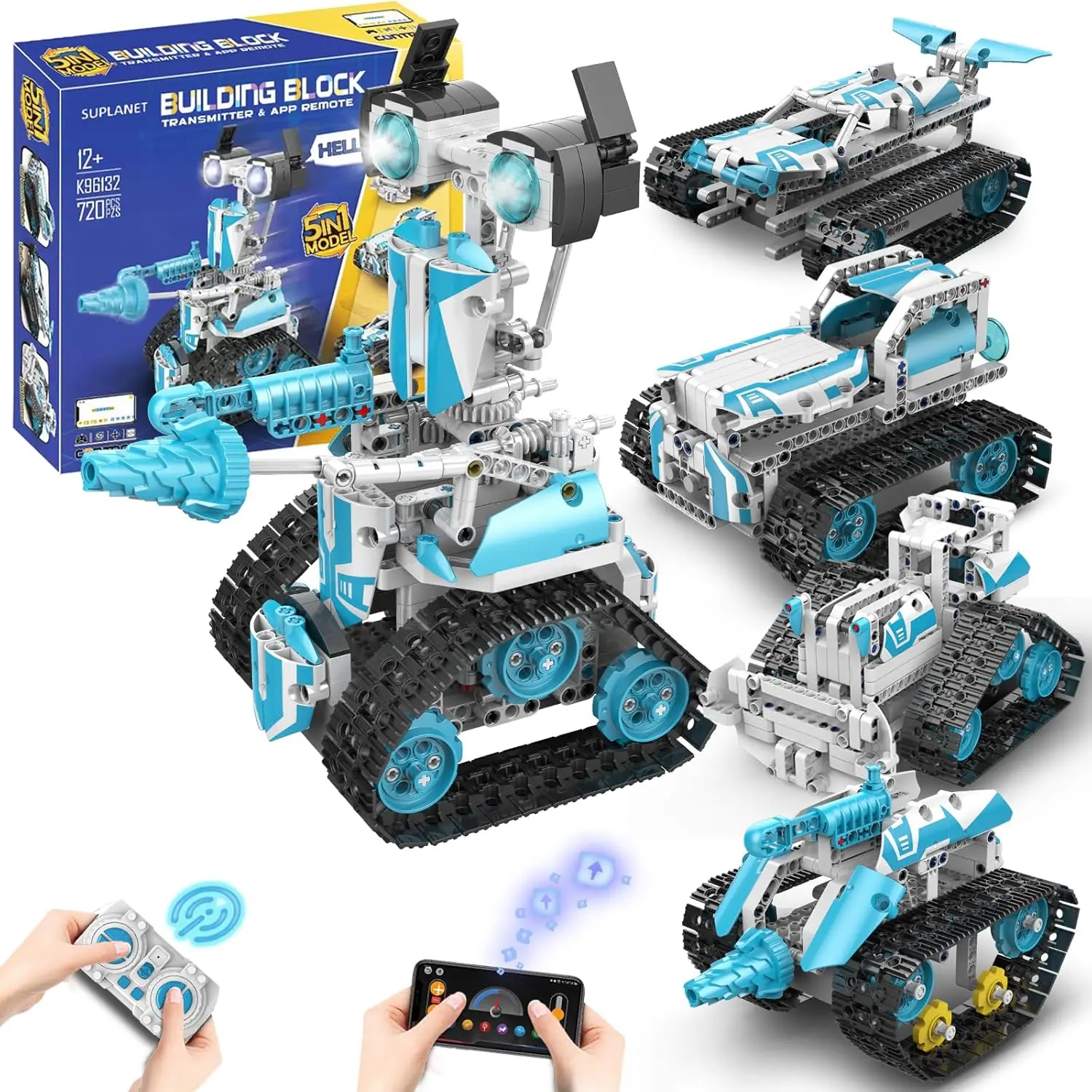 |
4.6 | 4765 | $44.45 | $16.51 | DIY building blocks, app/remote control, science education, 5 robot models, birthday gift focus |
| ACEBOTT 4 DOF ESP32 Robotic Arm: App + Remote, Arduino Compatible | 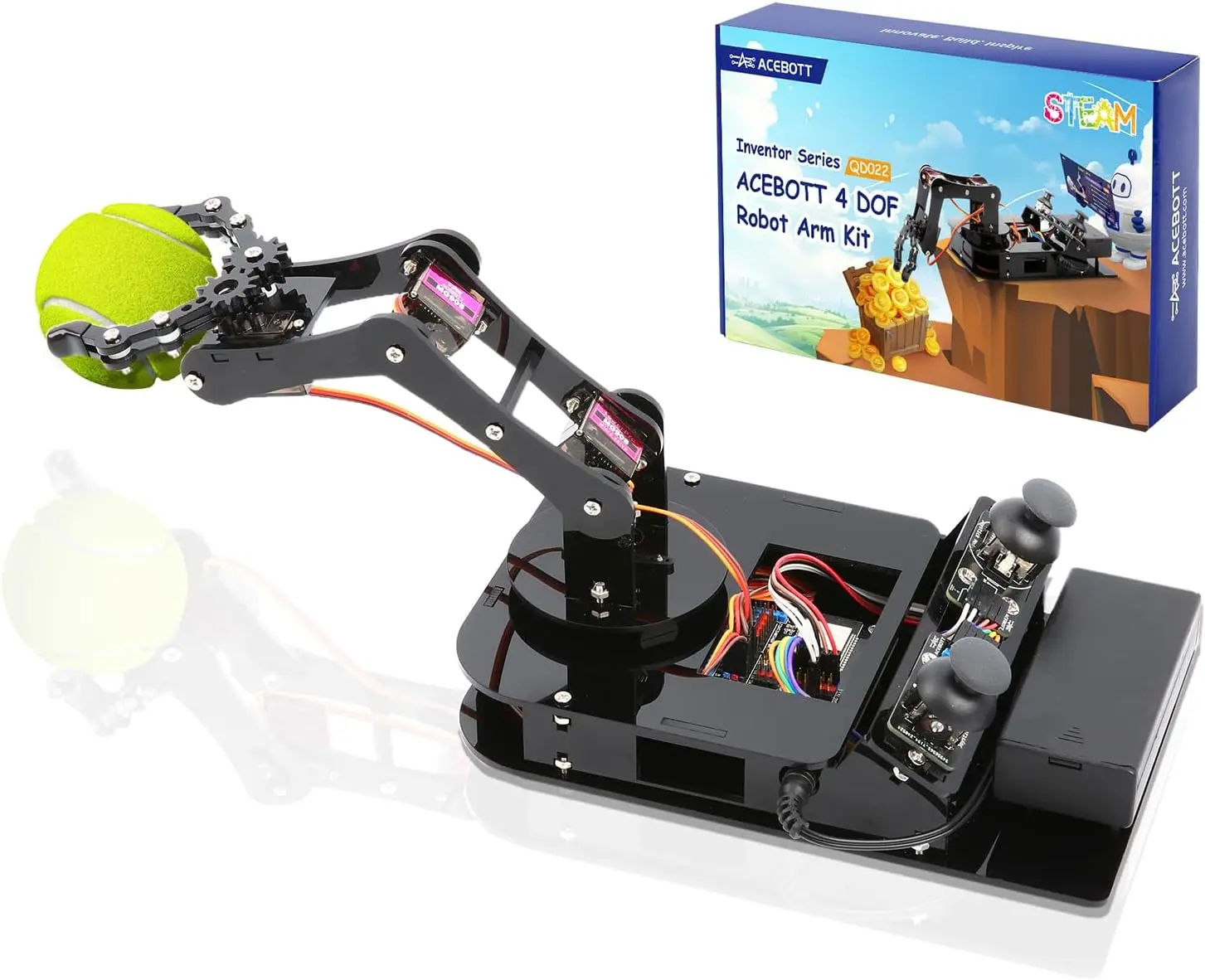 |
3.5 | 816 | $63.05 | $31.00 | 4 degree-of-freedom arm, ESP32 controller, Arduino compatibility, STEM/DIY focus |
| 5-in-1 Robot Toy for Kids Building Kit: 323 Pcs Blocks, Steam RC | 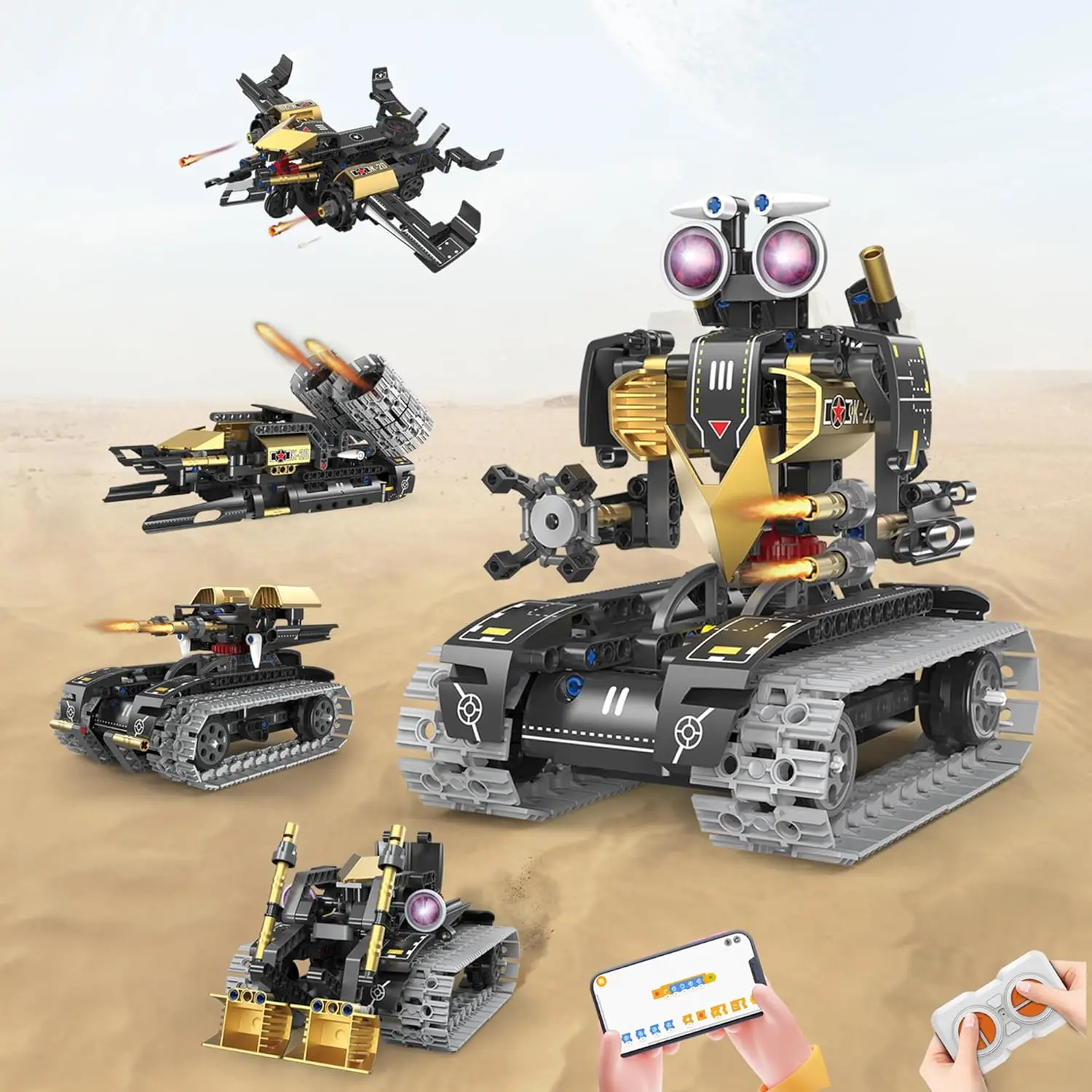 |
4.1 | 77 | $43.74 | $11.05 | Building blocks, app/RC control, STEAM education, 5 robot types |
| Yahboom 2-DOF Servo Pan-Tilt Kit: Metal Servo, Bracket | 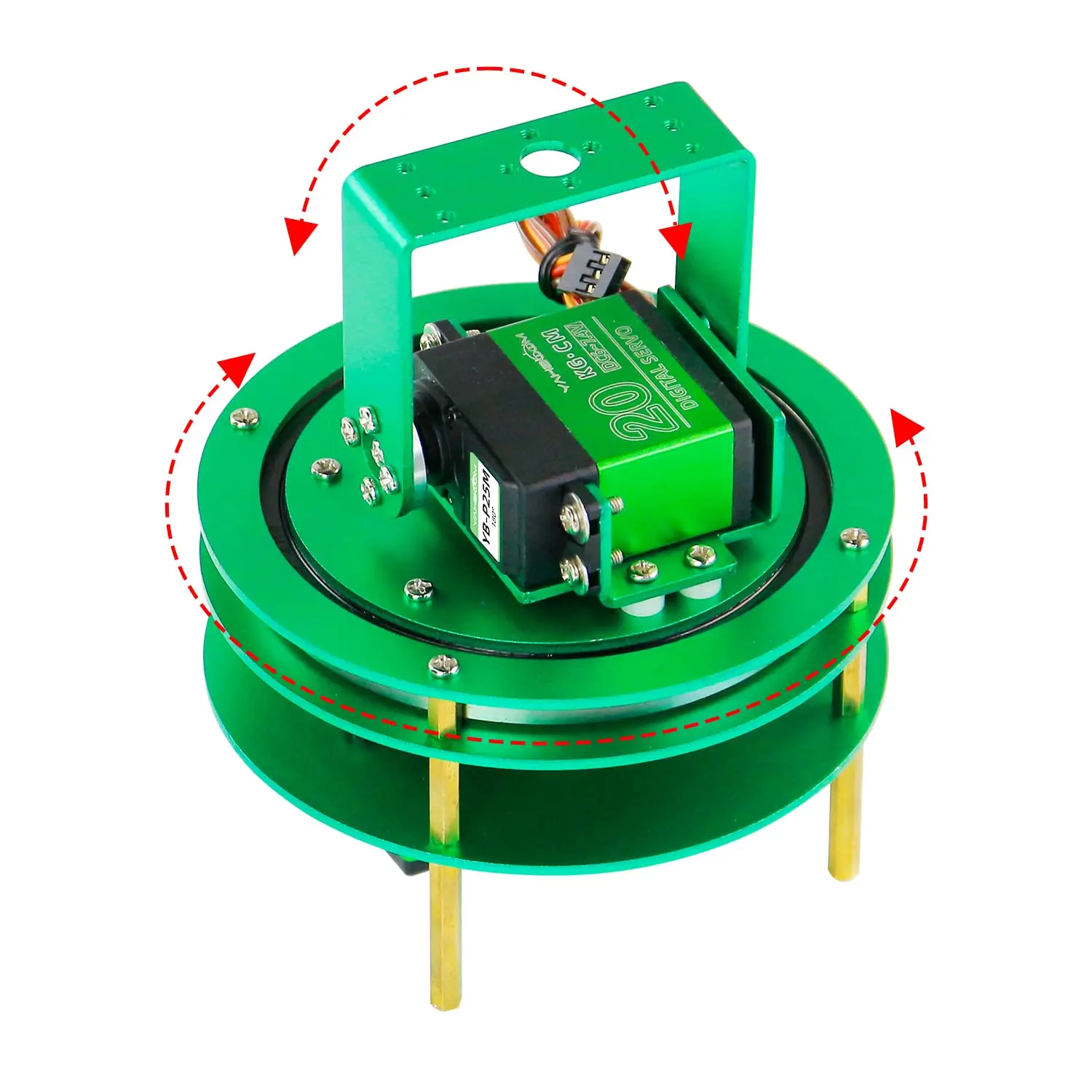 |
4.5 | 18 | $49.23 | $32.24 | Metal servos, platform for camera/arms, 2 degree-of-freedom |
| 6DOF Robot Mechanical Arm: Programmable Claw, 6 Servos | 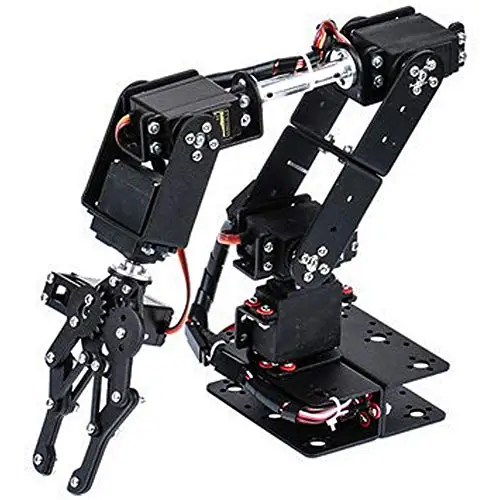 |
3.0 | 9 | $57.78 | $34.99 | Programmable, 180° servo claw, industrial teaching focus |
| 6DOF Manipulator: Aluminum Arm, 6 Servos, DIY/College | 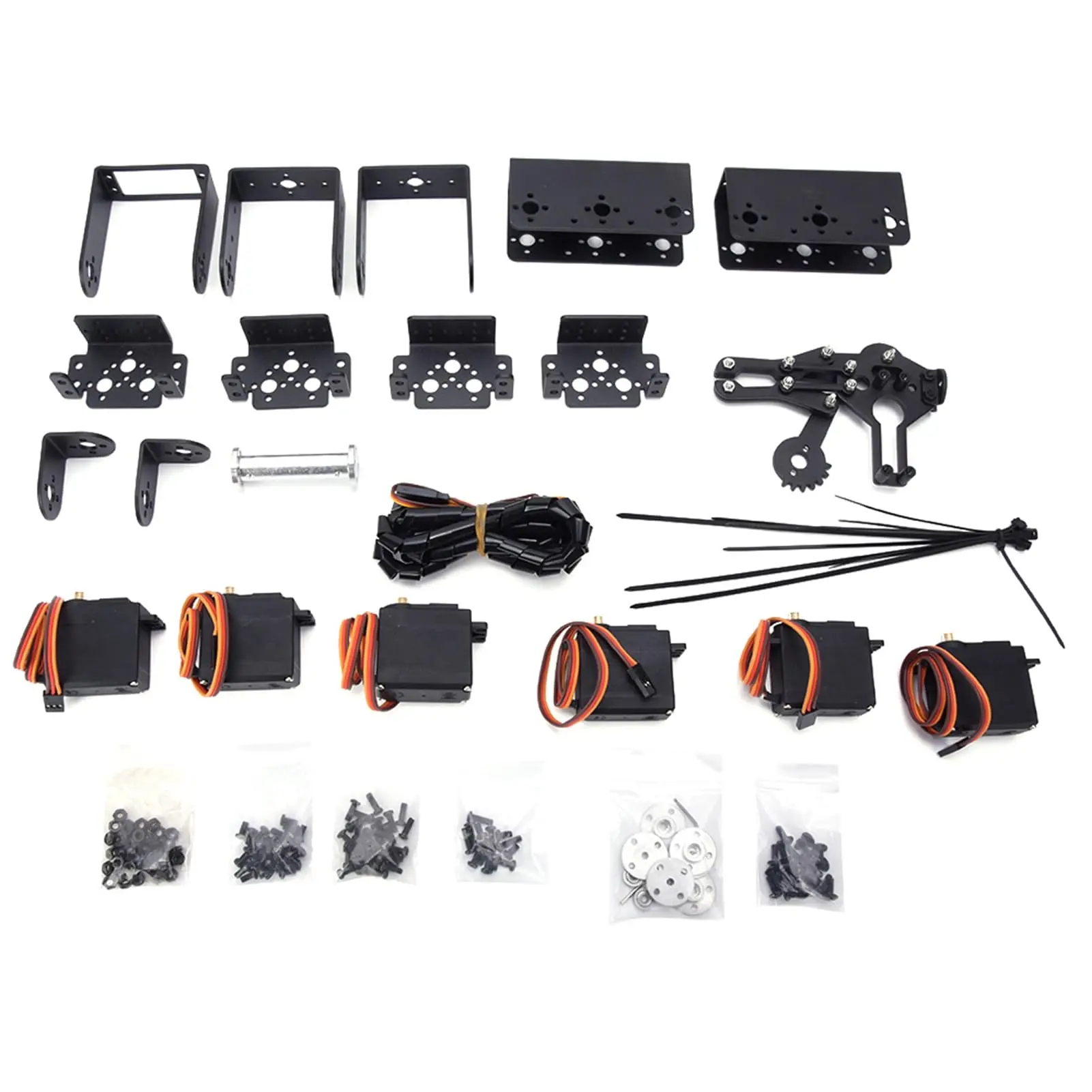 |
0.0 | 5 | $51.97 | $34.04 | Aluminum plate, analog gear, education/DIY focus |
| Waveshare Robotic Arm Kit: Desktop, 5+1 DOF, ESP32 | 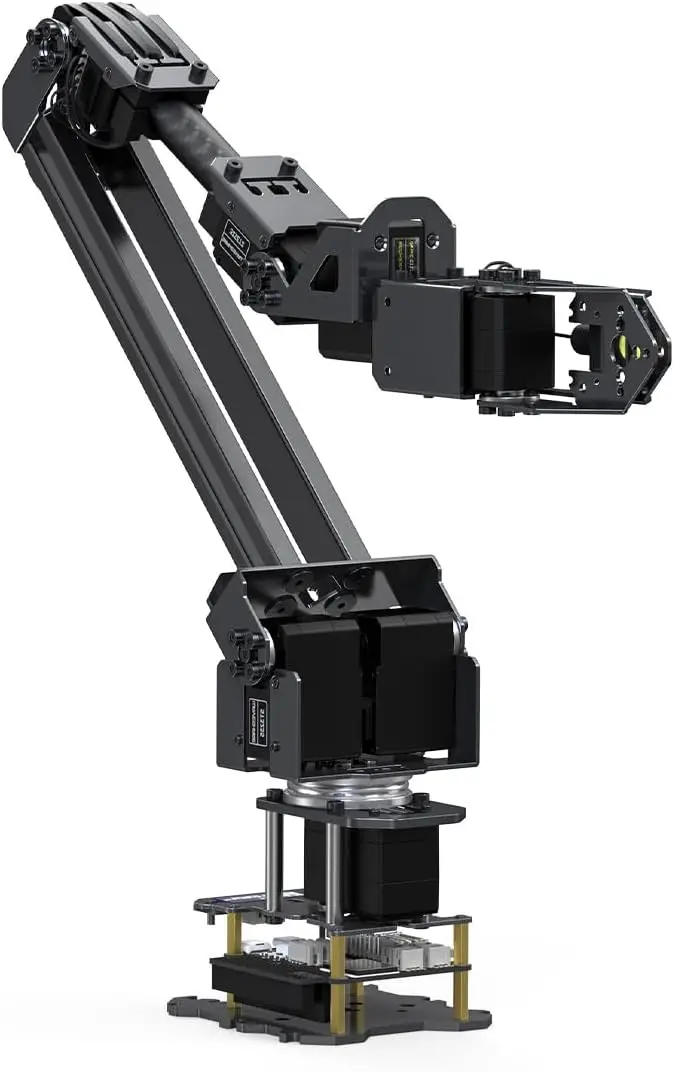 |
5.0 | 5 | $399.99 | $284.68 | Wireless control, 2-DOF wrist, all-metal servos, desktop educational use |
| ViaGasaFamido 4DOF DIY Robot Arm: Wooden Mechanical, SG90 Servo | 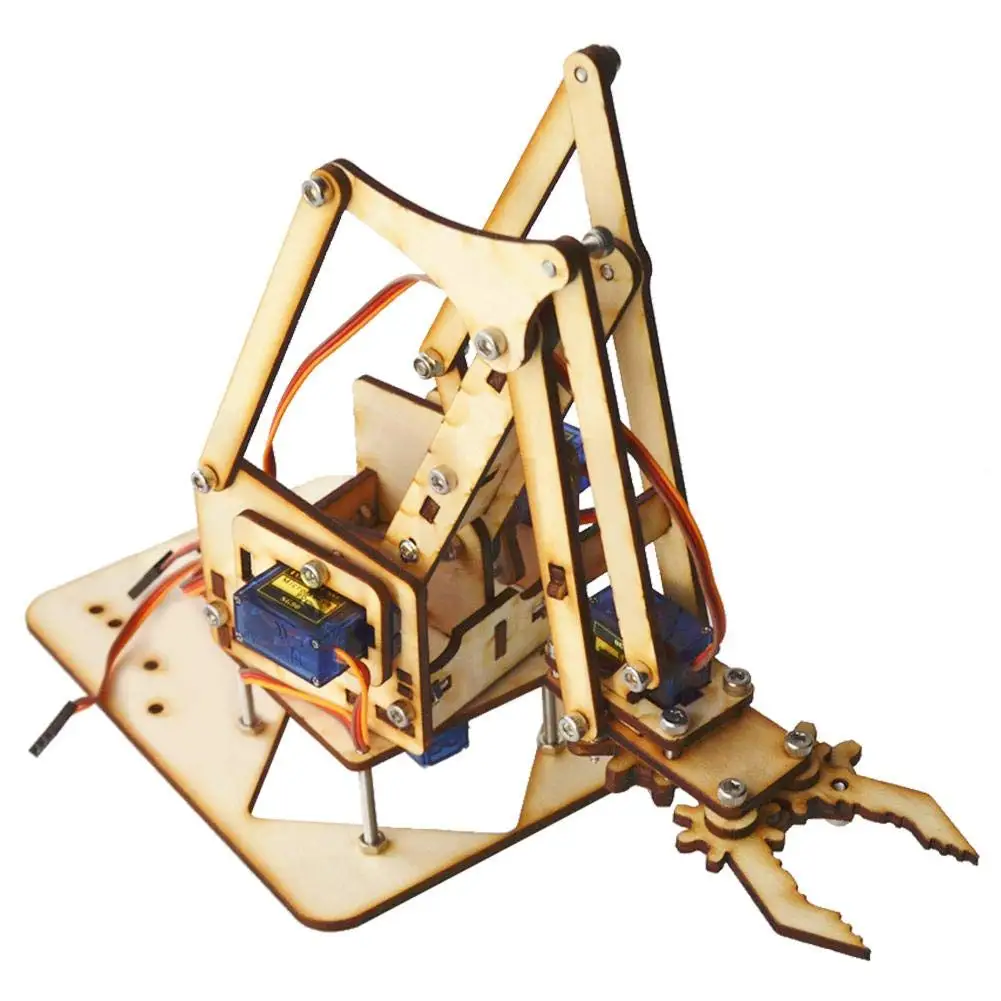 |
3.2 | 5 | $21.15 | $6.33 | Wood construction, STEM/hobby, SG90 servo, SNAM1500 compatible |
| Yahboom ROS2 Robot Kit: Jetson Orin NX, 6DOF, AI Module | 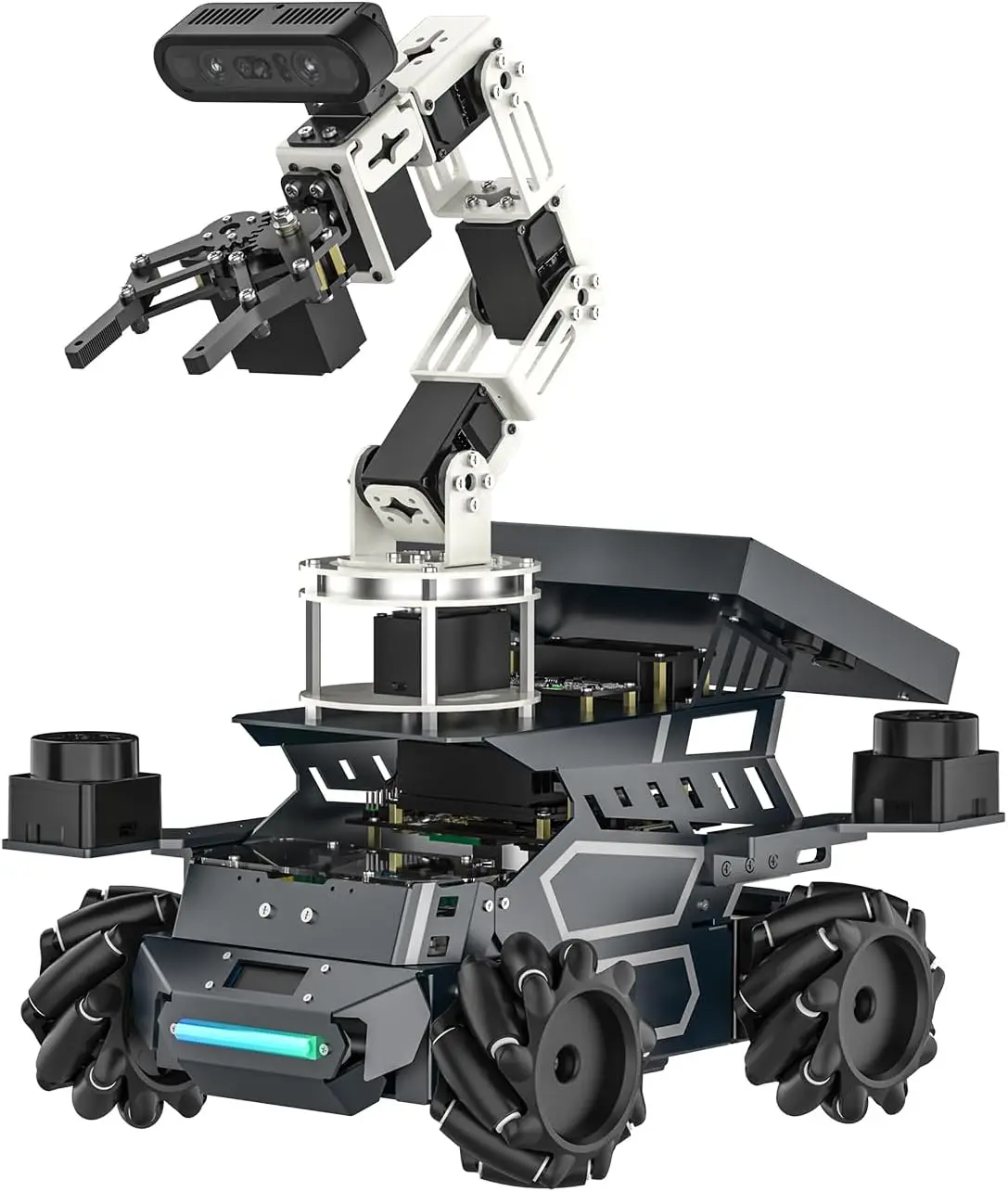 |
0.0 | 5 | $2,144.95 | $1,124.20 | AI voice, 7" HD display, App/AI control, advanced automation |
| HIWONDER Robot Car: ChatGPT, ROS2 Lidar, 6DOF Arm | 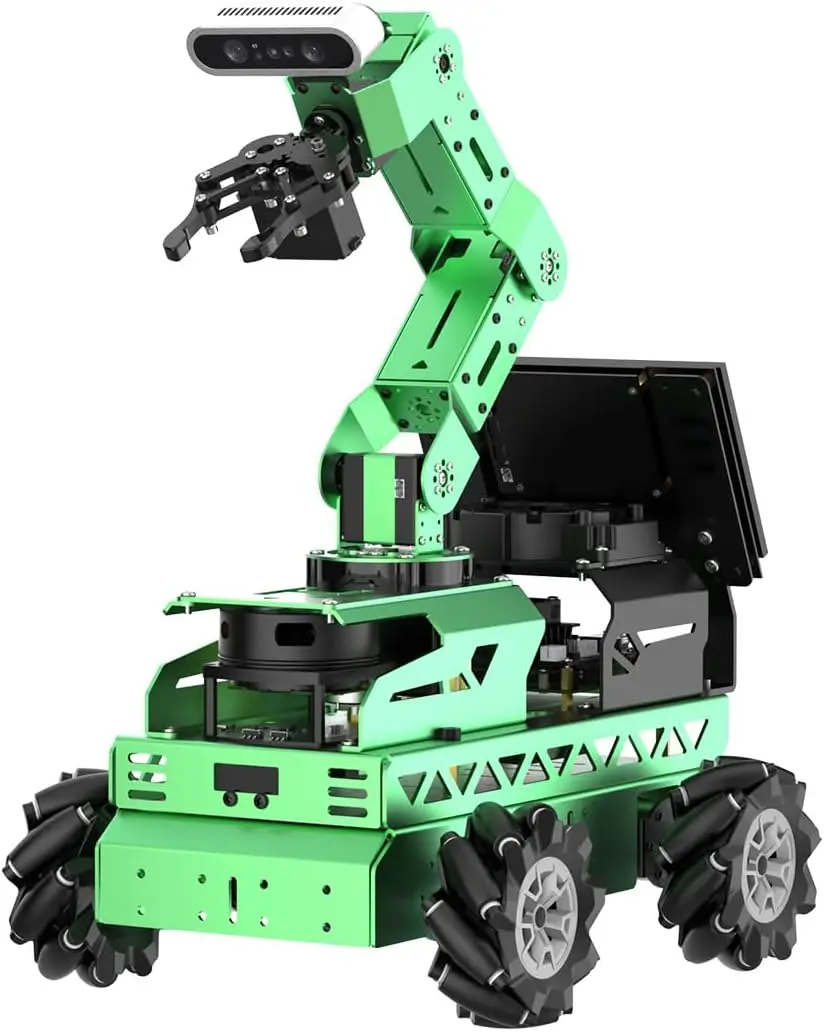 |
5.0 | 5 | $974.09 | $1,389.15 | ChatGPT AI, Lidar SLAM, Navigation, AI vision, industrial/developer focus |
Table data sourced from [1]
Key Takeaways: Models focused on modular STEM learning and app control dominate unit volume in entry-to-mid range pricing, while advanced ROS2/AI kits command high-end price tags with far lower unit volume—targeted mainly at specialists and educational institutions. Kits blending hardware expansion and AI software modules are highly favored, and review sentiment is strongly positive for adaptability, technical support, and community-driven upgrade potential.
Smart procurement of robot kits in 2026 hinges on balancing price competitiveness, product innovation, supplier reliability, and regulatory compliance. As the market expands, buyers must adopt rigorous evaluation and due diligence protocols to minimize risk and maximize value.
Supplier Evaluation: Prioritize vendors with clear certifications—such as CE/FCC for electronics, RoHS for material safety, and ISO9001 for manufacturing quality. Assess suppliers on documented production capacity, traceability of supply chain, and the ability to provide written guarantees (such as warranty, sample availability, and batch consistency).
Quality Control and Inspection: Commercial buyers should implement:
Logistics and Fulfillment: Timely delivery is essential, especially for season-driven sales peaks. Assess lead times explicitly and negotiate flexible fulfillment policies for spike periods (school openings, holidays). Optimal packaging should balance protection—resisting impact, moisture, and static—with branding that enhances shelf appeal. International buyers must clarify Incoterms, customs documentation, and electronic import/export permissions.
Certification and Compliance: For markets such as the EU, US, and select APAC regions, robot kits should comply with electronic and child safety standards. Each subcomponent—batteries, controllers, sensors—must be individually certified where relevant. Professional/industrial kits require documentation for ROS/Python compatibility and sometimes AI ethics compliance.
Pitfalls and Avoidance: The most common sourcing pitfalls include undervaluing the importance of end-user documentation, selecting non-expandable (proprietary) hardware, and ignoring the risk of discontinued software updates. To avoid these, verify the supplier’s commitment to long-term support, community engagement, and technical transparency. Leverage public feedback and peer reviews for deeper due diligence.
Competitive Advantages: Sourcing kits with modular, open-source architectures grants buyers adaptability and branding flexibility. Kits bundled with training resources, consumable spares, or multilingual documentation boost usability and safeguard procurement ROI[3][4][5][8]. Strategic partnerships with authorized distributors and bulk purchasing agreements yield substantial cost savings, streamlining deployments for education and automation programs.
In summary, implementing structured supplier audits, robust quality assurance procedures, and continuous regulatory monitoring is essential for risk mitigation and procurement excellence in the robot kit sector.
The robot kit market stands at an inflection point in 2026, shaped by converging trends in education, automation, and DIY maker culture. Buyers are presented with a rich tapestry of options, but also the challenge of navigating a fast-evolving competitive landscape.
Key trend synthesis: Entry-level educational kits, now featuring block coding and modular expandability, continue to drive mass-market sales. At the same time, advanced programmable platforms—integrating AI, vision, and voice—are escalating in demand among professionals and institutions. Sentiment data shows strong consumer enthusiasm, with preferences shifting toward kits that promise years of upgradeability, community support, and tangible skills transfer.
Looking ahead to the next 6–12 months, buyers should closely monitor:
Action steps for procurement professionals:
By harnessing this intelligence, international buyers can position themselves at the forefront of the robot kit revolution, confidently driving technology adoption, education excellence, and competitive advantage in the global marketplace. Now is the time to act—bring the innovation home and transform your sourcing portfolio with future-ready robot kits.