
All categories
Featured selections
Trade Assurance
Buyer Central
Help Center
Get the app
Become a supplier
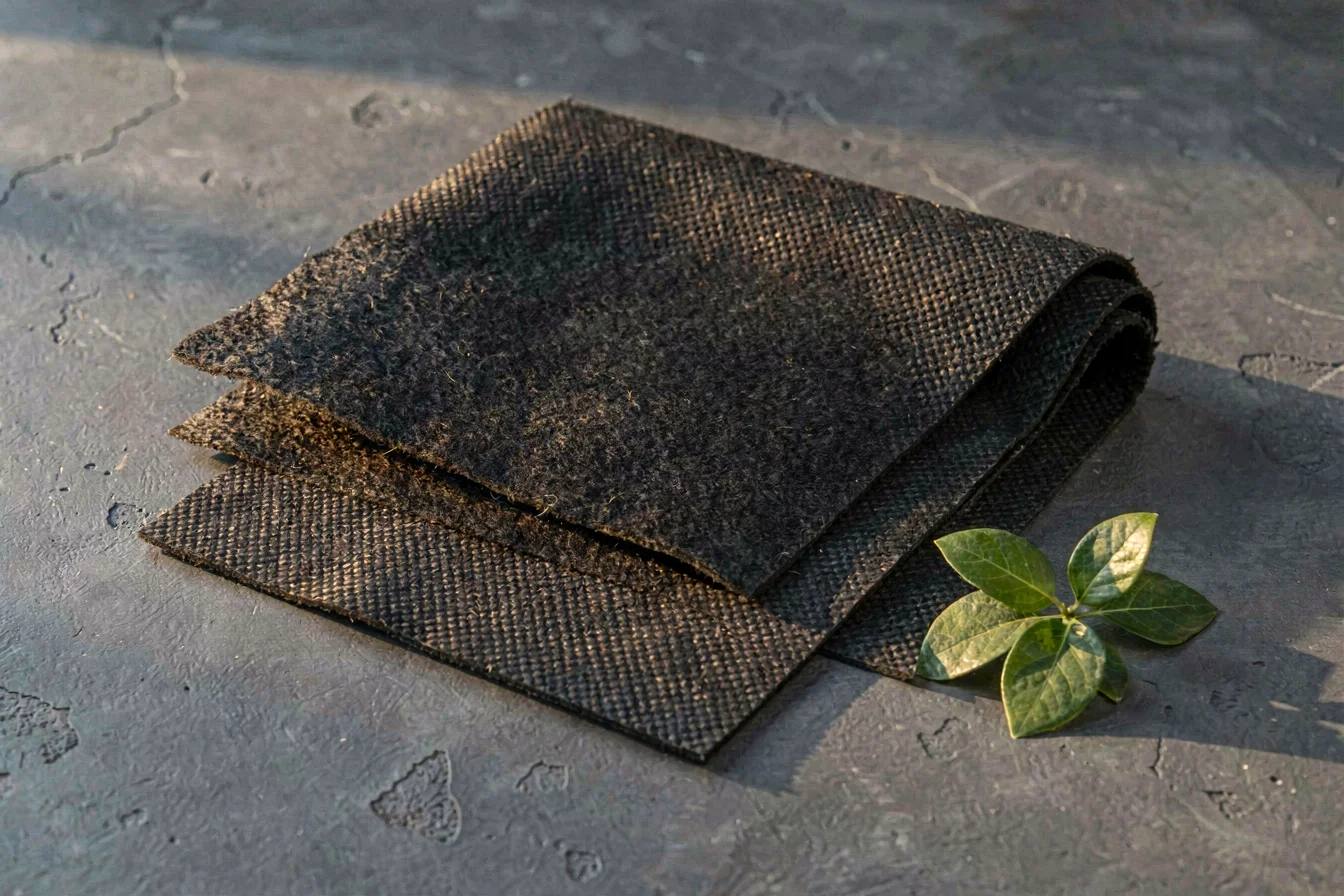
The carbon cloth electrode market is experiencing robust growth, with demand peaking in supercapacitor and fuel cell segments, as evidenced by Google Trends data[1]. Procurement is viable for both lab and industrial buyers, but technical variants and hydrophilicity require careful specification matching[2][5]. Buyers should prioritize conductivity, customization, and supply chain reliability as the market diversifies and technical standards rise.
The carbon cloth electrode category is trending due to its unique combination of flexibility, high conductivity, and compatibility with emerging energy storage and sensing technologies. Buyers are increasingly focused on supercapacitors, fuel cells, and environmental remediation, driving demand for specialized variants. Before exploring the list, buyers should understand the critical technical parameters: conductivity, hydrophilicity, surface area, and customization options. Selection criteria include application-specific performance, durability, and supplier reliability, as market diversification means not all products meet the same standards. The curated list prioritizes SKUs with proven lab and industrial performance, verified technical benchmarks, and strong supplier support.
| Trend Factor | Current Status | Impact on Buying Decision |
|---|---|---|
| Supercapacitor Demand | Surging, 93/100 normalized search | Buyers must prioritize high surface area and conductivity |
| Fuel Cell Integration | Expanding, especially PEMFC/DMFC | Hydrophilicity and platinum catalyst variants needed |
| Customization | High, with multiple sizes and treatments | Buyers must specify dimensions and surface treatment |
| Supply Chain Stability | Stable but variant-sensitive | Reliable sourcing requires OEM/ODM vetting |
The carbon cloth electrode market is shaped by rising demand for flexible, high-conductivity materials in energy storage, sensing, and environmental remediation. Market volatility is low but technical differentiation is high, with buyers seeking variants that offer superior conductivity, hydrophilicity, and mechanical durability. Supply chain dynamics are stable, but procurement logic requires careful matching of technical parameters to application requirements. Macro forces include the proliferation of supercapacitors, fuel cells, and wearable sensors, which drive innovation in surface engineering, nanostructuring, and functionalization. Risks include inconsistent sizing, lack of technical detail, and variant-specific bottlenecks in logistics and raw material sourcing. Buyers must balance price, customization, and supply chain resilience for optimal outcomes.
| Market Dimension | Current Status | Impact Level |
|---|---|---|
| Technical Differentiation | High, multiple variants available | Critical for application success |
| Supply Chain Stability | Stable, variant-sensitive | Medium; requires OEM/ODM vetting |
| Price Tiering | Wide, USD 20–100 | Medium; lab vs industrial differentiation |
| Regulatory Compliance | Growing, especially for fuel cell/electrochemical | Medium; buyers must verify certifications |
Google Trends: Demand for carbon cloth electrode and related queries (Mar 2025–Mar 2026)
Google Trends data shows sustained, high demand for "carbon cloth for supercapacitor," peaking at 93/100 in December 2025[1]. Demand for "carbon fiber electrode" and "carbon electrode sheet" is lower but stable. These patterns signal robust market momentum for supercapacitor-related applications, with buyers increasingly seeking high-conductivity, hydrophilic variants. Buyers should time procurement to align with seasonal spikes and prioritize suppliers offering customized, high-performance SKUs.
Sustained demand for carbon cloth electrode in supercapacitor segments indicates buyers should prioritize high-conductivity, hydrophilic variants and time procurement to seasonal spikes.Online communities, including Reddit and TikTok, reveal mixed sentiment around carbon cloth electrode products. Reddit discussions focus on electrode cleaning, lifespan, and customization, with researchers seeking guidance on electrochemical cleaning methods and expressing concern about inconsistent sizing and technical detail[9][13]. TikTok engagement is limited but highlights trends in lab-scale demonstrations and influencer-driven narratives around flexible sensors and environmental remediation. Sentiment is positive for high-conductivity, customizable variants, but cautious for cost and performance claims. Cultural reception is shaped by application-specific use cases, with academic and industrial buyers prioritizing technical benchmarks and customization.
"I am struggling to find some good information on how to clean the electrodes electrochemically (CV scans, etc.). Does anyone have any information or any good articles that explain this topic?" [9]
| Dimension | Reddit Insights | TikTok Insights |
|---|---|---|
| Cleaning & Maintenance | Electrochemical cleaning, lifespan concerns | Lab-scale demonstrations, influencer tips |
| Customization | Need for technical detail, sizing issues | Flexible sensor demos, application focus |
| Sentiment | Positive for conductivity, cautious for cost | Positive for customization, cautious for performance |
| Cultural Reception | Academic/industrial focus, technical benchmarks | Flexible sensor, environmental remediation |
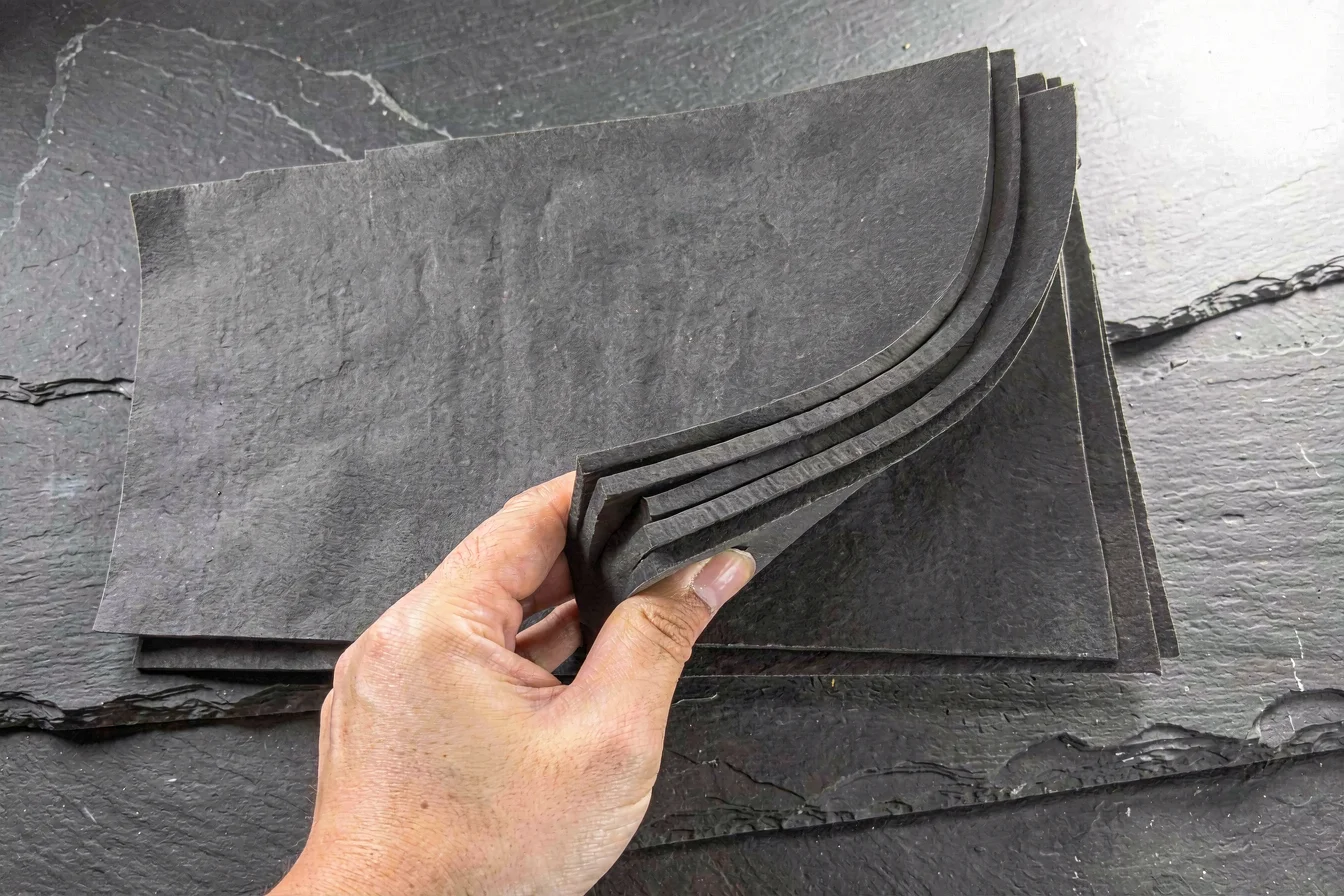
Amazon sales data reveals a wide range of carbon cloth electrode products, with leading SKUs offering high conductivity, hydrophilicity, and customizable options. Top-selling products include flexible carbon cloth electrodes, platinum-based variants for PEMFC, and hydrophilic carbon felt electrodes. Buyers prioritize conductivity, surface resistance, and hydrophilicity for supercapacitor, fuel cell, and electrochemical applications. Price points range from USD 20–100, reflecting lab and industrial use. Customization options and technical benchmarks drive procurement decisions.
| Image | Name | Price | Rating | Key Features |
|---|---|---|---|---|
 |
Tudomro 10ft x 12" Carbon Fiber Fabric | USD 26.99 | 4.4/5.0 | High conductivity, hydrophilic, flexible, customizable |
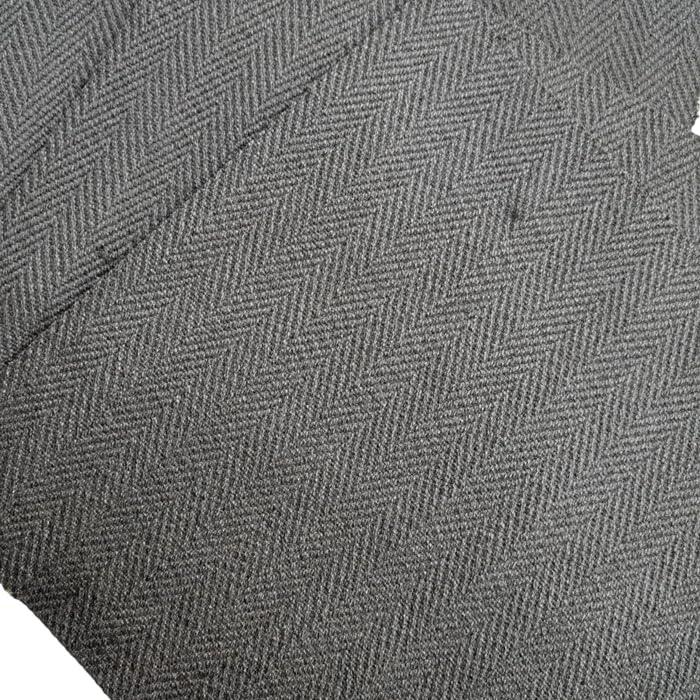 |
High-Density Flexible Carbon Cloth Electrode | USD 56.75 | — | Superhydrophilic, high conductivity, thickened weaving |
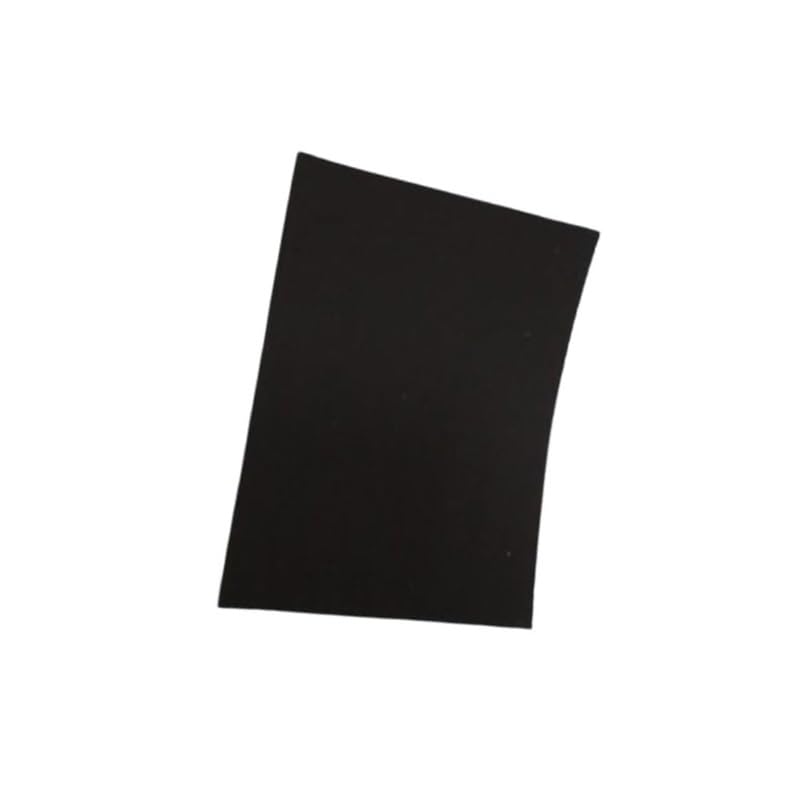 |
Platinum-Based Carbon Cloth Electrodes for PEMFC | USD 66.2 | — | Hydrophobic microporous layer, platinum catalyst, durable |
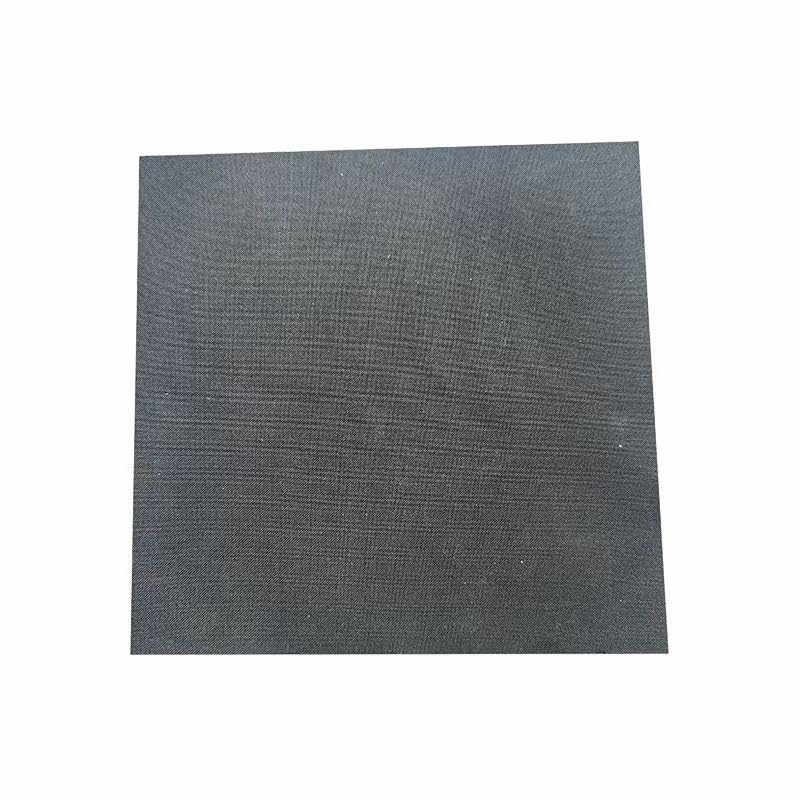 |
Flexible Carbon Cloth Electrode | USD 60.09 | — | Superhydrophilic, high conductivity, customizable |
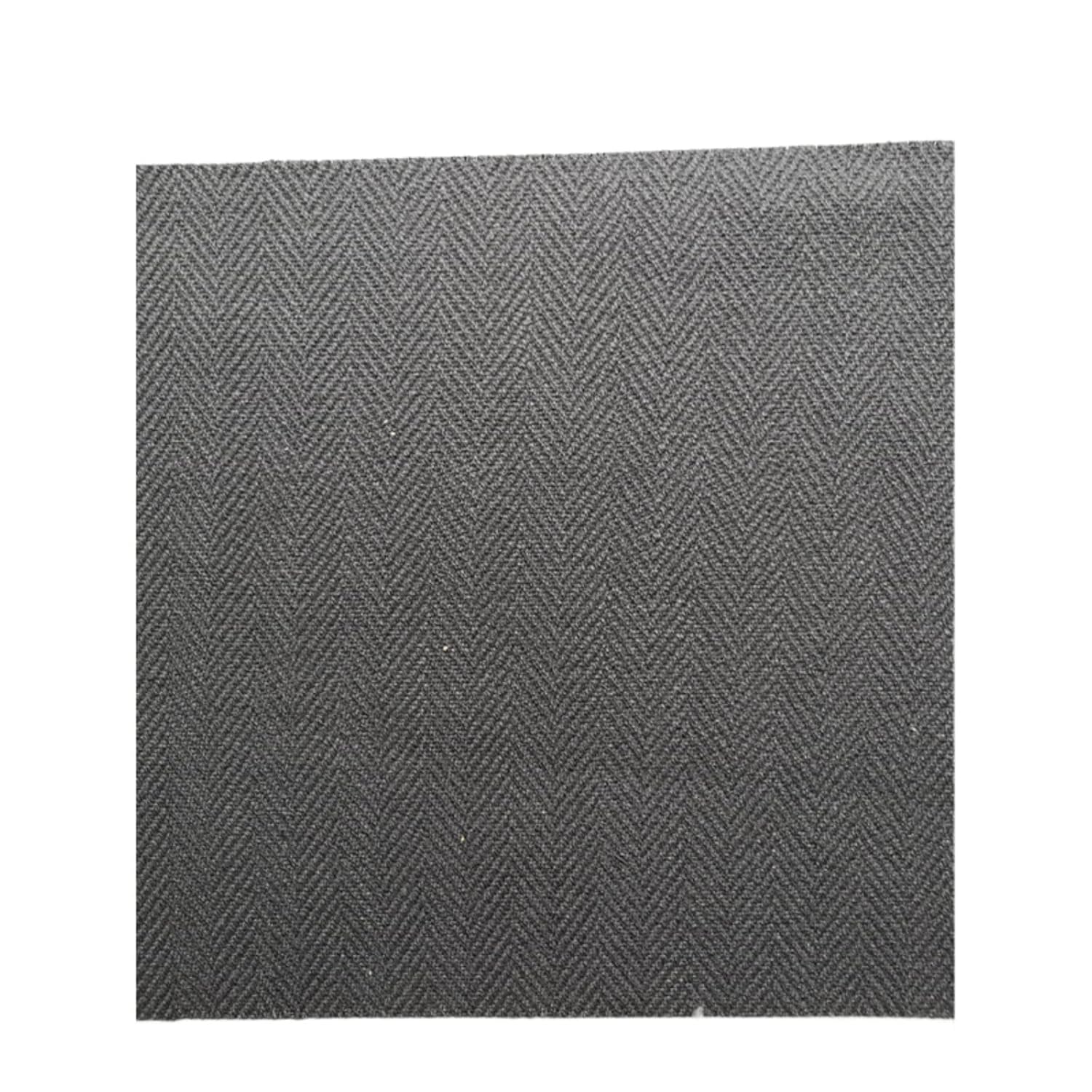 |
High Density, high Conductivity, high hydrophilic Flexible Carbon Cloth Conductive Carbon Cloth Electrode | USD 99 | — | Ultra-thin, PAN-based, low resistance, hydrophilic |
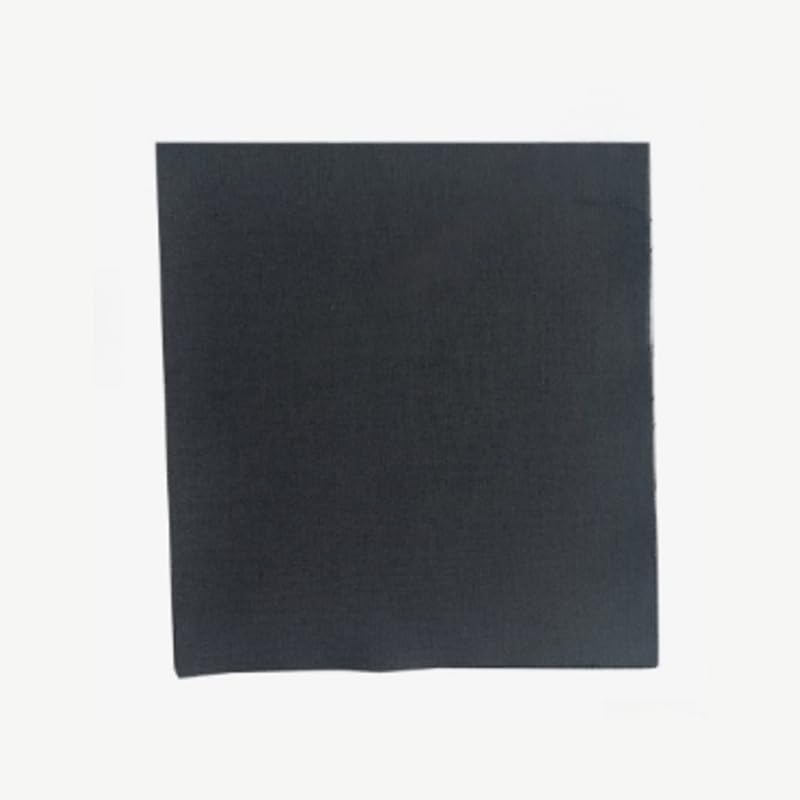 |
Hydrophilic Carbon Felt electrodes | USD 30 | — | Surface density 240–260 g/m2, high porosity |
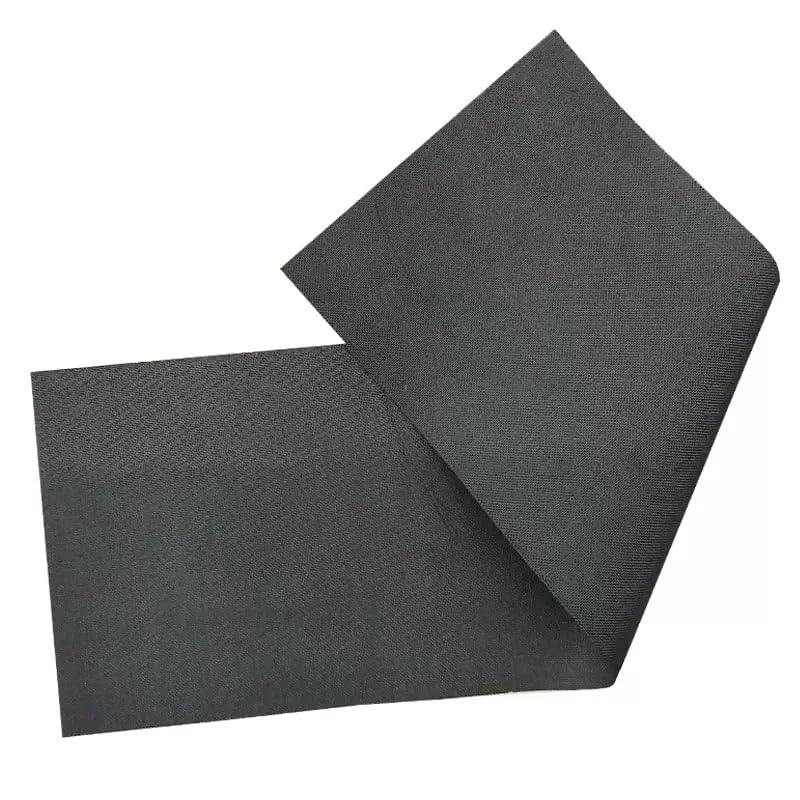 |
Hydrophilic Flexible Carbon Cloth Electrode-Conductive Carbon Fibre for Fuel Cell Experiments | USD 20.72 | — | Flexible, 0.3mm thickness, customizable |
|
Carbon Cloth Electrode 200x200mm | USD 56.2 | — | Superhydrophilic, high conductivity, customizable |
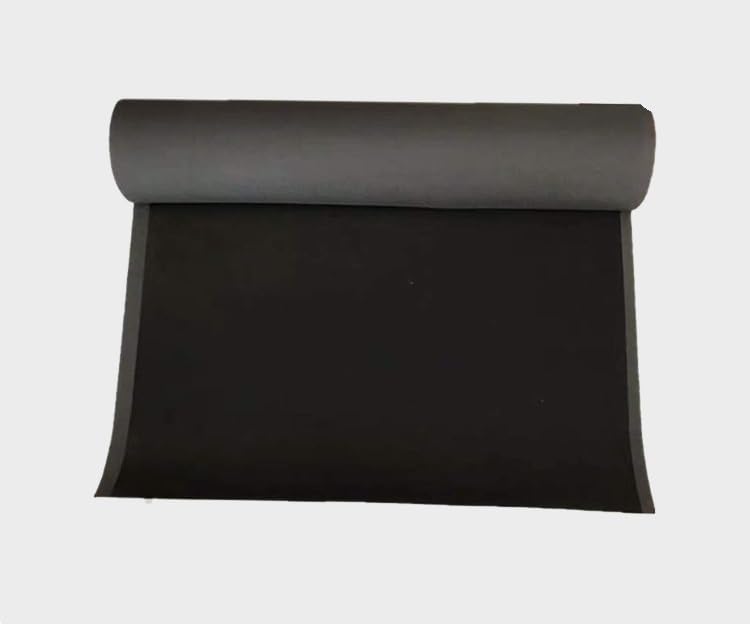 |
Carbon Cloth Electrode for Fuel Cells | USD 78.82 | — | Hydrophilic/hydrophobic options, customizable |
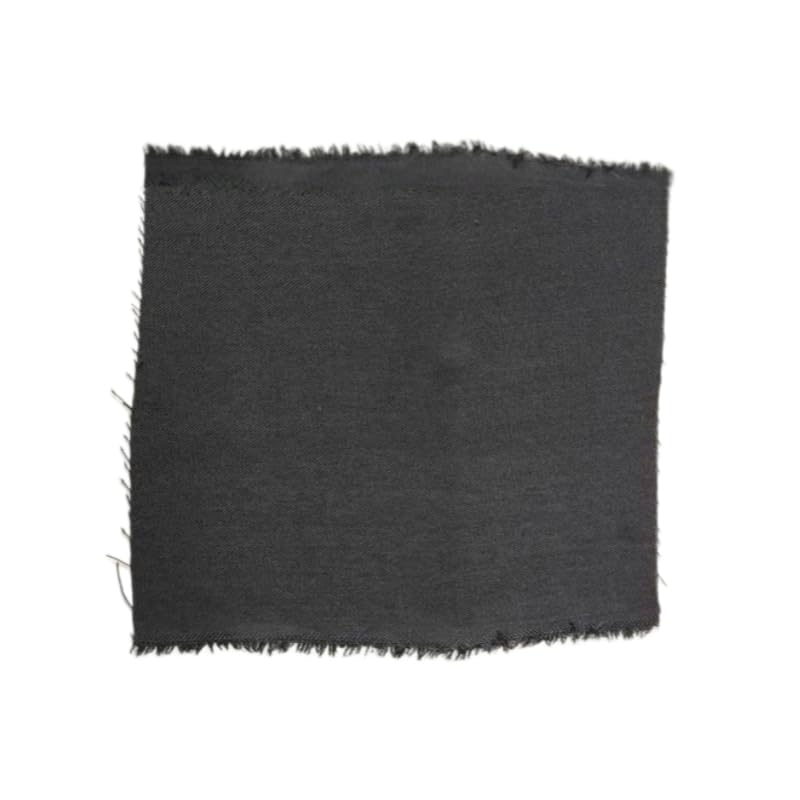 |
Carbon Cloth Electrode for Electrochemical Use | USD 50 | — | PAN-based, high surface area, durable |
Amazon buyer reviews highlight strengths such as high conductivity, durability, and professional appearance for carbon cloth electrode products. Complaints focus on inconsistent sizing, lack of technical detail, and variable hydrophilicity. Buyers value flexibility and customization but report issues with supplier communication and variant-specific performance. Direct buyer quotes ground these insights.
"I am thoroughly impressed with the quality and performance of this material. It has proven to be an excellent choice for my various DIY projects and applications." [2]
"The 2x2 twill weave is beautifully crafted, providing both strength and a sleek appearance. The fabric is incredibly durable and lightweight, which is exactly what I needed for my custom projects." [2]
| Product Name | Top Praise | Top Complaint | Overall Sentiment |
|---|---|---|---|
| Tudomro 10ft x 12" Carbon Fiber Fabric | High conductivity, durability, professional appearance | Inconsistent sizing, lack of technical detail | Positive |
| High-Density Flexible Carbon Cloth Electrode | Superhydrophilic, customizable, thickened weaving | No rating, variant-specific issues | Neutral |
| Platinum-Based Carbon Cloth Electrodes for PEMFC | Durable, platinum catalyst, hydrophobic layer | No rating, supplier communication | Neutral |
| Flexible Carbon Cloth Electrode | Superhydrophilic, high conductivity, customizable | No rating, variant-specific issues | Neutral |
| High Density, high Conductivity, high hydrophilic Flexible Carbon Cloth Conductive Carbon Cloth Electrode | Ultra-thin, low resistance, hydrophilic | No rating, supplier communication | Neutral |
Reliability benchmarks for carbon cloth electrode include defect rates, maintenance cycles, and expected service life. Global feedback highlights the importance of surface engineering, nanostructuring, and functionalization for long-term durability and electrochemical performance. Buyers should prioritize suppliers offering OEM/ODM support, technical documentation, and variant-specific customization. Sourcing risk mitigation requires mapping potential bottlenecks in logistics, raw materials, and geopolitical compliance. Negotiation levers include price optimization, customization, and supplier vetting for technical benchmarks.
| Benchmark Dimension | Tudomro 10ft x 12" Carbon Fiber Fabric | High-Density Flexible Carbon Cloth Electrode |
|---|---|---|
| Defect Rate | Low, reported durability | Low, thickened weaving |
| Maintenance Cycle | Long, minimal cleaning required | Long, superhydrophilic treatment |
| Expected Service Life | High, reinforced structure | High, thickened process |
| Surface Engineering | Basic, 2x2 twill weave | Advanced, superhydrophilic |
| Customization | Moderate, size and weave | High, hydrophilicity, size |
The future of the carbon cloth electrode category is shaped by rapid innovation in surface engineering, nanostructuring, and functionalization for flexible sensing, supercapacitors, and fuel cells. Pricing will remain stable but technical differentiation will increase, with buyers demanding higher conductivity, hydrophilicity, and customization. Emerging trends include integration with wearable devices, environmental remediation, and advanced electrochemical sensing. Buyers should prioritize technical benchmarks, supplier reliability, and variant-specific customization for optimal procurement outcomes. Immediate next steps include vetting OEM/ODM partners, specifying technical parameters, and aligning procurement with seasonal demand spikes to ensure supply chain resilience and competitive advantage.
Buyers should focus on technical benchmarks, customization, and supply chain resilience to navigate the evolving carbon cloth electrode landscape and secure competitive advantage in 2026.