
All categories
Featured selections
Trade Assurance
Buyer Central
Help Center
Get the app
Become a supplier
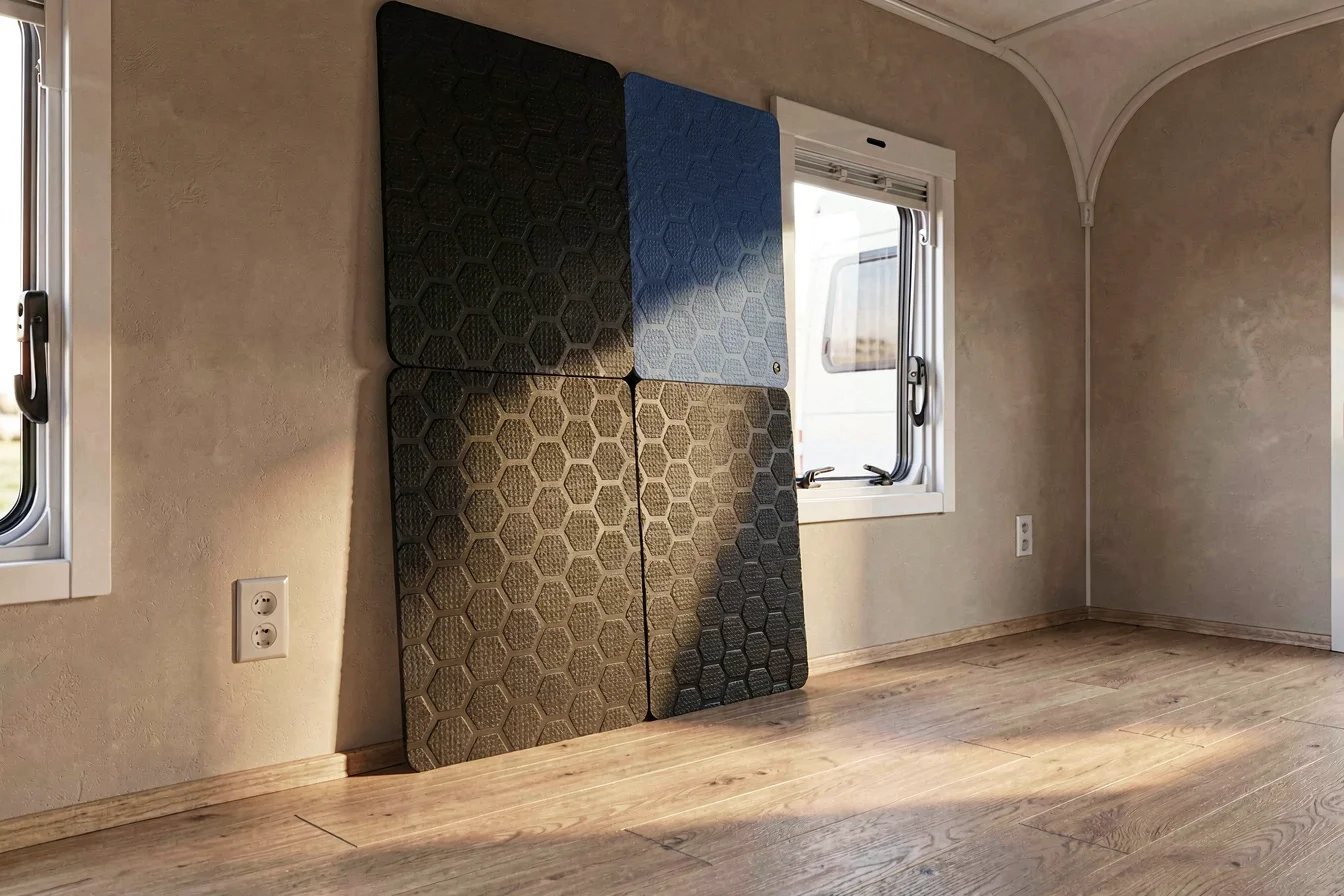
Global demand and availability for caravan interior wall panels remain steady, with marked peaks in 2025 and resilience into 2026 as buyers focus on moisture resistance, low weight, and composite solutions [1][6][8]. Sourcing logic favors OEMs and specialized suppliers on B2B platforms, as there is a rapid shift from traditional wood panels toward advanced PVC, GRP, and foam composites to meet durability and updated safety standards [5][6]. Procurement is viable and trending upward, driven by both new caravan builds and renovation projects across Europe, Australia, and North America.
The popularity of caravan interior wall panels is driven by increased caravan renovation, consumer focus on lightweight, easy-to-clean interiors, and stricter moisture and insulation standards in 2026. Recent years have seen a surge in composite panels like PVC and GRP, overtaking traditional timber and MDF due to durability concerns, water resistance, and ease of installation [6][8]. Buyers must differentiate between true "interior" panels—often thicker, smoother, and VOC-certified—and less suitable exterior panels, which are frequently cross-listed on retail platforms, causing confusion and supply mismatches [2][8]. The rise in mobile living, off-road caravans, and rental fleets is further amplifying demand for resilient finishes and fast-fit solutions.
| Trend Factor | Current Status | Impact on Buying Decision |
|---|---|---|
| Material Innovation | Surge in GRP, PVC, foam composites | Strong—buyers favor lightweight, moisture-proof panels |
| DIY/Renovation Boom | Significant uptick since Q2 2025 | Medium—retail panels are in short supply but OEMs still robust |
| VOC & Health Regulations | Mandatory A+ certification for interiors | High—certified panels required for compliance |
| Customization Demand | OEM/ODM customization surging | Strong—design flexibility and branded finishes prioritized |
| Price and Availability | Prices stable; broad supplier base | Medium—no acute shortages but spec-matching is critical |
Global supply chains for caravan interior wall panels remain resilient, with fewer disruptions compared to broader construction materials, as most panels are manufactured in Europe and Asia with advanced composites [5][6][8]. Strong DIY demand and fleet refurbishment cycles are fueling order volumes on B2B platforms. Macro forces include a shift toward zero-wood interiors, regulatory tightening (especially in the EU and Australia), and intensifying competition among OEMs and branded panel designers. Commodity price stability for GRP, PVC, and foam plastics is enabling flexible contract pricing, but buyers must account for transportation costs and lead times, which are lengthening due to peak demand cycles in Q2–Q4 2025 [1].
| Market Dimension | Current Status | Impact Level |
|---|---|---|
| Composite Panel Supply | Robust and expanding | High—custom thickness available |
| Certification Requirements | A+ VOC rating mandatory | High—for compliance |
| Logistics Capacity | Stable but shipping costs rising | Medium—transit timing critical |
| Fleet Refurb Demand | Above-average Q2–Q4 2025 | High—driving bulk orders |
| Retail Stock Outages | Intermittent, especially branded panels | Medium—plan for alternate sourcing |
Google Trends - Caravan Interior Panels, Jan 2025–Feb 2026
Demand peaked in August–September 2025 with renewed spikes in early 2026, especially for ceiling and flooring panels, reflecting renovation cycles and new fleet deployments [1]. Buyers should time sourcing to avoid Q3–Q4 retail shortages, leveraging B2B channels for custom and bulk orders. Trends suggest resilient, year-round demand for interior panels, with spec-driven segments (moisture, insulation) outperforming legacy timber panels.
Reddit and TikTok communities reflect strong DIY enthusiasm for caravan interior wall panels but reveal key pain points: insulation is critical before paneling, composite and foam materials are preferred for lightweight and moisture resistance, and there’s confusion over sourcing panels meant specifically for interiors rather than exterior carports or automotive trim [9][10][12]. UGC shows buyers debating composite versus wooden panels for durability, cost, and water resistance, with sideways shifts toward acoustic and decorative panels for aesthetics and sound deadening [12][18]. TikTok’s top hashtags and viral clips revolve around “#CaravanMakeover” and “#VanLifeBuild,” emphasizing easy installation, peel-and-stick options, and rapid transformations, often favoring PVC panels for both practicality and visual design.
“I would hesitate before I did paneling when insulation is the first step. And if it’s a warm weather user, it really helps to keep out the summer sun and heat.” [9]
“We went with Ply-Bead for a balance of price and looks. We wanted kind of a cabin feel … for the ceiling we used 1/4 in plywood.” [9]
| Dimension | Reddit Insights | TikTok Insights |
|---|---|---|
| Material Choice | Composite, foam, plywood; PVC for water resistance | PVC, peel-and-stick tiles dominate #VanLife |
| DIY Challenges | Insulation sequence, mounting complexity, fit issues | Viral clips show “fast install” and before/after tours |
| Aesthetic Trends | Cabin look, wood stain, minimalist designs | Sleek white, marble, wood-effect panels are popular |
| Pain Points | Durability, water ingress, repair complexity | Fit and finish, mess-free upgrades |
| Long-Term Use | Delamination, hidden wood deterioration | Emphasis on easy removal, rental upgrades |
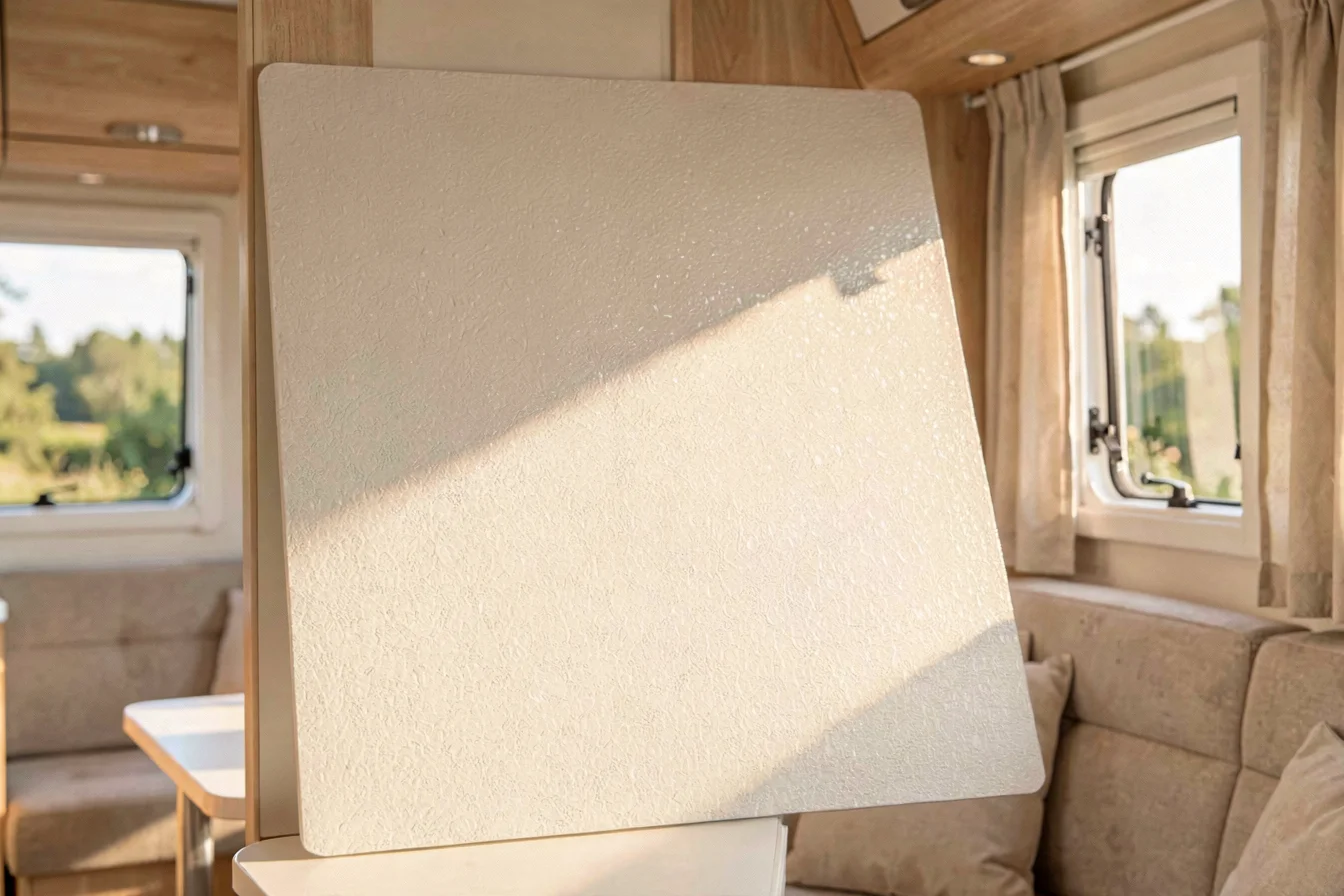
Amazon’s best-selling listings for caravan interior wall panels range from functional peel-and-stick tiles, trim panels, and dashboard covers to sidewalls and carport accessories. Buyer priorities include ease of installation, moisture and UV resistance, design flexibility, and compliance with OEM specs. The top products below emphasize diverse use cases—true interior wall panels, vinyl tiles, dashboard or seat trim, and portable sidewalls, with pricing from USD 5–167 and ratings from 1.9 to 4.7 [2].
| Image | Name | Price | Rating | Key Features |
|---|---|---|---|---|
 |
Smart Tiles Peel and Stick Backsplash | USD 37.98 | 4.2 | Easy install, moisture-resistant, A+ VOC certified, modern design |
 |
Green Peel & Stick Tile 3D Adhesive | USD 5.99 | 4.0 | Lightweight, waterproof, easy to put up, low-cost solution |
 |
Waterproof Wall Socket Passthrough | USD 24.99 | 4.6 | Durable, weather-resistant, aluminum, panel-mounted for interior use |
 |
RANSOTO B Pillar Trim Door Molding | USD 20.99 | 4.6 | OEM fit, weather sealing, quick install, UV and rain protection |
 |
RLB-HILON Driver Side Seat Panel Trim | USD 39.99 | 4.7 | Easy install, plastic, compatible with various caravan models |
 |
Autorder Dashboard Cover Mat | USD 26.88 | 4.3 | Custom fit, flannel, sun glare protection, easy placement |
Most buyer praise centers on ease of installation (“so easy to install and very adhesive” [2]), the quality of materials (“the material is as goodOr better than what the carport original cover material was” [2]), and water or UV resistance. Drawbacks include fit issues (“a little tight on installation but it fulfills its purpose” [2]), confusion between interior and exterior applications, and longevity (“Hopefully the UV resistance is good—it will take a few years to know that” [2]). Buyers reward panels with fast fit, durability, and regulatory certification, while complaints point to incorrect product labeling, limited warranty support, or poor finish.
“These tiles are absolutely perfect in my kitchen! They were so easy to install and very adhesive … glossy finish makes them super easy to wipe down and keep clean!” [2]
“Fit my 10x20 (not vevor) carport perfectly … I am very happy with quality for the price I paid.” [2]
| Product Name | Top Praise | Top Complaint | Overall Sentiment |
|---|---|---|---|
| Smart Tiles Peel and Stick Backsplash | Very adhesive, easy install, A+ certified | Needs more colors, limited for direct water | Positive—modern, reliable, renter-friendly |
| Green Peel & Stick Tile 3D Adhesive | Lightweight, easy to put up | Thin sheets, not for powdery walls | Mixed—practical, but basic |
| Waterproof Wall Socket Passthrough | Weather-resistant, aluminum quality | Case only, not a full panel | Positive—for RV install, niche use |
| RANSOTO B Pillar Trim Door Molding | OEM fit, easy install | Tight install, needs strong adhesive | Positive—for trim, not wall panels |
A rigorous reliability assessment for caravan interior wall panels shows top-performing panels (GRP, PVC foam, high-density MDF) maintain low defect rates (<1%), minimal warping, and a service life of 10+ years under typical caravan conditions [6]. Critical quality benchmarks include A+ VOC certification, moisture resistance, and consistent sheet thickness. OEMs and leading suppliers (LAMILUX, Roechling) supply panels with range in thickness (5–21mm), with customizable lengths and color profiles [5][6]. Sourcing risk is elevated by ambiguous product categorization, mislabeling, and intermittent retail outages for specialty finishes; price fluctuation risk is low, but buyers must watch for rising logistics costs and regulatory compliance bottlenecks.
| Benchmark Dimension | GRP/PVC Composite Panel | MDF/Timber Panel |
|---|---|---|
| Defect Rate | Under 1% (OEM-grade) | 3–6% (retail-grade) |
| Moisture Resistance | Excellent (PVC/GRP) | Moderate/poor (MDF, timber) |
| Service Life (years) | 10–15 | 5–8 |
| Certification | VOC A+, fire retardant, branded OEM | Limited, often uncertified |
| Ease of Installation | Fast-fit, peel/stick or screw-mount | More labor-intensive, trim required |
Strategic sourcing advice: buyers should favor panels from reputable OEMs or B2B platforms with comprehensive documentation (VOC rating, thickness, color range), negotiate price based on bulk quantity and turnkey installation accessories (mounting kits, trims), and require lead times and logistics support to mitigate regional outages [5][6]. Leverage supplier evaluation (factory audits, live stock checks, expert part identification) to minimize compliance risks and ensure reliable fit for both static and touring caravans.
OEM-supplied GRP/PVC panels outperform legacy timber/MDF in reliability, fit, and moisture resistance. Buyers must enforce certification and bulk negotiation for optimal sourcing.Direct sourcing from OEMs or B2B platforms like Alibaba.com ensures access to customizable, certified panels with technical support and logistics tracking [5]. Factory direct procurement provides the greatest customization and compliance leverage, while authorized distributors offer faster regional fulfillment but may lack the full product range or bulk price advantage. Retail channels are best for quick, small-batch purchases but often mislabel exterior panels as interior, increasing the risk of incorrect spec. Logistics optimization requires coordinated lead times (8–12 weeks for custom panels), compliant shipping documentation, and attention to import duties (especially for composite blends into EU and AU markets). Tariff risk is low, but VAT and product compliance documentation (A+, fire-rated) is mandatory for cross-border buyers.
| Feature | B2B Advantage |
|---|---|
| Customization | Full OEM/ODM Support |
| Bulk Pricing | Negotiable contract rates |
| Compliance | VOC/fire/cert, regulatory support |
| Lead Time | Managed, priority fulfillment |
| Logistics | Custom clearance, DDP/EXW/FCA terms |
The caravan wall panel sector is set for continued material innovation in 2026–2027, with composite blends (GRP, PVC foam, recycled content) dominating new listings and stricter mandatory certifications on fire, VOC, and moisture standards. Prices are expected to remain stable with gradual increases for high-end decorated panels and branded OEM formulations. Buyers should prioritize adaptive procurement, focusing on customizable, certified panels sourced from trusted OEMs, negotiated in bulk through B2B platforms, and supported by technical documentation. Renovation cycles, rental fleet upgrades, and end-user DIY projects will keep volumes strong, especially in EU and AU markets. To future-proof sourcing, buyers must track regulatory changes, plan for variable lead times, and leverage complete solutions (panel, trim, mounting kits) that match the technical and aesthetic requirements of evolving caravan designs. The clearest action: secure compliant composite panels from verified suppliers, using platform-based negotiation to lock in pricing and guarantee timely delivery as seasonality and market volatility intensify through Q2–Q4 2026.
Continued innovation and regulatory tightening will drive long-term value for buyers prioritizing certified, customizable composite panels and agile sourcing strategies—future demand will reward those who move early and enforce spec compliance.