All categories
Featured selections
Trade Assurance
Buyer Central
Help Center
Get the app
Become a supplier

2026 Global Bestseller Report: Car Bumper Protector Trends & Buying Intelligence

Why Car Bumper Protectors Dominate Auto Accessories in 2026

As 2026 unfolds, the automotive industry is witnessing a notable surge in the popularity and ubiquity of car bumper protectors. Once seen as a niche accessory, these guards have rapidly become an essential purchase for a diverse array of vehicle owners—from urban commuters navigating tight parking spaces to adventure enthusiasts frequently loading and unloading gear. This evolving demand coincides with several pivotal market factors:

  • Rising urbanization leads to higher incidence of minor collision damage and parking scrapes, fostering awareness about preventative car care.
  • Seasonal cycles: Winter months bring increased road hazards, while summer sees spikes in road trips and outdoor activities, both driving up the need for bumper protection.
  • Technological change: New vehicle models, especially electrics and premium brands, come with expensive paintwork and trims, further incentivizing protection investments.
  • Cultural shift: Car ownership now seamlessly integrates with active lifestyles, as reflected in consumer advice threads and influencer content that underscore long-term vehicle maintenance.
2026123456

Decoding Car Bumper Protectors: History, Types & Buyer Needs

Car bumper protectors are engineered add-ons or accessories placed on vehicle bumpers to shield them from scratches, dings, minor impacts, and day-to-day wear. Their origins trace back to the broader evolution of automotive exteriors in the mid-twentieth century, when bumpers transitioned from heavy chrome-plated steel to integrated plastic and composite assemblies. As bumpers became lighter and painted, they also became more susceptible to cosmetic damage[6]. Today’s protectors typically fall into these major classifications:

  • Surface guards: Thin, adhesive-backed rubber or PVC strips placed atop bumper edges and door sills to prevent scuffs from cargo, bikes, or foot traffic.
  • Full coverage protectors: Larger molded covers, sometimes padded, which extend over bumper fronts or rears for rigorous protection against scrapes and low-speed impacts.
  • Interior bumper protectors: Designed for trunk and rear cargo areas, protecting exposed paintwork during loading/unloading[7].
  • Model-specific OEM guards: Precision-made for particular makes and models (e.g., Hyundai, Cadillac Escalade, Tesla Model Y), often feature embossed logos and factory fitments[3][6].
  • Multi-purpose/Universal strips: Adaptable solutions that fit a wide range of vehicles, focusing on broad consumer accessibility and ease of installation[1].
12

Community Insights: User Strategies & Sentiments on Bumper Protectors

The collective voice of auto owners in online communities powerfully shapes consumer expectations and product trends for bumper protectors. Sentiment analysis from user-generated discussions reveals several dominant themes:

  • Ease of installation and custom-fit concerns: Users frequently debate the merits of universal protectors versus OEM-fit guards, with a preference toward vehicle-specific solutions for aesthetics and reliable adhesion[8][9].
  • Homemade alternatives and creative solutions: Many vehicle owners improvise with moving blankets, carpets, or cut-to-size mats, especially for cargo areas and interior surfaces. These alternatives are praised for cost-effectiveness and flexibility, though commercial protectors offer superior durability[7].
  • Brand reputation and adhesive quality: Discussions often highlight issues with poor adhesive on popular Amazon products, prompting recommendations for dealer-sourced OEM options (e.g., Toyota, Hyundai) or aftermarket brands with proven durability[8][9][10].
  • Product performance differences: Sentiments diverge on film-based protection (e.g., Paint Protection Film, PPF) versus hard guards; many users prefer PPF for discreet, long-term paint defense, while molded guards appeal for impact resistance and easier replacement[10].
  • Long-term value and resale protection: Frequent loading/unloading (e.g., bikes, groceries) and high vehicle usage underscore the perceived wisdom of bumper protectors—community consensus supports their role in preventing costly repairs and preserving resale value[9].
  • Lifestyle adaptation: Owners driving in urban, high-traffic, or adventure contexts experience above-average bumper wear, making protecting products nearly mandatory[7][9].

Popular comments in these threads also highlight specific recommendations, such as Bumperdillo for Volkswagen models, WeatherTech BumperTopper for Mazda and Hyundai, and direct dealer-sourced trims for Toyota and Honda. Criticisms center around longevity of adhesion and the need for simple cleaning. Many advocate for DIY PPF installations as a cost saver, especially for those comfortable with home improvement projects.

Overall, user sentiment and community-driven innovation fuels product improvement and market differentiation. For procurement teams, monitoring these organic discussions yields early indicators of feature demands, potential supply gaps, and buyer willingness to pay for both genuine OEM accessories and professionally installed protection films[8][9][10].

2026 Market Directions & Procurement Insights for Bumper Protectors

The bumper protector market in 2026 is characterized by robust growth, diversified product innovation, and strong regional segmentation. Key trends include:

  • Consumer migration toward premium, vehicle-tailored solutions—exemplified by rising sales of model-specific fitments like Cadillac Crest Protectors and Hyundai Elantra WeatherTech BumperTopper[3][6].
  • Universal bumper guards continue to dominate entry-level and mass market segments due to ease of sourcing, lower price points, and compatibility across a broad range of vehicles[1].
  • Global retail platforms (Amazon, Alibaba.com) enable rapid adoption of new styles and features, as evidenced by month-over-month sales spikes among top-selling products[1].
  • Material innovation—growth in non-slip carbon fiber, silicone, and flexible PVC strips, driven by consumer demand for weather resistance and easy maintenance.
  • Regional preferences: North America and Western Europe value branded, aesthetics-focused protectors; Asia-Pacific dominates in universal utility models due to high vehicle urban density and competitive price sensitivity[1][4][5].

The procurement ecosystem covers upstream manufacturing (rubber extrusion, silicone molding, carbon fiber composites, precision adhesives) and midstream distribution through both OEM dealer channels and aftermarket e-commerce. Downstream, consumer and wholesale buying decisions reflect a balance of price, fitment, installation convenience, durability, and visual appeal.

For business professionals, the most actionable intelligence concerns product specifications, demand signals, and competitive pricing across principal SKUs. The next section analyzes retail momentum based on Amazon’s top-selling volume, regional leader products, and sentiment insights.

Sales Trends and Sentiment Analysis: Amazon Bestsellers January 2026

Analyzing the latest Amazon bestseller data for bumper protectors reveals several critical purchase drivers and market opportunities. The following bar chart visualizes sale volumes of the top 10 SKUs, highlighting dominant product features and consumer preferences across wholesale and retail channels[1]:

Bar chart shows normalized monthly sales volume for Amazon’s top 10 car bumper protectors in January 2026, with highest sales linked to universal rear bumper guards and price-tier distribution.

The data illustrates that universal rear bumper guards command a significant lead (monthly sales volume between 101–112 per SKU), with competitive retail pricing typically under $9 and wholesale rates averaging below $2.5. Model-specific and premium feature products—such as the Bronco Sport and Tesla Model Y protectors—fetch considerably higher price points ($17.67–$28.96 wholesale) but show lower sale volumes, underscoring a split between mass-market utility and brand-driven premium demand. The sentiment gleaned from tens of thousands of review keywords emphasizes ease of installation, anti-slip effectiveness, and perceived value. Minor negative sentiment revolves around adhesive reliability and the longevity of materials under harsh outdoor use.

Review analysis also highlights two distinct buyer segments:

  • Budget-focused consumers prefer universal guards due to price and availability, often accepting tradeoffs in adhesive quality.
  • Brand-conscious and premium buyers target model-specific guards, citing ease of fitment, superior material quality, and integrated design bouquets as key drivers.

Hot Selling Analysis: Top 10 Amazon Bumper Protectors

Below is a detailed comparative table encapsulating the latest Amazon top 10 best-selling bumper protectors. The table provides images, specifications, prices, ratings, and key features to support direct procurement decisions. Note: Images are only from verified product sources; no outbound Amazon links. Data sourced from [1].

Product Image Name / Model Specs / Features Retail Price Wholesale Price Avg. Rating Monthly Sales
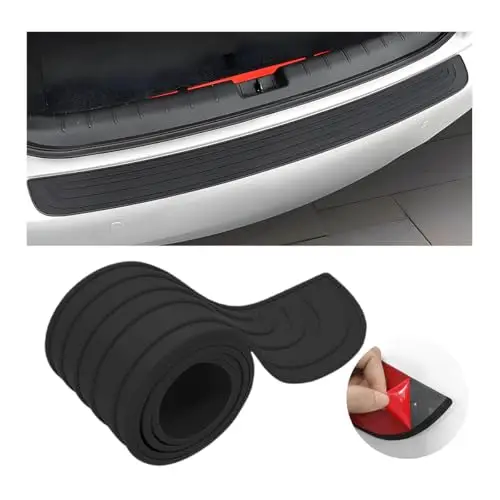
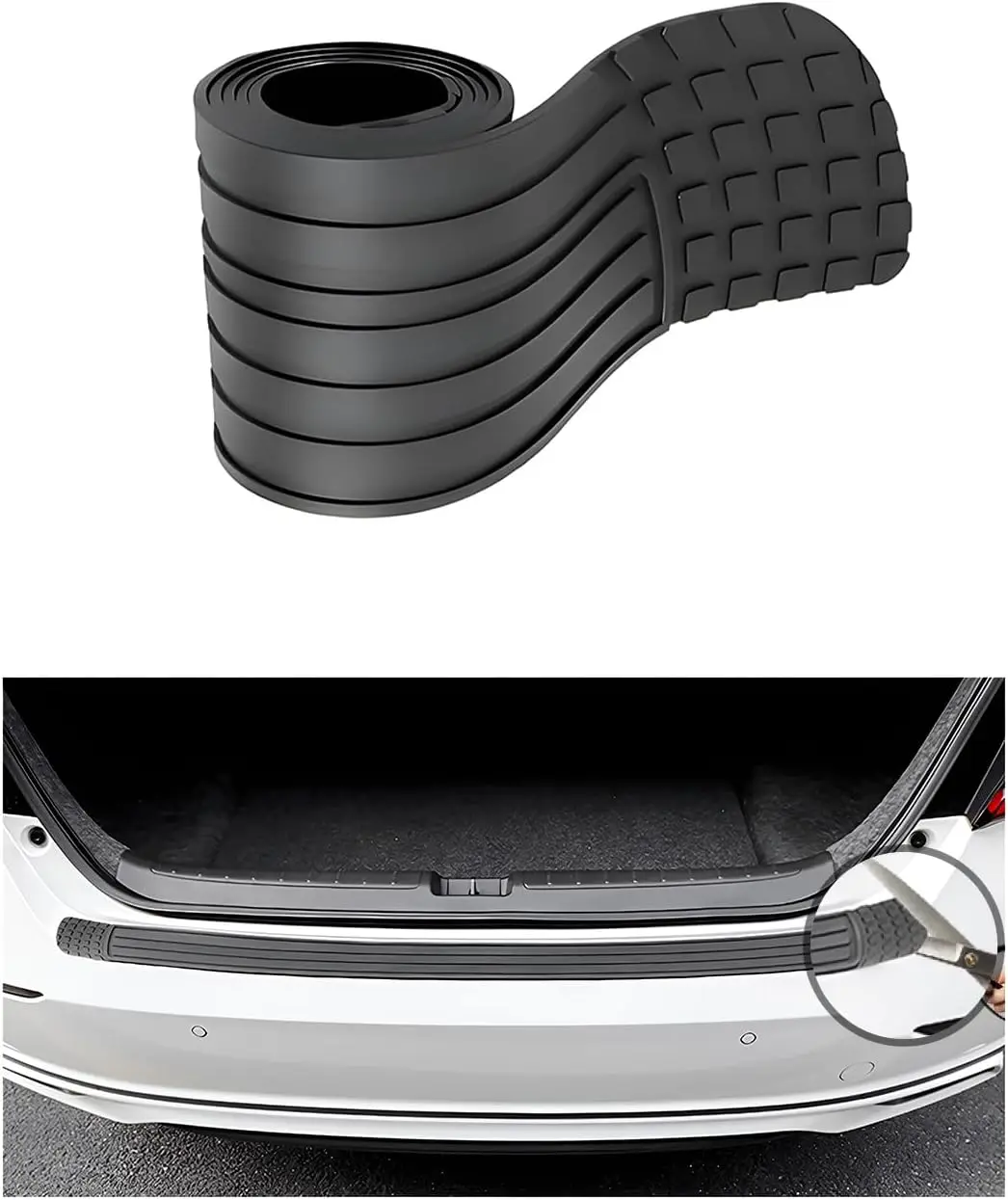
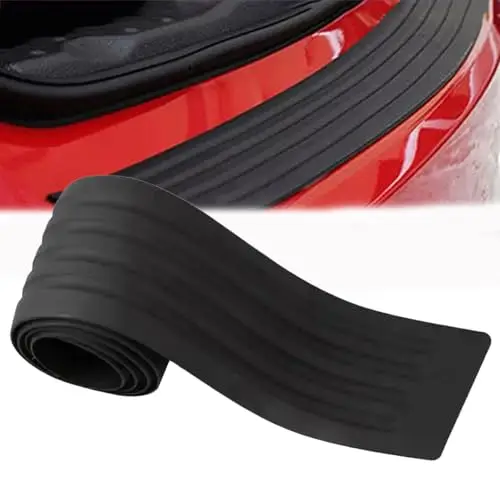
Car Rear Bumper Guard Black Car Rear Bumper Guard, Anti-Scratch (40" Black) Universal fit; Non-slip; Entry protection; For cars/SUVs/Trucks $7.81 $2.23 4.3 112
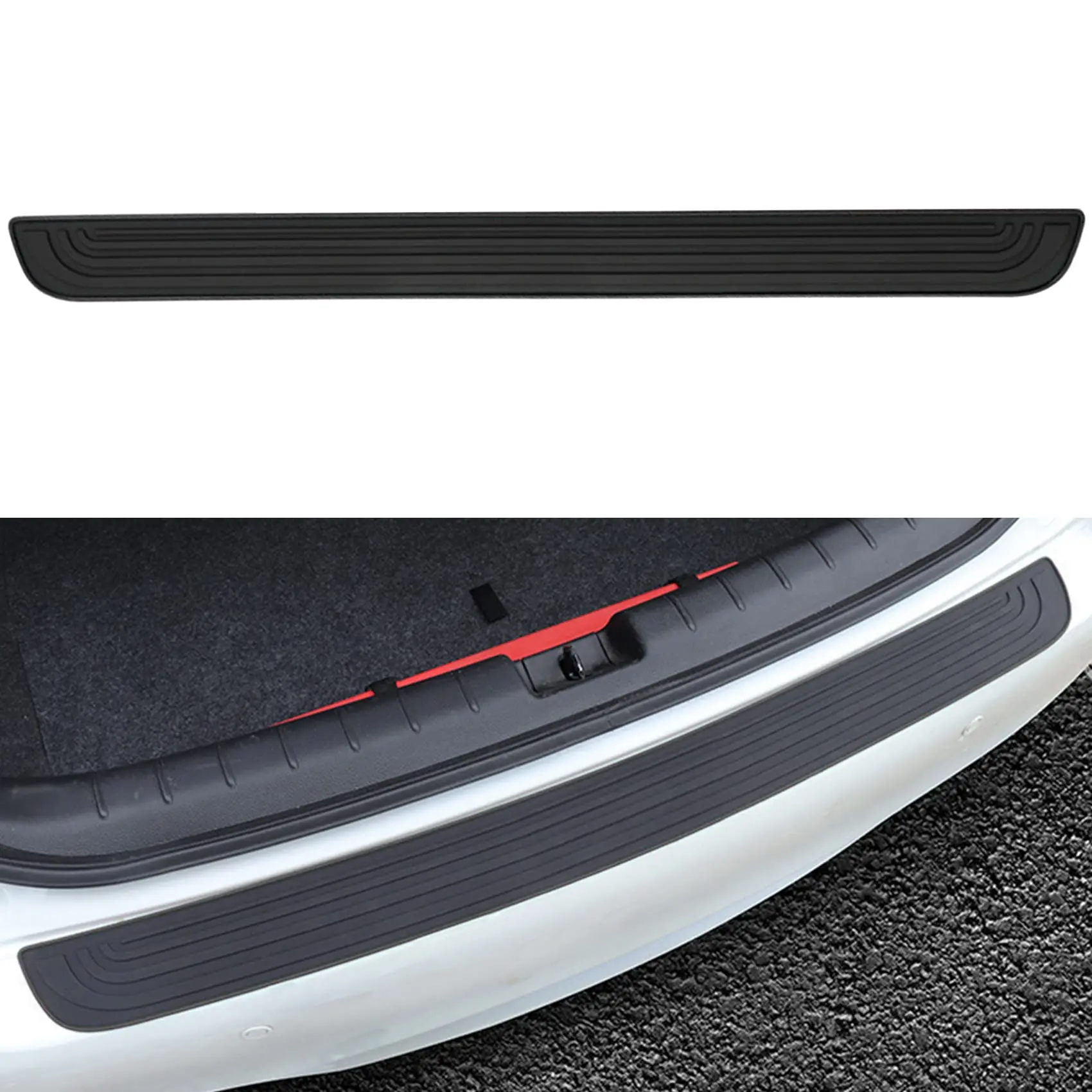
Car Rear Bumper Protector Guard Black Car Rear Bumper Protector Guard (35.4" Black) Rubber; Scratch-resistant; Universal trim cover; For cars/SUVs $7.6 $1.34 4.1 107
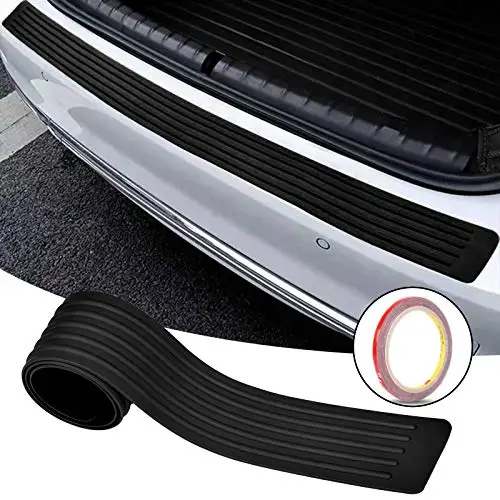
Matericuo Car Rear Bumper Guard Matericuo Rear Bumper Guard (38" Black) Anti-collision; Non-slip; Universal; With tape; For SUV/cars $8.43 $1.88 4.2 101
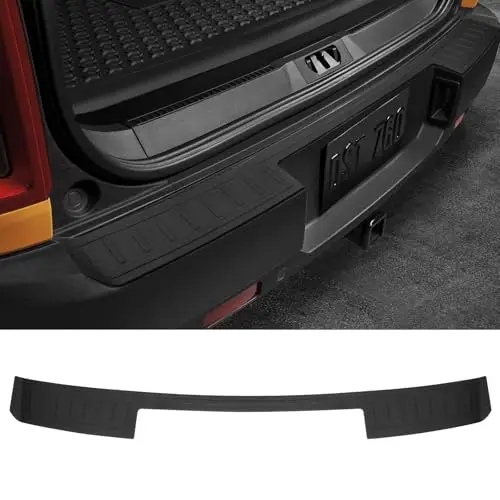
Ecarzo Bronco Sport Rear Bumper Protect Ecarzo Rear Bumper Protector (Bronco Sport, 21-25) SUV-specific; Scratch-resistant; Entry guard $38.75 $17.67 4.4 93
Universal Rear Bumper Protection Strip Universal Rear Bumper Protection Strip Abrasion-resistant; Universal fit; Band-style; For SUV/Sedan/Truck $6.36 $3.05 4.7 19
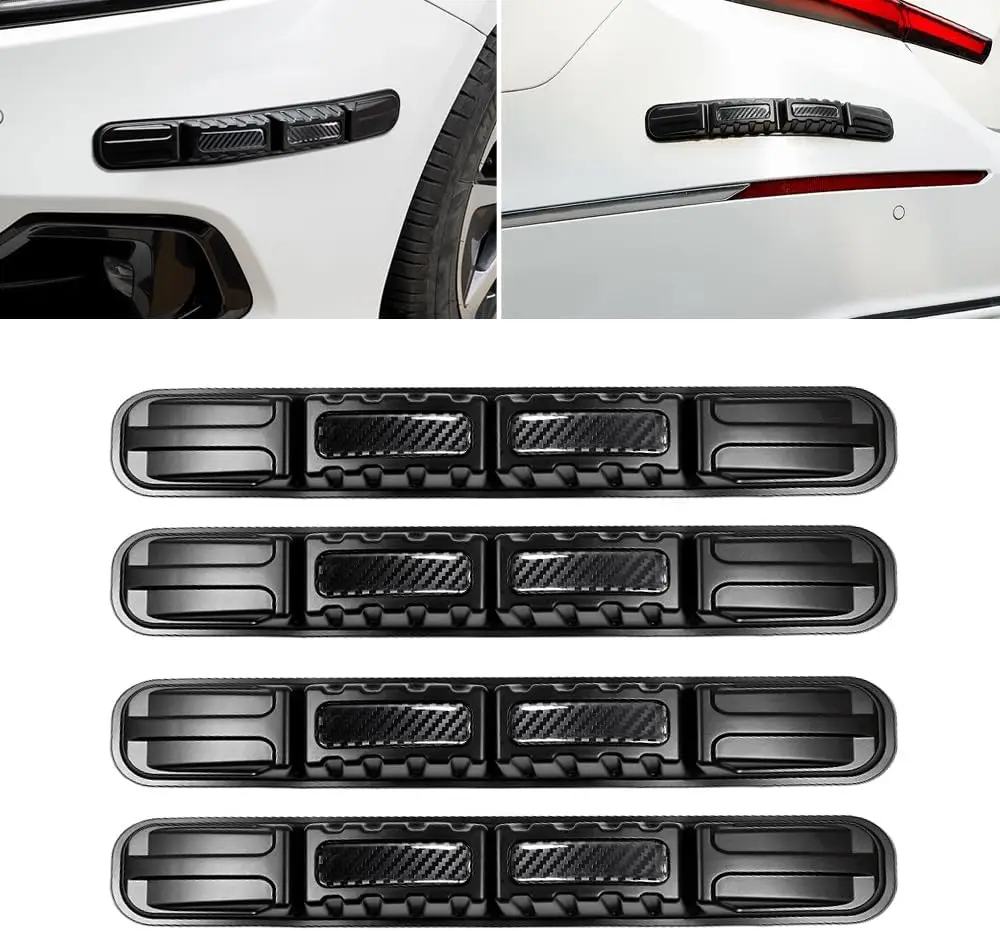
NHHEO Carbon Fiber Bumper Guard 4Pcs NHHEO 4Pcs Carbon Fiber Bumper Guards Universal; Carbon fiber look; Anti-collision; 4 pieces $25.2 $2.12 3.5 14
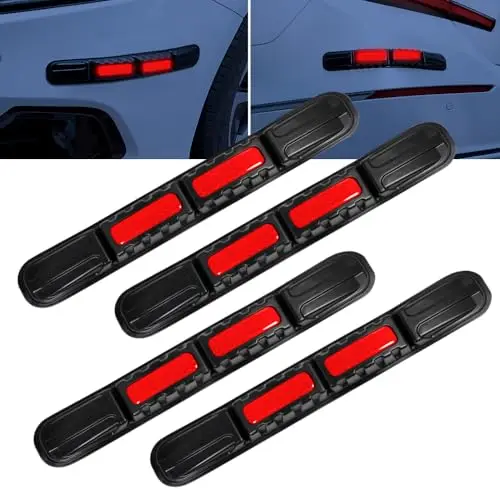
NHHEO Red Bumper Guard 4Pcs NHHEO 4Pcs Red Bumper Guards Universal; Red accent; Anti-collision; 4 pieces $23.58 $2.67 3.4 8
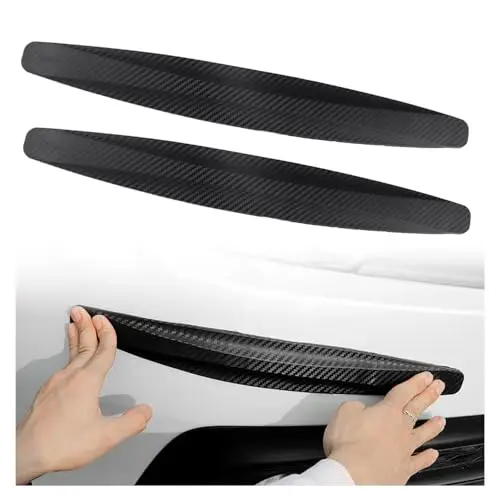
Anti-Scratch 2PCS Car Bumper Guard Anti-Scratch 2PCS Car Bumper Guards Front/rear use; Decoration strip; Universal; 2 pack $14.91 $0.83 3.7 7
EOHMAK Rear Bumper Protector Guard EOHMAK Rear Bumper Protector Guard (104cm Black) Anti-collision; Non-slip rubber; Door sill protection $11.99 $1.6 0.0 5
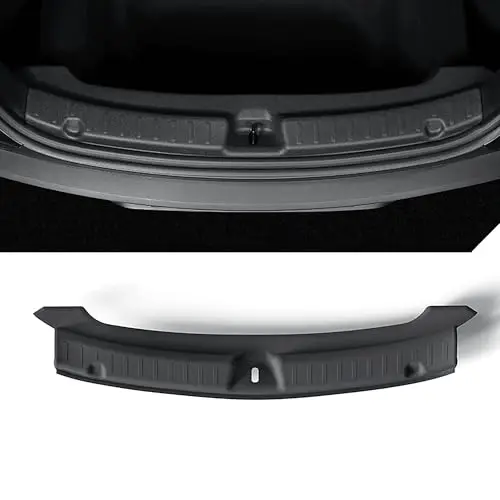
Tesla Model Y Juniper Rear Bumper Guard Tesla Model Y Juniper Rear Bumper & Trunk Sill Protector Upgrade for Model Y Juniper; Compatible with Refresh; Premium fitment $28.96 $6.93 4.7 5

Table data sourced from [1].

Interpretation for procurement teams:

  • Universal fit rubber/silicone protectors are the fastest sellers for high-frequency use cases at sub-$10 retail and $1–$3 wholesale pricing.
  • Model-specific accessories (Tesla, Bronco Sport) maintain higher margins despite lower sales cycles, indicating viability for premium-focused channels.
  • New material variants (carbon fiber look, anti-collision strips) populate emerging “performance upgrade” and styling segments; monitor review scores and regional buying behavior for supply chain refinement and trend anticipation.

Smart Sourcing: Risk Control & Supplier Considerations for Bumper Protectors

Procurement for car bumper protectors in 2026 blends product innovation with classic supply chain fundamentals. For buyers on Alibaba.com or large resellers, refining sourcing strategy requires a keen focus on these actionable themes:

Supplier Qualification Criteria

Evaluating suppliers sets the ground for successful procurement. Focus on:

  • Certifications: Mandate ISO9001/TS16949 for automotive components, and confirm compliance with rubber/silicone material standards (RoHS, REACH).
  • Production Capacity: Assess monthly output quotas vs. planned seasonal surges (e.g., winter demand in North America or Europe), and ensure backup manufacturing sites for continuity.
  • Quality Control Systems: Prioritize suppliers with in-line inspection, end-of-line functional testing (adhesion, weather resistance), and robust traceability for each shipment.
  • OEM/ODM Experience: Suppliers with history in model-specific or branded trims (Hyundai, Cadillac, Tesla) demonstrate higher engineering and logistics acumen[2][3][6].

Quality Control and Inspection Points

Quality management remains vital:

  • Material Validation: Inspect rubber, silicone, PVC input batches for compliance, homogeneity, and durability against abrasion and UV exposure.
  • Installation Testing: Replicate installation for sample sets—focus on adhesive performance on different substrate types (paint, plastic, metal), anti-slip effectiveness, and fit-to-form rating.
  • Packaging & Shipment: Stipulate impact-resistant retail packaging, use bulk cartons for B2B loads, and include QR-code traceability for warranty and resale tracking.
36

Logistics, Certification, and Compliance

- Align shipping mode (air vs. sea) with cost and lead-time tradeoffs; smaller lots favor air-freight, bulk orders via sea-consolidation. - Ensure item harmonization under HS Codes for auto accessories; anticipate customs in target countries such as the USA, EU, and Australia. - Insist on compliance documentation (test reports, certificates of conformity) before final payment releases. Scrutinize for correct marking/branding, country-of-origin labeling, and end-user instructions.

Risk Management & Competitive Advantages

Common pitfalls include underperforming adhesives (main source of negative reviews), poorly matched colors with OEM trims, and uncontrolled material shrinkage in harsh climates[8][9]. To avoid these:

  • Source from factories with proven weather testing data and flexible production engineering.
  • Request retention samples from prior lots.
  • Secure after-sales support infrastructure from larger suppliers—spare part provision, direct technical support, and warranty acknowledgment.
36

Strategic Takeaways: Confident Buying in the Dynamic 2026 Bumper Protector Market

Car bumper protectors are now a critical node in the global auto accessories ecosystem. The 2026 market combines fast-selling universal solutions and high-value branded trims, driven by evolving consumer needs and usage contexts. Trends to note include:

  • Ongoing strength in universal fit, sub-$10 products, ideal for mass retail and B2B volume.
  • Growth in premium, vehicle-specific trims (Tesla, Cadillac, Hyundai), supporting higher margins and enhanced OEM collaborations.
  • Heightened focus on adhesive and material quality: sourcing teams should demand tangible factory QA, repeatable real-world tests, and warranty support.
  • Consumer sentiment continues to drive product improvement—monitor forums and user reviews for feature feedback, supply chain adaptability, and brand recommendations.
  • Balanced sourcing strategy: Mix high-velocity universal SKUs for core turnover with branded upsells to capture customer loyalty and value-seeking behaviors.

For procurement professionals and retail buyers, leveraging these actionable insights enables confident, high-impact sourcing in a fast-moving market. Engage directly with experienced suppliers, push for product innovation, and stay alert to every voice—whether a supplier, customer, or community—from forum trends to tangible product improvements.

Now is the time to assess your portfolio, expand your supplier network, and fortify your auto accessories line-up with smart, durable, and appealing bumper protection solutions. The intelligence above is your toolkit for success in the year ahead.

Notice