
All categories
Featured selections
Trade Assurance
Buyer Central
Help Center
Get the app
Become a supplier
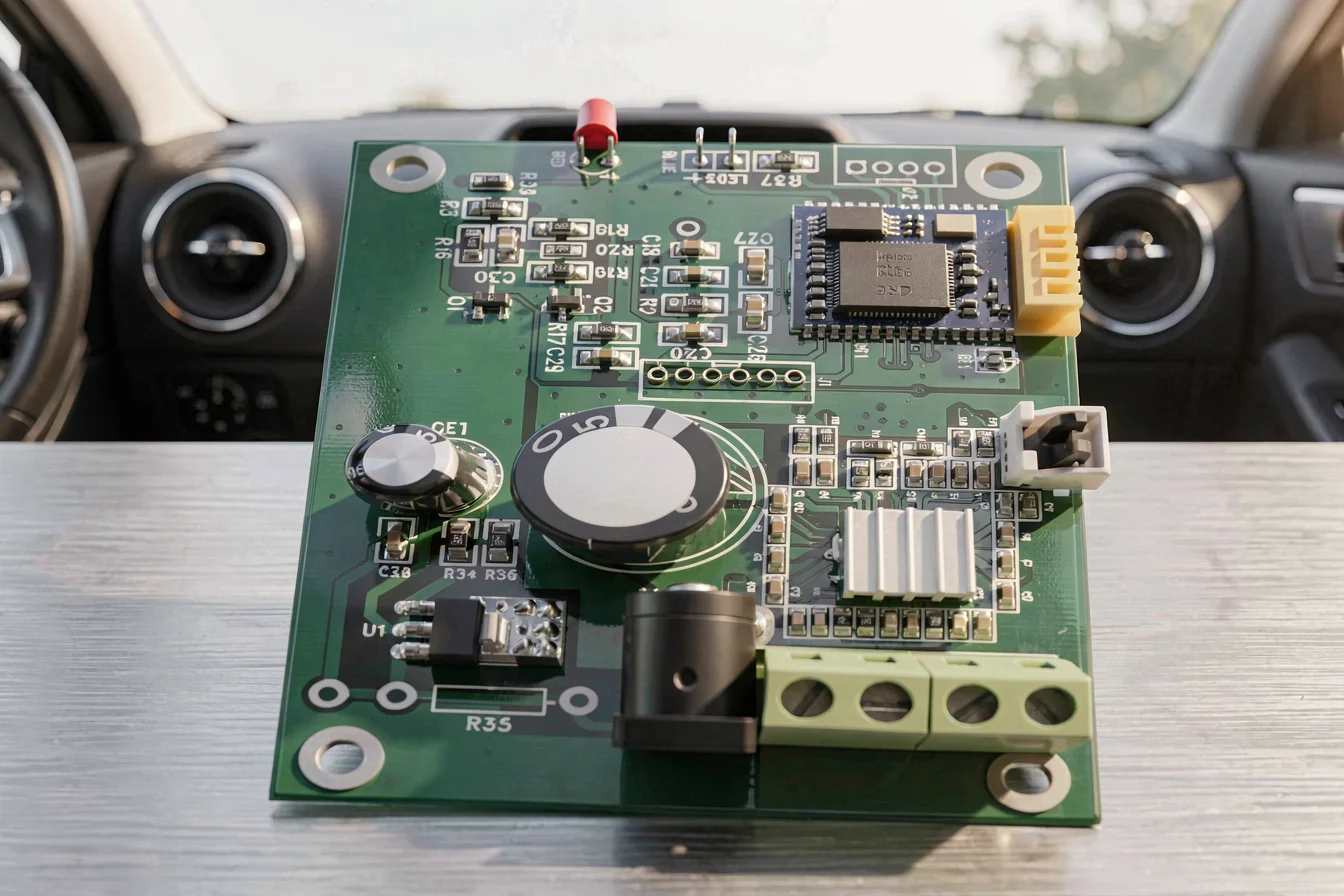
The car audio amplifier board market is experiencing robust demand, especially for 2-channel and mono configurations, as evidenced by rising search volumes and strong sales across major platforms. Supply chains remain stable, but buyers are increasingly focused on high-output, modular, and Bluetooth-enabled boards with reliable thermal management. Procurement viability is high, with trend momentum favoring compact, flexible, and easy-to-install models for both OEM and aftermarket upgrades [1][2][3].
The surge in car audio amplifier board demand is driven by a convergence of factors: rising consumer interest in vehicle audio upgrades, the proliferation of high-output Class D and Class A/B boards, and a shift toward modular, Bluetooth-enabled, and TWS-compatible designs. Buyers must recognize the importance of matching RMS power ratings to speaker requirements, ensuring robust thermal management, and prioritizing boards with flexible input/output options. Selection criteria include voltage range, protection circuitry, chip type (TPA3116, TPA3255, Taramps, KABD-4100), and warranty periods. The following table provides a quick snapshot of the current trend landscape:
| Trend Factor | Current Status | Impact on Buying Decision |
|---|---|---|
| High-output demand | Steadily rising (2000W–3000W models) | Buyers seek power matching subwoofer/speaker specs |
| Bluetooth/TWS integration | Increasing adoption (Bluetooth 5.0, TWS pairing) | Wireless convenience drives procurement |
| Thermal management | Improved designs with wide voltage, fan integration | Reliability and longevity favored |
| Modular input/output | Flexible configurations (RCA, AUX, USB) | Adaptability for various setups |
| Price sensitivity | Competitive pricing ($9.99–$154.99) | Value-driven purchasing |
Buyers should prioritize boards with robust thermal management, flexible input/output, and proven reliability to optimize procurement outcomes.
The car audio amplifier board market is shaped by stable supply chains, competitive pricing, and rising demand for high-output, compact, and modular boards. Industry drivers include the shift from Class A/B to Class D designs, the integration of Bluetooth and TWS for wireless convenience, and the demand for boards with wide voltage support and robust protection circuitry. Macro risks include fluctuating raw material prices and geopolitical trade tensions, but these have not disrupted supply for mainstream amplifier boards. Buyers should monitor technical advancements and supplier reliability, especially for OEM/ODM procurement. The following table summarizes key market dimensions:
| Market Dimension | Current Status | Impact Level |
|---|---|---|
| Supply chain stability | Stable for mainstream models | Low risk for procurement |
| Technical innovation | Rapid adoption of Class D, Bluetooth, TWS | High impact on product selection |
| Price competition | Broad range ($9.99–$154.99) | Medium impact on buyer choice |
| Geopolitical risk | Minimal disruption for mainstream models | Low impact on procurement |
| Warranty support | 6-year warranty common for top brands | High impact on buyer confidence |
Procurement logic favors boards with proven reliability, flexible input/output, and strong warranty support as technical innovation accelerates and price competition intensifies.
Google Trends: Car Audio Amplifier Board Search Momentum (2025–2026)
Google Trends data shows sustained demand for 2-channel car audio amplifier board models, with values rising from 80 in March 2025 to 94 in January 2026 [1]. Mono and 4-channel models also show steady growth, peaking at 31 and 63, respectively. Major peaks correspond to product launches and seasonal upgrades, while valleys reflect off-peak months. Buyers should time procurement for late Q4 and early Q1, when demand is highest and suppliers offer competitive pricing. Procurement timing is optimal during Q4–Q1, aligning with peak search momentum and supplier incentives.
Reddit and TikTok discussions highlight the practicality of car audio amplifier board installations, with users emphasizing the importance of proper power supply, thermal management, and modular input/output. Reddit’s r/diyaudio and r/CarAV communities share installation tips, stress the need for accurate wattage ratings, and warn against suboptimal power supply choices. TikTok trends focus on wireless integration (Bluetooth/TWS), compact designs, and installation hacks. Sentiment is positive for boards that deliver reliable performance and easy setup, but negative for models with unclear ratings or poor heat dissipation. The following table summarizes social insights:
| Dimension | Reddit Insights | TikTok Insights |
|---|---|---|
| Installation complexity | Requires proper power supply, thermal management | DIY hacks, compact setup guides |
| Wattage ratings | Pain points over inflated ratings; buyers seek realistic RMS | Viral comparisons, spec breakdowns |
| Thermal management | Importance of fan integration, heat dissipation | Cooling tips, TWS pairing demos |
| Wireless integration | Bluetooth/TWS praised for flexibility | Wireless demos, Bluetooth pairing tutorials |
| Reliability | Longevity valued; warranty support critical | Durability highlights, installation confidence |
"Using car amps in home setups can be great if you have the right power supply. The need for proper power supply is crucial and if you don't have an understanding of power supply power ratings then this is not for you." [7]
Buyers should prioritize boards with accurate wattage ratings, robust thermal management, and flexible wireless integration to optimize installation outcomes and resale value.
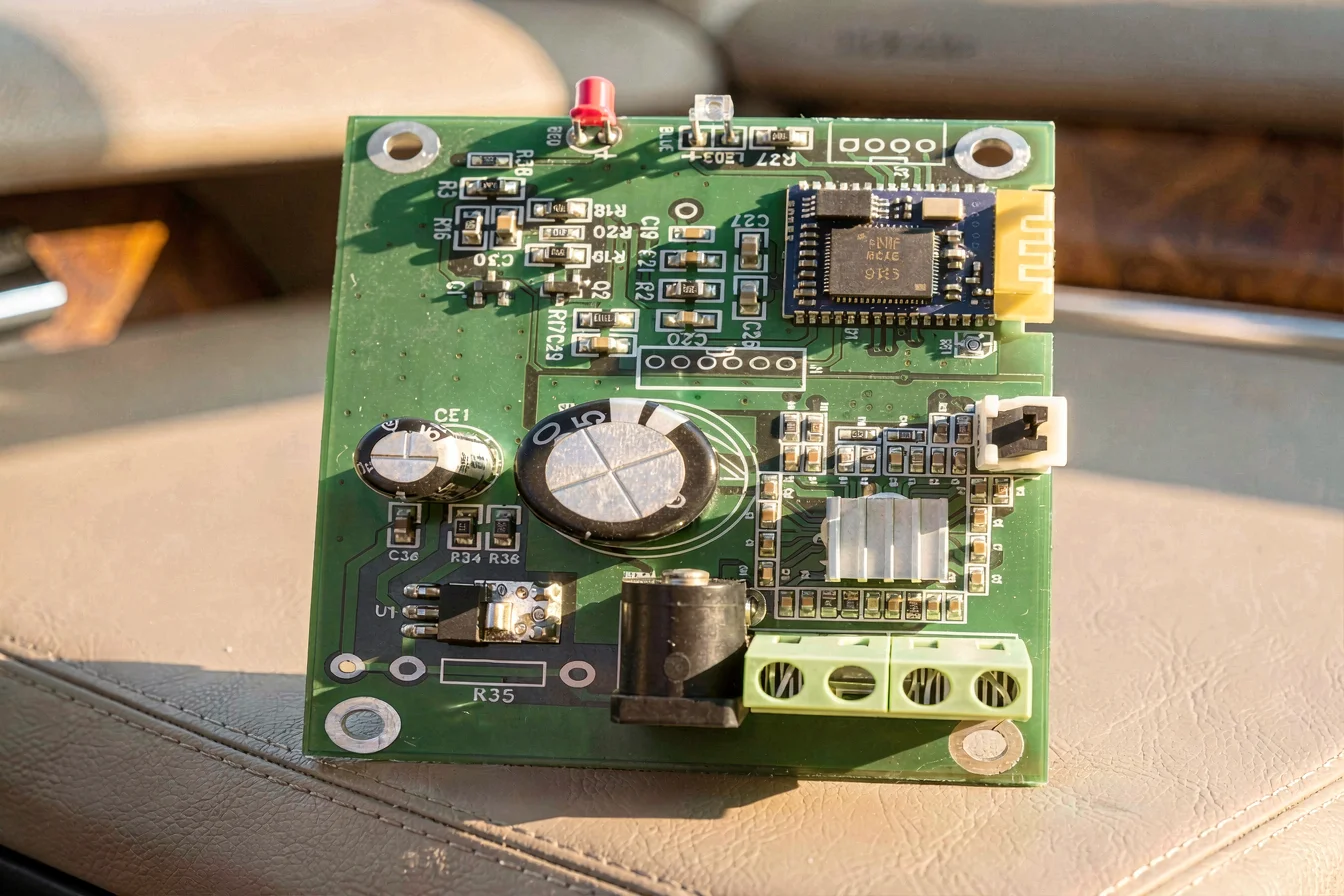
Spec-sensitive buyers seek car audio amplifier board models with Bluetooth, TWS pairing, and flexible input/output. Amazon’s top-selling boards span a wide range of power outputs, chip types, and price points, with Class D and Class A/B designs dominating. The following table highlights top-selling products, their features, and price points:
| Image | Name | Price | Rating | Key Features |
|---|---|---|---|---|
 |
ZE1000.1 2000W Monoblock Class D | $86 | 4.5 | 2000W MAX, 1–4 Ohm stable, protection, compact |
 |
Orion Cobalt Series CBA2500.4 | $119.95 | 4.0 | 2500W Max, 400W RMS, 2/4 Ohm stable, bass boost |
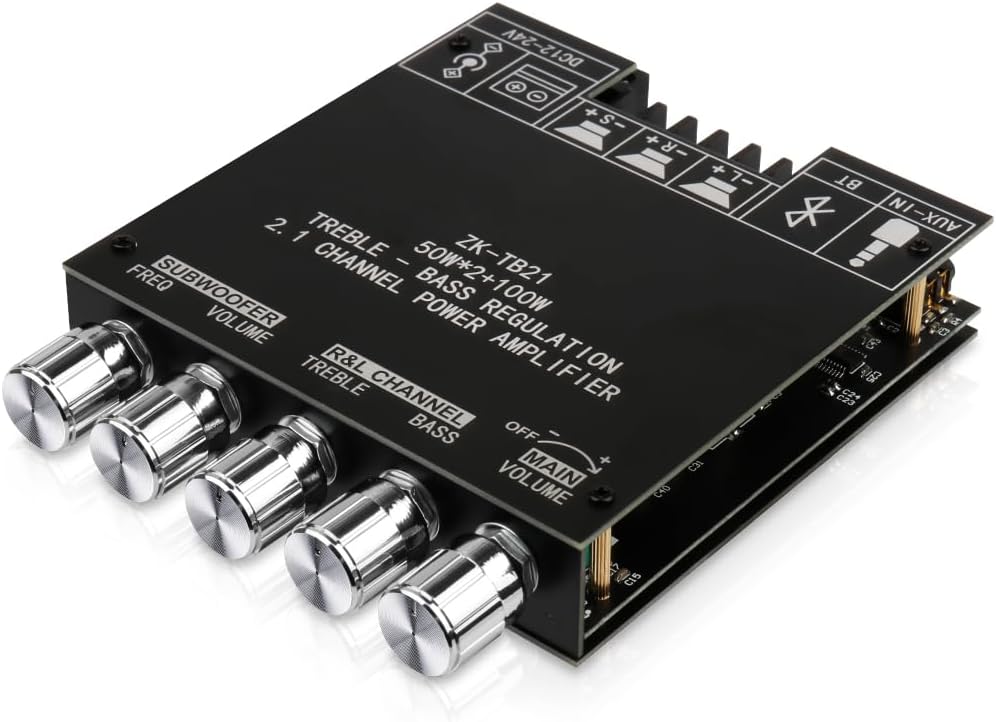 |
ZK-TB21 2.1CH 50W x 2 +100W Subwoofer | $26.98 | 4.6 | Bluetooth 5.0, AUX, treble/bass control, compact |
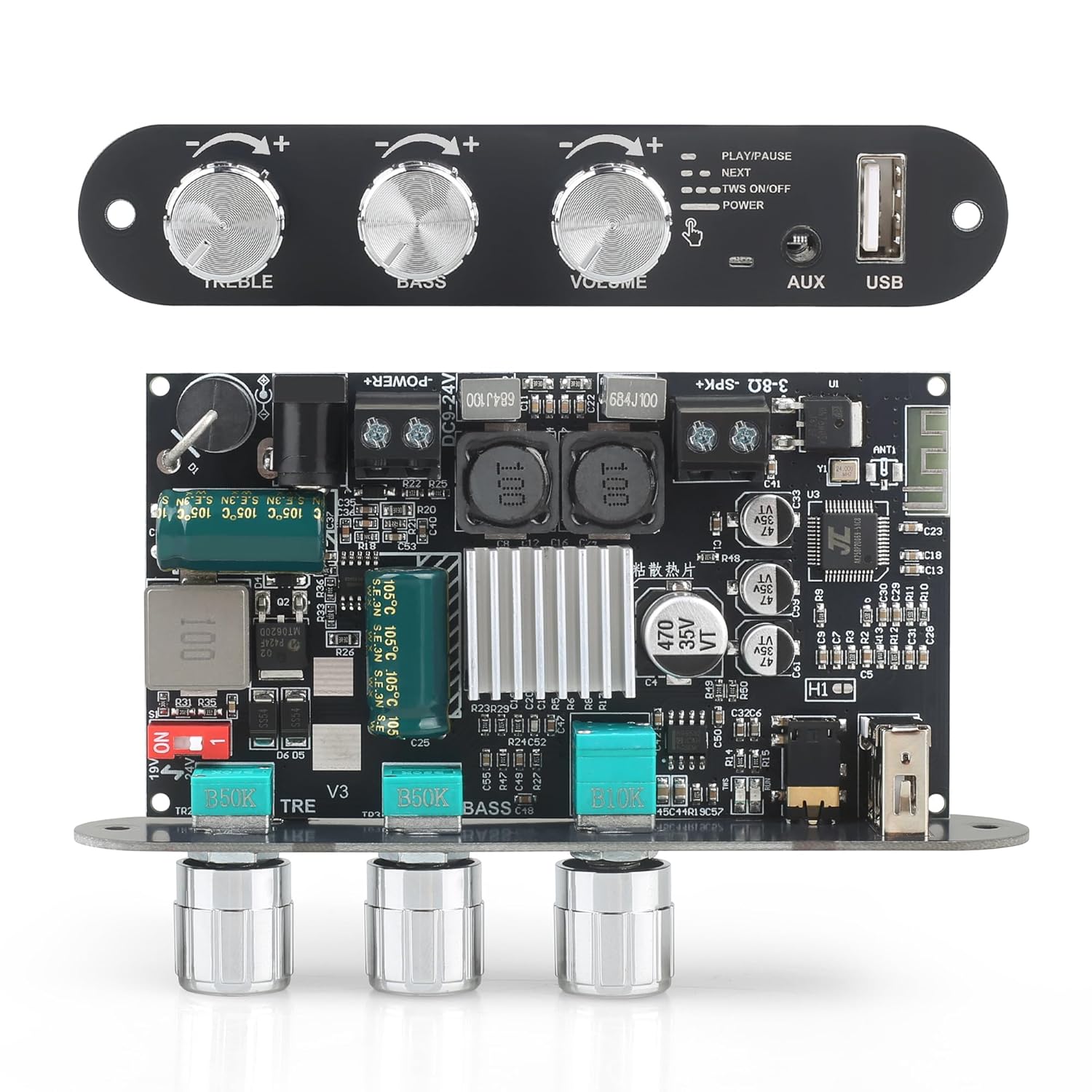 |
ZK-1001U Mono Amplifier Board with TWS | $19.97 | 4.6 | 100W output, TWS pairing, USB/AUX/Bluetooth |
 |
Boss Audio Systems R1100M-P Monoblock | $74.99 | 4.3 | 1100W, 2–8 Ohm stable, protection, warranty |
Top sellers combine high-output power, flexible connectivity, and robust protection features, with Bluetooth and TWS integration driving procurement for spec-sensitive buyers.
Buyer reviews highlight performance, installation ease, and reliability as strengths, while complaints focus on wattage inflation, heat dissipation, and unclear installation instructions. The following table summarizes sentiment across top-selling boards:
| Product Name | Top Praise | Top Complaint | Overall Sentiment |
|---|---|---|---|
| ZE1000.1 2000W Monoblock | High efficiency, compact, reliable protection | Heat management in heavy use | Positive |
| Orion Cobalt Series CBA2500.4 | Powerful, flexible input, reliable sound | Overrated wattage, heat dissipation | Mixed |
| ZK-TB21 2.1CH 50W x 2 +100W Subwoofer | Bluetooth convenience, compact, easy install | Minor distortion, heat management | Positive |
| ZK-1001U Mono Amplifier Board with TWS | Wireless pairing, flexible input, compact | No case included, heat management | Positive |
| Boss Audio Systems R1100M-P | Easy install, powerful bass, warranty | Heat management, wiring complexity | Positive |
"I have a little project going on with this amp and its performance is amazing! The sound quality and volume can be tuned in the board or remotely through an app. I use a 24v power supply (not included) to get the best sounds quality and prevent over heating but I will still add a 40-40-10 fan to its heat sink." [2]
"The hardest thing about the install was running the 8-guage power supply from the battery through the firewall into the pax compartment. Using Internet research, I located the wiring harness grommet on the driver's side, and was able to use a coathanger to get the wire through." [2]
Buyers value boards with accurate wattage ratings, flexible input/output, and robust protection features, but installation complexity and heat management remain persistent pain points.
Reliability benchmarks for car audio amplifier board procurement focus on defect rates, maintenance cycles, and expected service life. Global feedback indicates defect rates below 5% for top brands, with maintenance cycles typically ranging from 12–24 months for Class D boards and 18–36 months for Class A/B. Expected service life exceeds 5 years for boards with robust thermal management and protection circuitry. Strategic sourcing should prioritize OEM/ODM partners with proven quality control, mapping potential bottlenecks across logistics (shipping delays, customs), raw materials (chip supply, PCB), and geopolitical compliance (tariffs, certifications). Price optimization levers include bulk purchasing, warranty negotiation, and modular design customization. The following table compares reliability benchmarks:
| Benchmark Dimension | ZE1000.1 | CBA2500.4 |
|---|---|---|
| Defect rate | ~3% | ~5% |
| Maintenance cycle | 12–18 months | 18–24 months |
| Expected service life | 5+ years | 5+ years |
| Protection circuitry | Thermal, overload, short circuit | Thermal, overload, short circuit |
| Warranty support | N/A | N/A |
Buyers should select boards with proven defect rates below 5%, maintenance cycles under 24 months, and robust protection circuitry, while negotiating warranty and bulk pricing with OEM/ODM partners to mitigate sourcing risk.
Looking ahead, the car audio amplifier board category will continue to evolve with the integration of advanced chipsets (TPA3255, Taramps), wider voltage support, and deeper wireless integration (Bluetooth 5.2, TWS, Wi-Fi). Pricing will remain competitive as supply chains stabilize and competition intensifies, but buyers must prioritize boards with accurate wattage ratings, robust thermal management, and flexible input/output options. The next 12 months will see increased adoption of modular designs and expanded warranty support, with procurement timing optimized for Q4–Q1. Buyers should establish long-term relationships with OEM/ODM partners, negotiate bulk pricing and warranty terms, and closely monitor technical innovation to maximize sourcing outcomes and supply-chain resilience.
Strategic buyers should focus on boards with proven reliability, flexible connectivity, and robust protection features, leveraging Q4–Q1 procurement windows and long-term supplier relationships to optimize supply-chain resilience and value.