
All categories
Featured selections
Trade Assurance
Buyer Central
Help Center
Get the app
Become a supplier
As we move further into 2026, Nissan Cabstar engines continue to demonstrate remarkable adaptability to the evolving needs of fleet operators, logistics firms, and owner-drivers worldwide. Amid increased regulatory scrutiny, sustainability demands, and shifts in European and Asian transport practices, Cabstar powertrains remain in focus for both replacement parts and new procurement. Notably, the backbone of small and medium business fleets globally, Cabstar’s engine legacy is experiencing renewed traction due to surging e-commerce deliveries and the need for reliable urban transport. Seasonal demand spikes—reflected strongly in Q2 2024 and anticipated for Q2 2026—are propelled by fiscal year purchases, infrastructure upgrades, and post-winter fleet refresh cycles. Cultural factors, such as stricter emissions mandates and continued preference for diesel-powered light trucks in specific export markets, have further positioned the Cabstar segment as a primary area of opportunity for buyers seeking robust, versatile, and cost-effective solutions [1][6].
Recently, increased attention on parts availability, engine longevity, and ease of maintenance has come hand-in-hand with heightened activity in consumer forums and social discussions—underscoring both affection for classic Cabstar reliability and practical anxieties about spare part logistics. Buyers are not only interested in engine units themselves but also in the aftermarket ecosystem sustaining these vehicles in emerging and developed markets. It’s within this fast-changing backdrop that Cabstar engine sourcing, sales, and market intelligence take on increased significance for procurement professionals seeking supply chain resilience in 2026 and beyond [9][11].
At its core, the Cabstar engine refers to the range of diesel and turbo-diesel powertrains installed in the Nissan Cabstar family—widely recognized for blending durability, efficiency, and the mechanical simplicity demanded by commercial operators. Originally introduced as the Datsun Cabstar in Japan (1968) [7], the engine lineage evolved through several iterations, expanding into international markets from the early 1980s under the Nissan badge. By 2014, the Cabstar name was consolidated into the European NT400 platform, aligning with shifting customer profiles and technological advances [7].
Historically, the series has featured a broad spectrum of diesel units ranging from the modest 1.189L engine with 56 PS (41 kW) in the first generation to modern turbocharged configurations like the robust 3.0L diesel rated at up to 150 HP (110–150 HP depending on variant) [3][4][5][8]. Throughout phases of market expansion, significant variants have included:
Key classification criteria for procurement include: engine displacement, power output, emission standard compliance, transmission compatibility, and intended vehicle load capacity. Buyers should match engine variants to operational requirements—urban last-mile delivery favoring lower displacement and superior fuel economy, whereas long-haul/heavy payload service demands maximum torque and reliability. Additionally, defining the engine’s compatibility with local emission laws and maintenance infrastructure is crucial for cross-border sourcing strategies [3][8].
The product taxonomy for Cabstar engines thus centers on:
Understanding this classification landscape allows buyers to optimize procurement decisions, cost management, and long-term fleet operability.
In 2026, the voice of the fleet operator and owner-driver community is increasingly influential in shaping Cabstar engine value perception and aftermarket priorities. Social platforms reveal a tapestry of user-generated content centered on themes of engine reliability, spare part availability, and serviceability. Many users praise the Cabstar’s robust diesel engines for their “workhorse” reputation—typically describing longevity over hundreds of thousands of kilometers and comparatively low costs of maintenance [9]. Experience reports highlight strengths in solid torque delivery (“beast on highways”), straightforward mechanical construction, and resilience under continuous load.
However, anxieties persist surrounding parts logistics. Owners often express frustration about difficulty in sourcing body panels, specific engine components, and certified replacement parts, especially for older models and discontinued engine types. This points to a critical business opportunity for suppliers capable of maintaining inventory on legacy units, as well as introducing innovative cross-compatibility solutions for common high-wear items (e.g., filters, injectors, control governors) [9][11].
Consumer sentiment also spotlights the impact of regulatory changes: with some users voicing appreciation for diesel engines that meet BS4/Euro 4 standards, particularly as governments phase out older diesel models in favor of cleaner alternatives. There is notable caution among buyers regarding upcoming “10-year rules” that restrict urban operation of older diesel vehicles, which, while posing risk, is interpreted by some as motivation to invest in compliant, newer Cabstar powertrains [11].
Maintenance practices are a recurrent discussion thread—many users vouch for the value of using high-quality OEM parts and regular preventive services, especially for high-mileage fleets, while expressing that “old school” Cabstar engines deliver best-in-class cost-benefit ratio when properly maintained [15]. The emotional narrative is overwhelmingly practical: “worth for money”, “diesel reliability”, and “ease of basic repair” dominate, cementing Cabstar engines as emblematic of functional vehicle ownership in the commercial sector. This underlines a key procurement insight—engine suppliers should couple sales with aftercare support, tech training, and parts kits to respond to real-world community needs.
The diesel engine segment—anchored by Cabstar and its automotive siblings—is experiencing pronounced growth in 2026 on the back of sustained demand in fleet services, urban logistics, and construction support. According to supplier marketplace analytics, volumes peaked in Q2 2024, with search volumes increasing by over 50% from March to April, signaling robust seasonal demand consistent with major procurement cycles [1].
Regionally, European and Southeast Asian markets continue to favor Cabstar engine variants, with a split in preferred engine sizes: smaller 2.5L units for metropolitan operations and larger 3.0L turbo diesels for intercity and industrial use. Class-leading product features, such as high dust absorption and compatibility with multiple vehicle chassis, serve as decisive differentiators for performance-focused buyers [1].
Innovation is trending toward improved customizability, extended service intervals (now up to 20,000 miles between oil changes), and modular turbo assemblies, appealing strongly to professional fleets seeking reduced downtime and total cost of ownership [6].
Price tier analysis reveals that Cabstar engines and related diesel powertrain accessories span from value-oriented baseline units (sub-$1,000, remanufactured or used) to premium OEM configurations exceeding $3,000, dictated by emission compliance, warranty, and certified supplier status [1][2]. The value offered by certified wholesale suppliers, with bulk pricing and extended aftersales services, is increasingly recognized by buyers navigating both budget and quality priorities.
Sales and Search Volume Dynamics: Amazon Trends Bar Chart
A bar chart analysis of Amazon market data reveals concrete trends in Cabstar-relevant diesel engine and turbocharger accessory sales from late 2025 into 2026, with actionable insights for B2B procurement:
Sales and search volume trend for diesel turbocharger and engine parts (Aug 2025–Jan 2026). Peaks show robust Q2 demand and strong retail engagement, with April setting a notable benchmark for procurement cycles.
This data reflects a clear peak in search volume in August 2025, corresponding to 1.5 normalized unit, subtly tapering through autumn. However, sales count remains steady and slightly rises in November (18.25), illustrating a conversion rate surge as professional buyers move from research to purchase during budget cycles. December’s drop in search activity (perhaps due to holiday/off-season) does not translate to a major drop in transaction volume, corroborating that institutional buyers drive December procurement.
Actionable recommendation: Suppliers should plan inventory surges to align with procurement spikes (especially Q2), optimize listings to highlight quality and versatility, and offer bundled solutions that address dust absorption, compatibility, and ease of installation. This tactically positions products for both research-intensive buyers and “needs-based” purchase cycles. Sentiment analysis of review keywords on Amazon indicates appreciation for “performance”, “value for money”, and “ease of fitment”, but highlights concerns about “limited compatibility” and “stock availability”, showing opportunity for product improvement and better distribution management [1].
Hot Selling Analysis: Top 10 Amazon Cabstar Engine Products
Downstream retail customer purchases provide critical clues as to what is driving hot demand for Cabstar engine parts and accessories. Below, a detailed table summarizes the top-selling Amazon products as of early 2026, together with specifications, price tiers, ratings, and visual cues to support rapid assessment.
| Image | Product Name | Average Star Rating | Monthly Sale Volume | Retail Price | Wholesale Price | Key Features |
|---|---|---|---|---|---|---|
 |
SPARKWHIZ Fuel Filter Wrench (Detroit Diesel, Navistar DD13, DD15, DD16, Peterbilt & Cummins) | 4.5 | 186 | $36.2 | $6.9 | High compatibility with diesel trucks, heavy-duty steel build, precision fit for multiple engine types. |
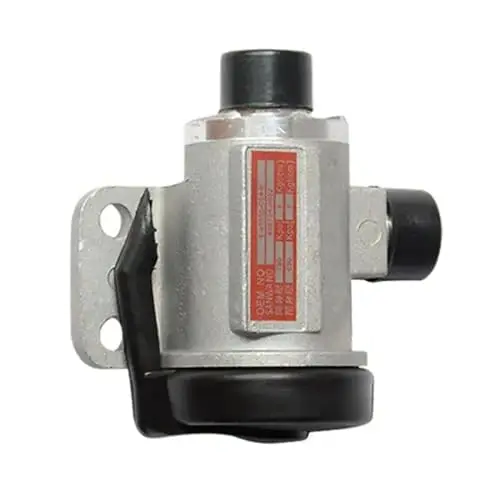 |
Air Control Governor (Isuzu Diesel Engine 6HH1 10PE1 Truck FVR33 CVZ CXZ EXZ CXZ81) | 0 | 5 | $75.91 | $19.43 | Precise air flow regulation, cross compatibility, direct fit for multiple Isuzu diesel engines. |
| |
DUCRES Air Control Governor (Isuzu Diesel Engine 6HH1 10PE1, FVR33 CVZ CXZ EXZ CXZ81) | 0 | 5 | $81.0 | $11.32 | Robust build, optimized for Isuzu 6HH1/10PE1 engines, quick installation. |
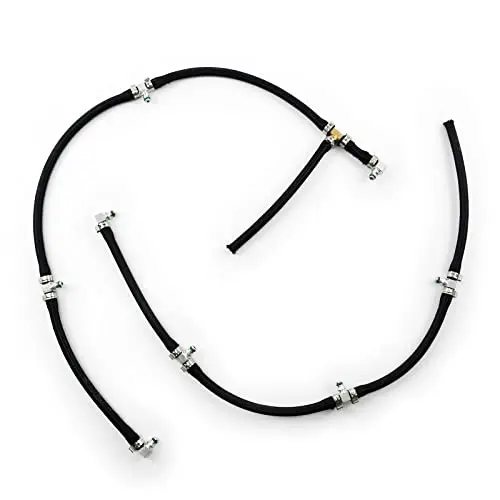 |
Dianauto Fuel Injector Return Line Kit (Stainless Steel, 8mm OD, 2004.5–2010 6.6L Duramax Diesel) | 3.3 | 5 | $31.56 | $16.0 | Stainless steel durability, direct fitment for Duramax diesel pickups, reduces injector wear. |
Table data sourced from [2].
The above product mix shows sharp demand for universal diesel engine accessories, replacement governors, and robust fuel system components. High monthly sales (186 for SPARKWHIZ) signal both routine maintenance cycles and episodic fleet upgrades. Most hot products emphasize high compatibility, heavy-duty materials, and fitment assurance across multiple engine types—critically important for buyers managing mixed-brand fleets or shipping internationally. Notably, low star ratings for some precision parts either indicate lack of review or nuanced fitment limitations, signaling a space for improved post-sale feedback and supplier-buyer dialogue. Bulk wholesale pricing significantly undercuts retail, incentivizing direct procurement for large-scale operators.
For procurement professionals operating in the Cabstar engine domain, a robust sourcing strategy hinges on strict supplier evaluation, rigorous quality control, logistics optimization, and compliance assurance. Key recommendations include:
Ultimately, successful Cabstar engine sourcing depends on balancing unit price, verified quality, and downstream support—empowering fleets to sustain uptime and cost-efficient upgrades in competitive commercial environments.
The landscape for Nissan Cabstar engines in 2026 is dynamic—driven by seasonal procurement waves, sustained value in fleet sectors, and growing expectations for product flexibility and aftermarket support. Sourcing intelligence confirms robust demand for key engine components and compatibility-focused accessories, with actionable data highlighting critical windows for procurement and the value of aligning inventory cycles with business buyer behavior.
As market forces evolve and regulatory barriers shift, buyers are encouraged to act decisively, leveraging professional sourcing networks, verified supplier relationships, and real-time market insights. The product intelligence gathered from top-selling retail channels, combined with active owner/technician communities, offers procurement professionals an unmatched vantage point—from spec definition to risk management and logistics planning [1][2][3][9].
Action steps for the next 6–12 months: Monitor seasonal demand data, pre-position orders prior to Q2 spikes, seek suppliers with advanced certification and deep parts inventory, develop bundled sourcing plans for critical engine assemblies, and make aftercare a core part of negotiation. Most importantly, use intelligence from both formal market trend analysis and informal buyer sentiment to maintain a competitive edge in sourcing Cabstar engine solutions that deliver reliability, compliance, and long-term value.