
All categories
Featured selections
Trade Assurance
Buyer Central
Help Center
Get the app
Become a supplier
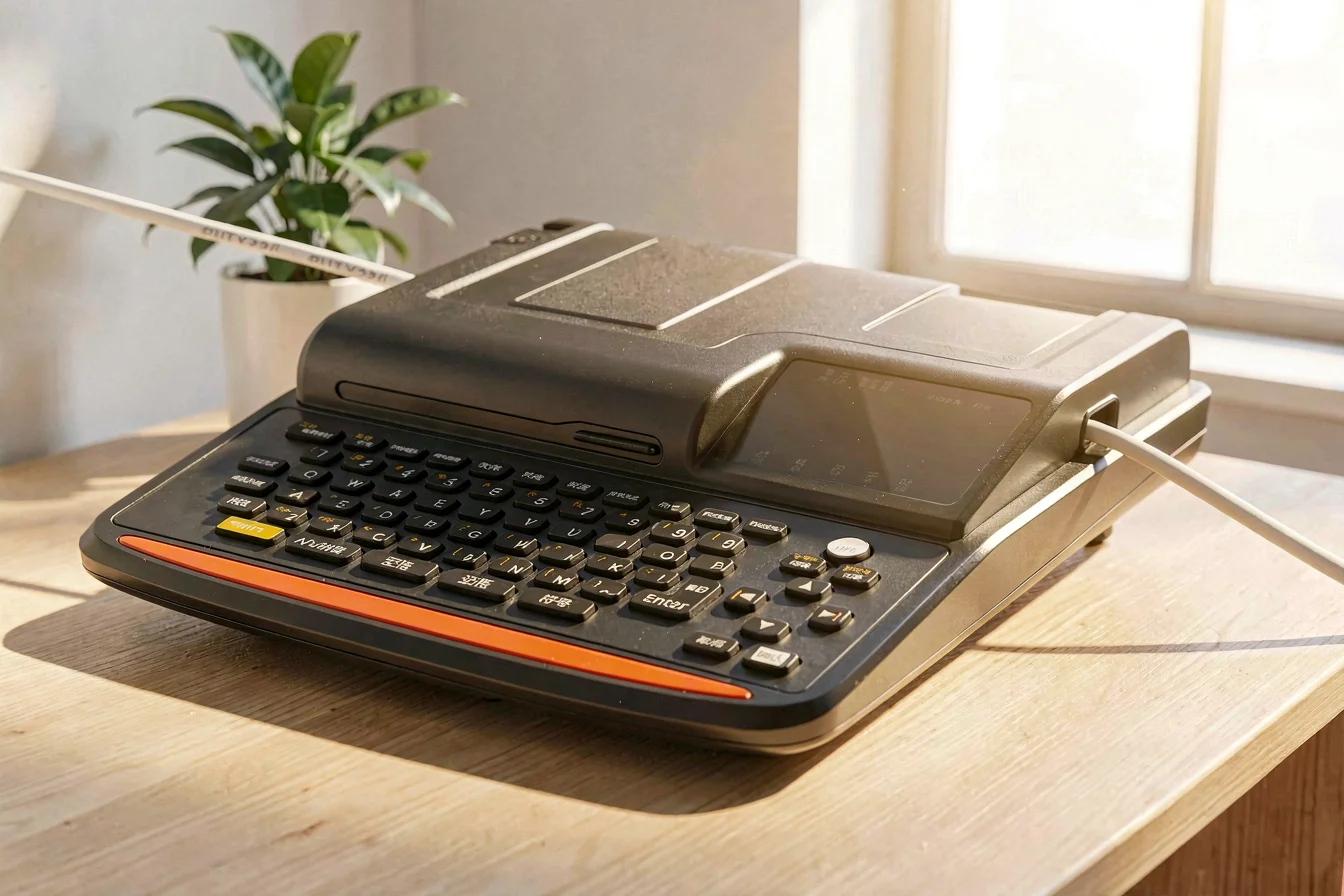
The cable ID printer market is experiencing robust growth, driven by increased demand for cable management in IT, telecom, and manufacturing. Buyers favor durable, versatile models supporting heatshrink, wraps, and flags, with entry-level and high-volume options available for diverse procurement needs[1][2][7]. Procurement viability is strong, with supply chains stable and demand favoring models that deliver reliable labeling across legacy and modern cable types.
The cable ID printer category is trending due to expanding infrastructure upgrades, stricter compliance requirements, and the need for scalable cable management solutions across industries. Buyers must assess compatibility with cable types (XLR, CAT, HDMI), durability of labels (heatshrink, wraps, flags), and workflow efficiency (portability, automation). Selection criteria include print quality, connector longevity, ease of integration, and after-sales support. Entry-level models suit small businesses, while high-volume printers target large-scale installations[1][7].
| Trend Factor | Current Status | Impact on Buying Decision |
|---|---|---|
| Cable Management Upgrades | Accelerating | Increased demand for durable, scalable solutions |
| Compliance & Labeling | Stricter | Focus on multi-format support and reliability |
| Workflow Efficiency | Improving | Preference for portability and automation |
| Supplier Support | Expanding | After-sales and warranty value increasing |
Buyers should prioritize models that support multiple label formats, offer robust durability, and provide reliable supplier support for scalable procurement.
Market volatility for cable ID printer is low, with supply chains stable and demand rising steadily. Industry drivers include infrastructure upgrades, compliance mandates, and expansion in IT/telecom sectors. Supply chain dynamics favor OEMs offering multi-format support, robust connectors, and integration with legacy and modern cable types. Macroeconomic risks are minimal, but buyers should monitor for potential disruptions in raw material sourcing and logistics[1][2].
| Market Dimension | Current Status | Impact Level |
|---|---|---|
| Demand Momentum | Strong | High |
| Supply Chain Stability | Stable | Medium |
| Compliance Requirements | Tightening | High |
| OEM Innovation | Active | Medium |
| Logistics Risks | Low | Low |
Procurement logic favors models with multi-format support, robust connectors, and integration with legacy cable types for resilient supply chain management.
Global search trends for cable ID printer, ID label printer, and cable marking machine (Mar 2025–Feb 2026)
Search trend analysis shows “ID label printer” and “cable marking machine” queries rising sharply since mid-2025, peaking in late 2025 and early 2026[1]. These movements signal increased buyer interest in durable, multi-format labeling solutions. Buyers should time procurement to coincide with peak demand periods for optimal pricing and supply availability.
Google Trends confirm strong momentum for multi-format cable ID printers, suggesting buyers should prioritize durable, scalable models for resilient procurement.
Reddit and TikTok users highlight durability, compatibility, and workflow efficiency as key pain points in the cable ID printer category. Brady, Brother, Panduit, and Silver Fox are frequently recommended for cable labeling, with users emphasizing the value of flexible labels and reliable case designs. ID card printers (Seaory, Evolis, Fargo) are preferred for badge printing, especially for small businesses seeking budget-friendly, user-friendly models[7][8][9]. Cultural reception favors brands with robust after-sales support and easy integration with access control software.
“Brady is good. We got two Brother commercial ones - orange, has a case, strap, does BT from app, can do most on the screen. Decent value.” — Reddit, r/CommercialAV [7]
“If you’re planning to add a few more machines and want to keep the cost reasonable, take a look at Fargo printers, especially the HID Fargo DTC1250e. It’s fast, dependable, and has given us consistent print quality.” — Reddit, r/accesscontrol [8]
| Dimension | Reddit Insights | TikTok Insights |
|---|---|---|
| Durability | Brady, Brother, Panduit, Silver Fox recommended for longevity | — |
| Compatibility | Flexible labels for XLR, CAT, HDMI, power cables | — |
| Workflow Efficiency | Portable label makers, automation, integration | — |
| Support | After-sales support valued, warranty coverage | — |
| Price Sensitivity | Budget models preferred for small businesses | — |
User sentiment favors brands offering durable, flexible labeling solutions with robust support and integration for scalable procurement.
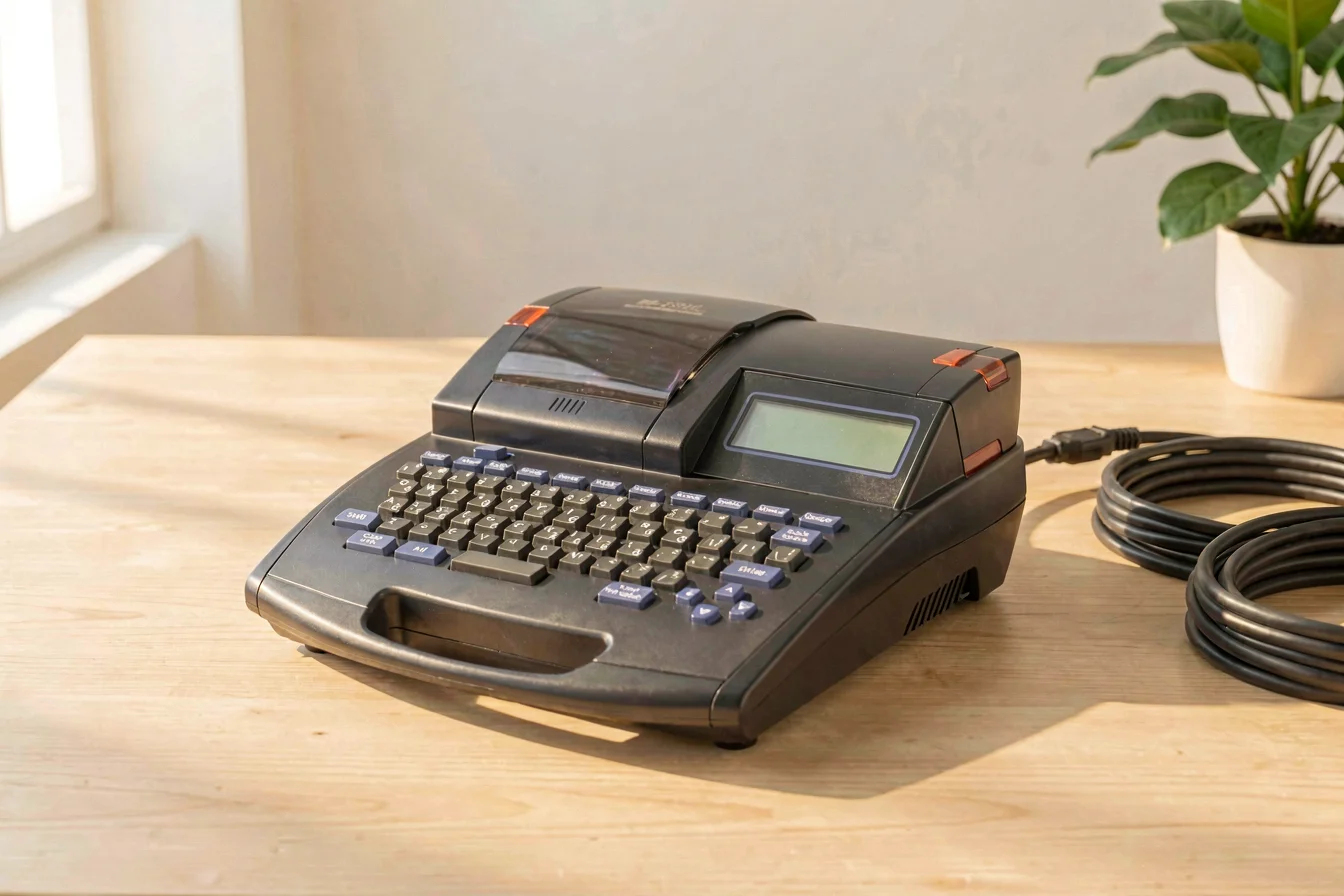
Amazon sales data shows that USB printer cables and ID card printers are leading products in the cable ID printer category, with entry-level models dominating for small businesses and high-volume printers for large-scale installations[2]. Top-selling products include Amazon Basics USB cables, HP printer cables, and Seaory ID card printers, with ratings ranging from 4.4 to 5.0. Key features are gold-plated connectors, compatibility with major brands, and robust durability.
| Image | Name | Price | Rating | Key Features |
|---|---|---|---|---|
 |
Amazon Basics USB-A to USB-B 2.0 Cable | USD 7.34 | 4.7/5.0 | Gold-plated connectors, 6-foot length, durable design |
 |
HP Printer Cable 6ft | USD 5.98 | 4.7/5.0 | Durable gold-plated connectors, plug-and-play, universal compatibility |
|
Amazon Basics USB-A to USB-B 2.0 Cable 16ft | USD 9.99 | 4.7/5.0 | Durable design, gold-plated connectors, certified packaging |
 |
HP Printer Cable 10ft | USD 6.29 | 4.7/5.0 | Plug-and-play, universal compatibility, robust construction |
 |
PWR+ 12Ft Extra Long USB-Printer-Cable | USD 9.99 | 4.7/5.0 | Extra long, compatible with major brands, CE/FCC/RoHS certified |
Entry-level USB cables and ID card printers dominate sales due to affordability, durability, and compatibility with major brands.
Buyer reviews highlight reliable performance, sturdy connectors, and ease of use as strengths for cable ID printer products. Common complaints include occasional issues with RFID card compatibility and the need for pre-printed cards for low-volume needs. Authentic buyer quotes underscore the importance of durability and compatibility:
“I bought this Amazon Basics USB-A to USB-B 2.0 Cable for my printer, and it works exactly as it should. One of the best things about it is the length—10 feet really is 10 feet, giving me plenty of reach to set up my devices exactly where I want them. The gold-plated connectors provide a solid, reliable connection every time.” — Amazon Basics USB-A to USB-B 2.0 Cable [2]
“This HP printer cable does the job exactly as promised. It connected instantly to my HP printer and my laptop with no setup or hassle, and print jobs go through quickly without lag or errors. The build quality feels sturdy, and the connectors fit snugly without being too tight.” — HP Printer Cable 6ft [2]
| Product Name | Top Praise | Top Complaint | Overall Sentiment |
|---|---|---|---|
| Amazon Basics USB-A to USB-B 2.0 Cable | Reliable connection, durable design | Occasional issues with RFID compatibility | Positive |
| HP Printer Cable 6ft | Plug-and-play, sturdy connectors | No major complaints | Very Positive |
| PWR+ 12Ft Extra Long USB-Printer-Cable | Extra long, compatible with major brands | Occasional issues with RFID compatibility | Positive |
Buyers praise reliable connection and durability, with minor complaints about RFID compatibility; overall sentiment is positive for entry-level cable ID printer models.
Reliability benchmarks for cable ID printer products include defect rates, maintenance cycles, and expected service life. Global feedback shows durable models (Brady, Brother, Panduit, Silver Fox) deliver low defect rates and robust connectors, while ID card printers (Seaory, Evolis, Fargo) offer long service life and consistent print quality. Sourcing risk strategy should focus on OEM/ODM partner selection, mapping logistics bottlenecks, and negotiating price optimization levers. Buyers must consider compatibility with cable types, after-sales support, and warranty coverage for resilient procurement[7][8][9].
| Benchmark Dimension | Brady | Seaory S28 |
|---|---|---|
| Defect Rate | Low | Low |
| Maintenance Cycle | Annual | Biannual |
| Expected Service Life | 5–7 years | 5 years |
| Compatibility | Multi-format (heatshrink, wraps, flags) | Single/dual-sided, CR80 cards |
| After-Sales Support | Robust | Good |
Reliability benchmarks favor durable, multi-format models with robust after-sales support; buyers should select OEM/ODM partners with proven track records for resilient procurement.
The cable ID printer category is poised for continued growth as infrastructure upgrades and compliance mandates drive demand for durable, scalable solutions. Over the next 12 months, buyers can expect further innovation in multi-format support, workflow automation, and robust connector durability. Procurement strategies should prioritize models offering reliable labeling across legacy and modern cable types, with emphasis on after-sales support and warranty coverage. Buyers should time purchases to coincide with peak demand periods and leverage B2B platforms like Alibaba.com for scalable sourcing and price optimization, ensuring resilient supply chain management and long-term value for their investment.