
All categories
Featured selections
Trade Assurance
Buyer Central
Help Center
Get the app
Become a supplier
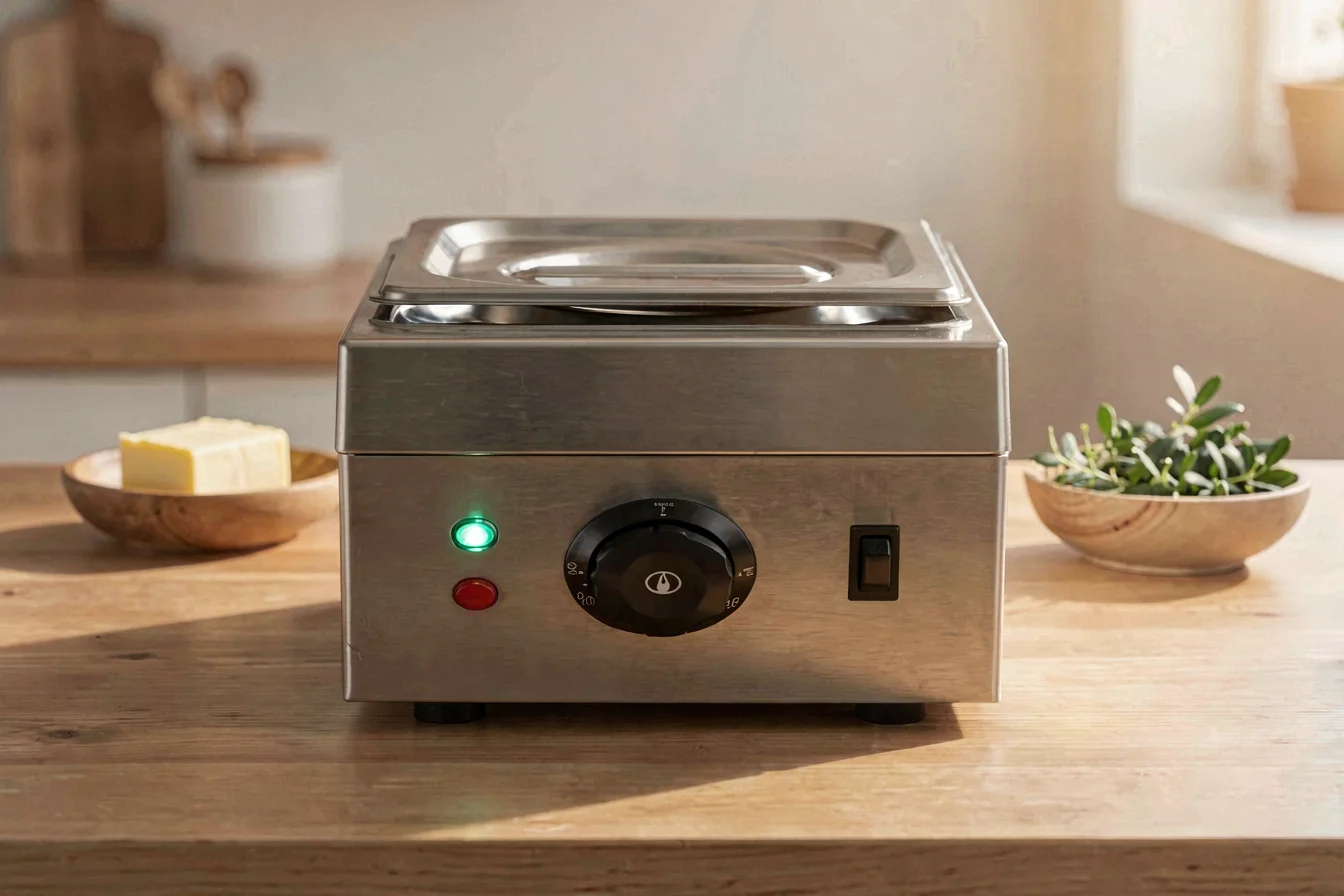
The butter melter market remains stable with consistent demand, especially for electric and stainless steel variants, fueled by culinary innovation and foodservice needs. Buyers should prioritize durable, versatile models with clear temperature controls and robust after-sales support. Demand is trending upward, particularly for multi-use and dishwasher-safe SKUs, with peak momentum in late winter and early spring [1][2].
The butter melter category is trending due to increased culinary creativity and the rise of home entertaining, foodservice upgrades, and the need for efficient butter handling across both residential and commercial kitchens. Buyers must understand the spectrum of options—from basic cast iron pots to advanced electric warmers and ceramic melters—before making procurement decisions. The curated list prioritizes products with proven reliability, easy maintenance, and scalable features, as these factors drive repeat purchasing and operational efficiency. Key trends include demand for multi-functionality, temperature precision, and safety features, especially in the context of foodservice upgrades and ghee production [4].
| Trend Factor | Current Status | Impact on Buying Decision |
|---|---|---|
| Culinary Innovation | High (ghee, fondue, butter-dipping) | Drives demand for advanced melters |
| Temperature Control | Critical for food safety and quality | Buyers prioritize precise models |
| Multi-Functionality | Rising (melting butter, chocolate, sauces) | Favors versatile products |
| Durability & Safety | Key concern for cast iron and ceramic | Affects supplier selection |
| Seasonality | Peaks in late winter/spring | Influences procurement timing |
Buyers should focus on models with proven durability and precise temperature control, as these factors are central to both residential and commercial procurement.
The butter melter market is characterized by steady supply and moderate price volatility, with increased demand for electric and stainless steel SKUs. Industry drivers include the expansion of foodservice, the rise of ghee production, and the integration of multi-functional kitchen tools. Supply chain dynamics are influenced by raw material sourcing (especially stainless steel and ceramics), logistics bottlenecks, and compliance with food safety standards. Macroeconomic risks include fluctuating metal prices and regional disruptions, which buyers must mitigate through diversified sourcing and OEM/ODM partnerships. The market is highly segmented, with buyers ranging from home chefs to commercial kitchens, each prioritizing different features such as capacity, ease of cleaning, and compatibility with induction cooktops [2][3].
| Market Dimension | Current Status | Impact Level |
|---|---|---|
| Supply Chain Stability | Stable but sensitive to metal prices | Medium |
| Product Innovation | High (temperature control, multi-use) | High |
| Regulatory Compliance | Stringent (food safety, material standards) | High |
| Seasonality | Peaks in late winter/spring | Medium |
| Buyer Segmentation | Broad (home, foodservice, ghee production) | High |
OEM/ODM partnerships and diversified sourcing are essential for mitigating supply chain risks and securing reliable product variants.
Normalized Google Trends for Butter Melter Queries (2025–2026)
Google Trends data show that “butter warmer with thermometer” is the fastest-growing segment, peaking in January and February 2026, indicating heightened demand for precise temperature control in both home and commercial kitchens. “Electric butter melter” and “stainless steel butter melter” queries remain steady but less volatile, suggesting buyers value durability and functionality over novelty. These trend movements signal that procurement timing should be aligned with seasonal peaks, and buyers should prioritize models with advanced temperature controls for competitive advantage [1].
Reddit and TikTok discussions reveal recurring pain points around spreading cold butter, durability of cast iron models, and preference for easy cleanup and temperature control. Users praise electric and ceramic warmers for their performance and versatility, but cast iron is criticized for instability and rusting. Sentiment is positive for multi-use, dishwasher-safe, and microwave-safe models, with influencers highlighting practical kitchen hacks and ghee production as value drivers. Viral TikTok videos feature butter mills and heated knives, emphasizing ease of use and visual appeal. Overall, buyer sentiment is positive for electric and ceramic variants, but negative for poorly designed cast iron pots.
“I love my Outset Cast Iron Basting Pot and Brush. It’s oval shaped and perfect for melting and browning butter.” [6]
“I always rip my toast trying to spread butter straight from the fridge. Picked up this butter mill from Maxspace last month and it’s honestly pretty nice.” [7]
| Dimension | Reddit Insights | TikTok Insights |
|---|---|---|
| Spreading Cold Butter | Pain point; praised for butter mills and heated knives | Viral videos on butter mills, heated knives |
| Cast Iron Durability | Negative sentiment; instability and rusting | Fewer videos; mostly negative reviews |
| Temperature Control | Highly valued; praised for electric and ceramic | Influencers highlight precise models |
| Resale Value | High for electric and ceramic, low for cast iron | Positive reviews for multi-use models |
Buyers should prioritize electric and ceramic melters with proven durability and temperature control for both resale value and user satisfaction.
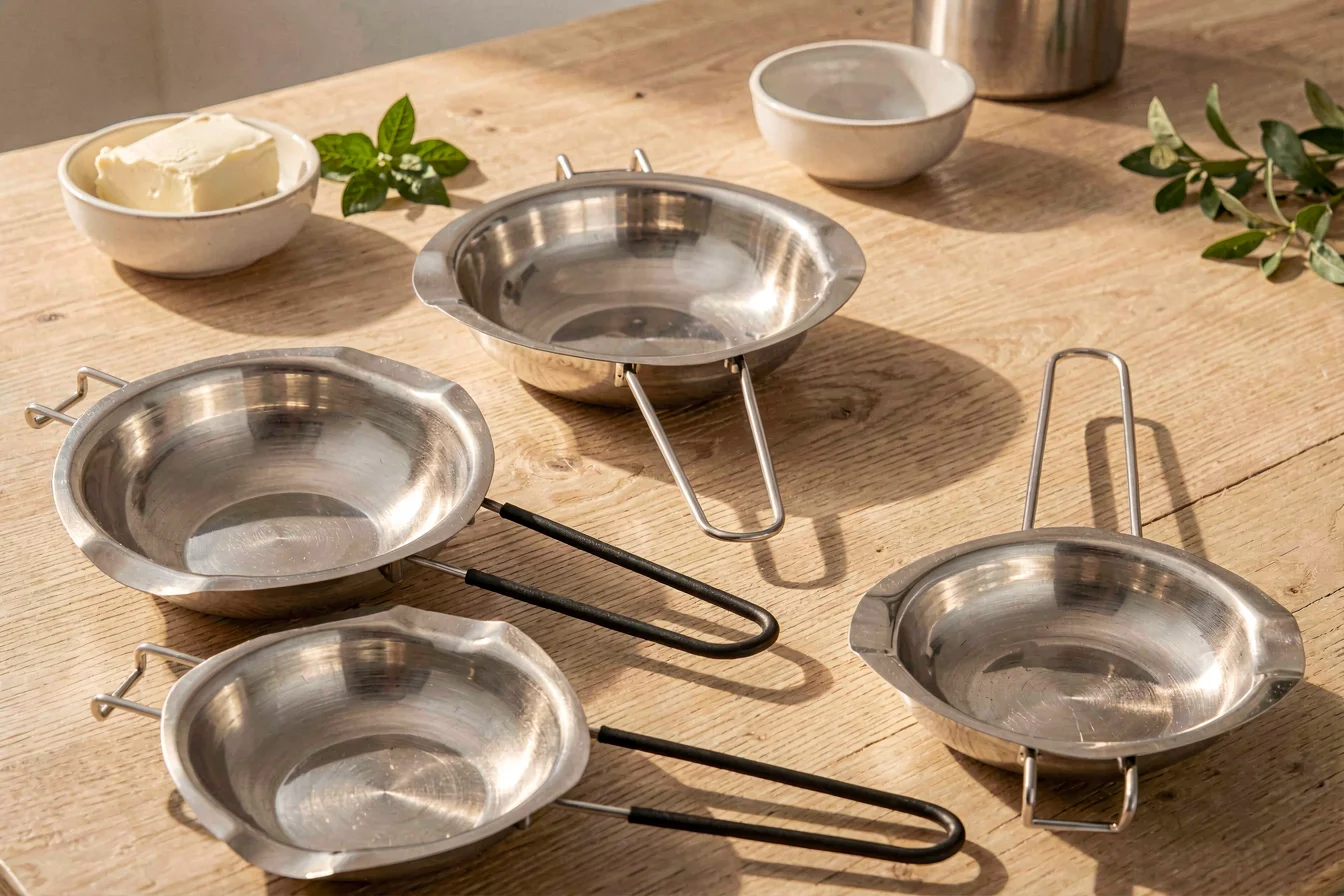
Amazon’s top-selling butter melter products are led by electric and ceramic variants, with multi-use, dishwasher-safe, and microwave-safe features driving sales. Buyers favor models with precise temperature controls, ergonomic handles, and robust construction. Pricing ranges from USD 6.4 to USD 58.99, with ratings between 3.8 and 4.7/5. Key features include rapid heating, easy cleanup, and compatibility with induction cooktops. The most successful products are those that offer versatility, durability, and clear safety instructions [2].
| Image | Name | Price | Rating | Key Features |
|---|---|---|---|---|
 |
MAX SPACE Butter Mill | USD 19.98 | 3.8/5.0 | Effortless spreading, airtight freshness, dishwasher-safe |
 |
Stainless Steel Mini Butter Warmer | USD 10.99 | 4.2/5.0 | 304 Stainless Steel, rapid heating, ergonomic handle |
 |
Heated Butter Knife Spreader | USD 29.99 | 3.9/5.0 | Chip-based temperature control, IP68 waterproof |
 |
METALCRAFT Ceramic Ramekin Butter Warmer | USD 10.63 | 4.5/5.0 | Ceramic material, heat retention, dishwasher-safe |
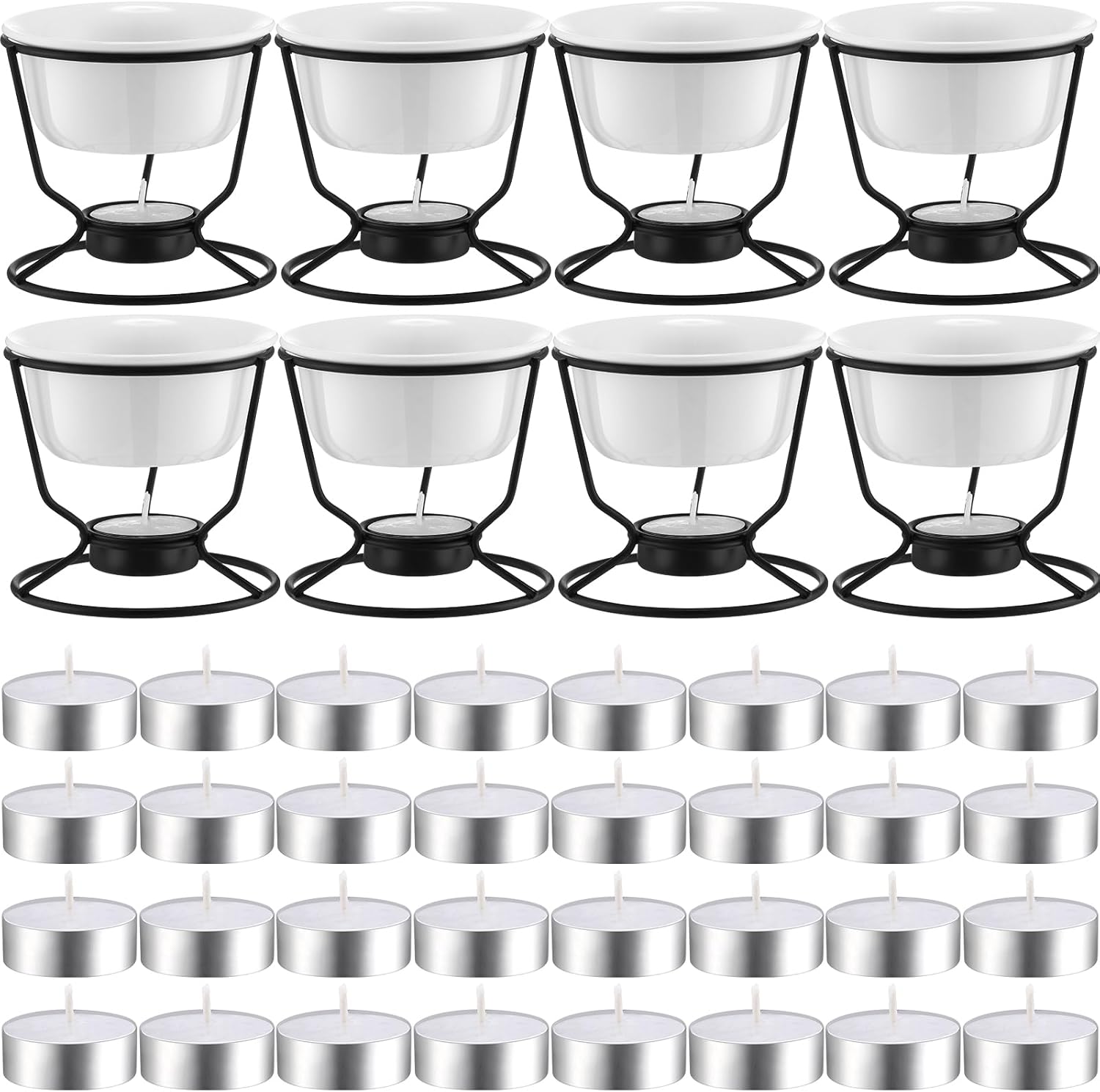 |
Ceramic Butter Warmers Set | USD 39.99 | 4.2/5.0 | Multi-use, tealight candles, dishwasher-safe |
 |
PURPLELILY Chocolate Melting Pots | USD 6.4 | 4.5/5.0 | Silicone, microwave-safe, multi-use |
 |
Heated Butter Spreader Knife | USD 35.99 | 4.7/5.0 | Two-speed temp, USB charging, digital display |
 |
Webake Silicone Chocolate Melting Pot | USD 8.99 | 4.0/5.0 | Silicone, microwave-safe, nonstick |
 |
60 Pcs Ceramic Butter Warmers Set | USD 58.99 | 4.4/5.0 | Multi-use, tealight candles, microwave-safe |
 |
Luvan Butter Warmers Set | USD 33.99 | 4.5/5.0 | Ceramic, tea light candles, multi-use |
Versatility, durability, and precise temperature control are the main drivers of sales and buyer satisfaction for top-selling butter melters.
Amazon reviews highlight strengths such as effortless butter spreading, rapid heating, easy cleanup, and multi-functionality. Common complaints include issues with cast iron stability and rusting, confusing user interfaces for heated knives, and concerns about temperature control. Buyers praise electric and ceramic models for their reliability and safety, while cast iron models receive negative feedback for instability and poor durability. The most frequently cited drawbacks are cleaning challenges and inconsistent temperature settings for heated knives.
“I've been using the Butter Mill for a while now and, honestly, it's been a game-changer in my kitchen. It's one of those tools you didn't know you needed until you have it.” [2]
“This is perfect for small food melting jobs. Large enough to be practical, doesn't take up much storage space and you can't go wrong with stainless steel.” [2]
| Product Name | Top Praise | Top Complaint | Overall Sentiment |
|---|---|---|---|
| MAX SPACE Butter Mill | Effortless spreading, game-changer | Top must be secured tightly | Positive |
| Stainless Steel Mini Butter Warmer | Rapid heating, durable | Not all induction compatible | Positive |
| Heated Butter Knife Spreader | Easy spreading, quick heating | Confusing interface, USB outlet wear | Positive |
| METALCRAFT Ceramic Ramekin Butter Warmer | Heat retention, durable | — | Positive |
| Ceramic Butter Warmers Set | Multi-use, sturdy | Some dishes broke on arrival | Positive |
| PURPLELILY Chocolate Melting Pots | Easy to clean, multi-use | Sticks inside after rinsing | Positive |
| Heated Butter Spreader Knife | Perfect for cold butter, digital display | USB outlet wear, confusing interface | Positive |
| Webake Silicone Chocolate Melting Pot | No splatter, easy to clean | Top pops off if too hot | Positive |
| 60 Pcs Ceramic Butter Warmers Set | Good for large gatherings | Some dishes broke on arrival | Positive |
| Luvan Butter Warmers Set | Good quality, perfect size | Metal bracket not microwave safe | Positive |
Multi-functionality, easy cleanup, and reliable temperature control are the most valued features, while stability and durability are frequent complaints.
Reliability benchmarks for butter melter products are established through global user feedback, focusing on defect rates, maintenance cycles, and service life. Electric and ceramic melters generally outperform cast iron models in durability and ease of maintenance. Common failure points include USB outlet wear, inconsistent temperature control, and instability for cast iron pots. Buyers should prioritize OEM/ODM partners offering customization, robust after-sales support, and clear compliance documentation. Strategic sourcing guides recommend mapping potential bottlenecks across logistics, raw material sourcing, and geopolitical compliance, and leveraging negotiation levers for price optimization, including volume discounts and warranty extensions [2][4].
| Benchmark Dimension | Electric/Ceramic Melter | Cast Iron Melter |
|---|---|---|
| Defect Rate | Low (mainly USB outlet wear) | High (rusting, instability) |
| Maintenance Cycle | Easy (dishwasher-safe, easy cleaning) | Difficult (manual cleaning, risk of rust) |
| Expected Service Life | 3–5 years | 1–2 years (if well maintained) |
| Temperature Control | Precise (digital, chip-based) | Manual, inconsistent |
| Compliance & Safety | High (food safety, material standards) | Medium (risk of rusting, unstable) |
Buyers should prioritize OEM/ODM partners offering customization, robust after-sales support, and clear compliance documentation to mitigate sourcing risks.
Looking ahead, the butter melter market will continue to evolve with advances in temperature control, multi-functionality, and sustainable materials, as buyers increasingly demand precision and durability for both home and commercial applications. Pricing is expected to remain stable, with incremental increases tied to raw material costs and regulatory compliance. Buyers should focus on sourcing from OEM/ODM partners offering customization, robust after-sales support, and clear compliance documentation, while aligning procurement timing with seasonal peaks. The most successful buyers will prioritize electric and ceramic melters with proven reliability, advanced temperature controls, and easy maintenance, ensuring operational efficiency and long-term value.