
All categories
Featured selections
Trade Assurance
Buyer Central
Help Center
Get the app
Become a supplier
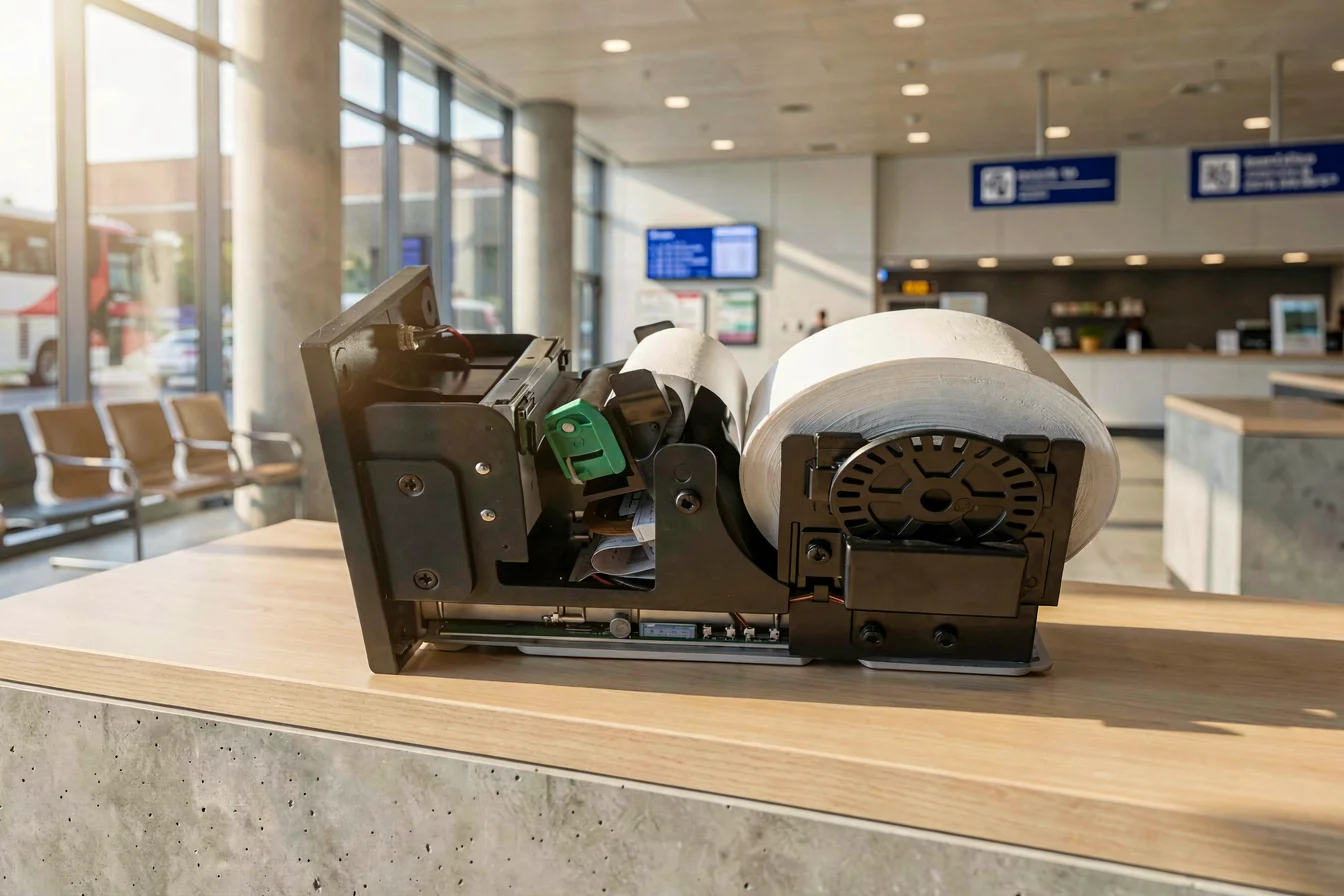
Demand for bus ticket printer is accelerating, especially for portable and Bluetooth-enabled models, with Google Trends showing robust growth through 2026 [1]. Procurement viability is strong, with buyers prioritizing reliability, connectivity, and low operating costs. Market momentum favors suppliers offering flexible interface options and rapid delivery, making OEM/ODM sourcing highly attractive for B2B buyers [2][4].
The bus ticket printer category is trending due to rising demand for digital ticketing, mobile POS integration, and cost-effective printing solutions in public transportation and event management. Buyers should understand the critical difference between thermal, Bluetooth, and portable variants, as well as interface compatibility (USB, Ethernet, Bluetooth), print speed, battery life, and consumable costs. Selection criteria include print width (58mm or 80mm), support for POS systems, ease of maintenance, and durability. The curated list prioritizes products with proven reliability, positive reviews, and technical flexibility for diverse deployment scenarios.
| Trend Factor | Current Status | Impact on Buying Decision |
|---|---|---|
| Portable/Bluetooth Demand | Rising sharply | Buyers favor mobile and wireless models |
| Thermal Printing Technology | Widely adopted | Low consumable costs, fast print speed |
| POS Integration | Critical for modern deployment | Compatibility with cash drawers and POS apps |
| Battery Life & Portability | Improving | Favorable for mobile and field use |
| Supply Chain Resilience | Stable, with rapid delivery | Low risk for OEM/ODM sourcing |
The bus ticket printer market is shaped by digital transformation, the need for seamless ticketing solutions, and the integration of mobile and wireless technologies. Supply chain stability is evident, with rapid lead times and a wide array of OEM/ODM suppliers on Alibaba.com. Industry drivers include public transportation digitization, event ticketing automation, and retail POS expansion. Macro risks are minimal, with geopolitical and logistics disruptions not significantly impacting procurement. Buyers should monitor interface compatibility (Bluetooth, USB, Ethernet), print speed, and battery capacity, as these factors dictate operational efficiency and cost savings.
| Market Dimension | Current Status | Impact Level |
|---|---|---|
| Digital Ticketing Adoption | Accelerating | High |
| Wireless Connectivity | Mainstream | High |
| Thermal Technology | Standardized | Medium |
| OEM/ODM Supplier Availability | Robust | High |
| Logistics & Delivery | Rapid | Medium |
Google Trends: Bus Ticket Printer Search Volume (2025–2026)
Google Trends data shows “bus ticket printer Bluetooth” peaking at 100 in November 2025, followed by “portable” and “thermal” variants, indicating a clear shift toward wireless and mobile solutions [1]. Demand spikes align with public transport digitization and event ticketing automation, suggesting buyers should time procurement to coincide with seasonal peaks and prioritize Bluetooth-enabled models for future-proofing. Bluetooth and portable printers are leading market momentum, signaling a shift toward mobile, wireless ticketing solutions.
Reddit and TikTok users highlight pain points around high-volume ticket printing, compatibility issues, consumable costs, and integration with POS systems. Reddit threads reveal buyers struggling with card stock and laser printing for tickets, with frequent recommendations for thermal printers and professional print shops [7][8]. TikTok content focuses on portable printers and Bluetooth connectivity, with viral videos showcasing quick setup, wireless printing, and app integration. Sentiment is generally positive for Bluetooth and thermal models, but negative toward incompatible POS systems and complex setups. Cultural reception is strong for mobile and wireless printers, with influencers promoting their ease of use and cost savings.
“No, you’re going to want a color laser printer to handle card stock, not a label printer. Guillotine paper cutters about $180 will cut 400 sheets so even heavy card stock 150 sheets with clamp down bar. Then you can quickly and accurately cut letter sized sheets down for tickets.” [7]
“Epson has several in this space. Look up the Colorworks. That printer uses thermal transfer to create long lasting prints that won’t fade with time, unlike direct thermal printing.” [7]
| Dimension | Reddit Insights | TikTok Insights |
|---|---|---|
| High-Volume Printing | Challenges with card stock, laser, and consumables | Viral content on portable printers, Bluetooth setup |
| Compatibility | POS integration pain points, thermal vs. transfer | App-driven printing, POS app integration |
| Consumable Costs | Thermal paper and ink cartridge cost concerns | Cost-saving tips, thermal paper recommendations |
| Sentiment | Positive for thermal, negative for incompatible POS | Positive for portable, Bluetooth, wireless |
| Cultural Reception | Strong for mobile, wireless solutions | Influencer-driven, ease-of-use focus |
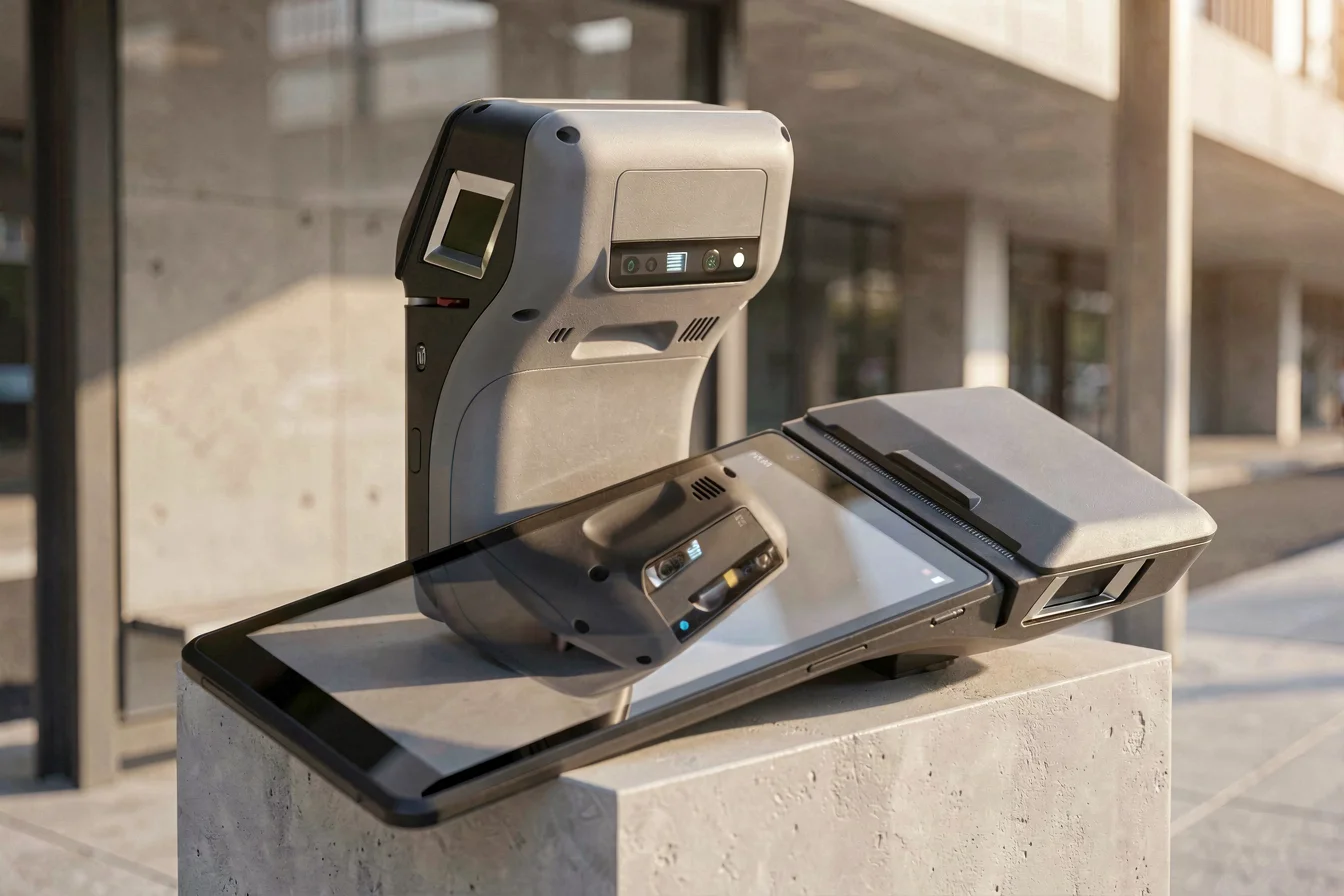
Top-selling bus ticket printer models on Amazon include Epson Workforce WF-110, Rongta POS Printer, iDPRT Portable-Printer, HPRT Wireless Portable Printer, and NetumScan USB POS Receipt Printer. Buyers prioritize wireless connectivity (Bluetooth, Wi-Fi), inkless thermal technology, portability, and compatibility with Android/iOS. Price tiers range from USD 53.99 to 199.99, with ratings between 3.3 and 4.3. Features such as auto cutter, fast print speed, rechargeable battery, and multi-interface support are key drivers.
| Image | Name | Price | Rating | Key Features |
|---|---|---|---|---|
 |
Epson Workforce WF-110 Wireless Color Mobile Printer | USD 199.99 | 4.3 | Wireless, rechargeable battery, Wi-Fi Direct, lightweight |
 |
Rongta POS Printer RP326 | USD 89.99 | 4.1 | Auto cutter, fast print speed, USB/Ethernet, wall mount |
 |
iDPRT Portable-Printer Wireless | USD 59.98 | 4.0 | Inkless, Bluetooth, portable, 300DPI, USB |
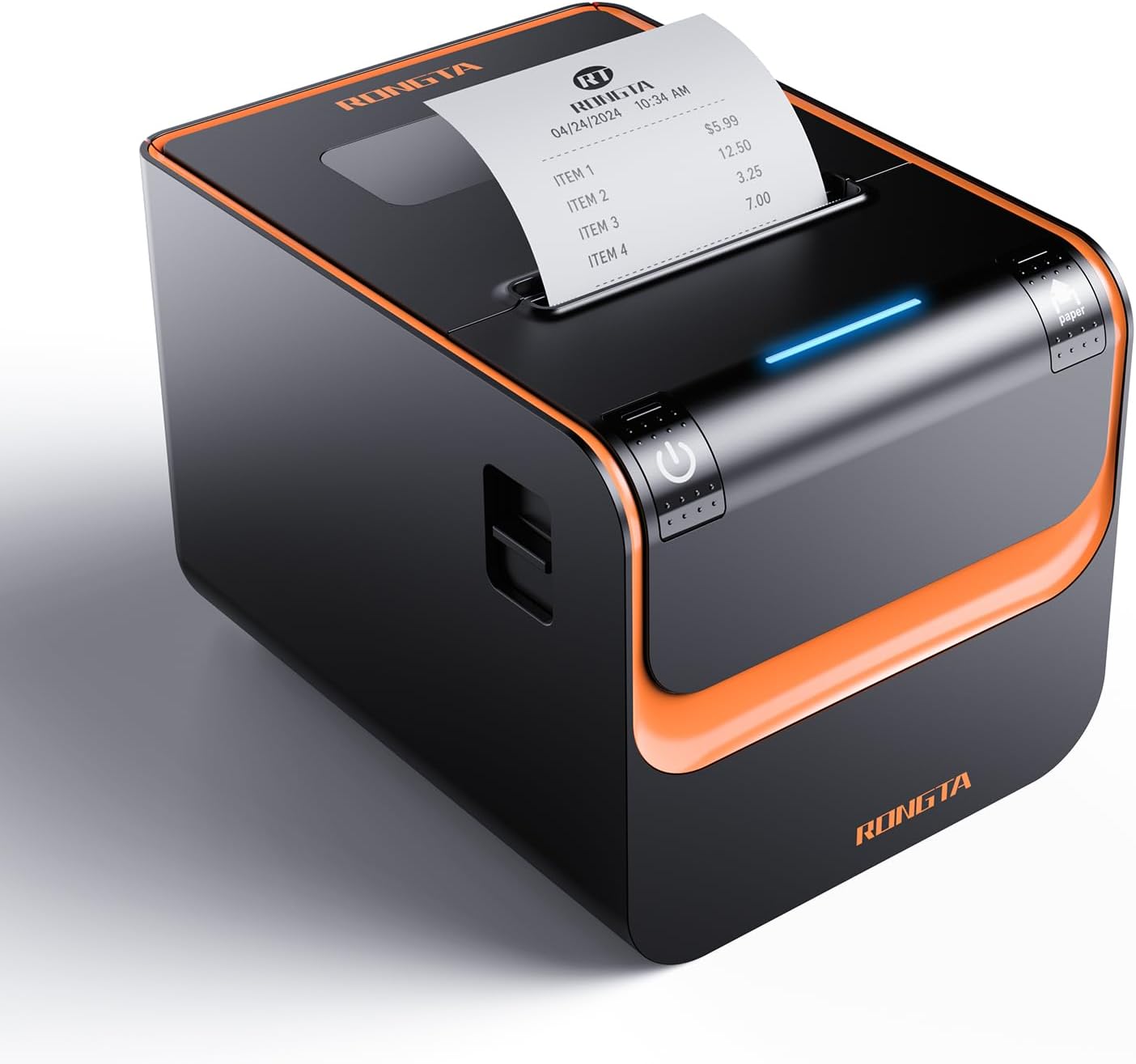 |
Rongta POS Printer RP332 | USD 79.99 | 4.0 | USB/Ethernet, auto cutter, ESC/POS, wall mount |
 |
Rongta Portable 80mm POS Printer RPP300 | USD 69.99 | 3.7 | Bluetooth/USB, Android, SDK demo, mini size |
 |
NetumScan USB POS Receipt Printer 8360 | USD 53.99 | 3.7 | USB-only, auto cutter, overheating protection |
 |
Rongta POS Receipt Printer | USD 79.99 | 4.3 | ESC/POS, auto cutter, wall mount, USB/Ethernet |
 |
MUNBYN Bluetooth Receipt Printer | USD 59.99 | 3.8 | Bluetooth, Android, USB, portable |
 |
NETUM Bluetooth Receipt Printer | USD 55.88 | 3.3 | Bluetooth, Android, ESC/POS, compact |
 |
HPRT Wireless Portable Printer MT810 | USD 84.99 | 4.2 | Wireless, Bluetooth, metal structure, inkless |
Buyer reviews highlight the value of wireless connectivity, portability, and easy setup for bus ticket printer models. Praised strengths include battery life, print quality, and compatibility with POS systems. Common complaints center around driver setup, paper roll limitations, and occasional Bluetooth interference. Direct quotes reveal buyer frustration with complex setup but satisfaction with cost savings and reliability.
“This is a fantastic little mobile printer, I don’t know how you could complain. It’s MOBILE, so it’s not built for speed, it’s light weight and easy to connect to. The wireless option, the ability to email to the printer through EpsonConnect, and the cord make it an easy connection to any device.” [2]
“We use this printer at a small business to print our order slips. The printer has worked exceedingly well so far after about eight weeks of constant use. The customer support from Rongta has been exceptional, and we are pleasantly surprised at how helpful they are.” [2]
| Product Name | Top Praise | Top Complaint | Overall Sentiment |
|---|---|---|---|
| Epson Workforce WF-110 | Wireless connectivity, lightweight, easy setup | Not built for speed | Positive |
| Rongta POS Printer RP326 | Fast print speed, auto cutter, wall mount | No Bluetooth/Wi-Fi | Positive |
| iDPRT Portable-Printer Wireless | Portability, inkless, Bluetooth | Driver setup, paper roll size | Mixed |
| HPRT Wireless Portable Printer MT810 | Wireless, Bluetooth, metal structure, battery life | Paper roll size, monochrome only | Positive |
| NETUM Bluetooth Receipt Printer | Bluetooth, compact, fast setup | Manual confusion | Positive |
Reliability benchmarks for bus ticket printer focus on defect rates, maintenance cycles, print speed, battery life, and interface stability. Buyers should prioritize models with proven low defect rates, long service life, and robust wireless connectivity. Sourcing risk is minimized by selecting OEM/ODM partners with rapid logistics, multi-interface support, and responsive customer service. Essential negotiation levers include bulk pricing, warranty terms, and compatibility guarantees. Supply chain bottlenecks are rare, but buyers should monitor raw material costs and geopolitical compliance.
| Benchmark Dimension | Epson Workforce WF-110 | Rongta POS Printer |
|---|---|---|
| Defect Rate | Low (Amazon reviews) | Low (Amazon reviews) |
| Maintenance Cycle | Minimal, easy battery replacement | Minimal, easy paper roll change |
| Print Speed | Fast (wireless, USB) | Fast (USB, Ethernet) |
| Battery Life | Up to 4 hours (Epson) | Multi-day (Rongta) |
| Interface Stability | Wi-Fi, USB, Bluetooth | USB, Ethernet |
As digital ticketing accelerates and public transport becomes increasingly automated, the bus ticket printer market will see further innovation in wireless connectivity, battery efficiency, and multi-interface compatibility. Buyers should anticipate rising demand for Bluetooth and portable printers, with pricing stabilizing and supply chains remaining resilient. To maximize ROI, procurement teams should prioritize OEM/ODM partners offering rapid delivery, robust warranty support, and flexible interface options. The next step is to evaluate top-selling models, review reliability benchmarks, and negotiate bulk pricing to secure the best value. With market momentum favoring wireless and mobile solutions, buyers should act quickly to secure inventory and ensure seamless integration with POS systems for 2026 and beyond.