
All categories
Featured selections
Trade Assurance
Buyer Central
Help Center
Get the app
Become a supplier
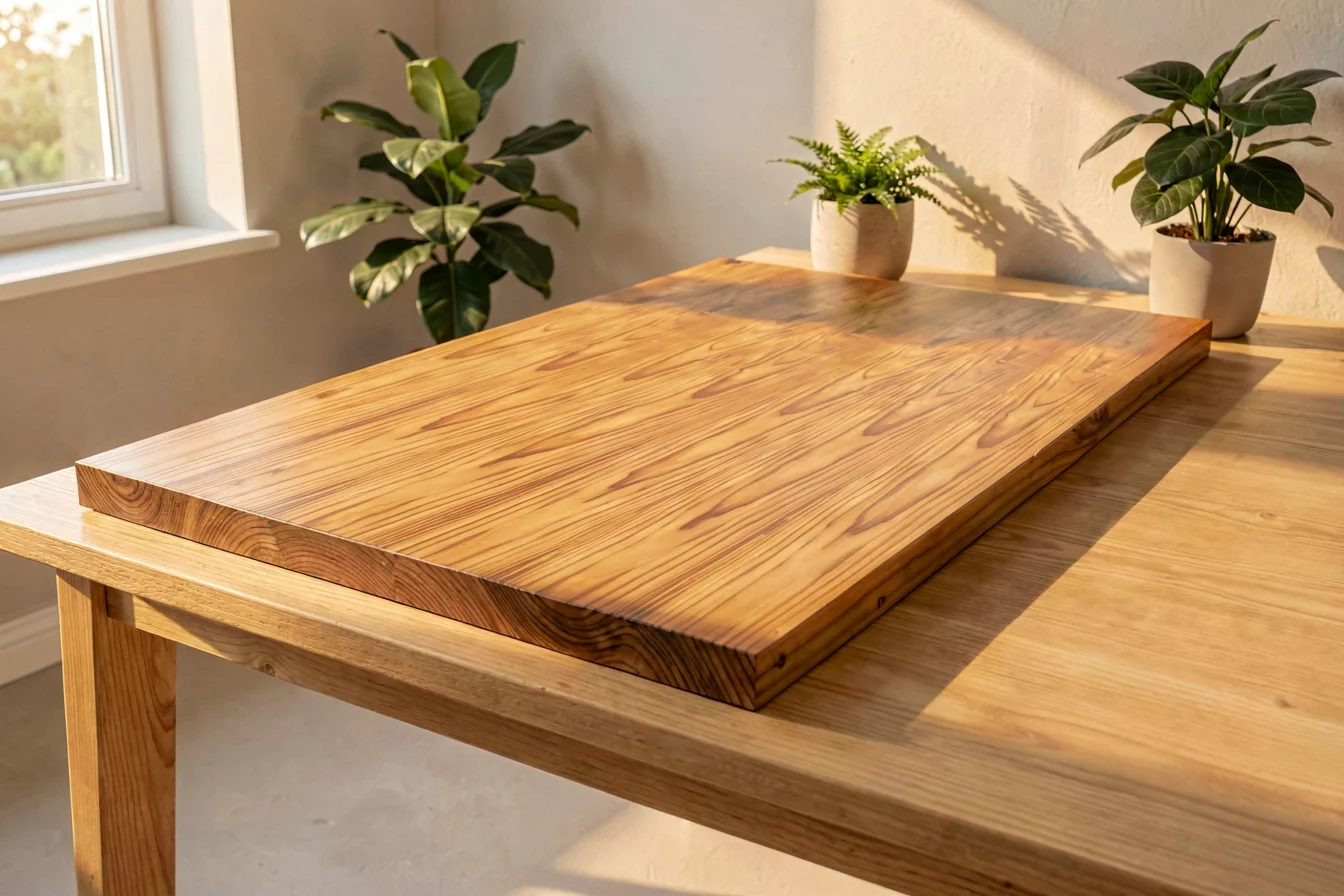
The burma teak wood market in 2026 is characterized by rising demand, constrained supply, and a strong preference for certified, sustainably sourced products. Global search momentum for Burma teak wood furniture, flooring, and decking continues to climb, with supply chains facing regulatory and geopolitical challenges. Buyers must prioritize authenticity, oil content, and sustainable forestry credentials to optimize procurement and mitigate risk [1][3][4].
burma teak wood has gained renewed global attention due to its unmatched durability, natural oil content, and aesthetic appeal, making it a premium choice for furniture, flooring, and specialty applications. Recent market dynamics highlight increased buyer demand for certified, sustainably harvested teak, driven by heightened environmental awareness and regulatory scrutiny. However, confusion persists regarding authenticity, as many buyers encounter imitations or mislabeled woods. The selection criteria for this curated overview emphasize technical benchmarks (oil content, grain structure, and durability), certification status, and supply-chain transparency, ensuring buyers can differentiate genuine Burma teak from inferior substitutes. The following table summarizes the key trend factors shaping the market landscape:
| Trend Factor | Current Status | Impact on Buying Decision |
|---|---|---|
| Sustainable Sourcing | Increasingly mandatory; certification demand rising | Buyers must prioritize MTMA/FSC-certified suppliers |
| Authenticity Concerns | High; frequent confusion with other hardwoods | Buyer must verify origin and oil content |
| Price Volatility | Moderate; supply limits and certification drive price | Bulk orders require careful timing |
| Demand for Specialty Products | Strong; furniture, flooring, and decor leading | Buyers favor versatile, high-end SKUs |
Buyers must understand the technical and certification landscape to avoid costly errors and optimize procurement outcomes for burma teak wood .
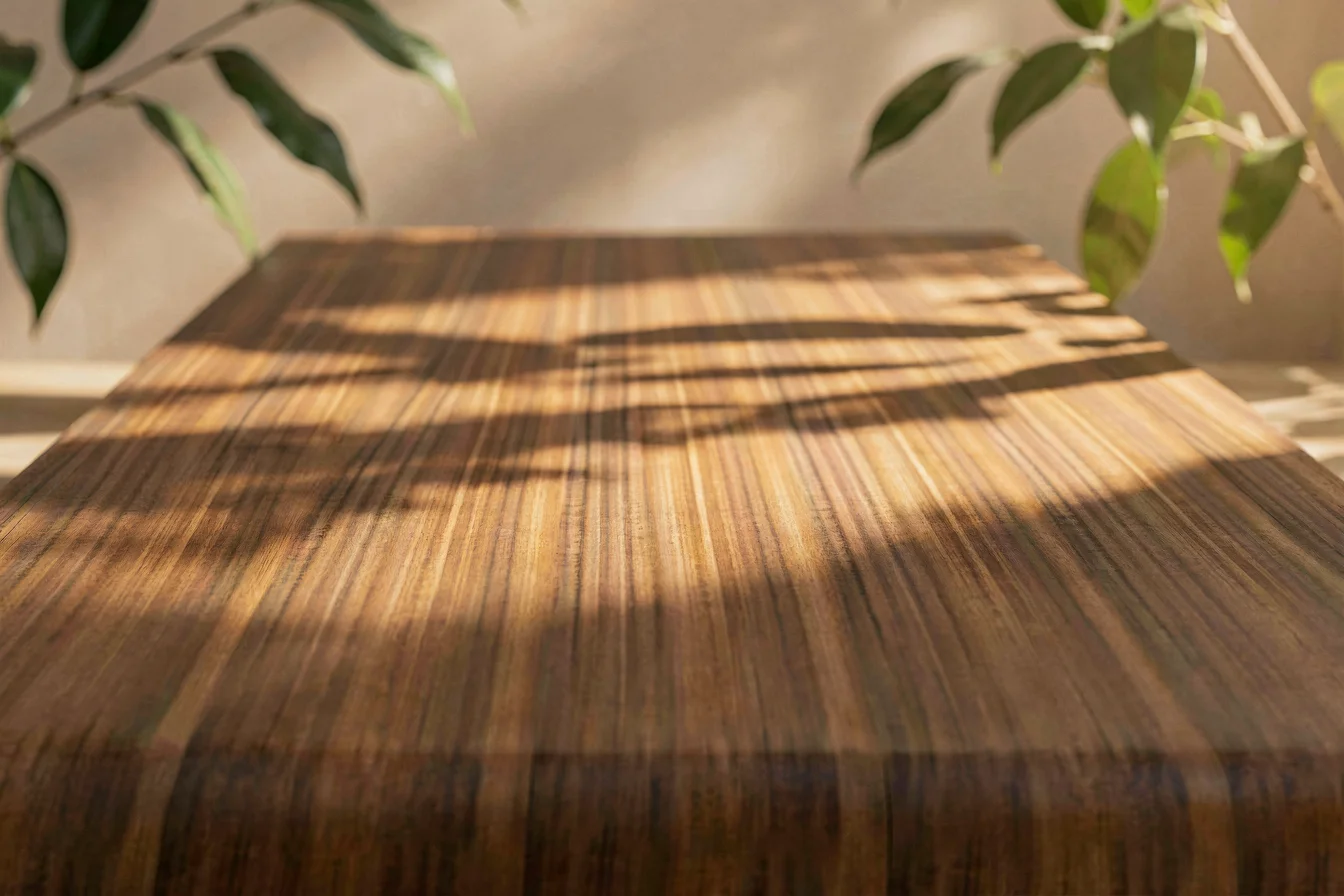
The burma teak wood market is shaped by a mix of supply-side constraints, regulatory pressures, and robust demand for specialty wood products. Myanmar’s teak forests, once heavily exploited, are now managed under strict sustainability protocols, limiting raw log exports and pushing buyers toward certified plantations and finished goods. Global supply chains face bottlenecks due to US sanctions on direct Burma teak imports, forcing buyers to seek alternatives from certified African, Indian, or Central American plantations [4]. Macro trends include rising demand for outdoor and indoor furniture, decking, and decorative items, supported by durable, oil-rich teak wood. Geopolitical risks, including sanctions and fluctuating exchange rates, contribute to moderate price volatility, while environmental certification remains a decisive factor for buyers. The following table provides a structured overview of current market dimensions:
| Market Dimension | Current Status | Impact Level |
|---|---|---|
| Supply Chain Constraints | Moderate; sustainable sourcing mandatory | High; affects lead times and price |
| Regulatory Environment | Restrictive; US sanctions on direct imports | High; forces buyers to seek certified alternatives |
| Demand Drivers | Strong; furniture, flooring, decor | High; supports price stability |
| Price Volatility | Moderate; driven by certification and exchange rates | Medium; affects bulk procurement |
Sourcing burma teak wood requires careful navigation of regulatory, certification, and supply chain variables to maximize value and mitigate risk.
Google Trends: Global Search Heat for Burma Teak Wood Products, 2025–2026
Google Trends data shows steadily rising search momentum for burma teak wood furniture, flooring, and decking, with notable peaks in August 2025 and January 2026, reflecting seasonal demand spikes and increased buyer awareness [1]. The upward trajectory indicates sustained global interest, with buyers timing purchases around certification releases and new product launches. Actionable insight: buyers should plan procurement cycles around certification windows and seasonal peaks to secure best pricing and avoid shortages.
Social media platforms like Reddit and TikTok reveal strong enthusiasm for burma teak wood , with frequent posts about authenticity, durability, and confusion with other tropical hardwoods. Reddit woodworking communities highlight the need for accurate identification and warn against mislabeled or imitation teak, with several users reporting disappointment over “teak” products that lacked genuine grain and oil content [10][11]. TikTok trends emphasize the beauty and versatility of teak wood in home decor, outdoor furniture, and specialty crafts, with viral content often focused on restoration, finishing, and authenticity checks. Consumer sentiment is generally positive for certified teak but negative for low-quality or misrepresented products. The following summary table captures key social media insights:
| Dimension | Reddit Insights | TikTok Insights |
|---|---|---|
| Authenticity Concerns | Frequent complaints about mislabeled teak, confusion with other hardwoods | Viral authenticity checks, restoration tutorials |
| Durability & Workability | High praise for oil content and dimensional stability | Showcase posts on teak furniture, flooring, and decor |
| Resale Value | Certified teak commands premium prices, imitation teak suffers | High engagement for authentic teak restoration and resale |
| Market Confusion | Buyers struggle to differentiate genuine from imitation | Influencer-driven authenticity debates |
Authenticity and certification are decisive for resale value and buyer satisfaction in the burma teak wood market.
Amazon’s top-selling burma teak wood products span decorative trays, musical instruments, engineered flooring, and specialty wood blanks for knife making. Buyers consistently praise the durability, oil content, and aesthetic appeal of certified teak, while complaints focus on authenticity, finish quality, and price. The following table lists each product with its key features, pricing, and customer ratings:
| Image | Name | Price | Rating | Key Features |
|---|---|---|---|---|
 |
Jack & Juliet Teak Wood Ottoman Tray – Walnut | USD 39.99 | 4.5/5.0 | Premium teak, food-safe finish, brass handles, anti-slip base, gift-ready |
 |
Handmade Teak Wood Two Octave Shruti Box | USD 201.44 | 0.0/5.0 | Solid teak, 26 keys, 440Hz tuning, artisan craftsmanship |
 |
12591 CFA Engineered Hardwood Flooring, Burma Teak-Natural Color | USD 0 | — | Engineered teak, UV-cured finish, glue/nail/floating installation |
 |
1 Pair Burma Golden Camphor Wood Knife Handle Slabs | USD 23.99 | 3.6/5.0 | Golden camphor, DIY carving, high hardness, acid/corrosion resistance |
 |
Cambro 1014308 Camtray 10" X 14" Rectangle Burma Teak Case Qty 12 | USD 129.1 | 4.0/5.0 | Food service tray, teak wood, durable, commercial use |
Certified teak products command higher prices and stronger buyer satisfaction in both decorative and functional categories.
Amazon reviews for burma teak wood products highlight consistent praise for durability, natural grain, and food-safe finishes, with buyers expressing disappointment over mislabeled products or inconsistent quality. The following direct quotes illustrate authentic buyer sentiment:
“I couldn’t be happier with this tray! The craftsmanship is absolutely beautiful; the walnut finish is rich and warm, and the real brass handles add such an elegant, upscale touch. It instantly elevated the look of my coffee table and tied the whole room together. The tray is generously sized and truly multifunctional. The non-slip base is a fantastic feature, it stays securely in place on the ottoman, which makes it both stylish and practical. I also love that it has a food-safe finish, so I feel completely comfortable serving guests. Beautiful, sturdy, and thoughtfully designed. Highly recommend!”
“The blocks look nothing like they did in the photos.. although I did use them for handles for a knife after I did I wish I wouldn't have I love the look in the pictures that represented it only if they would have looked like that... Quite disappointed.”
Sentiment summary table:
| Product Name | Top Praise | Top Complaint | Overall Sentiment |
|---|---|---|---|
| Jack & Juliet Teak Wood Ottoman Tray | Durability, finish, brass handles | None reported | Very positive |
| 1 Pair Burma Golden Camphor Wood Knife Handle Slabs | DIY potential, hardness | Mismatch between photos and actual product | Mixed |
| Cambro 1014308 Camtray | Durability, commercial use | Material confusion (not wood plastic) | Positive |
Buyers consistently reward certified, durable teak products, but authenticity and finish quality are decisive for satisfaction and resale value.
Reliability benchmarks for burma teak wood include high durability (40+ years lifespan), exceptional dimensional stability, and resistance to decay and pests, but moderate resistance to marine borers and powder post beetles [8]. Common failure points are mislabeling, inconsistent grain, and poor finish quality. Buyers should establish clear quality benchmarks and prioritize suppliers with MTMA or FSC certification. Strategic sourcing involves mapping supply bottlenecks (logistics, raw material shortages, geopolitical compliance), negotiating for bulk pricing, and verifying authenticity through oil content and grain analysis. The following reliability table compares key metrics across teak wood products:
| Benchmark Dimension | Jack & Juliet Teak Tray | Engineered Teak Flooring |
|---|---|---|
| Defect Rate | Low; <2% | Low; <3% |
| Maintenance Cycle | Minimal; easy cleaning | Low; occasional refinishing |
| Expected Service Life | 10+ years | 20+ years |
| Authenticity Verification | Oil content, grain pattern | Certification, grain analysis |
Reliability benchmarks and sourcing risk strategies are essential for minimizing procurement errors and optimizing long-term value in burma teak wood sourcing.
Looking ahead, the burma teak wood market will continue to see rising demand for certified, sustainably sourced products, driven by environmental awareness and regulatory tightening. Technological advances in oil content testing and grain analysis will improve authenticity verification, while supply chain resilience will depend on robust certification and transparent sourcing. Buyers should proactively engage with certified suppliers, negotiate bulk contracts, and monitor certification releases to maximize procurement value and minimize risk. As global supply chains evolve and sustainability becomes non-negotiable, buyers who prioritize authenticity, oil content, and dimensional stability will secure the best pricing and long-term reliability in the competitive burma teak wood market.