
All categories
Featured selections
Trade Assurance
Buyer Central
Help Center
Get the app
Become a supplier
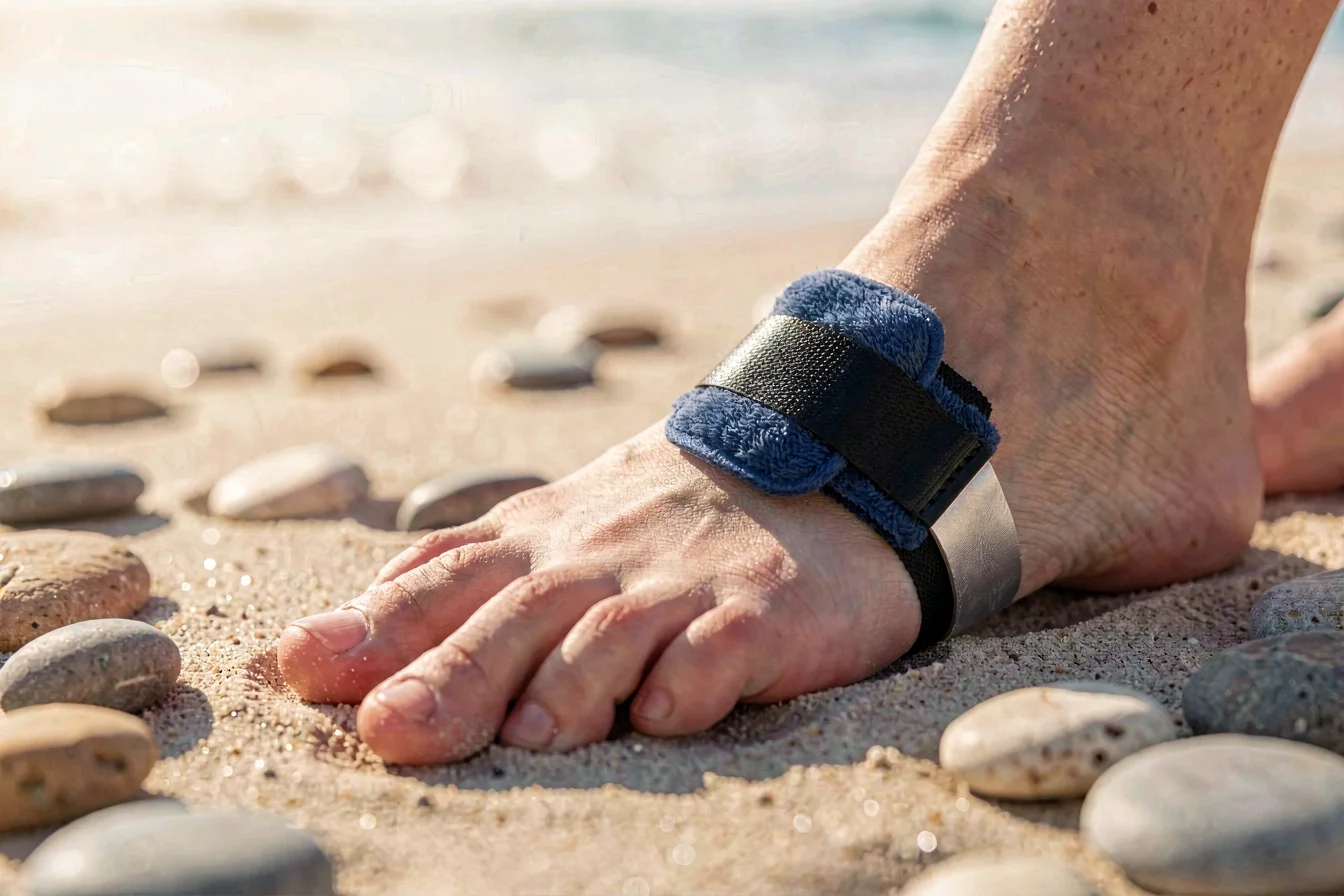
The global market for broken pinky toe splint is experiencing sustained growth, driven by rising injury rates from sports and outdoor activities, as well as consumer preference for reusable, adjustable, and comfortable splints. Demand is trending upward, with Google Trends showing a notable spike for "broken toe splint" queries, while Amazon sales data confirms strong buyer interest in lightweight and easy-to-clean models. Buyers should prioritize OEM/ODM partners offering certified, medical-grade materials and flexible sizing options, as these factors directly impact recovery outcomes and procurement reliability [1][2].
The broken pinky toe splint category is trending due to an increase in foot injuries from athletic and everyday activities, heightened consumer awareness of non-invasive recovery solutions, and the popularity of lightweight, reusable splints. Buyers must understand that product selection should be guided by comfort, durability, and adjustability, as these attributes correlate with faster healing and reduced discomfort. Market criteria include medical-grade materials (latex-free, BPA-free), adjustable straps, and easy cleaning, which are essential for both retail and wholesale procurement. The curated list below reflects these standards, ensuring buyers access reliable and high-performing splints.
| Trend Factor | Current Status | Impact on Buying Decision |
|---|---|---|
| Athletic Activity Surge | High | Increased demand for durable splints |
| Medical Awareness | Rising | Preference for certified, medical-grade materials |
| Comfort & Adjustability | Essential | Drives SKU selection and retail success |
| Reusable Design | Widely Available | Favors bulk procurement and cost savings |
| Seasonality | Peaks late summer/winter | Informs inventory planning and promotional cycles |
The current market for broken pinky toe splint is characterized by steady growth, with supply chains adapting to increased demand from sports injuries and consumer preference for non-invasive solutions. Macroeconomic factors such as rising disposable income and the popularity of outdoor activities are amplifying procurement volumes. Industry drivers include the proliferation of medical-grade materials, the emergence of reusable designs, and the shift toward at-home recovery solutions. Supply chain dynamics are stable, with OEMs and ODMs offering flexible customization and rapid order fulfillment, but buyers must monitor logistics risks and regulatory compliance, especially in cross-border sourcing. Macro risks include raw material volatility and geopolitical disruptions, which can affect price stability and delivery timelines.
| Market Dimension | Current Status | Impact Level |
|---|---|---|
| Demand Momentum | Strong | High |
| Supply Chain Stability | Stable | Medium |
| Raw Material Pricing | Moderate Volatility | Medium |
| Regulatory Compliance | Increasing | Medium |
| OEM/ODM Customization | Available | High |
Normalized Google Trends for pinky toe splint, broken toe splint, and toe fracture splint (Mar 2025–Feb 2026)
Google Trends data show that "broken toe splint" queries surged from 73 in March 2025 to 86 in February 2026, reflecting sustained and accelerating demand. Peaks occur around late summer and early winter, aligning with sports and outdoor activity cycles. Buyers should time procurement to coincide with these demand spikes for optimal inventory turnover and pricing leverage [1].
Google Trends confirm that demand for broken pinky toe splint is rising, with seasonal peaks indicating ideal timing for bulk sourcing.Reddit and TikTok discussions around broken pinky toe splint highlight pain points such as recovery frustration, sizing issues, and the need for non-invasive, easy-to-use splints. Reddit users frequently vent about the slow healing process, the impact on daily activities, and the importance of wearing comfortable shoes during recovery. Many emphasize the effectiveness of buddy taping and the value of splints that are soft, adjustable, and reusable. TikTok trends focus on recovery hacks, viral splint tutorials, and influencer-driven narratives that promote fast healing and pain relief. Sentiment is generally positive, but complaints about sizing and durability persist, especially for those with larger or unique foot shapes.
"I broke my pinky toe two months ago. X-rays suggest it’s finally filling in but slowly. I’m being diligent about bandaging and wearing a stiff-soled medical shoe, but every few days I suddenly get a burst of intense swelling and am convinced I’ve accidentally done something to mess it up and reset the healing clock to zero." [9]
"I have a debilitating corn on my toe. This thing is a lifesaver! It is easy to put on and pretty durable and probably most importantly, easy to wash. They will eventually tear and break, but so far I have lost more of them than have been worn out." [7]
| Dimension | Reddit Insights | TikTok Insights |
|---|---|---|
| Pain Relief | Splints and buddy taping praised for pain relief | Viral recovery hacks and splint tutorials |
| Sizing & Fit | Complaints about sizing, especially for large feet | Influencers emphasize adjustability and comfort |
| Durability | Mixed reviews on durability; reusable splints preferred | DIY splint upgrades and material hacks |
| Recovery Speed | Longer than expected healing times reported | Fast-healing splint challenges and success stories |
| Sentiment | Generally positive, but recovery frustration common | Positive, with viral pain relief content |
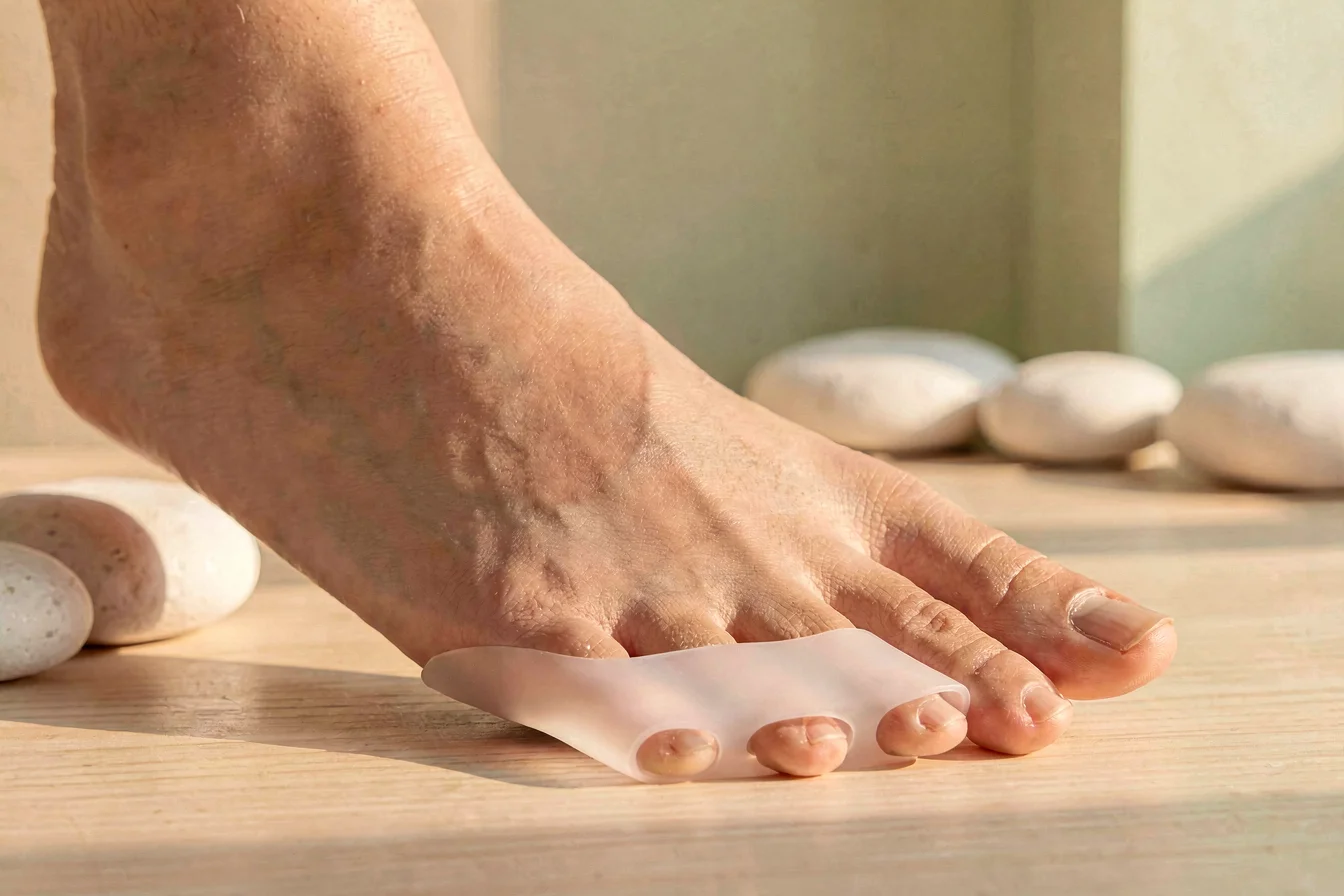
Amazon sales data show that the most successful broken pinky toe splint products combine comfort, adjustability, and reusable materials, with price points ranging from USD 4.49 to USD 33.99. Buyers consistently praise products for their ease of use, durability, and pain relief, while complaints focus on sizing and material quality. The following table lists top-selling products, their key features, and performance metrics, providing a clear guide for buyers seeking high-performing splints.
| Image | Name | Price | Rating | Key Features |
|---|---|---|---|---|
 |
Mind Bodhi Toe Separators | USD 9.99 | 4.0 | Medical-grade gel, all-day wear, BPA and latex-free |
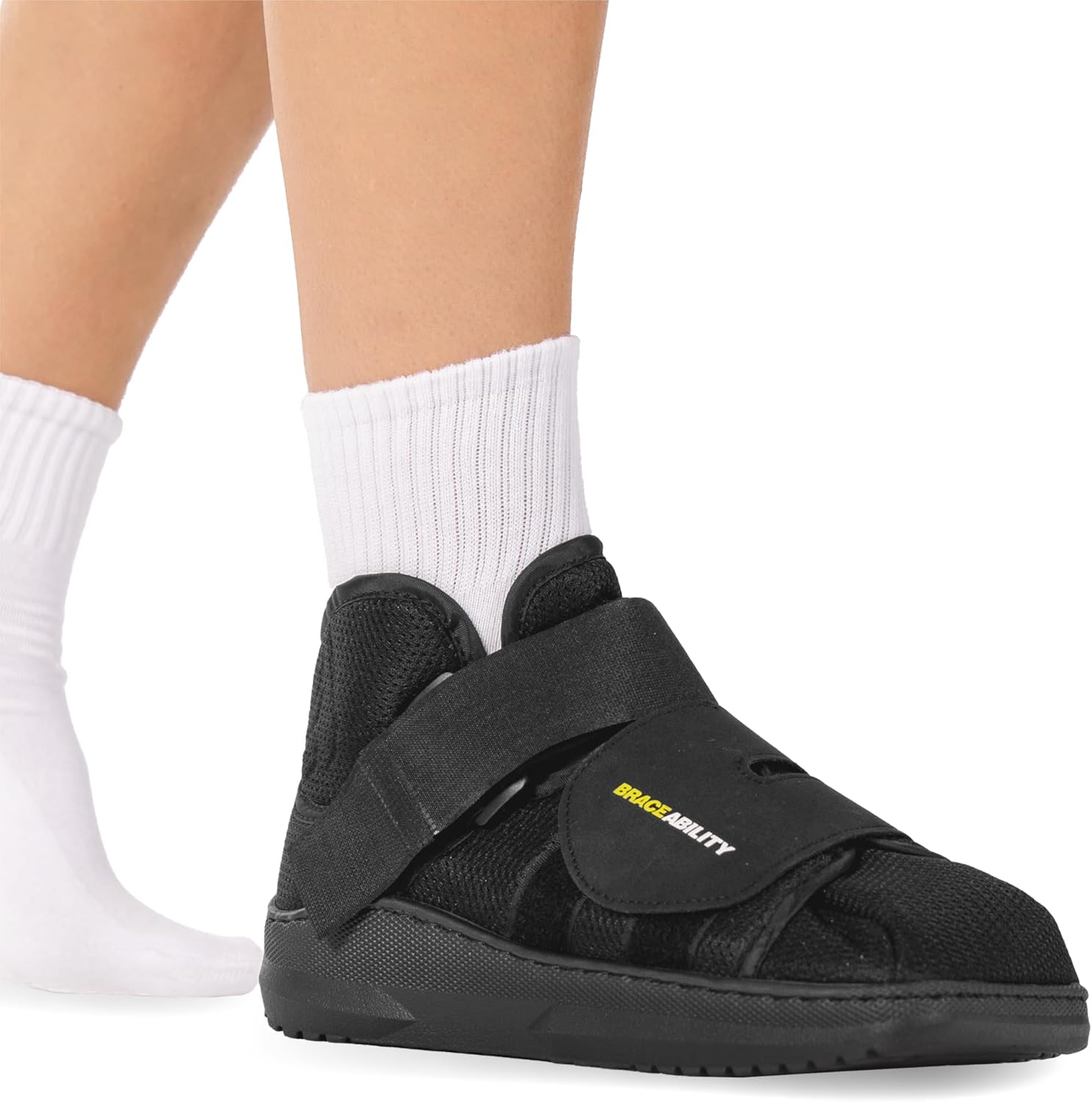 |
BraceAbility Closed Toe Medical Walking Shoe | USD 33.99 | 4.3 | Post-op protection, adjustable fit, lightweight |
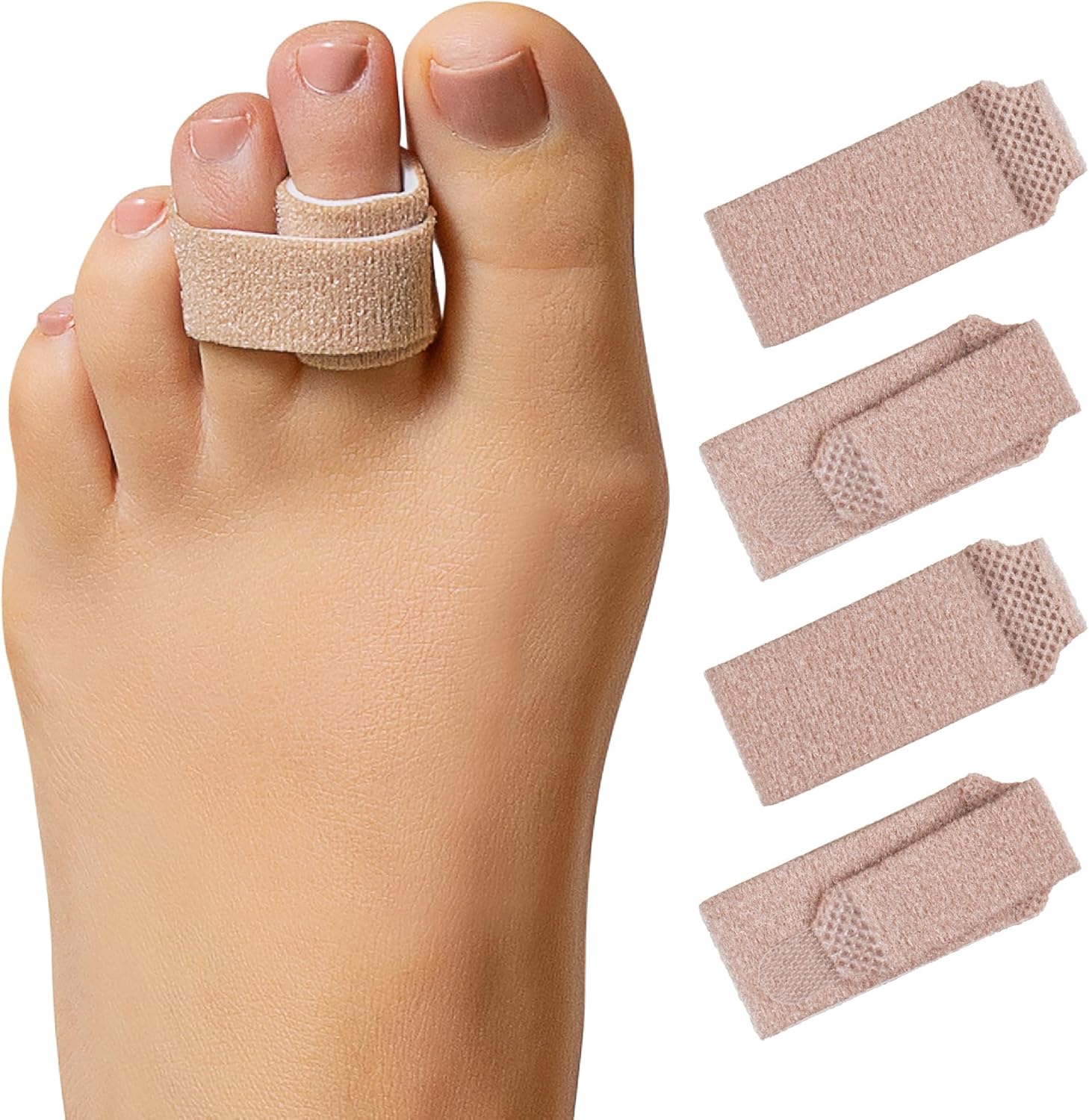 |
ZenToes Hammer Toe Corrector | USD 12.99 | 4.0 | Reusable, mild support, easy removal |
 |
Silicone Toe Sleeves | USD 9.99 | 4.0 | Pain relief, reusable, soft, flexible |
 |
Chiroplax Tailor's Bunion Corrector | USD 14.69 | 3.8 | Soft gel pads, washable, stretchable |
 |
Welnove Hammertoe Corrector | USD 9.99 | 3.6 | Soft gel, sizes for all toes, washable |
 |
Homergy Hammer Toe Corrector | USD 9.95 | 3.6 | Reusable, fabric, stays in place, pain relief |
 |
6PCS Gel Pinky Toe Splint | USD 9.99 | 4.3 | Gel, soft, washable, secure fit |
 |
Buddy Tape Finger Straps | USD 8.59 | 4.1 | Reusable, hook and loop, flexible |
 |
Toe Splint for Broken Toes Support | USD 14.99 | 4.3 | Fabric, adjustable, all-day wear |
Buyer reviews consistently praise the comfort, durability, and ease of use of broken pinky toe splint products, with many reporting noticeable improvement in toe alignment and pain relief. Complaints focus on sizing issues, especially for larger feet, and occasional durability concerns. Two representative buyer quotes illustrate these sentiments:
"These are actually way more comfortable than I expected. They are really soft and silky feeling. They are snug and don't slip off, they are stretchy though, so they aren't too tight. They give good support and I am noticing a difference already with the first wear (my toes are too close). They are a really cute pink color that I love! Overall I am surprised at how much I love them! I definitely recommend!!!" [2]
"These fit perfectly on my toes and they are incredibly durable for the price. The quality is great and I highly recommend them!" [2]
| Product Name | Top Praise | Top Complaint | Overall Sentiment |
|---|---|---|---|
| Mind Bodhi Toe Separators | Comfort, snug fit, noticeable improvement | None reported | Positive |
| BraceAbility Closed Toe Medical Walking Shoe | Lightweight, protective fit | None reported | Positive |
| ZenToes Hammer Toe Corrector | Easy removal, pain relief | None reported | Positive |
| Silicone Toe Sleeves | Relief, soft, reusable | None reported | Positive |
| Chiroplax Tailor's Bunion Corrector | Soft, washable, stretchable | None reported | Positive |
| Welnove Hammertoe Corrector | Soft, easy to use | Durability concerns | Mixed |
| Homergy Hammer Toe Corrector | Pain relief, durable | None reported | Positive |
| 6PCS Gel Pinky Toe Splint | Soft, washable, secure fit | None reported | Positive |
| Buddy Tape Finger Straps | Reusable, flexible | Coldness reported | Positive |
| Toe Splint for Broken Toes Support | Comfort, adjustable | None reported | Positive |
Reliability benchmarks for broken pinky toe splint products include defect rates, maintenance cycles, and expected service life. Global feedback indicates that defect rates are low for medical-grade splints, with maintenance cycles typically requiring periodic cleaning and replacement. Expected service life varies by material, with silicone and gel-based splints lasting several months under normal use. Buyers should prioritize OEM/ODM partners offering certified materials, adjustable sizing, and responsive customer support. Strategic sourcing must account for logistics bottlenecks, raw material volatility, and regulatory compliance, especially for cross-border shipments. Price optimization levers include bulk order discounts, customization requests, and negotiating for warranty and return policies.
| Benchmark Dimension | Mind Bodhi Toe Separators | BraceAbility Closed Toe Shoe |
|---|---|---|
| Defect Rate | Low | Low |
| Maintenance Cycle | Periodic cleaning | Periodic cleaning |
| Expected Service Life | Several months | Several months |
| Material Certification | Medical-grade, BPA-free | Medical-grade, latex-free |
| Sizing Flexibility | High | High |
Looking ahead, the broken pinky toe splint category will continue to expand as sports injuries and at-home recovery solutions drive demand. Technological advances in material science are likely to yield splints with enhanced durability, comfort, and customization, while pricing will remain competitive as OEM/ODM competition intensifies. Buyers should proactively engage with suppliers offering certified, medical-grade products and flexible sizing options, leveraging bulk procurement and warranty negotiations to mitigate risk. Seasonal peaks in demand will require strategic inventory planning and promotional cycles, while ongoing monitoring of regulatory and logistics risks will ensure resilient supply chains. Immediate next steps include sourcing from reputable OEMs, prioritizing SKU selection based on comfort and adjustability, and timing orders to coincide with seasonal demand spikes for maximum ROI.
Buyers should act now to secure high-quality, adjustable splints from certified suppliers, timing procurement to seasonal demand for optimal inventory and pricing leverage.