
All categories
Featured selections
Trade Assurance
Buyer Central
Help Center
Get the app
Become a supplier
The global packaging market is undergoing a profound transformation in 2026, fueled by explosive growth in e-commerce, evolving consumer preferences, and mounting pressure for sustainable solutions. Branded boxes—once a niche packaging segment—have emerged as a critical touchpoint for businesses seeking to enhance customer experiences, build brand recognition, and support environmentally responsible practices. This trend is especially pronounced in the wake of major holiday seasons and retail events, which act as catalysts for innovative packaging designs and heightened competition in consumer-facing industries.
Several factors are converging to make branded boxes a hot topic:
The past twelve months have seen notable shifts in buyer behavior as small businesses and larger retailers adapt to new realities in packaging procurement. Stable demand from key consumer segments such as parents, artisans, and entrepreneurs signals sustainable market opportunities for sourcing partners willing to innovate on design, material strength, and customization [1]. In this climate, branded boxes are no longer simply a commodity—they are strategic assets that can make or break a consumer's first impression.
A branded box is a packaging solution customized with logos, colors, graphics, or messaging to represent a company, product, or personal identity. These boxes serve dual functions: protecting goods in transit and acting as a visual ambassador for the sender's brand. The roots of branded packaging trace back to retail marketing innovations in the late 19th century, when printing technology enabled businesses to move beyond plain containers and forge emotional connections with buyers through packaging design [5].
Today, the landscape encompasses a vast array of box types, materials, and printing finishes, allowing brands to tailor every aspect of their packaging to strategic objectives and buyer preferences:
Key classification criteria for buyers evaluating branded box options include:
The categorization of branded boxes is becoming more sophisticated in 2026, as companies seek solutions that blend aesthetic impact, logistical efficiency, and environmental responsibility. Procurement professionals are encouraged to consider the full lifecycle of their packaging choices, from material sourcing and manufacturing to post-use disposal or reuse.
The voice of the end user is more influential than ever in 2026, shaping the expectations and sourcing priorities of procurement professionals and suppliers alike. Social platforms are abuzz with firsthand experiences, peer advice, and lively debates on the merits of various branded box formats, sourcing channels, and customization practices. A synthesis of these community discussions reveals several important trends that buyers must consider.
Brand Perception and Unboxing Culture: Unboxing videos and influencer content have amplified the demand for visually appealing branded boxes. Customers highlight the emotional satisfaction of opening packages that reflect thoughtful design and brand identity—especially during holidays or special events. Comments underscore how packaging sets the tone for product quality, with references to "last and most powerful salesperson" for a brand [5], signifying the link between packaging and consumer loyalty. Customization and Sourcing Strategies: Many small business owners share stories about sourcing custom packaging directly from factories, leveraging certifications and price advantages by partnering with overseas manufacturers, particularly in Asia. One notable sentiment is the preference for packaging providers with "handsome" pricing and robust compliance documentation. Buyers also emphasize the value of local suppliers for quick turnaround, particularly in regions with logistics constraints [14]. Material Reuse and Cost Efficiency: Grassroots discussions routinely advocate for reusing boxes from previous shipments, sourcing from local stores, or organizing "Frankenstein boxes" assembled from recycled cardboard. While cost and sustainability are prominent motivators, there is a cautionary tone about weak spots and the importance of material strength—underscored by adverse experiences with flimsy construction resulting in damaged shipments [15][17]. Buyers incorporate the cost of packaging into their shipping fees and echo the importance of efficiently building box supplies for busy operations [16]. Brand Logos and Trademark Issues: Active threads analyze the technicalities and risks associated with branded versus unbranded packaging, including customs scrutiny and legal implications of importing boxes with protected logos or trademarks. End users ask clarifying questions: "Does a branded box mean the logo is printed?" and "Are there issues in transit?" Practical advice from experienced buyers suggests checking with suppliers about logo options, considering trade barriers and enforcement trends [10][12]. Environmental Impact and Consumer Values: Sustainability is intrinsic to buyer conversations, with many advocating for greener solutions and select companies switching entirely to Kraft boxes or recyclable materials. Critiques of packaging waste, environmental harm, and the opportunity for compostable or reusable options are pervasive [3][9]. Buyers share that product presentation and ethical packaging directly correlate to repeat purchases and customer satisfaction. Gift and Specialty Packaging: In gifting categories and community-driven product launches, feedback on color, design, and insert features is robust. Shoppers perceive well-crafted branded boxes as an extension of the product itself—“Perfect for gifts,” “Versatile use”—and express disappointment in packaging that feels cheap or generic. Recommendations flow freely for experimental formats and seasonal graphics to create memorable first impressions [1].
In summary, community sentiment spotlights the strategic value of branded packaging across cost, compliance, customization, and sustainability. International buyers acquire a competitive edge by tapping into social intelligence, validating their procurement strategies against real-world expectations from global retail and B2B customers.
As consumer markets mature and diversify, the branded box segment is outpacing broader packaging industry growth through a confluence of retail innovation, digital procurement, and cross-border trade expansion. Let’s analyze the forces shaping purchasing decisions and extract actionable intelligence for global buyers:
Sales and Demand Analysis: Trends in Colorful Shipping Boxes for Small Business
Recent Amazon Trends data showcases Colorful Shipping Boxes for Small Business as a market with stable demand and solid ratings, reporting a 4.68 average rating and 97.71 search volume in the most recent cycle [1]. The retail segment is anchored by small businesses and parents, accounting for over 80% of the consumer base—most often sourcing boxes for organizing (22.73%) and shipping (20.66%). Review sentiment is generally positive, highlighting sturdy construction (41.5%), prompt delivery (13.6%), and versatility. Negatives concentrate on inconsistent quantity (31.2%), weak cardboard (22.5%), and minor app functionality issues.
A closer look at month-to-month market fluctuations:
Search volumes revealed notable growth (+10.25%) in June 2025, likely attributable to the pre-summer surge in retail and event-based gifting, followed by a plateau in September 2025 as consumers focused on back-to-school needs rather than packaging procurement. Retail sales volumes peaked in November and December 2025, aligned with holiday shipping deadlines and Q4 commercial promotions, before slightly tapering in January 2026.
The following bar chart visually summarizes normalized monthly search and sales volumes, offering clear insight for procurement professionals planning supply chain cycles:
Normalized search volume and average sales for Colorful Shipping Boxes for Small Business (Aug 2025 - Jan 2026)
For buyers: Stocking up in Q4 is recommended to capture peak seasonal demand, while keeping surplus inventory through early Q1 can mitigate supply disruptions. Sourcing strategies should target suppliers capable of scaling rapidly during pre-holiday periods and maintaining consistent quality to address recurring issues in cardboard strength and box quantity.
The sentiment analysis reveals actionable improvement areas:
Hot Selling Analysis: Top-Selling Branded Shipping Boxes on Amazon
The downstream retail purchase landscape is best demonstrated by the top 10 ranked boxes in terms of sales, quality, and pricing. Each product’s specifications, ratings, and pricing are detailed, allowing procurement teams to benchmark options and refine negotiation strategies.
| Image | Product Name | Size & Pack | Average Rating | Latest Month Sale Volume | Retail Price (Volume) | Wholesale Price | Key Features |
|---|---|---|---|---|---|---|---|
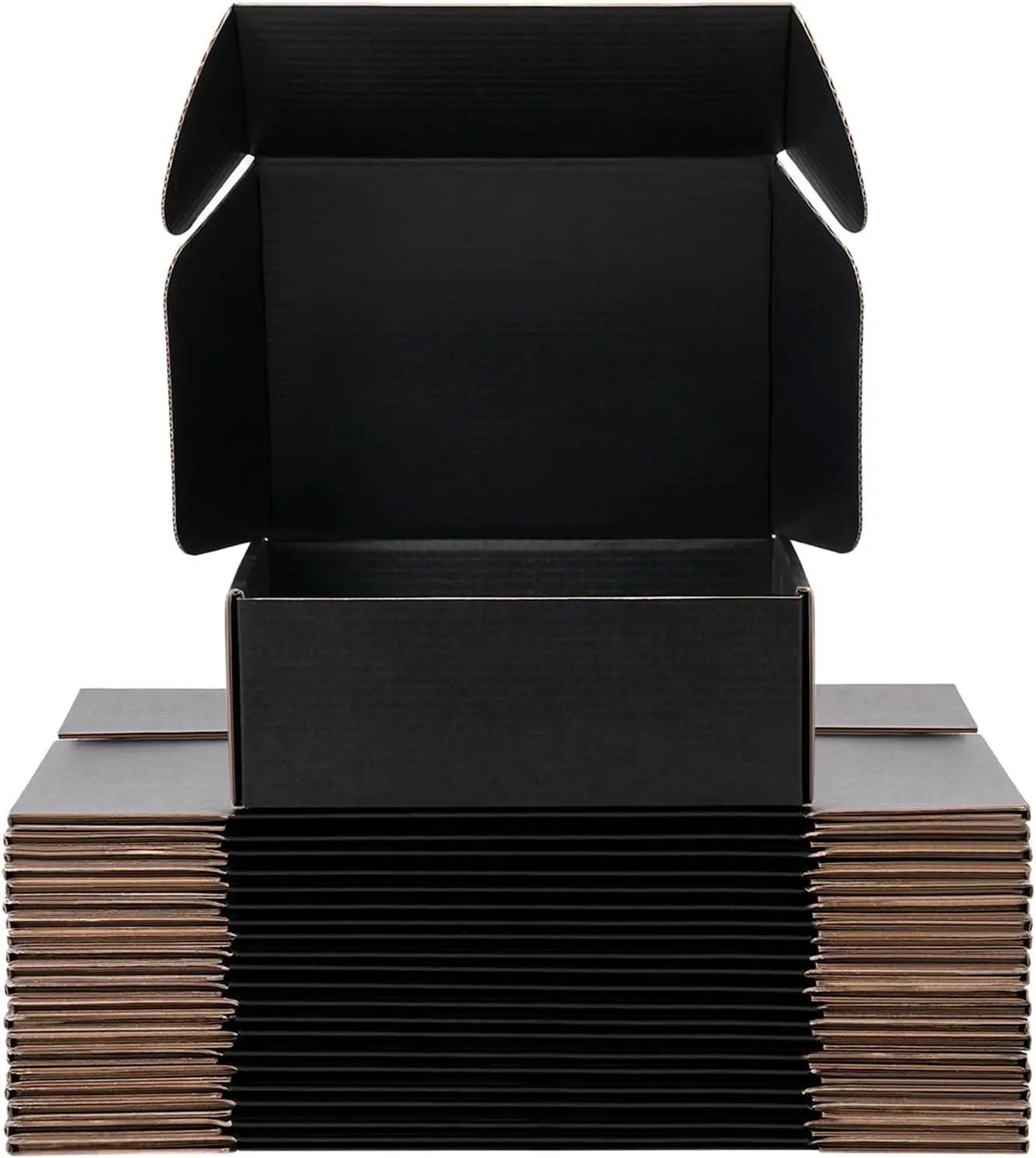 |
DUZCLI Small Shipping Boxes | 12x9x4", 20-Pack, Black | 4.8 | 676 | $34.21 | $0.44 | Recyclable, sturdy, gift packaging |
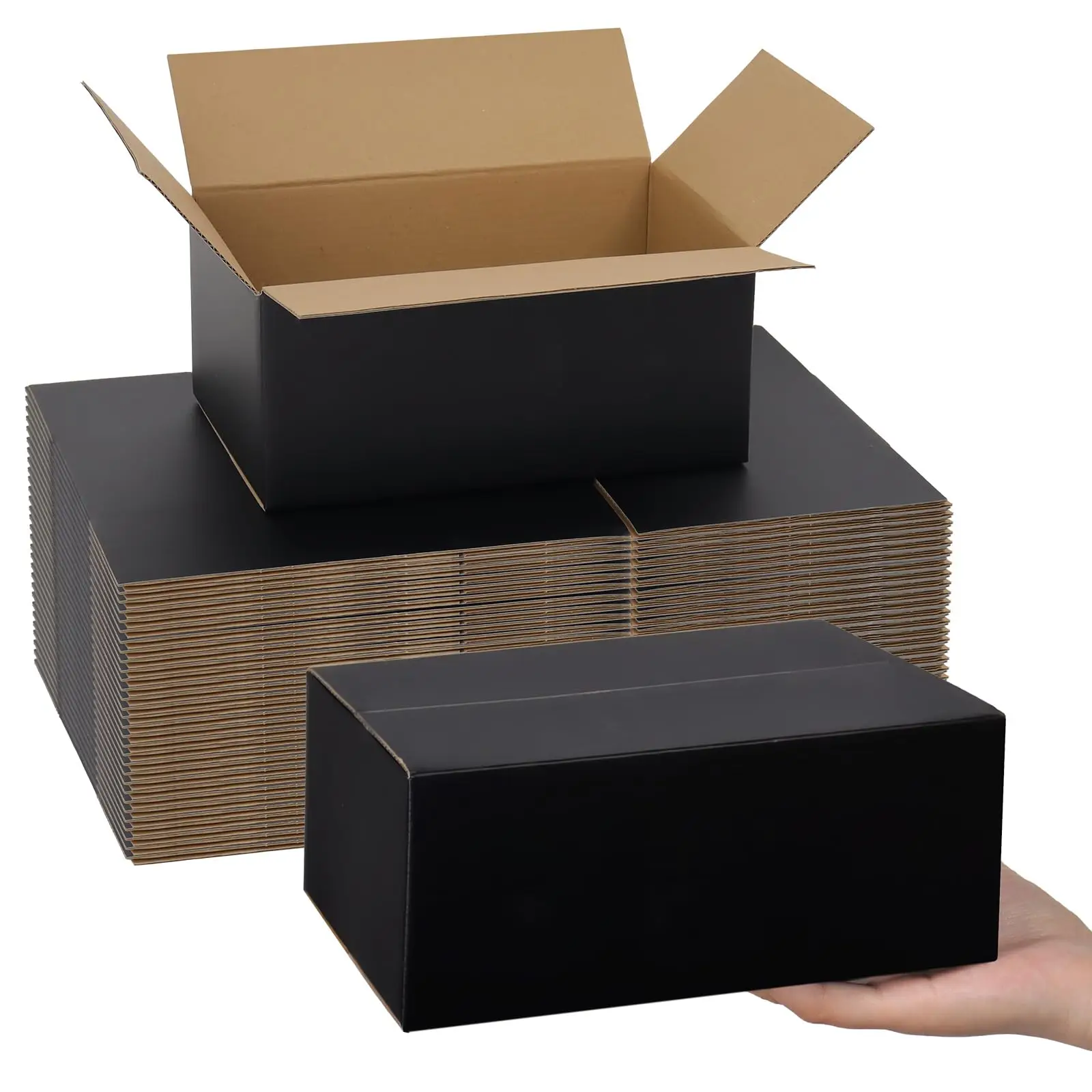 |
Shipping Boxes Medium | 9x6x4", 30-Pack, Black | 4.7 | 437 | $26.91 | $0.39 | Bulk packing, versatile shipping |
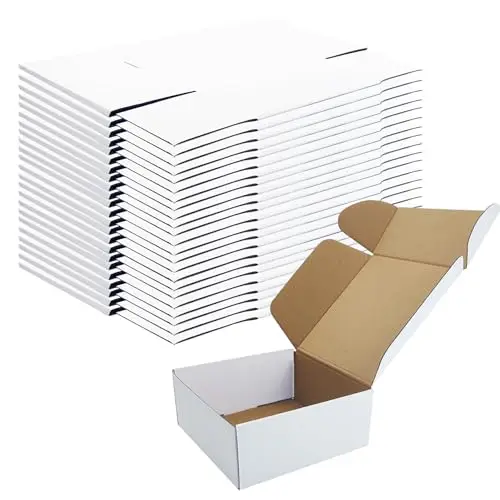 |
White Shipping Boxes Set | 7x7x3", 25-Pack, White | 5 | 388 | $23.89 | $0.4 | Recyclable, craft gift packaging |
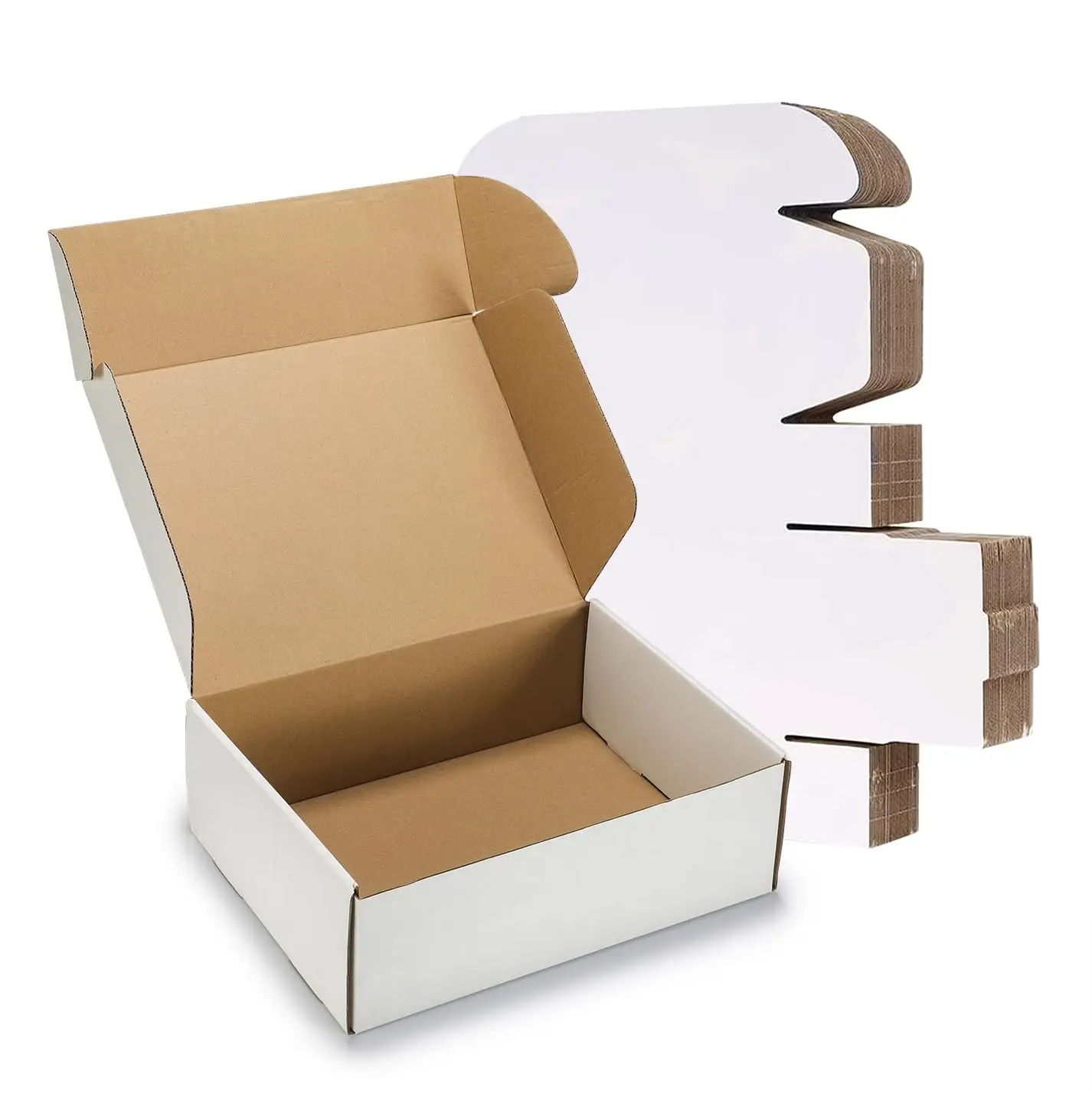 |
TUKYLIL White Corrugated Box | 12x9x4", 20-Pack, White | 4.7 | 233 | $30.48 | $0.39 | Mailer for gifts/crafts |
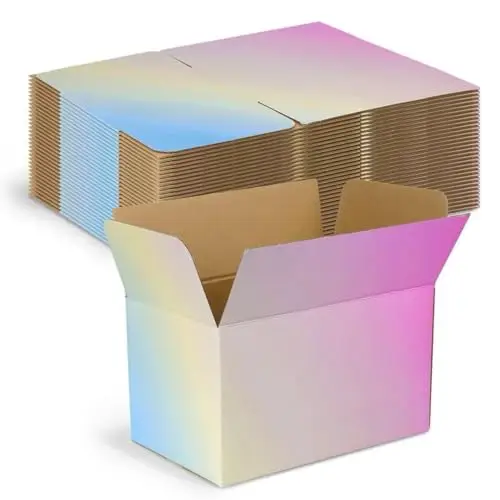 |
DEZIBOX Colorful Shipping Boxes | 10x7x6", 30-Pack, Colorful | 4.7 | 213 | $34.49 | $0.94 | Vibrant color, sturdy |
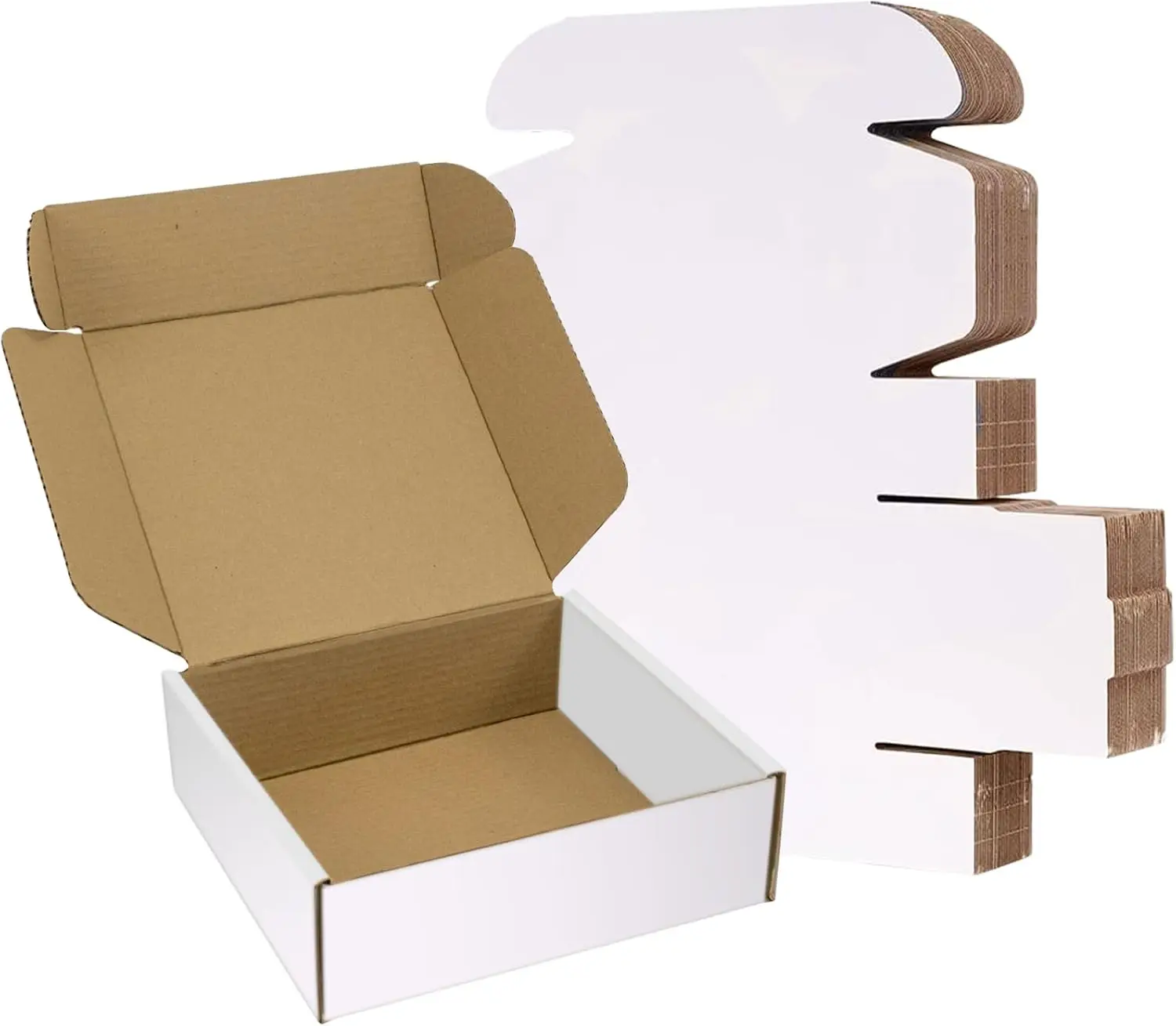 |
TUKYLIL White Corrugated Box | 6x6x2", 25-Pack, White | 4.7 | 208 | $16.63 | $0.37 | Compact, jewelry/daily supplies |
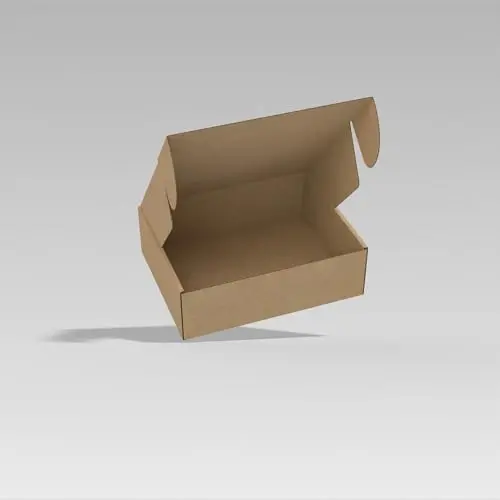 |
Small Shipping Brown Corrugated Boxes | 13x10x4", 18-Pack, Brown | 4.8 | 182 | $34.22 | $0.32 | Gift, storage, craft |
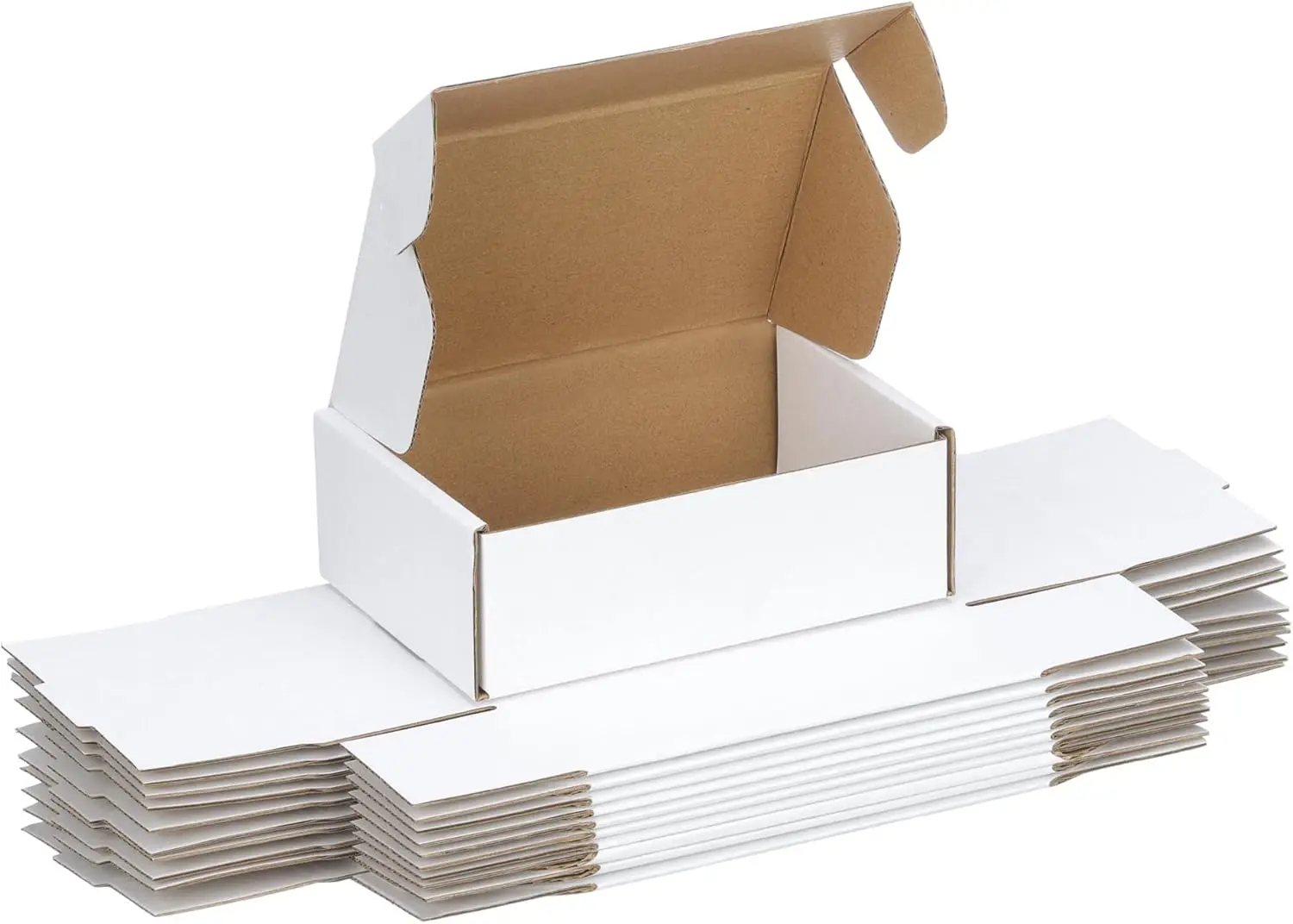 |
FARRAY Durable Kraft Corrugated Boxes | 6x4x2", 50-Pack, White | 5 | 145 | $26.05 | $0.19 | Durable, bulk packaging |
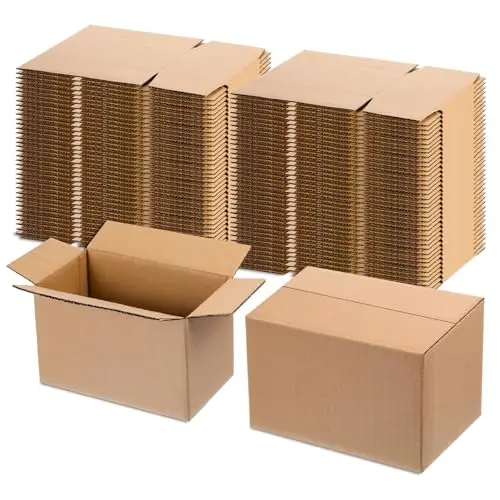 |
Small Mailing Packing Box | 6.9x4.5x3.7", 75-Pack, Brown | 4.3 | 67 | $30.18 | $0.2 | Packing, moving, business |
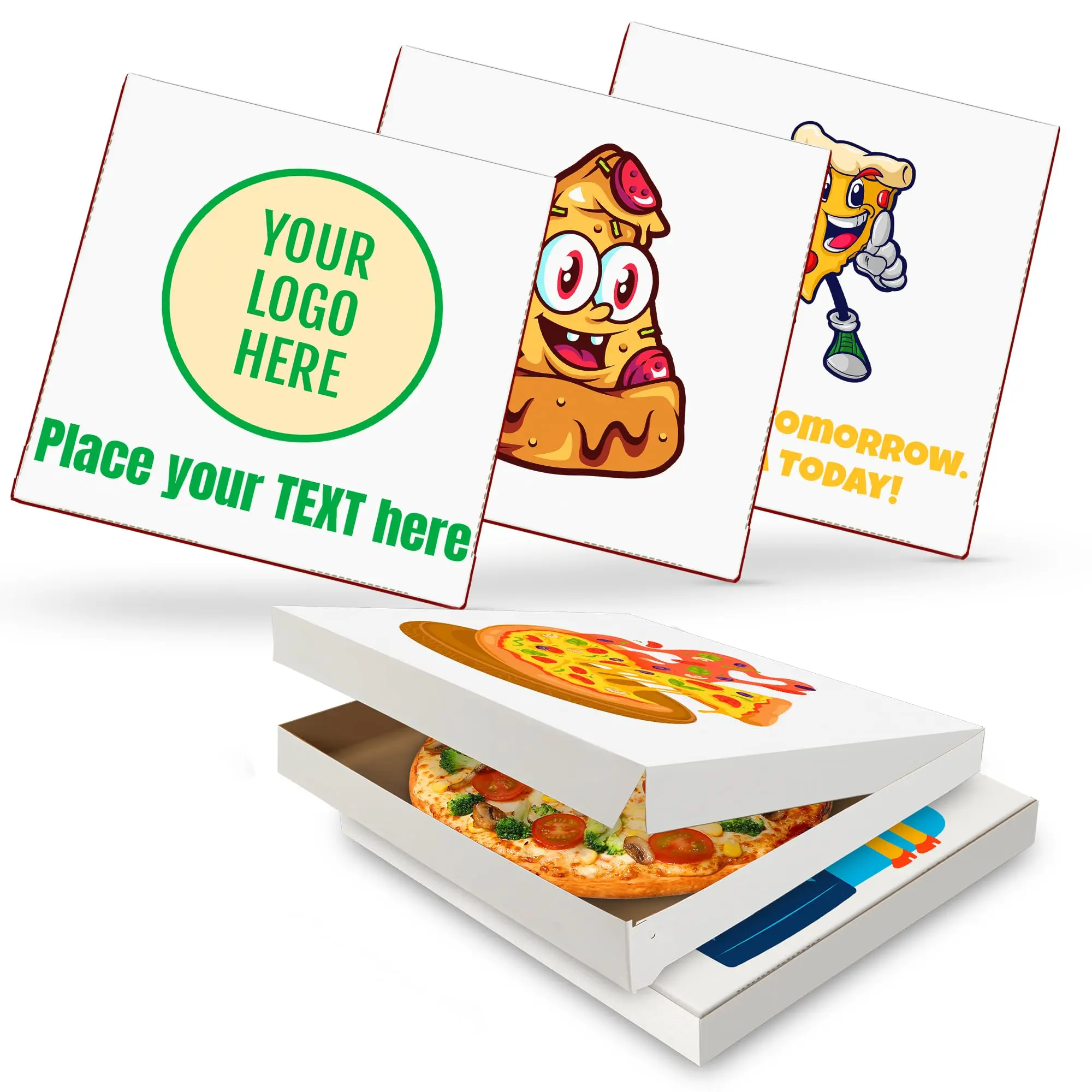 |
MT Products Custom Printed Pizza Boxes | 10”x10”x1.5”, 15-Pack, White | 5 | 5 | $48.99 | $0.5 | Custom logo, USA-made |
Table data sourced from [2].
Benchmarking these bestsellers, buyers should consider:
With these insights, international buyers can narrow their supplier targets and fulfillment schedules to match peak seasons and budget constraints.
Sourcing branded boxes in the new packaging landscape requires agility, diligence, and an eye for risk mitigation. Here is an actionable framework to help procurement professionals optimize their supply chains and adapt to emerging challenges:
By leveraging both professional and community intelligence, buyers can forge resilient, profitable partnerships with box manufacturers and minimize disruptions.
Competitive advantages accrue to those who align their sourcing strategy to the full market context: durable and attractive boxes strengthen customer loyalty, cut long-term supply costs, and enhance a company’s green credentials.
Branded box procurement is at the intersection of logistics innovation, marketing strategy, and sustainability leadership. The analysis above confirms that demand will remain robust throughout 2026, with key surges around seasonal gifting and retail promotions. As e-commerce and DTC brands invest in higher standards for packing, the competition among suppliers to deliver visually compelling, eco-friendly, and reliable solutions will intensify.
Smart buyers should act on these recommendations:
In conclusion, branded boxes are no longer simply containers—they are strategic assets driving sales, loyalty, and environmental credibility. By integrating data-driven market intelligence, social sentiment, and best-in-class sourcing practices, buyers can seize the immense opportunities unfolding in the global packaging market. Make your next procurement cycle a showcase of innovation, value, and unmistakable brand flair.