
All categories
Featured selections
Trade Assurance
Buyer Central
Help Center
Get the app
Become a supplier
As global manufacturing surges into 2026, boring machines have emerged not only as essential tools for heavy industry and infrastructure, but also as symbols of advanced automation and precision engineering. Worldwide investment in construction, automotive, energy, and sustainable mining is driving unprecedented levels of demand for reliable hole-making solutions. Projects from mega-cities to rural connectivity are reshaping requirements for deep tunneling, accurate part finishing, and modular system installations.
This year, several key trends amplify the relevance of boring machinery:
Amidst these shifts, buyers and procurement specialists face a rich but complex landscape of boring machine classes, innovations, and sourcing challenges. The selections you make today set the tone for operational reliability, cost-efficiency, and global competitiveness over the next decade.
A boring machine is a specialized industrial device designed to enlarge, finish, and precisely shape pre-existing holes in a wide array of materials—from metals and composites to stone and concrete[2][3]. While the process itself predates the Industrial Revolution, the modern machine’s evolution is a journey from manual ingenuity to digital automation.
In its purest form, boring is distinct from drilling: where drilling creates the initial hole, boring delivers the accuracy, depth, and surface finish demanded in critical applications. The boring tool (typically a hardened single-point cutting bar or multiple cutters) is mounted on a spindle that rotates at controlled speed. Operators (or CNC controllers) adjust feed rates and spindle torque according to material, desired tolerance, and required finish.
Historical milestones which shaped modern boring include John Wilkinson's barrel-boring machine (1774)—often considered the first true machine tool, enabling steam engine manufacture—and the evolution during both World Wars, with jig borers and highly accurate mechanical rigs[4].
Today’s market recognizes several distinct boring machine types:
Each category splits further by size, spindle configuration, automation features, material compatibility, and specialized cutting head assemblies. Buyers classify offerings not just by boring axis orientation, but by intended tolerance range, workpiece mass, surface roughness expectations, and integration with smart factory workflows.
In summary, boring machines anchor some of the most sophisticated production tasks across modern industry, enabling everything from tunnel creation to micro-accurate hole enlargement for high-value parts[4][8].
The cultural footprint of boring machines—especially tunnel boring machines (TBMs)—has grown rapidly over the past few years, crossing from niche engineering into the mainstream consciousness of online communities[10][11]. These machines, sometimes affectionately dubbed “moles” or “worms,” captivate audiences with images of planet-scale innovation and almost mythological power.
Recent months have seen active discussions focused on “ultimate boring machine” concepts. Participants debate designs that can simultaneously drill, drain, build reinforced tunnel walls, and deploy transport infrastructure—imagining machines capable of not only penetrating stone but also autonomously handling environmental hazards (water, lava) and complex construction tasks. Such discussions extend beyond traditional industrial applications, sparking ideas for fully autonomous subterranean mining systems and perpetual resource extraction platforms[9].
In these communities, several practical and creative themes emerge:
Sentiment analysis shows a strong mix of fascination, technophilia, and humor. Audience comments range from clever puns (“That’s gotta be boring working those.”) to genuine questions about durability, limits (“How quickly does this thing wear down?”), and fantasy competition (“But can it break through the walls of Ba Sing Se?”) reflecting how boring machines have become playful metaphors for unstoppable progress and boundary-breaking engineering[10].
For international buyers, this surge in public interest translates to greater visibility for suppliers, increased opportunities for co-branding, and the potential to tap into new customer segments drawn by the drama and ambition of large-scale tunneling and precision drilling.
The boring machine segment is experiencing robust growth in 2026, with both retail and industrial buyers racing to secure capacity across a variety of markets. Though exact revenue numbers differ by region, all indicators point to double-digit YoY expansion, particularly in the Asia-Pacific and North American construction and heavy manufacturing sectors[2][3][6].
Segment Trends:
In terms of regional variation, heavy-duty horizontal boring machines continue to dominate markets in China, Germany, and the U.S. due to shipbuilding, automotive, and infrastructure economies. Meanwhile, mid-range and compact CNC boring units are surging in India, Southeast Asia, and Latin America, where SME manufacturers are scaling up to match global quality standards[2][6][7].
Emerging innovations highlight programmable heads, vibration-reduction systems, sensor-driven adaptive feeds, and integrated safety encapsulation. These features directly align with growing buyer mandates for productivity, tolerance stability, and safer work environments.
Price Tier Analysis: Wholesale buyers source basic vertical/horizontal rigs starting below $100, with professional CNC/jig and large TBM configurations reaching well into several thousand dollars per unit. The correlation between price and performance is increasingly driven by integration, automation, and support, not just mechanical hardware.
Procurement professionals are advised to continuously monitor new offerings, scrutinize supplier certifications, and prioritize adaptable, digital-ready equipment to future-proof their investments.
Amazon Hot Selling Analysis: Top 10 Boring Machines in 2026
One of the best ways to understand end-user market demand is through the lens of Amazon best sellers. The following analysis presents the top 10 boring machines currently retailing in the North American online market, synthesizing data on retail pricing, wholesale availability, user ratings, monthly sales volume, and technical features[1].
For procurement specialists, this downstream retail data provides valuable insight into actual product performance, popularity, and accessible specifications for benchmarking supplier capabilities.
| Image | Product Name | Drilling/Boring Diameter | Power (W) | Speed (RPM) | Bits Included | Star Rating | Monthly Sales | Retail Price | Wholesale Price |
|---|---|---|---|---|---|---|---|---|---|
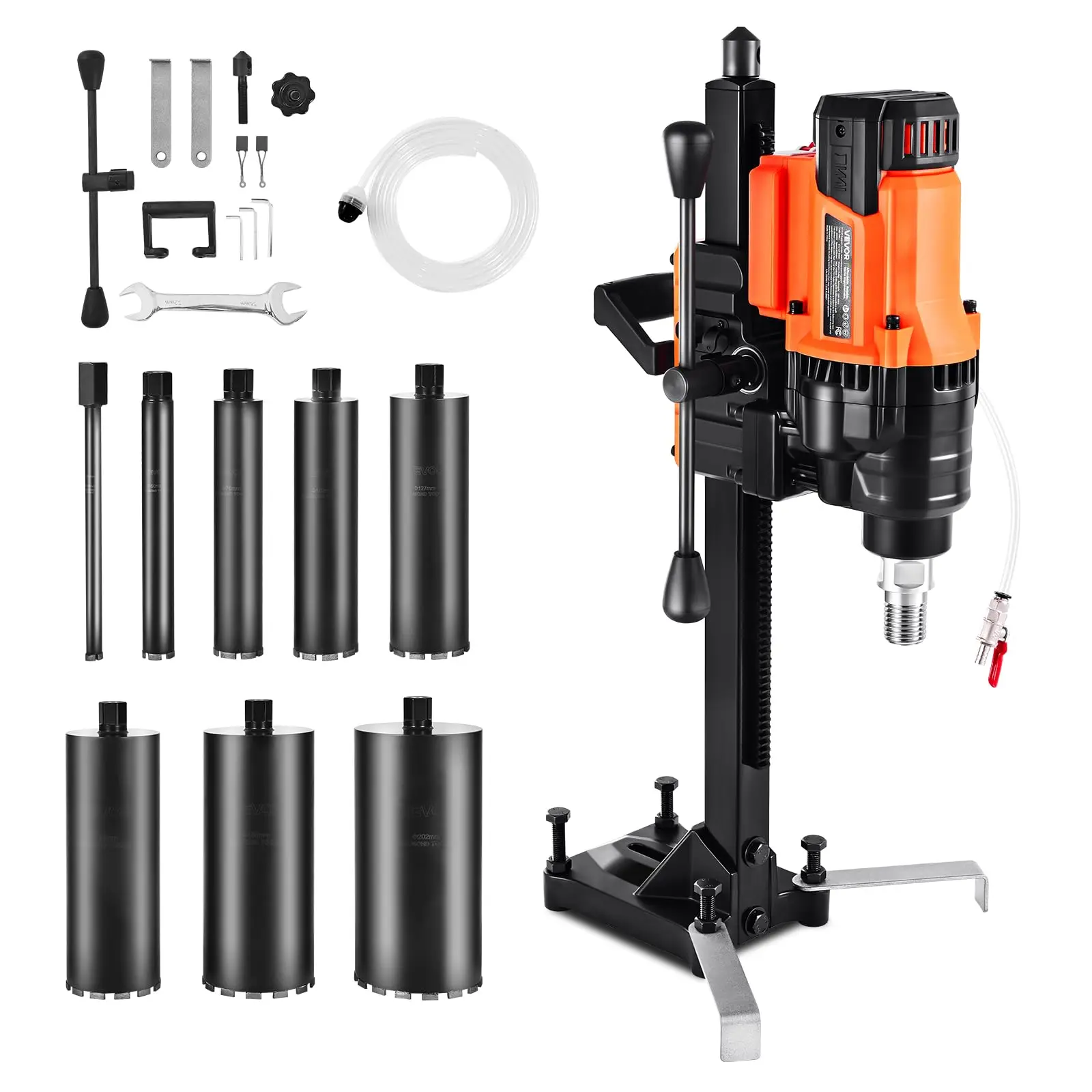 |
VEVOR Diamond Core Drilling Machine, 0.8-8 in | 0.8-8 in | 3000W | 800 | 8 | 4.0 | 72 | $659.95 | $227.02 |
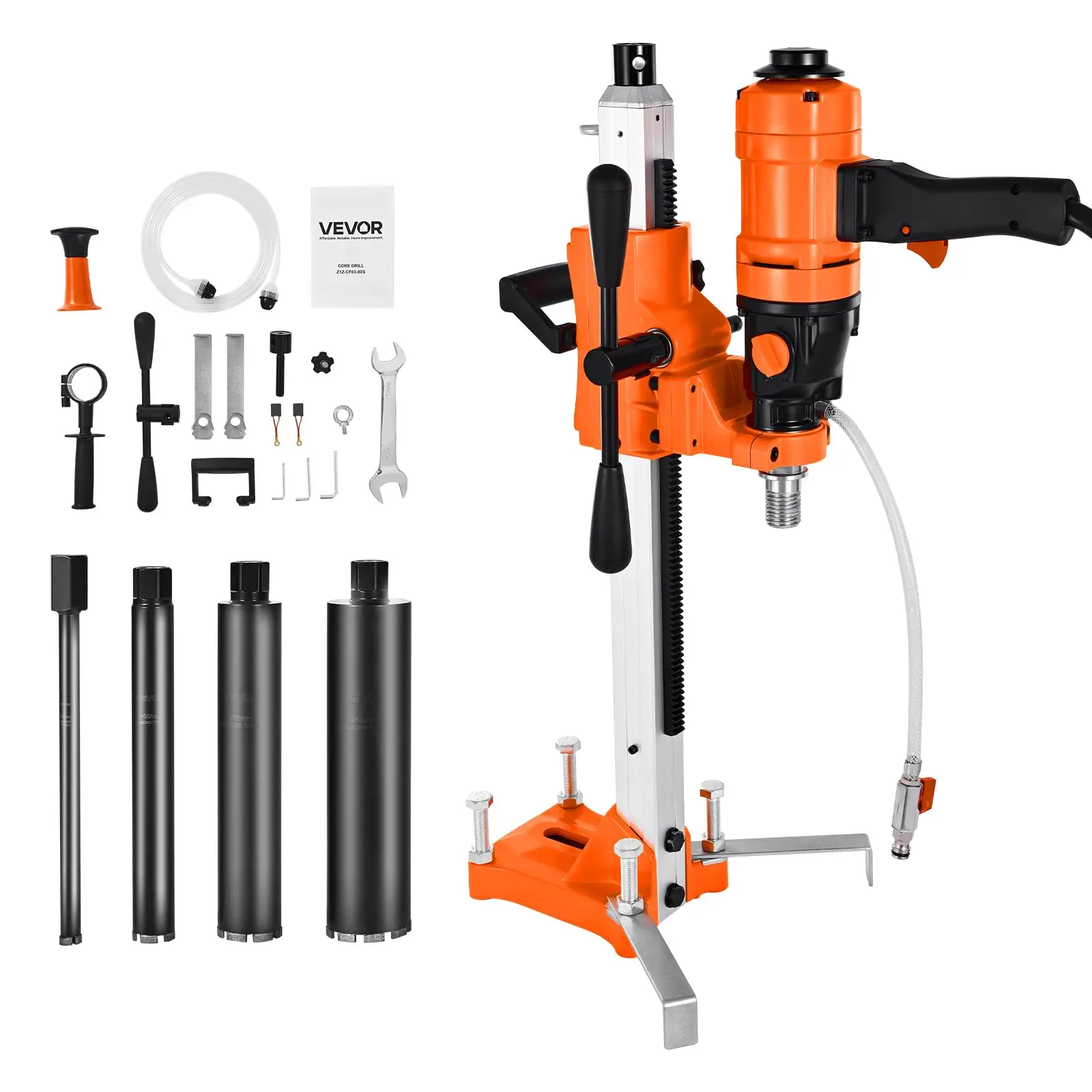 |
VEVOR Diamond Core Drilling Machine, 8 in | 8 in | 1800W | 1075/2300, 2-Speed | 4 | 4.1 | 68 | $412.31 | $219.21 |
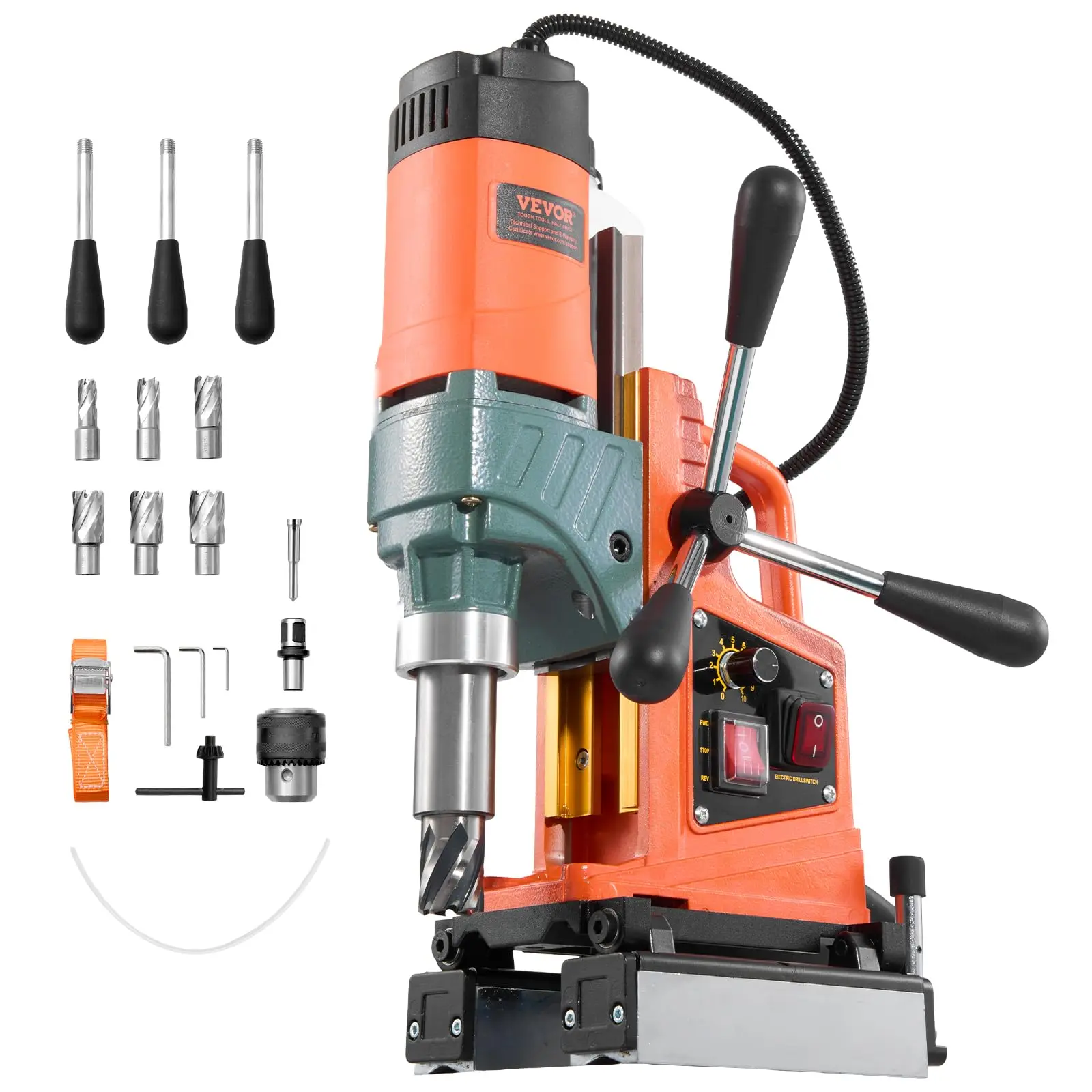 |
VEVOR Magnetic Drill Press, 2 in | 2 in | 1400W | 0-750 | 6 | 4.4 | 40 | $549.96 | $417.02 |
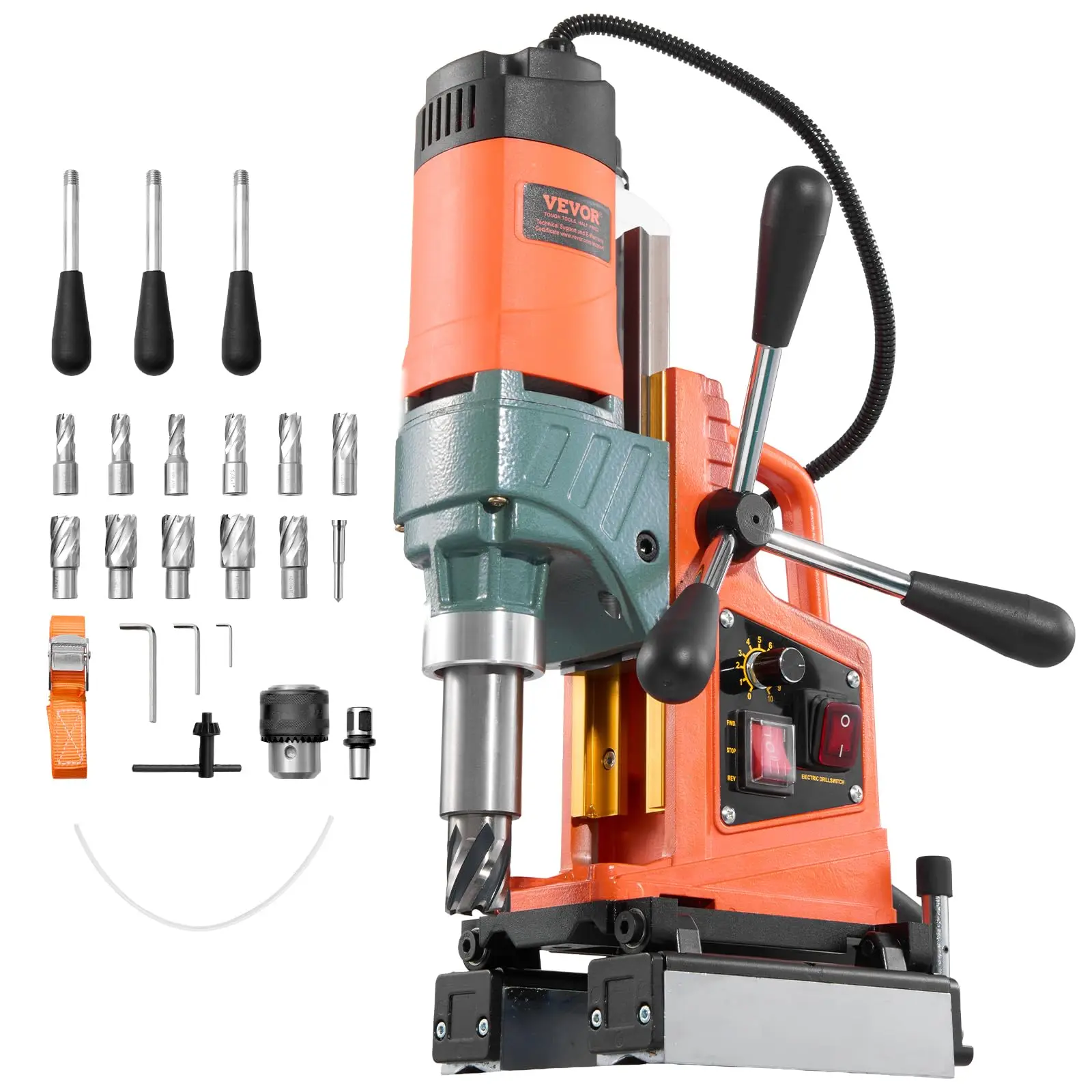 |
VEVOR Magnetic Drill Press w/ 11 Core Bits | 2 in | 1400W | 0-750 | 11 | 4.4 | 39 | $589.96 | $417.02 |
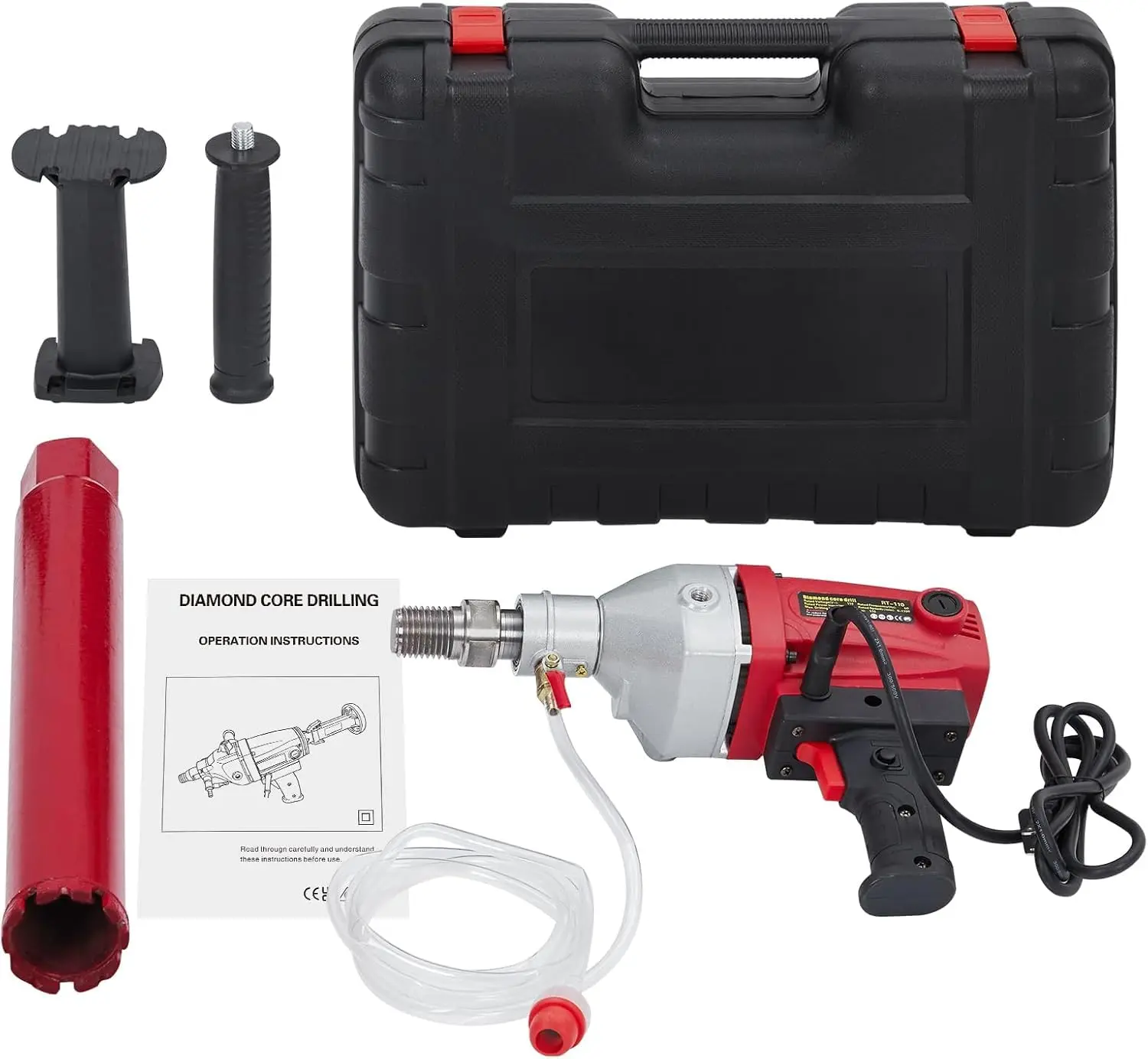 |
1500W Diamond Core Drill Machine, 4 in Max | 4 in | 1500W | 1880 | 1 (2 in bit) | 0 | 5 | $100.99 | $29.99 |
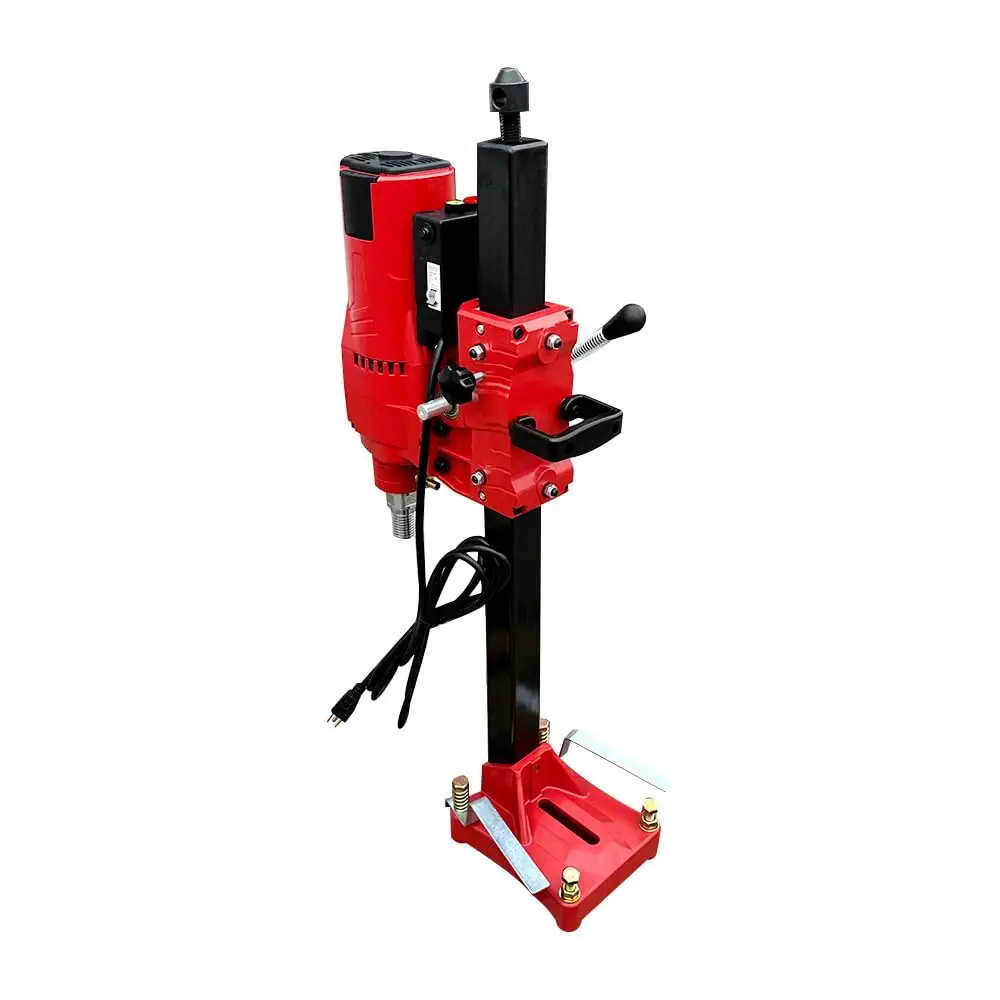 |
DBMIMPORTERS Diamond Core Drilling Machine, 8 in | 8 in | 3650W | 700 | N/A | 0 | 5 | $399.50 | $181.53 |
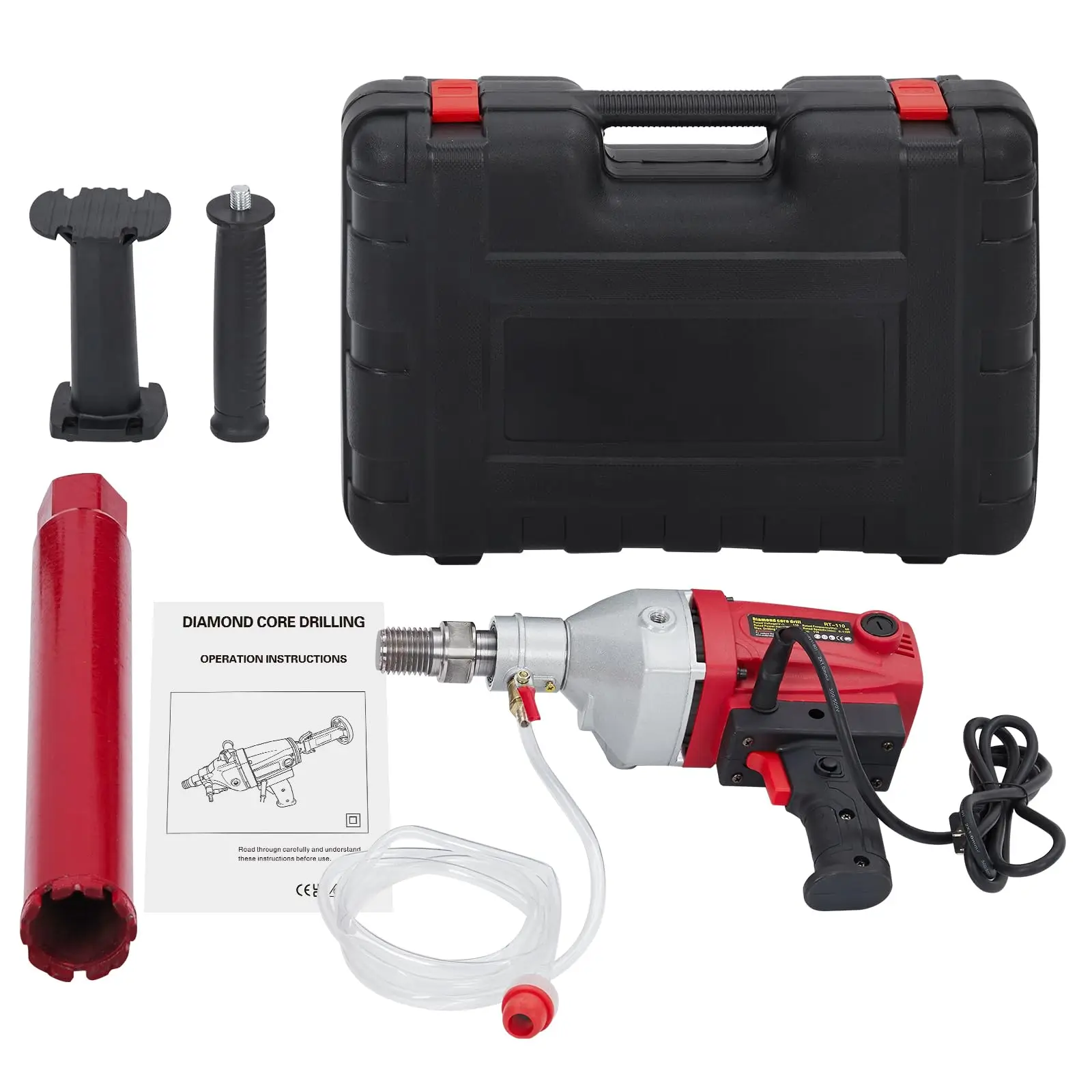 |
JustSmart 1500W Diamond Core Drilling Machine, 4 in Max | 4 in | 1500W | 1880 | 1 (2 in bit) | 1.0 | 5 | $82.36 | $22.84 |
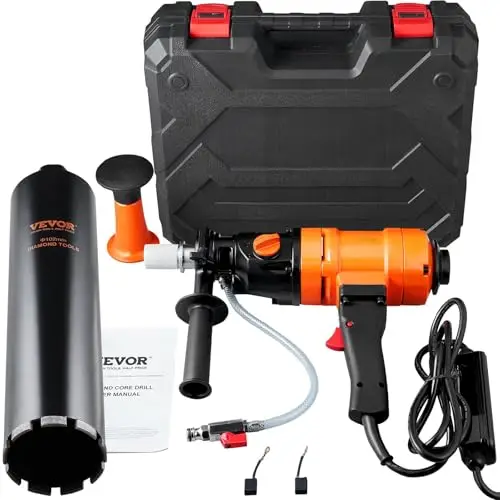 |
Diamond Core Drilling Machine, 4 in Handheld | 3-4 in | 1500W | 1100-2400, 2-Speed | N/A | 0 | 5 | $182.31 | $148.81 |
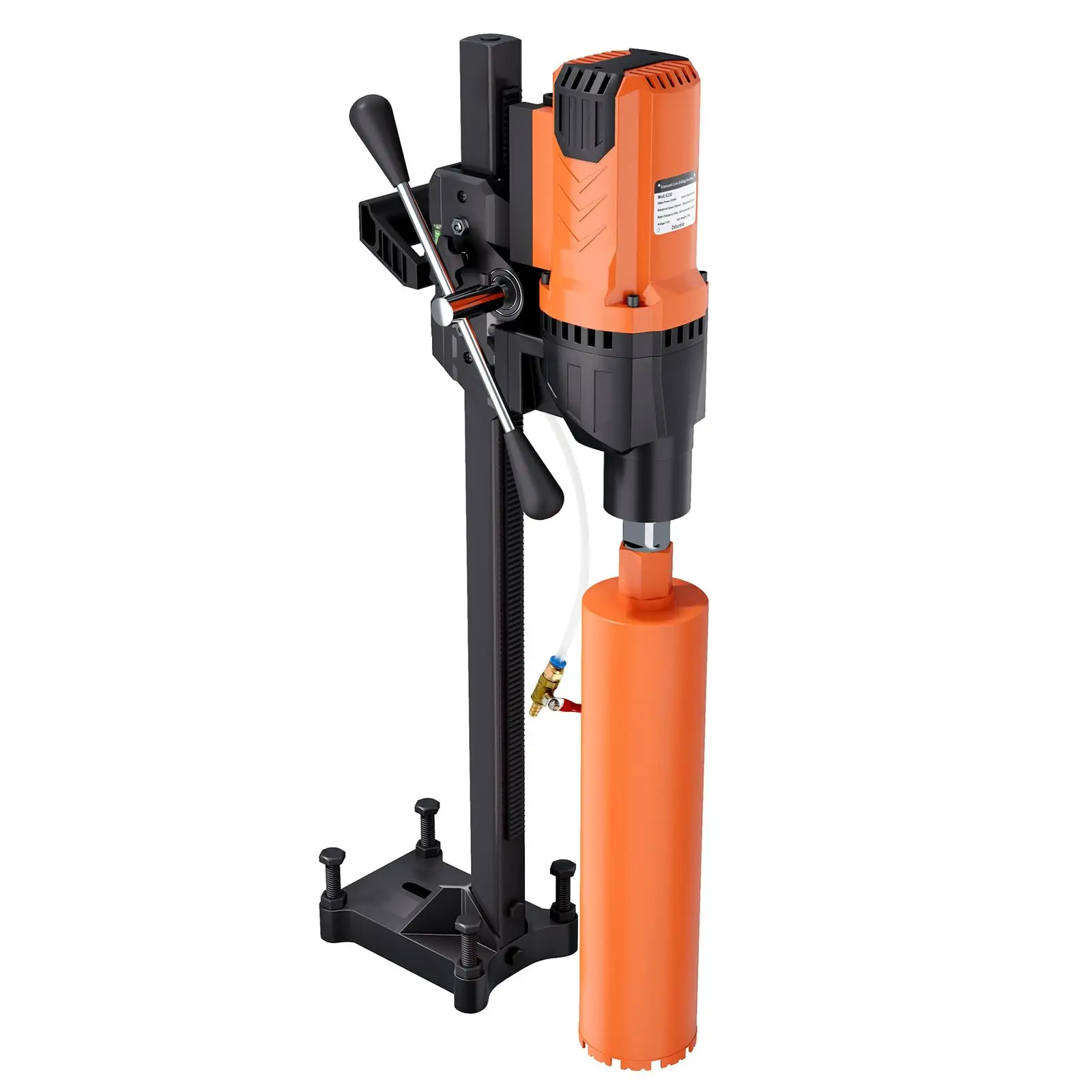 |
Zelurelle 8 in Diamond Core Drill Machine w/ Stand | 8 in | 2500W | 750 | N/A | 5.0 | 5 | $269.99 | $180.00 |
|
Diamond Core Drilling Machine, 1500W Handheld | N/A | 1500W | 1100/2400, 2-Speed | N/A | 0 | 5 | $73.25 | $19.22 |
Table data sourced from [1]
Key observations for buyers:
For procurement professionals, this table enables direct benchmarking against competing products, supplier margin negotiation, and the ability to predict end-user feature preferences and best-selling configurations for both B2B and B2C channels.
Securing the right boring machine is a multidimensional decision—one that blends technical validation, supplier due diligence, quality assessment, and logistics optimization. Buying for industrial use (or even high-volume retail) requires attention to key points at every stage.
Supplier Evaluation:
Quality Control and Inspection:
Logistics and Compliance:
Common Pitfalls & Competitive Advantages:
Ultimately, industry-leading procurement teams start with clear technical requirements, spiral up through supplier vetting, and close on deals which lock in both performance and operational certainty for years ahead.
This deep-dive into the boring machine sector paints a picture of an industry not only growing fast but evolving towards ever-greater integration, automation, and public fascination. From underground megaprojects to micro-precision workshop tasks, buyers must navigate new demand, advanced features, and retail insights to stay competitive.
The key findings:
For the next 6-12 months, international buyers should:
Embrace this moment. Let strategic intelligence, buyer feedback, and the very best in boring machine technology be your guide. The world will not wait—for those who lead, the infrastructure of the future is being built today.