
All categories
Featured selections
Trade Assurance
Buyer Central
Help Center
Get the app
Become a supplier
The Bluetooth Portable CD Player is far from an obsolete relic—it’s a product experiencing a dramatic upswing in both consumer demand and marketplace relevance as we enter 2026. While digital streaming remains the mainstream, a distinct consumer shift is underway: collectors, audiophiles, and mainstream listeners are rediscovering the tangible joys of physical media—particularly CDs—powered by modern wireless connectivity. This nostalgia-driven revival is amplified by events like global music reissues, the rise of retro parties, and the enduring influence of pop icons releasing exclusive album editions. The result? Sales of CDs and corresponding devices are climbing sharply, with numerous social and cultural moments turning physical listening into a statement of taste and authenticity.
January typically brings a wave of New Year's purchases, while mid-year (as evidenced by the 2025 data spike) is shaped by summer outdoor events and college student migration, boosting interest in portable, versatile audio options. Additionally, there’s a growing consumer perception that wireless CD players combine the best of both worlds: pure audio fidelity and untethered convenience. The spread is broad, appealing not only to music enthusiasts and collectors, but also to younger generations discovering the ritual of album listening for the first time. For B2B buyers, these shifts signal fertile sourcing opportunities with robust downstream demand and room for innovation.
A Bluetooth Portable CD Player is a compact audio device equipped to play traditional CDs while transmitting output via Bluetooth to headphones, speakers, or car systems. The core premise—unleashing CD sound without wired constraints—draws from the classic Discman and boomboxes of the 1980s and 1990s but is supercharged with contemporary wireless modules, rechargeable batteries, and smart features, such as anti-skip buffers and expanded playback options.
Tracing the product's journey, the earliest portable CD players were prized for their convenience, yet notorious for skip-prone playback and short battery life. By the late 2010s, innovation plateaued as streaming technologies took the spotlight. However, in the past few years, a design renaissance has occurred, integrating Bluetooth 5.0/5.2, extended battery longevity, and features like FM radio, USB playback, and direct ripping to digital storage [[3],[4],[6]].
Bluetooth-enabled models fall into several subcategories:
Discussion threads and user-generated content across audio and collector communities are fueling the resurgence of Bluetooth portable CD players. Frequent topics include nostalgia, practical usage tips, model comparisons, and in-depth technical debates. Sentiment is shaped by a mix of vintage appeal and frustration over common pain points, making social insights an invaluable complement to transactional data [[7]-[13]].
For example, one widely-shared experience comes from users transitioning from vintage models to new-generation Bluetooth devices; a typical story involves upgrading from a standard Discman to a modern unit like the Gueray CD player, which boasts straightforward Bluetooth pairing and good sound but often sees battery life critiqued (six hours can be limiting for all-day use). In another discussion, users debate the merits of rechargeable internal batteries versus replaceable AA setups—highlighting the tension between convenience and long-term serviceability [7].
Collectors shifting from vinyl to CDs narrate their journey as a blend of nostalgia and practicality. Preferences skew toward well-established brands (Sony, Panasonic, Technics), while newcomers like FiiO DM13 and Klim Nomad earn frequent recommendations for their Bluetooth functionality and ease of integration with existing audio systems, especially cars lacking built-in CD decks [[8],[11],[13]].
Portability, skip protection, and Bluetooth stability emerge as repeated consumer priorities. A recurring concern is the reliability of older units versus newer models, with some lamenting that vintage machines, while repairable and often robust, lack the wireless convenience modern listeners require. Conversely, the cost and fragility of new Bluetooth CD players lead some users to double down on affordable options and creative alternatives, such as using Bluetooth transmitters with standard CD decks [[8],[9],[13]].
Sentiment analysis reveals that for many buyers, the emotional resonance of physical media—“burning albums into your brain”—remains undiminished, while convenience factors and sound quality are flagged as decisive. "Gapless playback" and firmware quality are frequent technical discussion points among audiophiles, recommending caution during model selection [[8],[11]].
In the car audio forum space, the key pain point is the absence of built-in discs in newer vehicles, driving demand for plug-and-play Bluetooth options that seamlessly integrate with existing infotainment systems. The consensus is that units offering USB-C charging, FM modulation, and robust Bluetooth transmission garner the most positive reactions while price sensitivity remains high, with many seeking value-priced solutions under $100 [12].
For B2B buyers, monitoring these evolving themes is vital for anticipating shifts in demand, guiding product development, and adapting marketing narratives. Products excelling in Bluetooth stability, battery longevity, and rugged usability are consistently celebrated, while those suffering from poor documentation, fragile construction, or convoluted pairing processes are quickly exposed by savvy user communities.
The Bluetooth Portable CD Player category demonstrates sparkling growth throughout 2025 and into early 2026. According to Amazon Trends analytics, the sector’s average rating remains steady at a robust 4.20 across all leading models [[1],[2]]. Search volume and downstream sales figures both peaked in mid-to-late 2025, with a pronounced surge in January 2026 likely tied to holiday gift buying and New Year self-upgrade resolutions.
Retail market composition is broad: key end-user segments are music collectors (28.1%), older adults returning to classic formats (11.45%), and general home entertainment shoppers (over 63.95%). Usage remains highly concentrated in home environments (home entertainment and general usage collectively account for over 60%), but there is substantial growth in on-the-go and in-car listening, nudging manufacturers toward increased portability and wireless stability.
Subcategory innovation is strong, with manufacturers introducing enhanced anti-skip technology, longer battery lifecycles, and support for multi-format playback. However, there’s still substantial room for product improvement: sentiment analytics spotlight recurring weaknesses in battery performance, durability, and Bluetooth transmission reliability, offering clear guidance for sourcing enhancements [[1],[2]].
Price analysis shows a wide spread: at the low end, utility models retail around $19–$30 (often focused on basic home use), while premium boomboxes and audiophile systems range from $150 to over $500, reflecting function, build quality, and brand cachet. The middle tier ($50–$120) is especially dynamic as feature upgrades reach mass-market consumers without prohibitive cost barriers.
Long-term YoY growth for portable and home CD players with Bluetooth hovers at +32% from January to July 2025, with stable demand sustaining profitability for innovative or reliably produced units. Digital transformation remains a tailwind rather than an existential threat, as hybrid usage models fuse wireless convenience with collectible physical media [[1],[2]].
Let’s break down monthly sales dynamics for top trending Bluetooth CD player categories. The below chart illustrates average sales counts per month, normalized from August 2025 to January 2026, reflecting the strongest seasonal peaks in December and January. Major factors influencing spikes include holiday shopping and the post-gift upgrade cycle.
Normalized average sales count for Bluetooth Portable CD Player categories from August 2025 to January 2026. The chart highlights strong seasonal demand, particularly at year-end and in the New Year, with actionable recommendations for bulk procurement in Q4 and Q1.
Actionable recommendations for B2B buyers:
Sentiment keywords from verified purchase reviews reinforce actionable patterns: positive attributes frequently cited are good sound quality (24%, cross-category), sturdy build (11%), easy to use (7–10%), and reliable Bluetooth connectivity (10%). The negatives focus on CD player reliability issues (27%), poor sound (16%), radio reception (7%), poor instructions (10%), and fragile parts (9.6%). For buyers, this means that beyond high-level volume metrics, attention must be paid to nuanced quality assurance and supplier specification reviews [[1],[2]].
Below is a detailed summary of the top 10 best-selling Bluetooth portable CD players for January 2026, spanning boomboxes, handhelds, and party-focused models. Each entry includes images, specifications, pricing, and ratings—offering procurement teams a direct lens on downstream retail buying preferences.
| Image | Product Name | Latest Month's Sale Volume | Average Rating | Retail Price | Wholesale Price | Key Features |
|---|---|---|---|---|---|---|
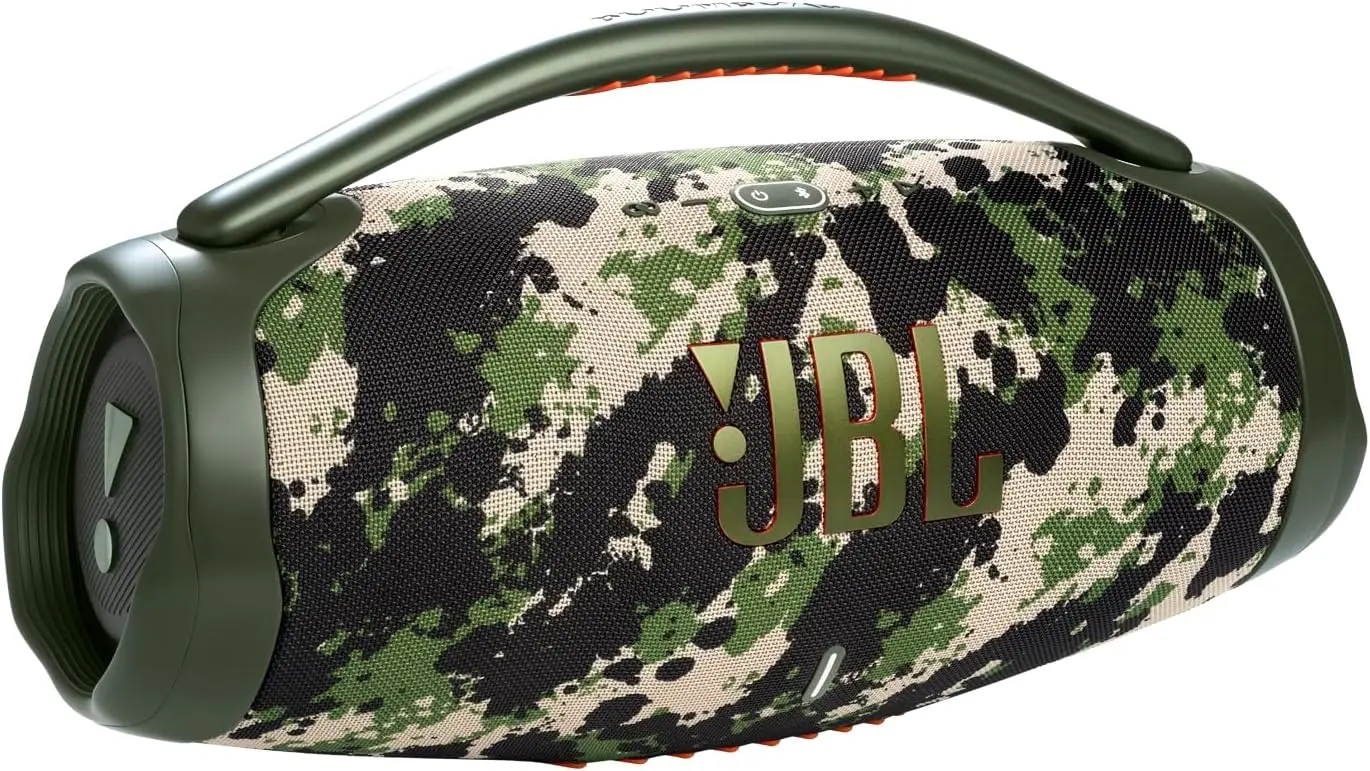 |
JBL Boombox 3 | 3232 | 4.7 | $432.42 | $96.43 | Powerful sound, IPX7 waterproof, 24h playtime, eco packaging, PartyBoost multi-speaker pairing |
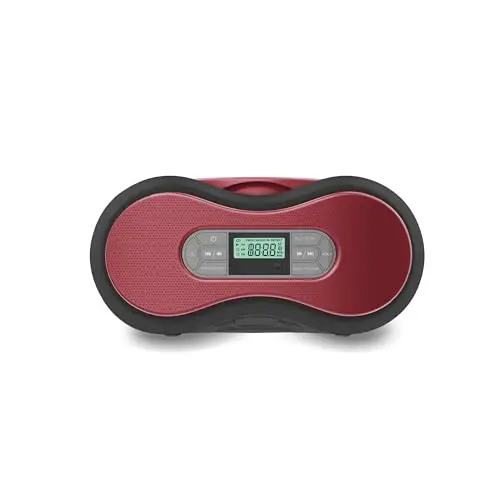 |
Core Innovations Portable Bluetooth CD Boombox | 1159 | 4.0 | $19.35 | $15.40 | CD playback, Bluetooth, FM radio, budget-friendly |
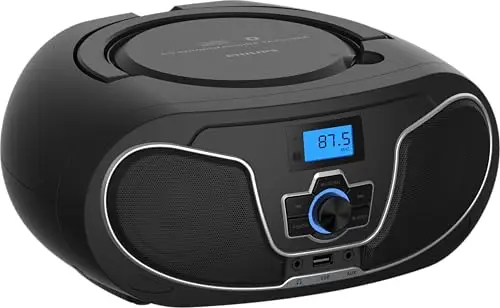 |
Philips CD Player Boombox | 980 | 3.6 | $69.99 | $25.0 | Dynamic Bass Boost, Bluetooth, FM radio, USB & AUX inputs, MP3/RW compatible |
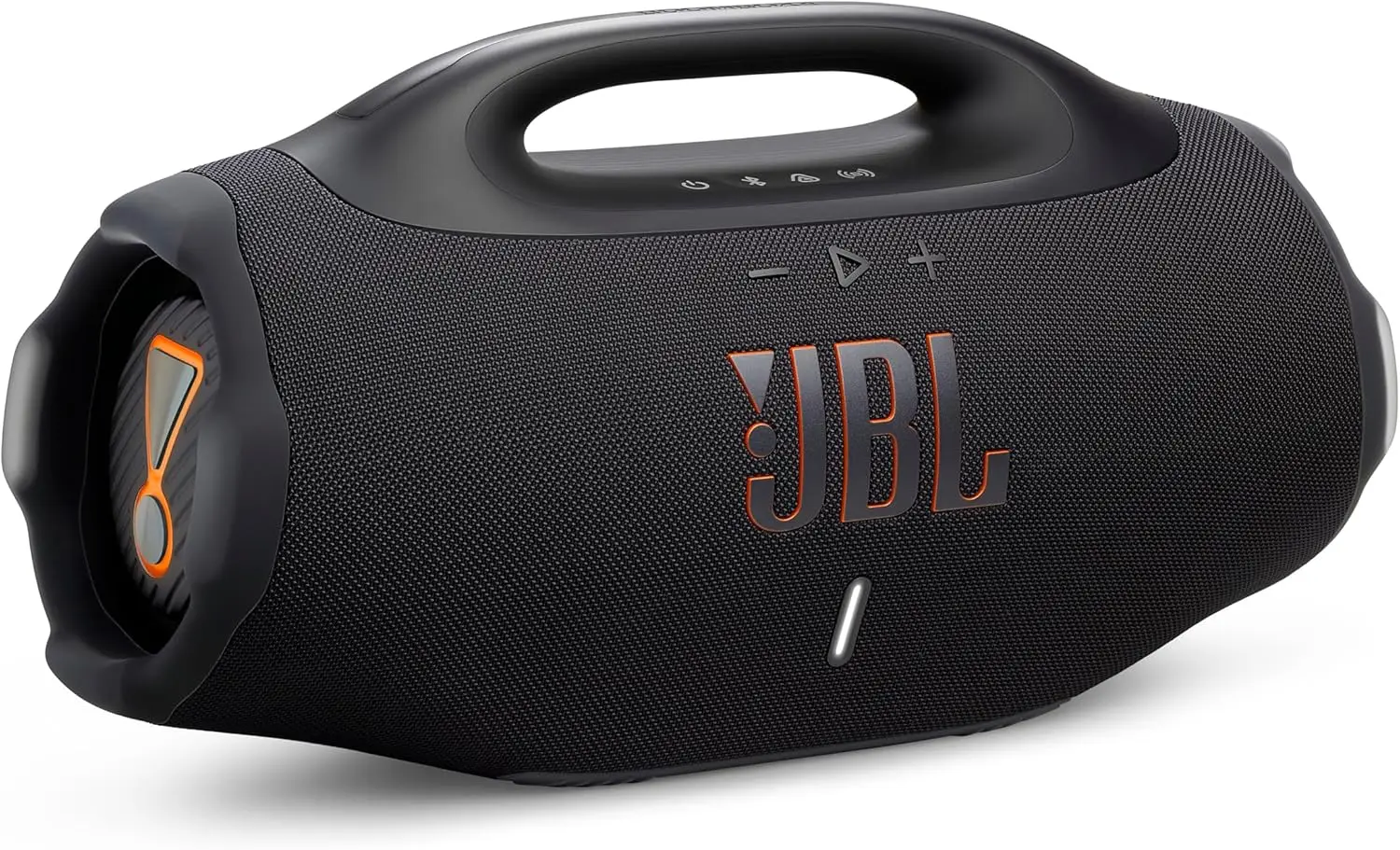 |
JBL Boombox 4 | 811 | 4.7 | $549.95 | $250.0 | Massive pro sound, 34h playtime, Auracast™ multi-connection, waterproof |
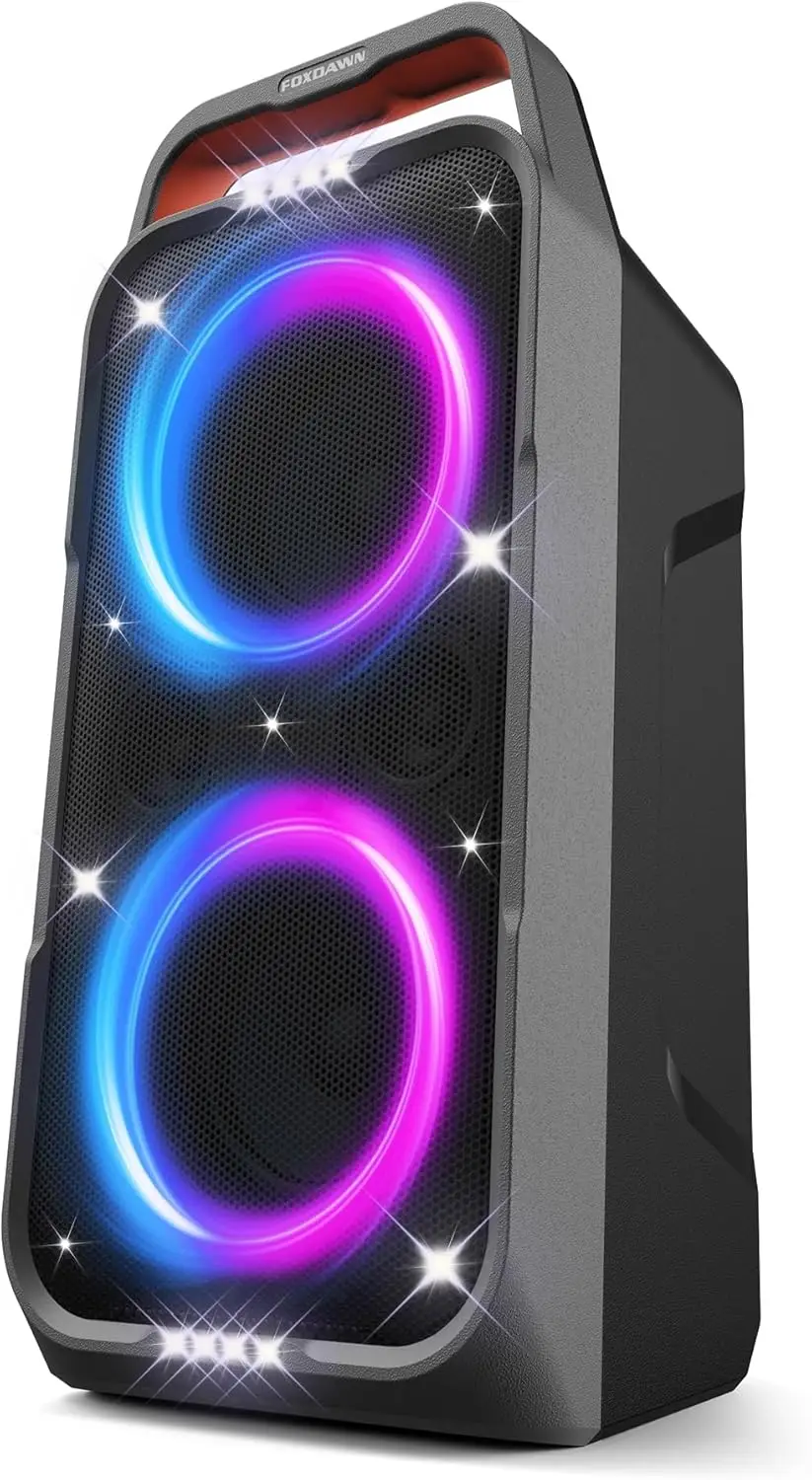 |
Foxdawn Portable Bluetooth Speaker | 617 | 4.6 | $158.45 | $51.61 | 240W loud sound, deep bass, 15h battery, LED light show, fast charging |
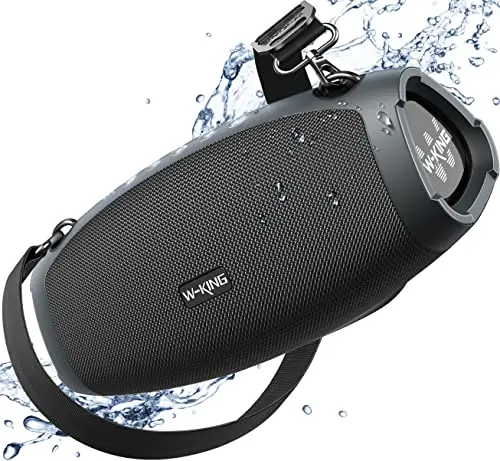 |
W-KING Bluetooth Speaker Loud | 571 | 4.5 | $104.08 | $83.56 | IPX6 waterproof, 120W max, 42h deep bass, triple radiator, outdoor use |
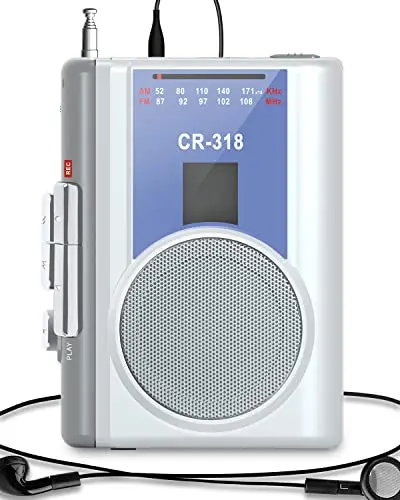 |
Gracioso Portable Cassette Recorder Player | 551 | 4.3 | $25.53 | $15.48 | AM/FM, big speaker, earphone jack, built-in mic, battery/DC powered |
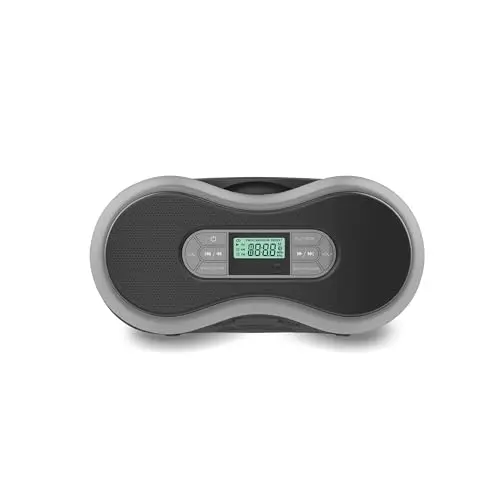 |
Core Innovations Bluetooth CD Boombox | 497 | 4.0 | $18.07 | $15.40 | Budget CD player, Bluetooth, FM radio |
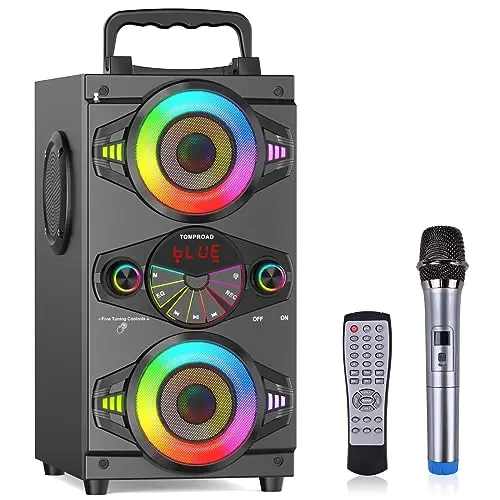 |
Bluetooth Speakers 60W Portable Wireless | 275 | 4.3 | $59.14 | $43.87 | Loud outdoor boombox, FM, LED lights, mic & remote |
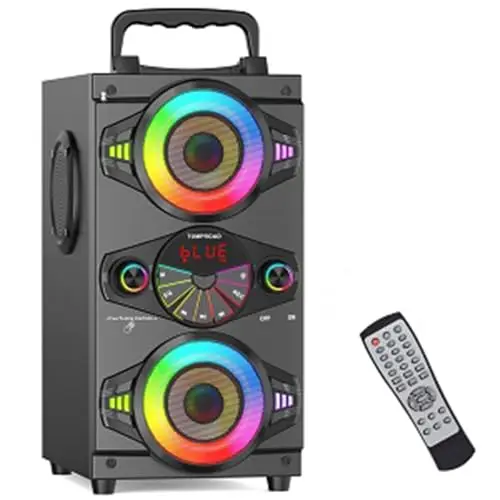 |
Portable Bluetooth Speakers 60W | 198 | 4.4 | $58.75 | $35.80 | Stereo bass, boombox, FM radio, LED lights |
Table data sourced from [2].
Analysis: The most successful retail models are differentiated by advanced Bluetooth integration, multi-hour battery life, waterproofing, and dynamic sound. Low-end devices drive volume through affordability but can be hampered by build quality. High-end units (JBL Boombox 3/4, Foxdawn, W-KING) win on feature breadth—supporting outdoor use, multi-speaker pairing, and extended audio playback for events and parties. Mid-tier boomboxes offer competitive pricing and mass market appeal, topping sales for gift and general home use. Diversification in product features, such as FM radio and USB playback, has also become a prominent driver in category expansion.
For international buyers seeking to capitalize on the Bluetooth Portable CD Player trend, selecting the right supplier is crucial. The surge in demand has attracted both established electronics manufacturers and opportunistic new entrants, making due diligence more important than ever.
Supplier Evaluation: Prioritize manufacturers who can demonstrate:
Quality Control and Inspection: Insist on pre-shipment sample testing with the following inspection points:
Logistics and Packaging: Smart logistics should factor in:
Certification & Compliance: For North American and EU buyers, mandatory certifications include:
Pitfalls and Competitive Advantages:
As 2026 begins, the Bluetooth Portable CD Player category stands at the confluence of nostalgia, technology, and practical consumer need. All evidence points toward continued growth, fueled by viral social media trends, pent-up collector demand, and the sustained limitations of streaming in mobile contexts (such as cars and outdoor events).
For B2B procurement professionals, the path to success involves:
Looking ahead 6–12 months, buyers who streamline their sourcing and quality controls, invest in innovative features, and keep a close ear to community feedback will not only capture sales momentum—they’ll position themselves as leaders in the evolving retro-modern audio landscape. Now is the time to act: stake your claim in the Bluetooth Portable CD Player revival and deliver outstanding value to a fast-growing, diverse customer base.