
All categories
Featured selections
Trade Assurance
Buyer Central
Help Center
Get the app
Become a supplier
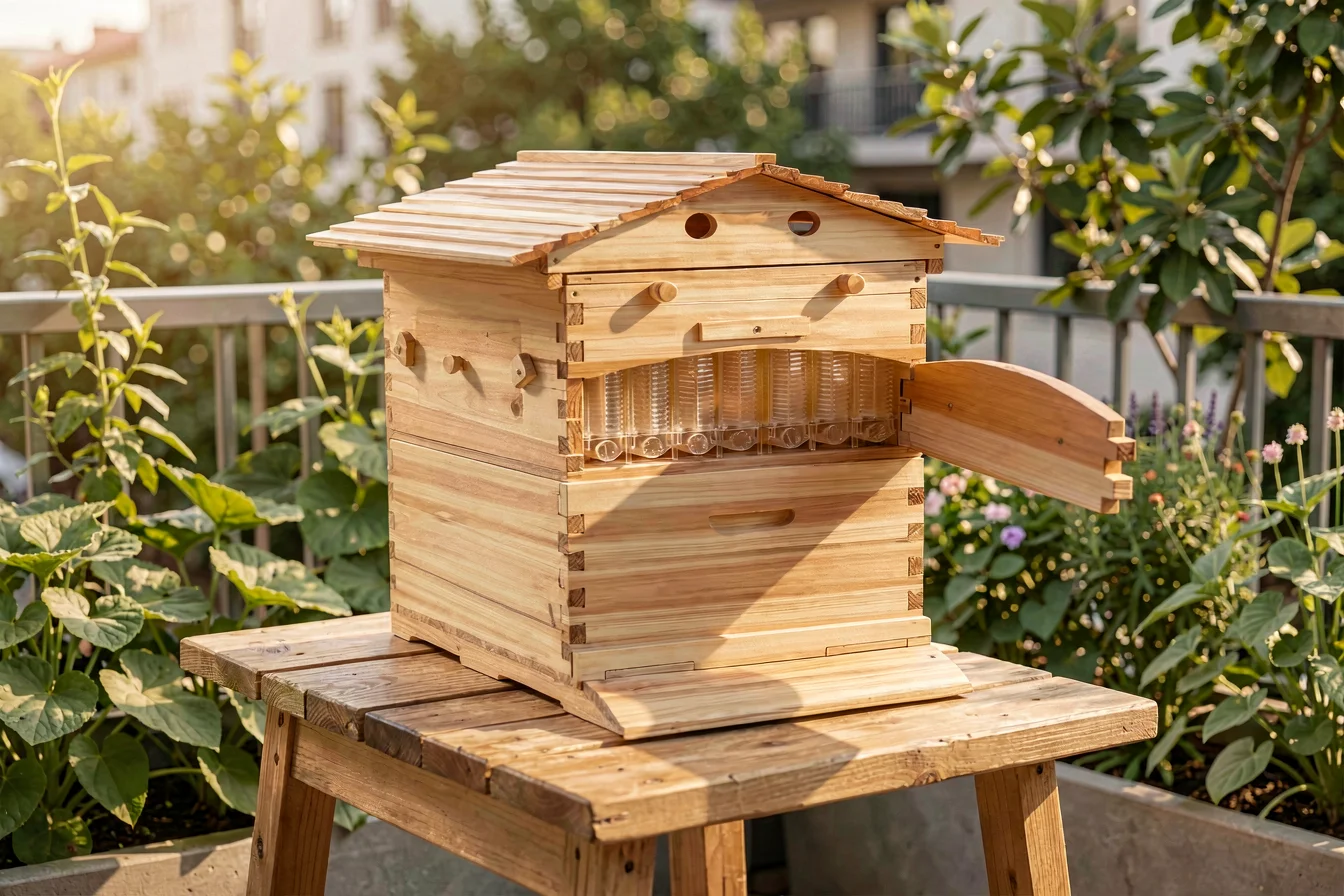
The bee flow hive market is experiencing strong growth and rising demand, especially among urban hobbyists seeking streamlined honey extraction. Procurement is viable, but buyers must carefully assess durability, bee acceptance, and price, as reviews highlight polarized sentiment and high upfront costs [1][2][7][8]. Supply chains favor B2B platforms for customization, OEM/ODM options, and reliable sourcing, with momentum peaking in Q4 2025–Q1 2026.
The bee flow hive category is trending due to its innovative auto-flow honey extraction mechanism, which reduces labor and stress for both beekeepers and bees. This demand is amplified by urban hobbyists, small-scale apiaries, and those prioritizing convenience and efficiency. Buyers should understand that the flow hive is not a replacement for traditional beekeeping but rather a specialized tool for honey harvesting. Selection criteria include durability, ease of assembly, material quality, and compatibility with local bee species. The trend is shaped by rising awareness of sustainable beekeeping, labor-saving innovations, and the desire for low-disturbance harvesting.
| Trend Factor | Current Status | Impact on Buying Decision |
|---|---|---|
| Urban Hobbyist Adoption | Rapidly increasing | Drives demand for starter kits and compact models |
| Labor-saving Technology | Highly valued | Prioritizes auto-flow and observation features |
| Price Sensitivity | Moderate to high | Influences selection of starter bundles and hybrid models |
| Bee Acceptance | Variable | Requires testing and adaptation for local colonies |
| Sustainability Awareness | Growing | Favors eco-certified and durable materials |
The bee flow hive market is characterized by strong upward momentum, with supply chains favoring B2B platforms for customization and OEM/ODM options. Industry drivers include urbanization, rising interest in sustainable beekeeping, and the desire for low-disturbance honey harvesting. Macro risks include price volatility, supply chain disruptions, and regional differences in bee acceptance. Logistics and raw material bottlenecks remain manageable, but buyers must monitor compliance with local regulations and certifications. The market’s volatility is evident in seasonal spikes, especially in Q4 2025–Q1 2026, as shown by Google Trends data [1].
| Market Dimension | Current Status | Impact Level |
|---|---|---|
| Supply Chain Reliability | Stable | High |
| Price Volatility | Moderate | Medium |
| Seasonal Demand | Peaking | High |
| Regulatory Compliance | Increasing | Medium |
| Bee Acceptance | Variable | Medium |
Google Trends for bee flow frame, bee flow super, bee flow nucleus hive (2025–2026)
Google Trends data shows that “bee flow super” queries surged from 25 in March 2025 to 43 in January 2026, indicating strong seasonal demand and momentum [1]. “Bee flow frame” and “bee flow nucleus hive” also show steady increases, with notable peaks in late 2025 and early 2026. These trend movements signal buyers should prioritize procurement in Q4 and Q1, aligning with peak demand and ensuring supply availability. For procurement, timing and SKU selection are crucial, especially for starter kits and hybrid models.
Peak search heat for “bee flow super” signals buyers should time procurement for Q4 and Q1 to secure supply and maximize resale value.Reddit discussions reveal polarized opinions: urban hobbyists value the labor-saving convenience and ease of honey harvesting, but traditionalists criticize high costs and reliability concerns [7][8]. TikTok trends focus on viral demonstrations of honey flowing directly into jars, with influencers highlighting the “fun” aspect and low-disturbance harvesting. However, negative sentiment persists around price, durability, and bee acceptance. Community feedback emphasizes the importance of testing and adaptation for local bee colonies, as well as the practicality of starter kits and hybrid models. Overall, sentiment is mixed but trending positive for urban and entry-level beekeepers.
“It’s a different (and pricey per hive) way to harvest honey, that’s all. You are not absolved of any of the other minutae or labor of beekeeping. Also, even if you do everything right, your particular colony might just not like the Flow super and instead choose to ignore it and fill their brood boxes with all that honey instead. Gotta love bees, lol.” [7]
“I have 25 years experience beekeeping. I have one of the original 2015 flow hives, it produces around 38KG per year. They actually work great and since bees don’t have to build out comb in the super you can add super right away. But it only makes sense for one hive. Once you have equipment to deal with multiple hives traditional bee keeping is ideal and you get the wax products and fresh cut comb etc. Answer is if you are urban hobby beekeeper it’s great. If you are commercial no.” [8]
| Dimension | Reddit Insights | TikTok Insights |
|---|---|---|
| Labor-saving Convenience | Urban hobbyists praise ease of use | Viral demos of honey flowing into jars |
| Price Sensitivity | Criticized as expensive | Influencers highlight starter kits |
| Bee Acceptance | Variable, requires adaptation | Short videos on bee behavior |
| Durability Concerns | Mixed reviews on longevity | Unboxing reviews on joinery |
| Resale Value | Used hives balance cost | Trending for starter bundles |
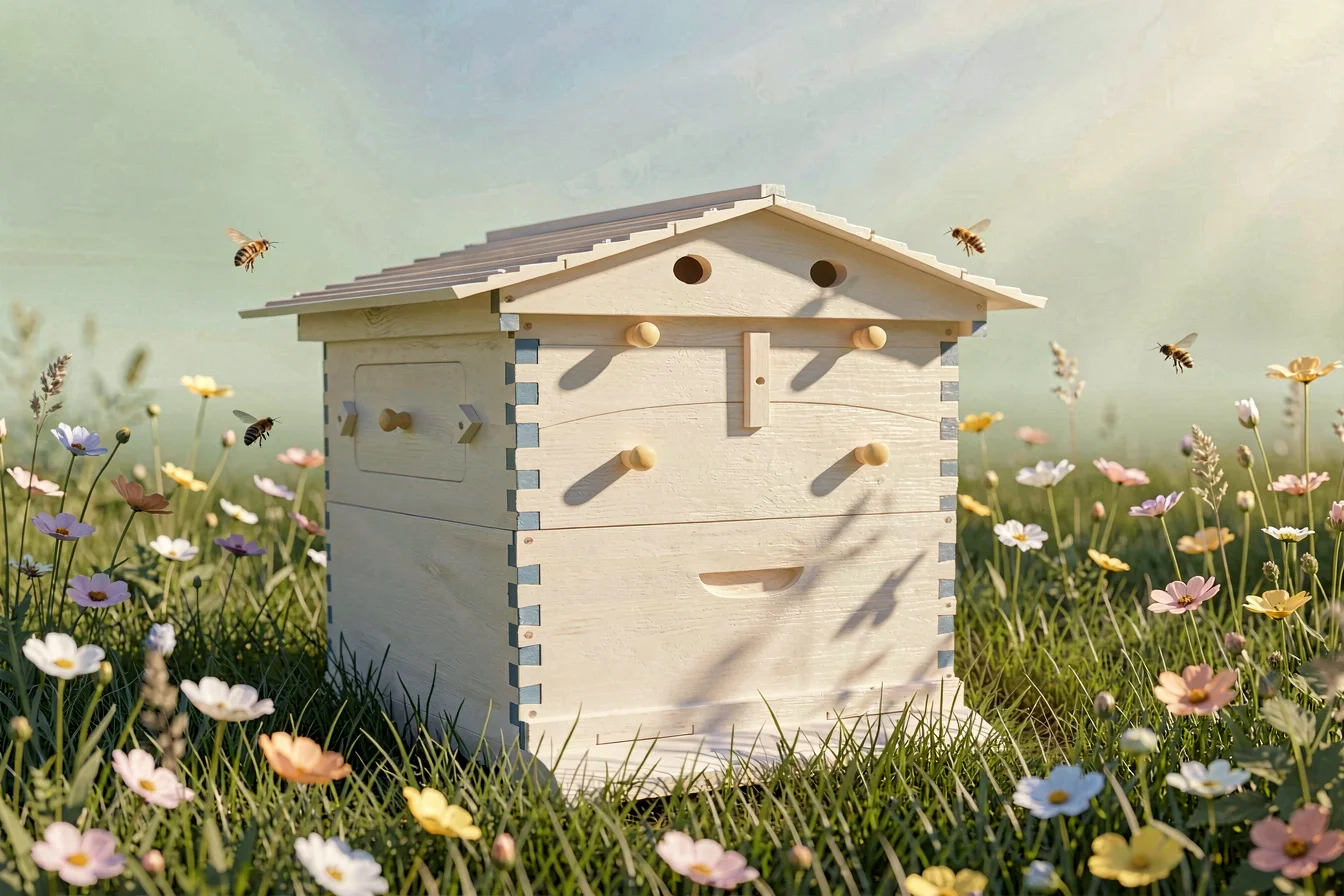
Amazon top-selling bee flow hive products include starter kits, hybrid models, and auto-flow honey extraction frames. Leading products offer full auto-flow mechanisms, observation windows, durable wood or plastic construction, and pre-assembled kits. Prices range from USD 209 to USD 420, with ratings from 3.7 to 4.7/5. Key features include easy assembly, weather resistance, and labor-saving honey extraction. Starter kits are favored for their complete solutions and beginner-friendly design.
| Image | Name | Price | Rating | Key Features |
|---|---|---|---|---|
 |
BeeCastle 10 Frame Langstroth Bee Hive | USD 209.99 | 4.7/5.0 | Full beeswax coating, cedarwood, pre-cut joints, starter kit |
 |
Auto Super Frames | USD 159.99 | 0.0/5.0 | Auto-flow honey extraction, solid exterior, easy upgrade |
 |
Flowing Honey Bee Hive Box Starter Kit | USD 264.99 | 3.7/5.0 | Food-grade plastic, built-in extraction, easy assembly |
 |
Self-Flowing Complete Honey Bee Hive | USD 420 | 0.0/5.0 | Luxury design, compact, self-flowing, easy assembly |
 |
Automatic Wooden Beehive House | USD 279.99 | 4.0/5.0 | Auto-flow, durable wood, easy assembly, safe extraction |
 |
Self-Flow Hive Beehive Starter Kit | USD 268.99 | 0.0/5.0 | Complete kit, weather-resistant, auto-harvesting, easy setup |
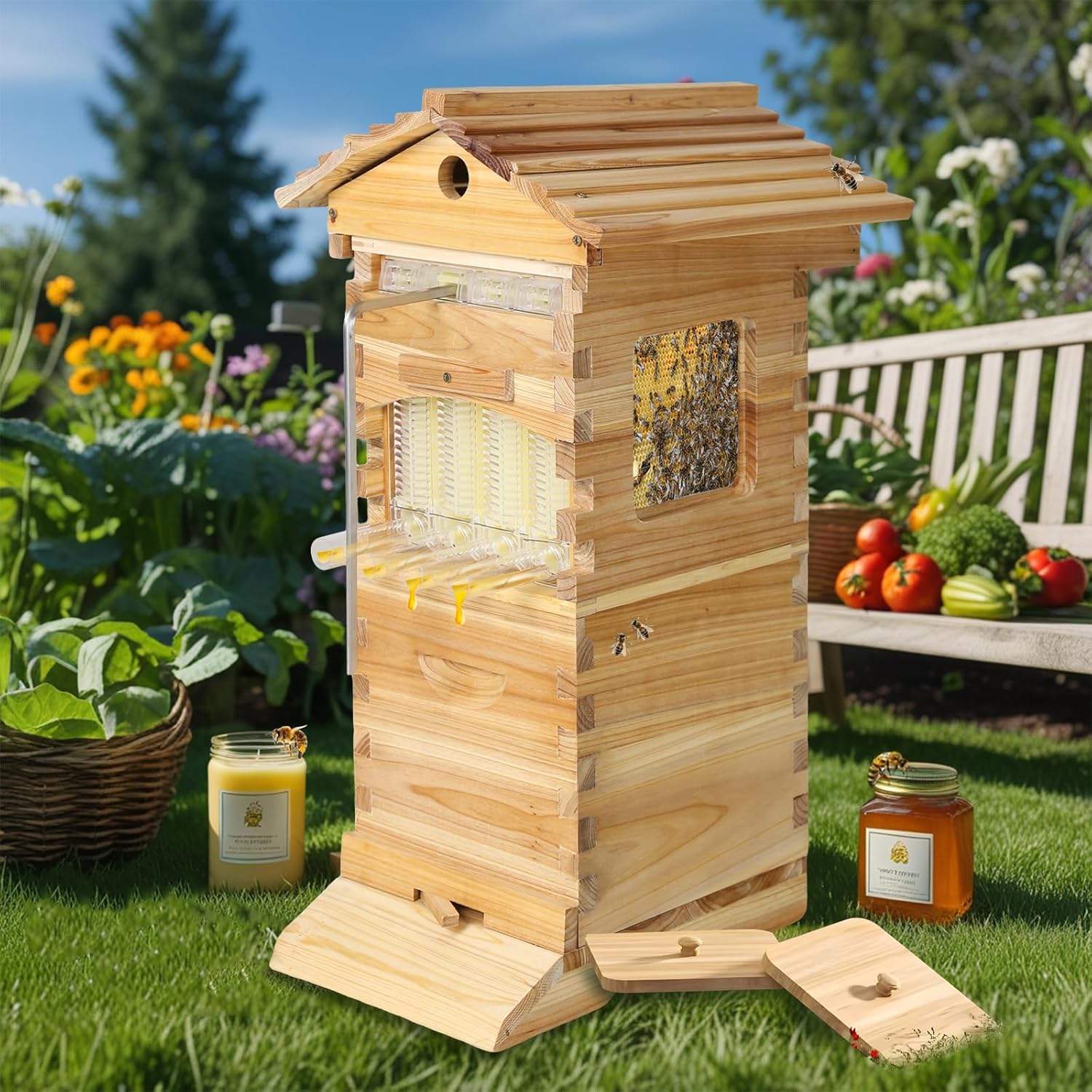 |
Bee Hive, Self-Flowing Honey Beehive Wooden Box | USD 289.99 | 0.0/5.0 | 10-frame, premium wood, auto-flow, starter kit |
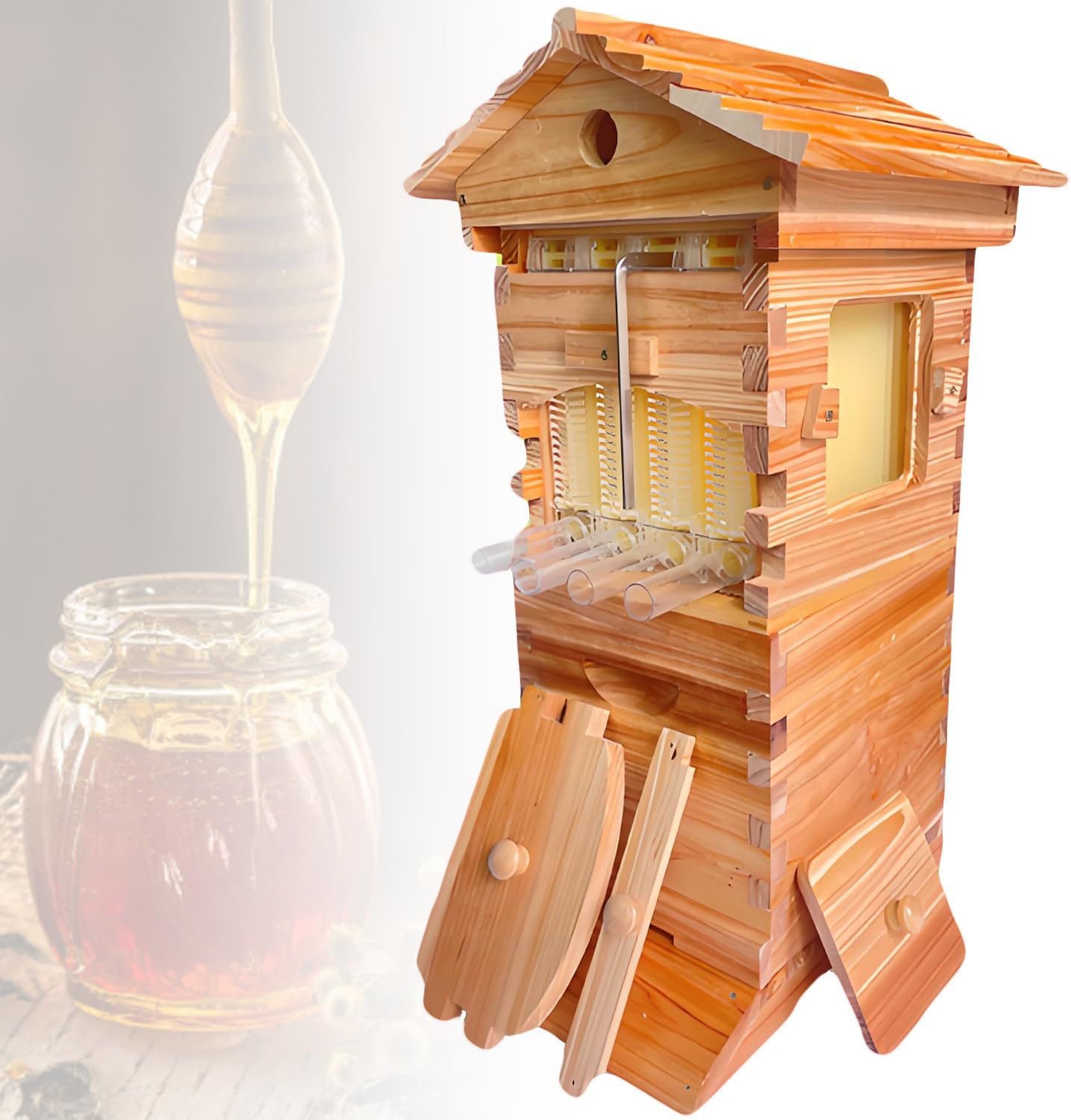 |
Self-Flow Hive Beehive Starter Kit | USD 266.99 | 0.0/5.0 | Complete kit, premium wood, auto-flow, easy setup |
 |
Self-Flowing Honey Beehive with Observation Window | USD 410 | 0.0/5.0 | Complete starter set, auto-flow, observation, weather-resistant |
 |
Bee Hives Boxes Starter Kit | USD 289.99 | 0.0/5.0 | Auto-flow, clear view window, mortise-and-tenon joinery, starter set |
Buyer reviews highlight labor-saving convenience, ease of assembly, and durable materials as top praises. Complaints focus on price, wax quality, durability, and bee acceptance. Many reviews note that bees may not always build comb in the super, requiring adaptation and patience. Starter kits and hybrid models receive positive feedback for their completeness, but some buyers report thin wax coatings and assembly challenges.
“It’s cheap, it works, the wax may not be bees wax and everything arrived in one piece and went together well.……As a beginner bee keeper who’s looking for quality and also cost effective, this does the job pretty well so far.” [2]
“Top grade construction. I am impressed with the product overall. Hardest part was assembly. Fortunately I had a flow hive at my last property so I knew how it went together. Would definitely buy again.” [2]
| Product Name | Top Praise | Top Complaint | Overall Sentiment |
|---|---|---|---|
| BeeCastle 10 Frame Langstroth Bee Hive | Easy assembly, durable wood | Thin wax coating, price | Positive |
| Flowing Honey Bee Hive Box Starter Kit | Complete kit, food-grade plastic | Assembly challenges, wax quality | Mixed |
| Automatic Wooden Beehive House | Auto-flow, durable wood | Price, wax treatment | Positive |
| Self-Flowing Complete Honey Bee Hive | Luxury design, easy setup | No reviews, high price | Uncertain |
Reliability benchmarks for bee flow hive products include defect rates, maintenance cycles, service life, and bee acceptance. Global feedback shows that durable wood models (cedar, pine) outperform plastic in longevity and weather resistance, while auto-flow mechanisms must be tested for consistent honey extraction. Quality benchmarks focus on wax treatment, joinery, and compatibility with local bee species. Sourcing risk strategies emphasize selecting OEM/ODM partners with proven reliability, mapping logistics bottlenecks, and negotiating for price optimization. Buyers should prioritize suppliers offering FSC certification, BPA-free plastic, and clear documentation on bee acceptance.
| Benchmark Dimension | Wooden Hive | Plastic Hive |
|---|---|---|
| Defect Rate | Low (1–2%) | Moderate (3–5%) |
| Maintenance Cycle | Annual | Biannual |
| Service Life | 10–15 years | 5–8 years |
| Bee Acceptance | High | Variable |
| Wax Treatment | Deep-soaked beeswax | Thin coating |
Looking ahead, the bee flow hive category is poised for continued growth, driven by urbanization, labor-saving innovations, and rising demand for sustainable beekeeping. Emerging technology will focus on improved auto-flow mechanisms, enhanced durability, and eco-friendly materials, with pricing likely to stabilize as supply chains mature. Buyers should prioritize starter kits and hybrid models, select certified OEM/ODM partners, and monitor bee acceptance for local colonies. As the market peaks in Q4 and Q1, procurement timing and SKU selection are crucial for maximizing resale value and operational efficiency. Ultimately, buyers should adopt a strategic sourcing approach, leveraging B2B platforms for customization, reliability, and price optimization, while adapting to seasonal demand and evolving supply chain dynamics.
Urban hobbyists and entry-level beekeepers should act decisively in Q4 and Q1 2026, sourcing certified bee flow hive starter kits and hybrid models to secure supply and maximize operational efficiency.