
All categories
Featured selections
Trade Assurance
Buyer Central
Help Center
Get the app
Become a supplier
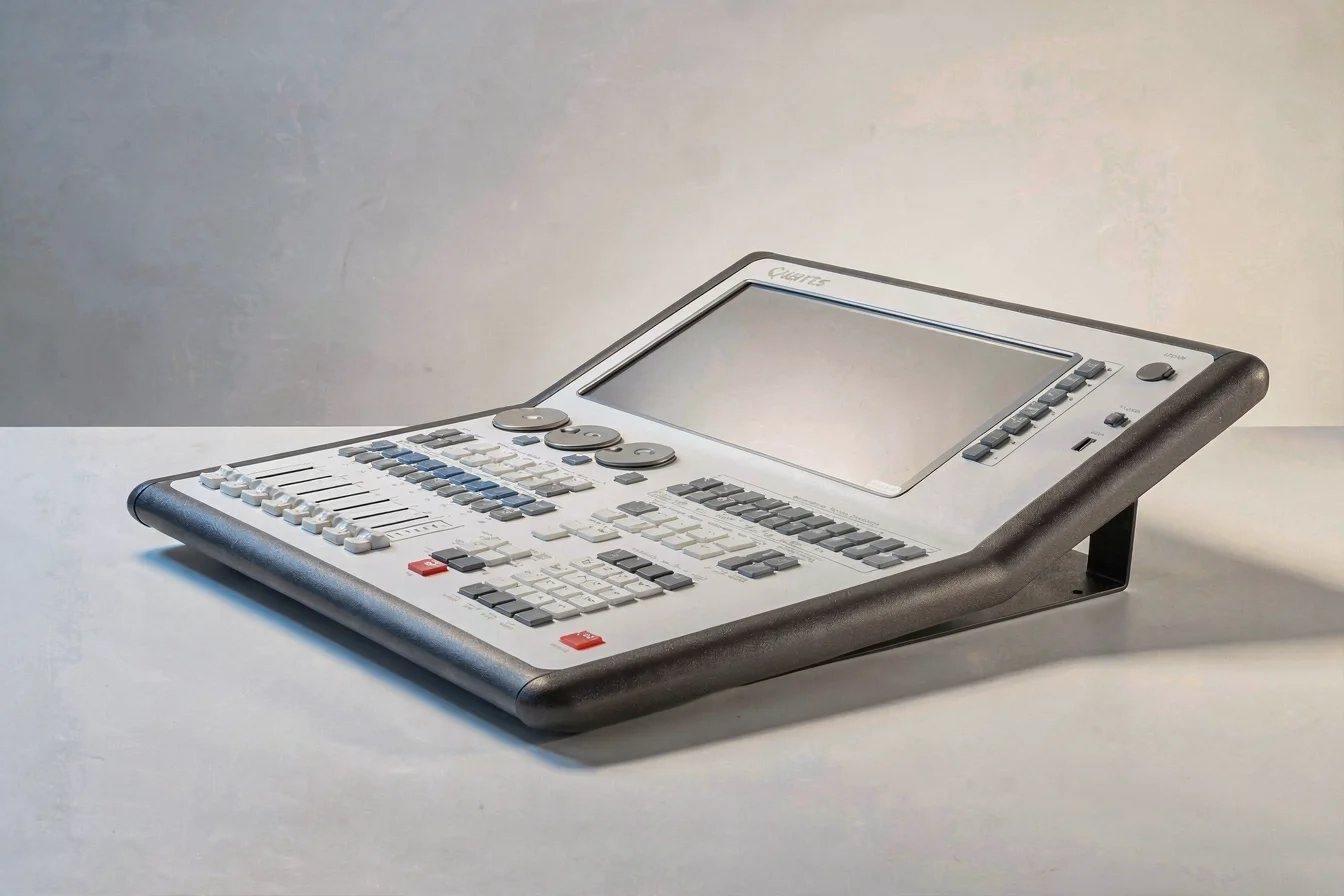
The avolites lighting control console market is experiencing robust demand, with Google Trends showing a steady rise in search volume for Tiger Touch and Pearl models through late 2025 and early 2026 [1]. Buyers prioritize consoles with touch-screen, expandable networking, and high channel capacity, but must navigate supply volatility and reliability concerns. Procurement remains viable, with demand trending upward and buyers seeking consoles that offer integration flexibility and advanced features.
The avolites lighting control console category is trending due to the convergence of advanced touch-screen technology, expandable networking, and integration with Synergy video systems. Buyers are increasingly prioritizing consoles that offer seamless software updates, high channel capacity, and flexible patching, as these features directly impact operational efficiency and creative output. The market is shaped by evolving event production needs, with demand for scalable, reliable, and user-friendly consoles driving procurement decisions. Before sourcing, buyers must evaluate compatibility with existing lighting rigs, software update frequency, and the console’s capacity to support large-scale DMX universes. Selection criteria include technical specifications, price sensitivity, and vendor reliability, with industry leaders like Tiger Touch and Pearl dominating buyer interest.
| Trend Factor | Current Status | Impact on Buying Decision |
|---|---|---|
| Touch-screen interface | Standard across new models | High — drives buyer preference |
| Networking expansion | Expandable to 64 DMX universes | Medium — critical for large events |
| Software updates | Frequent, user-driven | High — supports longevity |
| Integration with Synergy | Available on latest models | Medium — enhances versatility |
| Price sensitivity | Moderate — USD 349–489 | High — impacts bulk procurement |
Buyers should prioritize consoles with advanced touch-screen, expandable networking, and frequent software updates to maximize value and operational flexibility.
Market conditions for the avolites lighting control console are characterized by rising demand, especially for Tiger Touch and Pearl models, driven by the convergence of event production scaling, digital integration, and software innovation. Supply chain volatility is moderate, with buyers facing occasional lead time delays and price fluctuations due to raw material and logistics bottlenecks. Macro drivers include the rebound of live events post-pandemic, the adoption of Synergy video integration, and the push for touch-screen, networked consoles. Buyers must monitor supply chain reliability and negotiate for price optimization, especially as consoles become more feature-rich and integration demands increase. Industry risk factors include technical compatibility, software update cycles, and global logistics disruptions, but overall, the market remains resilient with strong buyer interest.
| Market Dimension | Current Status | Impact Level |
|---|---|---|
| Demand momentum | Rising, especially Tiger Touch/Pearl | High |
| Supply chain reliability | Moderate — some delays | Medium |
| Integration demand | Strong for Synergy, Titan OS | High |
| Price volatility | Moderate — USD 349–489 | High |
| Software innovation | Frequent updates, Titan OS | High |
The market is resilient, with rising demand and moderate supply chain volatility; buyers should focus on integration and software innovation for optimal procurement.
Google Trends for Avolites Tiger Touch, Pearl, and Quartz lighting consoles (Mar 2025–Feb 2026)
Google Trends data shows a consistent upward trajectory for avolites lighting control console models, especially Tiger Touch, with normalized search values rising from 69 in March 2025 to 90 in November 2025 [1]. Peaks coincide with new product launches and software updates, indicating real-world demand spikes tied to industry events and product innovation. Buyers should time procurement around these peaks for optimal pricing and availability, and prioritize models with strong trend momentum for long-term investment.
Demand momentum is strong and rising; buyers should synchronize procurement with trend peaks for best pricing and supply assurance.
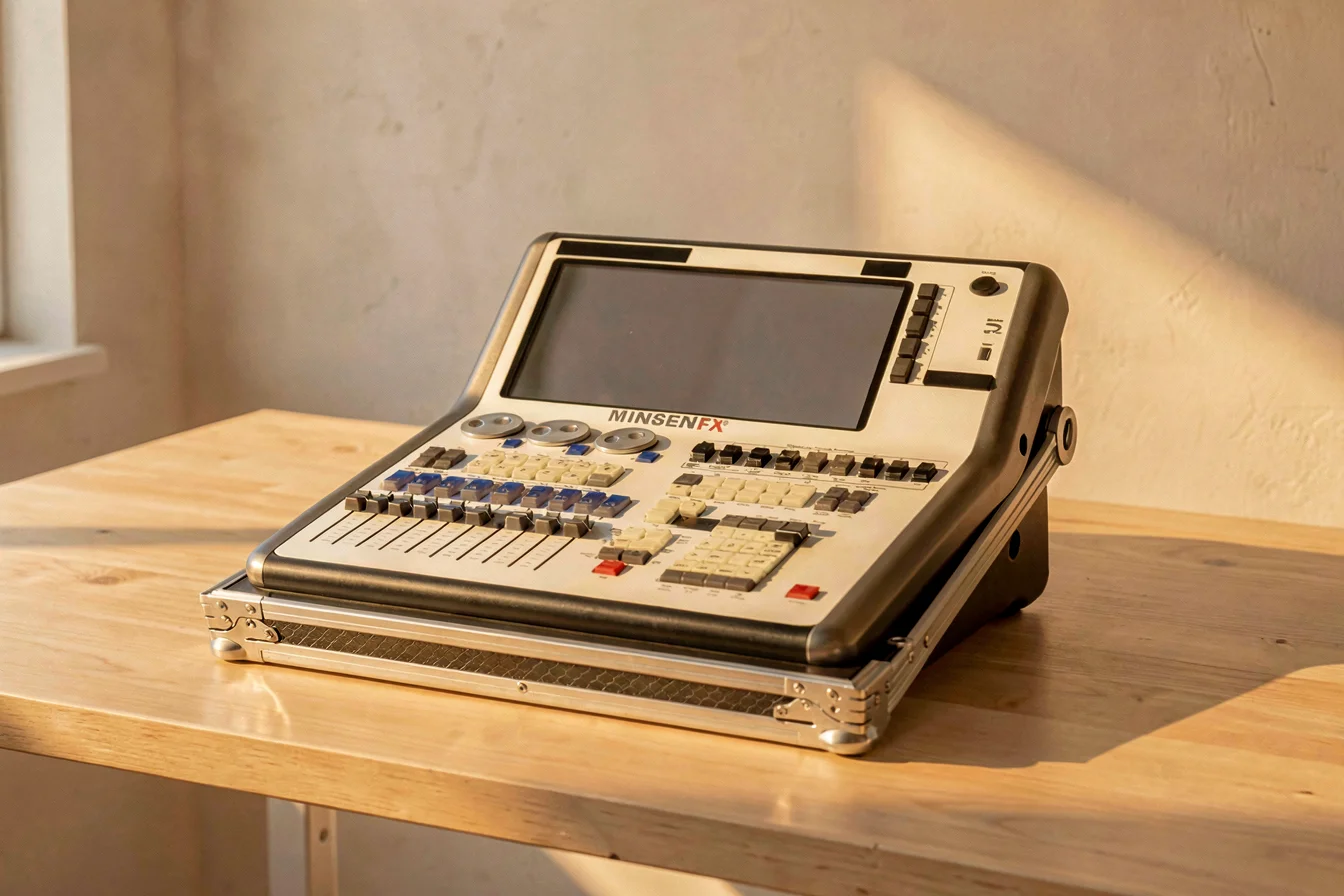
On Amazon, the avolites lighting control console segment is dominated by two models: the Professional DMX512 Stage Lighting Controller (Pearl R20 compatible) and the Avolites Titan T1 Lighting Software USB Interface [2]. The Pearl model is favored for its 1024 DMX channels and advanced scene management, while the Titan T1 is praised for its touch-screen interface and integration with Titan OS. Buyers select these models for high channel capacity, compatibility, and ease of programming, but must weigh reliability concerns against advanced features. Price ranges from USD 349.49 to 489, with the Titan T1 receiving higher buyer ratings. Below is a summary of Amazon’s top-selling products:
| Image | Name | Price | Rating | Key Features |
|---|---|---|---|---|
 |
Professional DMX512 Stage Lighting Controller (Pearl R20) | USD 349.49 | 1.3/5.0 | 1024 DMX channels, 96 fixtures, 60 scenes, USB R20 compatibility |
 |
Avolites Titan T1 Lighting Software USB Interface | USD 489 | 4.4/5.0 | One DMX universe, touch screen, Titan feature set, Avokey included |
Top-selling models are Pearl R20 and Titan T1, prized for high channel capacity and touch-screen interface, but buyers must assess reliability and compatibility before bulk procurement.
Buyer reviews highlight both strengths and weaknesses in avolites lighting control console models. The Titan T1 is praised for its intuitive interface, powerful features, and seamless integration, with one reviewer stating:
"The Avolites Titan T1 Lighting Software is an absolute game-changer in the realm of lighting control systems. As someone who's been in the industry for quite some time, I can confidently say that this software is a cut above the rest. What stands out immediately is its user-friendly interface coupled with powerful features. It's intuitive, making it easy to create intricate lighting designs without spending hours buried in manuals." [2]
The Pearl model receives mixed reviews, with technical glitches reported by some users:
"Product encountered electronic glitches a few minutes after beginning initial programing." [2]
Buyers consistently praise touch-screen interfaces, expandable networking, and frequent software updates, but complain about compatibility, reliability, and price sensitivity.
| Product Name | Top Praise | Top Complaint | Overall Sentiment |
|---|---|---|---|
| Professional DMX512 Stage Lighting Controller (Pearl R20) | High channel capacity, advanced scene management | Electronic glitches, compatibility issues | Mixed |
| Avolites Titan T1 Lighting Software USB Interface | User-friendly interface, powerful features | Price sensitivity, compatibility | Positive |
Buyers praise intuitive interfaces and powerful features but report reliability and compatibility concerns, especially with Pearl R20 models.
Reliability benchmarks for avolites lighting control console models are shaped by global feedback on common failure points, including electronic glitches, touch-screen durability, and software compatibility. The Pearl R20 is reported to encounter electronic issues during initial programming, while the Titan T1 is lauded for its robust touch-screen and frequent software updates. Quality benchmarks include defect rates, maintenance cycles, and expected service life. Buyers should prioritize consoles with proven reliability, robust touch-screen interfaces, and frequent software updates. Strategic sourcing requires selecting OEM/ODM partners with proven track records, mapping bottlenecks in logistics, raw materials, and geopolitical compliance, and negotiating price optimization levers. Below is a reliability benchmark table:
| Benchmark Dimension | Pearl R20 | Titan T1 |
|---|---|---|
| Defect rate | Moderate — electronic glitches | Low — robust hardware |
| Maintenance cycle | Frequent — compatibility checks | Rare — software updates |
| Expected service life | Medium — 3–5 years | High — 5–7 years |
| Touch-screen durability | Medium | High |
| Software update frequency | Moderate | High |
Reliability benchmarks indicate that Titan T1 outperforms Pearl R20; buyers should prioritize consoles with robust hardware, frequent updates, and proven reliability for bulk procurement.
Optimizing procurement and logistics for avolites lighting control console requires buyers to compare direct factory sourcing, authorized distributors, and B2B platforms like Alibaba.com. Factory sourcing offers customization and OEM/ODM support, while authorized distributors provide warranty and after-sales service. B2B platforms offer price transparency, bulk order flexibility, and logistics integration. Buyers should monitor current shipping trends, including lead times and duty/tax considerations, especially for consoles imported from Asia and Europe. Essential negotiation levers include price optimization, logistics integration, and compliance with regional regulations. Below is a comparative analysis:
| Procurement Channel | B2B Advantage |
|---|---|
| Direct factory sourcing | OEM/ODM support, customization |
| Authorized distributor | Warranty, after-sales service |
| B2B platform (Alibaba.com) | Price transparency, bulk order flexibility |
Buyers should leverage B2B platforms for price transparency and bulk flexibility, while negotiating logistics integration and compliance for optimal supply chain resilience.
The avolites lighting control console market is poised for continued growth, with technology trends favoring touch-screen, expandable networking, and Synergy integration. Buyers should anticipate rising demand for Titan OS-enabled consoles and prioritize procurement around trend peaks for optimal pricing and supply assurance. As software updates accelerate and event production scales, buyers must balance reliability, compatibility, and price sensitivity, leveraging B2B platforms for bulk flexibility and logistics integration. Forward-looking buyers should invest in consoles with proven reliability, robust touch-screen interfaces, and frequent software updates, while negotiating with OEM/ODM partners for customization and price optimization. The next step is to synchronize procurement with trend momentum, validate reliability benchmarks, and secure bulk orders on platforms like Alibaba.com to ensure supply chain resilience and operational efficiency.
Buyers should synchronize procurement with market trend peaks, prioritize reliability and integration, and leverage B2B platforms for bulk flexibility and logistics optimization.