
All categories
Featured selections
Trade Assurance
Buyer Central
Help Center
Get the app
Become a supplier
As we step into 2026, the international poultry industry is undergoing a dramatic shift, driven by an unrelenting need for automation, efficiency, and animal welfare. The sustained growth of commercial poultry farms, combined with evolving regulatory frameworks and heightened consumer awareness regarding humane livestock practices, has propelled the automatic debeaker machine market into the spotlight. This landscape transformation has seen both large-scale operations and independent farmers seeking solutions to reduce labor costs, improve flock management, and curb behavioral issues such as cannibalism and feather pecking.
Surging demand from emerging markets—including extensive farm expansions in Africa, South Asia, and Latin America—reflect ambitious government investments in food security and agricultural modernization. Seasonal drivers such as increased poultry consumption during holidays and festivals, alongside stricter biosecurity measures triggered by avian flu outbreaks, accelerate the adoption rate of automatic debeaker machines. Meanwhile, cultural factors—especially the growing emphasis on sustainable and ethical farming—are persuading buyers to prioritize automation that minimizes animal stress and injury.
The current purchasing sentiment in 2026 is further shaped by logistics agility (demand for rapid delivery, 3-7 days in many regions [2]), adaptable payment methods, and positive feedback cycles enabled by e-commerce platforms. The intersection of technology and tradition is resulting in robust supplier competition, faster product innovation, and increasingly sophisticated buyer decision-making, making automatic debeaker machines one of the fastest-moving equipment categories in global poultry.
A automatic debeaker machine is a precision-engineered device used predominantly in commercial and intensive poultry farming to perform the beak trimming (debeaking) process with greater speed, consistency, and safety than manual methods. The principal goal of beak trimming is to reduce problematic behavior in poultry flocks—such as feed wastage, egg eating, and cannibalism—by partially removing or shaping the bird’s beak in a controlled manner.
Historically, debeaking originated in the mid-20th century as a preventative measure to safeguard flock health and productivity. Initial devices were manual, relying on heated blades or knives, with high operator dependency resulting in inconsistent results and greater animal stress. Over time, technological advancements led to the creation of automatic machines equipped with electric heating elements, motors, varying speed controls, and integrated cooling fans [2][3]. These advances not only enhanced precision and safety but also addressed welfare concerns by ensuring rapid cauterization and minimal bleeding, which promotes quick flock recovery and immediate resumption of feeding [4].
The modern classification of automatic debeaker machines now spans several variations:
The strategic importance of automatic debeaker machines within the global poultry equipment segment can be observed through several market trends dominating procurement decisions in 2026. Intense competition among producers and increasing preference for turnkey automation solutions are fueling double-digit growth, particularly in regions modernizing agricultural supply chains. Year-over-year growth rates for poultry processing equipment are estimated at 15–20% worldwide, with Africa and South Asia leading the charge thanks to supportive government incentives [2][3].
Key market drivers include:
Amazon Sales Trends and Review Sentiment in the Debeaker Machine Segment
Analysis of recent Amazon bestseller data reveals distinctive purchasing patterns in the broader poultry automation sector, indicating that buyers are increasingly drawn toward automatic plucker machines and high-efficiency feather removers—closely associated with automatic debeakers by their role in poultry processing lines. While direct debeaker machines show healthy niche performance, their associated equipment defines major volume and review movements.
The chart below illustrates top 10 product monthly sales volumes, providing granular insight into retail preference and the shifting popularity of specific product types:
Monthly sales volume of top 10 poultry processing products in the automatic debeaker/plucker category on Amazon, highlighting dominant SKUs and comparative demand.
The CREWORKS Large Chicken Plucker Fingers leads the category with a monthly sales volume of 269 units, underscoring persistent demand for replacement parts and accessories in high-throughput environments. Full-featured machines—like the VEVOR 20-inch Stainless Steel Drum Feather Plucker and the VEVOR 23.6-inch Barrel Diameter Heavy Duty Feather Plucking Machine—also show robust sales at higher price points, suggesting strong market acceptance for durable, commercial-grade models.
Sentiment analysis drawn from Amazon review keywords points to several important buyer considerations:
Poultry Processing Equipment Hot Selling Analysis: Top 10 Amazon Products in Detail
The following HTML table presents the latest information on the bestselling products on Amazon related to automatic debeaking and associated poultry processing equipment, detailing specifications, prices, ratings, and imagery. This granularity helps international buyers rapidly compare features and prioritize products that match operational needs.
| Image | Product Name | Specifications | Retail Price | Wholesale Price | Monthly Sales | Average Rating | Key Features |
|---|---|---|---|---|---|---|---|
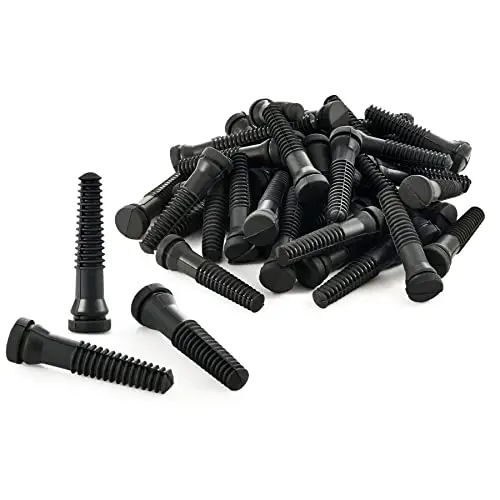 |
CREWORKS Large Chicken Plucker Fingers (100 pcs) | Rubber; 3/4 Inch Holes; Flexible Attachments | $31.05 | $0.15 | 269 | 4.7 | High durability; Fast feather removal |
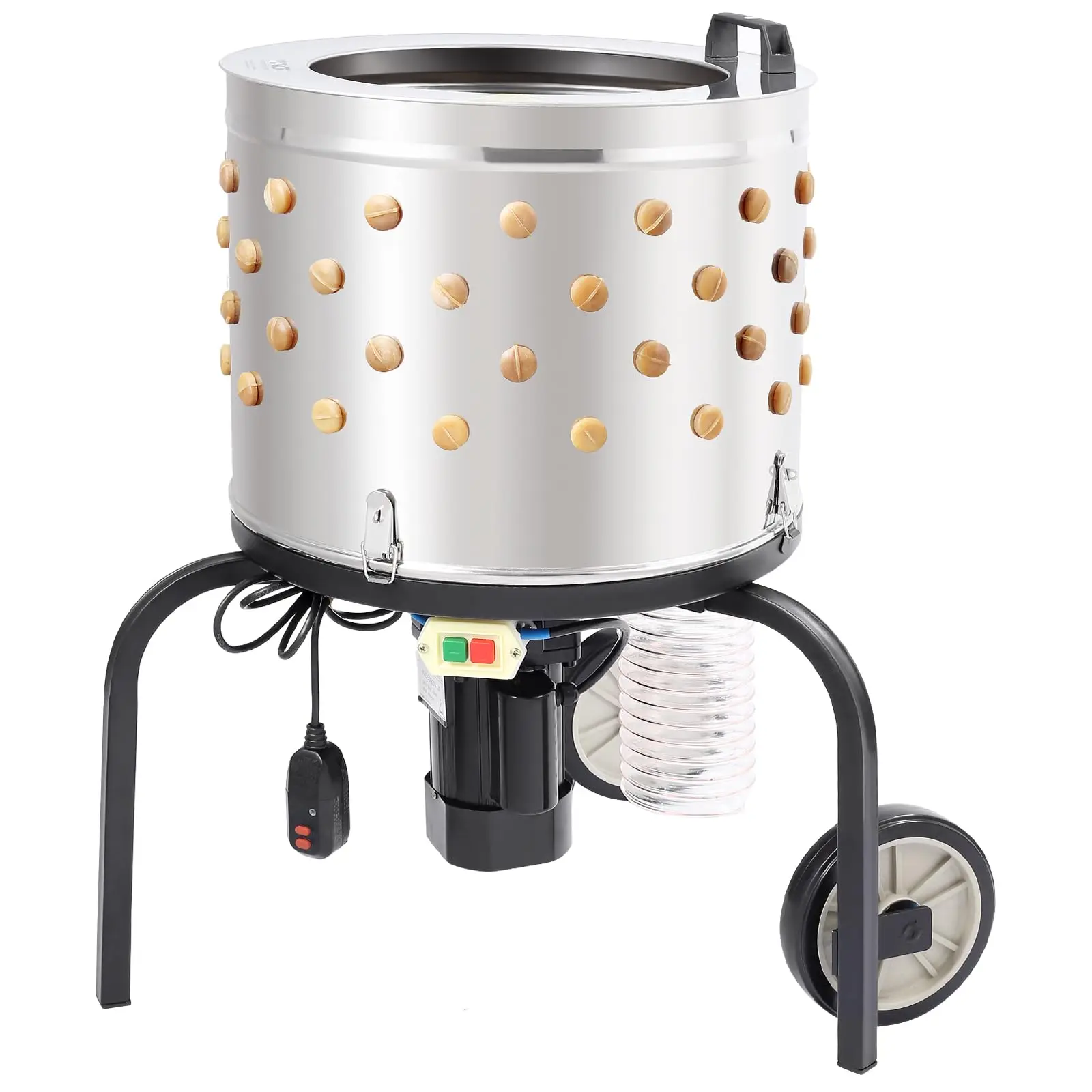 |
VEVOR Chicken Plucker Machine, 20-in Stainless Drum | Stainless steel; 108 rubber fingers; debris collection | $334.05 | $172.91 | 187 | 3.8 | Simple cleaning; Heavy-duty; 20-inch drum |
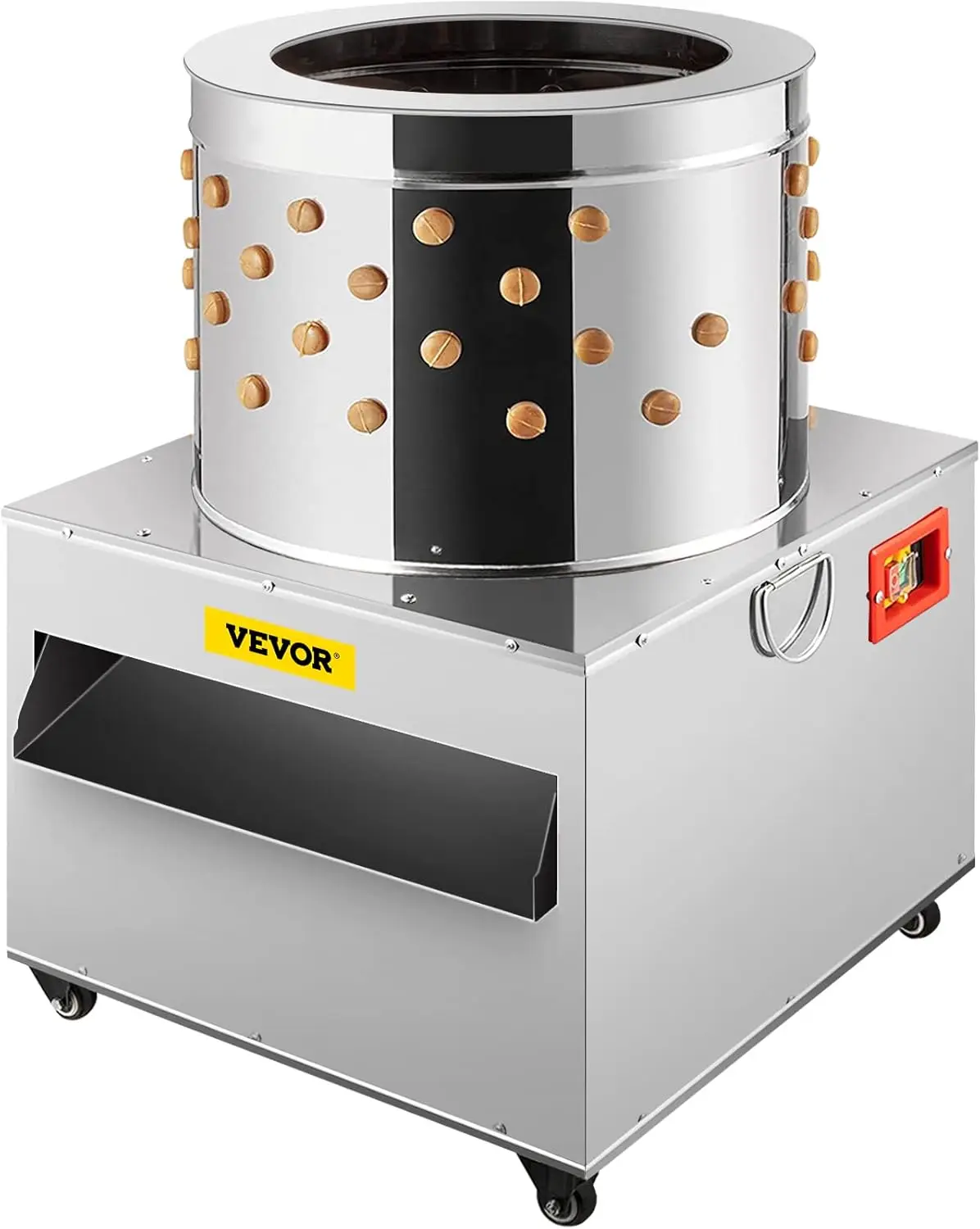 |
VEVOR Poultry Plucker, 23.6-inch, 2200W | Stainless; 275R/min; for turkeys/chickens | $476.22 | $128.56 | 121 | 3.8 | High capacity; Heavy-duty; Dual-purpose |
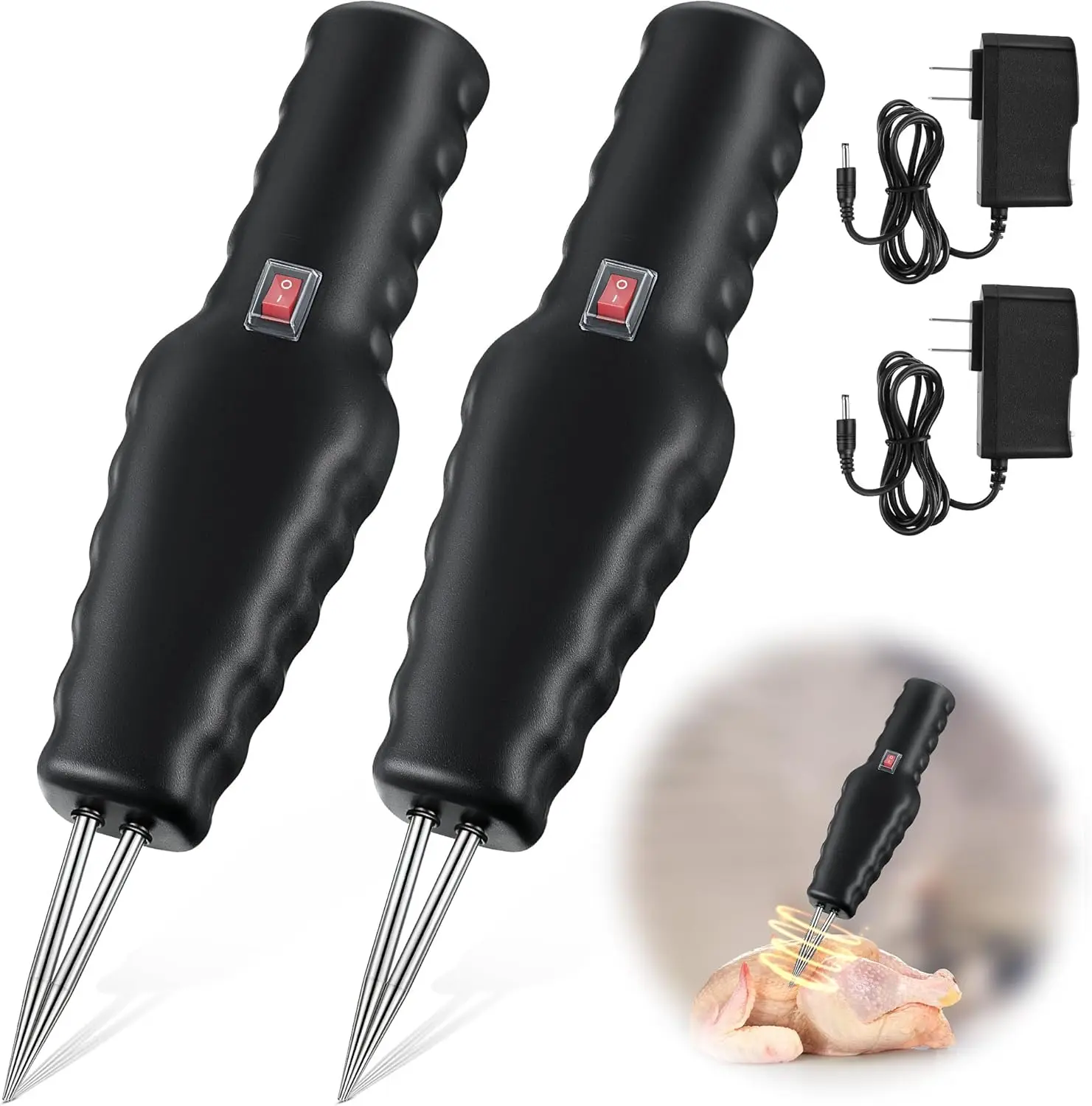 |
Saillong Handheld Chicken Plucker (2 Pack) | Rechargeable; Waterproof; for diverse birds | $39.14 | $2.8 | 86 | 3.4 | Portable; Rapid feather removal |
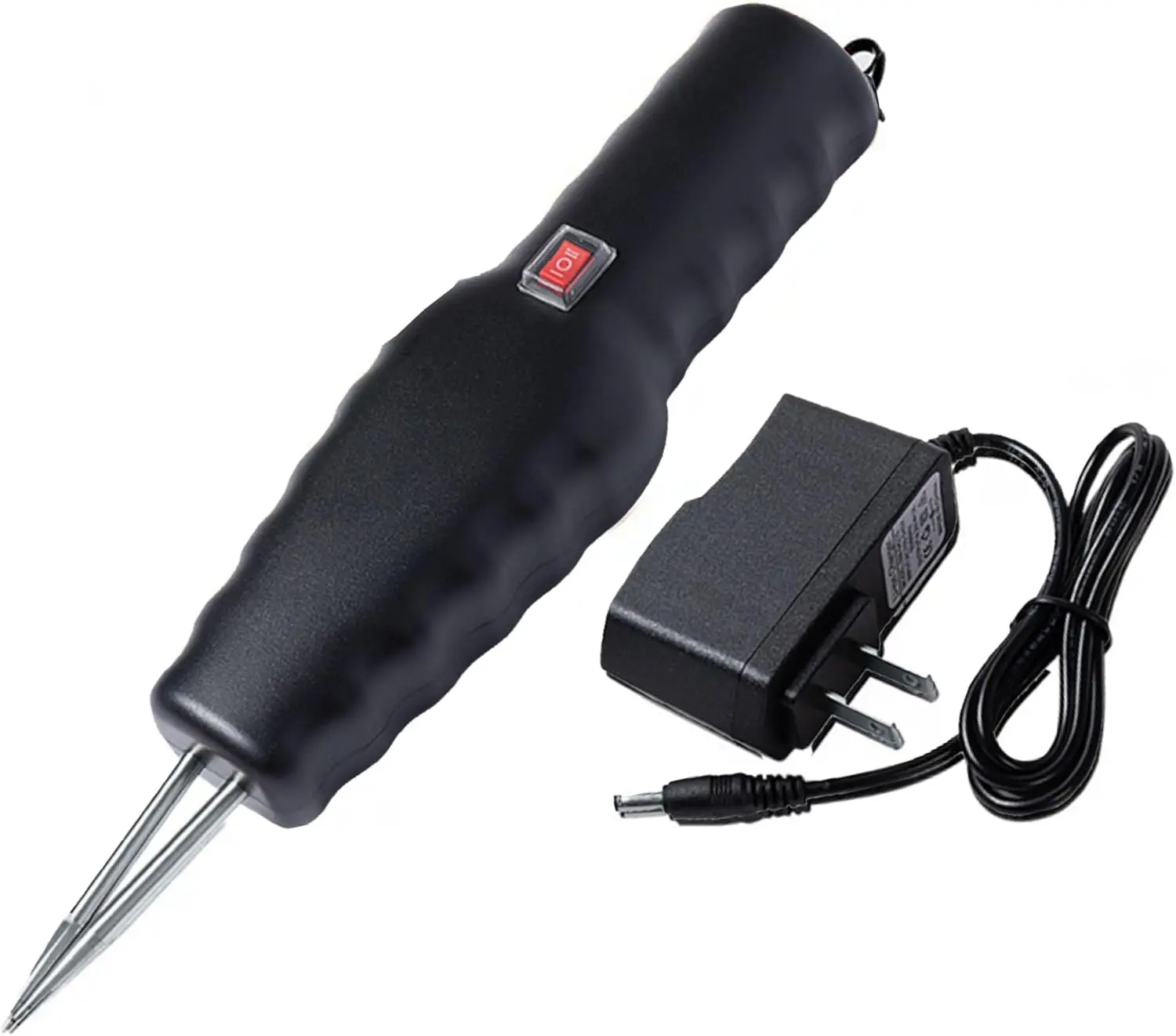 |
Handheld Rechargeable Chicken Plucker | Electric; for chicken/duck/goose/turkey | $17.99 | $6.79 | 77 | 4.5 | Affordable; Rechargeable; Multi-species |
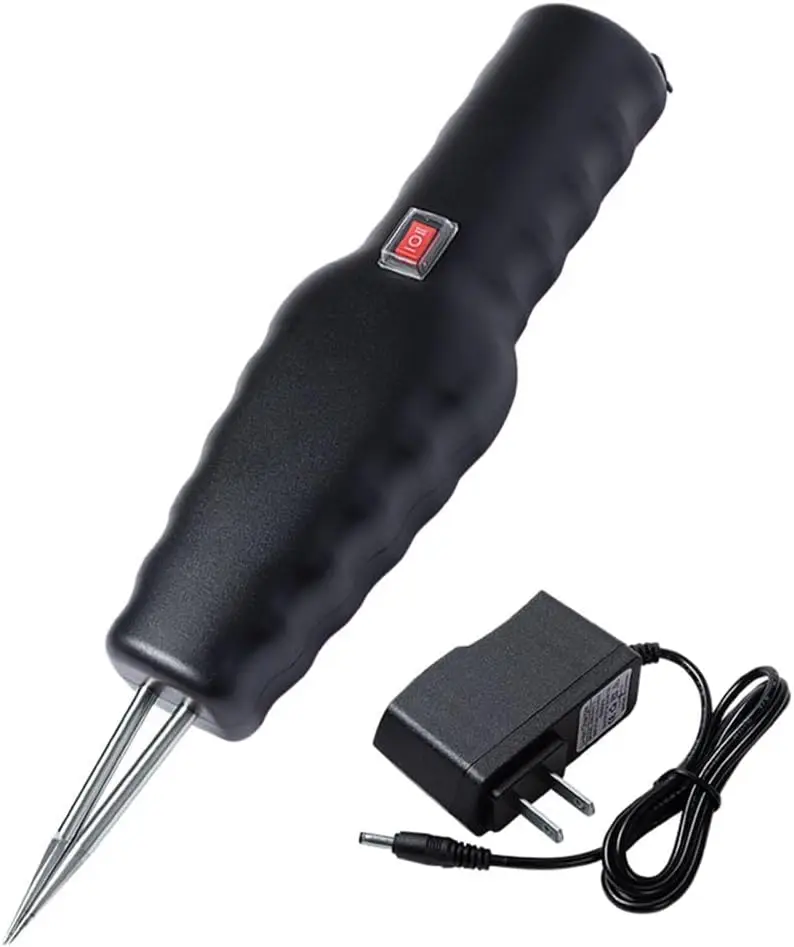 |
DONGKER Handheld Turkey Plucker | Waterproof; for turkey/duck/goose/christmas | $19.99 | $12.09 | 41 | 1 | Waterproof; Festive use |
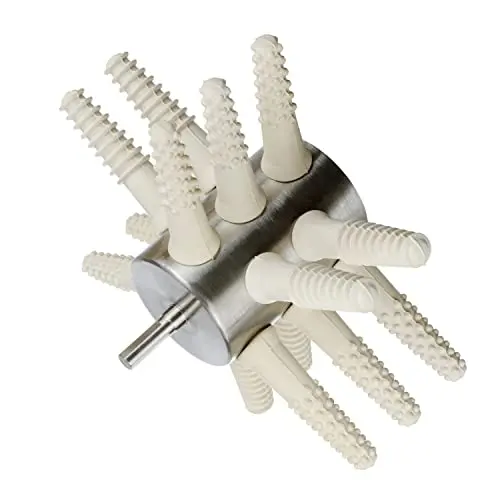 |
PluckerUkraine Drill Attachment | Stainless steel; 15 fingers; broiler/duck | $73.47 | $30.0 | 37 | 4 | Drill compatible; Versatile |
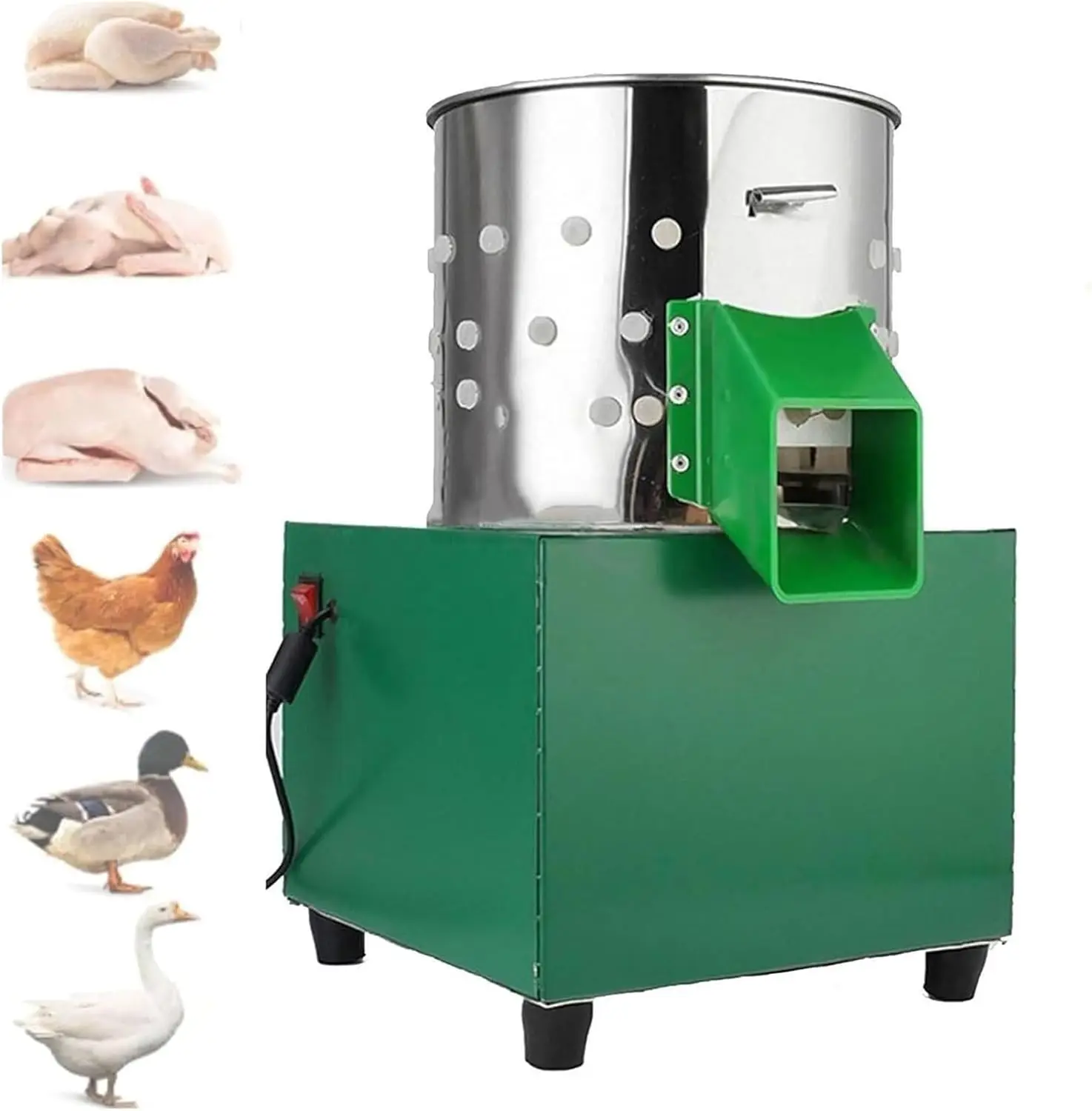 |
Automatic Chicken Plucker Machine | Stainless steel; for chicken/duck/turkey/quail | $199.99 | $140.23 | 34 | 2 | High efficiency; Multi-species |
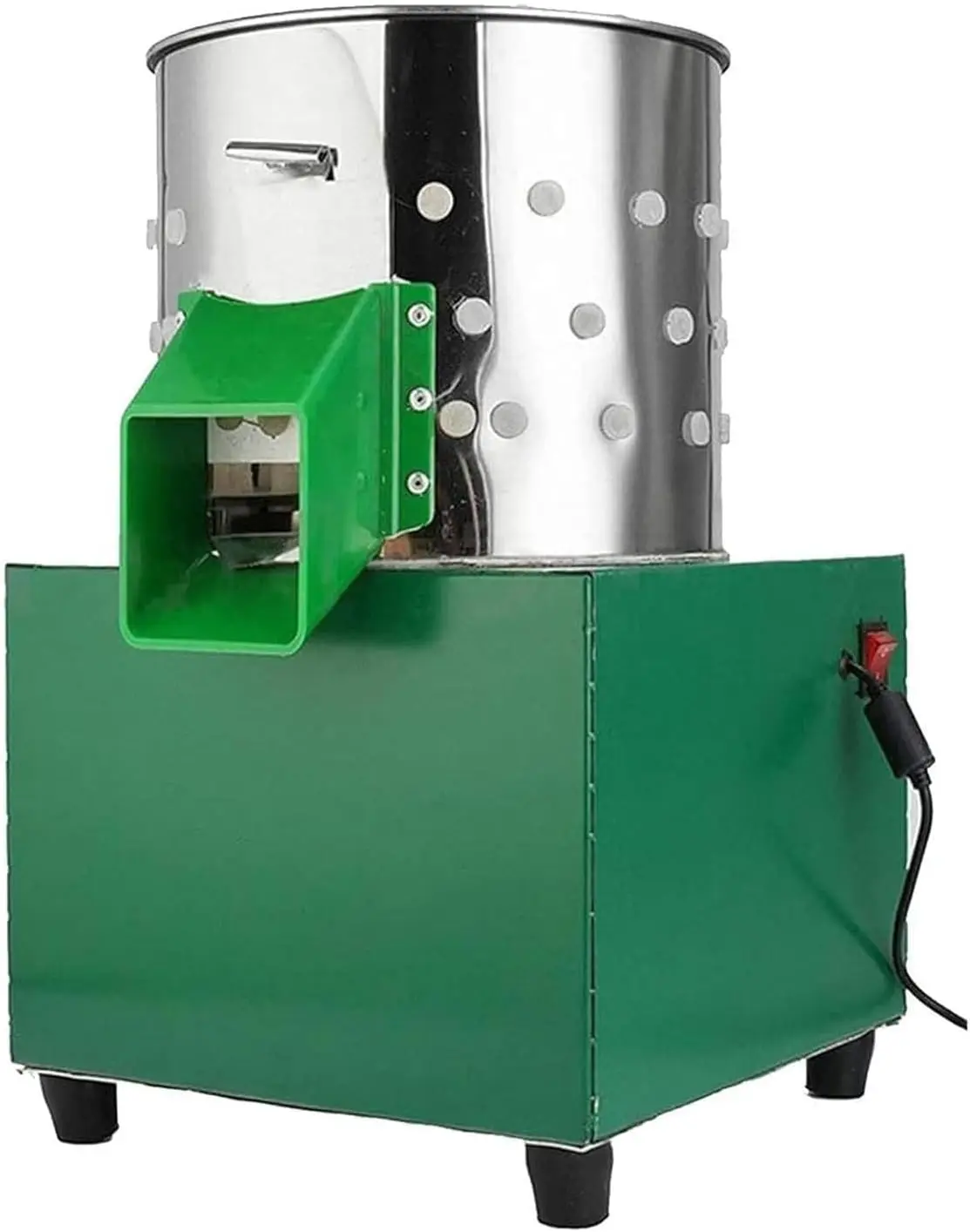 |
Stainless Steel Chicken Plucker Machine | Heavy duty; 110 rubber fingers; multi-bird use | $199.99 | $104.18 | 31 | 5 | Heavy duty; High efficiency |
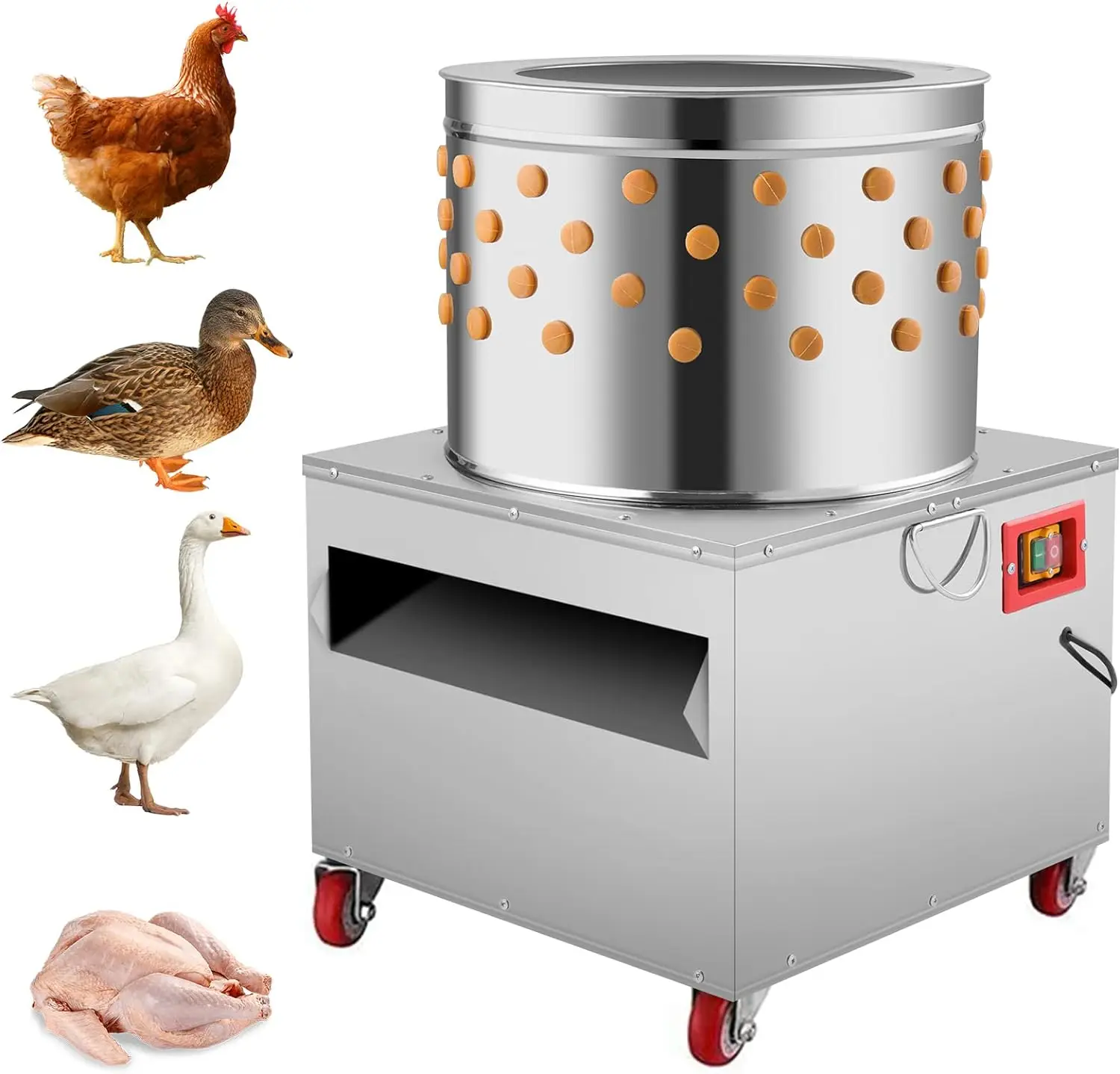 |
2HP 20in Stainless Steel Plucker Machine | 110V; 1500w; 275r/min; Silver | $157.26 | $115.0 | 28 | 4.1 | High power; Sturdy design |
Table data sourced from [1]. The diversity of product functionality—from simple feather plucker attachments to fully automated stainless steel machines—gives buyers options from rapid, large-scale processing to affordable replenishment parts. Higher-rated products consistently highlight user-friendly operation and rugged construction, reflecting market adaptation to buyer priorities.
With global sourcing channels expanding, buyers need an agile strategy grounded in objective criteria, rigorous inspection, and operational alignment for the automatic debeaker machine segment.
Supplier Evaluation Criteria:
Quality Control and Inspection:
Logistics and Delivery:
Compliance and Certification:
Risk Avoidance and Competitive Advantage:
The automatic debeaker machine category in 2026 is defined by record-breaking growth, rapidly evolving technology, and ever-stringent welfare standards. As evidenced by bestseller charts and hot selling product details, buyers are increasingly selective, putting a premium on reliability, adaptability, and compliance. Upstream innovations in blade design, temperature control, and multi-speed operation are driving procurement choices, while downstream retail demand vibrantly showcases the popularity of feather plucking machines and associated automation tools.
For the next 6–12 months, international buyers should:
This report highlights both tactical and strategic dimensions of sourcing in the automatic debeaker machine sector. By leveraging bestselling product intelligence, robust procurement practices, and vigilant compliance routines, buyers are well poised to achieve sustainable, scalable growth in the automated poultry equipment market. Take decisive action—capitalize on market momentum, secure the best equipment for your operations, and lead the way in intelligent, welfare-oriented poultry automation for 2026 and beyond.