
All categories
Featured selections
Trade Assurance
Buyer Central
Help Center
Get the app
Become a supplier
As 2026 unfolds, automatic carpet tufting machines have surged into the spotlight, reshaping both the industrial carpet sector and the fast-evolving DIY rug-making community[2][3]. This transformation is driven by a fusion of several factors: advanced automation technology, post-pandemic home improvement enthusiasm, textile market globalization, and a growing consumer appetite for unique, customized interiors. Recent seasonal cycles—marked by increased renovations during the New Year, major flooring expos (like the 2025 Carpet & Flooring Expo), and a steady shift from generic commercial carpeting to bespoke rugs—highlight the sector’s underlying momentum[2][4].
The industry’s pulse is marked by new launches and wider adoption among manufacturers seeking higher quality, repeatability, and efficiency. Meanwhile, the “Maker Movement” has sparked interest in personal rug production, with individuals investing in compact tufting guns and starter kits for small-scale creativity. This DIY enthusiasm feeds back into commercial trends, as even major brands adapt to meet the demand for on-trend designs and eco-friendly solutions[9][20].
Cultural touchstones—home decor influencers, viral tutorials, and even beginner carpet tufting classes as popular Christmas gift ideas[10]—reflect the widespread perception of tufting machines as fun, practical, and accessible. Whether for mass production factories, commercial offices, or creative hobbyists, the market is navigating new territory where efficiency meets expression.
Automatic carpet tufting machines are high-precision devices engineered to insert yarn into a backing material, forming textured surfaces through rapid, automated needle movements[3][4]. The heart of the technology lies in transforming yarn into either loop pile (soft, bouncy) or cut pile (dense, smooth) surfaces, with repeatable control over pile height, pattern, and even multi-color effects. Unlike manual methods, these machines harness either mechanical or computerized controls to maximize speed and minimize error, vital in producing both standard broadloom carpets and intricate, custom designs.
Their origins trace back to the early 20th century, where hand-guided tufting was labor-intensive, slow, and inconsistent. Over the decades—especially post-1970s—advancements in automation, needle systems, and digital patterning transformed the market[4]. By 2025, major textile expos and engineering firms showcased next-generation machines with features like programmable stitch density, digital pattern input, and real-time quality feedback[2][5].
Classification hinges on several key criteria:
For procurement, buyers should distinguish between models designed for high-speed mass production, flexible small-batch runs, and innovative DIY kits. Leading manufacturers offer tailored solutions with modular accessories, reinforcing how sourcing strategy must match end-user application[5].
The rise of automatic carpet tufting machines is intimately tied to the buzzing ecosystem of user-generated advice, workshop testimonials, and viral content. Across forums and craft communities, discussions reveal three major sentiment themes: enthusiasm for creativity, practical troubleshooting, and growing advocacy for quality and safety.
DIY Rug Making: The explosion of tufting workshops and classes, especially as popular gifts during the 2025 holiday season, highlights the cultural cachet of rug-making as both an expressive art and a social activity[10]. Newcomers share excitement over their first tufting kits—often sourced from competitive online platforms for value[9]—while emphasizing the joy of collaborative creativity with loved ones. DIY rug projects frequently appear in progress posts, with users showcasing their designs and seeking feedback on technique, setup, and finish[20][21].
Practical Tips and Troubleshooting: User advice often gravitates toward optimizing frame setups, securing fabrics, and handling material limitations. Common workaround suggestions include using screws instead of nails for stronger fabric attachment, investing in adjustable frames, and choosing quality yarn and backing material even if it costs a little more[8][11]. The community exhibits keen awareness of pitfalls in kit components—such as poor-quality cloth, insufficient yarn, and ineffective “anti-slip” backings—pushing newcomers to research before purchasing.
Safety Awareness: A recurring theme is the emphasis on safety precautions: wearing rebreather masks to avoid inhaling fine fibers, using sharp clippers/shears carefully, and considering ergonomic setups for longer rug projects[9]. Environmental considerations, including concerns about synthetic yarns and recycled materials, are starting to emerge as secondary conversations that feed into market innovation.
Performance Reviews and Longevity: Sentiment is mixed on machine reliability. Budget tufting guns may suffer from short lifespans, while reputable brands, such as those referenced in community posts, tend to hold up for years with proper maintenance[12]. Users praise responsive customer service and local repair support, particularly when investing in higher-end models. Tutorials and tips circulate widely, building a knowledge network that both lowers the barrier to entry and raises expectations for product durability.
Creative Potential: Projects range from small, expressive doormats completed in a few hours to large-scale art installations that can occupy dozens of hours, with time commitment varying by complexity rather than sheer size[19][26]. User posts celebrate originality, the satisfaction of seeing pieces in final placements, and the supportive culture that helps beginners and artists alike refine their craft[25][27]. The integration of tufted carpets into murals, wall hangings, and custom gifts reflects a broadening of application far beyond basic floor coverings.
In summary, sentiment analysis underscores strong buyer motivation, rising expectations for machine quality and versatility, and an ever-widening range of use cases driven by both technical innovation and creative community momentum.
The market for automatic carpet tufting machines in 2026 is defined by rapid modernization, evolving regional demands, and clear segmentation between industrial and DIY buyers. Worldwide, the segment is experiencing a robust compound annual growth rate (CAGR)—estimated between 8% and 12%—driven by rising consumer investments in home décor, quicker lead times in commercial flooring, and accelerated adoption of digital textile technologies[2][5].
Key trends propelling market expansion include:
Regional Preferences reflect a split between industrial bulk purchasing in Asia, North America, and Turkey (as seen in recent trade shows and engineering releases[2]), and boutique, creative usage throughout Europe and North America. Pricing tiers range from $60–$150 for starter kits and compact tufting guns up to $1,500–$5,000 for high-capacity automatic machines designed for continuous industrial operation.
Search interest in “automatic carpet tufting machine” peaked notably in January and July 2025, coinciding with major international trade expos and the launch of new home improvement cycles. Below is a visualization of the trend line:
Google search volume for "automatic carpet tufting machine" from Jan 2025 to Jan 2026. Peaks in Jan (expo), valley in Mar (seasonal shift), rise in Jul (DIY campaigns).
Actionable business recommendations: Schedule product launches and marketing efforts during trade expo windows and DIY project seasons (Jan and Jul). Prepare for seasonal softening in spring (Mar-Apr) and build inventory to meet peak demand in late summer and year-end home renovation stretches. Leverage trend momentum by offering limited-edition kits and smart bundles.
Amazon sales data reveals strong volume for “rug tufting gun kits” and advanced combo machines, with peaks in beginner-friendly bundles and moderate but impactful sales in industrial-grade equipment. Below is a visual analysis of relative sales and sentiment:
Normalized sales volume and average star ratings for top Amazon automatic carpet tufting products (Jan 2026).
Sentiment analysis of review keywords emphasizes “easy setup,” “beginner friendly,” “good starter kit,” and positive feedback for machine reliability (if not budget-priced). Negative reviews cluster around short lifespan, insufficient yarn/cloth, and price-to-quality mismatches in lower-cost kits. High-end machines are rarely purchased but receive positive feedback for performance where applicable.
Actionable business recommendations: Focus product listings on clear value for beginners, bundle with extra yarn/cloth and proven accessories, and highlight durability and support for mid/high-tier offerings. Monitor review trends for rapidly surfacing complaints to inform future sourcing specifications.
The following table presents detailed product information for the top-selling automatic carpet tufting machines—essential for understanding downstream retailer and consumer preferences[1]:
| Product Image | Product Name | Avg. Rating | Latest Monthly Sales | Retail Price | Wholesale Price | Key Features |
|---|---|---|---|---|---|---|
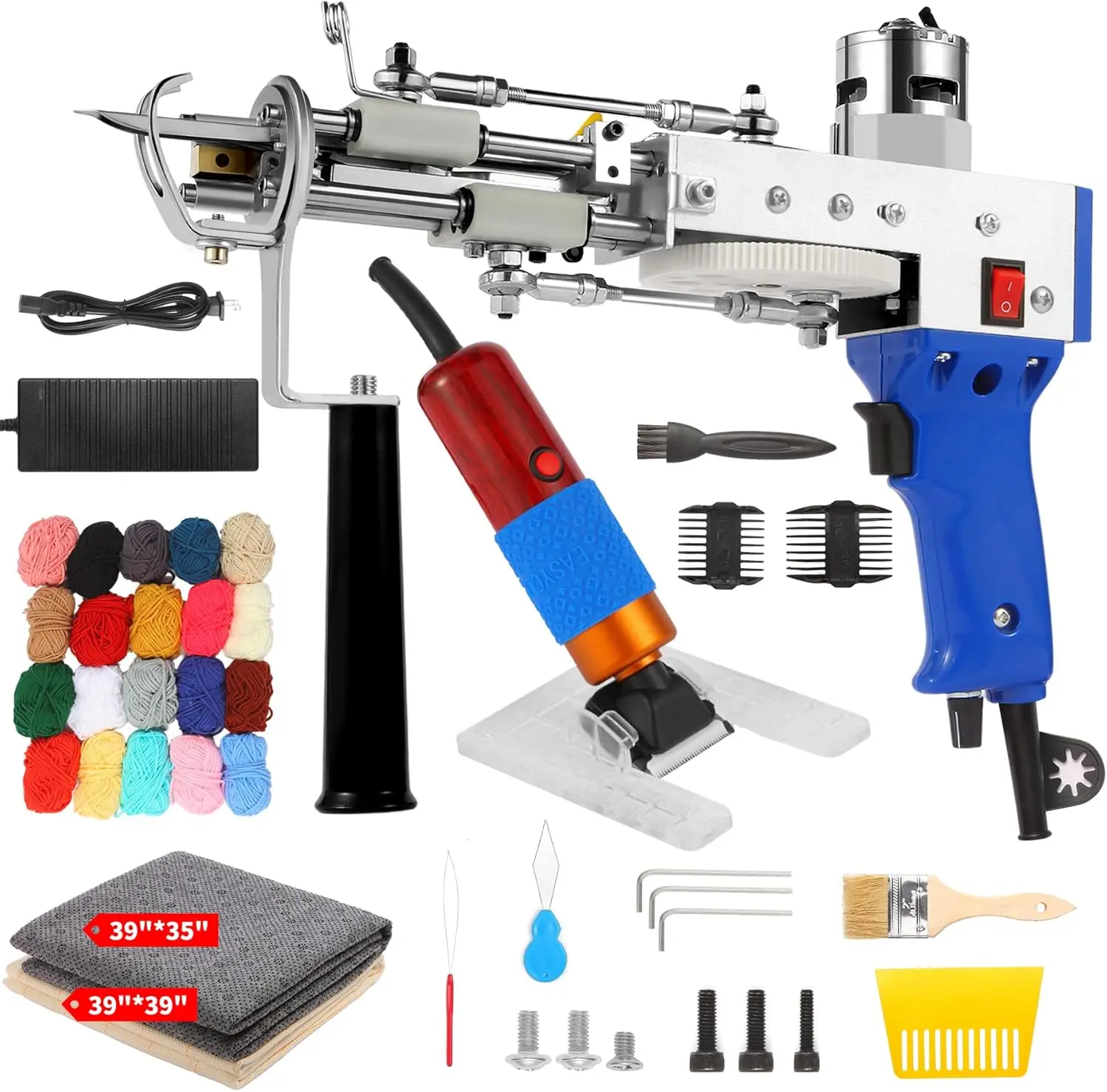 |
Rug Tufting Gun Kit w/ Carpet Trimmer, 2-in-1 Cut & Loop Pile, Cloth Included | 4.4 | 192 | $106.30 | $58.90 | Beginner kit; cut & loop pile, trimming tool, cloth, adaptable for various rug sizes. |
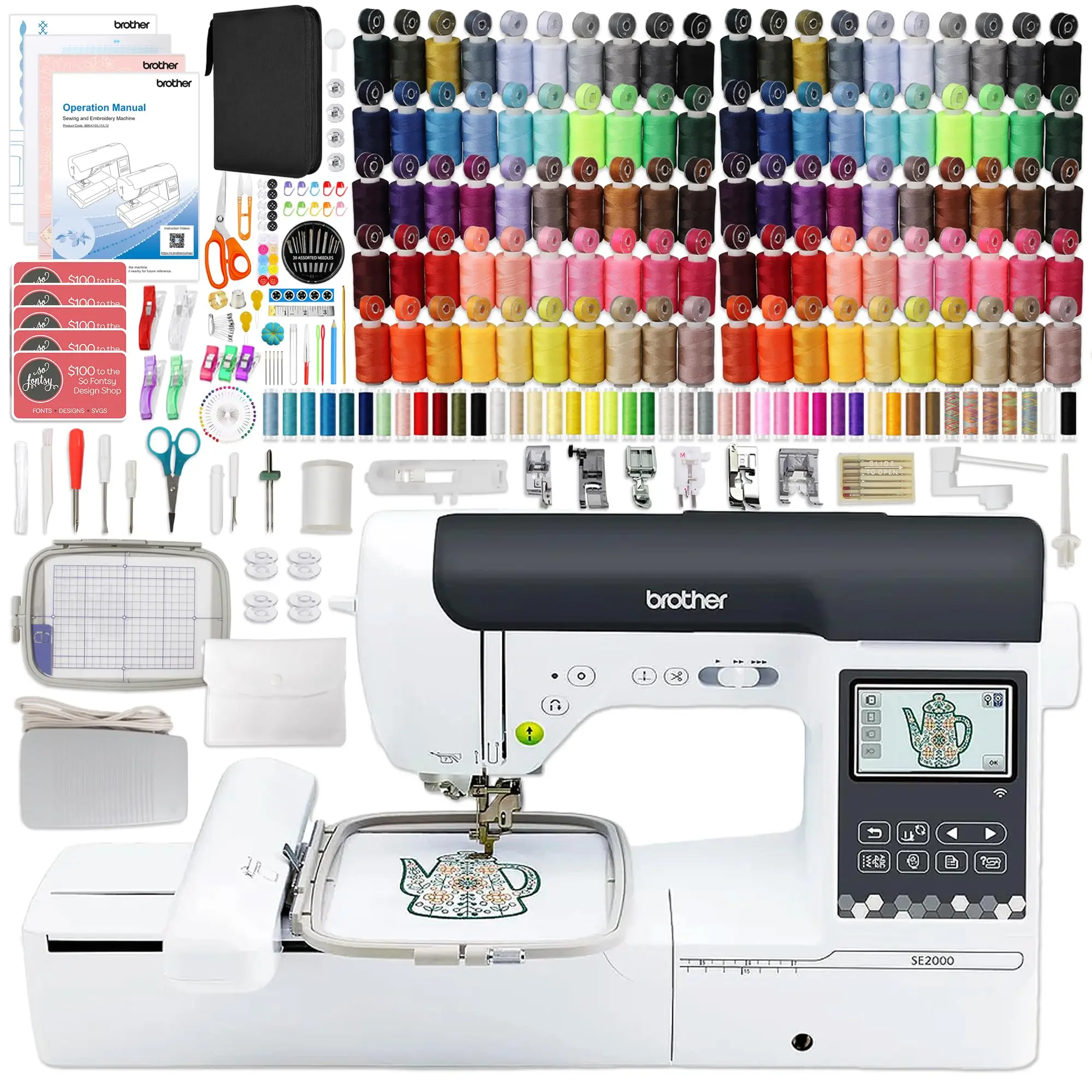 |
Brother SE2000 5“x7“ Combo Embroidery & Sewing Machine w/ 143 Spools | 0 | 5 | $1,760.44 | $620.89 | Large embroidery/tufting capacity, accessory pack, best for multi-functional textile applications. |
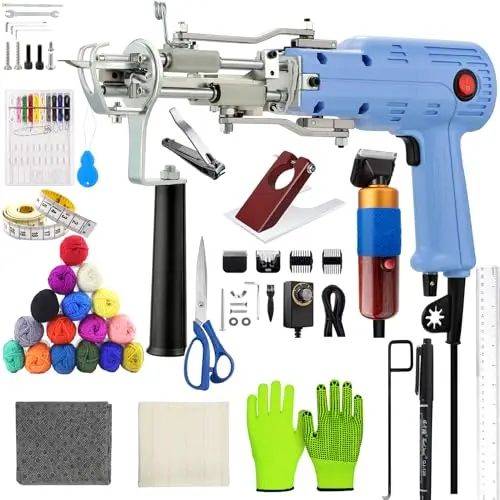 |
Tufting Kit - Rug Making Gun Starter w/ Trimmer, 16-Color Yarn Rolls, Cloth | 5 | 5 | $149.50 | $0.15 | Includes yarns & backing, targeting hobbyists; ultra-low entry pricing for bulk orders. |
Table data sourced from [1].
The dominance of beginner kits—especially those coupling trimming tools and varied pile options—suggests retailers should prioritize easy-to-use, all-in-one models. Notably, mid-tier pricing ($100–$150) is the sweet spot for volume, with the highest retail sales coupled to strong star ratings. High-capacity professional machines sell less frequently, but command higher margins and promise multi-purpose functionality.
Sourcing automatic carpet tufting machines demands a multi-faceted approach addressing both technical and operational risk. Buyers must rigorously vet suppliers based on several core criteria:
Engage suppliers with clear technical specifications, plan joint QC procedures, and stay informed about regulatory changes in destination markets. Forward contracts for spare parts supply can further mitigate operational downtime. For DIY kit retailers, clarity and transparency in packaging contents, support documentation, and instructional resources should be paramount.
The automatic carpet tufting machine market stands at a pivotal moment in 2026, energized by a dual engine: rapid industrial automation and booming creative DIY participation. Strong buyer motivation, robust market growth (8–12% CAGR), and surging interest in both entry-level and advanced machines underscore massive opportunity for agile, informed procurement strategies.
Key findings for buyers:
For procurement professionals and international buyers navigating this dynamic sector, making confident sourcing decisions requires blending hard data with nuanced community insight. By planning ahead, investing in quality, and staying attuned to both market and cultural evolutions, buyers can capture the full potential at the intersection of industrial efficiency and creative innovation.
Harness these insights—stock today’s bestsellers, invest in supplier relationships, and engage with emerging trends—to carve out your competitive edge and write the next chapter in carpet manufacturing and design.