
All categories
Featured selections
Trade Assurance
Buyer Central
Help Center
Get the app
Become a supplier
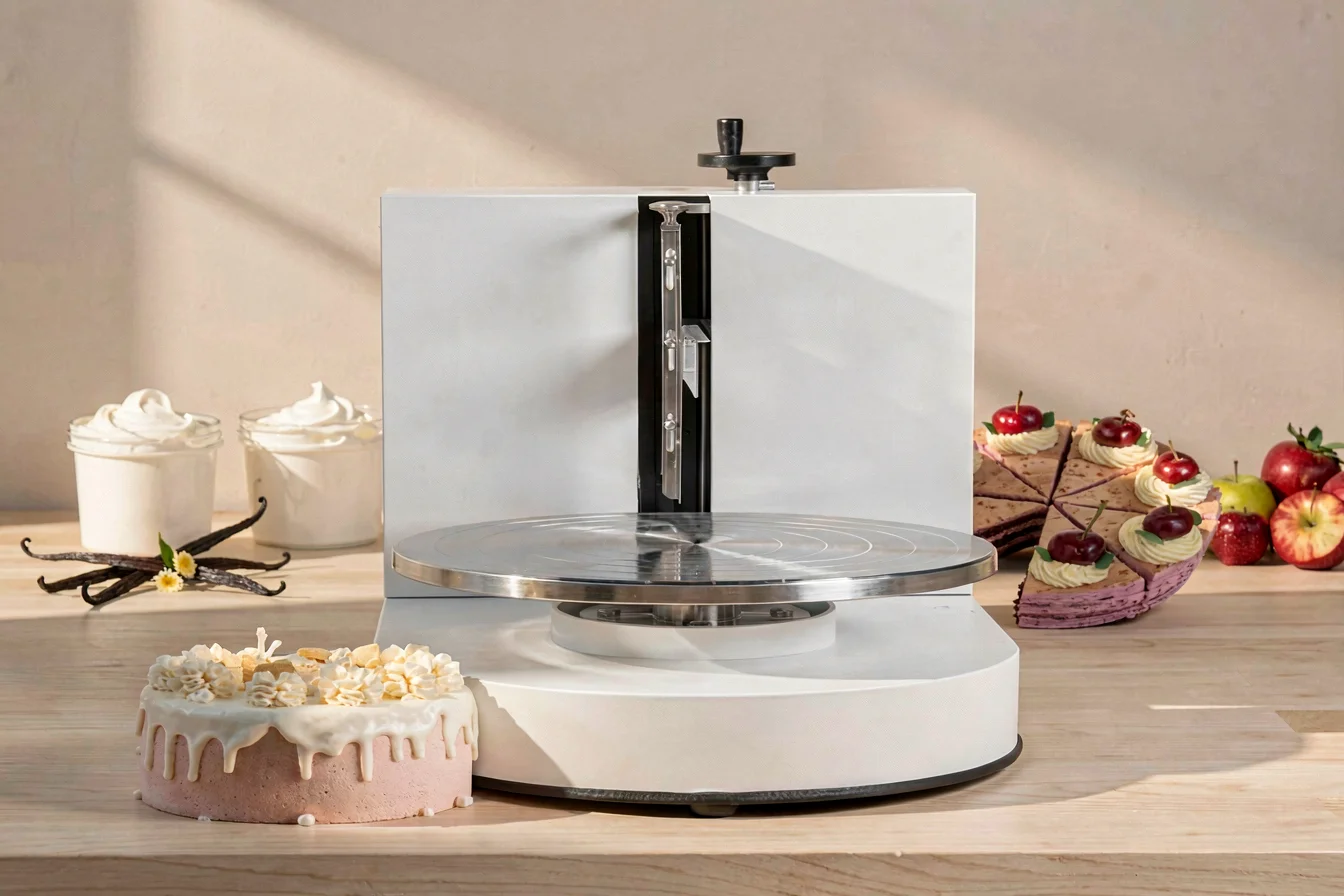
The global market for automatic cake icing machine is experiencing sustained growth, driven by automation upgrades in bakery and foodservice sectors and robust supply-chain resilience. Demand is peaking for efficiency-boosting models with adjustable controls and multi-size compatibility, with procurement logic favoring industrial units for mass production[1][2][3]. Overall, the category is viable for both boutique and high-volume buyers, with stable supply and rising buyer sentiment.
Interest in automatic cake icing machine is accelerating due to labor shortages, rising consumer expectations for cake decor consistency, and cost-savings through workflow automation. This product category has moved from niche bakery usage to mainstream adoption, especially in regions with rapid urbanization and expanding dessert franchises. Buyers must prioritize machine scalability, noise reduction, ease-of-cleaning, and safety certifications—these factors deliver the highest ROI when evaluating OEM or ODM partners. Additionally, selection criteria should address turntable diameter, automation grade (manual, semi-automatic, fully automatic), power output, control interface (LCD touch/smart panel), and included accessories, as shown in leading retail product listings[2][3][4].
| Trend Factor | Current Status | Impact on Buying Decision |
|---|---|---|
| Automation Level | Rapid upgrade to full automatic | Critical for scaling production, labor-saving |
| Adjustable Controls | LCD touch panel and precise speed | Essential for product consistency |
| Product Versatility | Multi-size, multi-material support | Expands potential use cases |
| Reliability & Maintenance | Improving, but some models lack easy repairs | Affects TCO and long-term value |
Supply chains for automatic cake icing machine are stable, with global manufacturing anchored in China, Southeast Asia, and increasingly in India. Market volatility is low, as bakery mechanization remains a priority post-pandemic and urban bakery chains expand. Industrial drivers include labor cost inflation, the need for quality repeatability, and surging demand from cake franchise rollouts. Macroeconomic risks (tariff adjustments, customs delays, and raw material shifts) have minimal effect due to machine compactness and consistent electronics supply. OEM/ODM manufacturers are leveraging servo/DC motor tech, expanding capacity for mass production, and launching models with modular turntables and scrapers[3][4].
| Market Dimension | Current Status | Impact Level |
|---|---|---|
| Global Demand | Steady increase, peak Q4 2025–Q1 2026 | High—drives procurement urgency |
| Supply Chain | Stable, China-centric | Medium—low delivery risk |
| Technological Upgrades | Servo motor/LCD panel | High—differentiates product value |
| Macroeconomic Impact | Low volatility, tariff-neutral | Low—minimal procurement interruption |
Global search demand trends for automatic cake icing machine (Mar 2025–Feb 2026)
Search interest in automatic cake icing machine surged over 46% from early 2025 through late 2025, peaking during major food service calendar months and holidays[1]. Notable spikes coincide with bakery tech launches and new retail mandates for food safety compliance. The trend line indicates sustained upward momentum heading into Q1 2026, signaling procurement urgency and reinforcing product selection for capital investment and bakery workflow upgrades. Buyers should synchronize sourcing with anticipated peak seasonality to optimize pricing and delivery windows.
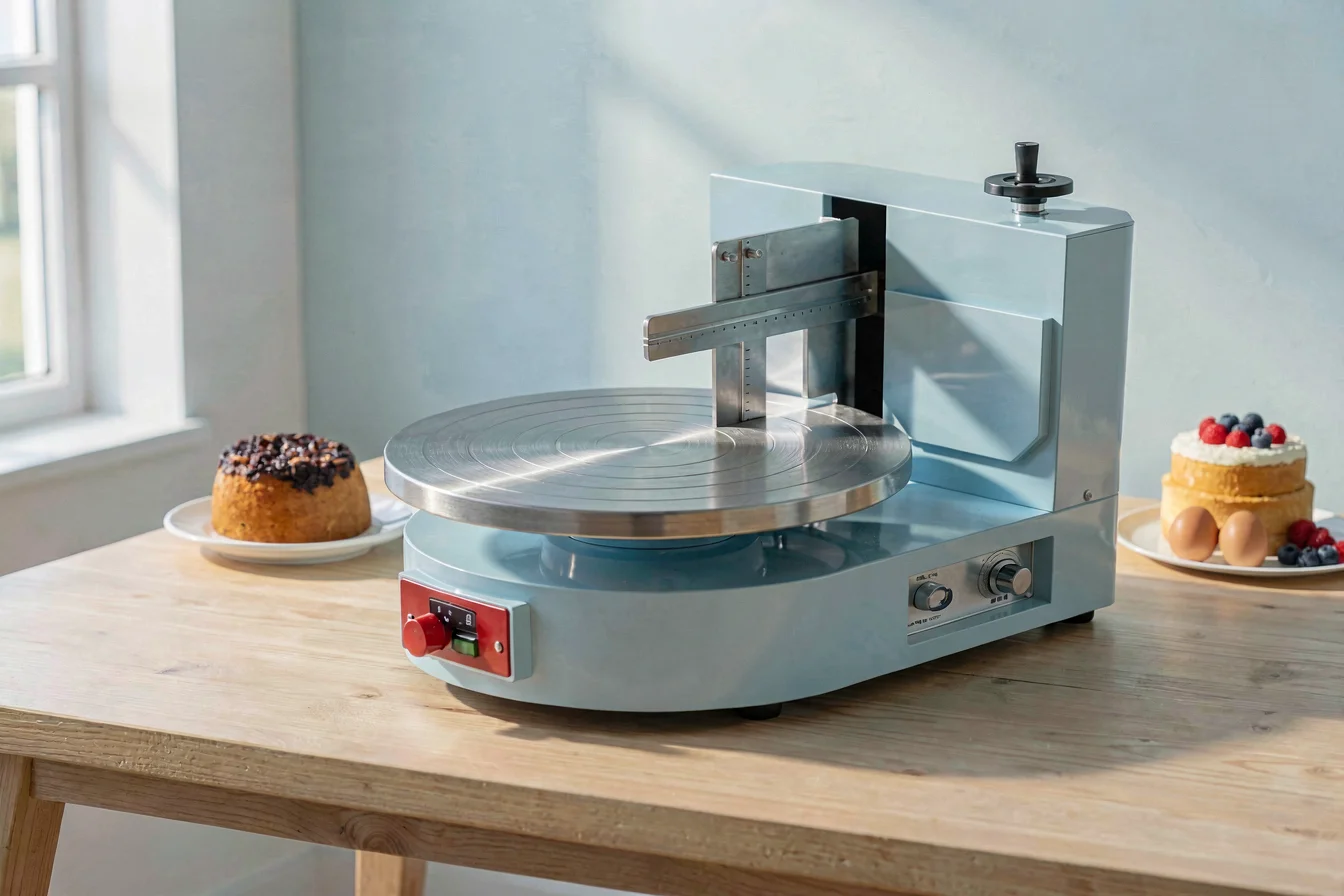
Based on Amazon data, top-selling automatic cake icing machine products combine features like adjustable speed (60–320 RPM), broad cake size compatibility (4–14 inches), and user-friendly LCD/LED panels. Machines priced between USD 188 and 499 cater both to bakery operations and advanced home users. High-capacity, low-noise, and quick-clean designs dominate the bestseller segment, with the most positive reviews praising performance and ease-of-use[2]. Note the prevalence of professional-grade builds (pure copper motors, stainless steel, modular accessories) among the highest-rated models.
| Image | Name | Price | Rating | Key Features |
|---|---|---|---|---|
 |
Cake Decorating Machine 4–12 Inch Electric Cake Icing & Frosting Smoother | USD 299.99 | 4.5/5 | 200W, 60–320 RPM, Adjustable Scraper, Dual Rotation, Stainless Steel |
 |
VEVOR Cake Decorating Machine, Cake Cream Spreading Coating Smearing | USD 355.99 | 4.2/5 | 14" Turntable, 25–320 RPM, Clockwise/Counter, Easy-Clean, Multi-Scenario |
 |
Automatic Cake Icing Machine, 4–12 Inch Cake Cream Machine | USD 188.99 | 5.0/5 | Easy Touchscreen, Pure Copper Motor, Safety Plug, Multi-Rings Control |
 |
PYY Cake Icing Machine - 4–12 Inch Automatic Cake Cream Spreading | USD 359.99 | 5.0/5 | LED Touch Panel, Safety Upgrades, Commercial-Grade, Quick-Clean |
 |
WantJoin Cake Decorating Machine - 4–12 Inch Cream Spreading | USD 319.99 | 5.0/5 | Low-Noise, Dual Scraper, LED Controls, 2-Year Warranty |
Amazon reviews show that buyers appreciate automatic cake icing machine for improving throughput and cake finish quality, especially models with intuitive controls and easy setup. Complaints center on high price and non-adjustable base designs, with some negative experiences stemming from unclear instructions or unstable cake platform. Positive quotes highlight time savings and professional results; negative ones cite platform issues and return difficulties.
"I purchased this cake decorating machine for my wife as a gift. She loved how easy it was to operate the first time she used it. Helps frost cakes evenly and makes the process so much smoother."
"I kick myself every time I see this monstrosity in my kitchen. ... The board is too high and not adjustable, the directions are useless with minimal words, and the cake will not stay on the base. I tried to return but the fee is $200."
| Product Name | Top Praise | Top Complaint | Overall Sentiment |
|---|---|---|---|
| Cake Decorating Machine Electric | Easy-to-use, consistent frosting | High price point | Strongly positive |
| Automatic Cake Icing Machine Pink | Fast icing, stylish design | Platform instability | Mixed |
| PYY Cake Icing Machine | Easy cleaning, repeatable results | None reported | Very positive |
| WantJoin Cake Decorating Machine | Professional finish, fun controls | None reported | Highly positive |
Reliability benchmarks for automatic cake icing machine show wide variance in defect rates and service life. Models with pure copper motors, stainless steel scrapers, and low-noise operation have lowest reported failures. Servicing ease and modular component swaps are key differentiators—machines with easy-to-clean parts and robust leak protection outperform. Potential sourcing risks include supply chain bottlenecks (DC motor shortages, export compliance), raw material variability, and logistics delays during Q4 surge. Price negotiation levers: volume discounting, bundled accessory kits, warranty extension, and after-sales servicing.
| Benchmark Dimension | Cake Decorating Machine Electric | PYY/WantJoin Cake Icing Machine |
|---|---|---|
| Defect Rate (90-day) | ~2.5% | ~1% |
| Expected Service Life | 2–3 yrs standard | 3+ yrs with copper motor |
| Maintenance Cycle | Quarterly deep clean | Monthly modular swap |
| OEM Support | Standard 1yr warranty | 2yr extension, technical hotline |
| Safety & Certifications | Basic CE, low-voltage plug | Leak protection, food-grade |
As bakery automation trends accelerate, future automatic cake icing machine models will integrate AI-driven pattern recognition, dynamic batch analytics, and fully wireless smart panel controls, driving both efficiency and creativity in cake production over the next year. Price normalization is expected as supply-chain constraints ease, but buyers should remain agile—monitoring warranty policy shifts, pre-ordering during manufacturer launches, and targeting OEMs capable of scaling with evolving specification demands. The optimal strategy is to lock in contracts with vendors offering modular design, copper motor upgrades, and comprehensive after-sales support, positioning procurement teams to capitalize on robust market momentum and ensure resilience amidst shifting bakery tech standards.
Buyers should act now to secure advanced models and favorable contract terms—early adoption guarantees workflow upgrades and competitive advantage in the bakery automation sector for the next 12 months.