
All categories
Featured selections
Trade Assurance
Buyer Central
Help Center
Get the app
Become a supplier
The transformative landscape of manufacturing and packaging in 2026 is characterized more than ever by an urgent drive towards automation, efficiency, and compliance. As labor shortages persist globally and ESG-driven requirements push companies toward safer and more hygienic packaging operations, the deployment of automatic bottle unscramblers has grown from a competitive edge into an operational necessity. Manufacturers across pharmaceuticals, food & beverage, cosmetics, and chemical industries are turning to these machines to minimize manual intervention, trim costs, and ensure consistent output. Seasonal factors—like post-pandemic hygiene standards, rising health supplement consumption, and regulatory audits—have accelerated the adoption of these systems, especially in regions with robust quality requirements such as Europe, North America, and East Asia.
Consumer behaviors are shifting as well: downstream retailers and D2C brands increasingly demand traceable, tamper-proof, and contaminant-free packaging, amplifying the role of precision bottle handling. Machines that automate the orientation and feeding of bottles drive faster changeover, higher throughput, and less downtime—directly impacting profitability. Innovative procurement teams are now using bottle unscramblers not solely as capital investments but as strategic enablers to unlock new product lines and meet evolving market needs. Whether for vitamins, functional drinks, serums, or specialty chemicals, 2026’s market leaders are those leveraging state-of-the-art unscrambling automation as a core part of their supply chain arsenal[2][4][5][6].
The automatic bottle unscrambler is a core piece of industrial packaging automation designed to efficiently orient, align, and feed bottles from bulk supply into organized single-file lines ready for downstream processes such as filling, capping, or labelling. The earliest mechanical unscramblers appeared in the mid-20th century, gaining traction as the need for hygiene and high-speed packaging rose across sectors[4][6]. Modern iterations deploy a mix of rotary bowls, linear tracks, robotic pick-and-place systems, and adaptive sensors to manage bottles of varied shapes, sizes, and materials—ranging from PET and HDPE plastics to specialty metal or glass containers[2][9].
Bottle unscramblers are typically classified into the following principal types:
Buyers should consider key classification criteria when sourcing:
Advancements over the last decade have introduced quick-change modules, self-cleaning features, and enhanced safety guards—driving up operational reliability while minimizing total cost of ownership[2][3][7][8][9][10].
Downstream from industrial packaging lines, automation touches everyday lives—whether via automated waterers for pets, refillable bottles, or self-cleaning cycles. Social platforms reflect a surge in interest for systems that minimize manual handling, are easy to clean, and solve common pain points around maintenance and reliability.
One vibrant discussion revolved around automatic waterers for rabbits and small animals, praised for encouraging hydration, reducing mess, and lowering infection risk. Users often compare auto-bottle setups against traditional bowls, citing ease of cleaning and spill control as major improvements. A typical recommendation for rabbit owners is to provide multiple bottles per group to ensure redundancy, with gravity-fed options favored for high-consumption or social animals. Comments also stress the importance of monitoring hydration for early illness detection, and hybrid setups combining bottles and cups for flexibility[16].
Other threads examine refillable bottle designs, such as cycling bottles with caps that fully disassemble for deep cleaning. Popular models combine sturdy construction with hygiene-friendly features, highlighting buyer demand for durability and modularity. Reviewers value bottles with replaceable caps, nozzles easy to pop off for maintenance, and large-format sizes for long-distance use. The cultural shift towards frequent cleaning and personalized labeling—in part due to increased health consciousness—has also boosted interest in premium auto-dispensing systems[12].
Additionally, the ritual and satisfaction of using bottle openers—whether classic corkscrews or automatic devices—carry symbolic weight. Many users, from wine aficionados to beer hobbyists, appreciate not only the efficiency but the emotional resonance in opening bottles with reliable automation[13][14].
As small-scale automation becomes more integral to everyday routines, qualities like ease of use, cleanability, versatility, and safety are at the forefront. Retail buyers and consumer product designers should take note: these micro-trends in sentiment and personal preference hint at growing expectations for automated bottle handling—from the factory down to the home[11][15][17][18].
The global market for automatic bottle unscramblers is experiencing robust multi-sector demand, with the industry’s CAGR estimated at a strong rate through 2026. Key drivers include the rise of health-related packaging, food safety regulations, and the proliferation of high-volume SKU production in pharmaceuticals and nutraceuticals. As regulatory scrutiny grows, demand shifts toward machines offering traceability, digital logging, and real-time defect rejection[2][6][9].
Not just large-scale manufacturers—a new segment of mid-tier enterprises and emerging brands are investing in entry-level unscramblers to unlock speed, consistency, and cost-savings previously unattainable. There is an observable trend toward modular, scalable systems: pivots from fixed-speed, single-format machines to robots and smart platforms supporting IoT analytics, predictive maintenance, and one-touch changeover for varied bottle formats[2][8]. As documented by leading technology providers, throughput speeds now reach up to 650 bottles per minute for rotary models, and 300–340 units per minute for advanced robotic platforms. Integration with air rinsers, reject stations, ionized cleaning, and vacuum systems is standard for new pharmaceutical lines[3][5].
Regionally, market demand splits into several major axes:
Price tier analysis reveals segmentation:
Innovation is accelerating in:
For buyers, competitive advantage lies in sourcing systems with high-format flexibility, robust after-sales support, and clear documentation (changeover sheets, sensor logs, and service alerts). As cost pressure rises, especially for sectors facing margin compression, balancing upfront investment with long-term efficiency remains critical[2][7][8][10].
Hot Selling Analysis: Top 10 Amazon Automated Bottle Devices
While industrial unscramblers are the backbone of B2B packaging, high-volume sales in the Amazon ecosystem reflect adjacent consumer and retail automation micro-trends, particularly in pet care, small animal husbandry, and bottle labeling. For buyers seeking wholesale opportunities in these segments, understanding retail bestseller dynamics can inform sourcing and product design.
The following table showcases the top 10 hot selling automated bottle devices from Amazon, reflecting the priorities of downstream retail customers in convenience, hygiene, and operational ease. Note: Most products are auto waterers or feeders for animals, plus a manual bottle labeling system indicative of adjacent automation needs in small businesses.
| Image | Product Name | Average Star Rating | Latest Month's Sales Volume | Retail Price | Wholesale Price | Key Features |
|---|---|---|---|---|---|---|
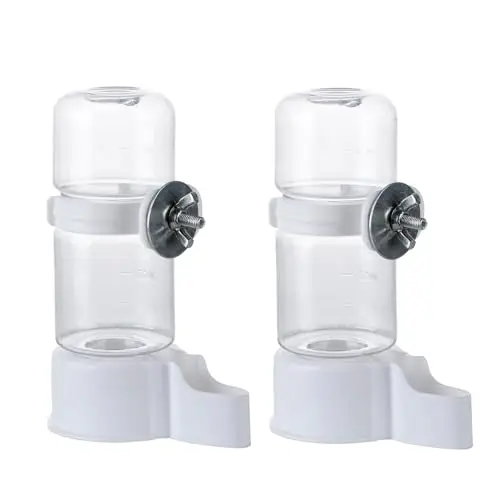 |
Automatic Bird Feeder and Water Dispenser, 2PCS Cage Accessories (White 140ml) | 4 | 97 | $13.17 | $0.58 | Combo food and water, easy access cap, spill resistant, cage mount |
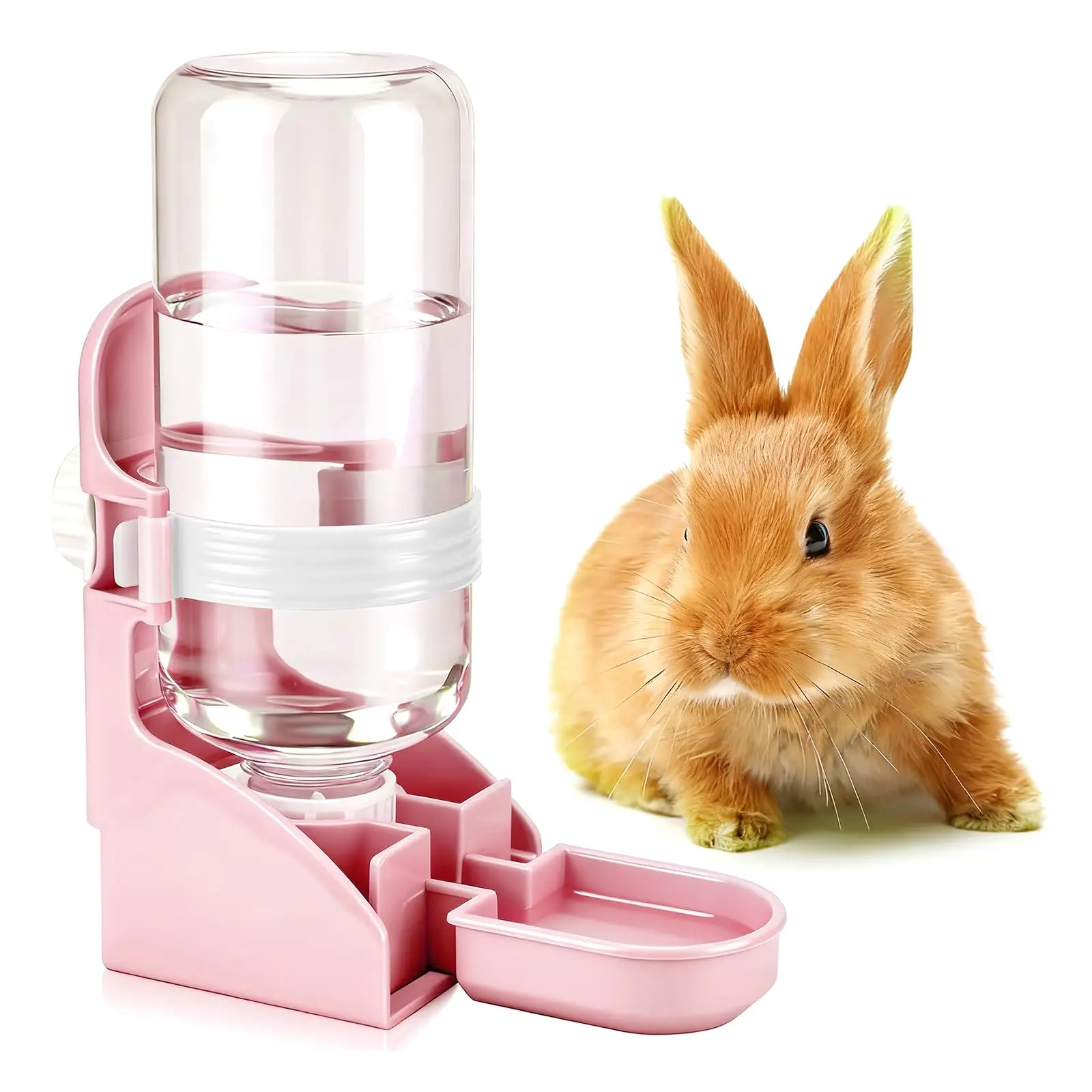 |
Rypet Rabbit Water Bottle No Drip - 17oz Hanging Fountain Feeder (Pink) | 4.1 | 94 | $13.22 | $2.16 | Leak-proof, cage hang design, suitable for small pets |
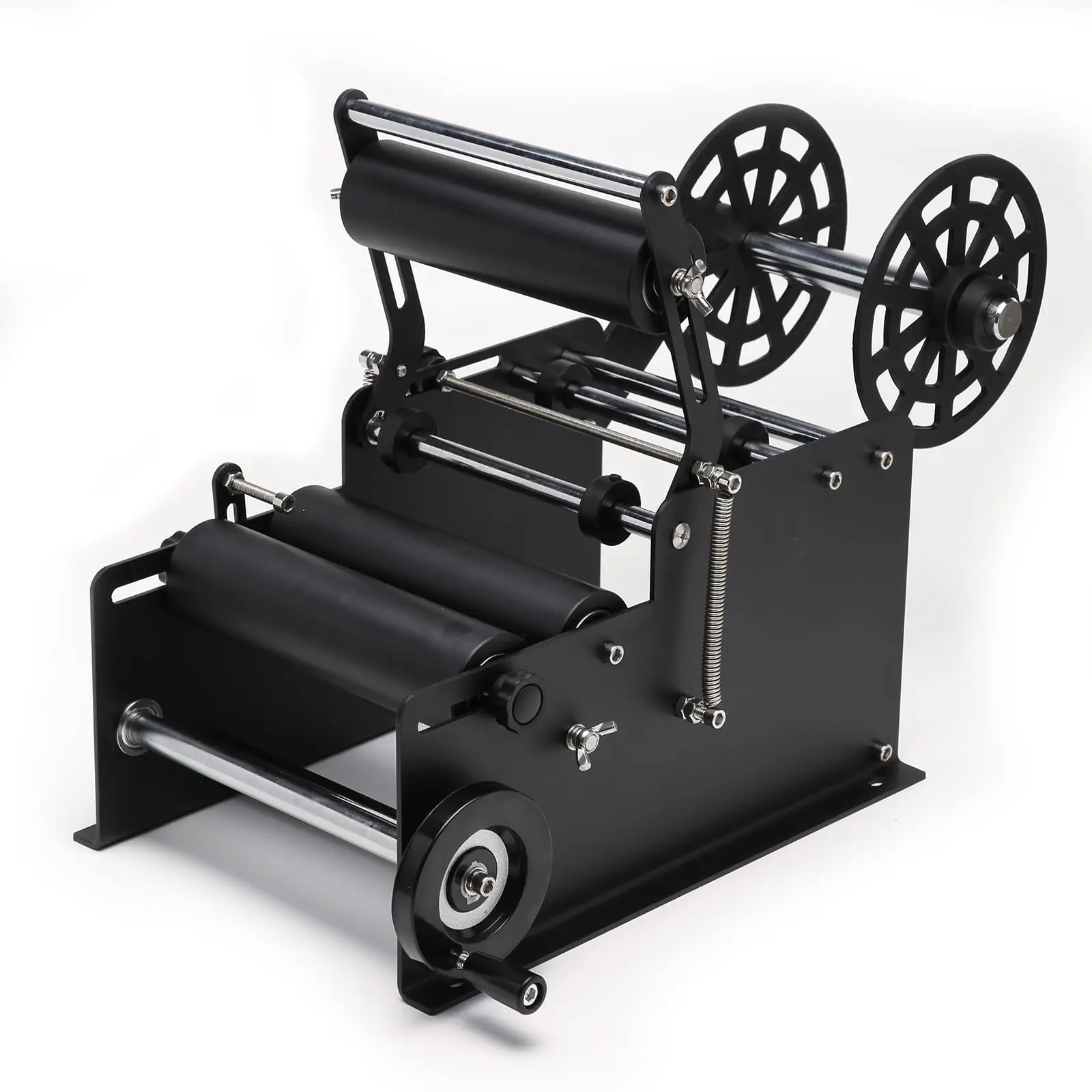 |
Sumeve Manual Bottle Labeling Machine, Bottle Label Applicator (Black) | 4.2 | 53 | $94.98 | $73.0 | Manual rotary labeling, adjustable for round bottles, sturdy build |
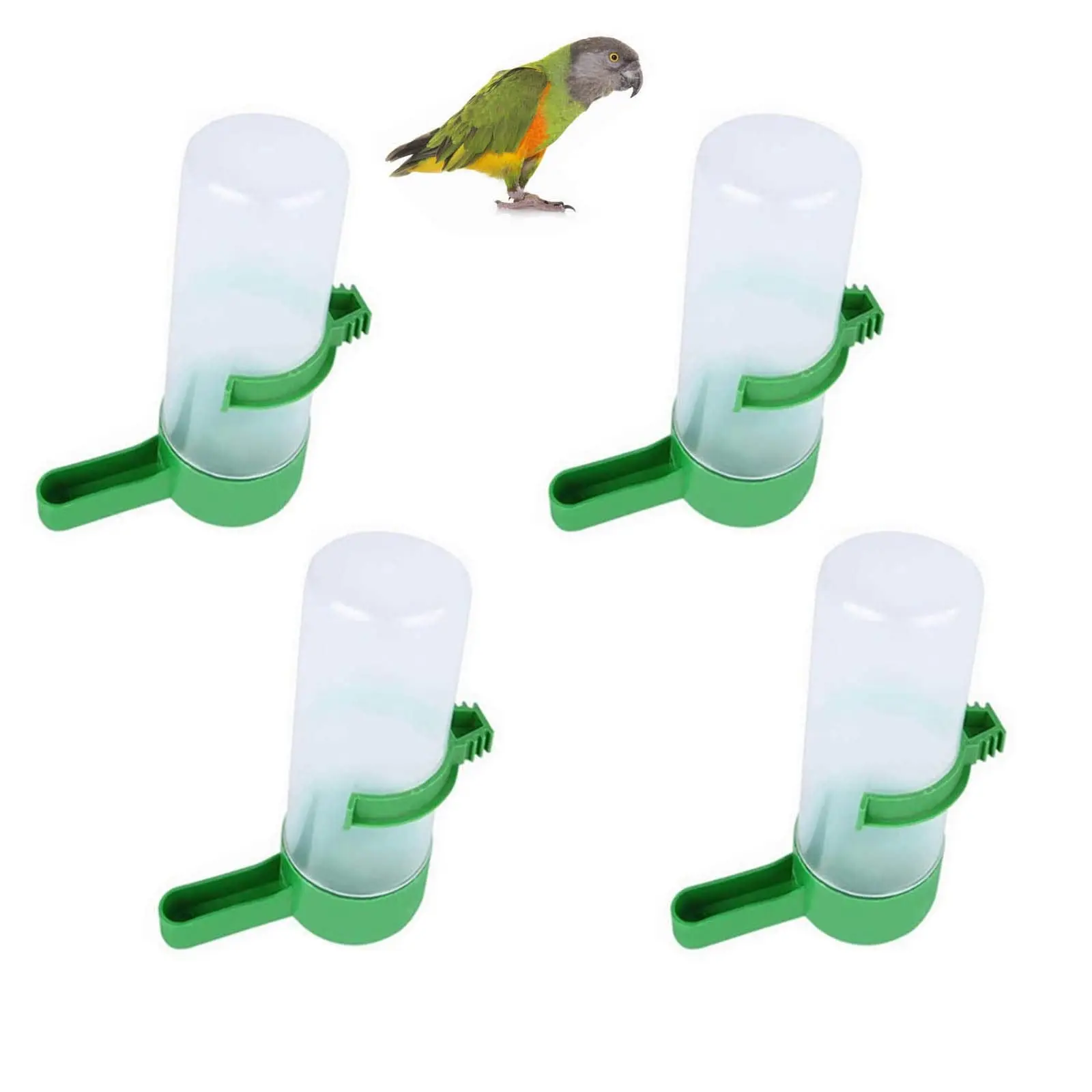 |
Ycnpeatt 4 Pcs Bird Water Dispenser - Automatic Water Bottles for Parrots | 3.5 | 13 | $6.36 | $0.21 | Bulk set, spill control, easy refill mechanism |
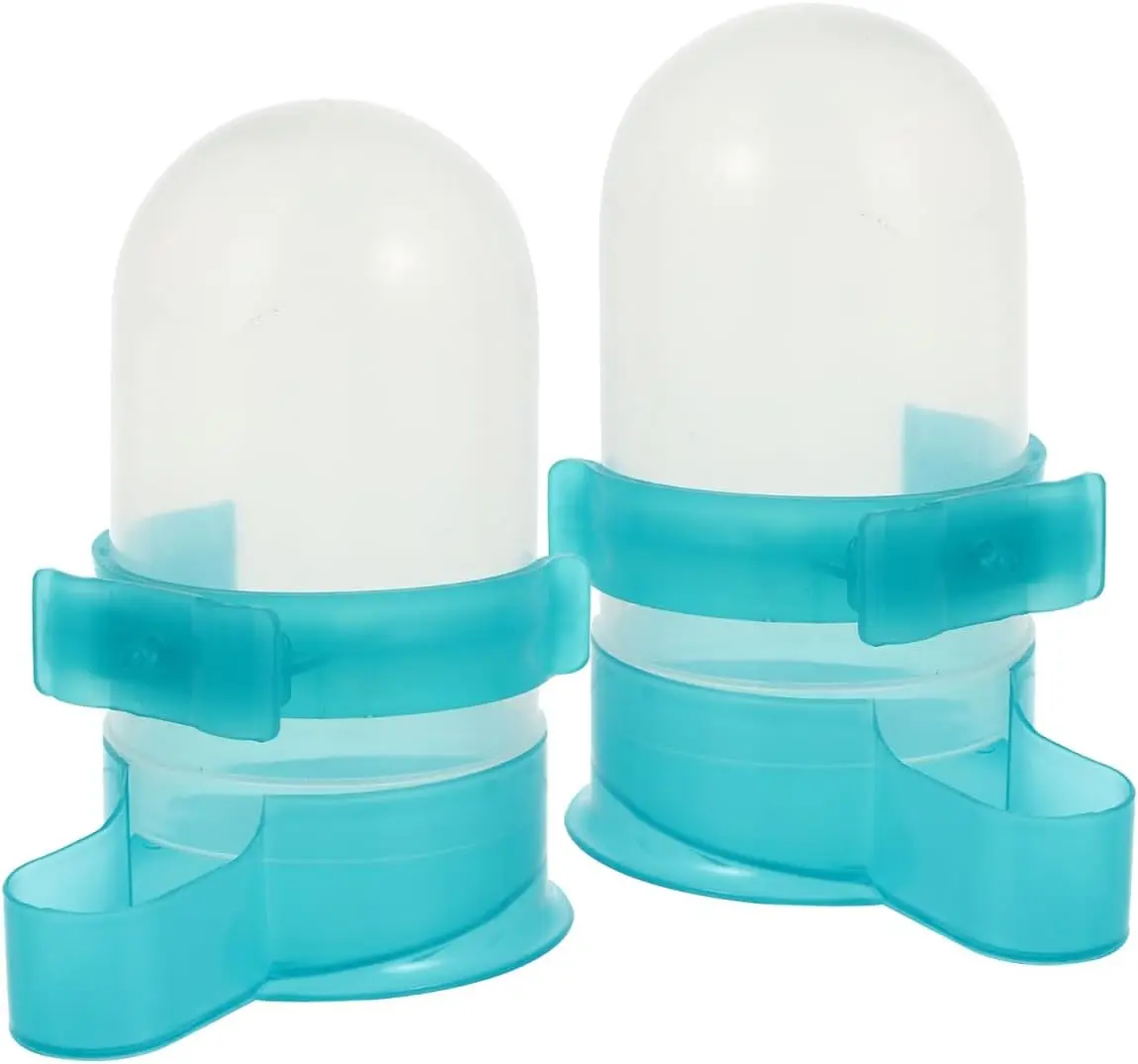 |
Kisangel 2Pcs Automatic Bird Water Feeder, Pigeon Water Drinker | 5 | 7 | $11.79 | $0.72 | Clip-on, compact size, high customer satisfaction |
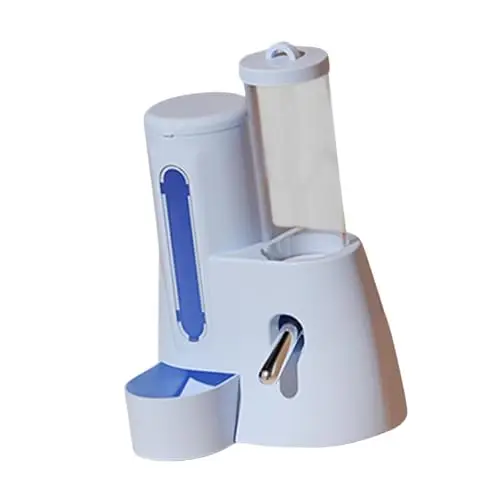 |
Generic Automatic Hamster Feeder with Water Bottle (Blue, 125ml) | 0 | 5 | $14.43 | $1.46 | Anti-slip, feeder combo, easy to position |
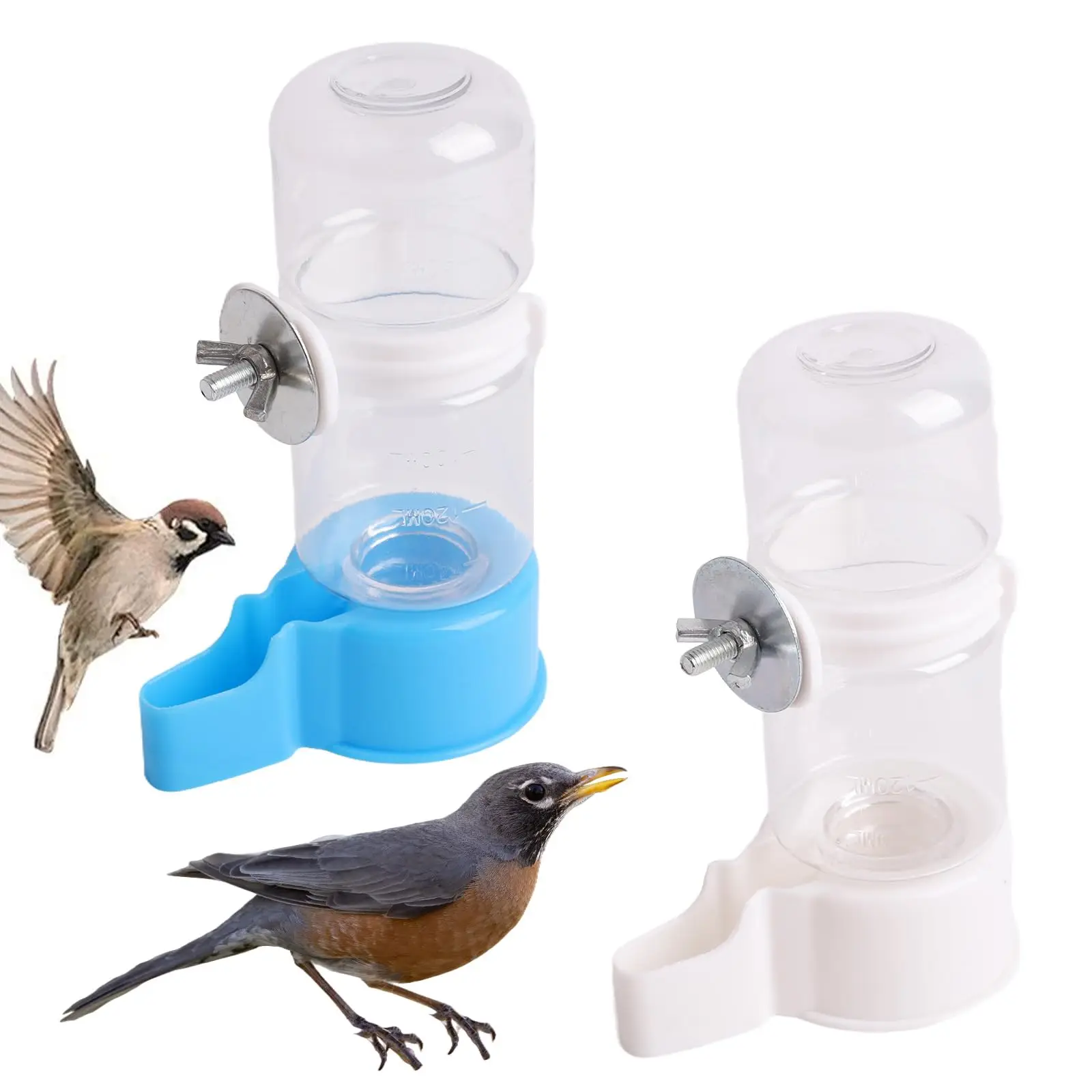 |
Framad 2PCS Parakeet Water Dispenser (4.73 Fl Oz) | 4.6 | 5 | $8.65 | $0.45 | Single-hand refill, clear capacity markings |
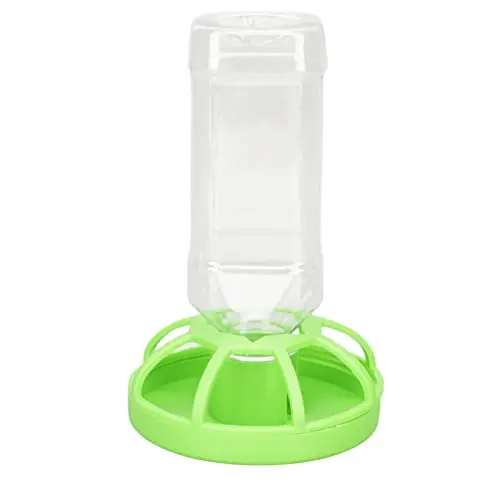 |
Automatic Reptile Water Feeder, Removable Bottle for Turtles and Lizards | 0 | 5 | $10.17 | $0.65 | Removable water bottle, easy cleaning, lightweight design |
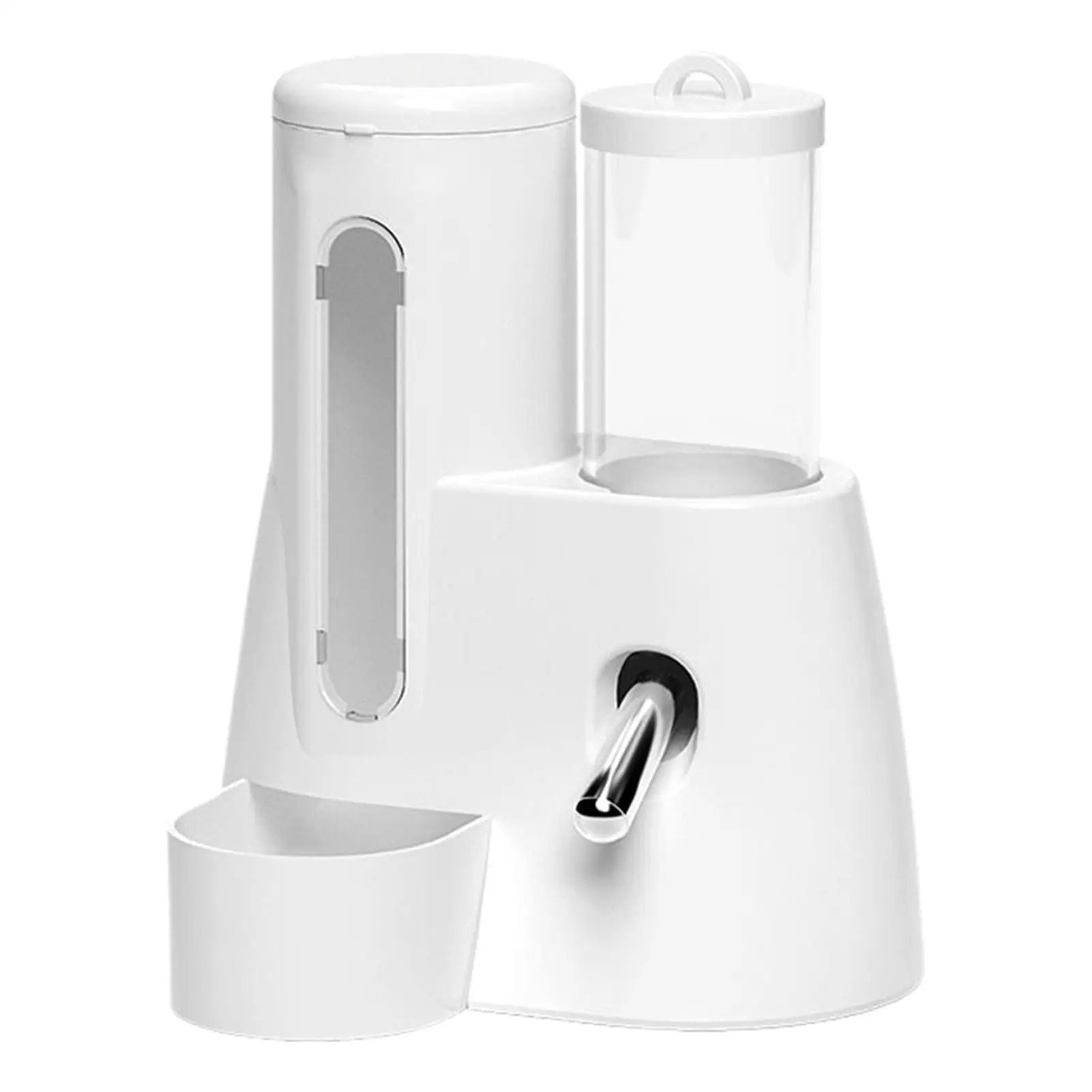 |
Guinea Pig Water Bottle with Stand, Automatic Feeder | 0 | 5 | $8.34 | $1.92 | No drip, large capacity, sturdy stand included |
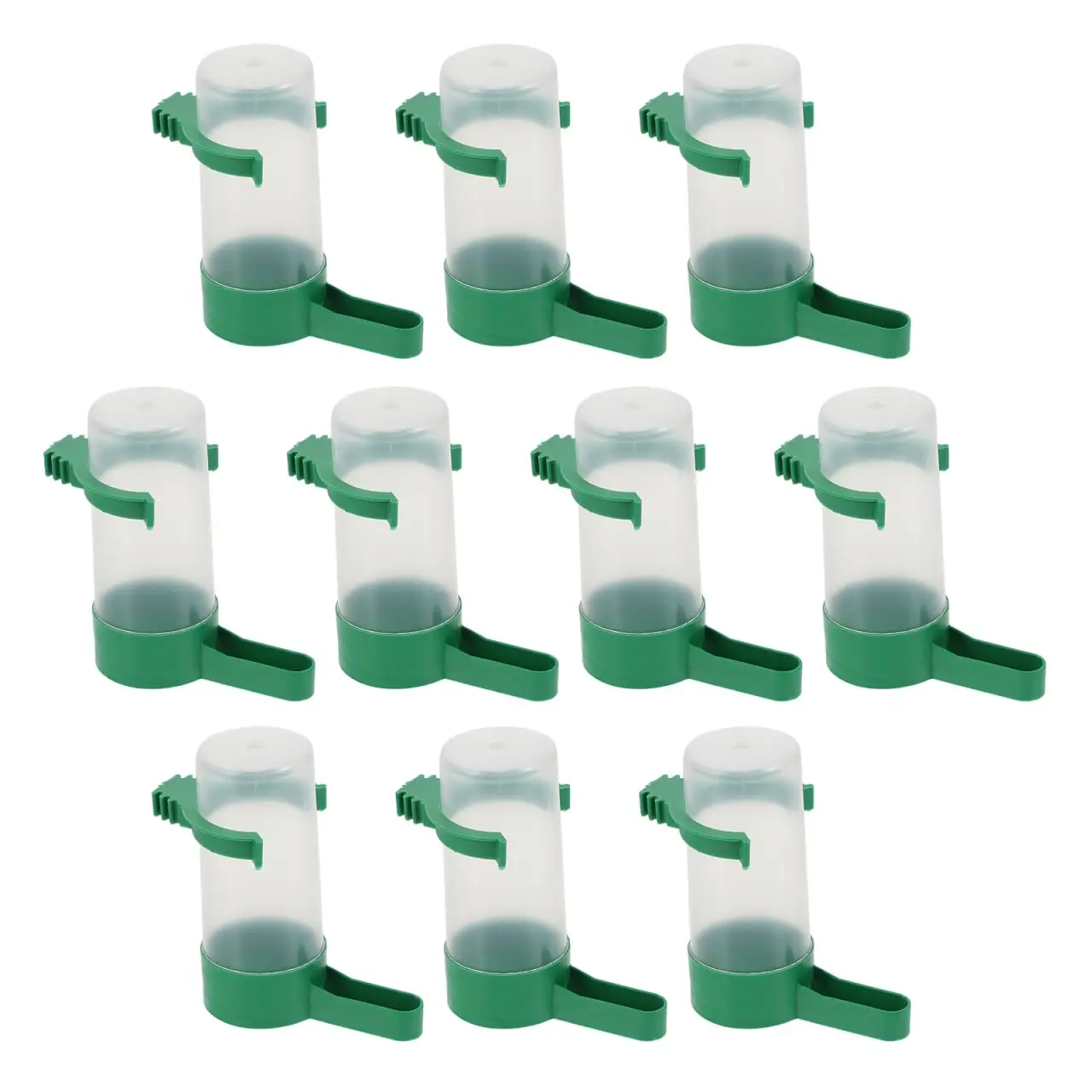 |
NUOBESTY Automatic Bird Water Dispenser, 10pcs for Pigeon/Parrot | 3.6 | 5 | $14.33 | $0.21 | Batch pack, compact form factor, suitable for group settings |
Table data sourced from [1].
Analysis of these bestsellers reveals several insights:
Retail procurement teams should use these micro-trends to inform both product selection and bundled solution offers—especially in high-frequency replenishment or specialized animal care segments.
Sourcing automatic bottle unscramblers is a multifaceted task requiring robust supplier due diligence, clear specification management, and rigorous compliance checks. Given the high stakes involved—ranging from line downtime to potential product recalls—the procurement manager's focus must be on proven reliability, safety systems, and post-sale support.
Evaluating suppliers requires attention to:
Quality control and inspection:
Logistics considerations:
Certification and compliance:
Common pitfalls:
Competitive advantages: Source from suppliers with documented quick-change features, robust reject handling, and digital integration capabilities. Multi-format flexibility is vital—especially for mid-size companies scaling up SKUs or entering new markets. Partner with vendors able to provide both in-person and virtual training, and who offer remote diagnostics, predictive maintenance, and data-driven performance feedback.
The convergence of automation, compliance, and operational agility has made automatic bottle unscramblers a strategic asset rather than a mere process tool for procurement teams in 2026. As market expectations for hygiene, speed, sustainability, and product variety continue to soar, investing in reliable unscrambling technology—whether for industrial packaging lines or consumer-facing solutions—remains critical for competitive survival.
Key learnings from this report:
The next 6–12 months present a window for procurement leaders to reevaluate and modernize their bottle feed automation—potentially leapfrogging competitors with smarter, more resilient supply chains. The market intelligence and actionable guidelines presented here empower you not only to select with confidence, but to drive strategic outcomes across your organization. In an era defined by transformation and complexity, the right unscrambler system is both a shield and a sword—guarding quality and unlocking new business frontiers. Make the move now, and turn automation into strategic advantage.