All categories
Featured selections
Trade Assurance
Buyer Central
Help Center
Get the app
Become a supplier

2026 Bestseller Report: The Resurgence of Arab Flatware and Tableware Trends

Arab Flatware in 2026: Luxury, Culture, and the New Hospitality Standard

As we step into 2026, the world of luxury homeware and the dining experience across the Middle East and beyond is witnessing an undeniable renaissance. Far from being simple utensils, Arab flatware now embodies cultural stories, hospitality rituals, and the spirit of contemporary sophistication. This transformation is not limited to the region — cross-border e-commerce and international buyers are eager to tap into the “authentic luxury” narrative that Arab tableware brings [3][5]. The surge in demand is driven by several intersecting factors. With rising disposable incomes, a booming hospitality industry (especially in Gulf states), and a growing appreciation for artisanal heritage, both households and commercial venues seek table settings that blend tradition and modern opulence [3]. Cultural events like Ramadan, Eid, international expos, and weddings further amplify seasonal spikes in purchasing, as hosts and professionals use tableware to narrate identity and generosity [2]. Meanwhile, the influence of global lifestyle media, design influencers, and social platforms creates new waves of consumer awareness and aspiration — making Arab flatware a must-have for anyone aiming to impress, celebrate, or connect through hospitality. Simultaneously, sustainability and authenticity are taking center stage, with ceramic and artisanal metals challenging mass-produced steel. As a result, buyers in 2026 are discerning — seeking not just durability but craftsmanship, eco-friendliness, and meaningful design elements (such as arabesque patterns or engraved calligraphy) [5]. International trade dynamics also play a role. With tariffs shifting and supply chains maturing post-pandemic, both price and provenance are influencing purchasing strategies for bulk procurement. The convergence of heritage and technology marks Arab flatware as one of the hottest categories in B2B sourcing this year — fueled by both tradition and innovation.

Defining Arab Flatware: History, Materials, and Classification

At its core, Arab flatware refers to the forks, knives, spoons, and associated table pieces distinct to the Middle Eastern culinary tradition and aesthetic. While the universal function remains — enabling communal eating and table service — the distinguishing features reside in design, material, ornamentation, and symbolic meaning [9][4]. Historical origins trace back to the intricate metalwork and ceramic artistry of the Islamic Golden Age, especially in notable centers like Samarkand, Cairo, and Fez. During the 10th century, tableware became an expressive art form, with pieces like the *Plate with Arabic Inscription* (Samanid era, ca. 975-1000) representing the harmonious blend of functionality and visual poetry [7]. Arab flatware is often classified according to several criteria:

  • Material: The most prominent types include 24-karat gold-plated stainless steel, 925 silver, engraved copper, hand-glazed ceramics, and more recently, high-grade commercial steel (18/10 or 18/0).
  • Design Motifs: Central to Arab flatware are arabesque patterns — interlacing curves, foliage, and abstract geometric forms inspired by ancient Islamic art. These decorations may also include calligraphy or stylized floral engravings [8][9].
  • Cultural Function: Flatware for tea ceremonies, coffee service (e.g., cezve or ibrik pots), formal family gatherings, or hospitality-driven rituals. Moroccan tea sets, Turkish coffee makers, and engraved serving trays remain iconic elements [6].
  • Manufacturing Method: Handcrafted artisan pieces versus industrial production, often dictating price and perceived prestige.
  • Usage Context: Hospitality sector (hotels, restaurants), household settings, gifting, ceremonial occasions, and collectors’ markets.

Community Insights: Social Media Dialogues and Consumer Sentiment

In today’s digitally connected marketplace, consumer conversations and user-generated content substantially shape perceptions around Arab flatware. On leading social platforms, a few influential themes emerge from hundreds of candid discussions and real-world recommendations:

  • Durability and Material Quality: Buyers express divided confidence in modern stainless steel sets. While many appreciate the affordable durability of 18/10 steel, others lament recurring issues of rust, pitting, and disappointing finishes compared to legacy sets from previous decades [12][14][15]. The sentiment is often framed as “you can’t beat the classics” — with older Oneida, Liberty Tabletop, and Gourmet Settings praised for their resistance to wear and dishwashing cycles, whereas newer brands (even those touting premium steel) sometimes falter in quality assurance.
  • Artisan and Heritage Appeal: Consumers increasingly seek 'meaningful' flatware — not just utensils, but conversation pieces. Artisan brands and handcrafted patterns (like arabesques or engraved tribal motifs) receive enthusiastic endorsement, especially among those looking to reflect their family’s culture or host authentic, memorable occasions [2][6].
  • Price vs. Value: Discussions repeatedly highlight the trade-offs between cost, appearance, and longevity. Some debate the merits of spending $200+ on high-end sets (Fortessa, Alessi, Robert Welch) versus opting for sturdy everyday options from IKEA, Costco, or local antique stores. “If it’s trendy now, it may not last” is a common caution, favoring simple, timeless designs over colored coatings or gimmicky features [13].
  • Shopping Strategies: Estate sales and vintage hunting are frequent recommendations for securing quality flatware, especially for unique Arab silver sets or rare, discontinued patterns. Buyers suggest mixing and matching with thrift finds or international imports to complete personal collections [16].
  • Supplier Provenance and Trust: Transparency about manufacturing origins matters. While European brands are admired, comments urge buyers to scrutinize “designed in” vs. “manufactured in” claims — a lesson buyers of Arab-inspired flatware should heed to avoid misrepresentation or disappointment [19].

Regional Market Trends and the Rise of Arab Flatware in 2026

The Middle Eastern and North African (MENA) markets continue to serve as bellwethers for global tableware trends. In 2026, several key developments stand out:

  • Gold-Plated Flatware: Opulence is in. Gold cutlery sets are no longer reserved for ceremonial banquets—they’re increasingly seen on everyday tables, reflecting wealth, status, and the social importance of beautiful dining [3]. Regional sales of 24-karat gold-plated stainless steel have surged by nearly 28% YoY in the GCC zones, with design diversity ranging from ornate classics to sleek, understated modernity.
  • Ceramic Tableware: The hospitality industry’s passion for ceramics is rewriting the rules. Hand-glazed stoneware with Islamic patterns is now the top choice for boutique hotels and resorts, merging authenticity with commercial durability [5]. Ceramics offer eco-friendly appeal and emotional resonance through storytelling glazes, with popular variants including geometric, floral, and calligraphic motifs.
  • Silverware Heritage: Moroccan silverwork remains wildly influential, both domestically and in expatriate communities. Teapots, trays, and traditional censers are integral to hospitality rituals—each piece featuring the engraved artistry that celebrates Berber, Arab, and Andalusian heritage [6].
  • Industrial Stainless Steel: For large-scale commercial procurement and retail, 18/10 and 18/0 stainless steel sets dominate based on their cost efficiency and relative ease of maintenance, despite lingering debates on rust resistance and finish quality [12][15].

Hot Selling Analysis: Top 10 Amazon Arab Flatware and Cookware Ranked by Sales

The top-selling Amazon products provide a snapshot of retail customer preferences, guiding wholesale and B2B buyers toward what truly resonates in 2026. Below, we present the definitive ranking and specification insights for the category’s hottest products, including inline images, retail and wholesale prices, star ratings, and distinctive features.

Image Product Name Specifications Average Rating Monthly Sale Volume Retail Price Wholesale Price Key Features
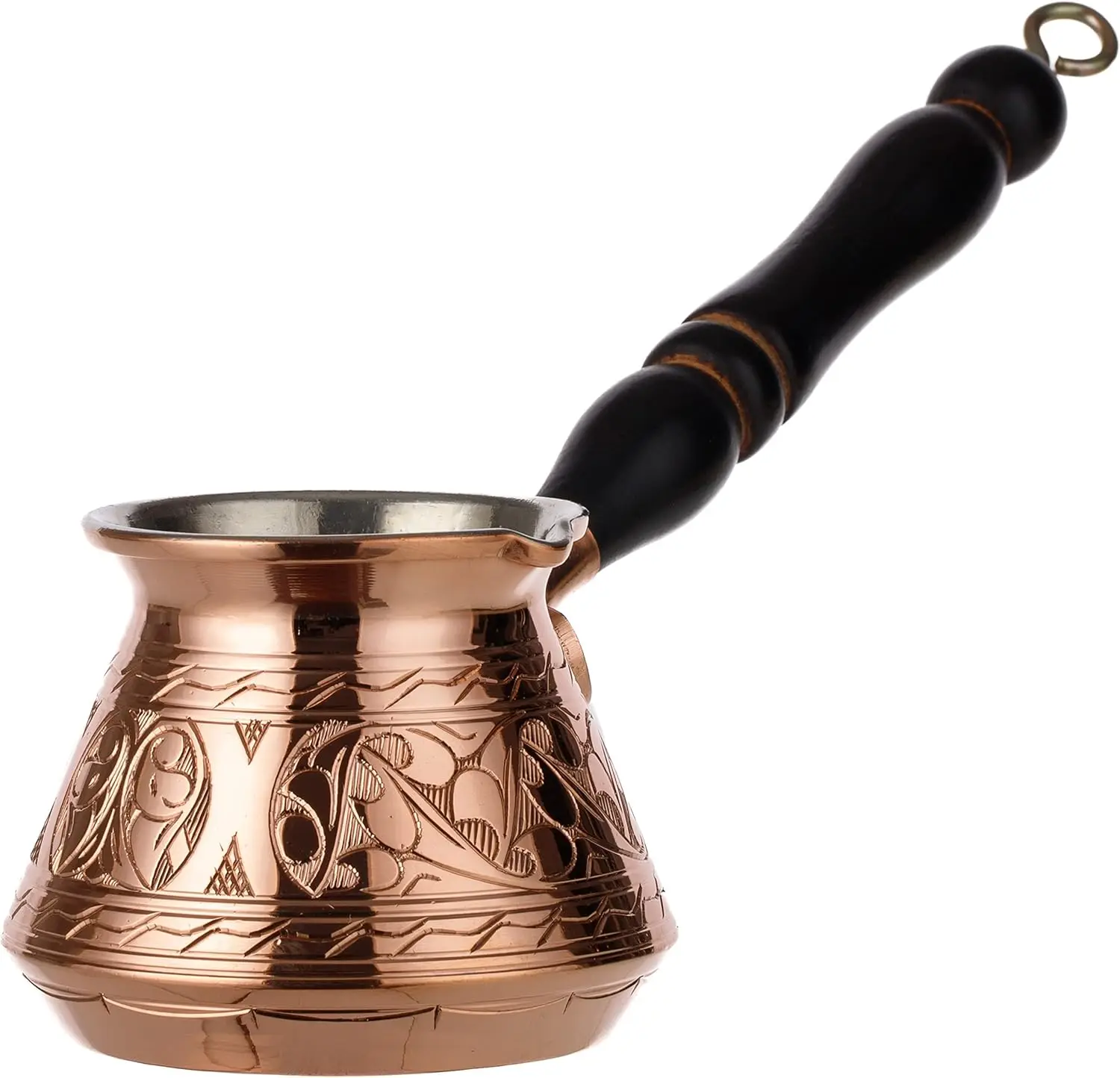
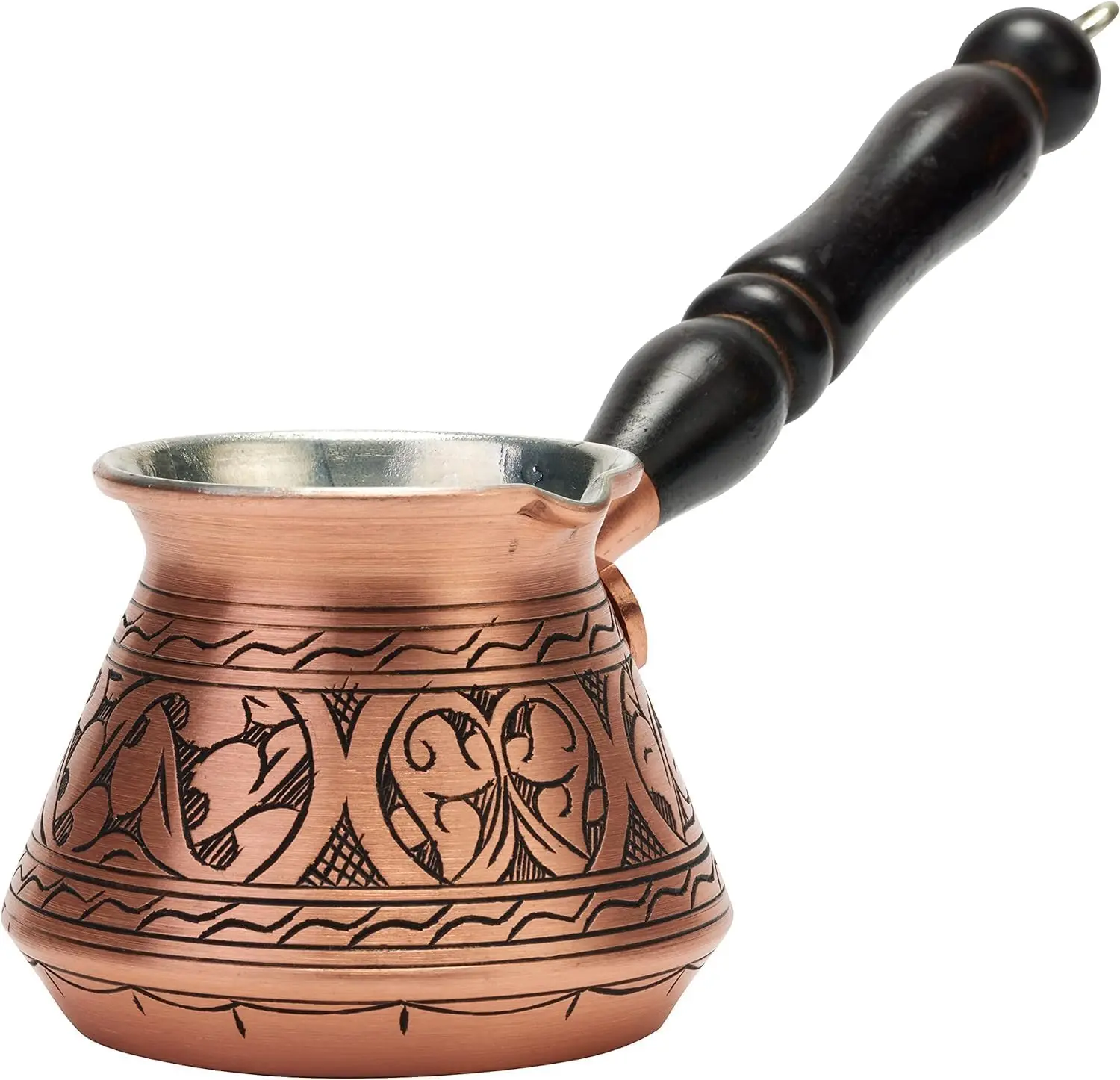
DEMMEX Copper Coffee Pot DEMMEX Thickest Copper Turkish Greek Arabic Coffee Pot Stovetop Coffee Maker, Hand Engraved, Wooden Handle & Spoon 4.7 303 $30.19 $14.42 Traditional design, heavy-gauge copper, symbolic hospitality piece
DEMMEX Copper Coffee Pot Matte DEMMEX Thickest Copper Turkish Greek Arabic Coffee Pot (Matte) Matte Copper, 9 Ounces, Stovetop, Wooden Handle & Spoon 4.7 295 $36.42 $12.49 Ergonomic grip, matte finish, suitable for gifting
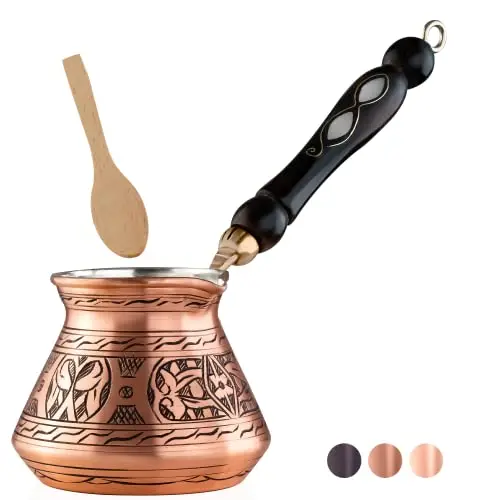
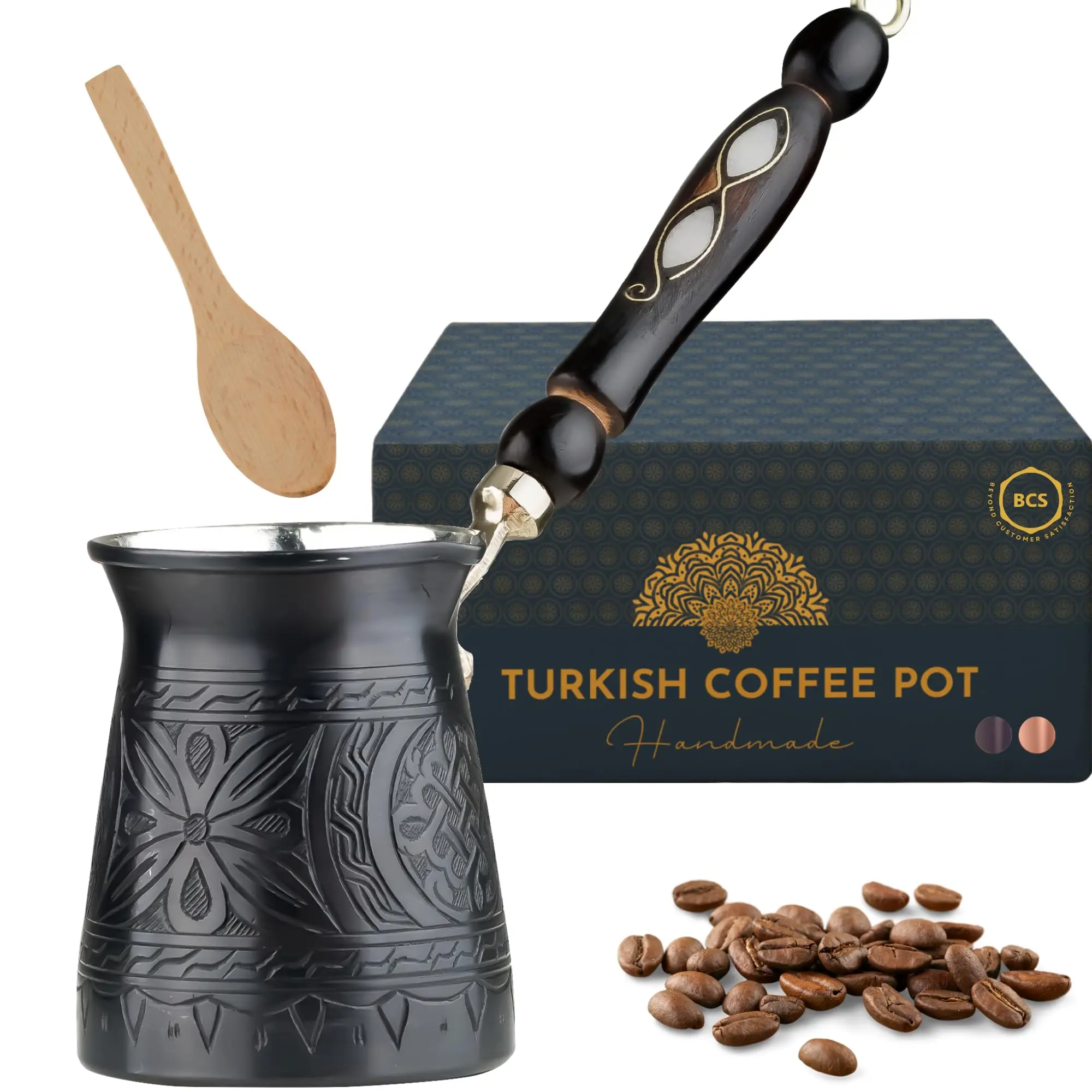
BCS Copper Coffee Pot 12oz BCS 12 Oz Copper Turkish Greek Arabic Coffee Pot 4 servings, Stovetop Coffee Maker, Wooden Handle & Spoon 4.6 268 $40.64 $8.9 Handmade, excellent capacity, traditional appeal
BCS Copper Coffee Pot 4 servings BCS 12 Oz Copper Turkish Greek Arabic Coffee Pot (Wooden Spoon) Stovetop Maker, 4 servings, Wooden Handle & Spoon 4.2 13 $34.22 $6.21 Budget-friendly, hand-engraved
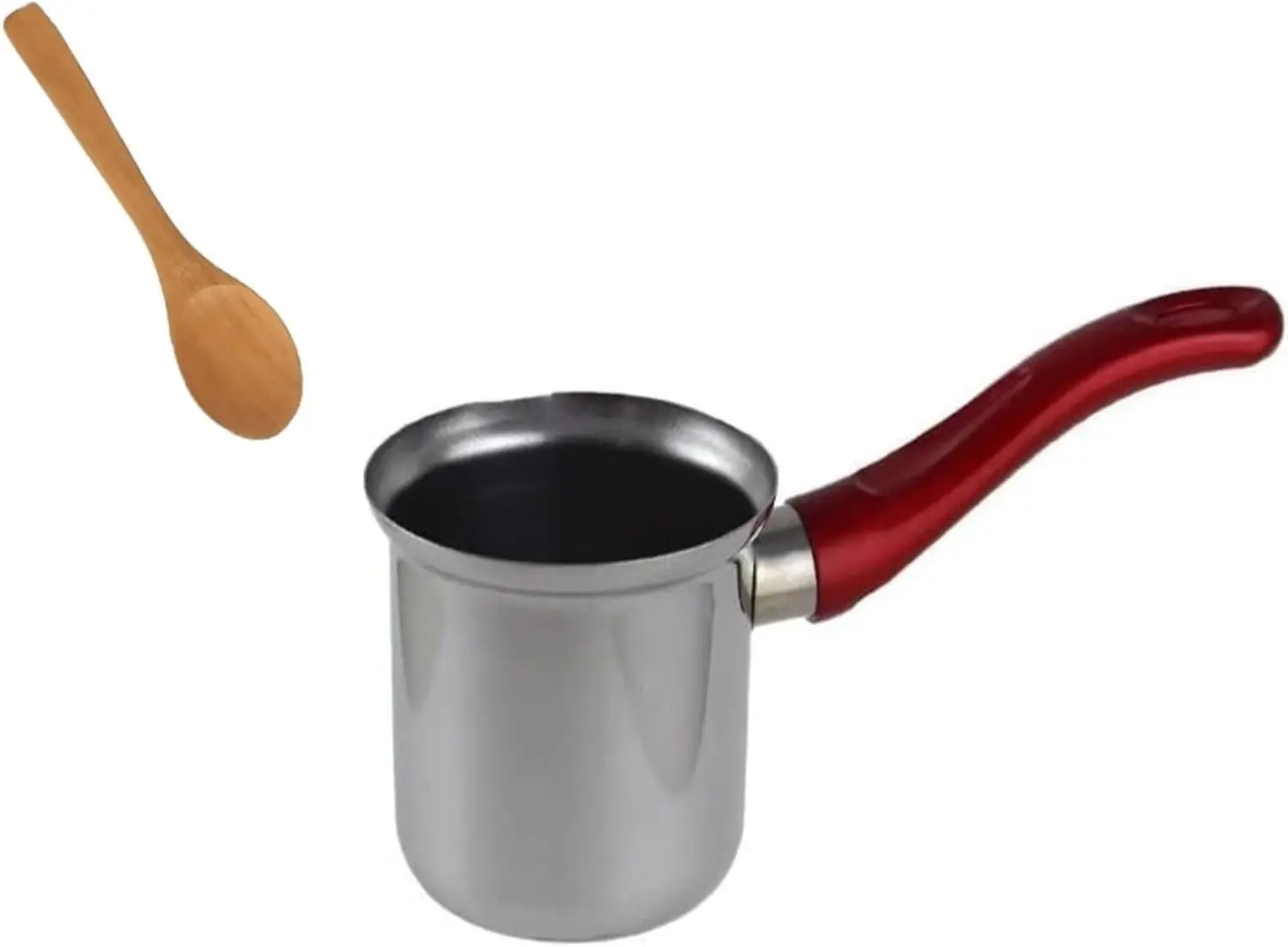
Turkish Coffee Pot Milk Butter Warmer Turkish Coffee Pot, Sauce Maker, Milk Butter Warmer Greek Arabic Coffee Maker, Cezve Briki, Wooden Spoon 3.9 5 $9.77 $1.36 Multi-use, economical, simple presentation

Key observations: - The dominance of copper-based coffee pots and traditional serving utensils continues to reflect the centrality of hospitality and ceremonial coffee/tea rituals in Arab culture. - High monthly sales volumes and solid star ratings (4.7, 4.6) indicate consistent preference for heavier gauge metals, ergonomic designs, and authentic handcrafting. - Retail prices are variable ($9.77 - $40.64), but wholesale prices cater to bulk buyers or resellers, with discounts up to 75% off retail, presenting significant B2B margin opportunities. - Lower-rated products (<4.2 stars) achieve minimal sales, confirming the importance of quality, finishing, and reputation. - Giftability, multitasking functionality (coffee, sauce, butter), and symbolic features (engraving, wood handles) differentiate the most successful items [1].

Table data sourced from [1].

Procurement Intelligence: Sourcing Strategies and Risk Mitigation

Market dynamism in Arab flatware creates both promising opportunities and nuanced risks for international buyers. B2B sourcing professionals should prioritize several best practices and risk assessments:

  • Supplier Evaluation: Favor manufacturers and trading partners with clear certifications — ISO 9001 for quality management, food-safety compliance (e.g., FDA, SGS testing), and documented artisan credentials for handcrafted goods [3]. Assess production capacity to match your anticipated volumes.
  • Material Verification: For metals (silver, copper, steel), require specification sheets that confirm alloy ratios (e.g., 18/10 stainless, copper thickness), country of origin, and coating methods. For ceramics, insist on lead-free, chip-resistant certifications [5].
  • Quality Control and Inspection: Mandate pre-shipment sampling, independent inspections for finishing/polishing, and corrosion resistance. Review buyer feedback on rusting, tarnish, and wear in similar product lines [14][15].
  • Design and IP Compliance: For items featuring arabesques, calligraphy, or heritage patterns, confirm originality and licensing if applicable. Copycatting is rampant in tableware [14], so confirm the rights to reproduce distinctive motifs for your market.
  • Logistics and Packaging: Plan for secure, moisture-controlled shipping. Bulk ceramic or engraved metalware requires impact-resistant packaging, moisture barriers, and clear labeling for customs clearance. Lead times vary widely — 2 to 8 weeks depending on region, order volume, and customization.
  • Regional Certifications: Certain Middle Eastern markets may mandate halal certifications, country-specific safety stamps, or compliance with trade documentation standards. Verify before customs submission [3].
  • Competitive Advantages: Sourcing Arab flatware effectively positions your catalogue for cross-border luxury, gifting, and hospitality fulfillment. Leveraging artisan provenance and ceremonial value (e.g., Moroccan silver or Turkish copper) can generate premium pricing over standard retail steel.
  • Pitfalls to Avoid: Don’t be tempted by superficially low-priced goods without warranty, robust testing, or production history. Buyer complaints about rusting, pitting, and inconsistent finishes are well documented in recent consumer forums [15]. Evaluate supplier transparency and reject ambiguous “designed in” claims without proof of actual manufacturing location [19].

Conclusion & Strategic Recommendations for Buyers

Arab flatware has ascended to the forefront of luxury tableware trends in 2026, propelled by heritage artistry, expanding hospitality sectors, and surging cross-border e-commerce. The intersection of authenticity, craftsmanship, and commercial scaling offers buyers a uniquely positioned opportunity. Top-selling Amazon copper coffee pots and engraved utensils demonstrate consumer appreciation for storytelling, ceremonial value, and tactile quality. Meanwhile, market segmentation favors gold-plated, ceramic, and silver sets for both everyday use and ceremonial gifting. Forward-looking buyers should:

  • Prioritize partners with proven artisan credentials or certified mass production facilities, validated by third-party testing.
  • Leverage the emotional and cultural stories embedded in Arab design — arabesques, calligraphy, and ceremonial motifs — to justify premium pricing and enhance market appeal.
  • Double-check material specifications and origin documentation to ensure product integrity and compliance for all destinations.
  • Target marketing around seasonal and cultural events to maximize sales windows — Ramadan, Eid, weddings, and international expos.
  • Optimize logistics and packaging for fragile, ornate goods, planning lead times that factor in customization and heightened demand.
Arab flatware

Notice