
All categories
Featured selections
Trade Assurance
Buyer Central
Help Center
Get the app
Become a supplier
In 2026, the world continues to face an unprecedented surge in power reliability challenges and digital transformation pressures. High-profile outages in Asia, North America, and parts of Africa have made power continuity not just a necessity for enterprises, but also a critical concern for remote professionals and home-based data users. With expanding investments in artificial intelligence, cloud computing, and remote working clusters, the role of Uninterruptible Power Supplies (UPS), especially recognized brands like APC, has come sharply into focus.
Seasonal factors—ranging from climatic extremes to the annual upscaling of power demands in summer and winter—are also driving sales. The cultural shift toward always-on digital infrastructure, ongoing electrification of homes, and heightened sensitivity around lost productivity make it clear: having a reliable UPS is no longer a luxury, but an operational must-have for 2026. Notably, the proliferation of high-wattage consumer electronics, gaming setups, and IoT appliances is raising the bar for both capacity and quality standards.
Within this urgent context, the APC UPS continues to dominate retail and professional markets with widespread trust and advanced features such as cloud-based management [2]. While competition intensifies and new battery technologies mature, APC’s established innovation cycle and global support infrastructure remain decisive factors for procurement leaders worldwide.
A UPS (Uninterruptible Power Supply) is an electronic device designed to provide backup power during voltage drops or full blackouts, preventing data loss and protecting sensitive equipment from damage. APC (American Power Conversion), a Schneider Electric brand, has set the industry benchmark for UPS solutions since the 1980s—delivering reliability for enterprise servers, network hardware, and home users alike [3].
Historically, APC spearheaded technological advances including automatic voltage regulation (AVR), pure sine wave output for sensitive electronics, and advanced LCD displays for status and diagnostics. Recent years have seen a transformative shift toward smarter devices, notably through APC Smart-UPS with SmartConnect—offering secure web-based monitoring, lifecycle alerts, and cloud-enabled firmware upgrades [2]. The rise of LiFePO4 batteries in certain models, replacing more failure-prone SLA batteries, signals longer lifecycles and stronger environmental performance.
Key classification criteria for buyers include:
Highly engaged technical communities have shaped the debate around UPS selection, reliability, and post-sale satisfaction. Drawing from thousands of buyer stories, technical reviews, upgrade tips, and cautionary tales shared across leading discussion forums, several clear sentiment trends have emerged:
Buying Risks and Seller Trust: Many users emphasize the importance of scrutinizing Amazon and local sellers for warranty support and genuine product authenticity. Large-scale buyers often recommend video documentation from the point of delivery to setup, protecting against potential disputes related to defective units or replacement refusals [5].
Technical Debates: The choice between pure sine wave and modified sine wave UPS is central. Modified sine models may cause unpredictable failures with power supplies having active PFC (power factor correction). Several users reported device failures—and even explosions—when running sensitive equipment on budget modified sine UPS models [9]. Communities strongly advocate for pure sine wave UPS for high-performance computing and audio setups, despite the price premium.
Battery Concerns and Upgrades: Standard SLA (sealed lead-acid) batteries are critiqued for their short lifespan and high replacement frequency. Savvy users now experiment with LiFePO4 battery conversions—citing advantages in longevity, reliability, and lower weight. However, these upgrades often void manufacturer guarantees, putting risk on the buyer [6][11].
Noise, Odor, and Lifespan Issues: A notable proportion of buyers share complaints about constant chirping noises and occasional buzzing from APC UPS hardware, especially when running on battery mode [10][12]. Reports of sulphurous odors and rapid drops in backup time after repairs highlight common failure modes in legacy battery technologies [14]. Nevertheless, most users accept incidental sound as a trade-off for robust protection, especially in environments with frequent power flux.
Alternatives and Innovations: Professionals in homelab and enterprise contexts increasingly experiment with new power station products (Ecoflow River, Anker), hybrid inverters, and advanced brands such as Eaton, Riello, and ABB for highly specialized needs [7][8][9][13]. Big ticket data center buyers emphasize asset management, remote firmware upgrades, and pro-active notifications—now standard in next-generation APC Smart-UPS with SmartConnect [2].
Key Takeaways for 2026:
Market data gathered from international sources demonstrates the enduring dominance of APC UPS across a spectrum of applications—from home offices to expansive data centers. The segment has shown robust year-on-year growth, especially in emerging markets and regions challenged by unstable power grids. For instance, Kenya’s professional market comparison table illustrates intense demand for small-to-mid-size backup units, with prices and capacities ranging from 650VA to 2000VA and key features such as LCD monitoring, SmartConnect, and AVR at the forefront [4].
Internationally, the category is marked by rising premiumization. Buyer focus is shifting away from lowest upfront cost toward long-term value, battery longevity, total cost of ownership, and enhanced monitoring functionalities. APC’s advanced features—cloud enablement, automated asset registration, firmware optimization—now serve as key purchasing decision drivers [2]. While economic pressures remain, especially in SME procurement, enterprises and pro-sumer buyers are less willing to compromise on safety, product provenance, and lifecycle support.
Retail and wholesale price analysis reveals escalating demand for units supporting >1000VA with universal sockets and smart monitoring, as businesses and home professionals invest to secure operations against increasingly unpredictable power environments. Importantly, the surge in APC product variations (Back-UPS, Smart-UPS, Easy UPS) empowers buyers to match technical requirements to budget caps, with rack mount and tower models both widely available [4].
In high-end markets, especially North America, demand for double-conversion on-line UPS and premium rack solutions is surging, propelled by datacenter growth and increased remote asset management, enabled by services like SmartConnect and EcoStruxure™ Digital Solutions [2].
2026 Hot Selling Analysis: Top 10 Amazon Products Driving Retail UPS Purchases
The following table highlights the latest top 10 best-selling UPS-related products from Amazon, illustrating the preferences of downstream retail buyers. These products—ranging from voltage protectors to portable power stations and APC battery packs—showcase the critical features, pricing dynamics, and buyer sentiments driving UPS sales in 2026 [1].
| Rank | Product | Image | Specifications | Retail Price | Wholesale Price | Avg. Rating | Latest Monthly Sales | Key Features |
|---|---|---|---|---|---|---|---|---|
| 1 | BSEED Surge Protector, 2 Pack | 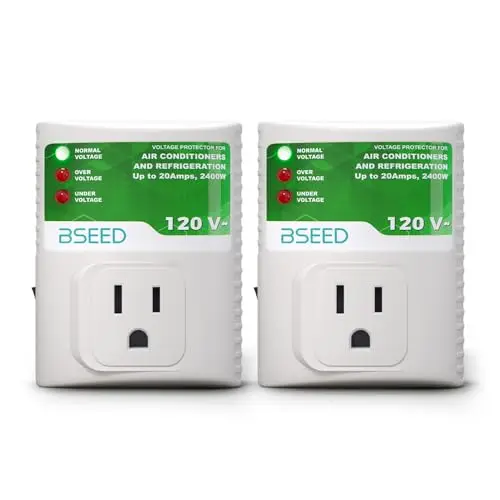 |
120VAC, 20A, 2400W | $22.34 | $3.65 | 4.4 | 317 | Wide appliance compatibility, plug & play protection |
| 2 | BSEED Voltage Protector, 1 Pack | 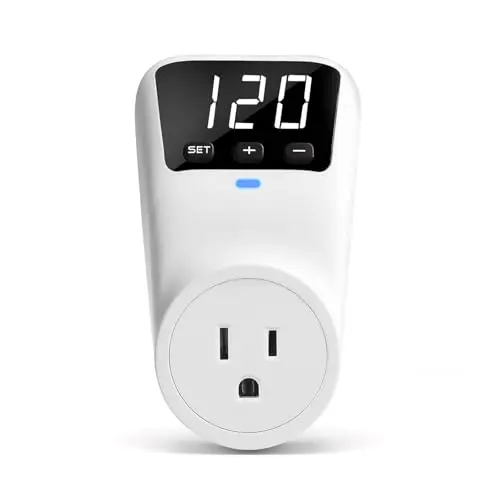 |
1800W, LED display, Adjustable, 15A, 120V | $16.97 | $4.48 | 4.8 | 199 | Digital monitoring, compact form, active protection |
| 3 | QWORK Voltage Protector, 2 Pack | 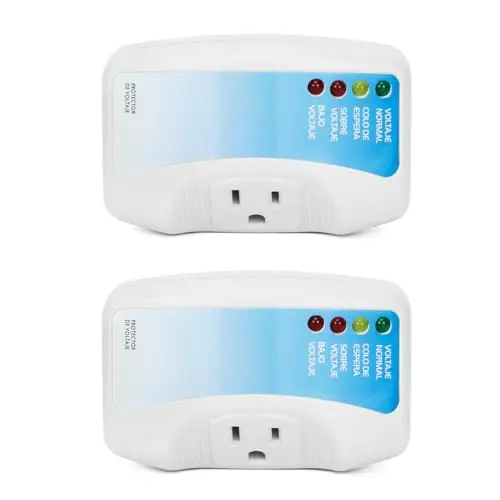 |
120V, 1400W | $17.39 | $8.21 | 4.9 | 197 | High sensitivity, broad equipment coverage |
| 4 | BXST 220V Surge Protector | 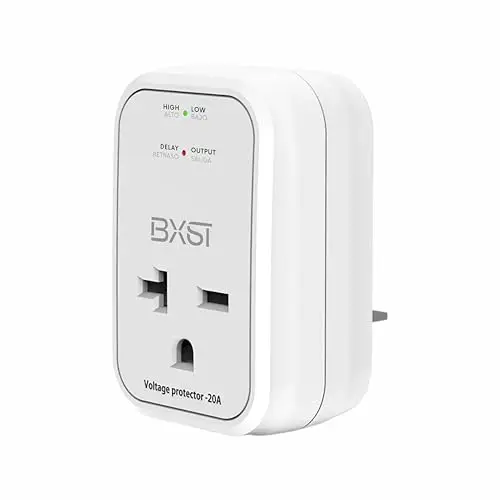 |
220V, 4400W, 20A, White | $13.19 | $3.17 | 4.5 | 160 | Heavy load protection, simple installation |
| 5 | GRECELL Portable Power Station 4000W | 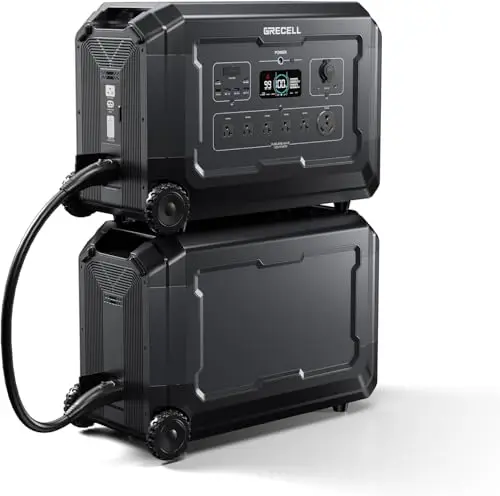 |
5040Wh LiFePO4, 16 outlets, UPS backup | $2999.99 | $1020.89 | 4.5 | 138 | Portable, high capacity, rapid switching time |
| 6 | BXST One Outlet Voltage Protector, 2 Pack | 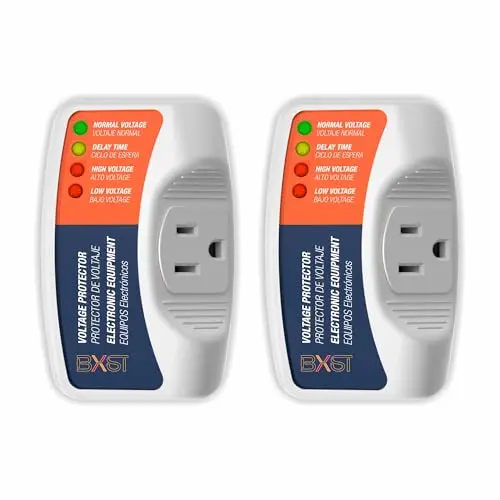 |
120V, 1800W | $24.43 | $2.91 | 4.8 | 109 | Plug-and-play, surge and voltage fluctuation guard |
| 7 | Mighty Max Battery 6V 7Ah SLA Replacement (APC Smart-UPS RT SC250RM1U, 6 Pack) | 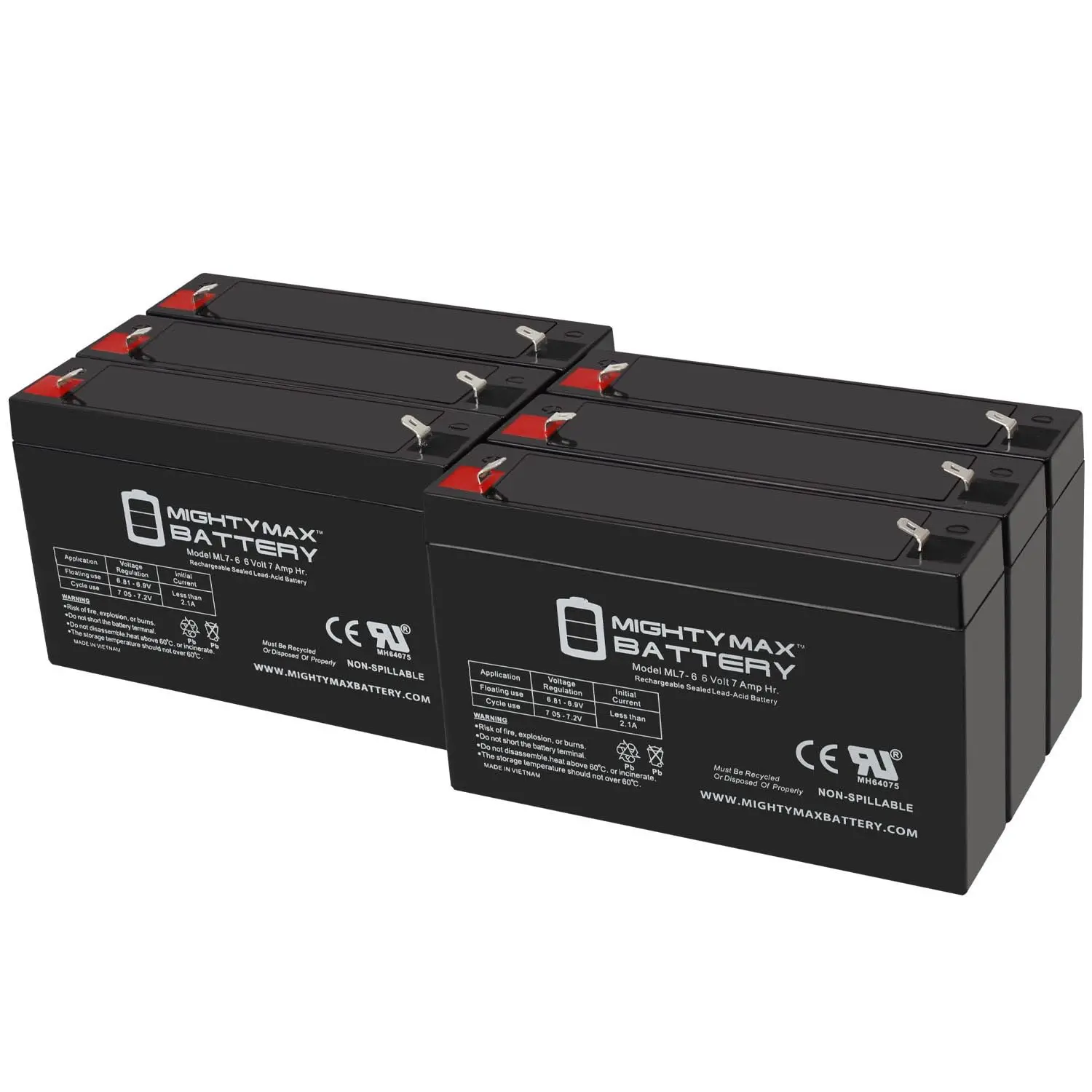 |
6V, 7Ah, SLA | $74.99 | $15.99 | 0 | 5 | Bulk replacement, compatibility with APC units |
| 8 | Mighty Max Battery 12V 9Ah SLA (APC Back-UPS XS1300 LCD, 4 Pack) | 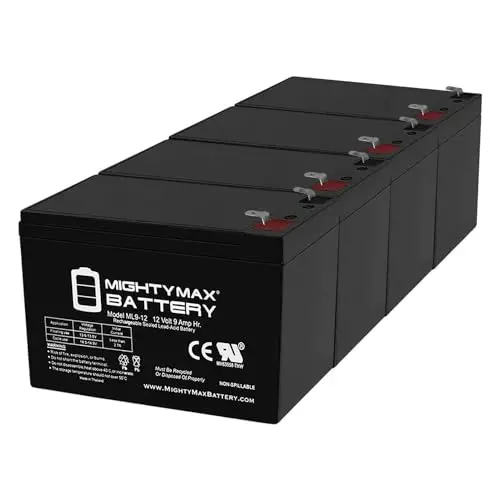 |
12V, 9Ah, SLA | $83.99 | $50.99 | 0 | 5 | Bulk battery pack, high-capacity replacement |
| 9 | Mighty Max Battery 12V 7Ah F2 (APC Back-UPS XS 1300VA BX1300LCD, 2 Pack) | 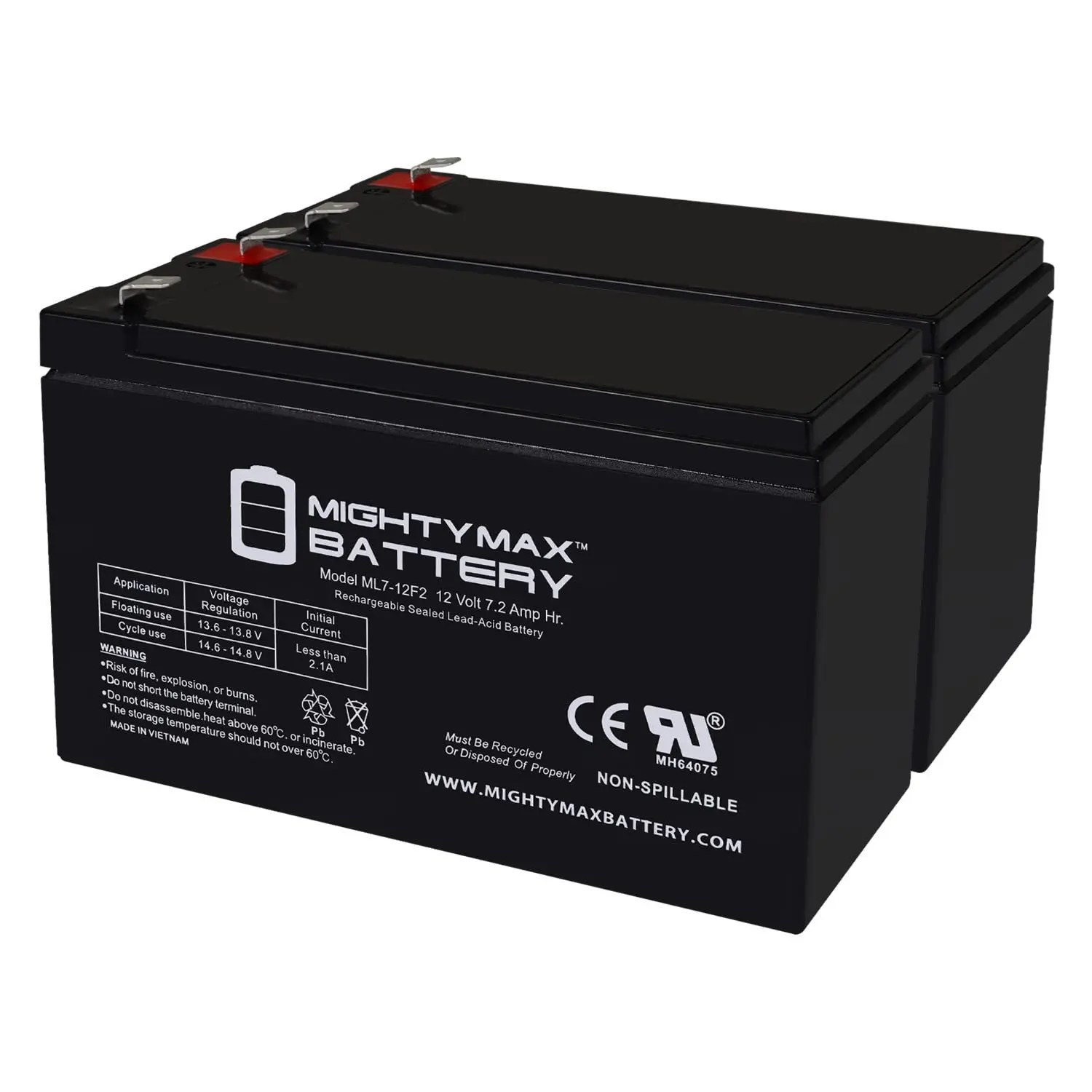 |
12V, 7Ah, F2 type | $37.99 | $15.99 | 0 | 5 | Specifically engineered pack for APC units |
| 10 | Mighty Max Battery 12V 7Ah F2 (APC BackUPS 1300 RS1300, 2 Pack) |  |
12V, 7Ah, F2 | $37.99 | $15.99 | 5 | 5 | Universal APC fit, value-focused |
Table data sourced from [1].
Actionable insight: The top sellers overwhelmingly favor easy-install surge and voltage protectors, reflecting strong retail emphasis on plug-and-play solutions alongside replacement battery packs for legacy APC devices. The top-rated unit (QWORK) scores high for both sensitivity and reliability, suggesting strong user demand for protection against frequent voltage swings. Meanwhile, the popularity of portable power stations (such as GRECELL, with 4000W output and LiFePO4 battery) demonstrates a clear move toward future-proof, extended backup time solutions—even at premium prices.
Procurement professionals should note that monthly sales volume drops steeply for advanced battery packs, indicating these units serve as maintenance replacements rather than new installations. Wholesale buyers are well-positioned to capture value in bulk surge protection and multi-outlet voltage protection categories.
Amazon Trends Bar Chart: Visualizing Hot Seller Volumes
To complement the above table, the following bar chart provides a visual comparison of monthly sales volumes for each of the top 10 Amazon hot sellers in the power protection segment for 2026. This illustrates not only which product categories are most in demand, but also the dramatic disparity between plug-and-play protection units and replacement battery packs.
Monthly sales volumes for the top 10 APC-related power protection products (Amazon, January 2026).
The bar chart unmistakably shows dominance by surge/voltage protection units (over 100 sales per month each), while battery packs and premium backup solutions serve more as specialized, maintenance-oriented offerings. Retailers should position plug-and-play surge protectors and smart voltage regulators as lead-in products, while targeting enterprise buyers and repair shops for advanced battery packs.
To optimize sourcing in the APC UPS category, procurement teams must address granular criteria spanning supplier quality, logistics, and field risks. The growing sophistication of buyers in 2026 means only consistently reliable, globally certified sources will meet elevated standards.
Supplier Evaluation Criteria:
Quality Control and Inspection:
Logistics Considerations:
Common Pitfalls and Solutions:
Competitive Advantage in Sourcing APC UPS:
The strategic market for APC UPS and related power protection technologies is accelerating as buyers throughout 2026 upgrade defenses against unpredictable outages, infrastructure shocks, and hardened digital demands. Highly rated plug-and-play protectors and Smart-UPS solutions remain the bestseller backbone, proving essential for both consumer and professional users. Social sentiment underscores a nuanced reality: trust in APC runs deep, yet savvy buyers must take precautions—careful seller vetting, technical matching, and lifecycle planning especially for battery management and warranty protection.
In the next 6–12 months, international buyers should:
For procurement professionals navigating the complex power landscape of 2026, confident decision-making comes down to actionable intelligence, strategic sourcing relationships, and sustained monitoring of technological and social market shifts. The insights and benchmarks highlighted in this report empower buyers to secure safe, resilient, and competitively advantaged power protection for the challenges ahead.