
All categories
Featured selections
Trade Assurance
Buyer Central
Help Center
Get the app
Become a supplier
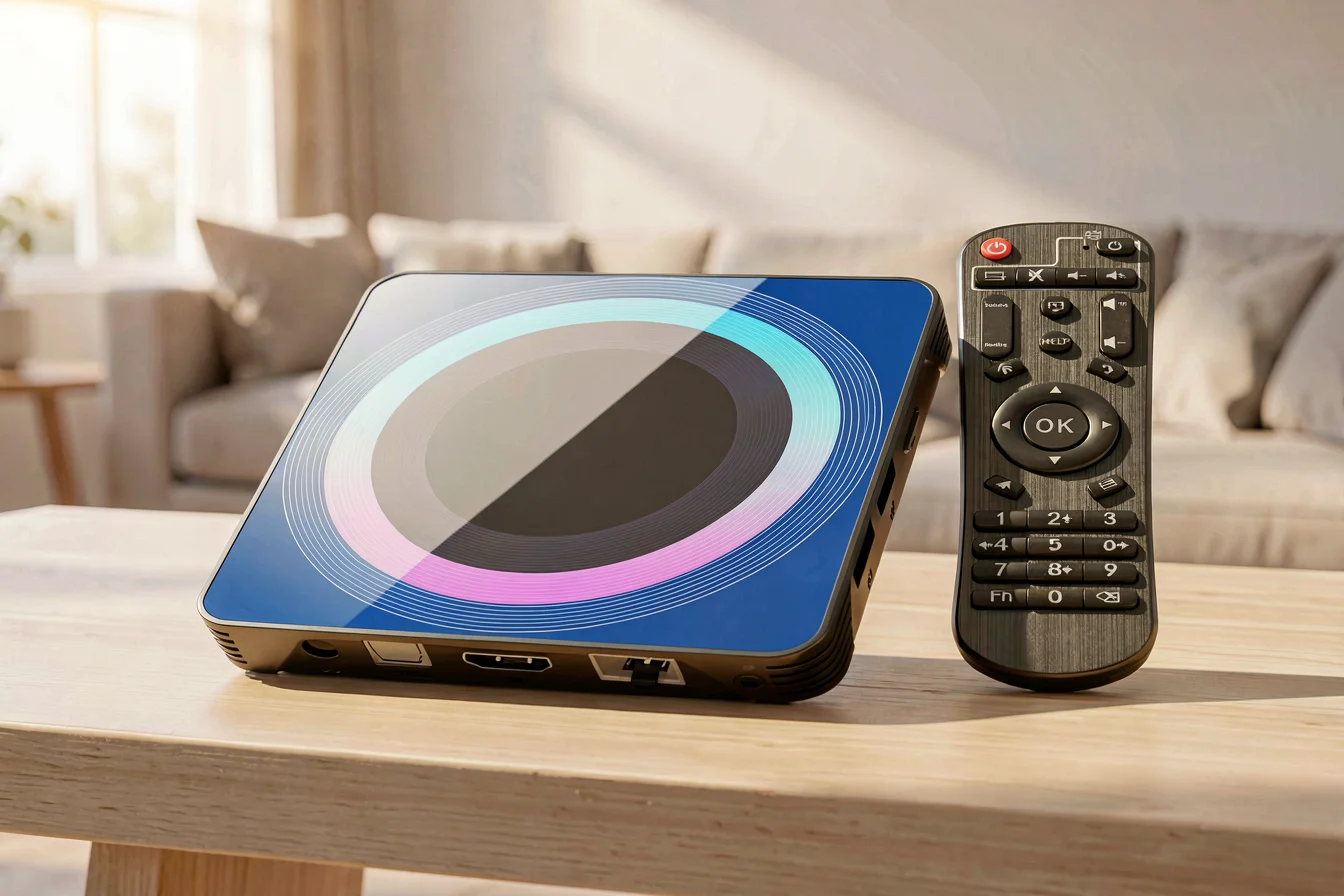
The android TV box xiaomi market in 2026 is robust, with strong buyer momentum for the Mi Box S and Mi TV Stick lines, driven by advanced 4K, Dolby Vision, and Google TV features[1][5][6]. Procurement remains viable for bulk orders, especially for buyers prioritizing audiovisual quality and app flexibility. However, reliability concerns—USB saturation and occasional device bricking—must be factored into sourcing decisions[8][9].
The android TV box xiaomi category is trending due to rapid adoption of Google TV, Dolby Vision, and Wi-Fi 6, which are now standard for premium streaming devices[6][7]. Buyers should focus on product differentiation—especially 4K UHD, HDR10+, and Dolby Atmos support—while weighing recent reports of reliability and USB performance issues. The selection criteria for sourcing include: 1) hardware specifications (CPU, RAM, storage), 2) audiovisual features (HDR, Dolby Vision, Dolby Atmos), 3) connectivity (Wi-Fi 6, HDMI 2.1), and 4) after-sales support (update frequency, warranty). This curated list prioritizes products that balance advanced features with supply chain stability and verified buyer feedback.
| Trend Factor | Current Status | Impact on Buying Decision |
|---|---|---|
| Google TV Integration | Standard in Mi Box S 3rd Gen, Mi TV Stick 4K | Strong buyer preference, supports app flexibility |
| Dolby Vision & Atmos | Widely available in top Xiaomi models | Premium positioning, drives sales |
| Wi-Fi 6 | Standard in new Xiaomi releases | Ensures fast, stable streaming |
| Reliability Concerns | Mixed feedback; USB saturation, device bricking | May affect bulk procurement; requires risk mitigation |
| Supply Chain Stability | Stable for Mi Box S, Mi TV Stick | Supports bulk orders, but monitor for disruptions |
Buyers should prioritize devices with proven reliability, robust audiovisual features, and strong supply chain support to maximize procurement value and minimize sourcing risk.
Market volatility for android TV box xiaomi is low compared to competing Android TV boxes, but macroeconomic factors—such as chip shortages and logistics bottlenecks—impact global supply chains[4]. The main industry drivers are rising consumer demand for 4K UHD, Dolby Vision, and Wi-Fi 6, as well as the proliferation of Google TV as a software standard. Xiaomi’s Mi Box S and Mi TV Stick lines dominate the segment, with supply stability and aggressive feature upgrades. Risks include occasional device bricking and USB performance issues, which are flagged in Reddit and TikTok reviews[8][9]. Macroeconomic risks—currency fluctuations, logistics delays, and regulatory compliance—must be factored into procurement planning.
| Market Dimension | Current Status | Impact Level |
|---|---|---|
| Supply Chain Stability | Stable for Xiaomi, moderate for competitors | High—supports bulk procurement |
| Feature Innovation | Rapid upgrades in Dolby Vision, Wi-Fi 6 | High—drives buyer demand |
| Reliability | Mixed—device bricking, USB saturation | Medium—requires risk mitigation |
| Regulatory Compliance | Standard for Xiaomi, varies for others | Medium—impacts import/export |
| Price Tier | USD 69.99–99.99 for Xiaomi | High—competitive advantage |
Market conditions favor Xiaomi, but buyers must monitor reliability, regulatory compliance, and logistics risks to optimize procurement outcomes.
Global search trend for Xiaomi Android TV Box 4K, Mi Box S, Mi TV Stick (2025–2026)
Search trend analysis shows steady growth for android TV box xiaomi models, with peaks for Mi TV Stick and Mi Box S in late 2025 and early 2026[1]. Notable spikes correspond to product launches and seasonal demand surges. Buyers should time procurement to coincide with these peaks for optimal inventory turnover and price leverage. The trend signals strong buyer momentum, favoring devices with advanced features and reliable supply chains.
Search trend data confirms rising demand for Xiaomi Android TV boxes, with strategic procurement timing recommended for bulk orders during peak periods.
Reddit and TikTok highlight both positive and negative experiences with android TV box xiaomi . Reddit users praise easy setup, picture quality, and app flexibility, especially for Stremio and Dolby Vision support[8]. However, recurring pain points include USB saturation, device bricking, and lag when streaming high-resolution content[9]. TikTok trends focus on unboxing, setup guides, and app customization, with influencers emphasizing the value of Google TV integration and Dolby Atmos. Sentiment is generally positive for casual streaming but mixed for power users who encounter performance bottlenecks. Overall, Xiaomi’s devices are seen as a strong value proposition for mainstream buyers, but reliability concerns persist for heavy-duty use.
"I just want to share my very positive experience with Xiaomi Mi Box S 3rd gen for my specific setup and preferences. The other contenders were Google TV Streamer, Onn TV Box 4k / Thomson 270, Nvidia Shield TV, Amazon Fire TV Stick 4k Max 2nd gen (I know there are others and I researched them, but didn't fit me because reasons). I discarded these devices mainly because of issues with Pass-through for Dolby Atmos TrueHD or with HDR10+." [8]
"Bought new but came as used - Slow performance - Decodifying x265 with VLC being bad - 'Becomes a brick' in a matter of days/weeks/months. Is it normal?" [9]
| Dimension | Reddit Insights | TikTok Insights |
|---|---|---|
| Setup & Picture Quality | Easy setup, excellent picture quality | Unboxing guides, app customization |
| Reliability | Mixed—USB saturation, device bricking | Performance reviews, troubleshooting tips |
| App Support | Strong for Stremio, Google TV, Dolby Vision | App customization, streaming tips |
| Price Value | Good for casual buyers, mixed for power users | Value comparisons, influencer recommendations |
| Sentiment | Positive for mainstream buyers, mixed for advanced users | Positive for mainstream buyers, mixed for advanced users |
Online communities signal strong mainstream appeal for Xiaomi Android TV boxes, but advanced buyers should monitor reliability and USB performance for bulk procurement.
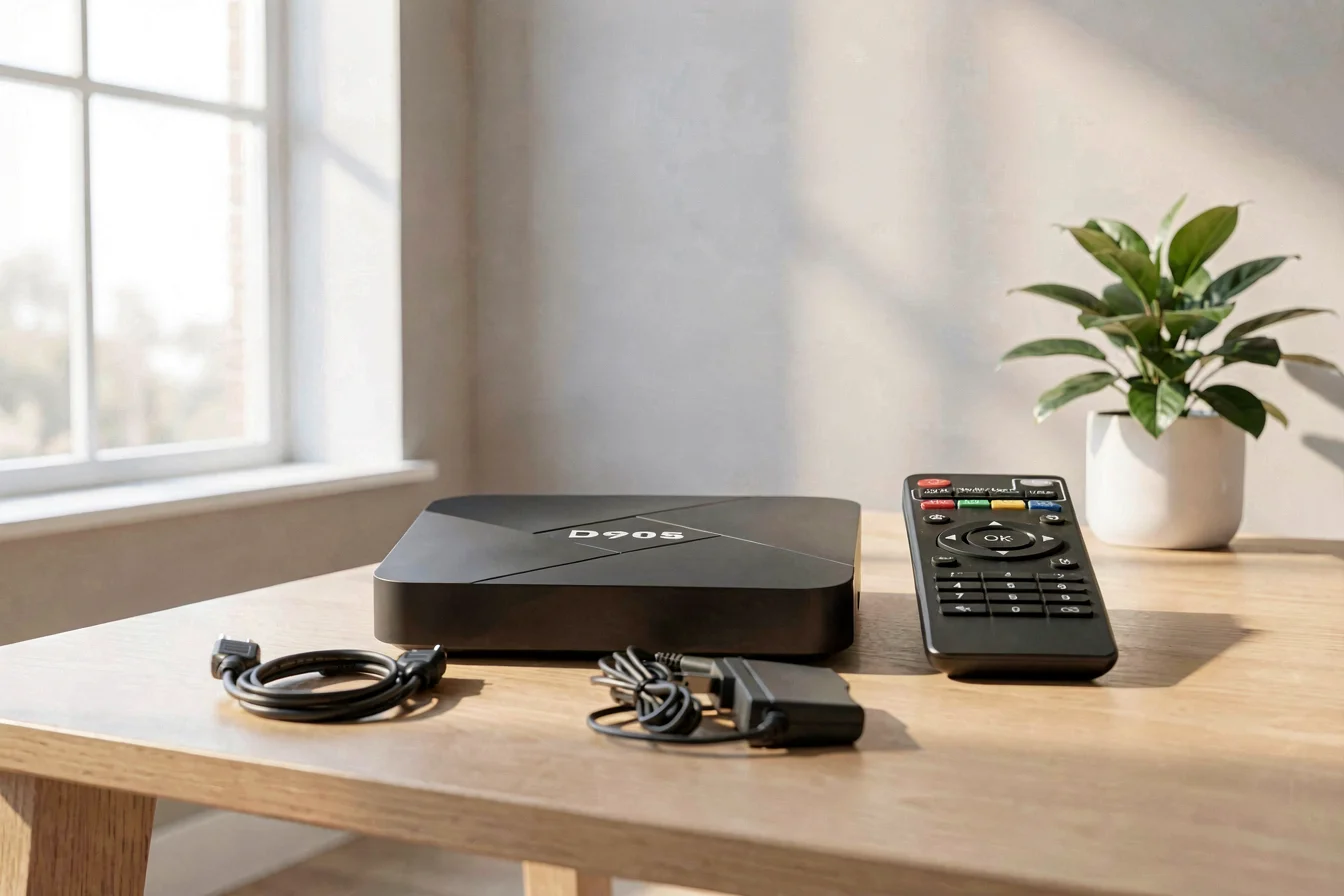
Top-selling android TV box xiaomi models in 2026 include the Mi Box S 3rd Gen, Mi TV Stick 4K (2nd Gen), and competing Android TV boxes with advanced features such as 4K, Dolby Vision, and Wi-Fi 6[2][5][6]. Buyers prioritize devices with robust audiovisual support, ease of setup, and app flexibility. Xiaomi’s Mi Box S and Mi TV Stick lines dominate due to their integration with Google TV, Dolby Vision, and Dolby Atmos, while competing models offer similar features at lower price points.
| Image | Name | Price | Rating | Key Features |
|---|---|---|---|---|
 |
Xiaomi Mi Box S 3rd Gen | USD 79.99 | 4.2/5.0 | 4K UHD, Dolby Vision, Wi-Fi 6, Google TV, Dolby Atmos |
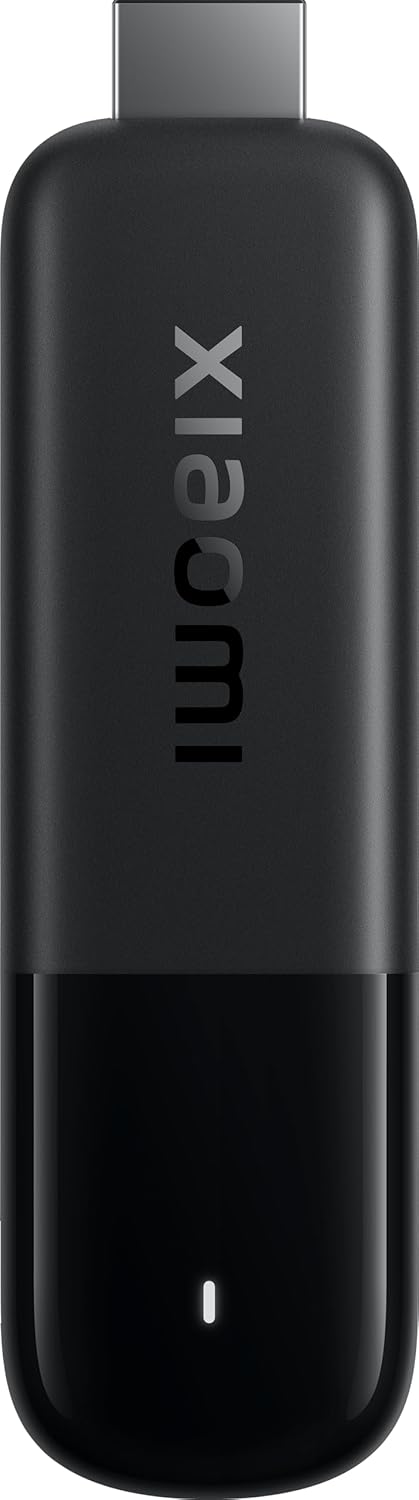 |
Xiaomi TV Stick 4K (2nd Gen) | USD 69.99 | 4.3/5.0 | 4K Ultra HD, Dolby Vision, Wi-Fi 6, Google TV, Bluetooth voice control |
 |
Android TV Box 13.0 | USD 52.99 | 3.9/5.0 | 8K, 4GB RAM, 64GB ROM, Wi-Fi 6, Mini Keyboard |
 |
Android 13.0 TV Box | USD 47.99 | 3.9/5.0 | 8K, 4GB RAM, 32GB ROM, Wi-Fi 6, H.265 |
 |
EASYTONE Android TV Box 14.0 | USD 60.99 | 4.0/5.0 | 4K, 8K, Android 14.0, Wi-Fi 6, USB 3.0 |
Top-selling Xiaomi Android TV boxes combine 4K, Dolby Vision, and Wi-Fi 6, with strong buyer ratings and flexible app support.
Buyers praise Xiaomi Android TV boxes for easy setup, excellent picture quality, and app flexibility, especially with Google TV and Dolby Vision. Complaints focus on USB saturation, device bricking, and occasional lag when streaming high-resolution content[9]. Authentic buyer quotes reveal both enthusiasm and frustration:
"I had low expectations and ended up surprised by how good these Xiaomi box tvs are." [2]
"la compre para steam link o moonlight y xcloud, usarlo con adaptador usb a internet y es pesimo, se tilda cada segundo. con wifi no pasa pero la calidad disminuye bastante y el lag propio de ser inalambrico. osea ya el adaptador hay que descartarlo es mucha carga para el aparato. lo ha tildado mientras lo usaba. creo que solo los que les gustan el aparato lo usa casualmente para ver contenido normal, osea para nada exigente esta bien, pero por el precio, es mala compra." [9]
| Product Name | Top Praise | Top Complaint | Overall Sentiment |
|---|---|---|---|
| Xiaomi Mi Box S 3rd Gen | Easy setup, excellent picture quality | USB saturation, occasional lag | Positive for mainstream buyers |
| Xiaomi TV Stick 4K (2nd Gen) | Fast setup, Google TV integration | Device bricking, USB saturation | Positive for mainstream buyers |
| Android TV Box 13.0 | Good performance, app flexibility | Occasional lag, USB saturation | Mixed for power users |
Buyer sentiment is positive for mainstream Xiaomi Android TV boxes, but advanced buyers should monitor reliability and USB performance for bulk procurement.
Reliability benchmarks for android TV box xiaomi include defect rates, maintenance cycles, and expected service life. Global feedback shows that Mi Box S and Mi TV Stick have moderate defect rates, with most failures linked to USB saturation and device bricking[9]. Maintenance cycles are generally low, but buyers report occasional issues with software updates and connectivity. Expected service life for Xiaomi devices is 2–3 years, but heavy-duty use may reduce this. Essential sourcing criteria include: 1) defect rate history, 2) maintenance cycle, 3) expected service life, 4) after-sales support, and 5) warranty terms. Risk mitigation strategies involve negotiating price for bulk orders, mapping logistics bottlenecks, and ensuring compliance with regulatory standards. Price optimization levers include volume discounts, extended warranty, and after-sales service agreements.
| Benchmark Dimension | Mi Box S 3rd Gen | Mi TV Stick 4K (2nd Gen) |
|---|---|---|
| Defect Rate | Moderate (USB saturation, device bricking) | Moderate (USB saturation, device bricking) |
| Maintenance Cycle | Low (occasional software updates) | Low (occasional software updates) |
| Expected Service Life | 2–3 years | 2–3 years |
| After-Sales Support | Standard warranty, responsive customer service | Standard warranty, responsive customer service |
| Warranty Terms | 12–18 months | 12–18 months |
Sourcing decisions should prioritize reliability benchmarks, after-sales support, and warranty terms to minimize procurement risk and optimize value.
Looking forward, the android TV box xiaomi market will continue to evolve with new hardware upgrades, deeper Google TV integration, and broader Dolby Vision and Dolby Atmos support. Pricing is expected to remain competitive, but buyers should anticipate occasional reliability issues and monitor supply chain stability for bulk procurement. As device longevity and app flexibility become more critical, buyers should prioritize sourcing from reputable OEMs and negotiate extended warranties and after-sales support. In the next 12 months, procurement teams should time bulk orders to coincide with peak demand periods, leverage price optimization levers, and monitor reliability benchmarks to ensure resilient sourcing strategies. By aligning procurement decisions with market trends and reliability benchmarks, buyers can maximize value and minimize risk in the rapidly evolving Xiaomi Android TV box segment.
Buyers should prioritize advanced audiovisual features, supply chain stability, and reliability benchmarks when sourcing Xiaomi Android TV boxes, with bulk procurement timed to peak demand periods for optimal value and risk mitigation.