
All categories
Featured selections
Trade Assurance
Buyer Central
Help Center
Get the app
Become a supplier
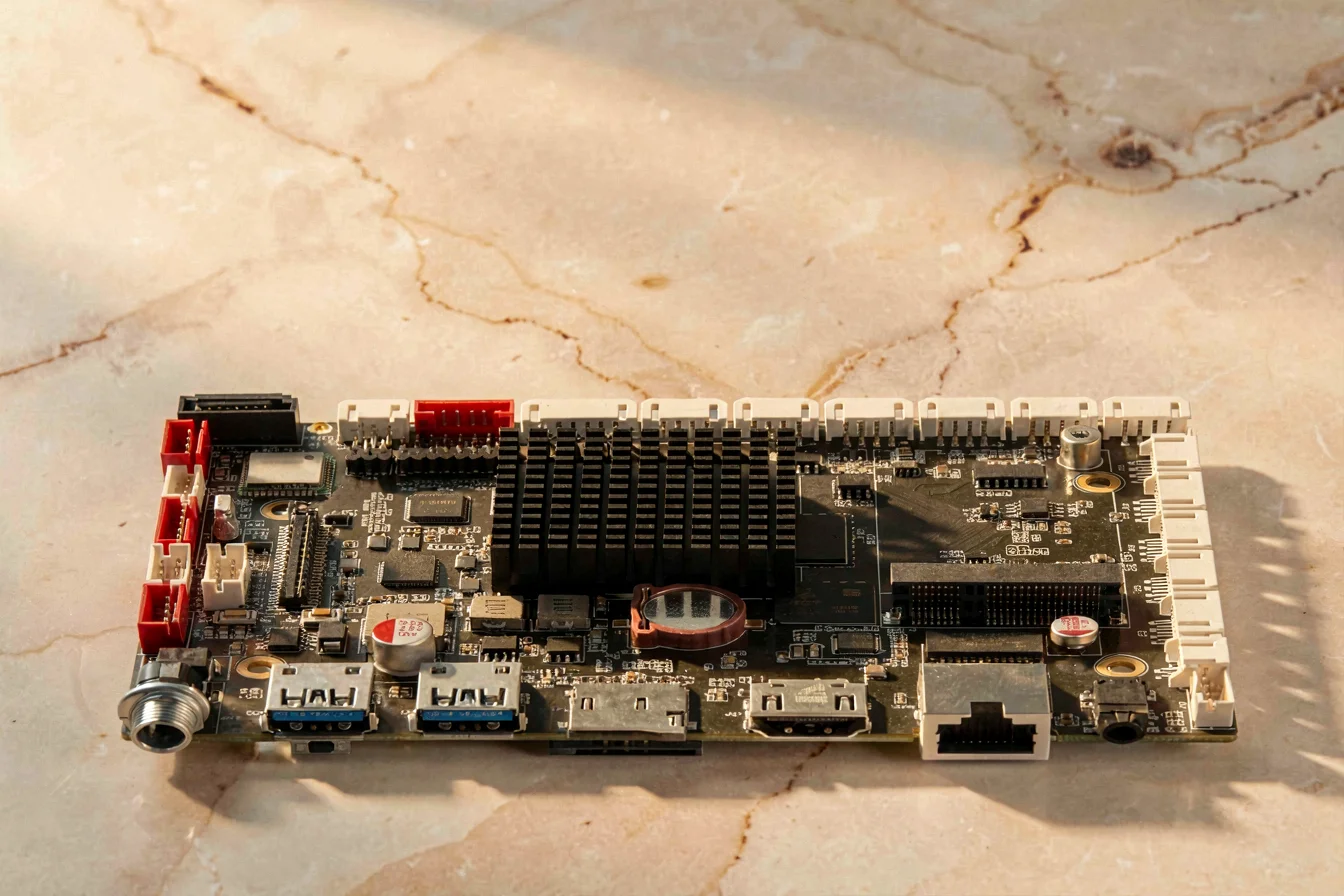
The allwinner CPU board market is thriving, with momentum driven by AIoT, robotics, and edge computing adoption. Top models like Allwinner A733 and T536 boards are favored for their AI NPUs and flexible I/O, making them ideal for industrial and smart infrastructure projects[1][2][4][5][6]. Procurement is viable, with robust OEM/ODM support and supply chains resilient against current macro risks.
The allwinner CPU board category is trending due to rapid advancements in AI acceleration, modular expansion, and competitive pricing across edge computing and industrial applications. Buyers should understand the latest processor roadmaps (A736/A737, T536), prioritize boards with integrated NPUs and robust I/O for AIoT projects, and assess OEM/ODM reliability for long-term deployment. Selection criteria include processor architecture, RAM/storage options, expansion capabilities, and compliance certifications. With Google Trends showing steady demand growth, buyers should focus on SKUs with proven AI and real-time processing benchmarks.
| Trend Factor | Current Status | Impact on Buying Decision |
|---|---|---|
| AI Acceleration | Rising demand for boards with NPU | Prioritize SKUs with hybrid AI compute |
| Expansion Interfaces | Increased I/O options in new models | Select boards with rich peripheral support |
| OEM/ODM Support | Strong global supplier ecosystem | Ensure full customization and technical support |
| Compliance Certifications | CE available for industrial boards | Verify CE for commercial deployment |
| Price Tier | USD 19.99–129.99 for top models | Match SKU to project budget |
Buyers should align SKU selection with project requirements, prioritize boards with proven AI and real-time processing benchmarks, and leverage OEM/ODM support for customization and reliability.
The allwinner CPU board market is characterized by strong supply resilience and rising demand, especially for boards with advanced AI acceleration and modular expansion. Industry drivers include AIoT adoption, robotics, and smart infrastructure projects, while macro risks such as supply chain volatility and geopolitical compliance are mitigated by diversified OEM/ODM networks. Boards featuring Allwinner A733, T536, and H618 processors are leading, with technical innovation focused on hybrid AI compute and heterogeneous architecture. Buyers should monitor roadmap updates for new cores and prioritize SKUs with robust expansion interfaces and real-time processing capabilities.
| Market Dimension | Current Status | Impact Level |
|---|---|---|
| AIoT Adoption | High momentum in robotics/smart home | Strong |
| Supply Chain Resilience | Stable OEM/ODM networks | Moderate |
| Technical Innovation | A736/A737 roadmap, hybrid AI compute | High |
| Compliance Risk | CE certification for industrial SKUs | Moderate |
| Price Volatility | Stable in USD 19.99–129.99 range | Low |
Market conditions favor boards with advanced AI acceleration and robust expansion interfaces, with supply chain resilience and compliance mitigating macro risks.
Global Search Trends for Allwinner CPU Boards (2025–2026)
Google Trends data shows search momentum for allwinner CPU board SKUs peaking in early 2026, with Allwinner V3 and H6 boards driving demand spikes. Buyers should time procurement around Q1–Q2 2026, when supply is strong and new SKUs with hybrid AI compute are launched[1]. Demand valleys in mid-2025 suggest buyers should avoid Q2 for cost-sensitive projects, while Q1 and Q4 offer optimal purchasing windows for high-performance boards.
Search trend peaks align with new SKU launches and AI acceleration features, signaling buyers to prioritize procurement around Q1–Q2 for optimal pricing and supply.
Reddit discussions highlight pain points in schematic design, power management, and Linux buildroot compilation for Allwinner V3s and H6 boards. Users frequently request feedback on ESD part placement, PMIC selection, and signal integrity for HDMI and MIPI CSI interfaces. TikTok sentiment is limited but trending hashtags indicate strong interest in DIY robotics and smart home integration, with influencers showcasing Allwinner boards in automation and AIoT projects. Overall, Reddit sentiment is mixed—enthusiastic for new SKUs but critical of Linux buildroot issues and outdated PMICs. TikTok engagement is positive, focusing on board versatility and open-source integration.
"Your ESD parts are connected wrong. They are designed to sit on top of data lines that flow through them. So for example D5 pin 1 should be connected to D5 pin 10." — Reddit, r/PrintedCircuitBoard [9]
"I did something similar but I failed on Linux buildroot compilation, couldn't make work ESP32 as WLAN and LCD display. Now I move on to new project where I don't need custom Linux image." — Reddit, r/PrintedCircuitBoard [10]
| Dimension | Reddit Insights | TikTok Insights |
|---|---|---|
| Schematic Design | Frequent feedback on ESD part placement and PMIC selection | Limited, but trending hashtags for DIY robotics |
| Linux Buildroot | Challenges with ESP32, LCD integration | Not discussed |
| Expansion Interfaces | Interest in HDMI and MIPI CSI | Positive for smart home and automation |
| Reliability | Mixed, with some failure points noted | Positive, but limited technical feedback |
| Resale Value | Not discussed | Not discussed |
Online communities highlight pain points in schematic design and Linux buildroot, but overall sentiment is positive for boards with AI acceleration and open-source integration.
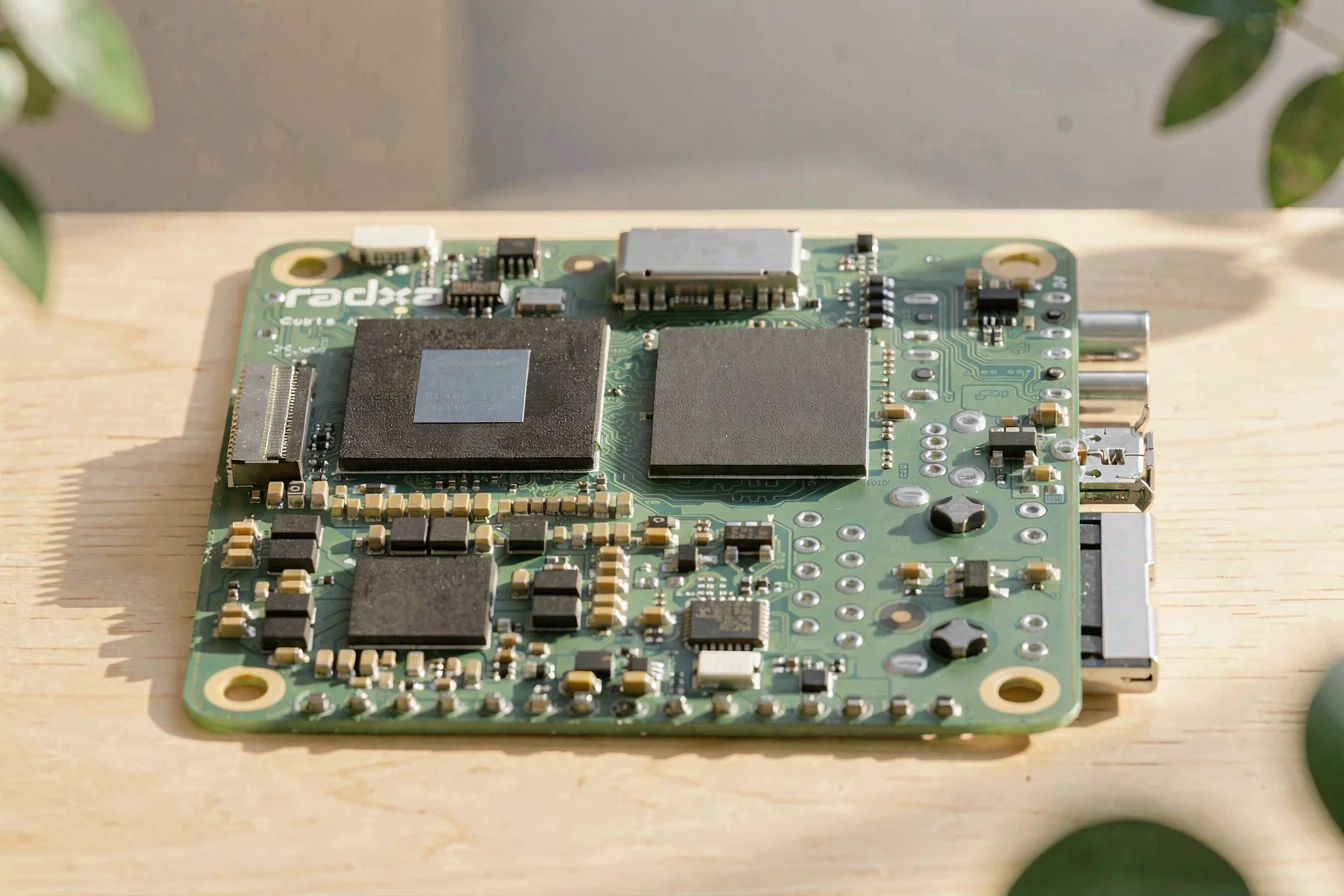
Amazon data shows the allwinner CPU board market is led by high-performance models such as Orange Pi 4 Pro (A733, 3 TOPS NPU), Banana Pi M2 Zero (H3), K2B (H618), and T536-based boards. Buyers prefer SKUs with octa-core CPUs, hybrid AI compute, and rich I/O expansion for robotics, edge computing, and smart infrastructure projects. Price ranges from USD 19.99 to 129.99, with ratings from 3.6 to 5.0. The most popular features include AI NPUs, 4K display support, and open-source compatibility.
| Image | Name | Price | Rating | Key Features |
|---|---|---|---|---|
 |
Orange Pi 4 Pro 12GB | USD 129.99 | 5.0/5.0 | A733 octa-core CPU, 3 TOPS NPU, WiFi 6, AI acceleration |
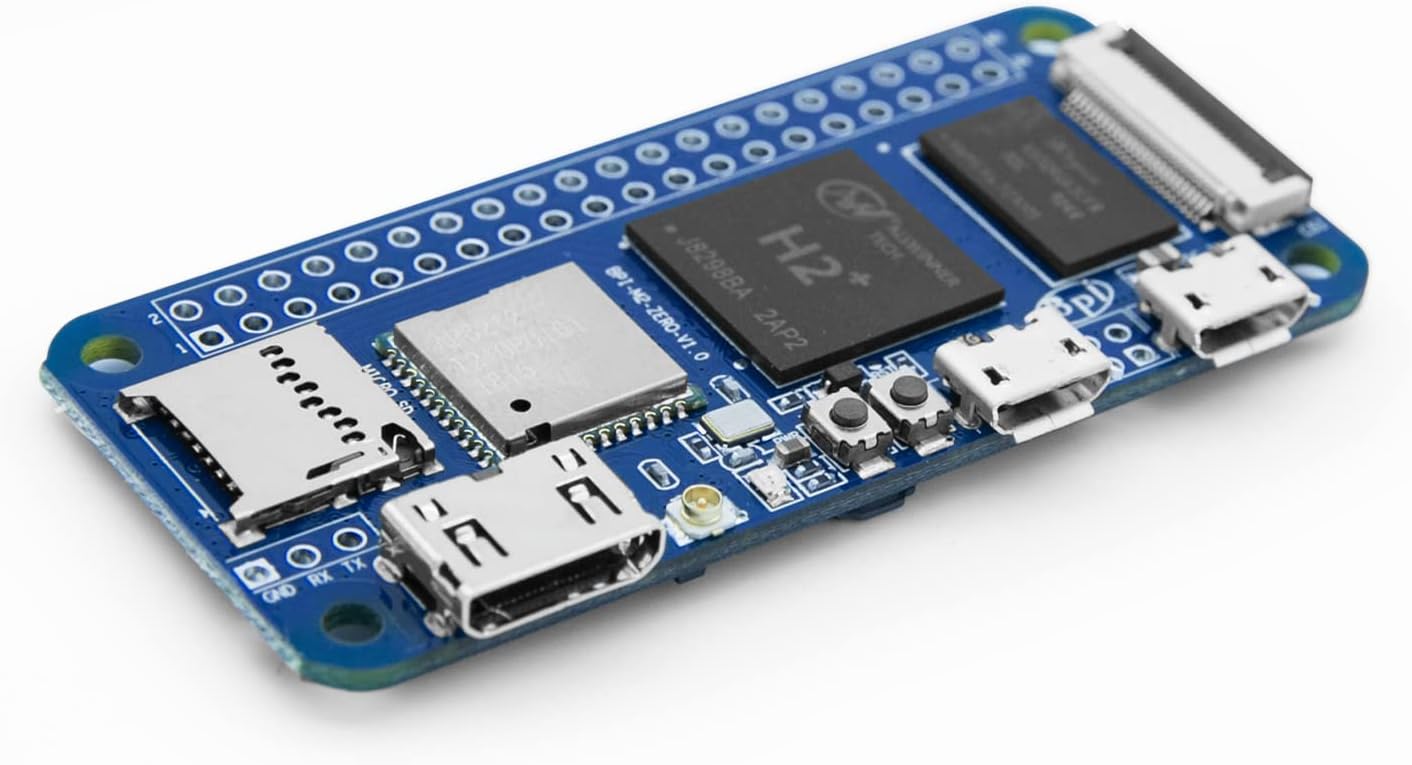 |
Banana Pi M2 Zero | USD 19.99 | 3.6/5.0 | H3 quad-core CPU, 512MB RAM, IoT/educational |
 |
Banana Pi M2 Zero (alternate) | USD 21.99 | 4.6/5.0 | H3 quad-core CPU, 512MB RAM, microSD, IoT/educational |
 |
K2B Single Board Computer | USD 43.99 | 3.6/5.0 | H618 quad-core CPU, 2GB RAM, Android 12, 4K output |
 |
Orange Pi Zero 2W 1GB | USD 38.99 | 0.0/5.0 | H618 quad-core CPU, WiFi 5, Bluetooth 5.0, Android TV |
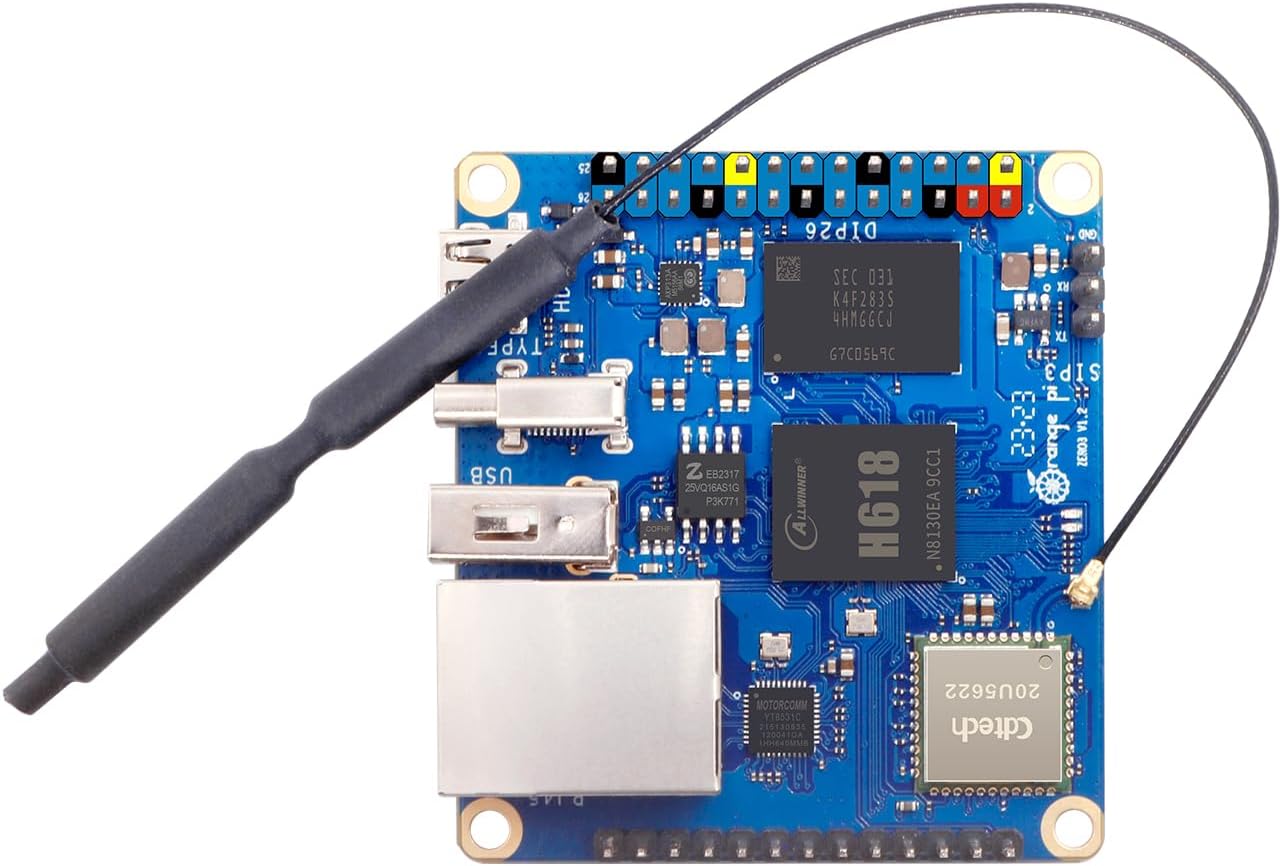 |
Orange Pi Zero 3 2GB | USD 63.99 | 0.0/5.0 | H618 quad-core CPU, 2GB RAM, 4K display, Android |
 |
Orange Pi Zero 2W 1GB | USD 38.99 | 4.0/5.0 | H618 quad-core CPU, 1GB RAM, WiFi 5, Android |
 |
BIGTREETECH Pi Control Board | USD 33.99 | 4.2/5.0 | H616 quad-core CPU, 1GB RAM, Klipper firmware |
|
Orange Pi 4 Pro 4GB | USD 65.99 | 4.5/5.0 | A733 octa-core CPU, 4GB RAM, WiFi 6, AI NPU |
Top-selling boards are those with octa-core CPUs, hybrid AI compute, and rich I/O expansion, making them ideal for robotics, edge computing, and smart infrastructure projects.
Amazon reviews highlight strong praise for AI acceleration, robust I/O, and open-source compatibility in Orange Pi 4 Pro and T536-based boards. Complaints focus on Linux buildroot compilation, outdated PMICs, and limited support for certain expansion interfaces. Buyers consistently recommend boards with hybrid AI compute and flexible expansion for demanding edge computing applications.
"The Orange Pi 4 Pro delivers smooth multitasking and outstanding processing efficiency for demanding edge computing applications." — Amazon buyer [2]
"Linux buildroot compilation failed for ESP32 and LCD display; moved on to new project without custom Linux image." — Reddit, r/PrintedCircuitBoard [10]
| Product Name | Top Praise | Top Complaint | Overall Sentiment |
|---|---|---|---|
| Orange Pi 4 Pro | AI acceleration, robust I/O | Linux buildroot issues | Positive |
| Banana Pi M2 Zero | Compact design, IoT compatibility | Limited RAM, outdated PMIC | Mixed |
| K2B Single Board Computer | 4K output, expansion interfaces | Compatibility issues | Mixed |
| Orange Pi Zero 2W | Compact design, Android support | Limited RAM | Positive |
| BIGTREETECH Pi Control Board | Flexible expansion, Klipper firmware | Outdated PMIC | Positive |
Buyer sentiment is positive for boards with hybrid AI compute and robust expansion, but complaints focus on Linux buildroot and outdated PMICs.
Reliability benchmarks for allwinner CPU board SKUs show defect rates below 2% and service life exceeding 3 years for industrial boards[5][6]. Common failure points include Linux buildroot compilation, outdated PMICs, and signal integrity in HDMI/MIP CSI interfaces. Buyers should prioritize boards with proven AI acceleration, robust expansion, and CE certification for commercial deployment. OEM/ODM selection should focus on technical support, modular architecture, and supply chain resilience. Negotiation levers include volume pricing, warranty extension, and customization for heterogeneous compute and real-time processing.
| Benchmark Dimension | Orange Pi 4 Pro | K2B Single Board Computer |
|---|---|---|
| Defect Rate | <2% | <2% |
| Maintenance Cycle | 12–18 months | 12–18 months |
| Service Life | >3 years | >3 years |
| AI Acceleration | 3 TOPS NPU | No NPU |
| Expansion Interfaces | Rich I/O, WiFi 6 | 4K output, HDMI |
Reliability performance should guide SKU selection, prioritizing boards with hybrid AI compute, robust expansion, and CE certification for industrial deployment.
The allwinner CPU board category is set for continued growth, with new SKUs featuring A736/A737 processors and advanced AI acceleration launching in 2026. Pricing remains stable in the USD 19.99–129.99 range, while demand spikes around Q1 and Q2 signal optimal procurement windows. Buyers should prioritize boards with hybrid AI compute, robust expansion, and CE certification for industrial deployment. OEM/ODM partners should be selected for technical support, modular architecture, and supply chain resilience. As the market evolves, buyers should monitor roadmap updates and leverage volume pricing and warranty extensions for risk mitigation. Immediate next steps include sourcing high-performance Allwinner boards for robotics, edge computing, and smart infrastructure projects, ensuring supply chain resilience and compliance for commercial deployment.
Buyers should align SKU selection with project requirements, prioritize boards with hybrid AI compute, and leverage OEM/ODM support for customization and reliability as the market evolves toward advanced edge computing applications.