All categories
Featured selections
Trade Assurance
Buyer Central
Help Center
Get the app
Become a supplier

Alloy Wheel Bestseller Report 2026: Sourcing Trends, Consumer Insights, and Procurement Strategies

2026 Spotlight: Alloy Wheels Drive Growth in Global Vehicle Markets

Entering 2026, the alloy wheel category has cemented itself as a strategic product for both automotive and cycling sectors worldwide. The ongoing shift from traditional steel rims to aluminum alloy wheels and magnesium alloy wheels supports a broad spectrum of applications, from passenger cars and commercial vehicles to high-performance motorcycles, ATVs, and advanced bicycle builds. Several key dynamics have amplified product relevance in recent months:

  • Seasonal factor: End-of-year and New Year sales cycles pair with model launches, boosting both aftermarket and OEM alloy wheel demand.
  • Cultural/consumer shifts: Increasing focus on vehicle personalization and style upgrades, alongside rising eco-consciousness that favors lightweight alloys for fuel efficiency.
  • Market dynamics: Supply chain improvements and growing online retail activity provide more brand options, while quality and aesthetics remain top purchase drivers.
  • Emerging technologies: Innovations such as bi-color finishes, diamond-cut surfaces, and multi-piece modularity are expanding consumer choices, especially in premium vehicle segments.
123

Understanding Alloy Wheels: From Origins to Modern Classifications

Alloy wheels refer to rims manufactured from mixes of lightweight metals—primarily aluminum and magnesium. Their evolution traces back to early automotive design, especially racing where weight savings and improved heat dissipation were crucial [4][6]. Notably, all alloys technically combine two or more metals; in today’s context, "alloy wheels" typically mean those with aluminum as the base material. Historically, mag wheels denoted magnesium-dominant versions, but aluminum alloys have overtaken the mainstream due to lower cost and corrosion resistance [10].

Classifications span several levels:

  • By construction:
    • One-piece alloy wheels: Manufactured from a single metal casting, they offer high durability and are preferred for general automotive and racing use.
    • Two-piece alloy wheels: Feature a separate center and rim, joined via bolts or welds, allowing greater customization for buyers.
    • Three-piece alloy wheels: Each part—centerpiece, inner barrel, outer shell—is individually manufactured and assembled, supporting high-end modification and repairs [8][9].
    • Forged vs. cast alloy wheels: Forged models offer superior structural integrity and are common in the performance market; cast wheels emphasize cost-effectiveness.
    • Carbon fiber alloy wheels: Premium segment products with extreme strength-to-weight ratios―ideal for supercars, less typical for mass market.
  • By design:
    • Dish type: Flat-face wheels with maximum simplicity.
    • Spoke type: Classic multi-spoke designs, balancing style and weight reduction.
    • Mesh, fin, wire spoke, spiral types: Diverse stylistic options, each delivering unique aesthetic and engineering profiles [4].
  • By finish: Diamond-cut, powder-coated, bi-color, or polished (relating to surface treatment and visual effect).
  • By size: Standard ranges for passenger cars (14-19 inches), motorcycles/ATVs (varied by terrain tolerance), and bicycles/fat bikes (adapted for frame/usage).
56

Recently, brands like BYD have led trends in bi-color alloys, blending matte and glossy surfaces for a luxury-ready look, while high-pressure forging and multispoke styles dominate the premium segment. For buyers seeking cost-effective upgrades, cast one-piece alloys remain ubiquitous, but the modification market is thriving with two- and three-piece options [6][8][10].

Alloy Wheels in Social Conversations: Sentiment, Choices, and Brand Reputation

Community and consumer sentiment around alloy wheels is highly polarized, shaped by debates on value, aesthetics, risk, and technical compatibility. Analysis of forum discussions and user-generated content during the past 12 months indicates several prominent themes:

  • Upgrade decisions: Many car owners weigh the cost of alloy wheel swaps against perceived improvements in vehicle looks and performance. Some express reluctance to invest—citing price premiums or financial constraints—while others see alloys as indispensable for modern, stylish automobiles [12].
  • Practical considerations: Upgrading from steel to alloy wheels often necessitates changes in tire size or profile, and buyers discuss compatibility issues and potential hidden costs of professional installation [12].
  • Insurance and legal risks: Not declaring non-standard alloy wheel upgrades can affect insurance coverage, even if changes seem minor. Savvy buyers are reminded to always disclose modifications, regardless of factory versus aftermarket status, due to liability risks and replacement limitations [11].
  • Brand reputation: Enthusiasts and professional reviewers debate the merits of leading manufacturers. BBS, Enkei, Team Dynamics, Rotiform, Vossen, HRE, Work, Watanabe, and Motegi are frequently named as top-tier suppliers, valued for strength, finish quality, and reliability. Discussions also touch on the te37 Volk style and preferences for OEM versus replica wheels [13].
  • Regional differences: In markets such as India, cost remains a barrier, with local shops offering competitive deals compared to authorized dealers—though concerns about authenticity and long-term durability persist [12].
  • Lifestyle influences: Alloy wheels are often associated with aspirational automotive lifestyles, individualization, and pride of ownership—trading up from basic steel rims signals advancement.
1112

Moreover, influencer marketing and viral content—like before-and-after transformation photos or DIY fitting videos—help shape trends and sentiment, driving further interest in both luxury and mass market segments.

Global Alloy Wheel Market Trends, Sales Data, and Buyer Intelligence (2026)

In the evolving aftermarket and OEM wheel sector, market data from 2025 through January 2026 illustrate stable yet competitive demand cycles. Two key vertical categories dominate search and sales: Aluminum Alloy Wheels for Motorcycles/ATVs [1] and Aluminum Alloy Bicycle/Fat Bike Wheels [2], each reflecting distinct consumer profiles and regional preferences.

Motorcycle and ATV wheels saw a peak search volume in April (60.38% increase from January to April 2025), followed by a leveling trend into Q4 and January 2026, confirming sustained interest among off-road and recreational communities. Retail buyers focus on performance and durability, while strategic opportunities exist around innovative "Delta Steel" wheel designs and lighter construction methods. In contrast, Bicycle and Fat Bike Alloy Wheels exhibited strong search growth early in 2025, peaking in May with a 32.5% monthly increase. While search engagement tapered slightly, actual sales remained robust—a sign that retail conversions lag search cycles but overall demand is resilient [2].

Average rating and consumer satisfaction diverge between sectors: motorcycle/ATV wheels scored lower on recent reviews (0.66 out of 5), indicating potential design or supply chain issues. Conversely, fat bike wheel ratings averaged a healthy 3.13 out of 5, with durability and vibrant design cited as positives. For wholesalers and bulk buyers, stable sales but variable sentiment signal the need for targeted product enhancements and improved after-sales support.

Below is a comparison of monthly search volume and average sales count for these categories, visualized for strategic review:

Monthly Search Volume and Sales Trends for Alloy Wheels Across Motorcycles/ATVs and Bicycles/Fat Bikes (Aug 2025-Jan 2026)

Actionable Insights:

  • Motorcycle/ATV wheel demand remains robust despite slight mid-year dips; introducing advanced alloy constructions and focus on off-road performance will drive future sales.
  • Bicycle alloy wheel sellers should align product launches with search volume peaks (April/May) and leverage vibrant designs and proven durability in marketing communications.
  • Sellers must proactively address negative sentiment in motorcycle/ATV categories—improving product quality, investing in customer service, and targeting technical issues cited in reviews.
  • Given stable monthly sales numbers for both categories, wholesale buyers should negotiate volume discounts around seasonal peaks while seeking assured supply continuity for Q4 and Q1 2026.

Hot Selling Analysis: Top 10 Amazon Alloy Wheel Bestsellers (Retail Data)

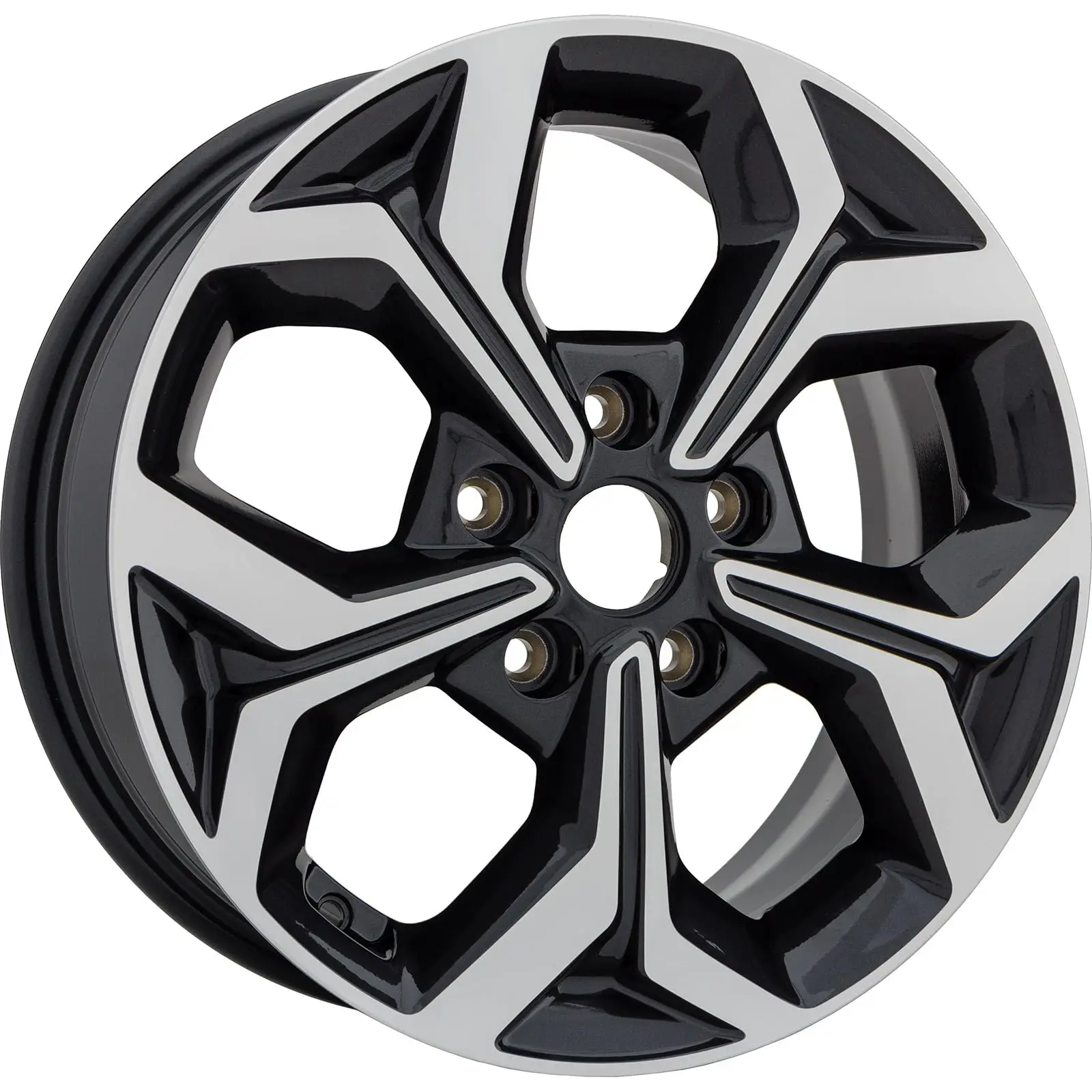
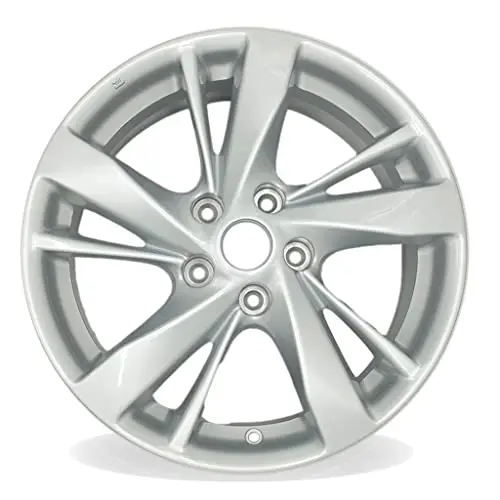
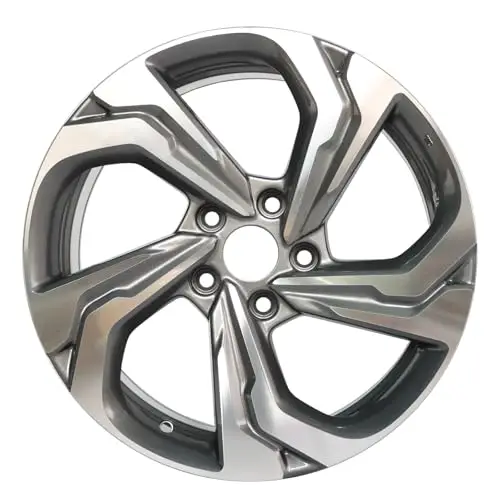
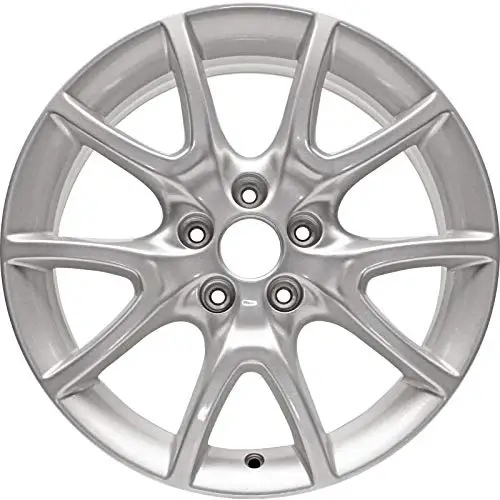
Retail sales data for the top 10 alloy wheels on Amazon, January 2026, provide clear visibility into downstream demand, pricing strategies, and specification preferences. These products reflect the direct choices of retail buyers and signal which features and price points drive conversions at scale [3].

Rank Image Model & Specs Latest Month's Sale Volume Retail Price Wholesale Price Average Star Rating Key Features
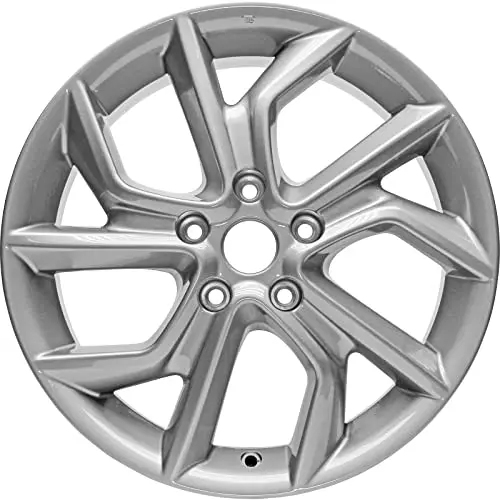
1 Nissan Sentra Alloy Wheel New 17” 17x6.5” Aluminum Alloy Wheel Rim Fits Nissan Sentra 2013-15, ALY62600U20N 44 $155.96 $67.62 4.6 OE specs, silver finish, fits 2013-2015 Nissan Sentra
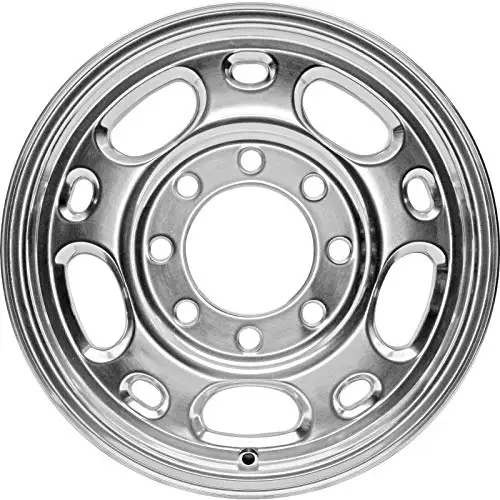
2 Chevrolet Silverado Alloy Wheel New 16x6.5” Polished Aluminum Alloy Wheel Rim for Chevrolet Silverado & GMC Sierra 2500/3500 HD 1999-2010, ALY05079U80N 38 $138.49 $58.07 4.7 Polished, heavy-duty fit, OE match
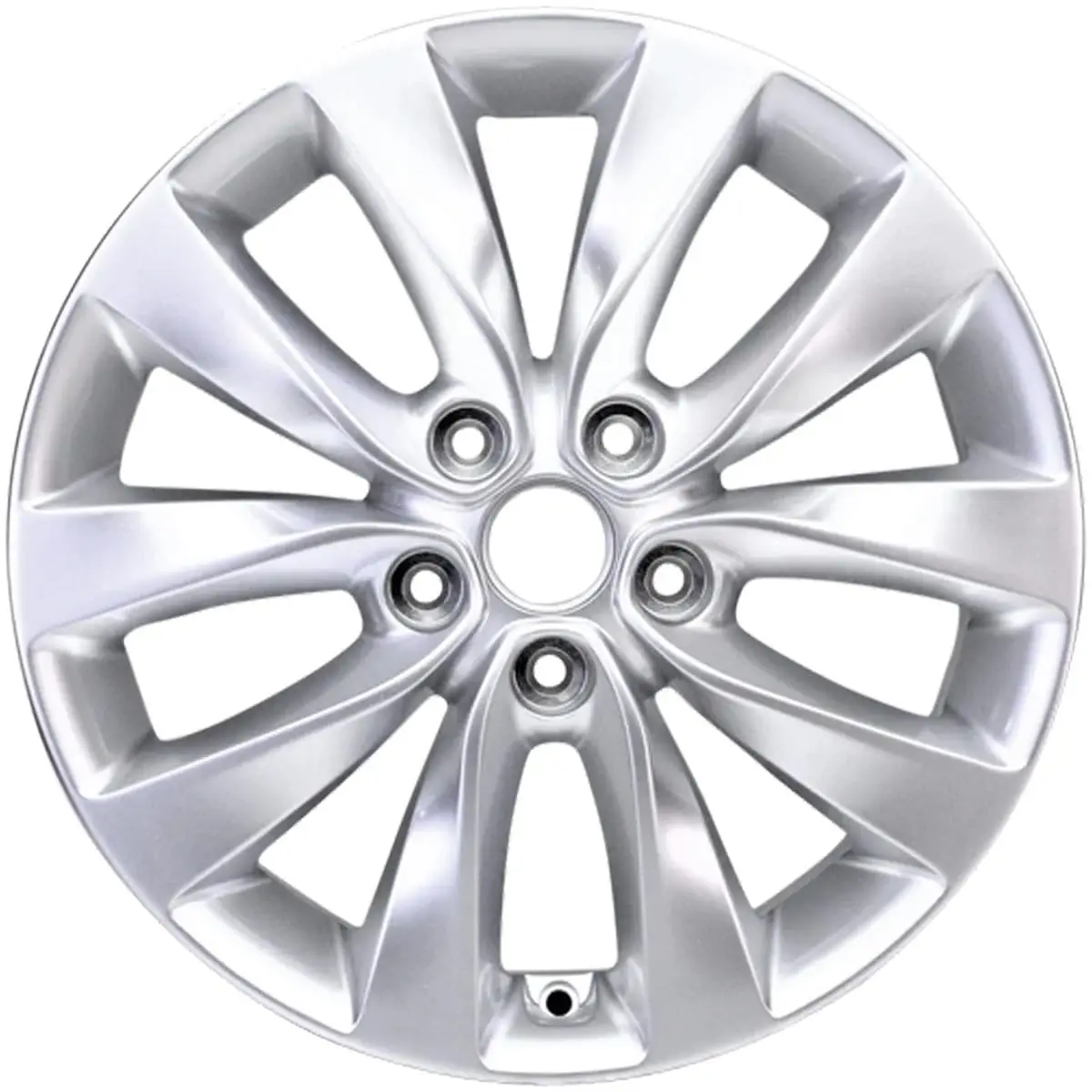
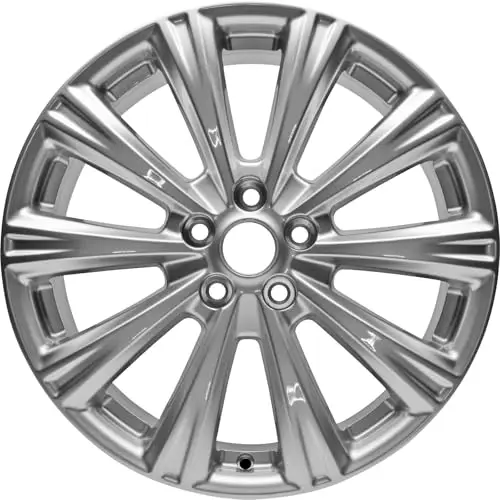
3 KIA Optima Alloy Wheel New 17” 17x7” Silver Alloy Wheel Rim fits KIA Optima 2016-18, ALY74731U20N 14 $120.74 $133.24 5 Silver, direct fit, high customer satisfaction
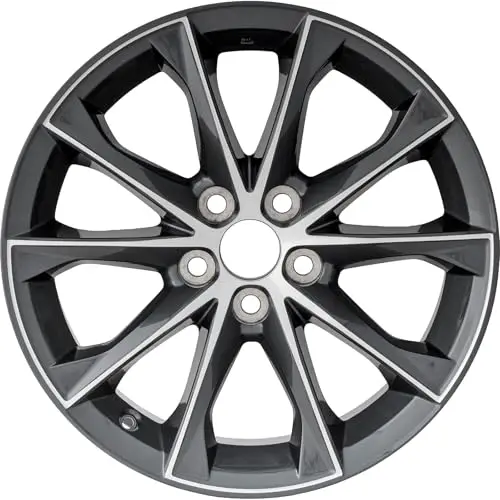
4 Toyota Camry Alloy Wheel New 18x7.5” Premium Aluminum Alloy Wheel Rim Fits Toyota Camry XSE 2015-17, ALY75172U30N 10 $207.59 $60.00 4.9 Luxury finish, premium fit, popular with Camry owners
5 KIA Forte Alloy Wheel New 16” 16x6.5” Alloy Wheel Rim fits KIA Forte 2019-21, ALY74779U30N 10 $160.22 $56.70 0 (no rating) No rating, OE spec, entry-level upgrade
6 Nissan Altima Alloy Wheel Single 17” 17x7.5” Alloy Wheel for 2013–16 Nissan Altima, Silver, Direct OE Specs 7 $155.18 $60.06 4.9 One-piece, OE fit, solid user reviews
7 Honda Accord Alloy Wheel LUNEGUE 17x7.5” Alloy Rim, fits Honda Accord 2018-21, Direct Fit, OE Specs 5 $169.99 $82.89 4.3 Premium fit, direct replacement, glossy finish
8 Dodge Dart Alloy Wheel New 17” 17x7.5” Alloy Wheel Rim fits Dodge Dart 2013-16, ALY02445U20N 5 $81.31 $69.00 5 Entry-level, silver finish, OE design
9 Ford Escape Alloy Wheel New 18x7.5” Premium Alloy Wheel Rim for Ford Escape 2017-19, ALY10110U77N 5 $65.67 $85.73 5 Premium, OE fit, all-weather durability
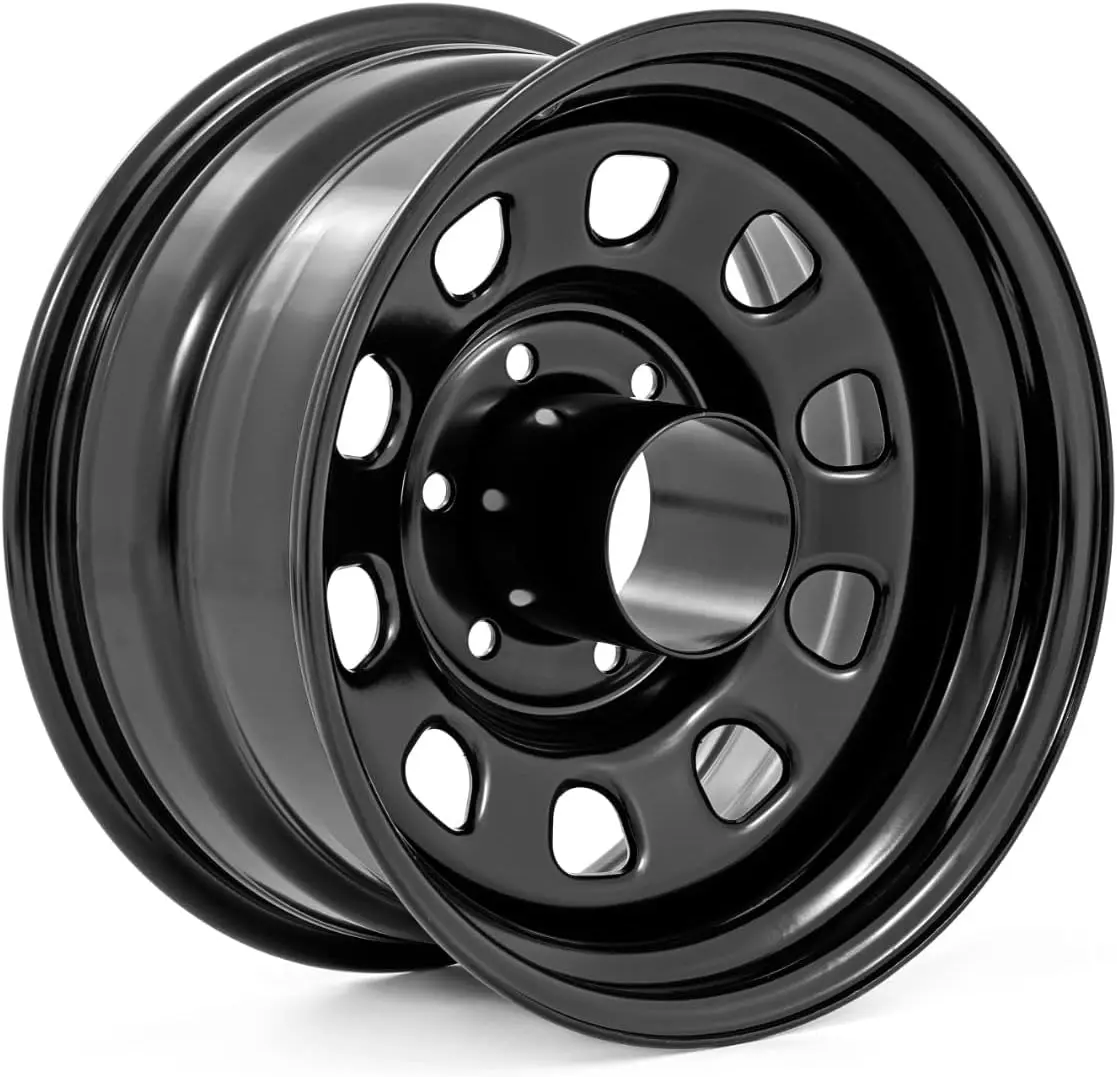
10 Rough Country Steel Wheel Rough Country Black Steel Wheel - 15x10, 6x5.5 Bolt Pattern, 4.25 Bore, -39 Offset, Off-Road Rim 5 $78.37 $42.78 4.9 Steel variant, black finish, off-road ready

Table data sourced from [3]

Key Takeaways:

  • Mid-priced alloy wheels (retail: $120-$170) dominate sales, balancing upgrade value and affordability.
  • High sale volume products consistently offer OE (original equipment) fit, silver finishes, and compatibility with popular models—Nissan, Chevrolet, KIA, Toyota, Honda, Ford, and Dodge.
  • Star ratings skew high for premium/luxury fits; no-ratings or lower scores appear for newer or entry-level variants, suggesting buyers should validate supplier quality before bulk purchases.
  • Retail margin opportunities are strongest in the mid-tier price bracket, with most wholesale prices providing a 40%-65% discount off retail.
  • Buyers should note variance in feature sets—rims intended for off-road usage (Rough Country) versus standard urban driving highlight the need for specification clarity at purchase.

Procurement Excellence: Sourcing Alloy Wheels with Confidence

For procurement professionals and international buyers in the alloy wheel segment, successful sourcing rests on comprehensive supplier evaluation, stringent quality control, and understanding regulatory nuances.

Supplier Evaluation:

  • Verify certifications (ISO/TS16949, TUV, etc.) and product compliance with local/regional safety standards.
  • Review production capacity, track record for on-time delivery, and responsiveness to technical queries—especially for bulk/OEM orders.
  • Inspect sample wheels for machining precision, surface finish, and overall structural integrity.

Quality Control and Logistics:

  • Demand detailed quality inspection reports for each shipment—preferably including X-ray analysis or destructive testing for structural defects.
  • Specify packaging to minimize transit damage (foam, shrink wrap, double box, desiccant).
  • Plan shipping routes for timely delivery; monitor for seasonal/logistical bottlenecks.
  • Lead times typically range from 25-45 days depending on batch size, finish complexity, and customs requirements.

Certification and Compliance:

  • Ensure wheels meet local market homologation (e.g., JWL, VIA for Japan; SAE for US; ECE for EU).
  • Check for REACH, RoHS, and CE compliance in markets with strict chemical composition regulations.

Risk Mitigation:

  • Diversify supplier base to reduce geopolitical/exchange rate risks; focus on three or more core vendors.
  • Request insurance for high-value shipments; clarify warranty and after-sales support terms.
  • Avoid common pitfalls such as under-declaring wheel modifications for end users (for insurance and warranty voidance risks).
  • Favor suppliers with documented expertise in multi-piece, high-pressure forged, and specialist alloy wheel construction if targeting performance/luxury sectors.

Competitive Advantages: Sourcing from experienced, certified manufacturers enables buyers to capture market share in high-growth segments—urban vehicles, off-road, and electrified models. A focus on customization, finish quality, and logistics efficiency can differentiate your business in a crowded market.

Market Trends Synthesized: 2026 Outlook and Pro Buyer Action Steps

Synthesizing the narrative and market intelligence from retailer, consumer, and supplier perspectives reveals a dynamic opportunity landscape in alloy wheel sourcing for 2026 and beyond.

Trend Summary:

  • Demand stability: Both motorcycle/ATV and bicycle alloy wheels maintain consistent buyer interest, with periodic search and sales spikes driven by new product launches and seasonal upgrades.
  • Strong retail conversion: Top-selling Amazon wheels highlight buyer preferences for OE-fit, silver finish, and brand-reputation; mid-tier pricing delivers best margins for both buyers and sellers.
  • Consumer sophistication: Sentiment data show buyers increasingly value aesthetics, technical fit, insurance coverage clarity, and proven brand reliability—driving higher expectations for both product and service.
  • Innovation edge: Bi-color finishes, multi-piece modularity, and forged alloys create upmarket competitive advantages.
  • Procurement differentiation: Firms that vet suppliers on certifications, quality, and after-sales support stand to minimize operational risk and maximize buyer reputation.

Recommended Actions (Next 6-12 Months):

  • Align product selection and stock build-up with seasonal demand peaks, especially April-May for cycles and Q4 for automobiles.
  • Negotiate with suppliers for volume discounts on mid-tier bestsellers; ensure documentation of compliance and warranty terms.
  • Monitor online feedback and actively address product improvement needs prior to market re-launches or expanded campaigns.
  • Advise customers/end users to declare all upgrades with insurers to avoid legal or claims risk—and document all fitment specifications to maximize aftermarket compatibility.
  • Deploy rich, visual marketing (before/after photos, influencer reviews) and technical guides to capture new buyer segments and improve conversion rates.
  • Consider diversifying inventory toward innovative finishes (bi-color, diamond cut) and modular constructions for differentiated market position.

As the alloy wheel category accelerates into 2026, data-driven intelligence and agility in sourcing will empower confident procurement decisions. Buyers equipped with robust market insights, supplier vetting strategies, and a tuned sense of consumer sentiment are best positioned to ride the wave of enduring demand and shifting design preferences. Take action now to secure supply—and capture growth throughout the year.

Notice