
All categories
Featured selections
Trade Assurance
Buyer Central
Help Center
Get the app
Become a supplier
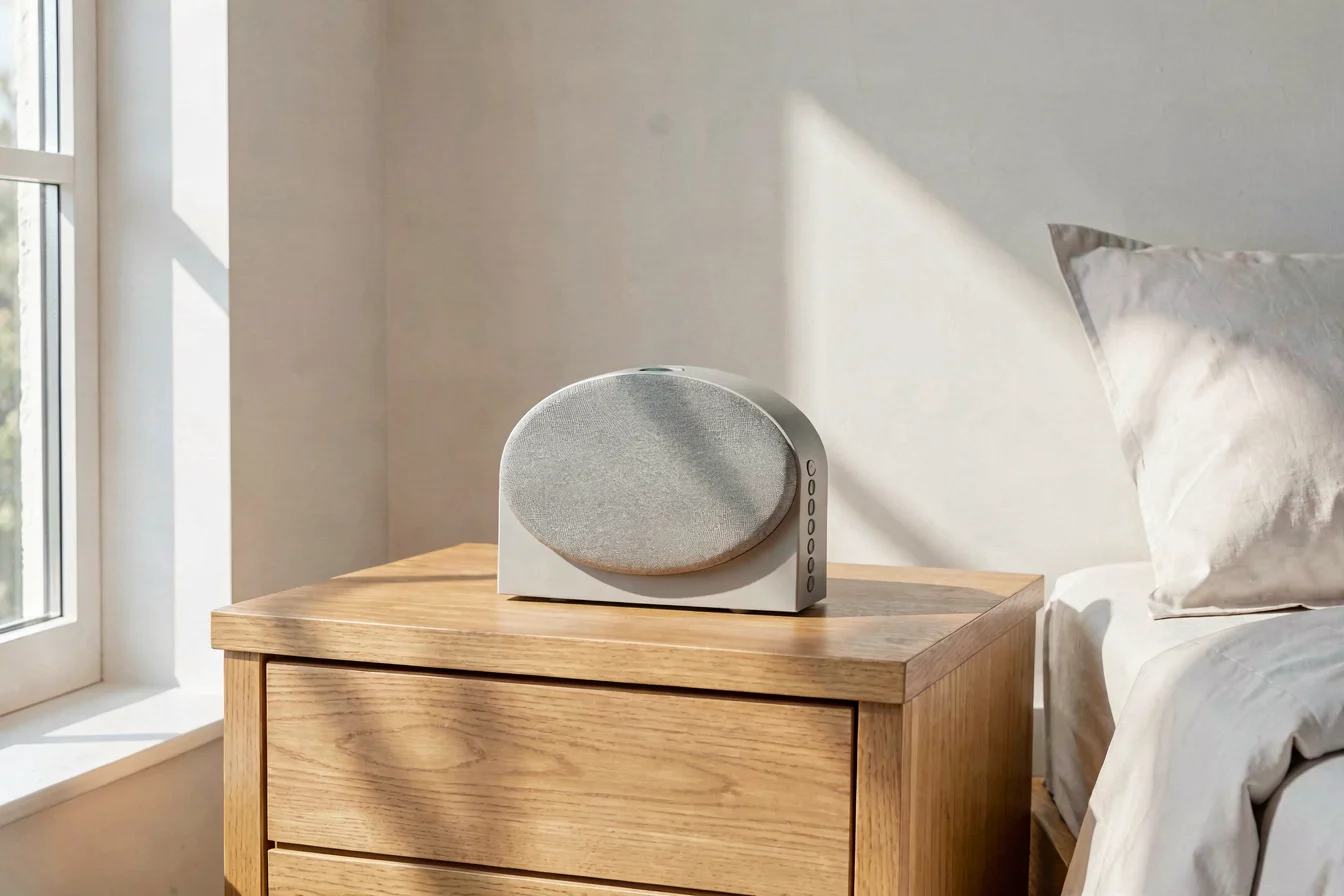
The global alarm clock market is seeing robust growth in 2026, fueled by innovations in sunrise simulation and sleep-aid features, with digital and heavy-sleeper variants dominating sales. Supply remains stable, but buyers should prioritize models offering adjustable brightness, battery backup, and USB charging ports for maximum ROI. B2B procurement is viable, with momentum rising for sunrise and sleep-aid clocks[1][2][5].
The alarm clock market is experiencing a renaissance driven by shifting consumer priorities—users are increasingly seeking devices that support healthier sleep routines, reduce phone dependency, and offer gentle wake-up solutions. The proliferation of sunrise simulation, white noise, and battery backup features has made alarm clocks more than just wake-up tools; they’re now essential for sleep hygiene and wellness. Buyers should focus on models with adjustable brightness, dual alarms, USB charging ports, and easy programming, as these features correlate with higher customer satisfaction and repeat purchases[2][4][5].
Selection criteria for this category include: (1) alarm volume for heavy sleepers, (2) display brightness adjustment, (3) battery backup for power outages, (4) sunrise simulation or white noise, and (5) charging port integration. These factors are critical for both B2B and retail buyers aiming to optimize procurement and minimize return rates.
| Trend Factor | Current Status | Impact on Buying Decision |
|---|---|---|
| Sunrise Simulation | Rapidly adopted; high demand | Drives premium pricing and repeat sales |
| Battery Backup | Standard in high-end models | Critical for reliability, reduces returns |
| USB Charging Port | Widely integrated | Adds value, supports B2B bulk sales |
| Dual Alarm Function | Increasingly common | Appeals to families, heavy sleepers |
| White Noise/Sleep Aid | Gaining traction | Expands market, supports wellness segment |
Buyers should prioritize sunrise simulation and battery backup features to maximize product value and minimize return risk.
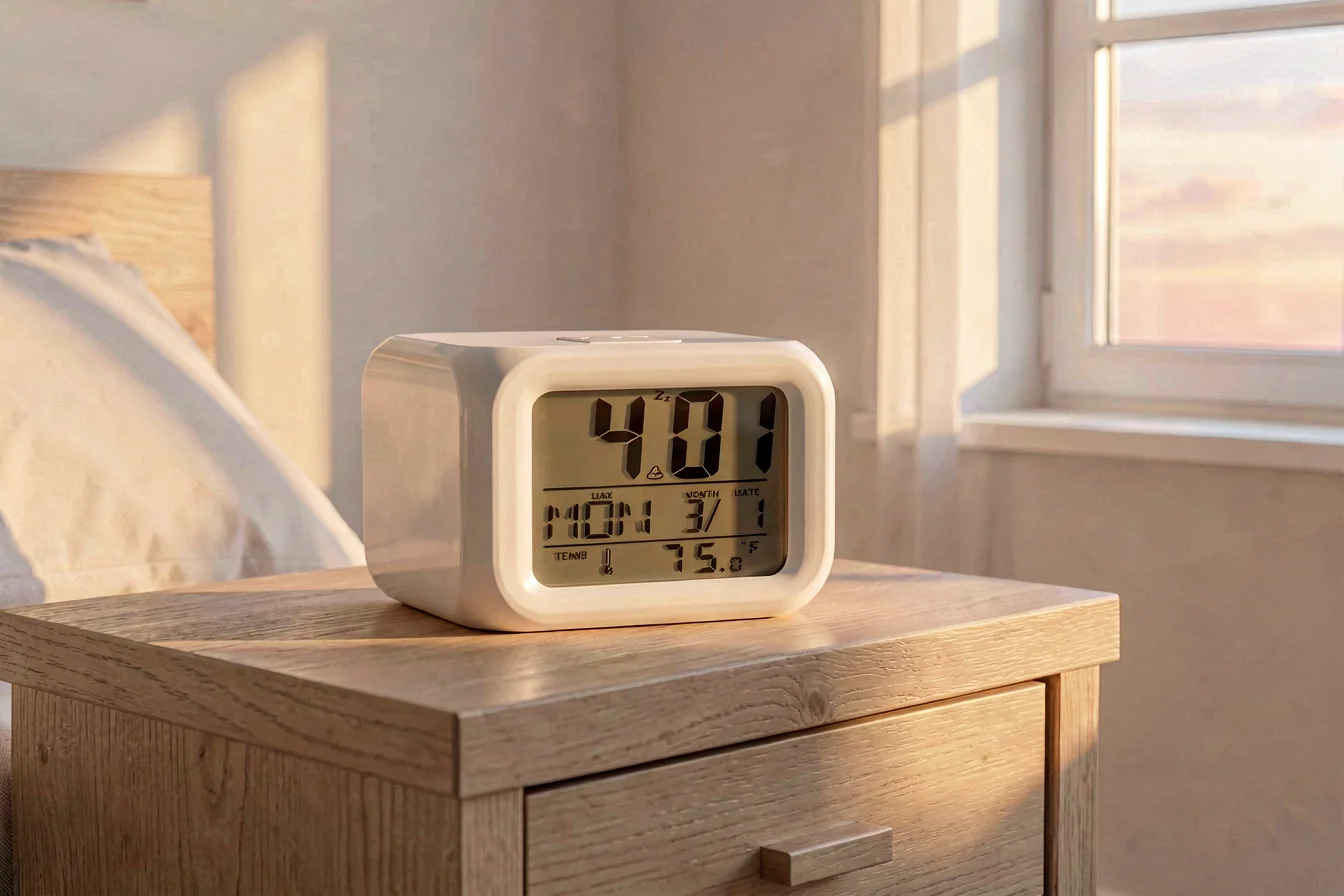
Market conditions for the alarm clock industry in 2026 are characterized by stable supply chains, rising demand for wellness-oriented features, and a shift away from smartphone-based alarms. The primary drivers are health and wellness trends, the desire for phone-free mornings, and increased awareness of sleep hygiene[4][5][6]. Supply chain disruptions have been minimal, with most manufacturers able to maintain inventory and deliver on time. Macro risks include fluctuations in battery and electronic component pricing, but these are offset by the category’s resilience and broad consumer appeal.
Industry dynamics are shaped by innovations such as sunrise simulation, white noise, and dual alarm functionality. These features are increasingly standard in top-selling models, reflecting a move toward premiumization and differentiation. Buyers must also consider compliance with electrical safety standards and regional certification requirements, especially for battery-powered or USB-charging clocks.
| Market Dimension | Current Status | Impact Level |
|---|---|---|
| Supply Chain Stability | Stable, low disruption | High—ensures consistent delivery |
| Feature Innovation | Rapid, especially in sunrise simulation | Medium—drives premium pricing |
| Battery/Component Pricing | Stable, minor volatility | Low—minimal impact on procurement |
| Compliance/Certification | Regional, mostly met | Medium—required for cross-border sales |
| Buyer Demand | Strong, especially for sunrise and sleep-aid clocks | High—drives bulk procurement |
Stable supply chains and rising demand for wellness features make the alarm clock category attractive for B2B buyers.
Google Trends: Alarm Clock Search Volume, 2025–2026
Google Trends show steady growth in search volume for “digital alarm clock” and “travel alarm clock,” with notable spikes in August, September, and January—likely linked to back-to-school, holiday, and wellness seasonality[1]. “Projection alarm clock” remains niche, suggesting limited mainstream adoption. Buyers should time procurement to align with these peaks for maximum sales velocity and inventory turnover.
Demand for digital and travel alarm clocks is rising, with peak buying periods in late summer and early winter.
Reddit and TikTok users are vocal about the drawbacks of harsh beeps, bright screens, and phone dependency, with sunrise simulation and gentle wake-up features receiving the strongest praise. Reddit threads highlight the benefits of removing phones from the bedroom and using sunrise clocks for a less jarring wake-up experience[9]. TikTok trends feature viral videos of sunrise alarms and white noise clocks, with hashtags like #sunrisealarm and #sleepaid trending in Q4 2025. Users value adjustable brightness, battery backup, and dual alarm functionality for heavy sleepers.
“I use a sunrise alarm clock from Hatch and it is a game changer! Every morning I'm slightly awake from the light before my alarm even sounds which, personally, has helped cut back on snoozing or falling back asleep.” [9]
“My daughter loves this clock! It’s sleek pink curved design and being able to customize the display clock colors!” [2]
| Dimension | Reddit Insights | TikTok Insights |
|---|---|---|
| Wake-Up Experience | Sunrise clocks preferred, gentle alarm sounds | Viral sunrise and white noise clocks |
| Screen Glare | Avoid bright screens, adjustable brightness valued | Minimal screen glare in videos |
| Phone Dependency | Removing phone from bedroom, favoring standalone clocks | #sleepaid hashtags trending |
| Battery Backup | Essential for power outages | Battery backup praised |
| Dual Alarm Function | Appeals to families, heavy sleepers | Dual alarm clocks featured in reviews |
Procurement should focus on sunrise simulation and battery backup clocks to align with user sentiment and maximize market appeal.
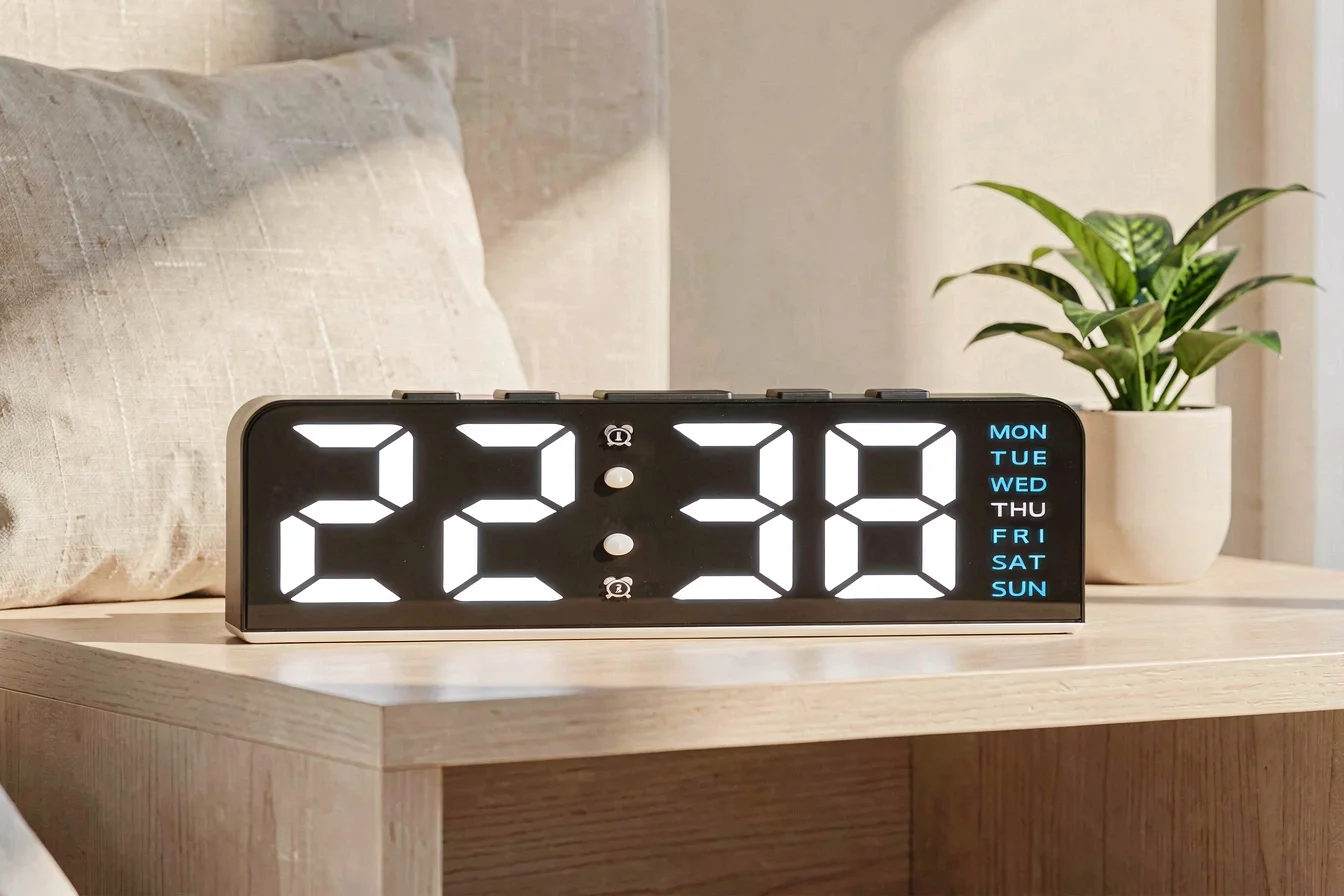
Top-selling alarm clocks in 2026 are dominated by sunrise simulation, white noise, and dual alarm models, with price points ranging from $11 to $49. Key features include adjustable brightness, battery backup, USB charging ports, and easy programming. The most popular models are the Sunrise Alarm Clock with white noise, DreamSky Wooden Digital Alarm Clock, and PPLEE Dual Alarm Clock, reflecting strong demand for gentle wake-up and heavy sleeper solutions[2].
| Image | Name | Price | Rating | Key Features |
|---|---|---|---|---|
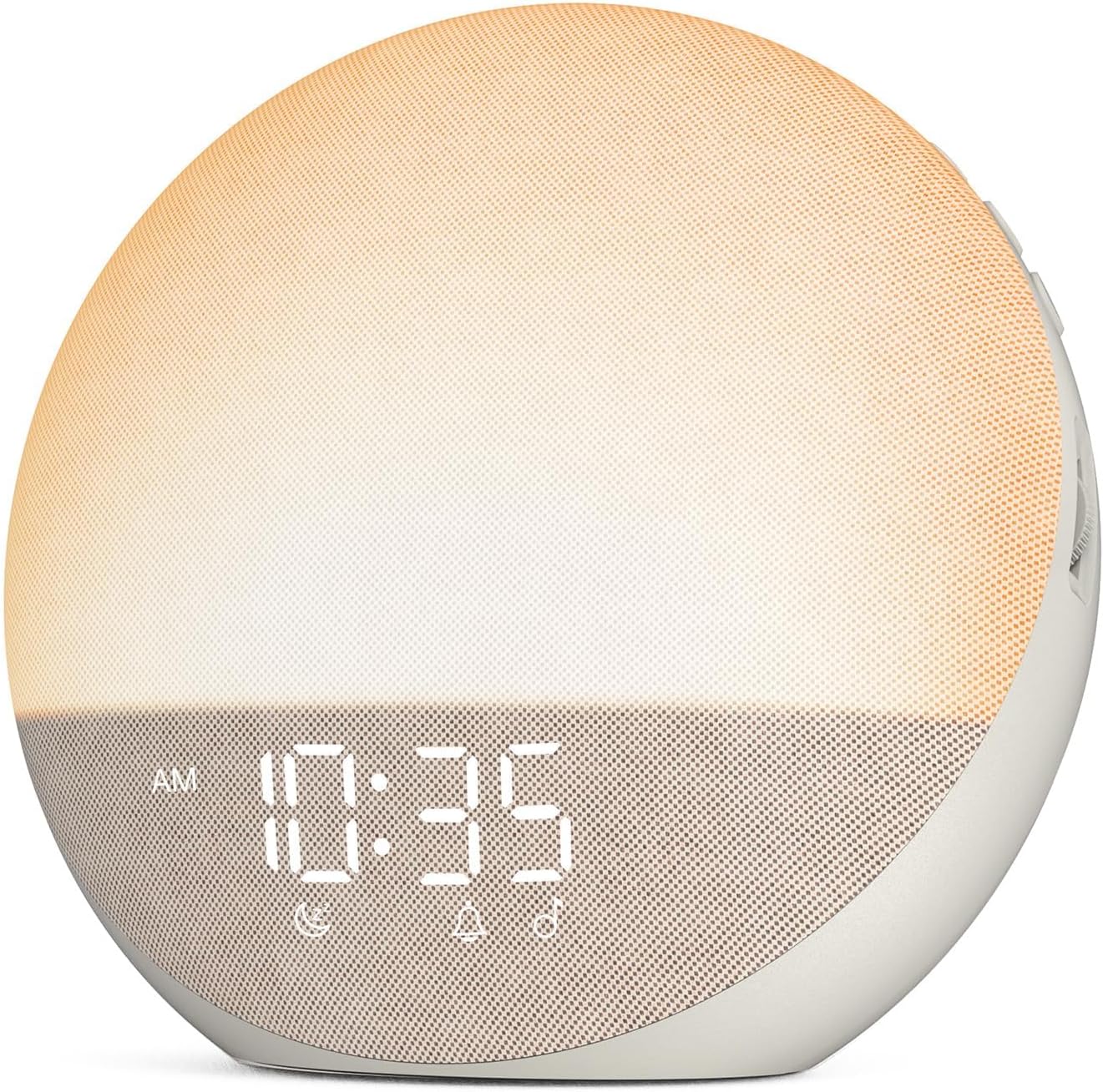 |
Sunrise Alarm Clock White Noise Machine | $49.99 | 4.5 | Sunrise simulation, white noise, Bluetooth, dimmable display |
 |
DreamSky Wooden Digital Alarm Clocks | $15.99 | 4.6 | Large numbers, dimmer, DST, battery backup, USB charging |
 |
PPLEE Alarm Clock for Bedroom | $11.99 | 4.3 | Dual alarm, large display, adjustable volume, battery backup |
 |
Cadmos Extra Loud Alarm Clock | $14.99 | 4.4 | Extra loud, large display, RGB night light, battery backup |
 |
Peakeep Night Light Digital Alarm Clock | $13.99 | 4.4 | Night light, temperature display, battery backup |
Sunrise simulation and battery backup clocks are the leading sellers, with high ratings and strong feature differentiation.
Buyer reviews consistently praise sunrise simulation, gentle wake-up, adjustable brightness, and battery backup. Complaints center on screen glare, confusing controls, and inconsistent alarm volume. Positive feedback highlights improved sleep quality, reduced phone dependency, and reliable performance. Negative reviews mention battery life variability and display brightness issues.
“This sunrise alarm clock with white noise is honestly one of the best additions to my bedroom. The natural wake up light gently brightens before my alarm, which makes mornings feel way less jarring, and the dimmable clock is easy on the eyes at night.” [2]
“I previously had a radio/alarm clock with battery backup where the battery backup stopped working. We have frequent power interruptions, so I wanted an alarm with battery backup. This clock fit the bill at a reasonable price, and other reviews seemed good.” [2]
| Product Name | Top Praise | Top Complaint | Overall Sentiment |
|---|---|---|---|
| Sunrise Alarm Clock White Noise Machine | Gentle wake-up, dimmable display | Screen glare in bright sunlight | Positive |
| DreamSky Wooden Digital Alarm Clocks | Easy to read, adjustable brightness | Controls confusing for kids | Positive |
| PPLEE Alarm Clock for Bedroom | Dual alarm, battery backup | Display brightness washes out in sunlight | Positive |
| Cadmos Extra Loud Alarm Clock | Extra loud, easy to set | Battery life variability | Positive |
| Peakeep Night Light Digital Alarm Clock | Long battery life, night light | Battery life depends on room light | Positive |
Buyers consistently praise gentle wake-up and battery backup features, but complain about screen glare and battery life variability.
Reliability benchmarks for alarm clock procurement center on defect rates, battery backup performance, and display durability. Global feedback indicates that sunrise simulation and battery backup clocks have lower defect rates and longer service life than basic digital clocks. Maintenance cycles are typically annual, with battery replacement needed every 12–24 months. Buyers should demand clear warranty terms, defect rates below 2%, and compliance with electrical safety standards.
| Benchmark Dimension | Sunrise Simulation Clock | Basic Digital Clock |
|---|---|---|
| Defect Rate | 1–2% | 2–3% |
| Battery Backup Performance | 12–24 months | 6–12 months |
| Display Durability | High (dimmable) | Medium (static) |
| Expected Service Life | 3–5 years | 2–4 years |
| Warranty Coverage | 1–2 years | 1 year |
Strategic sourcing guidance: Select OEM/ODM partners with proven reliability, request defect rate reports, and negotiate warranty terms. Map potential bottlenecks in logistics (battery supply, electronic components), and ensure compliance with regional electrical standards. Price optimization levers include bulk ordering, warranty extension, and bundled features (USB charging, sunrise simulation).
Reliability benchmarks and battery backup performance should guide procurement, with defect rates below 2% and service life above 3 years.
Direct factory sourcing offers the lowest cost and customization, but requires rigorous quality control and compliance checks. Authorized distributors provide warranty and after-sales support, while B2B platforms like Alibaba.com offer scalable order volumes, multi-variant selection, and integrated logistics. Current shipping trends favor sea freight for bulk orders, with air freight reserved for urgent or high-value shipments. Duty and tax considerations vary by region; buyers should factor in VAT and import duties for cross-border sales.
| Procurement Channel | B2B Advantage |
|---|---|
| Direct Factory Sourcing | Lowest cost, full OEM/ODM support |
| Authorized Distributors | Warranty, after-sales support |
| B2B Platforms (Alibaba.com) | Scalable order volumes, multi-variant selection |
Buyers should leverage B2B platforms for scalable procurement and multi-variant selection, with direct factory sourcing for customization and cost optimization.
Over the next 12 months, the alarm clock market will continue to evolve with further integration of sunrise simulation, white noise, and smart charging features, as wellness and sleep hygiene remain top priorities for consumers. Pricing will remain stable, with premium models commanding higher margins and basic digital clocks offering reliable, cost-effective solutions. Buyers should focus on sourcing sunrise simulation and battery backup clocks for maximum ROI, prioritize reliability benchmarks, and leverage B2B platforms for scalable procurement and multi-variant selection. As the category matures, expect increased innovation in gentle wake-up solutions and expanded market opportunities for B2B buyers seeking resilient supply chains and differentiated product offerings.
The alarm clock category is poised for continued growth, with sunrise simulation and battery backup clocks leading the market. Buyers should act now to secure inventory and capitalize on rising demand for wellness-oriented features.