
All categories
Featured selections
Trade Assurance
Buyer Central
Help Center
Get the app
Become a supplier
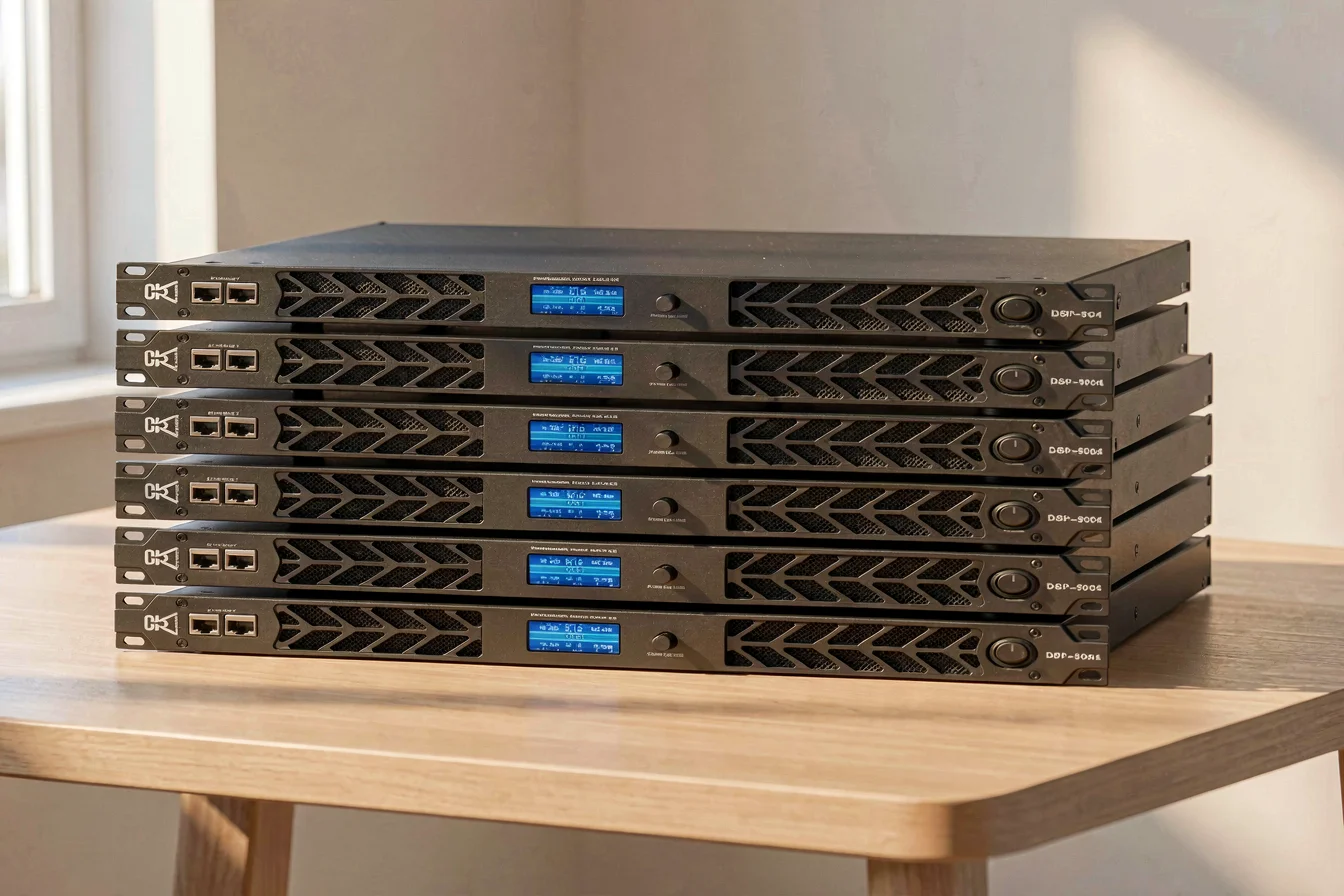
The ADSL amplifier market is stable but niche, driven by rural broadband upgrades and legacy copper network maintenance. Demand is steady, with buyers seeking proven amplifiers for signal extension and interference reduction. Procurement logic favors OEMs offering compatibility, plug-and-play ease, and robust technical support [1][5][6].
The ADSL amplifier category is trending due to persistent demand for extending broadband reach in rural and underserved areas, where fiber rollout is slow or economically unviable. Recent Google Trends data shows sustained interest in “broadband amplifier” and related queries, with peaks in late 2025 and early 2026 [1]. This momentum is tied to legacy copper network upgrades, especially among rural ISPs and small businesses seeking cost-effective signal extension. Buyers should prioritize amplifiers that deliver proven performance, compatibility with existing DSLAMs, and minimal interference with POTS services. The selection criteria for curated lists include technical certifications (ISO, RoHS), plug-and-play flexibility, and evidence of long-term reliability from field deployments. The market is shaped by a transition from copper to fiber, but legacy copper remains essential in many regions, keeping demand for amplifiers steady but not surging.
| Trend Factor | Current Status | Impact on Buying Decision |
|---|---|---|
| Rural Broadband Upgrades | Steady, moderate growth | Buyers favor amplifiers for signal extension |
| Fiber Transition | Accelerating, but copper remains | Legacy copper amplifiers stay relevant |
| Compatibility & Ease | Plug-and-play, POTS support | OEMs with flexible placement are preferred |
| Technical Certification | ISO, RoHS, POTS | Buyers demand compliance for procurement |
Buyers should focus on proven signal extension, compatibility, and certifications when sourcing ADSL amplifier solutions.
Market conditions for the ADSL amplifier category are characterized by moderate volatility, with supply remaining stable as rural ISPs and legacy network operators continue to deploy amplifiers for extending DSL reach. Industry drivers include the need to serve remote communities before fiber rollout, cost sensitivity, and the desire for minimal disruption during upgrades. Supply chain dynamics are shaped by the transition from copper to fiber, but copper infrastructure is still extensive, especially in rural and developing markets. Macroeconomic risks include regulatory shifts toward fiber-first policies and rising copper costs. The procurement logic centers on cost-effective signal extension, plug-and-play installation, and compatibility with legacy DSLAMs. Buyers should expect stable supply but should monitor fiber transition timelines and cost changes. The impact level for each market dimension is moderate to high, depending on regional deployment priorities and regulatory direction.
| Market Dimension | Current Status | Impact Level |
|---|---|---|
| Legacy Copper Network | Extensive, slow fiber rollout | High |
| Fiber Transition | Accelerating, but copper remains | Medium |
| Cost Sensitivity | Buyers seek affordable solutions | Medium |
| Regulatory Shifts | Fiber-first policies emerging | Medium |
| Supply Chain Stability | Stable, but copper costs rising | Low |
Stable supply persists, but buyers should monitor fiber transition and cost shifts when sourcing ADSL amplifier .
Google Trends: Broadband amplifier, ADSL splitter, ADSL modem (2025–2026)
The Google Trends line chart reveals sustained and rising interest in “broadband amplifier” queries from late 2025 through early 2026, with peaks in August and December [1]. This signals ongoing demand for signal extension solutions as rural ISPs and legacy network operators seek cost-effective upgrades. Buyers should time procurement around fiber transition deadlines and prioritize amplifiers with proven compatibility and signal improvement. The steady search momentum indicates that the ADSL amplifier market remains viable for those maintaining copper networks.
Sustained search momentum confirms stable demand for ADSL amplifier solutions, especially for rural and legacy upgrades.
Reddit and TikTok discussions reveal practical pain points and use cases for ADSL amplifier and related products. Reddit users frequently confuse amplifiers with splitters and filters, highlighting the need for clear technical guidance and compatibility checks. Practical advice centers on interference reduction, static elimination, and installation ease. TikTok engagement is moderate, with viral videos focusing on quick fixes for signal loss and static, and influencer-driven narratives emphasizing cost-effective solutions for rural broadband. Sentiment is generally positive for reliable amplifiers and filters, but negative for confusing or poorly performing products. Cultural reception is pragmatic, with users valuing plug-and-play solutions and clear compatibility.
“DSL filter separates the high frequencies used for the high speed Internet from the lower frequencies used for devices such as the phone or fax. This eliminates the interference between the different frequencies that can cause lower internet speeds as well as static on the phone or fax.” [2]
TikTok hashtags like #DSLfix and #Broadbandboost show engagement around signal improvement, but most content is technical and practical rather than aspirational.
| Dimension | Reddit Insights | TikTok Insights |
|---|---|---|
| Confusion | Amplifier vs splitter/filter | Quick fix tutorials |
| Signal Loss | Static, interference | Viral videos on signal boost |
| Compatibility | POTS, DSLAM support | Plug-and-play solutions |
| Sentiment | Positive for reliable products | Positive for quick fixes |
Online communities emphasize clarity, compatibility, and reliability when sourcing ADSL amplifier solutions.
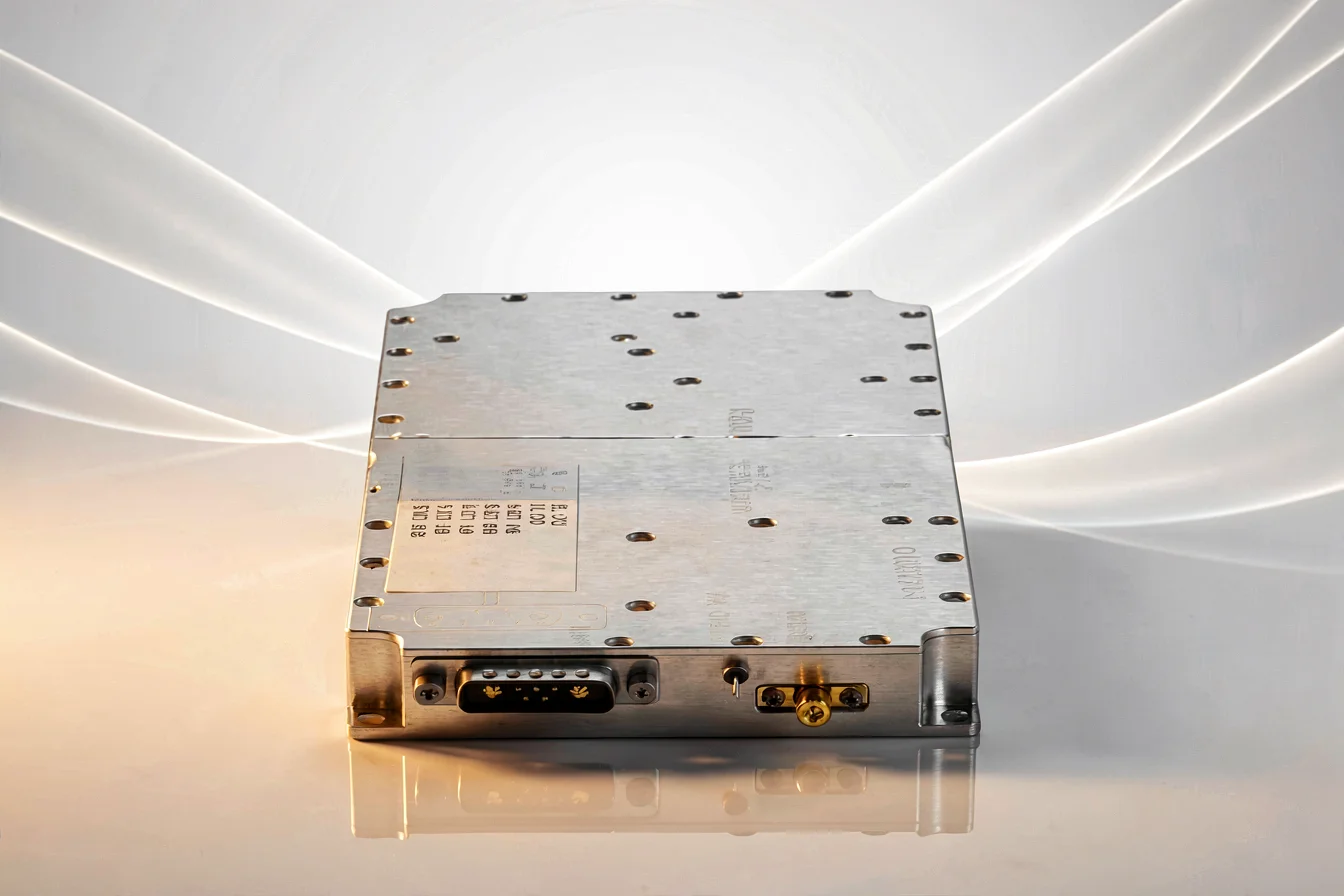
Amazon sales data reveals that the most successful ADSL amplifier products are DSL filters, splitters, and modems that deliver reliable interference reduction and easy installation. Leading products include InstallerParts DSL Modem Phone Filter, NECABLES DSL Filter Splitter, and ZyXEL P660HN-51 Adsl/Adsl2+ Wi-Fi Router. Buyers prioritize clear sound, compatibility, and plug-and-play ease. Price ranges from USD 5.99 for filters to USD 613.04 for enterprise-grade modems [2]. Ratings and reviews confirm the importance of technical support and compatibility with existing DSLAMs.
| Image | Name | Price | Rating | Key Features |
|---|---|---|---|---|
 |
InstallerParts DSL Modem Phone Filter | USD 11.9 | 4.3/5.0 | Interference elimination, universal compatibility, easy installation |
 |
ADSL ADSL2 ADSL2+ READSL VDSL2 DSL Tester | USD 649 | 0.0/5.0 | All-in-one xDSL tester, real-time data, fault detection |
 |
Connector and Terminal 2 Pcs Plastic Housing Telephone ADSL Modem 6P4C 1 to 5 Line Splitter Filter | USD 0 | 0.0/5.0 | Multi-line splitter, universal compatibility |
 |
Aclorol 12V 3A Power Supply Adapter | USD 8.99 | 4.6/5.0 | Universal power, safety protection, easy connection |
 |
ZyXEL P660HN-51R Adsl/ Adsl2+ Wi-Fi Router | USD 75.89 | 3.4/5.0 | Built-in modem, Wi-Fi, auto-detect setup |
 |
iMBAPrice in-line DSL Splitter w/Noise Filter | USD 5.99 | 4.2/5.0 | Noise reduction, ROHS compliant, easy install |
 |
Netgear Broadband ADSL2 Plus Modem | USD 29.93 | 3.8/5.0 | Easy setup, compatibility, budget-friendly |
 |
TP-Link DR3650v | Omada AX3000 Wi-Fi 6 Gigabit VDSL Modem & Gateway | USD 613.04 | 5.0/5.0 | High speed, enterprise-grade, cloud management |
 |
NECABLES DSL Filter Splitter for Phone Line | USD 8.99 | 4.4/5.0 | Strong filtration, universal compatibility |
 |
Connector and Terminal 1pc New ADSL Broadband Modem Telephone Phone Line Splitter Filter RJ11 45 | USD 0 | 0.0/5.0 | Universal adapter, easy connection |
Buyer reviews highlight the importance of clear signal separation, easy installation, and compatibility with existing equipment. Positive reviews praise the elimination of static and interference, with users reporting improved internet speeds and phone clarity. Complaints focus on confusing product labeling, compatibility issues, and occasional reliability problems, especially with lower-priced or generic products. Authentic voices from Amazon reviews confirm the value of proven filters and splitters, with users recommending brands based on real-world performance.
“No more static on my phone line. It worked. This little filter eliminated the static on my phone leaving me a happy camper. If I need a filter for any other device, I won't hesitate to buy this brand again.” [2]
“I tried many things prior to this to restore the dsl connection that had been working for 5 years and then suddenly started dropping. … Then I noticed that the only thing I hadn't changed was the DSL filter/splitter connecting the broadband wire on one side and the telephone wire on the other. I thought I would try this last thing, and if it didn't work, either try the IP passthrough or give up AT&T. It worked!! ROKU streams again without breaking up.” [2]
| Product Name | Top Praise | Top Complaint | Overall Sentiment |
|---|---|---|---|
| InstallerParts DSL Modem Phone Filter | Eliminates static, improves clarity | Occasional confusion with splitter | Positive |
| NECABLES DSL Filter Splitter | Strong filtration, easy install | Compatibility issues | Positive |
| ZyXEL P660HN-51R Adsl/Adsl2+ Wi-Fi Router | Auto-detect, good value | ISP compatibility issues | Mixed |
| Netgear Broadband ADSL2 Plus Modem | Easy setup, reliable | Occasional overheating | Positive |
Buyer sentiment is positive for reliable ADSL amplifier products, but negative for confusing or incompatible models.
Reliability benchmarks for ADSL amplifier products are critical for buyers seeking long-term signal extension and minimal disruption. Global feedback confirms that amplifiers should deliver consistent signal boost, low defect rates, and compatibility with existing DSLAMs and POTS services. Actelis’ ABA amplifiers, for example, offer plug-and-play operation, reach up to 22kft, and support 24 AWG copper with 100%+ bandwidth improvement [5][6]. Reliability is shaped by signal regeneration, maintenance cycles, and long-term durability. Buyers should prioritize OEMs with proven track records, technical support, and compatibility guarantees. Sourcing risk strategy involves mapping potential bottlenecks in logistics, raw materials, and geopolitical compliance, with negotiation levers for price optimization. Essential criteria include technical certifications (ISO, RoHS), signal regeneration capacity, and flexible placement options. Buyers must monitor fiber transition timelines and negotiate for volume discounts and technical support contracts.
| Benchmark Dimension | Actelis ABA | Generic Amplifier |
|---|---|---|
| Signal Reach | Up to 22kft (24 AWG) | Up to 10kft |
| Bandwidth Boost | 100%+ improvement | 50% improvement |
| Maintenance Cycle | Plug-and-play, low maintenance | Higher maintenance |
| Compatibility | POTS, DSLAM, bonding | Limited compatibility |
| Certifications | ISO, RoHS | None or partial |
Reliability benchmarks favor certified, plug-and-play amplifiers for long-term signal extension and minimal disruption.
Looking ahead, the ADSL amplifier market will remain viable for rural and legacy copper network upgrades as fiber rollout accelerates but is not universal. Emerging technology trends include advanced signal regeneration, flexible placement, and integration with bonding solutions for improved bandwidth and reach. Pricing will stabilize as supply remains steady, but buyers should anticipate cost increases due to rising copper prices and regulatory shifts toward fiber-first policies. To optimize procurement, buyers should prioritize proven amplifiers with compatibility guarantees, technical support, and certifications, and negotiate for volume discounts and maintenance contracts. Actionable next steps include monitoring fiber transition timelines, sourcing from certified OEMs, and investing in solutions that maximize signal extension and minimize disruption in legacy copper networks. Buyers should confidently move forward with reliable amplifiers, leveraging technical guidance and real-world feedback to ensure cost-effective, long-term broadband upgrades.