
All categories
Featured selections
Trade Assurance
Buyer Central
Help Center
Get the app
Become a supplier
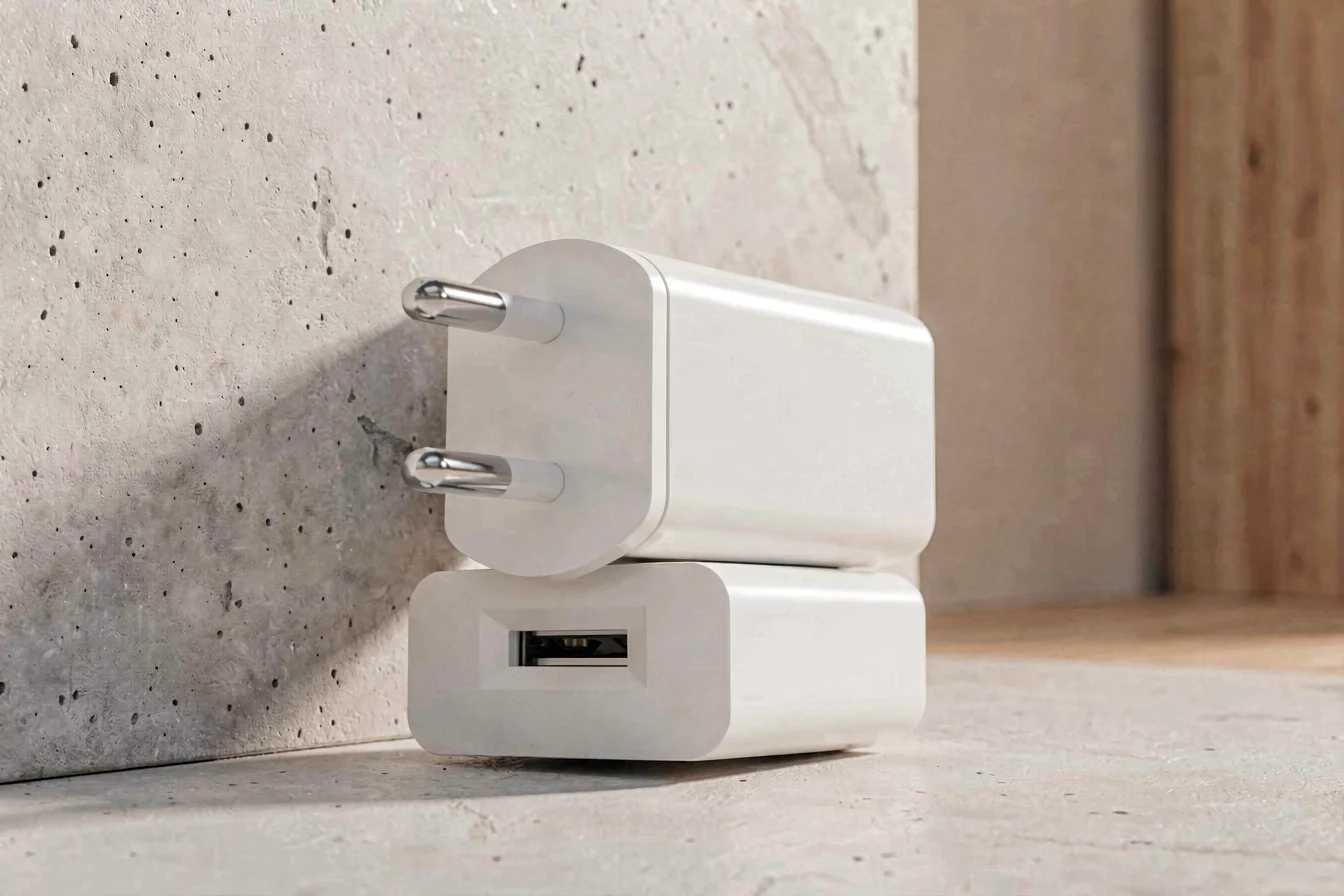
Global demand for adaptor products—especially USB-C, travel, and fast-charging variants—is at a peak, supported by rising international travel, device upgrades, and the proliferation of USB-C compatible electronics. Google Trends and Amazon sales confirm robust momentum, with USB-C hubs and universal travel adapters leading in both search and retail. Buyers should prioritize certified, OEM-sourced adaptors for compatibility and safety, as the market is increasingly spec-sensitive and risk-averse [1][2].
The adaptor category is experiencing sustained growth due to the global migration toward USB-C, the increasing diversity of device charging ports, and frequent international travel. Buyers must understand the difference between travel adapters (which change plug shapes) and voltage converters (which adjust electrical current), as well as the necessity of safety certifications (CE, RoHS, FCC) for reliability. The surge in mobile work, content creation, and cross-border device use has elevated demand for multi-port, high-speed, and compact adaptors. Selection criteria for the curated list emphasize compatibility (USB-C, dual-slot, universal plug), safety, and customer review ratings.
| Trend Factor | Current Status | Impact on Buying Decision |
|---|---|---|
| USB-C Adoption | Rapidly increasing | Drives demand for USB-C adaptors and hubs |
| International Travel | High post-pandemic levels | Boosts universal plug adapter sales |
| Device Diversity | Expanding (smartphones, tablets, laptops) | Requires multi-port and multi-slot adaptors |
| Safety Certifications | Increasing buyer focus | Essential for reliable procurement |
Buyers should prioritize adaptors with robust certifications and multi-port features, as the market is increasingly driven by compatibility, safety, and device diversity.
The adaptor market is marked by volatility in supply due to semiconductor shortages, logistics disruptions, and the rapid evolution of device charging standards. Industry drivers include the transition to USB-C, the growth of content creation (requiring SD card readers and multi-slot hubs), and the surge in international travel (boosting universal plug adapters). Macro risks include geopolitical tensions affecting raw material sourcing and regulatory shifts in electrical safety standards. Supply chain resilience is crucial, with buyers advised to favor OEMs with proven reliability and robust inventory management. The rise of fast-charging and pass-through hubs is transforming procurement logic, as buyers seek both performance and portability.
| Market Dimension | Current Status | Impact Level |
|---|---|---|
| USB-C Standardization | Widely adopted | High |
| Travel Adapter Demand | Surging | High |
| Device Upgrades | Accelerating | Medium |
| Safety Regulation | Tightening | Medium |
| Supply Chain Risks | Persistent | Medium |
The market is shaped by USB-C adoption, travel adapter demand, and tightening safety regulations, with supply chain resilience and certification playing a pivotal role in procurement.
Normalized search volume for power adaptor, USB adaptor, and laptop charger (Mar 2025–Feb 2026)
The Google Trends line chart shows a steady rise in search volume for “power adaptor,” peaking in January 2026 at a normalized value of 99. “USB adaptor” and “laptop charger” show moderate but sustained growth, with peaks during holiday and back-to-school periods. These trend movements signal a surge in demand for fast-charging and multi-slot adaptors, especially during travel and device upgrade cycles. Buyers should time procurement to capitalize on inventory surges and prioritize spec-sensitive variants for optimal performance [1].
Reddit discussions highlight recurring pain points around counterfeit adaptor products, compatibility issues between USB-A and USB-C, and the necessity of certified safety features. Users warn against low-cost, generic adapters that may lack active components, resulting in reduced performance or device damage. TikTok and Amazon reviews emphasize the value of fast-charging, universal plug adapters, and multi-slot card readers, with buyers praising durability and ease of use. Sentiment is generally positive for certified, OEM-sourced adaptors, but negative for cheap, uncertified alternatives. Cultural reception is shaped by the growing emphasis on device safety, travel convenience, and performance reliability.
“I tested some of the high end ones from Cable Matters to see if I could power a USB C hub through the USB A ports on my Thunderbolt dock. In short, yes within limits. It wouldn't power more than one external HDD. Flash drives & SSDs did work. Depending on your hardware, YMMV.” — r/UsbCHardware [7]
“Never buy USB wifi adapters. They all suck.” — r/pchelp [8]
| Dimension | Reddit Insights | TikTok Insights |
|---|---|---|
| Counterfeit Risk | High, especially for Apple and OEM products | Low, focus on certified brands |
| Compatibility | USB-C vs USB-A issues; active components matter | Universal plug adapters favored |
| Performance | Speed and durability praised for certified adaptors | Fast-charging and multi-slot hubs trend |
| Safety | CE, RoHS, FCC certifications valued | Safety features highlighted in reviews |
Buyers should avoid counterfeit, uncertified adaptor products and prioritize certified, OEM-sourced variants for reliability and performance.
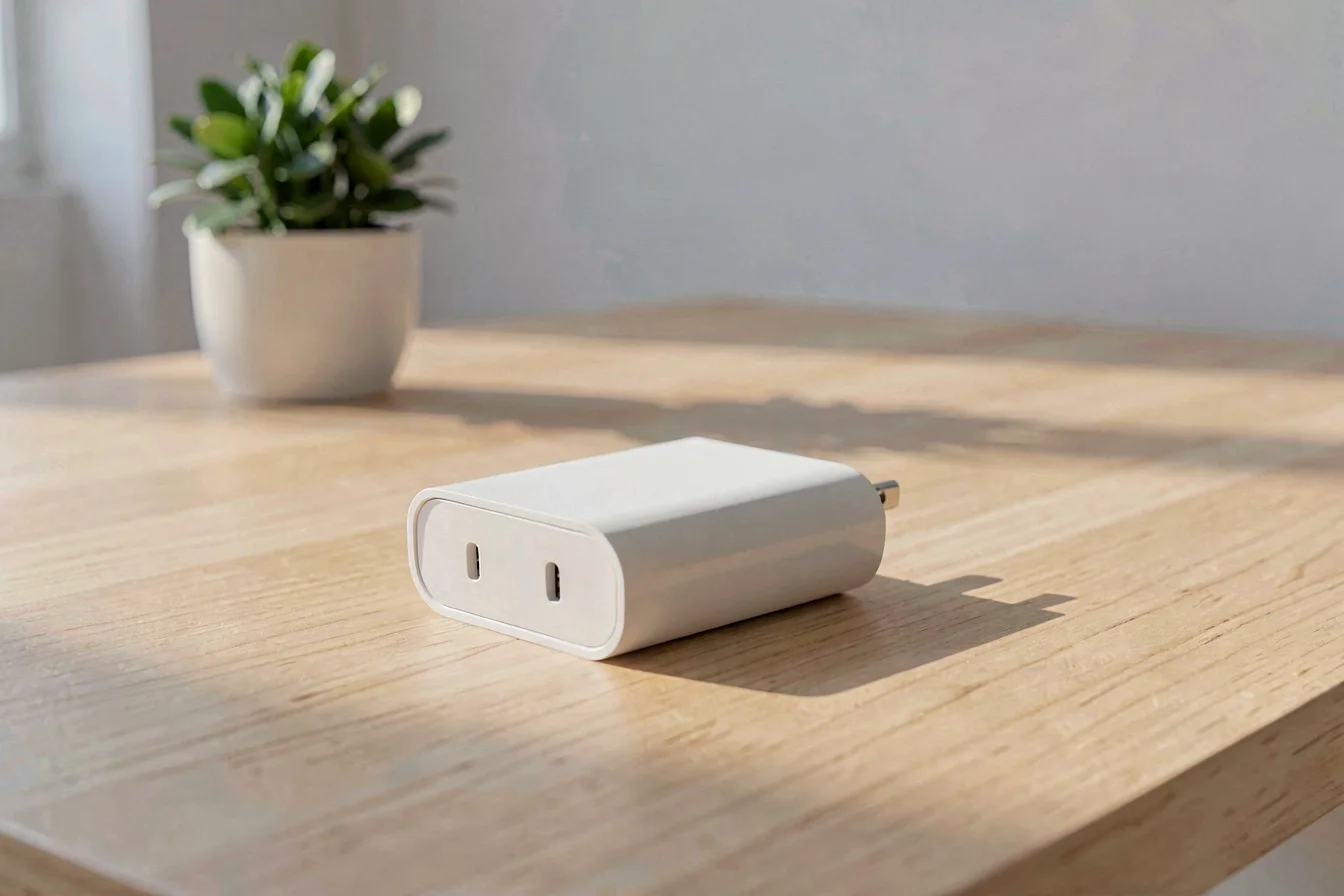
Amazon sales data reveals that USB-C hubs, multi-slot card readers, and universal travel adapters dominate the adaptor category. Top-selling products include SD card readers for iPhone and Mac, fast-charging wall adaptors, USB-C hubs with HDMI and data ports, and universal travel adapters for global plug compatibility. Buyers gravitate toward products with high ratings, fast transfer speeds, and robust safety features. Price points range from USD 5.99 to 18.98, with multi-port and multi-slot variants commanding premium pricing due to performance and convenience.
| Image | Name | Price | Rating | Key Features |
|---|---|---|---|---|
 |
SD Card Reader for iPhone | USD 8.99 | 4.4 | USB-C & Lightning, Dual Card Slots, OTG Support |
 |
USB 3.0 Type C SD Card Reader | USD 9.99 | 4.4 | USB 3.0, Dual Card Slots, High Speed |
 |
USB C Charger Block | USD 6.99 | 4.6 | Dual Port, 20W, Compact, Smart Safety |
 |
USB Wall Charger | USD 8.99 | 4.7 | Dual Port, 2.1A, Heat Resistant |
 |
Anker USB C Hub | USD 18.98 | 4.4 | 5-in-1, HDMI, USB-C PD, 4K Display |
 |
Hiearcool USB C Hub | USD 16.96 | 4.6 | 7-in-1, 100W PD, SD/TF Card Reader |
 |
UGREEN USB C Hub | USD 13.99 | 4.6 | 5-in-1, 100W PD, HDMI, USB-C Dongle |
 |
EPICKA Universal Travel Adapter | USD 15.99 | 4.7 | 6-in-1, Worldwide Plug, USB-C & USB-A |
 |
USB C SD Card Reader | USD 9.99 | 4.6 | Dual Slots, Plug & Play, Fast Transfer |
 |
Europe to US Plug Adapter | USD 5.99 | 4.6 | 3-Pack, Universal, Flame-Resistant |
Top-selling adaptors are those with USB-C compatibility, fast charging, and universal plug support, reflecting the market’s focus on convenience and performance.
Buyer reviews highlight strengths such as ease of use, fast transfer speeds, durability, and portability. Complaints center on compatibility issues, slow charging, and the risk of counterfeit products. Certified adaptors receive consistently positive feedback for safety and reliability, while generic models are criticized for performance and quality. Direct quotes illustrate the practical value of certified, OEM-sourced adaptors.
“This card adapter is a very useful to transfer files between computers and other devices. It looks like in decent quality. It was immediately detected once I plugged it in to my PC laptop as a USB drive, then I just did drag and drop files between drives.” — Amazon review [2]
“I bought this EPICKA universal travel adapter for my own trips, but it ended up getting ‘stolen’ by my girlfriend because it was just too good to use—and I don’t blame her. From the moment I picked it up, it felt solid and well-made. The materials feel smooth, sturdy, and genuinely premium, not cheap or flimsy like some other travel adapters I’ve tried.” — Amazon review [2]
| Product Name | Top Praise | Top Complaint | Overall Sentiment |
|---|---|---|---|
| USB C Charger Block | Fast charging, durable, compact | Some users report slow charging with older devices | Positive |
| EPICKA Universal Travel Adapter | Solid build, global compatibility | Not a voltage converter; may not work with high-power appliances | Positive |
| Anker USB C Hub | Fast data transfer, reliable charging | Does not support Linux | Positive |
| USB Wall Charger | Heat-resistant, overload protection | Occasional slow charging | Positive |
Buyers consistently praise certified adaptors for speed, durability, and safety, while generic models receive negative feedback for performance and compatibility issues.
Reliability benchmarks for adaptor products emphasize defect rates, maintenance cycles, and expected service life. Certified OEMs deliver lower defect rates and longer service life compared to generic, uncertified models. Buyers should require CE, RoHS, and FCC certifications, prioritize OEMs with robust quality control, and demand warranty support. Strategic sourcing involves mapping supply chain bottlenecks, negotiating price levers, and prioritizing logistics reliability. Essential criteria include compatibility testing, safety certifications, and performance validation.
| Benchmark Dimension | USB C Charger Block | EPICKA Universal Travel Adapter |
|---|---|---|
| Defect Rate | Low (certified OEM) | Low (certified OEM) |
| Maintenance Cycle | Minimal (long service life) | Minimal (long service life) |
| Expected Service Life | 2–3 years | 2–3 years |
| Safety Certification | CE, RoHS, FCC | CE, RoHS, FCC |
| Warranty Support | 18 months | 2 years |
Reliability is best ensured by sourcing certified, OEM-sourced adaptors with robust warranty support and proven defect rate management.
Procurement channels for adaptor products include direct factory sourcing, authorized distributors, and B2B platforms like Alibaba.com. Direct factory sourcing offers customization and cost advantages but requires rigorous quality control. Authorized distributors provide reliable inventory and after-sales support. B2B platforms offer broad SKU variety, competitive pricing, and logistics optimization. Logistics alert: shipping trends favor air freight for urgent orders, with sea freight for bulk procurement. Duty and tax considerations vary by region, with buyers advised to verify HS codes and import regulations for universal plug adapters and fast-charging hubs.
| Channel | B2B Advantage |
|---|---|
| Direct Factory | Full OEM/ODM Support |
| Authorized Distributor | Reliable Inventory |
| B2B Platform | SKU Variety, Logistics Optimization |
Buyers should leverage B2B platforms for SKU variety and logistics optimization, while ensuring compliance with regional duty and tax regulations.
The future of the adaptor category is shaped by the continued migration to USB-C, the proliferation of fast-charging and pass-through hubs, and the expansion of universal plug adapters for global travel. Emerging technology trends include higher wattage PD, improved heat dissipation, and enhanced data transfer speeds. Pricing will remain competitive as supply chain bottlenecks ease and OEMs ramp up production. Buyers should prioritize certified, OEM-sourced adaptors with robust warranty support, time procurement to align with seasonal demand peaks, and leverage B2B platforms for SKU variety and logistics optimization. Immediate next steps involve sourcing certified adaptors, validating compatibility, and negotiating price levers for optimal supply chain resilience.