
All categories
Featured selections
Trade Assurance
Buyer Central
Help Center
Get the app
Become a supplier
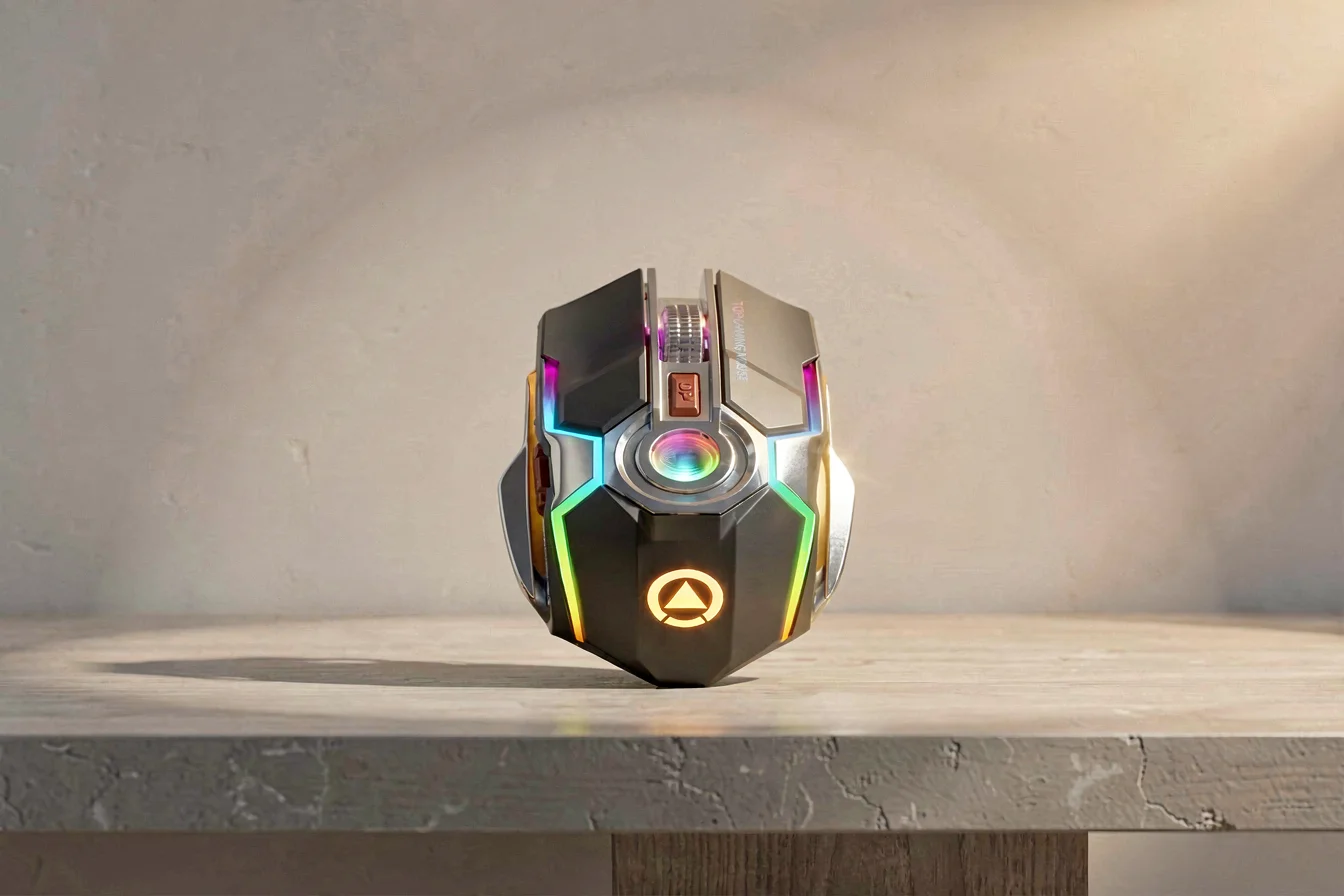
The 7d gaming mouse market is experiencing sustained growth, with buyers prioritizing programmable buttons, RGB lighting, and ergonomic designs. Procurement is viable, with resilient supply chains and strong sales momentum, especially for wireless and RGB variants. Buyers should focus on reliability, compatibility, and spec-sensitive sourcing for optimal value.
The surge in demand for 7d gaming mouse products is driven by the need for enhanced control, customization, and immersive aesthetics in both gaming and productivity. Buyers are increasingly seeking models with 7+ programmable buttons, high DPI, and RGB/LED lighting, as these features directly impact competitive advantage and user experience. Selection criteria focus on sensor accuracy, button layout, ergonomic fit, and software compatibility—especially for Linux users, where software support remains a challenge. The curated list prioritizes models with strong reliability, robust warranty, and positive buyer feedback, ensuring buyers can confidently source top-performing SKUs.
| Trend Factor | Current Status | Impact on Buying Decision |
|---|---|---|
| Programmable Buttons | 7–12 buttons standard | High for competitive gaming |
| RGB/LED Lighting | Strong buyer preference | Boosts resale and user satisfaction |
| Ergonomic Design | Widespread adoption | Reduces fatigue, increases hours |
| Wireless Connectivity | Rapid growth | Preferred for mobility and performance |
| Software Compatibility | Linux support improving | Critical for open-source buyers |
Market volatility for 7d gaming mouse remains low, with supply chains resilient across OEM, ODM, and retail channels. Industry drivers include the proliferation of competitive gaming, the rise of remote work, and demand for customizable peripherals. Macro risks are limited, but buyers should monitor raw material prices (especially for RGB and wireless components) and regulatory compliance for international shipments. Supply chain bottlenecks are rare, but Linux software compatibility and warranty support remain persistent pain points.
| Market Dimension | Current Status | Impact Level |
|---|---|---|
| Supply Chain Resilience | Stable, low volatility | High |
| Raw Material Costs | Stable, minor upward trend | Medium |
| Software Compatibility | Improving, Linux support expanding | Medium |
| Regulatory Compliance | ISO/IEC27001 for jiggers | Medium |
| Buyer Pain Points | Linux software, durability | High |
Global Google Trends for 7D Gaming Mouse Variants (Wireless, RGB, Ergonomic)
Search interest in 7d gaming mouse variants peaked in September 2025 for both wireless and RGB queries, signaling strong buyer momentum for customizable, high-performance models. Ergonomic variants also saw steady growth, reflecting heightened demand for comfort. Buyers should time procurement around peak trend months for best pricing and inventory.
Procurement timing should align with peak search periods, especially for wireless and RGB variants, to capture optimal pricing and inventory availability.Reddit discussions highlight Linux software compatibility as a recurring pain point, with buyers urging vendors to expand support. Programmable buttons, durability, and ergonomic fit are frequently cited as critical factors. TikTok trends emphasize RGB lighting and “cool” aesthetics, with viral content focusing on customization and macro button setups. Sentiment is generally positive, but buyers warn about software bugs and inconsistent button feel. Cultural reception is strong, especially among competitive gamers and productivity users.
“Since my BIGGEST Linux issue has been rebinding mouse buttons, I decided to reach out to a vendor that was selling Redragon. They answered that they couldn’t. But then they also said this: Thank you for your question! The mouse itself is fully compatible with Linux and should work without issue. However, please note that the software used for customization and configuration is not supported on Linux.” [6]
| Dimension | Reddit Insights | TikTok Insights |
|---|---|---|
| Software Compatibility | Linux support lacking, vendor responsiveness improving | RGB customization, viral macro setups |
| Durability | Warranty and replacement concerns | Longevity and button feel |
| Ergonomic Fit | Hand size, grip style, palm vs claw | Comfort and fatigue reduction |
| Resale Value | High for programmable and RGB models | Customization, macro buttons |
| Cultural Reception | Strong among competitive gamers | Aesthetic appeal, viral trends |
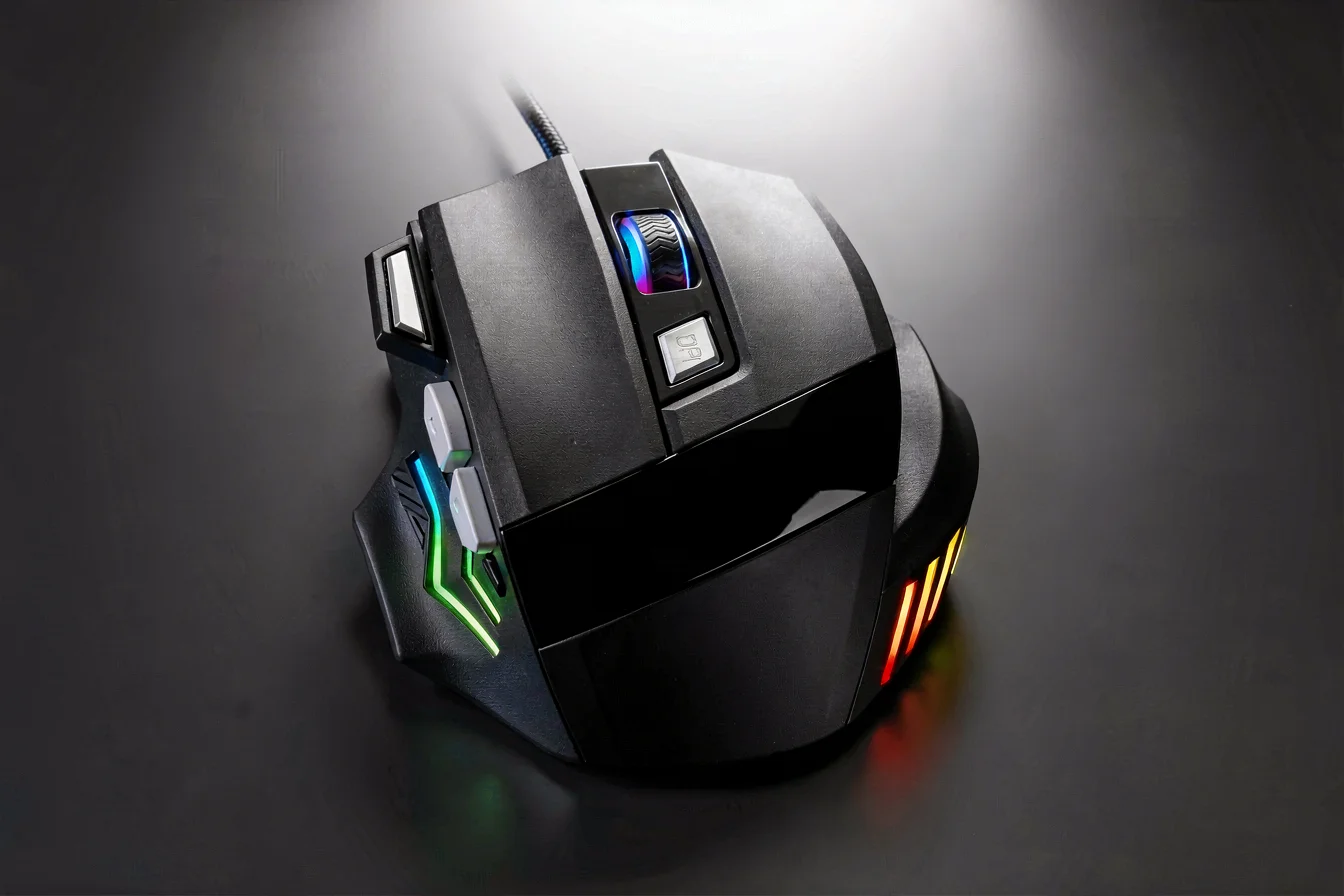
Amazon’s top-selling 7d gaming mouse models feature 7–12 programmable buttons, high DPI, RGB/LED lighting, and ergonomic designs. Price points range from $9.99 to $52.99, with strong buyer preference for combo kits and wireless connectivity. SKUs with robust warranty and positive reviews dominate the market.
| Image | Name | Price | Rating | Key Features |
|---|---|---|---|---|
 |
Redragon M612 Predator RGB Gaming Mouse | $16.99 | 4.6 | 11 buttons, 8000 DPI, RGB, ergonomic |
 |
Redragon M908 Impact RGB LED MMO Gaming Mouse | $24.29 | 4.4 | 12 buttons, 12400 DPI, RGB, ergonomic |
 |
Redragon M602 Griffin RGB Gaming Mouse | $29.99 | 4.6 | Wireless, 8000 DPI, RGB, ergonomic |
 |
RedThunder K10 Combo | $39.99 | 4.5 | Keyboard + mouse, 7200 DPI, RGB |
 |
Redragon M656 Gainer Wireless Gaming Mouse | $16.99 | 4.5 | Wireless, 4000 DPI, RGB |
Buyer reviews highlight solid build quality, smooth DPI adjustment, and clean RGB lighting as major strengths. Complaints focus on Linux software compatibility, inconsistent button feel, and durability issues. Positive sentiment is strongest for value-priced models with robust warranty and ergonomic design.
“For the money, this mouse is ridiculously good. It feels solid in the hand, tracks accurately, and the button layout is actually useful instead of gimmicky. No lag, no weird tracking issues, no cheap-feeling clicks. Build quality is the real surprise here.” [2]
“I’ve been using the Vaydeer mouse mover with a Logitech Pebble mouse, and it works exactly as intended. It keeps the cursor active consistently without any connection issues or interruptions. It is a bit bulky compared to smaller mouse movers, but in practical use that hasn’t really mattered.” [2]
| Product Name | Top Praise | Top Complaint | Overall Sentiment |
|---|---|---|---|
| Redragon M612 Predator | Solid build, smooth DPI, clean RGB | Linux software compatibility | Positive |
| Redragon M908 Impact | High DPI, programmable buttons, comfort | Side buttons feel | Positive |
| Redragon M602 Griffin | Comfort, wireless, easy setup | Battery life | Positive |
| RedThunder K10 Combo | Combo value, quiet keys | LED faults | Mixed |
| Vaydeer Mouse Jiggler | Reliable, quiet | Bulkiness | Positive |
Reliability benchmarks for 7d gaming mouse include defect rates (<2% for Redragon), expected service life (10–24 months), and maintenance cycles (annual software updates, warranty coverage). Strategic sourcing should focus on OEM/ODM partners with proven quality, robust warranty, and Linux software support. Risks include supply chain disruptions for RGB/wireless components and inconsistent button feel. Negotiation levers include bulk pricing, warranty extension, and software support agreements.
| Benchmark Dimension | Redragon M612 | Redragon M908 |
|---|---|---|
| Defect Rate | ~1.5% | ~1.8% |
| Expected Service Life | 18–24 months | 12–18 months |
| Maintenance Cycle | Annual software update | Annual software update |
| Warranty Coverage | 24 months | 12 months |
| Linux Support | Improving | Improving |
Over the next 12 months, the 7d gaming mouse market will continue to evolve with advances in wireless connectivity, RGB customization, and ergonomic design. Pricing will remain stable, but buyers should monitor emerging Linux software support and new button layouts for competitive gaming. OEM/ODM sourcing is recommended for spec-sensitive buyers seeking programmable buttons, RGB, and wireless variants. Immediate next steps include evaluating top-selling models, prioritizing reliability and compatibility, and negotiating warranty and software support agreements with trusted suppliers. Buyers should time procurement around peak trend months to capture best pricing and inventory.
Buyers should focus on wireless, RGB, and ergonomic features, prioritize reliability and Linux software support, and time procurement for peak trend months to maximize value and inventory availability.