
All categories
Featured selections
Trade Assurance
Buyer Central
Help Center
Get the app
Become a supplier
Waste bins in 2026 stand at the intersection of escalating urbanization, evolving regulatory frameworks, and mounting consumer expectations for both hygiene and environmental responsibility. Driven by growing legislation—illustrated by sweeping mandates such as the U.S. SB 1383 composting law, European waste color-coding policies, and expanding city waste collection programs—there is surging global demand for high-functionality and sustainable waste management solutions[5][10]. Seasonally, demand tends to spike in the first and third quarters, matching the rhythm of New Year cleanout initiatives, post-renovation surges, and preparation for public events or hospitality updates. Consumer behavior is shifting: households, small businesses, and institutions are investing in bins that promise improved hygiene, better odor control, easier waste sorting, and integration with home décor. Societal movements for urban cleanliness (especially in megacities facing waste management crises, such as Bangalore or Los Angeles), sustainability drives in education, and the popularity of “zero waste living”—supported by social media and influencers—further accelerate the market[12][15]. Buyers sourcing in 2026 must reckon not only with functional performance and price but also with environmental standards, color-coded compliance, user-friendliness, and aesthetic integration.
The waste bin is far more than a simple receptacle—it has evolved to meet the changing needs of hygiene, sorting, environment, and style. Technically, it is defined as a container designed to temporarily store waste, awaiting collection, recycling, or disposal. Common aliases include dustbin (UK), trash can, garbage bin (US), and wastebasket[11]. Historically, bins transitioned from open baskets to covered containers. The invention of the pedal bin by Lillian Moller Gilbreth in the 1920s revolutionized kitchen cleanliness, enabling hands-free operation[11]. Since then, material science has enabled advances from metal and woven baskets to durable plastics, stainless steel, and even antimicrobial coatings. The 2010s ushered in smart bins—automated sensor lids, integration with waste tracking apps, and modular systems. Key classification criteria for buyers include:
The real-world application of waste bins extends into the heart of communities, sparking lively social dialogue, grassroots activism, and persistent lifestyle adaptations. Online platforms brim with discussions ranging from public frustration over municipal bin shortages to humorous observations about regulatory inconsistencies. For instance, in urban centers like Bangalore, citizens lament the removal of public bins—expressing deep concern over visible street waste and environmental decline[12]. Local commentary highlights the difficulties faced by waste workers, the lack of proper protective gear, and widespread non-compliance with basic sorting protocols. Here, conversations reveal an acute awareness of communal responsibility but also systemic obstacles: theft of bins, lack of proper education about sorting, and frequent infrastructural failures. Some threads suggest a shift to door-to-door collection due to poor bin usage and contamination issues, yet this solution is not universally popular. In Australia, young residents query how best to encourage proper sorting of kitchen organics, noting that simple interventions like strategically placed kitchen caddies, regular education, and council-supported bin liner guidelines make a significant difference[13]. Psychological nudges (such as visible small containers, positive reinforcement, and clear rule signage) can tip sorting behaviors from neglect to compliance, with local rules sometimes undermined by confusing council differences. North American communities echo these challenges during major rollouts—such as Los Angeles’s expansive green bin initiative for organic waste separation. Residents describe difficulties adapting to new collection schedules, unexpected costs for bin deployments, and confusion caused by inconsistent pickup and regulatory red tape[15]. Small businesses and multi-unit buildings face issues with bin size, placement logistics, and property management compliance. Even bin origins spark debate: Canadian regions question procurement of bins manufactured abroad, revealing sensitivities around local industry, taxpayer value, and policy prioritization[14]. Beyond functionality, consumers increasingly value bins for their design, ease of assembly, and integration with home/lifestyle aesthetics. Reviewers praise attractive appearance, sturdy construction, and under-sink compatibility, but also voice frustration over size limitations, quality issues, and operational difficulties[1][2]. Key themes in social sentiment:
The waste bin market in 2026 demonstrates strong resilience and evolving preferences despite fluctuating monthly search volumes. Amazon trends reveal robust sales in core segments—Home/Kitchen Waste Bins, Tilt-Out Trash Cabinets, and Car/Event Trash Bins—each with unique drivers and key consumer segments. Notably, retail sales for home and kitchen bins remain stable even as search volumes fluctuate; tilt-out cabinets show low but steady sales with periodic rebounds; car/event bins experience substantial growth in consumer interest, peaking mid-year due to event and travel seasonality[1][2][3]. Regionally, homeowners (especially families, households with children, and kitchen/bathroom users) constitute the largest market share (32.1% and 19.36%); in the tilt-out segment, small space dwellers and kitchen-focused users are most prominent[1][2]. Price tiering remains logical—mid-range bins (sub-$50 retail) dominate sales volume, while high-end integrated cabinetry options occupy the premium niche with lower unit sales but higher margins. Innovative features—such as improved lid designs, odor sealing, child/pet-proof options, and attractive under-sink compatibility—are clear winners among consumer comment tags. On the negative side, small bin sizes, damage during transit, and operational difficulties (lids not fully closing, hard-to-remove bags) are persistent complaints. This positions opportunity for suppliers: there is room to capture market share by introducing larger-capacity bins, robust packaging, and superior functionality. Market intelligence highlights a dual focus for sourcing:
Sales and Search Volume Dynamics: Amazon Trends Bar Chart Analysis
Amazon’s real-time sales and search volume data present a clear picture of evolving demand cycles. Below, the bar chart visualizes normalized monthly sales counts across the three primary themes—Home/Kitchen, Tilt-Out Trash Cabinet, Car/Event bins—demonstrating both seasonal and segment differences. Notably, kitchen/home bins sustain the highest sales count consistently; tilt-out cabinets have a rebound in December, while event/vehicle bins peak in summer events but overall volume lags behind.
Normalized Amazon sales counts by category from Aug 2025 to Jan 2026, illustrating seasonal spikes and shifting consumer priorities.
Observing the above chart, buyers will notice the pronounced strength of Home & Kitchen Waste Bin sales, offering consistent performance throughout the year. Tilt-out cabinets maintain modest but reliable volume, with increased consumer engagement in Q4—corresponding to kitchen renovations and holiday preparation cycles. Car & Event bins spike during summer travel and event season, reflecting shifting lifestyle priorities. For procurement, these insights recommend:
Sentiment Analysis: What Real Customers Value—and Dislike—in Waste Bins
Customer feedback on Amazon highlights several dominant themes driving purchase satisfaction and repeat buying:
Downstream Hot Selling Analysis: Top 10 Amazon Waste Bin Products
The following table presents the top 10 best-selling Amazon waste bin products based on latest monthly sales volume, star rating, pricing, and major specifications. This list provides direct insight into what retail end-users are buying most actively, with images for visual assessment.
| Product Image | Name | Star Rating | Sales Volume (Month) | Retail Price | Wholesale Price | Key Specifications / Features |
|---|---|---|---|---|---|---|
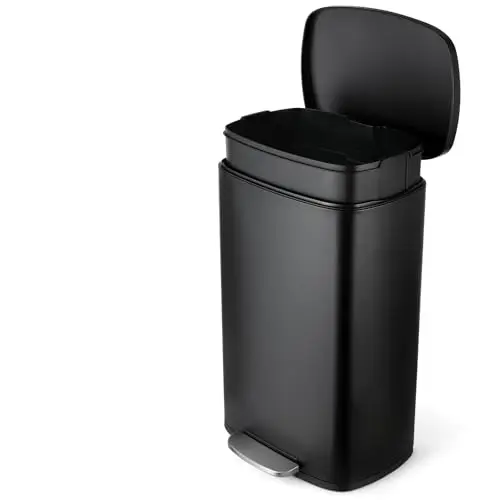 |
8 Gal Kitchen Trash Can, 30L Stainless Steel, Step-On Pedal, Soft Close | 4.7 | 1287 | $46.48 | $11.72 | Brushed steel, removable bucket, kitchen/living/office |
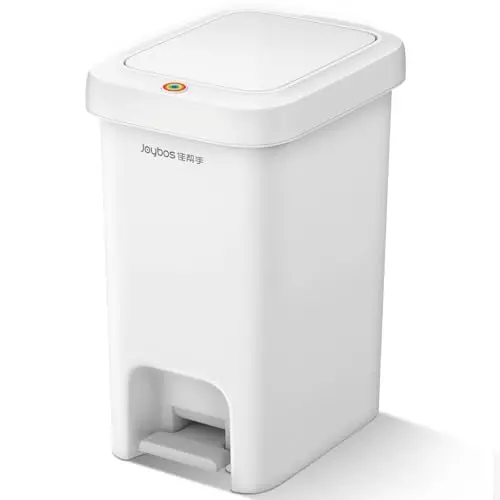 |
MOPALL Trash Can, 5.7 Gal, Press Top Lid & Foot Pedal | 4.3 | 1026 | $42.27 | $7.08 | Bathroom/kitchen/office, lid & pedal function, compact design |
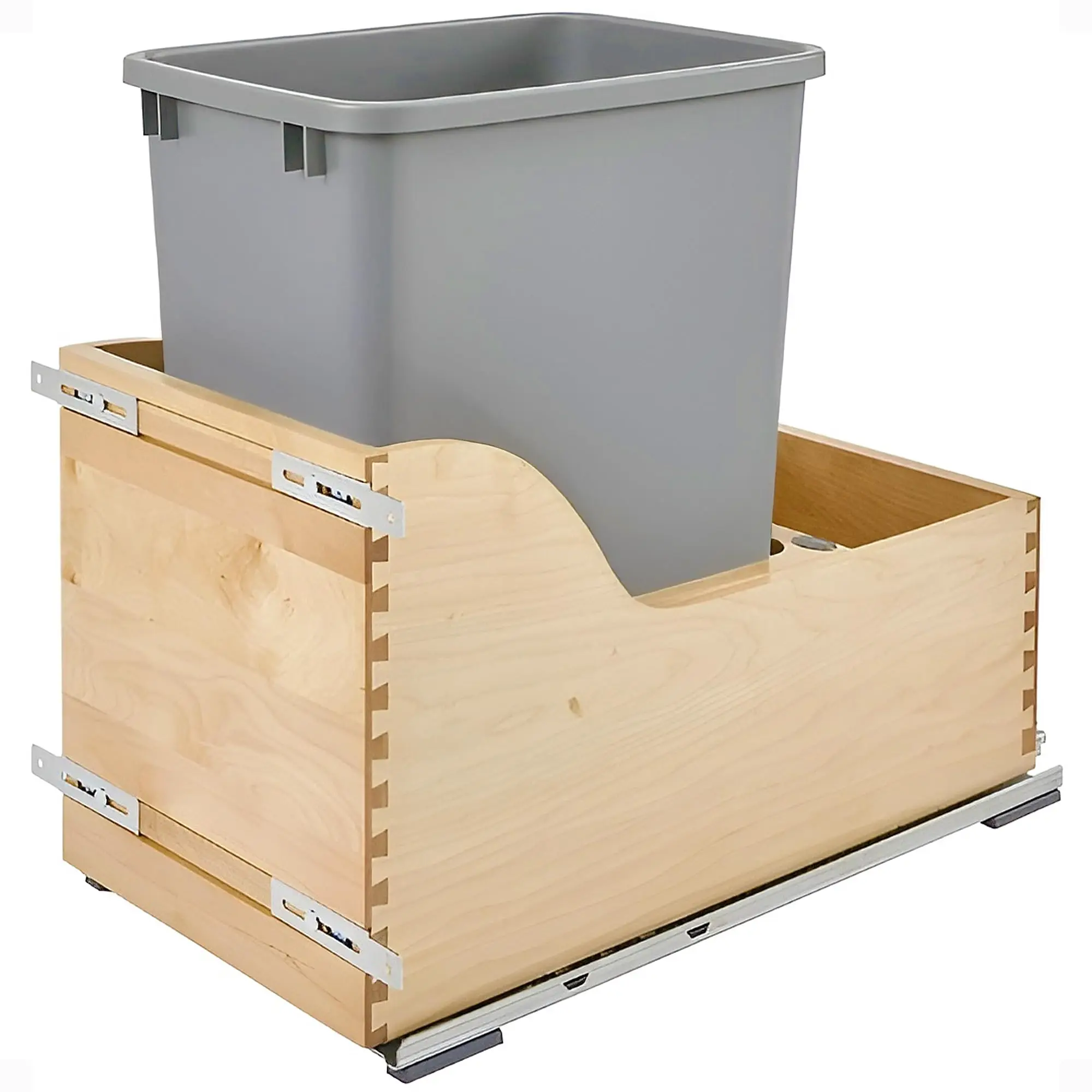 |
Rev-A-Shelf Pullout Trash Can, Single 35 Qt | 4.8 | 209 | $366.77 | $37.04 | Kitchen cabinet, wood frame, recycling & waste storage |
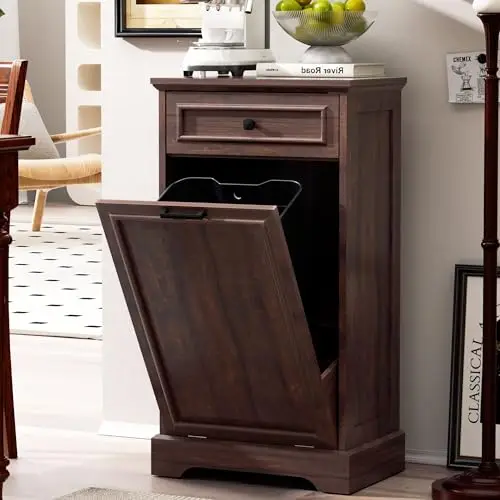 |
Spurgehom 13 Gal Tilt Out Trash Cabinet, Free Standing, Brown | 4.6 | 133 | $112.05 | $95.44 | Pet proof, hidden design, with drawer |
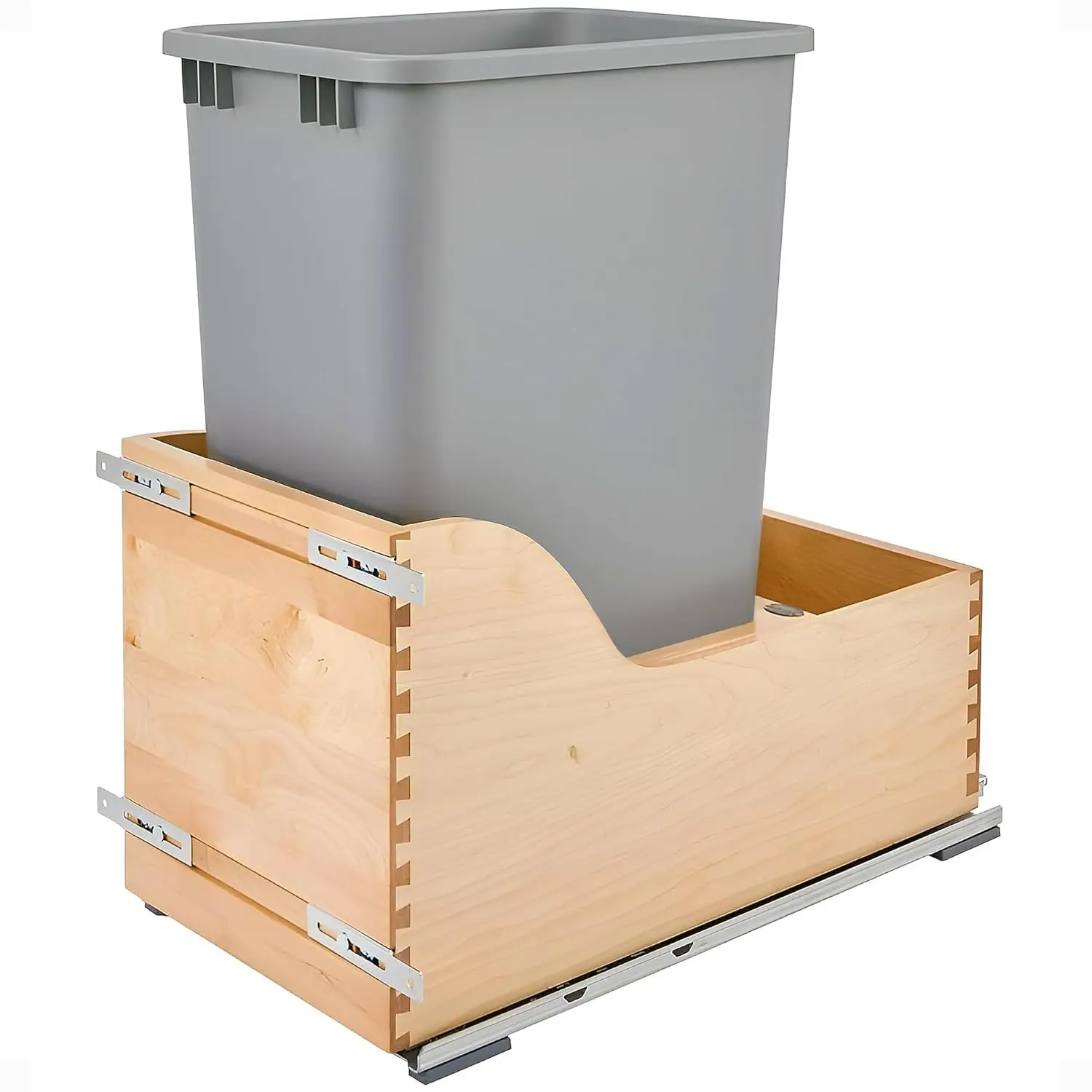 |
Rev-A-Shelf Pullout Trash Can, Single 50 Qt | 4.8 | 125 | $385.65 | $44.39 | Large kitchen, cabinet integration, premium build |
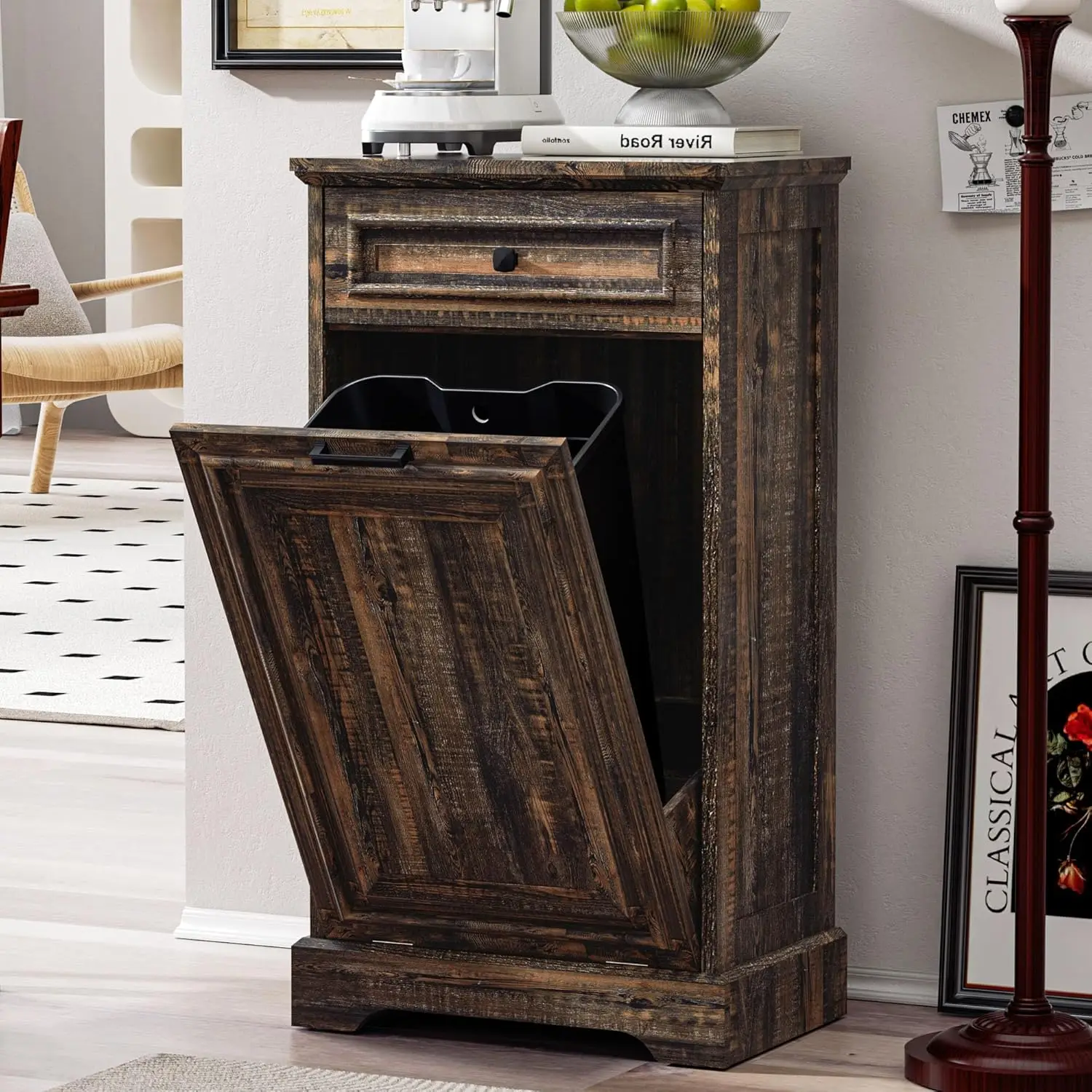 |
Spurgehom 13 Gal Tilt Out Trash Cabinet, Rustic Brown | 4.6 | 118 | $102.52 | $7.25 | Hidden design, pet proof, with drawer |
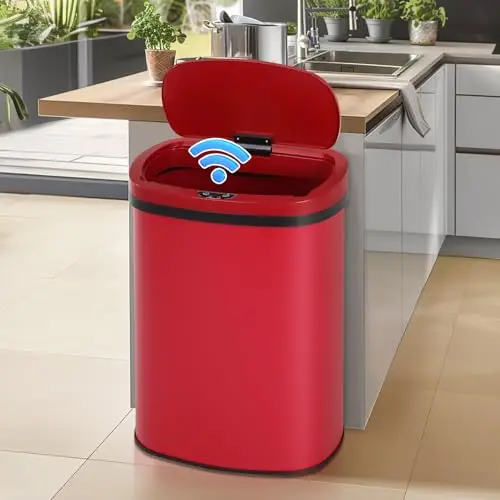 |
Dkeli Kitchen Trash Can, 13 Gal Automatic Touch Free, Red | 4.4 | 97 | $32.31 | $21.28 | Automatic lid, high capacity, for kitchen/office |
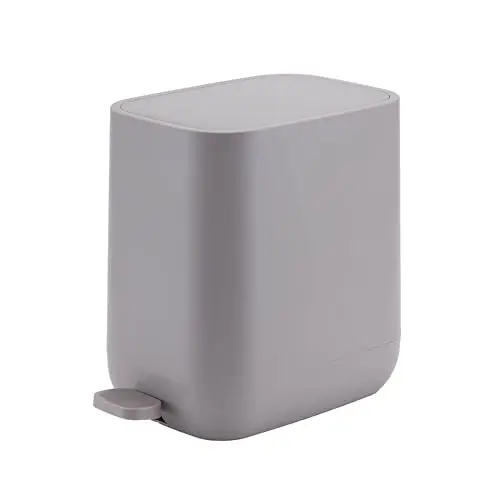 |
Veinvify 1.85 Gal Bathroom Kitchen Bin, Lid, Pedal, Grey | 4.4 | 95 | $25.12 | $5.91 | Compact, soft close, washable, office/home use |
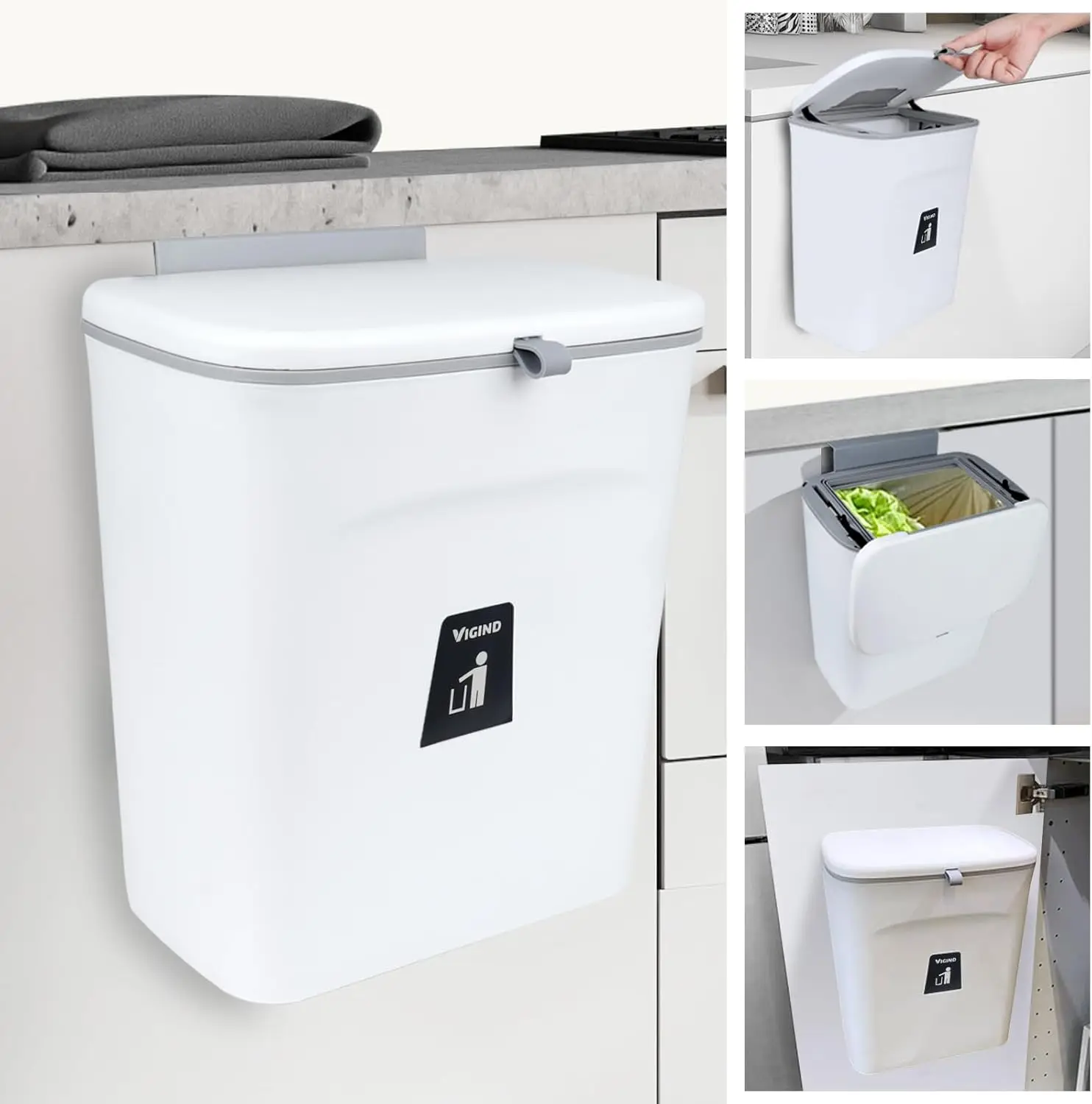 |
VIGIND 9L Hanging Trash Can, Wall Mounted, White | 4.2 | 64 | $19.86 | $4.08 | Cabinet door mount, compost bin, compact, plastic |
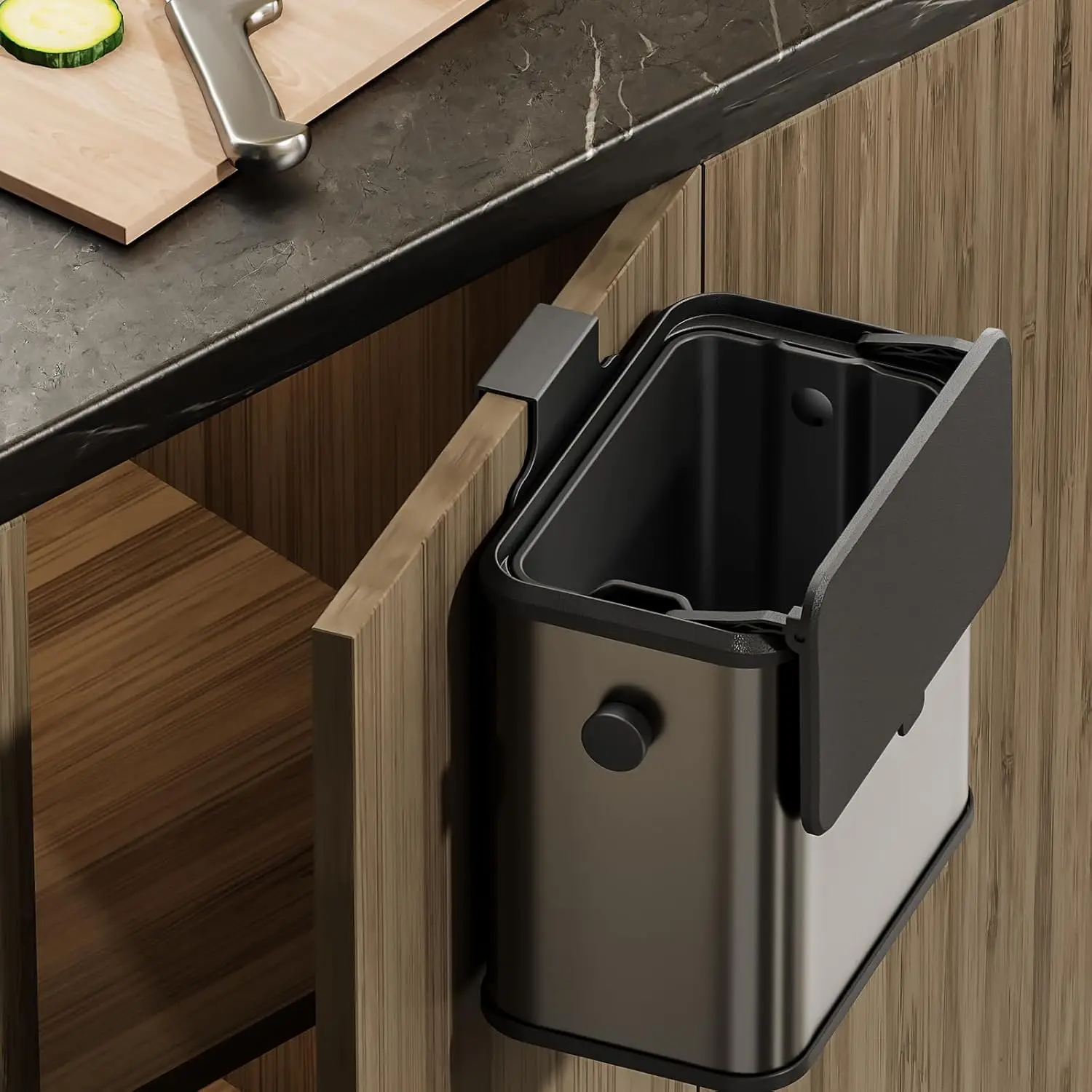 |
MRBIN Stainless Steel Compost Bin, Countertop/Hanging | 4.4 | 26 | $28.5 | $6.42 | Lid, recycle, indoor kitchen bin, inner bucket |
Table data sourced from [4].
Analysis shows that mid-sized kitchen pedal bins, tilt-out cabinets with hidden design features, wall-mounted and automatic touch-free bins are particularly preferred. Products with integrated odor control, user-friendly pedal mechanisms, and compatibility for both home and office environments occupy the highest sales tier. Price points cluster chiefly under $50, except for integrated cabinetry options which reach premium retail levels but compensate with robust consumer ratings (4.7–4.8 stars). Key product improvement levers include:
For international buyers, success in the waste bin category depends on balancing compliance, quality, logistics, and market alignment. Below are actionable strategies to refine sourcing and limit risks: Supplier Evaluation Criteria
In summary, the global waste bin market in 2026 is propelled by both consumer passion for hygiene and sustainability and increasingly stringent regulatory standards. Home & kitchen bins remain the volume leaders, while tilt-out and event bins present strong niche opportunities. Product and procurement excellence rest on addressing the operational pain points revealed in rich consumer sentiment—expanding bin capacity, reinforcing assembly/packaging standards, and aligning designs with the shifting sensibilities of urban, family, and institutional buyers. For international sourcing professionals, the next 6–12 months present a window of opportunity to: