
All categories
Featured selections
Trade Assurance
Buyer Central
Help Center
Get the app
Become a supplier
The year 2026 has fully cemented the role of 4K IPTV streaming servers as a critical technology for next-generation entertainment, both in homes and commercial setups. With rapidly rising broadband speeds in major economies—average household connections in the UK, US, and parts of Asia now routinely exceeding 1Gbps—the infrastructure required for ultra-high-definition streaming is widely available [4]. This technical advancement supports a burgeoning population of users who are demanding seamless, buffer-free access to not only local channels but also massive, multi-territory content libraries in real time. The exodus from traditional cable and satellite services is accelerating, as consumers become increasingly intolerant of the high costs, restrictive packages, and poor flexibility historically characteristic of legacy systems [3][5].
Simultaneously, large-scale cultural moments—worldwide sports tournaments broadcasting in 4K, the emergence of blockbuster streaming-only premieres, and the popularity of family movie nights—are reshaping nightly viewing habits. These trends are fueled by the proliferation of household devices, from smart TVs and streaming sticks to automotive infotainment systems powered by wireless adaptors [1]. The ability to stream premium content to any device, in any location, is no longer a luxury; it is an expectation driven by both consumer demand and fierce market competition among content providers.
From the supplier’s perspective, the IPTV server market in 2026 is characterized by explosive growth, with subscription models outpacing traditional pay-TV in most regions [5]. The financial rationale for end-users is compelling: average monthly costs for all-inclusive 4K IPTV service hover at a fraction of cable bills, driving mass migration even among late adopters in rural areas and previously underserved communities. The typical household in the UK, for example, has moved from £50+ monthly cable bills to IPTV plans as low as £10/month, complete with Premier League coverage, BBC, Sky, and unlimited VOD [4].
In summary, it is a time of unprecedented change for both buyers and suppliers of 4K IPTV streaming servers. The segment presents strong commercial opportunities, but substantive consumer dissatisfaction with unreliable providers and buffer-prone services also means buyers must be judicious in their sourcing choices—now more than ever.
4K IPTV streaming servers are specialized hardware devices or hosted platforms that encode, store, and deliver television content over Internet Protocol (IP) networks in ultra-high-definition (UHD) resolution [2]. These servers replace legacy satellite or cable broadcast methods, enabling live and on-demand video distribution to a wide range of devices—smart TVs, streaming boxes, mobile devices, and even in-car entertainment systems [1]. The core appeal lies in their ability to aggregate thousands of live TV channels (sports, international, entertainment, news) and VOD libraries into a single, integrated application layer.
The evolution of IPTV began in the early 2000s as internet speeds and compression algorithms improved. First-generation IPTV boxes typically offered HD or SD streams; today's leading-edge servers support full 4K UHD, including sports (e.g., Premier League, Champions League, UFC), blockbuster films, and extensive catch-up archives [4]. Transitioning from software-centric PC solutions, the past three years have seen a swell in demand for hardware servers with integrated Wi-Fi 6/7, dedicated graphics acceleration, support for AV1/HEVC codecs, and full compatibility with popular IPTV applications such as TiviMate, IPTV Smarters, and customized automotive streaming platforms [[1][17]].
From a buyer perspective, classification is critical to effective sourcing. Major variations include:
Key classification criteria include server output resolution (true 4K vs. upscaled), supported codecs (H.265/HEVC, AV1, VP9), device compatibility (Firestick, Smart TV OS, iOS/Android), network protocol support (UDP, HTTP/HTTPS, RTSP), and security features for compliance (data encryption, channel authentication) [[3][12]]. Buyers must carefully evaluate each server type based on consumption needs, scalability, and the stability of the supply chain to ensure long-term service reliability in 2026’s dynamic market.
The real-world experiences and opinions expressed by global streamers in 2026 paint a vivid portrait of both opportunity and frustration in the 4K IPTV streaming server market. Across major social platforms, consumer sentiment is shaped by three overarching themes: technical reliability, channel selection, and quality of support.
First and foremost, the seamless delivery of buffer-free 4K content has become non-negotiable. Countless users have shared stories of churning through multiple providers, often seduced by marketing hype but inevitably let down by persistent streaming interruptions—especially during high-traffic live sports events. The most prominent consumer pain points include:
In contrast, positive experiences often spotlight providers who maintain direct, Tier 1 infrastructure (instead of re-streaming third-party feeds), ensuring not just stable streams and real-time server maintenance, but also true 4K delivery and rapid customer support [11][13][15]. The collective wisdom from these users advises buyers to prioritize stability and direct ownership over raw channel count or bottom-dollar pricing, especially for mission-critical viewing scenarios like sports finals, family gatherings, or business deployments.
Another major trend is the embrace of genuine multi-device flexibility. Consumers actively praise IPTV servers that deliver consistent 4K playback on Firestick, Smart TVs, Android, iOS devices, and even specialized infotainment hardware [8][14][1]. The fastest-growing market segment involves automotive streaming adaptors that allow drivers and passengers to bring their favorite shows and live sports into the car through CarPlay or Android Auto interfaces. For example, one top Amazon bestseller now integrates Netflix, YouTube, and IPTV channels in a plug-and-play package for both US and global vehicles [1].
From a lifestyle perspective, viral content and influencer endorsements emphasize the liberation from expensive cable and streaming bundles. Many users report cancelling Netflix, Disney+, Amazon Prime, and expensive sports subscriptions, instead turning to all-in-one IPTV servers with curated daily-updated VOD libraries [13][15]. Expressing relief at “finally having a weekend without switching servers every five minutes,” these narratives reinforce a market-wide consensus: in 2026, the peace of mind from a stable IPTV service outweighs any single feature of channel quantity or UI design.
On the critical flipside, industry veterans warn against falling for “public servers” advertising tens of thousands of channels. These often suffer from duplicated listings, minimal security, and channels/EPGs that vanish at peak times or during rights blackouts [12]. Security concerns also emerge: public servers often lack HTTPS encryption, exposing user activity to ISPs and vulnerable third parties. The result has been a widespread migration to private, subscription-based servers with adequate encryption and VPN compatibility.
Put simply, the global consumer narrative signals a demand in 2026 for direct, Tier 1 4K IPTV streaming servers, backed by robust customer support and continual VOD curation, rather than lowest-cost, highest-channel-count platforms that falter when most needed. Buyers responding to these authentic voices are far better positioned to source reliable product for residential and business customers alike.
The IPTV streaming server market continues its upward trajectory, with worldwide revenue projected to reach $133 billion by 2030 [5]. The surge in 4K-capable hardware, coupled with ever-expanding VOD libraries and dedicated live sports coverage, has pushed IPTV from niche status to mainstream adoption. Annual growth rates show a sustained double-digit acceleration in most regions. The greatest uptake is reported across the UK, Western Europe, North America, and major Asian metros, driven by broadband expansion and consumer desire to escape costly pay-TV contracts [4][5].
For B2B sourcing, the most lucrative opportunities are concentrated in:
Price tiers in 2026 reflect major differentiation by feature set and reliability:
Innovation in codec adoption, especially the shift to AV1 and next-gen HEVC, is reshaping device and server requirements. Anti-freeze and load-balancing technologies, as highlighted by user testimonials, are becoming standard among upper-tier providers [[8][4]]. The fastest-growing product segment is the plug-and-play wireless adapter, which brings 4K IPTV capabilities directly to vehicles, opening up untapped market niches for suppliers with automotive OEM relationships [1].
The competitive landscape is defined less by raw channel count and more by the promise of stable high-bitrate streams, especially for sports and movie content during peak viewing times [[17][16]]. European and Asian regions demand regionalized EPGs, rapid channel switching, and native compatibility with local ISPs (bypassing throttling), while North American buyers emphasize robust support for popular entertainment and sports networks [16].
The price/performance equation is central to procurement analytics. Buyers should weigh not only cost-per-device or cost-per-subscription, but also:
As the market shakes out, leading providers investing in their own infrastructure and support staff are gaining value and loyalty from both end-users and distributors. For international buyers, cross-regional procurement strategy is essential, with consideration for regulatory compliance and quality control in fast-evolving markets.
Nothing speaks louder than actual retail sales data. For January 2026, Amazon’s category leader among 4K IPTV devices is the OTTOCAST Play2Video Ultra Wireless CarPlay Android Auto Adapter AI Box. This plug-and-play server is reshaping expectations by bundling CarPlay/Android Auto integration, streaming support for Netflix, YouTube, and IPTV apps, and flexible adaptability across cars and personal electronics. Although the average star rating is moderate, its latest monthly sale volume of 149 units and steady retail/wholesale pricing indicate significant buyer interest for automotive and mobile use cases [1]. This trend reflects broader market movement toward decentralized, device-agnostic IPTV access.
| Product Image | Product Name & Key Features | Average Star Rating | Latest Month’s Sale Volume | Retail & Wholesale Price | Specifications |
|---|---|---|---|---|---|
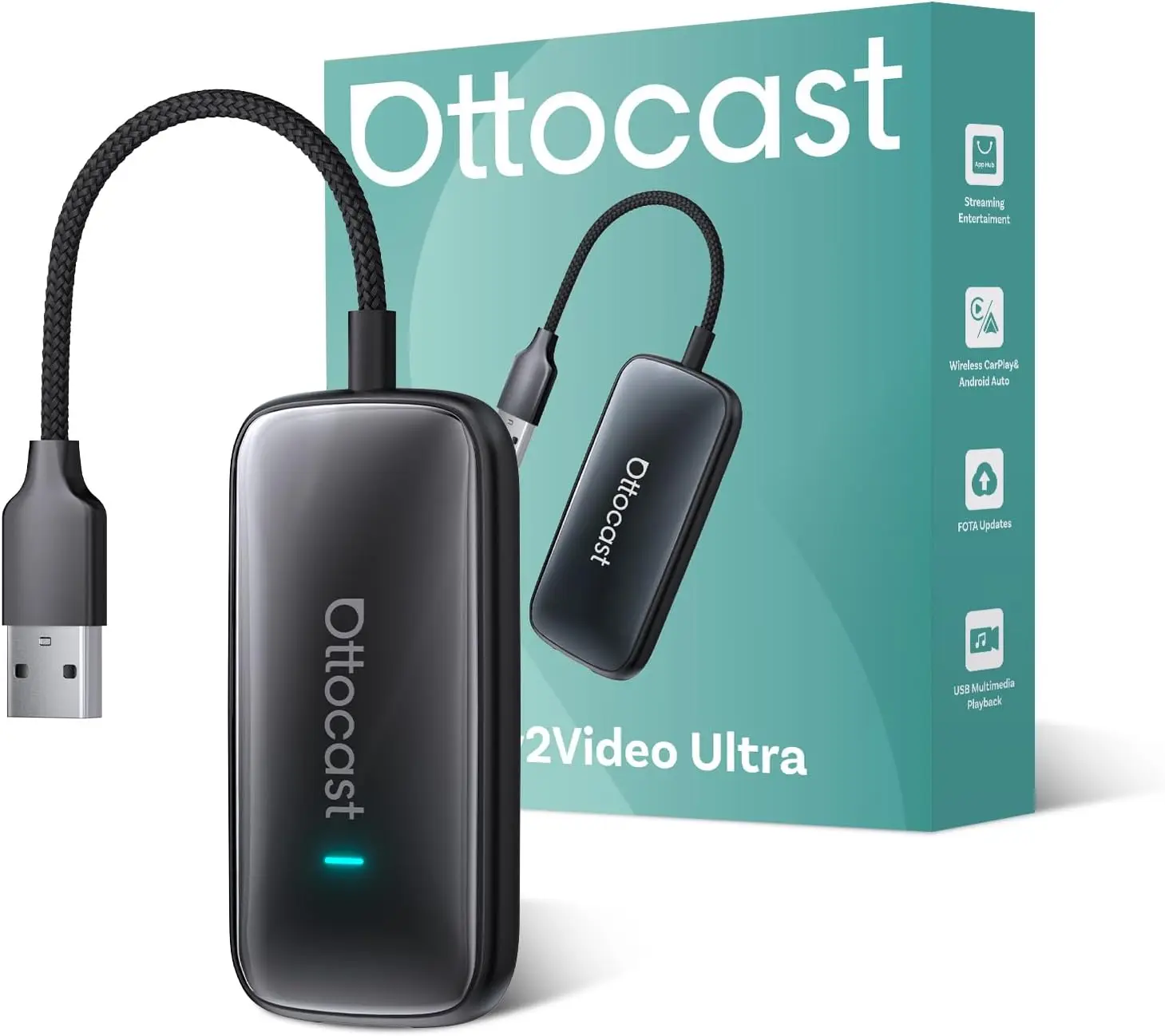 |
OTTOCAST Play2Video Ultra Wireless CarPlay Android Auto Adapter AI Box • Plug & Play streaming device for cars • Built-in support for Netflix, YouTube, IPTV apps • Wireless CarPlay/Android Auto integration • Video player with AI acceleration |
3.3 | 149 | $117.37 retail $48.92 wholesale |
• Connectivity: Wi-Fi, USB-C • Compatibility: CarPlay, Android Auto, Smart TV via apps • Codec: H.265/HEVC/AV1 support • Platform: Netflix, YouTube, IPTV applications • Plug & Play, multi-device support |
Table data sourced from [1].
Prospective buyers can leverage this bestseller trend by offering similar plug-and-play solutions tailored for mobility, rapid installation, and cross-device integration. This hardware segment, while still developing in terms of user rating, reveals emerging preferences among customers seeking not just home, but truly mobile 4K IPTV experiences. It is highly recommended to monitor downstream retail demand for adaptors, especially for automotive and travel-specific use cases, to uncover untapped sourcing potential in 2026.
The path from supplier to end-user is rife with pitfalls in the 2026 IPTV streaming server space. Procurement professionals must recalibrate their sourcing strategy to prioritize long-term reliability, compliance, and verifiable quality over raw volume or superficial feature lists.
Supplier evaluation must extend beyond basic certifications. Instead, look for:
Quality control points must be specified in every procurement contract:
Logistics considerations include:
When assessing risk, avoid entry-level providers who advertise excessive channel counts, unverified “4K UHD” claims, or use non-direct re-streamed infrastructures [[11][12]]. Such suppliers may be overstating capabilities and are at higher risk of sudden downtime or copyright complications. Instead, focus on companies whose business model revolves around direct control, daily maintenance, and localized support.
The clear competitive advantages in this category include true 4K hardware, curated VOD, anti-freeze technology, rapid channel switching, and flexible, multi-device planning. These advantages command price premiums, but deliver peace of mind and stable margins to B2B buyers in both vertical (hospitality, automotive, education) and retail channels. International buyers, especially distributors entering new geographies, should seek supplier relationships built on transparency, mutual technical audits, and ongoing compliance with emerging IPTV regulatory trends.
In summary, a risk-smart, data-driven sourcing approach will safeguard your procurement process and optimize downstream customer satisfaction in the dynamic IPTV market of 2026.
The transformational shifts in 4K IPTV streaming servers during 2026 present strategic opportunities and risks for procurement professionals, distributors, and resellers. Here is a concise roadmap synthesizing critical insights and outlining actionable steps for the next 6–12 months.
Market conclusions first: The sharp growth of the IPTV market confirms that integeral hardware/software solutions—especially those offering mobile and automotive compatibility, true 4K streams, curated VOD, and anti-freeze technology—will remain bestsellers. However, widespread consumer dissatisfaction with reseller infrastructure, fake UHD streams, and poor customer service highlights the necessity for rigorous vendor selection and ongoing quality control [9][13][11][15]. Sourcing decisions that prioritize stability and direct server ownership will drive long-term client loyalty and strong ROI.
For the next 6–12 months:
In closing, the 2026 4K IPTV market offers exceptional opportunity for agile buyers who leverage market intelligence, robust supplier vetting, and technical diligence. By executing a risk-smart sourcing plan—backed by the lessons gleaned from real consumers, technical reviewers, and retail sales data—you pave the way for business growth and lasting client confidence. Take action now to own your share of the next entertainment revolution.